Plane Meals Are Weirder Than They Look
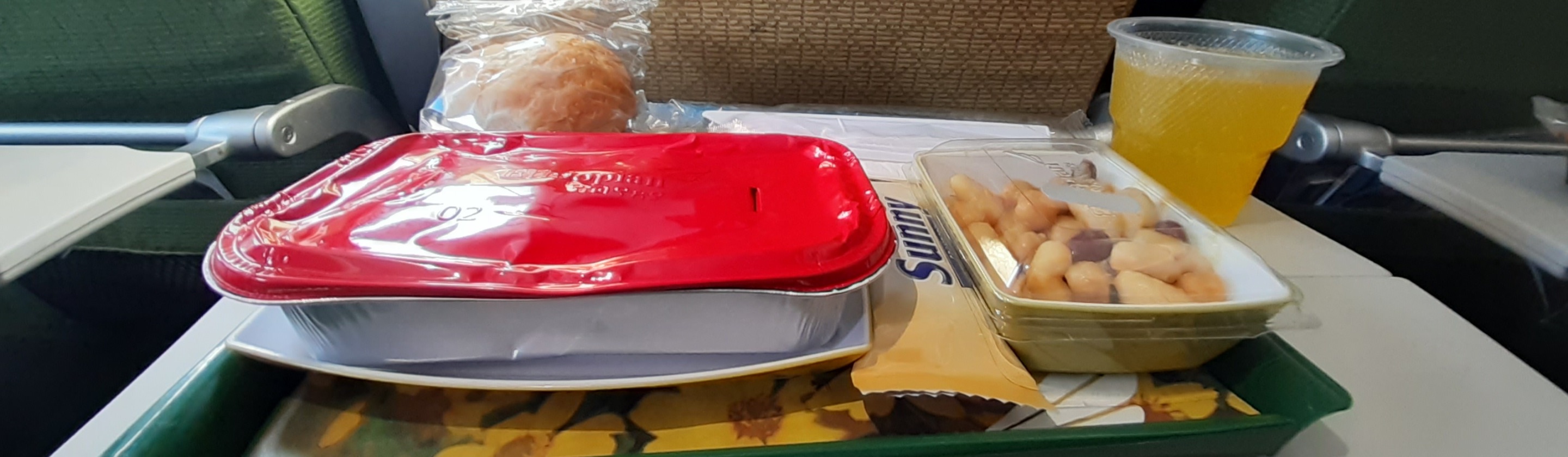
You might not know it, but airplane food is the product of industrial-scale catering, strict safety rules, and a cabin environment that changes how you perceive flavor. That means what ends up on your tray isn’t just about taste, but also about timing, packaging, reheating limits, and even how much noise you’re sitting in. Ready for some weird airplane food facts? Once you get through this list, you'll probably look at your tray a little differently.
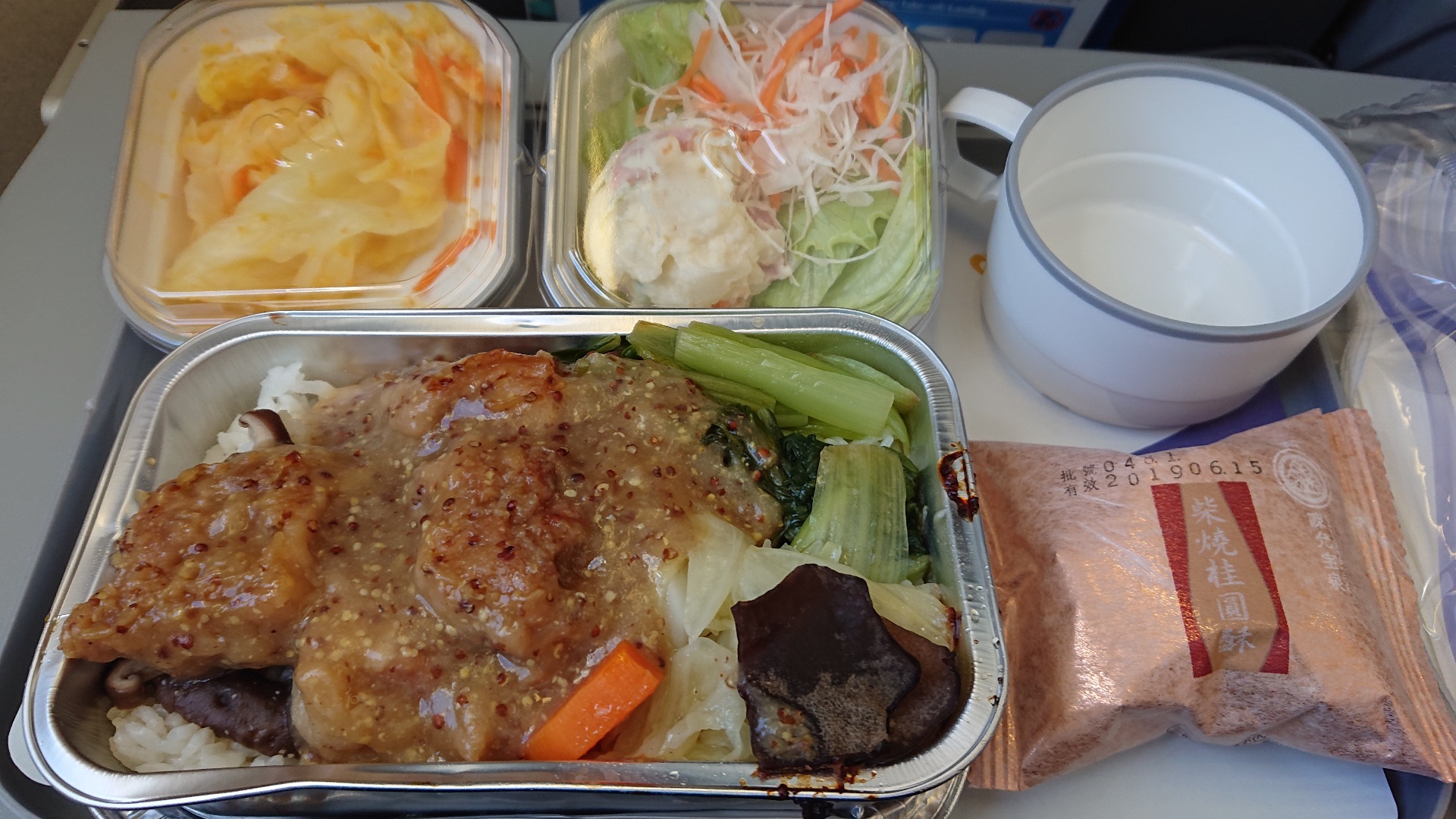
1. Airline Catering Is Big Business
In-flight meals are produced through a huge global system that feeds millions of people in tightly scheduled waves. Because it’s such a high-volume operation, airlines track ingredients, portion sizes, and packaging with intense precision, since even small changes can have outsized impacts. Crazy, right?
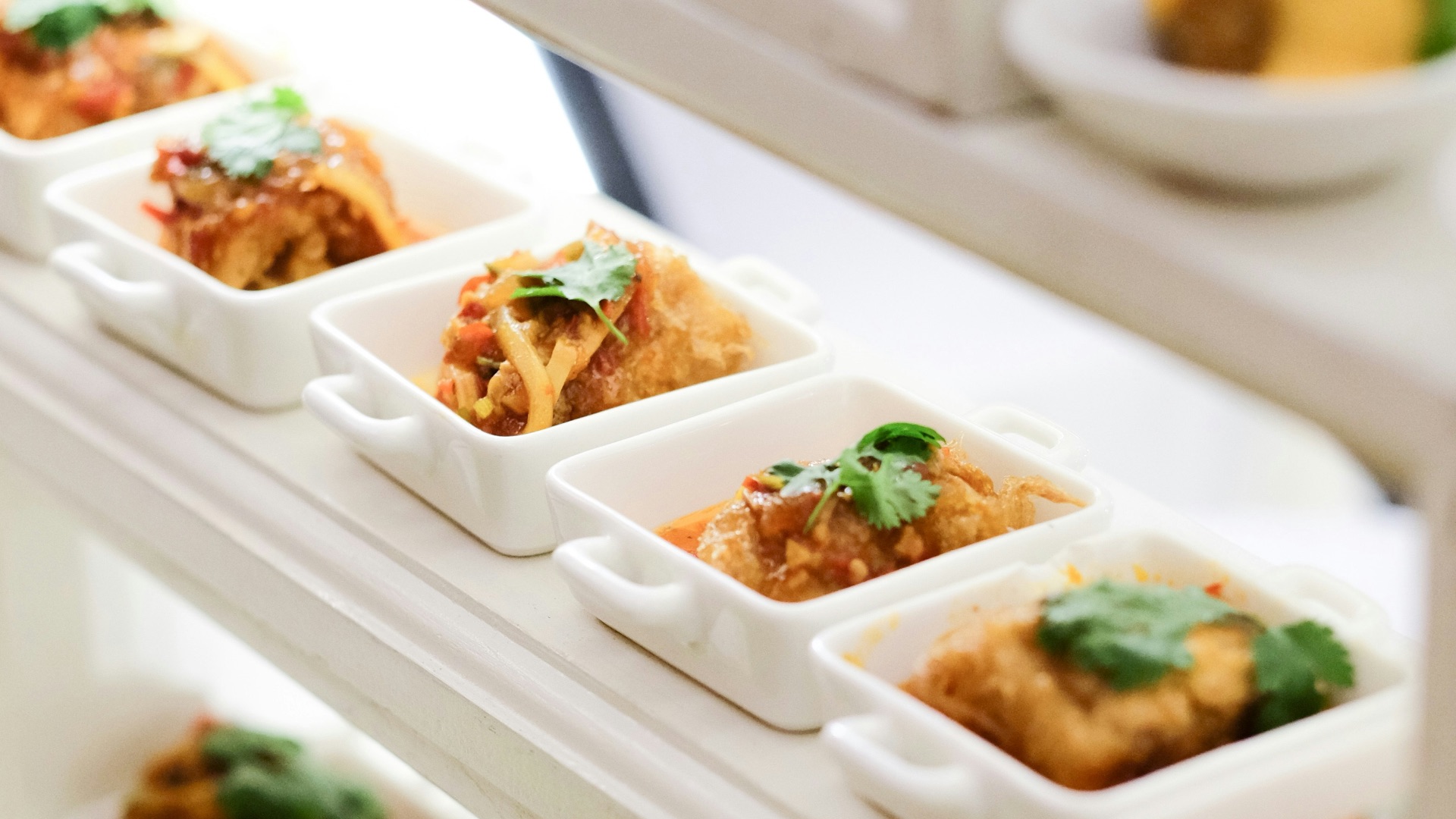
2. Airplane Food Has Been Around for Over a Century
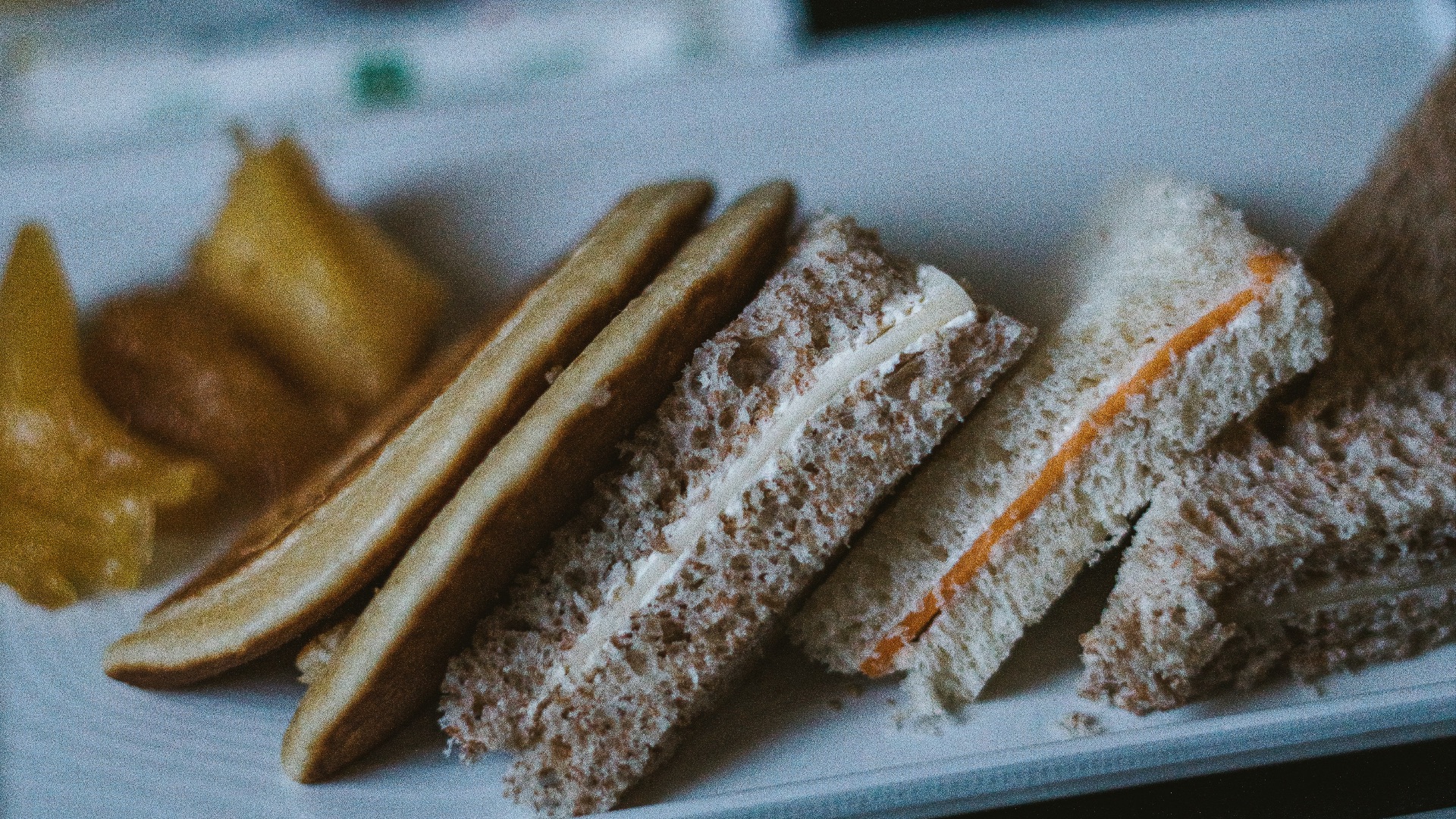
Did you know that airplane food is over 100 years old? Early passengers weren’t handed a tray with an entreé, buttered bun, and dessert; in fact, the first in-flight meal came in 1919 when Handley-Page served sandwiches and fruit on their London to Paris route. Nowadays, we take in-flight meals for granted.
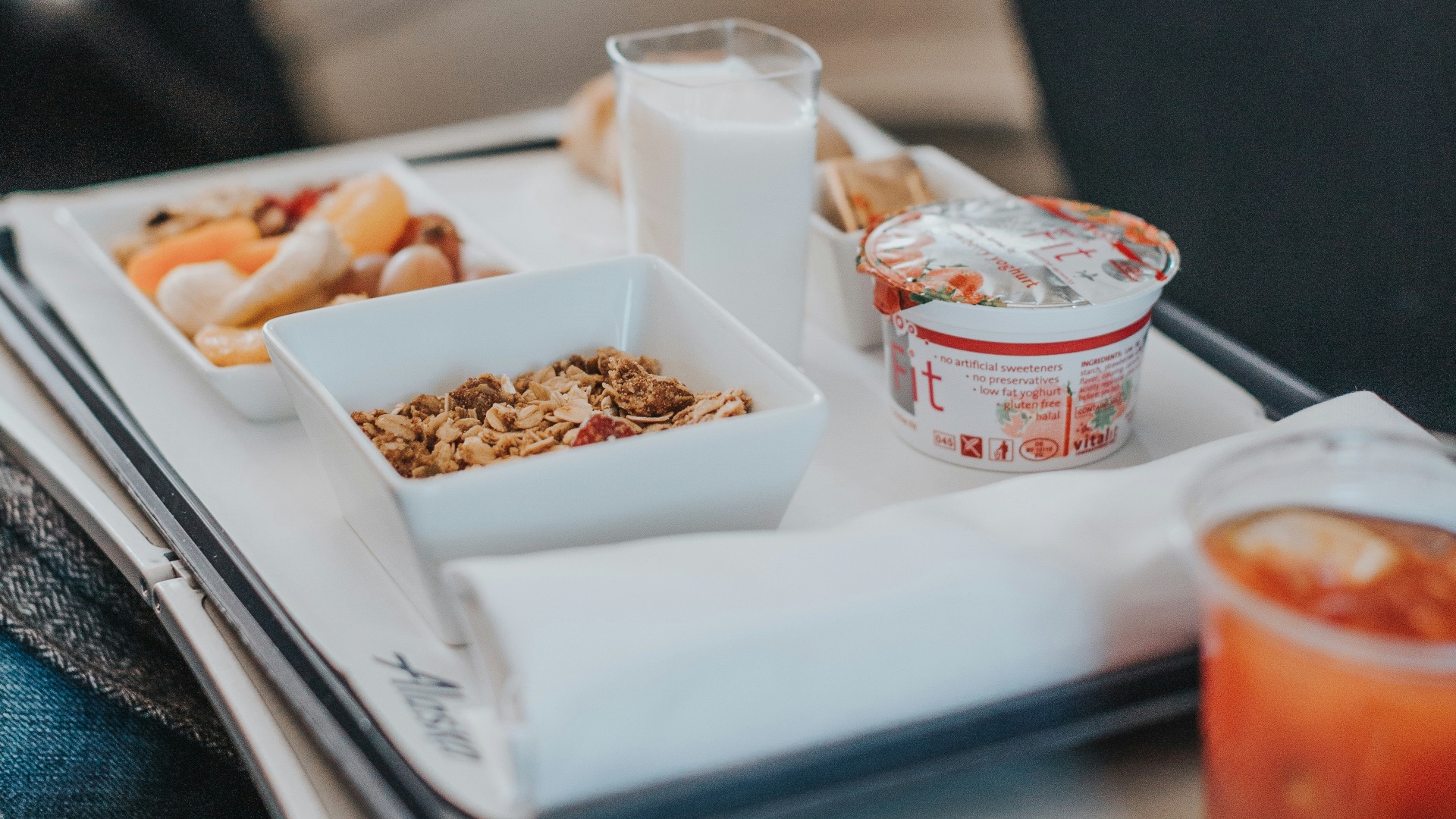
3. Hot Meals Showed Up Later Than You’d Think
Hot food service took time to become a standard part of flying. A notable milestone is the introduction of hot meals in 1927, served by Imperial Airways, which helped push airline dining toward more complete, structured service. That shift set the stage for the tray-based meal system that later became familiar.
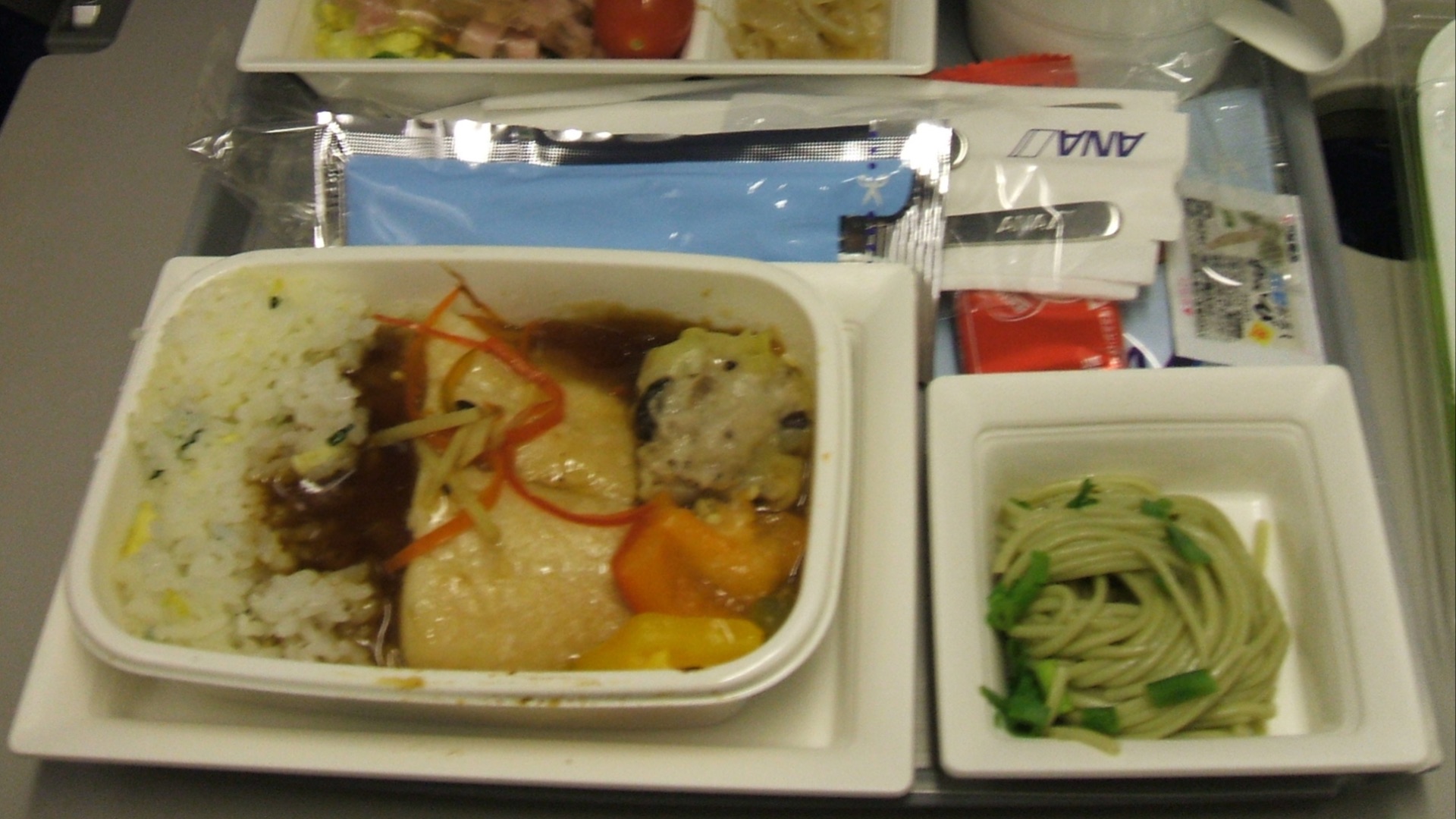
4. Airlines Can Be Shockingly Picky About Fruit
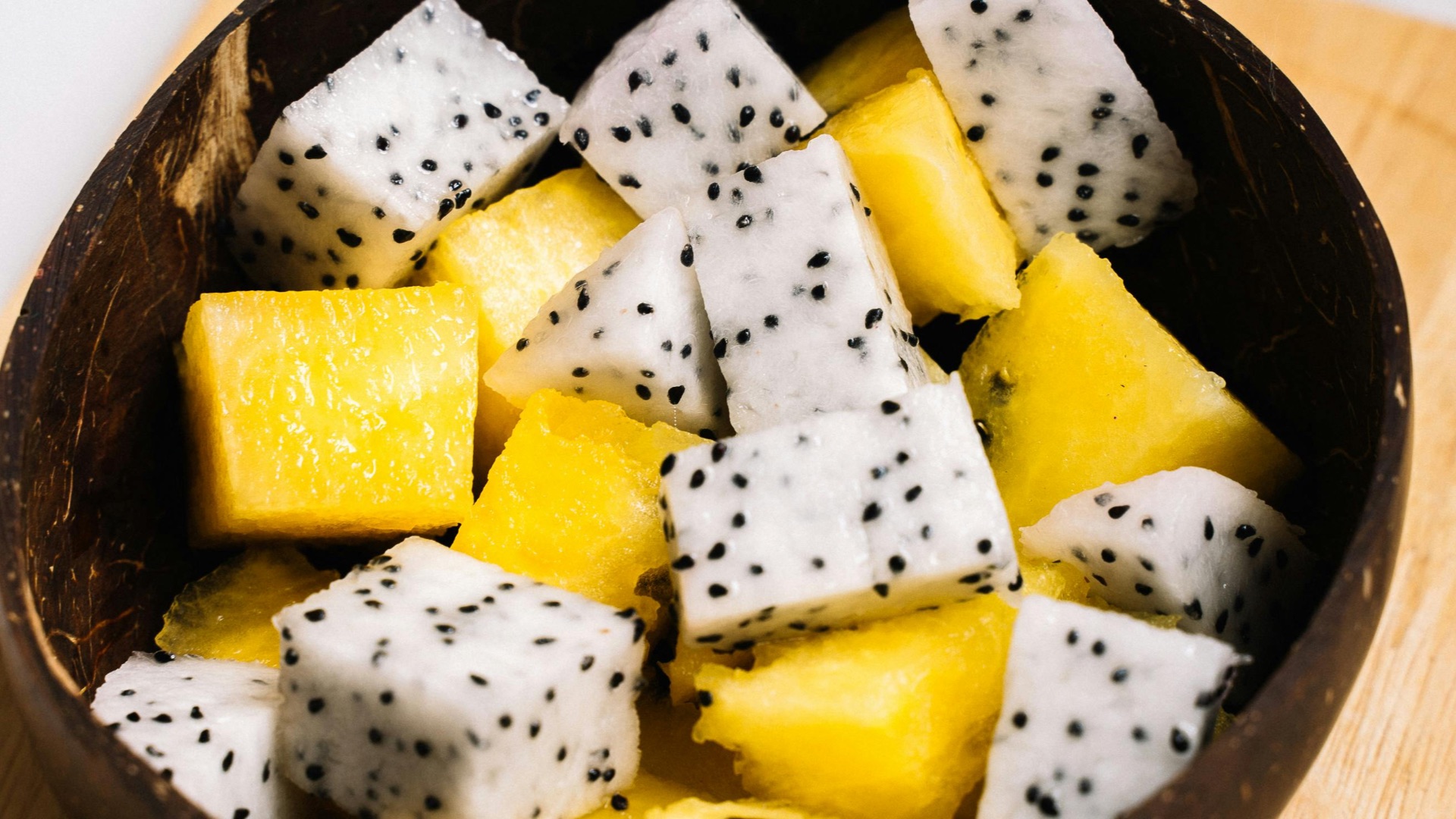
Even when airlines use the same catering companies, they can demand different presentations. One example is how some carriers specify how fruit should be cut, or even require certain weights while still fitting a specific bowl. That’s the kind of detail you only notice when you realize how standardized the service has to be.
5. A Long Delay Can Mean Your Meal Gets Tossed & Replaced
If a plane sits too long after the food is loaded, the meals may be discarded and swapped out. Why? Because once enough time passes, keeping that food becomes a safety and quality risk the airline doesn’t want to take. It’s an expensive outcome, but safety comes first.
6. Your Food Has to Be Cooked on the Ground
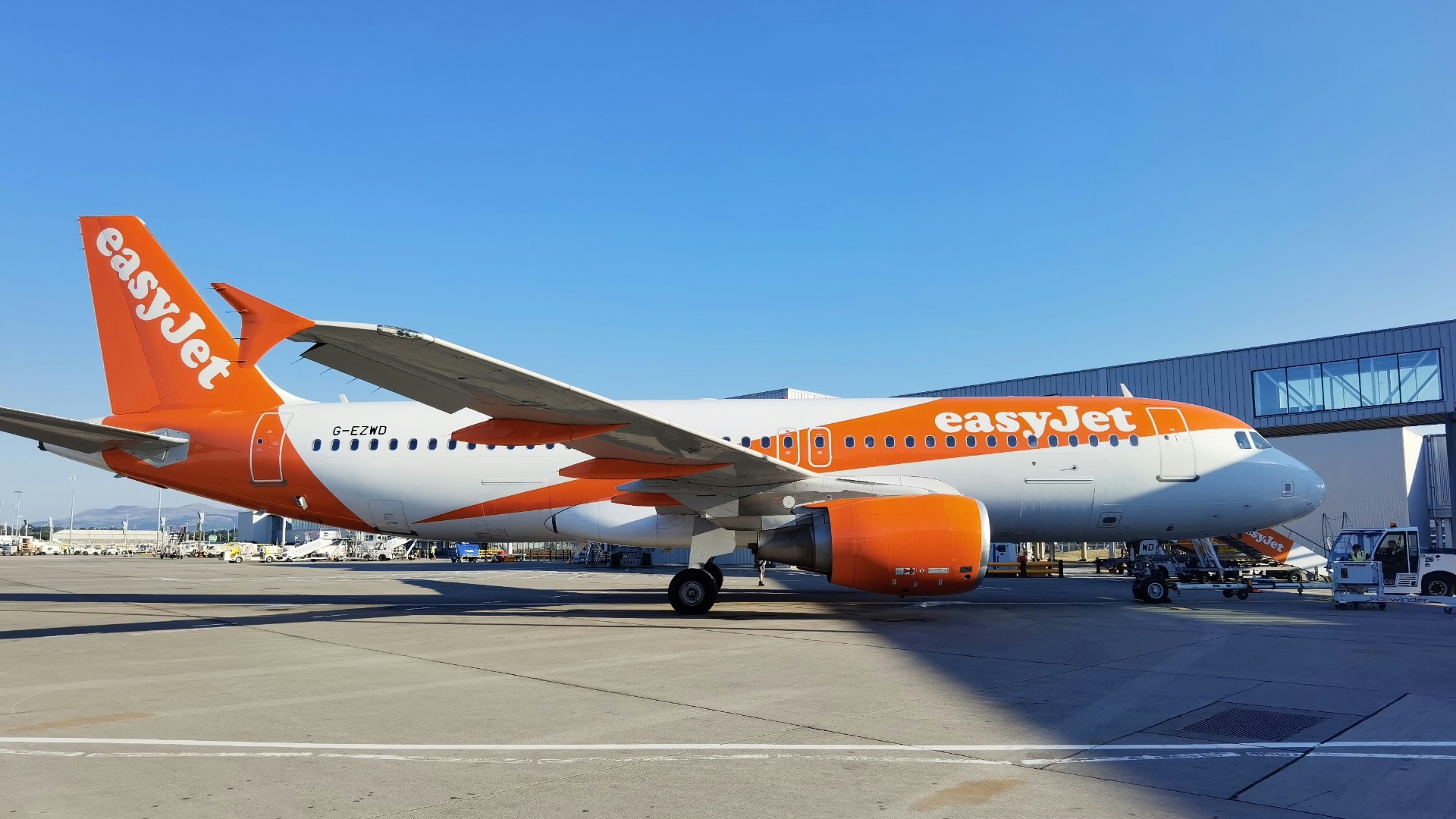
Airplanes aren’t set up for full cooking the way a restaurant is; meals are typically cooked and assembled on the ground, chilled, and then loaded onto the aircraft for reheating. That’s why menus rely on foods that can survive storage and still taste decent after being warmed up.
7. The “Oven” Is Often a Convection Blast
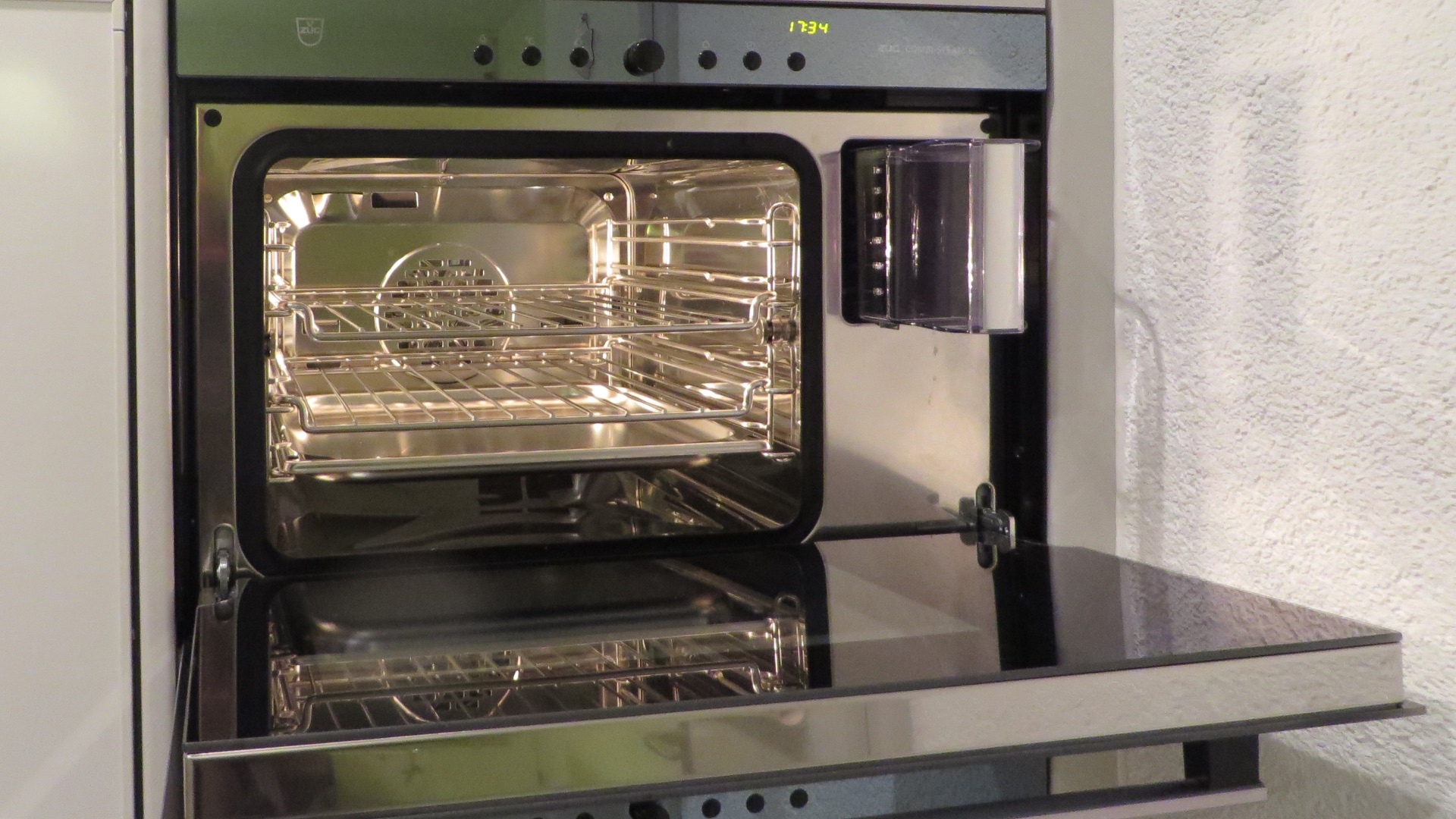
Many planes use convection-style ovens that blow hot air over the food. That reheats quickly, but it can dry meals out, especially if the dish wasn’t designed for that kind of heat. Some newer setups now use steam to help keep entrees from turning stiff and dehydrated.
8. Your Taste Buds Get Less Impressed at Altitude
At cruising altitude, your senses don’t behave the same way they do on the ground. Sweetness and saltiness can register as weaker than normal, which helps explain why in-flight meals can taste different and even bland. To compensate, recipes are often adjusted so they're more flavorful under these conditions.
9. Dry Air Can Mute Smell, Which Mutes Flavor
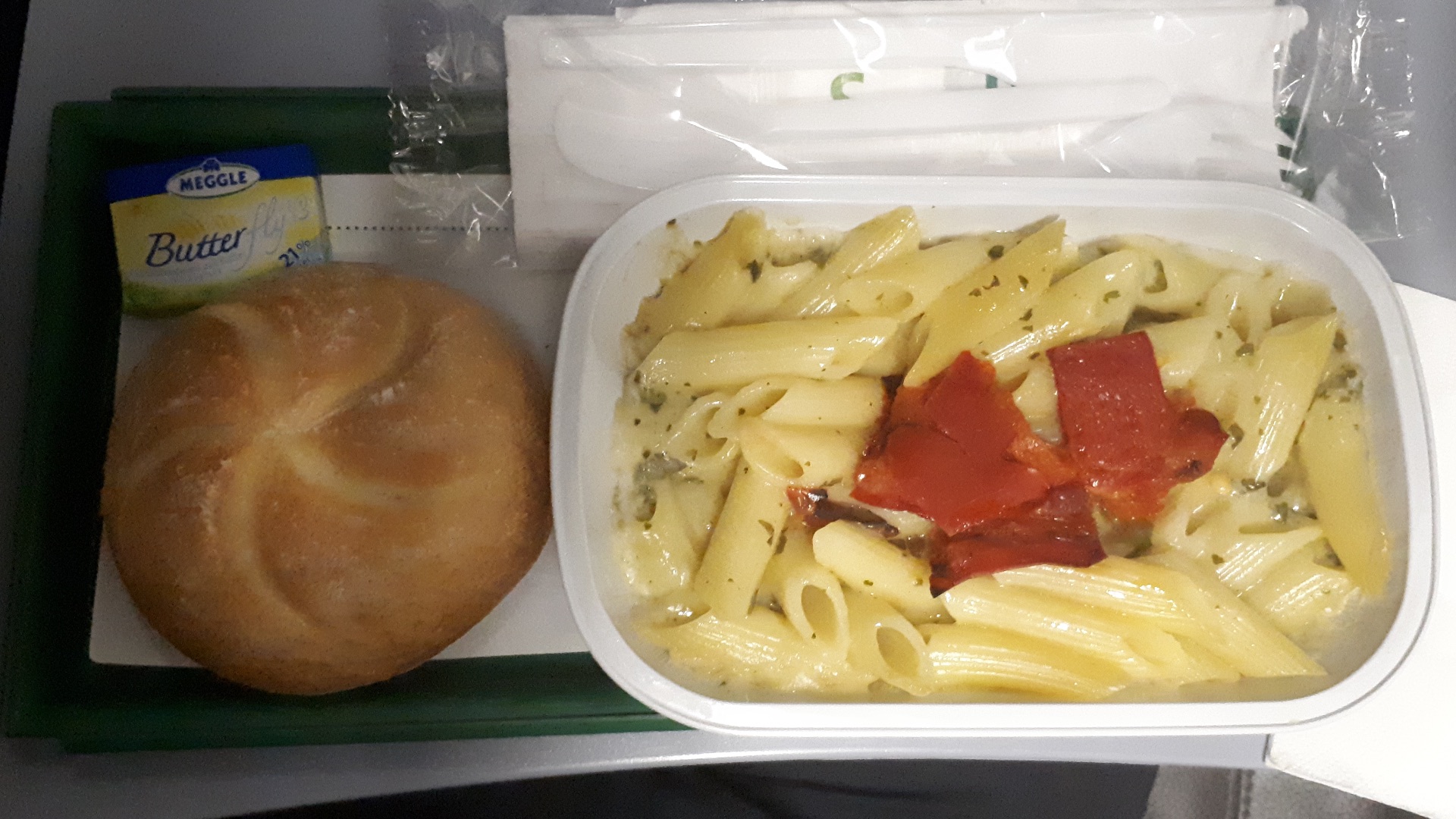
Cabin air is famously dry, and that dryness can dull smell and taste. When aroma fades, flavor tends to feel flatter, even if the recipe itself isn't bad. It’s part of why you might enjoy the same dish more once you’re back on solid ground.
10. Noise Can Change What You Think You’re Eating
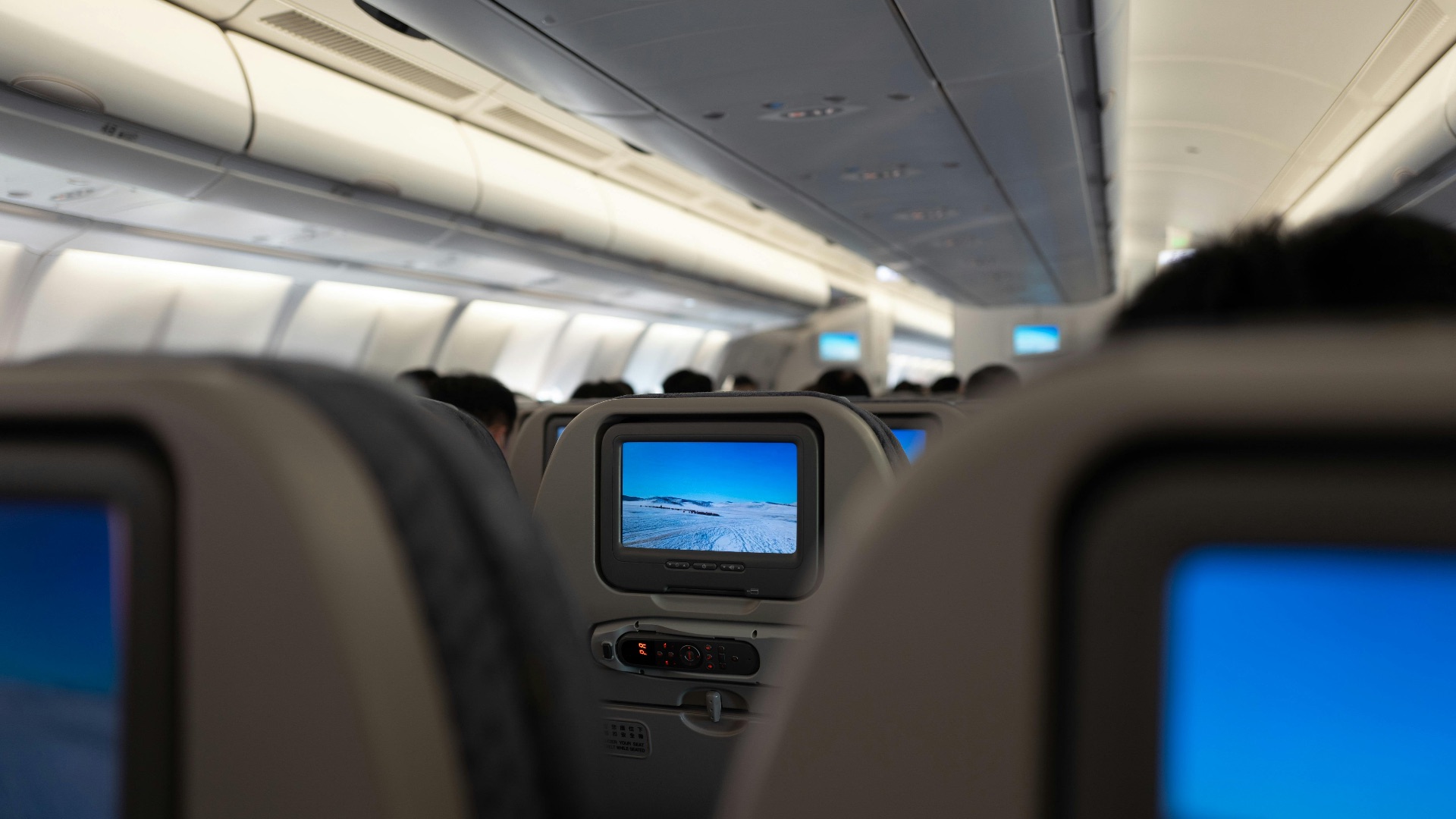
Constant loud engine noise doesn’t just affect your mood; it can affect how food hits your senses. In fact, noise can reduce perceived sweetness and saltiness and even make textures seem different. It's also why you might notice a positive difference when eating with your headphones on.

11. Tomato-Based Dishes Are Used on Purpose
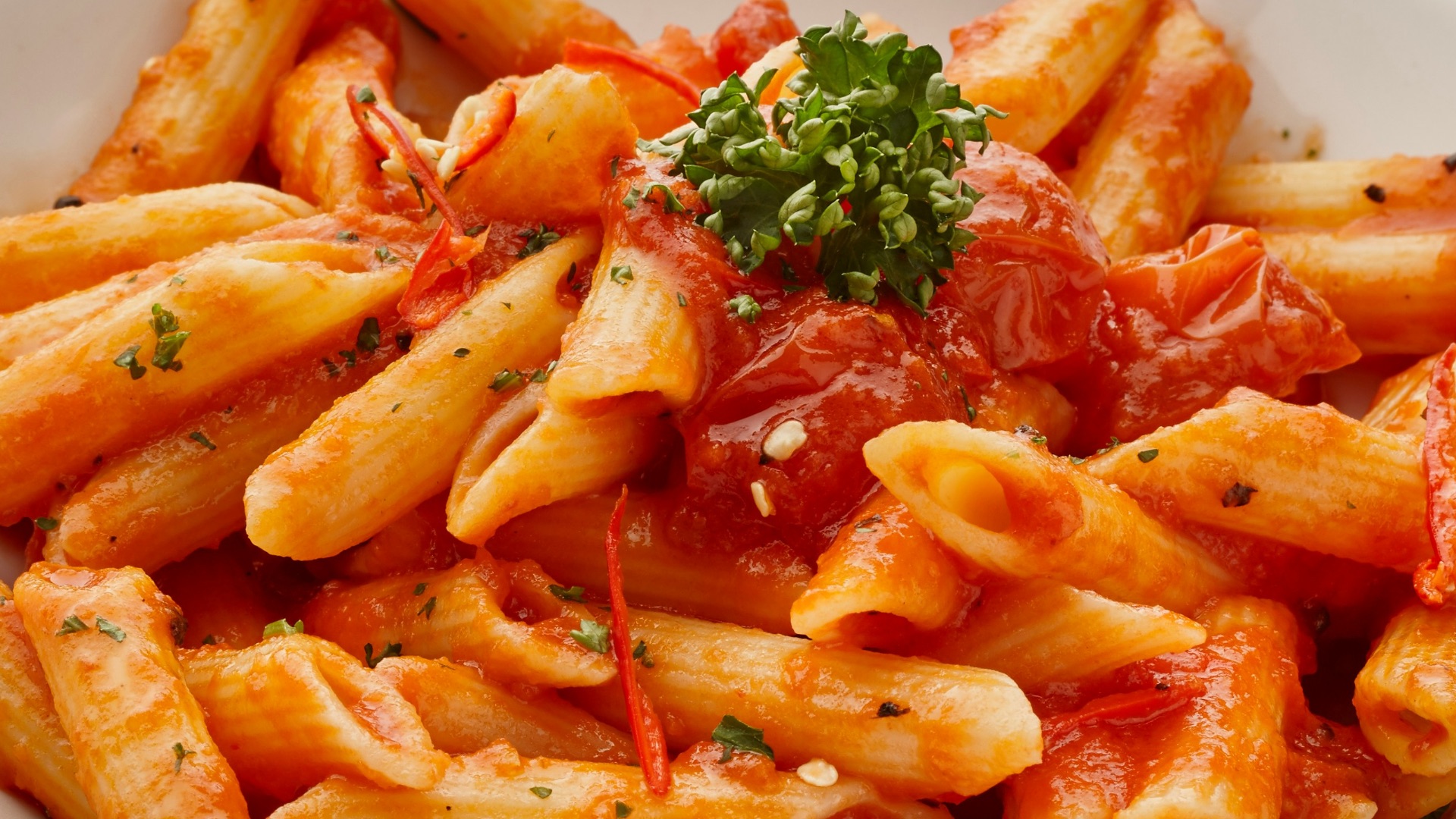
Some flavors stay noticeable in the air better than others, and tomato is a common winner. Tomato-based sauces and components can taste more pronounced at altitude, so passengers don't have to deal with bland dishes. That’s why you’ll often see tomato show up in multiple forms across in-flight menus.
12. Some Airlines Bring In Celebrity Chefs
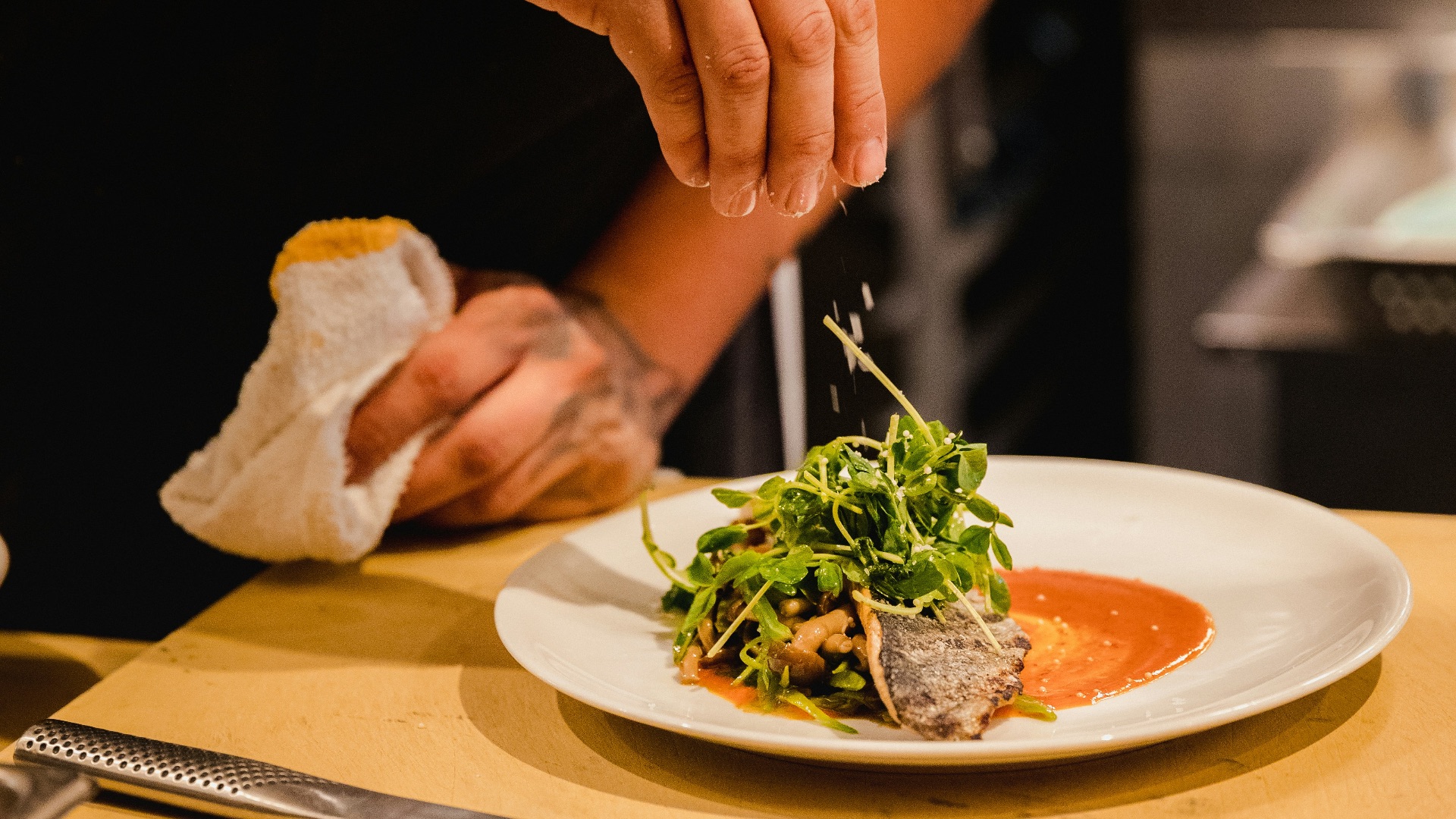
Believe it or not, airlines have brought in high-profile chefs to reshape menus and improve perception. These partnerships aren’t only about name recognition, because recipes also need to work within flight constraints. The end goal is food that still tastes exceptional after chilling, transport, and reheating.
13. Pre-Ordering and Digital Ordering Are Changing the Whole System
Many airlines now let you choose meals ahead of time, and some support in-seat ordering through onboard systems. That helps reduce waste and makes inventory easier to manage. For you, it can also mean a better chance of getting what you actually want.
14. Your Meal May Have Been Made Much Earlier
In-flight food isn’t typically cooked right before you eat it. Meals can be produced hours in advance and, in some cases, prepared days ahead and frozen before being loaded. It’s designed for safety and consistency first, even if you're not getting peak freshness.
15. Some Meat Starts Only Partly Cooked
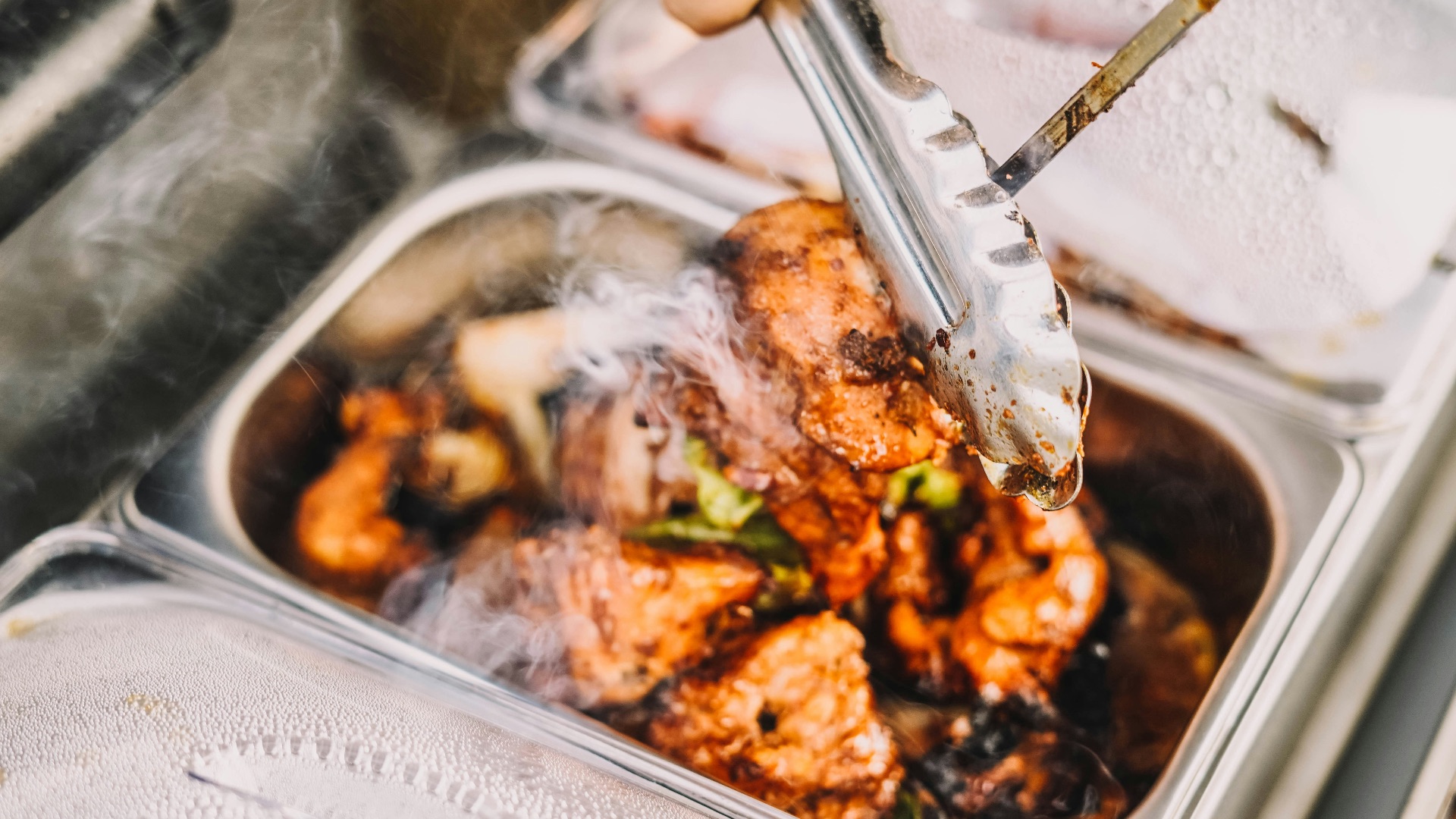
Did you know that beef dishes are often only cooked to 30% completion, and chicken dishes to around 60%? It sounds iffy, but it's intentional; certain catering methods start meat cooking on the ground and finish it during onboard reheating. Don't worry; it’s a controlled process.
16. Menus Can Be Planned Six Months to a Year Ahead
Yup, you read that right. Airline menus aren’t thrown together in a quick brainstorm; instead, the planning window can stretch six months to a year so recipes can be tested, sourced, and scaled without surprises. That long lead time also helps keep meals consistent across routes and seasons.
17. Tiny Garnishes Can Be Cut for Massive Savings
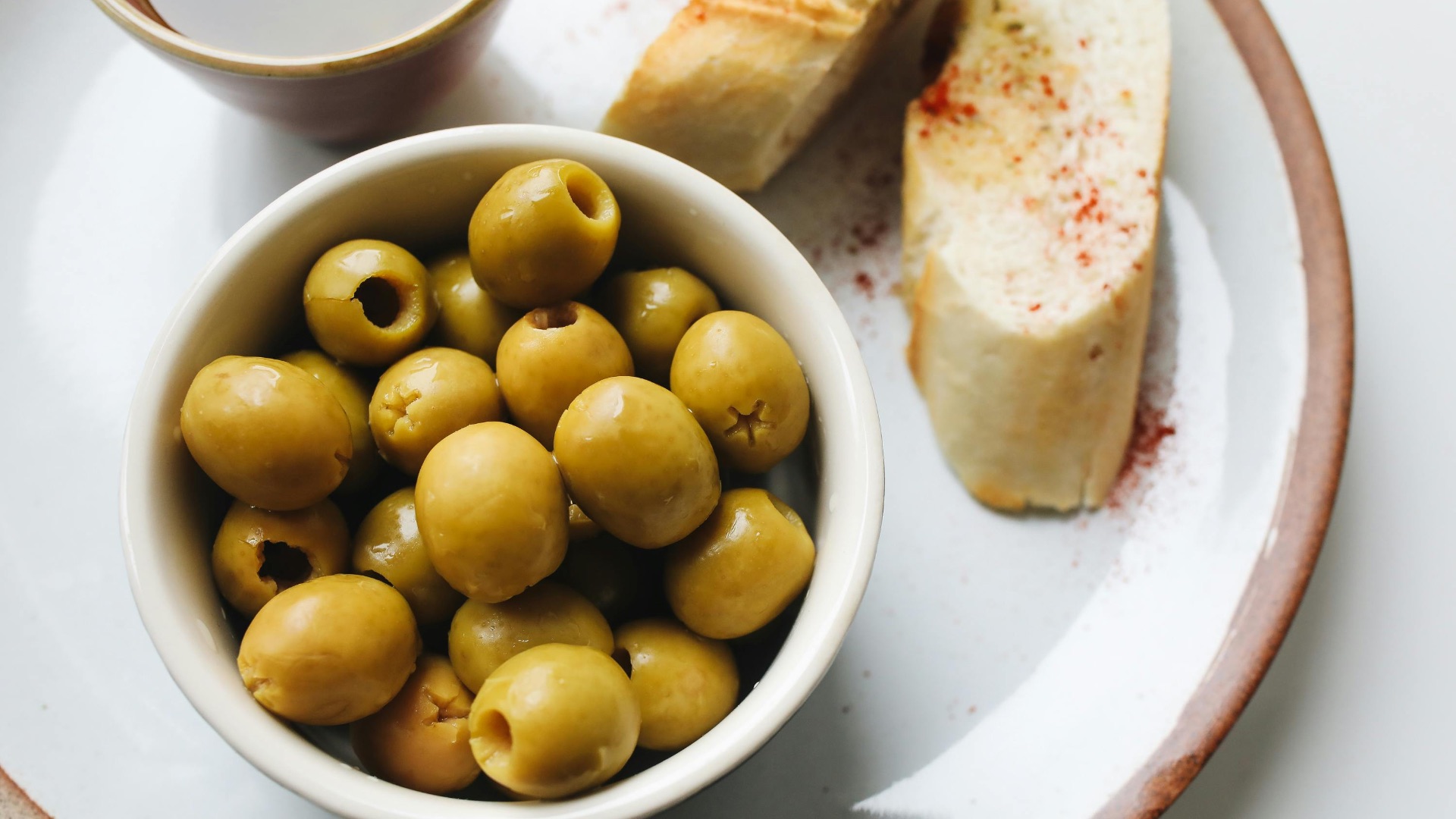
Airlines sometimes make cost decisions that sound comically small until you do the math. Removing a single garnish item, like an olive, can save large sums when repeated across thousands of meals. It’s one of the clearest examples of how airline food is managed to maximize savings.
18. Special Meals Often Get Served First
If you request a special meal for dietary or religious reasons, you might notice it arrives earlier than the main service. That’s partly because special meals are tracked and distributed differently to avoid mix-ups. For you, that means you get to enjoy your food an hour earlier than everyone else.
19. Snacks Can Be Unlimited If You Ask Nicely
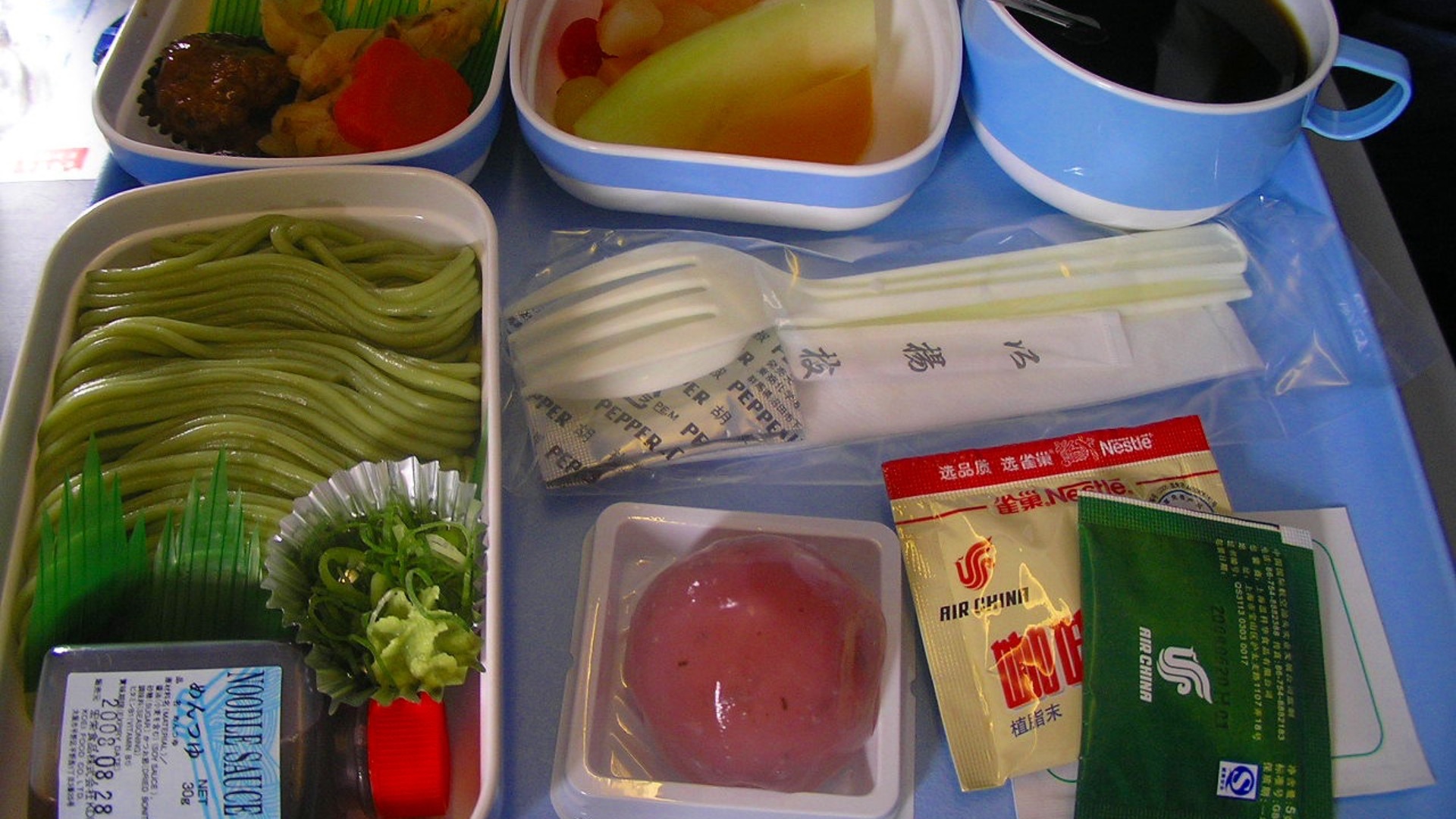
If there’s extra snack inventory after everyone’s been served, you can sometimes ask for seconds. Of course, you won’t be treated to unlimited stock, but getting extras isn’t always a hard no, either, which is great when you're feeling peckish.
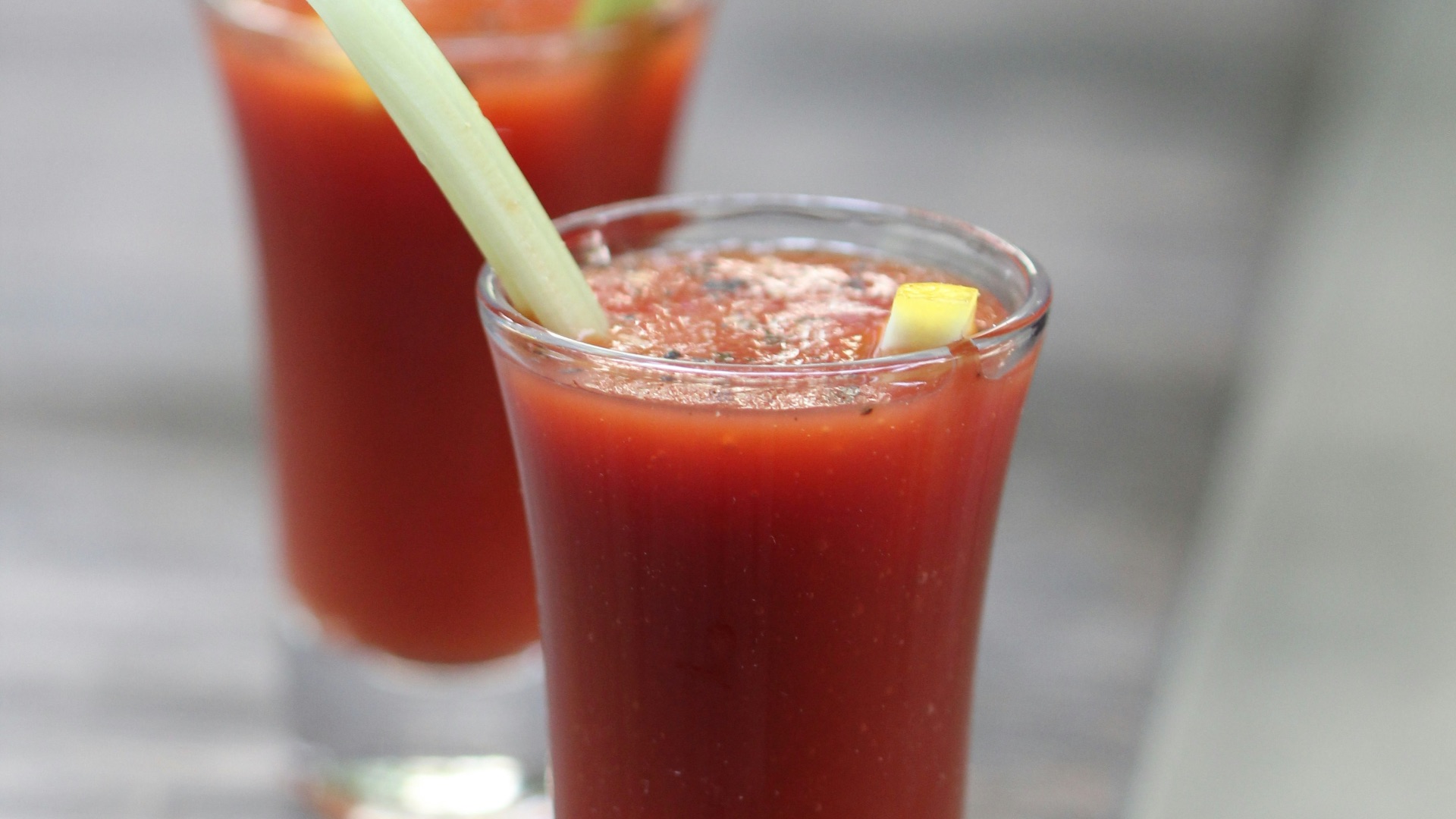
20. Tomato Juice Is Weirdly Popular in the Air
Remember what we said about tomato dishes tasting more pronounced in the air? Well, that's the reason a lot of people who don’t drink tomato juice on the ground end up ordering it in the air, since the flavor tends to taste much sweeter. If you’ve ever craved it unexpectedly when you're 30,000 feet in the skies, you’re not the only one.