
Airlines Are Preparing for the 2026 World Cup Travel Surge—Here's What You Need to Know
Airlines Are Preparing for the 2026 World Cup Travel Surge—Here's What You Need to Know
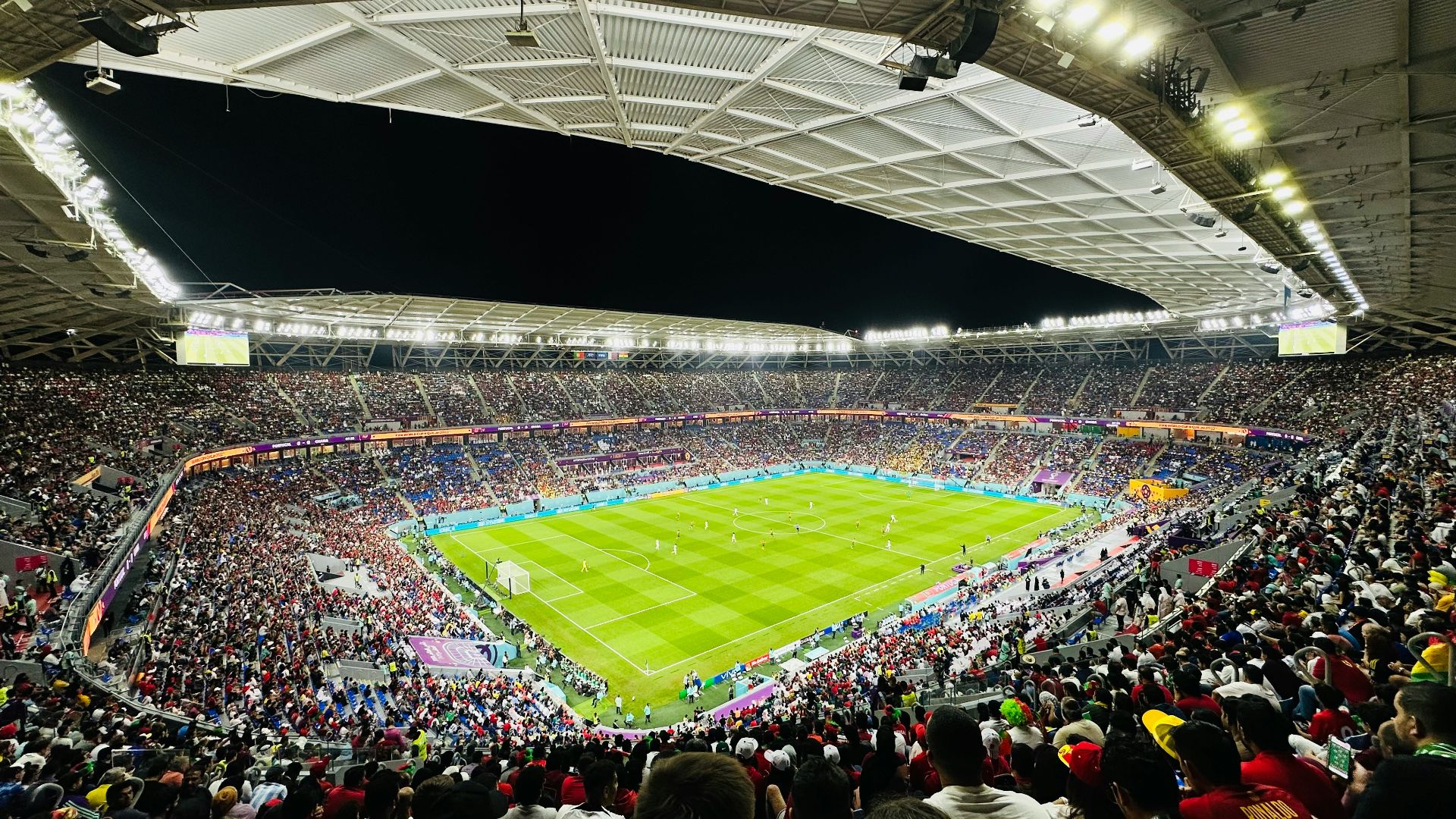
The 2026 FIFA World Cup is coming to North America, spanning the United States, Canada, and Mexico across 16 host cities. Millions of international fans will be descending on cities from Vancouver to Miami, from Toronto to Guadalajara, all within a compressed six-week window in June and July. This won't be like previous World Cups held in single countries. Instead, the geographic spread across three nations will create logistical challenges unlike anything the aviation industry has dealt with for a sporting event.
Capacity Is Already Being Reserved
Major carriers have started blocking off seat inventory for the tournament period more than a year in advance. Airlines are holding back seats from normal booking systems, anticipating they can charge premium prices closer to match dates. Delta, United, and American have all indicated they're adjusting their summer 2026 schedules specifically around World Cup host cities.
If you're planning a vacation to any host city between mid-June and mid-July 2026 and it has nothing to do with soccer, you're going to compete with World Cup demand. Miami, Los Angeles, and New York will be particularly affected since they're already popular summer destinations.
International carriers are planning additional flights and larger aircraft on routes to North America. European airlines especially are looking at World Cup routes as major revenue opportunities.
Prices Will Be Absurd

Anyone who traveled during the 2022 Qatar World Cup will remember what happens to airfares. Routes to Doha saw prices increase by 300% or more for tournament dates. North America won't be quite as extreme since there's more existing capacity and multiple host cities, though expect significant price inflation anyway.
Early booking might not even help much. Airlines have gotten sophisticated about dynamic pricing, and they know exactly when matches are happening in which cities. A flight to Dallas the day before a semifinal match could cost triple what the same flight costs two weeks earlier.
If you're flexible about which host city you visit, that flexibility could save substantial money. Flying into a nearby non-host city and driving or taking a train might be considerably cheaper than flying directly to the match location.
Secondary Airports Will Become Essential
Host cities with multiple airports will see overflow traffic pushed to smaller facilities. The New York metro area has Newark, JFK, and LaGuardia. Los Angeles has LAX, Burbank, Long Beach, and Ontario. These secondary options will suddenly become much more attractive as primary airports hit capacity constraints.
Budget carriers operating from these smaller airports might actually have the advantage during World Cup period simply because they serve airports the legacy carriers have deprioritized.
Customs and immigration at these airports aren't built for massive international surges. Wait times could stretch to multiple hours, especially on days when several matches are happening across different cities and fans are transiting through the same connection points.
Loyalty Programs Won't Help Much
Award seats will be virtually impossible to find for World Cup dates. Airlines have no incentive to release seats for points when they can sell the same seat for cash at inflated prices. If you're sitting on a pile of miles hoping to book a World Cup trip, prepare for disappointment.
Some airlines might offer special redemption rates, though those will likely require significantly more miles than normal. We've seen this pattern with other major events, with airlines creating special award charts that essentially price points at the same value as the inflated cash fares.
The Real Chaos Will Be Intra-North American Travel
Fans will want to attend multiple matches in different cities. Someone might watch a group stage match in Toronto, then fly to Kansas City for another match three days later, then head to Dallas for a knockout round game. This creates massive demand for domestic and intra-continental flights that wouldn't normally exist.
Regional carriers and smaller airlines could struggle with this demand pattern. A route like Kansas City to Philadelphia might typically have modest traffic, yet during the tournament it could see thousands of fans trying to book the same few flights. Airlines will need to add capacity on routes that aren't usually high-traffic.