Bumpy Ride: 10 Things You Should Know About Turbulence & 10 Tips to Keep Safe During It
Bumpy Ride: 10 Things You Should Know About Turbulence & 10 Tips to Keep Safe During It
A Calmer Way to Think About the Bumps
You're in the middle of a nap when the plane rocks. You're jerked awake, eyes wide, scrambling to grab hold of something to remain steady. You know experts say turbulence is nothing to worry about and that modern aircraft are engineered to take far more stress than the jolts you feel, but why does it feel so frightening? Don't worry, you're far from being alone in that fear, but this article might help bring it all into perspective. Here are 10 things you should know about turbulence, and 10 tips to keep safe during bumpy rides.
1. Planes won't “drop out of the sky”
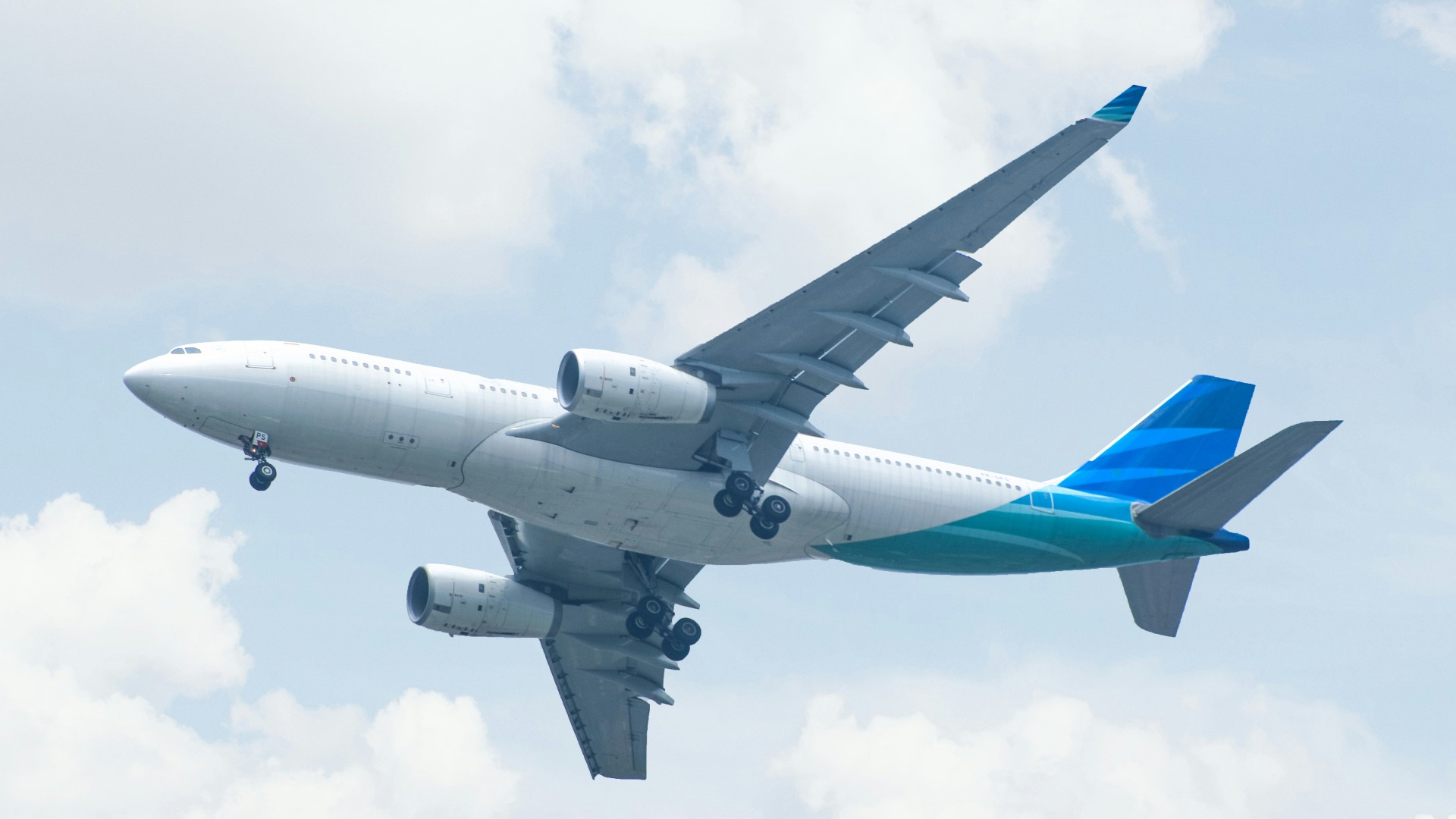
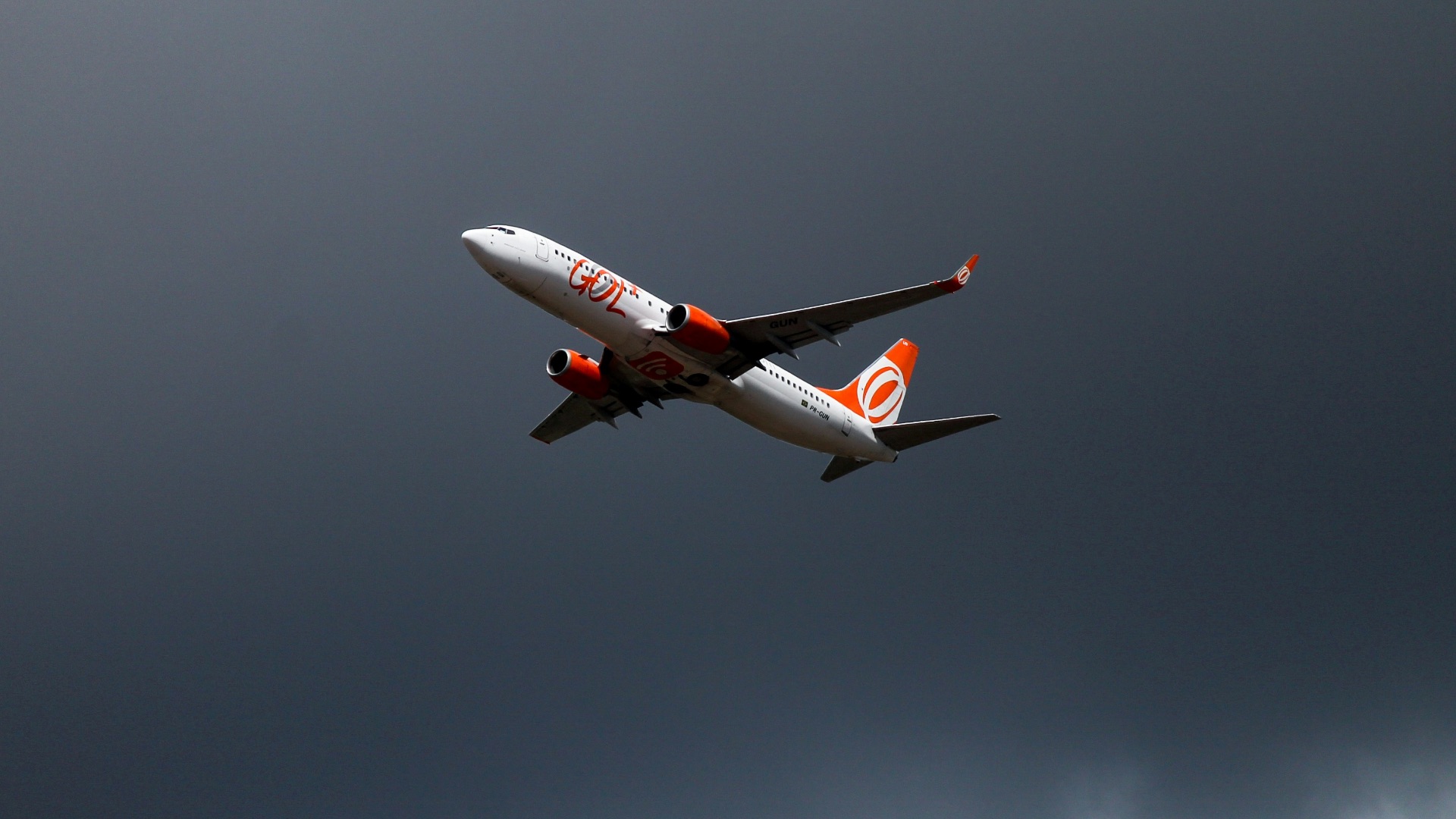
Turbulence doesn’t make an aircraft fall the way your brain insists it might in the moment. Even strong turbulence is described as relatively rare and not a danger to the aircraft’s ability to keep flying. You might still doubt it in the moment, but rest assured that modern jets are built to withstand forces that are more intense than what most passengers ever experience.
2. Turbulence is common, no matter the weather
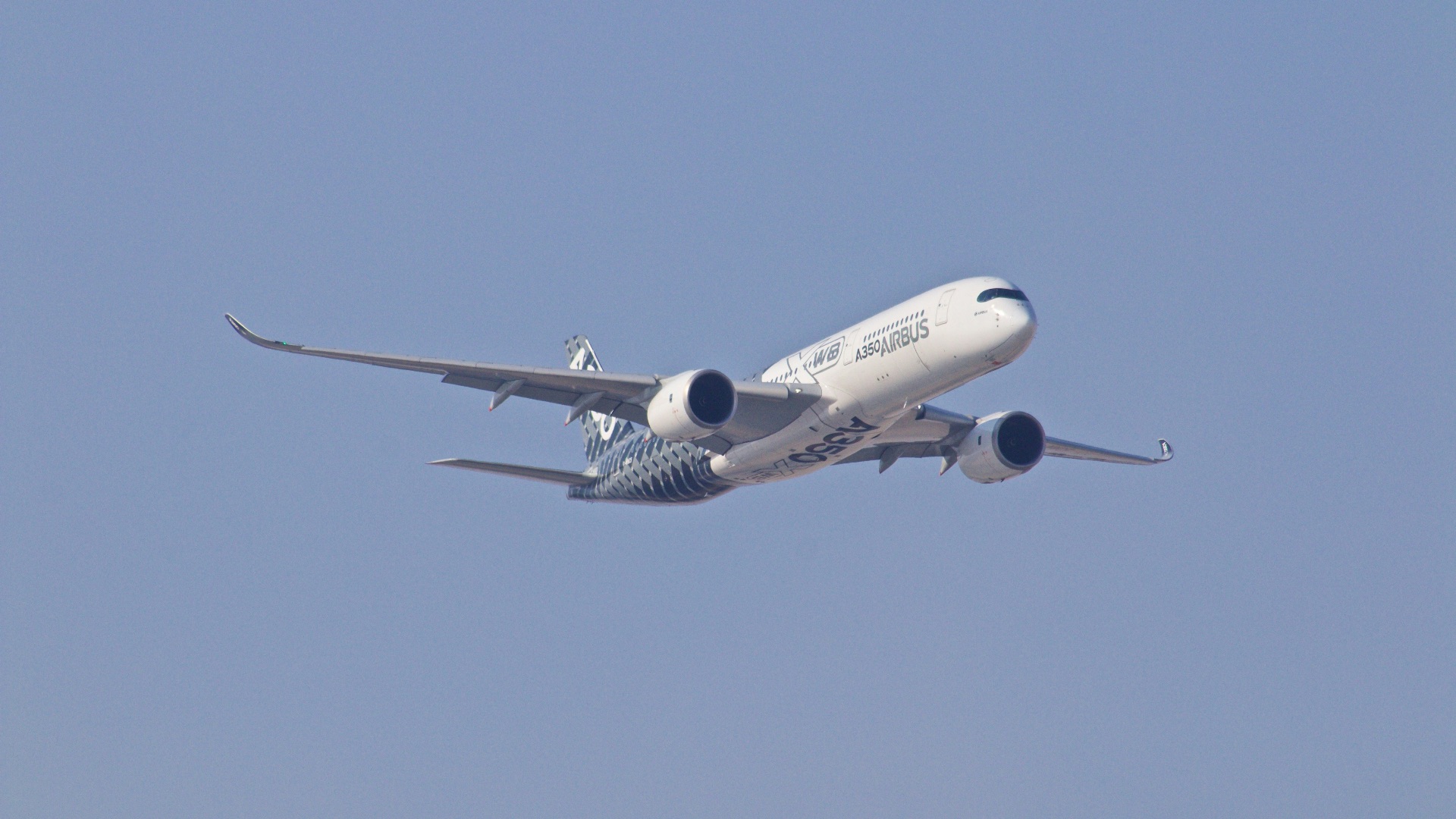
A flight can be perfectly “normal” and still have a bumpy stretch, because airflow changes don’t always come with clouds or storms. One reason it feels unnerving is that it can sometimes be hard to predict from the cabin, even when the crew is managing it calmly. That disconnect between what you see and what you feel is a big part of why turbulence can spike anxiety.
3. There are three main “sources” of turbulence
Most turbulence comes from three main sources: vertical wind shear instabilities, convection, and mountain waves. Vertical wind shear instabilities happen when adjacent layers of air move at different speeds or in different directions, creating rough, churning airflow that the plane has to pass through. Convection turbulence forms when rising and sinking air (often from daytime heating or storm buildup) creates uneven pockets that jostle the aircraft as it moves along. Mountain-wave turbulence develops when strong winds flow over mountain ranges and set up oscillating waves downstream, which can feel like repeated bumps even in otherwise clear skies.
4. Clear air turbulence can be the most surprising
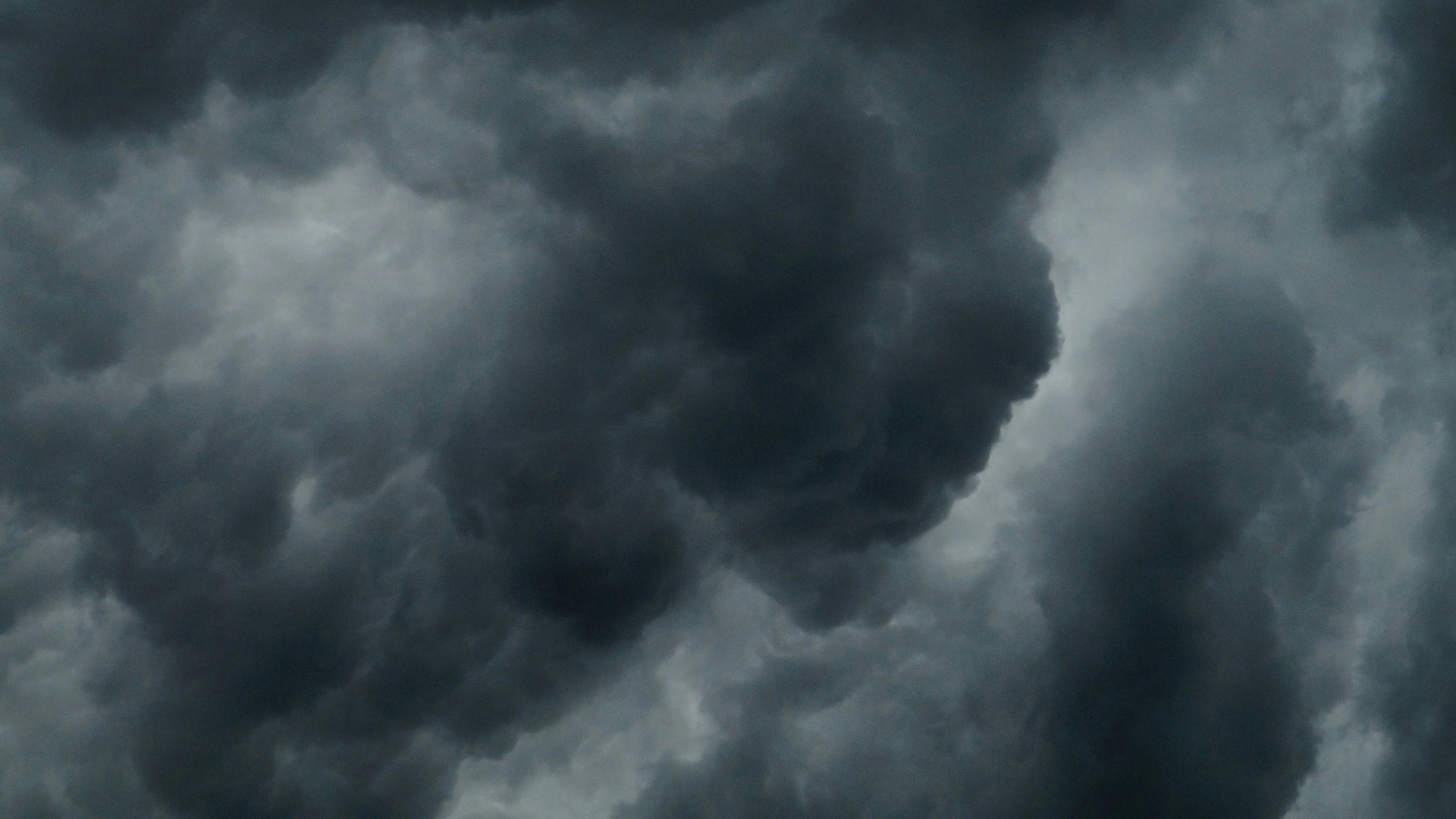
CAT is linked to shifts in air currents and can occur in clear, cloudless skies, making it feel like it's “out of nowhere,” which is exactly why people find it so unsettling. It's also harder to detect CAT with meteorological radar, so the first clue may simply be the sudden jolts you feel.
5. Turbulence is grouped into four intensity levels
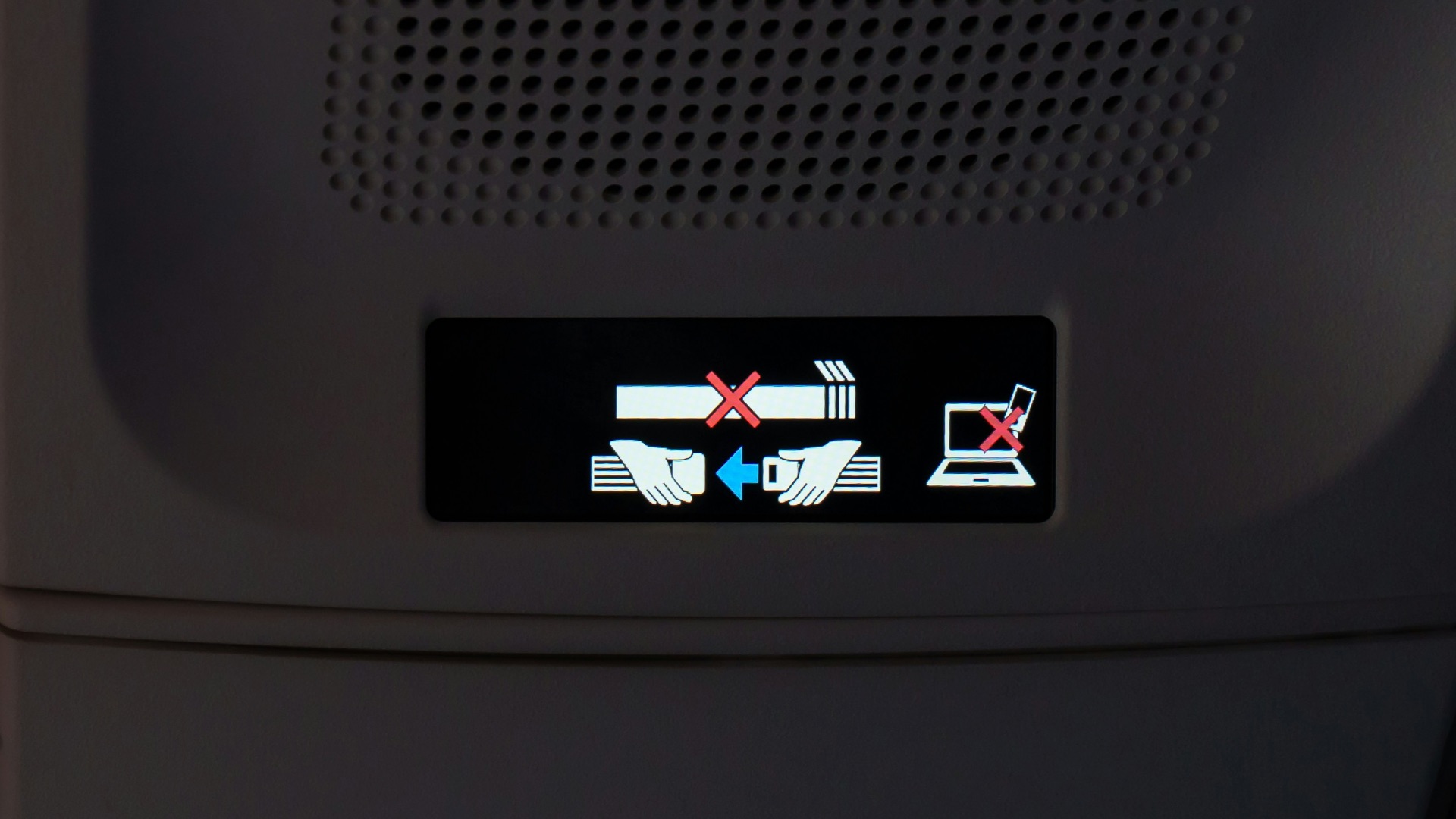
The Federal Aviation Administration's (FAA) categories typically describe turbulence as light, moderate, severe, and extreme. Moderate is often the point where the seat belt sign is turned on, and the ride becomes more erratic than rhythmic. Severe and extreme are defined with stronger motion and a greater risk of people or objects being tossed if they aren’t secured.
6. Most flights see the milder stuff
A “typical flight” is expected to have some light or moderate turbulence, which is why you’ll hear crew talk about it so matter-of-factly. Severe and extreme turbulence are described as rare, even though they’re the types that tend to dominate headlines. That mismatch between frequency and attention is part of what makes turbulence feel scarier than it statistically is.
7. Even long flights usually don’t stay rough for long
On transatlantic routes, you might expect roughly 10–20 minutes of turbulence across the whole flight. That doesn’t mean it’s always just one short patch, but it’s a reminder that turbulence typically comes in segments. When the bumps start, it can help to remember you'll rarely sit through hours of nonstop shaking.
8. Moderate and severe reports happen, but they’re not the norm
According to the U.S. National Center for Atmospheric Research, about 65,000 flights encounter moderate turbulence each year in the U.S., while around 5,500 report severe turbulence. But even though those numbers seem large, and even though headlines make it seem worse than it is, not many turbulent flights result in injuries.
9. Most turbulence injuries are preventable
Even if passengers do sustain injuries from turbulence, it's often minor, non-fatal, and due to flight attendants or passengers being unrestrained. It should go without saying that if you're not strapped down when the bumps appear, you're likely to be jerked right out of your seat.
10. Climate trends may make some turbulence more common
Turbulence might be, for the most part, harmless, but it isn't going away. In fact, if you've wondered whether it's been occurring more on your flights, you're not wrong. With climate change, disruptions in various layers of the atmosphere have made the air much more turbulent to fly through. There have also been predictions that CAT occurrences will spike rapidly in the mid-Northern Hemisphere as the mid-century nears, which will greatly affect busy routes like New York to London.
Now that you've digested the facts, here's how to keep safe when the bumps start.
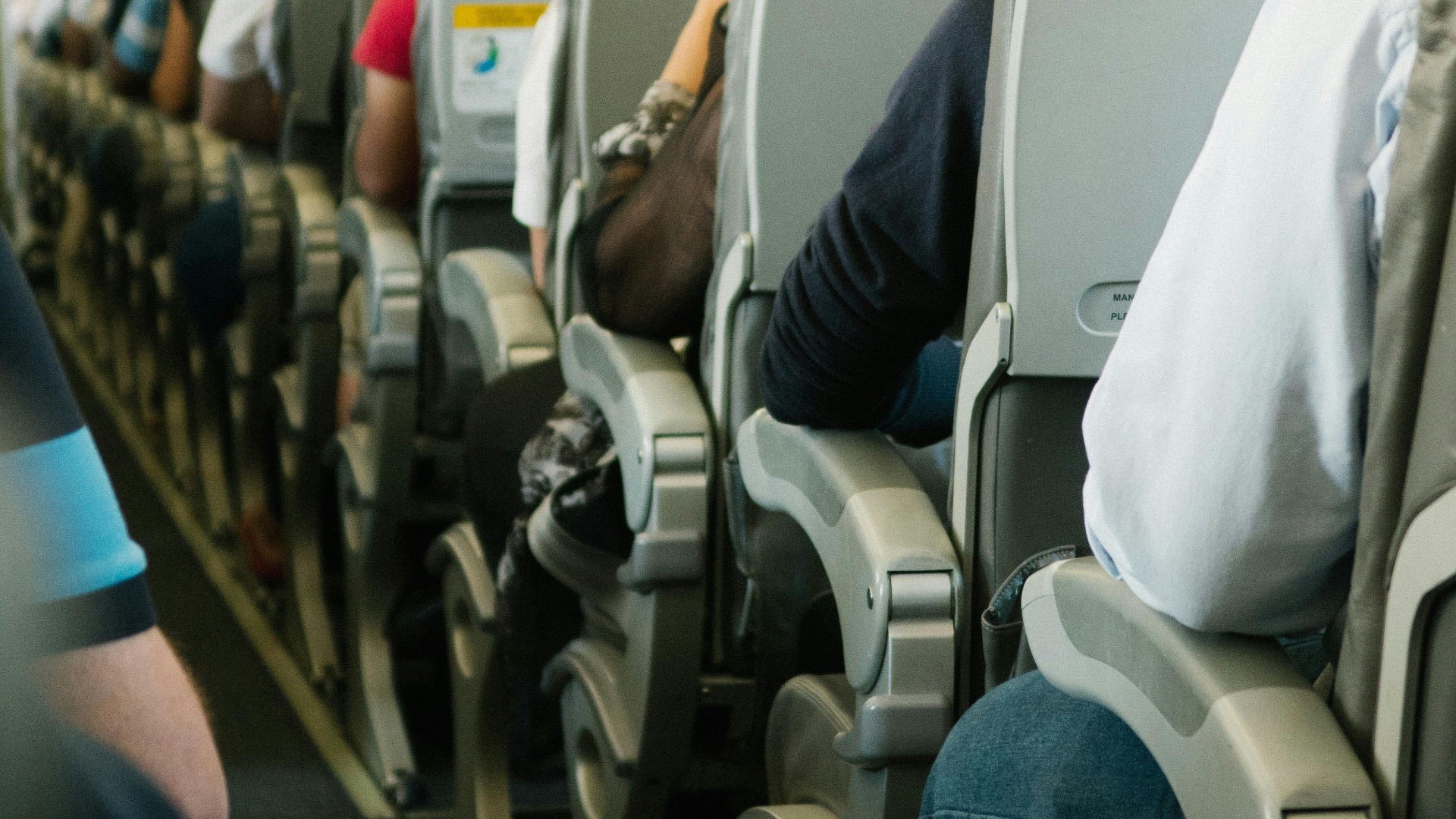
1. Keep your seat belt fastened whenever you’re seated
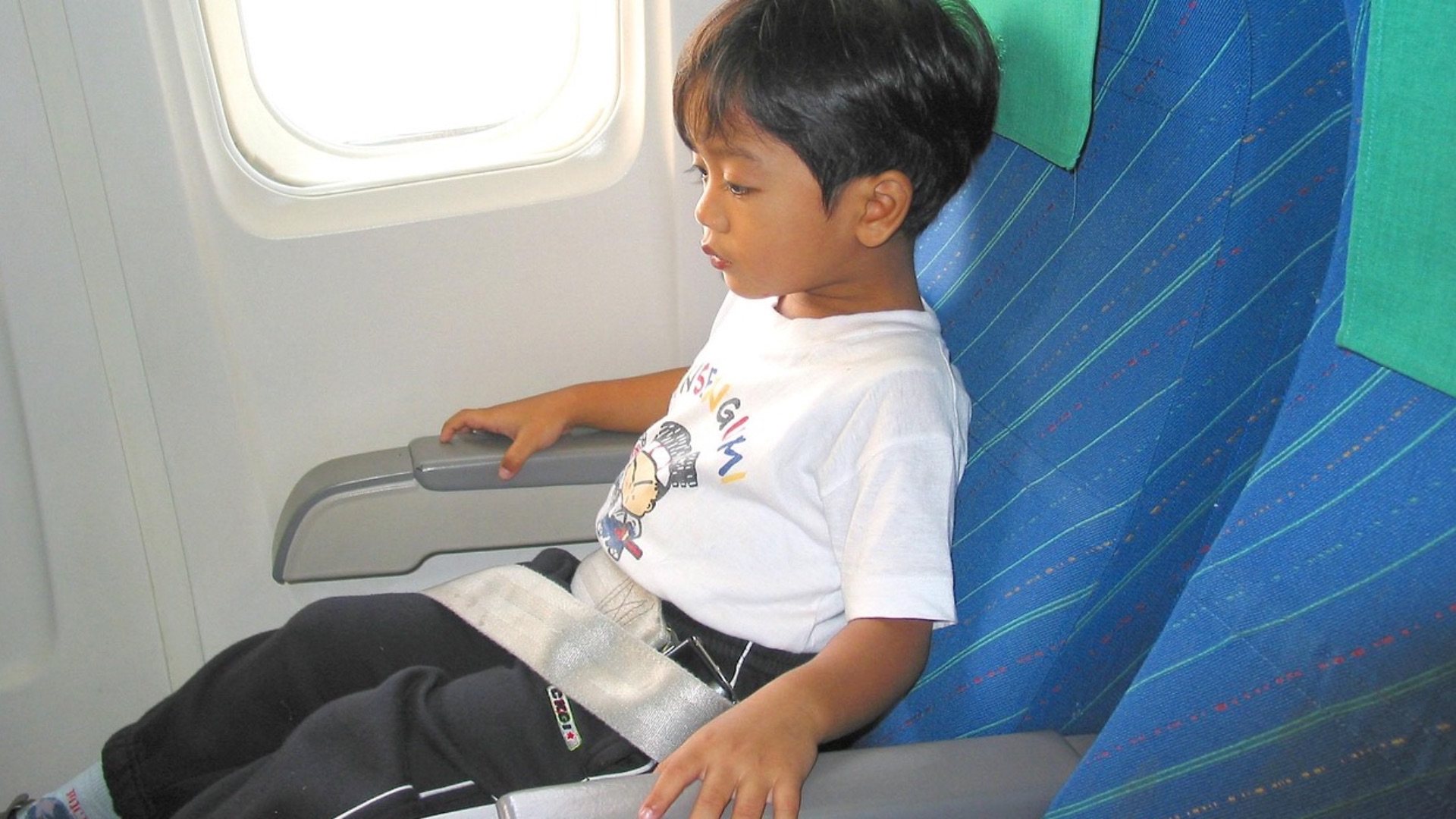
This should go without saying, but if you’re in your seat, stay buckled, because unrestrained passengers show up repeatedly in injury summaries. Do as the pilots do; if they stay strapped in whenever they're in their seats, you should follow their example.
2. Don't treat the seat belt sign as a suggestion
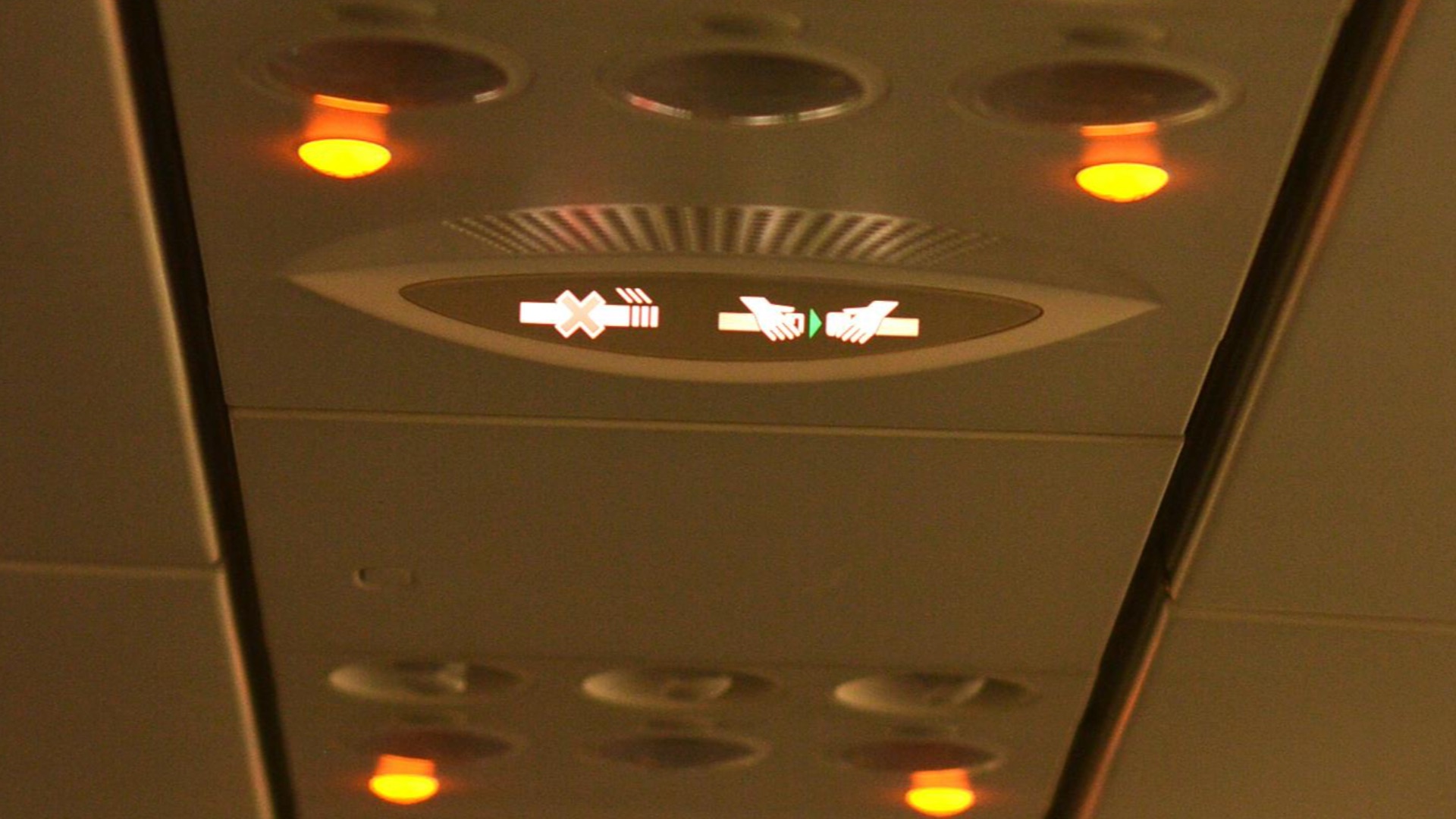
Pilots often have warnings from radar, forecasts, and reports from other aircraft before the cabin feels anything. When that sign flips on, it’s your cue to stop moving around and get settled quickly. Ignore it, and you might suffer the consequences.
3. Stay seated more than you think you need to
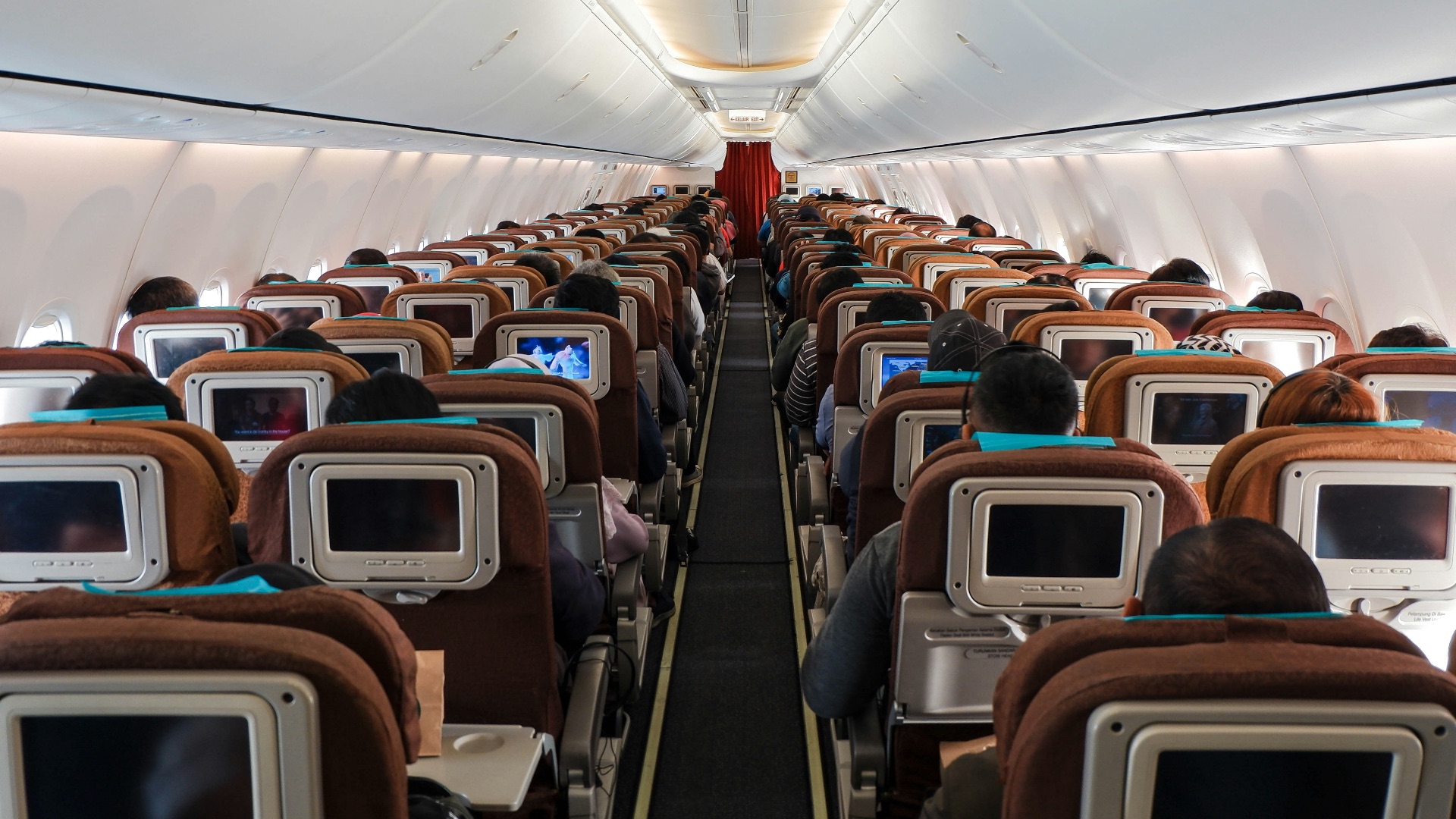
One practical “best defense” is simply remaining in your seat with your belt fastened as much as possible. This might seem impossible on long-haul flights, but again, turbulence-related injuries are repeatedly tied to standing passengers and people without seat belts, not to the aircraft failing. If you’re debating whether that mid-flight stretch is worth it, the safer call is usually to wait.
 Mohammad Arrahmanur on Unsplash
4. Bounce in your seat
When the bumps start, you can lightly bounce in your seat (while still staying belted) in a way that keeps you untethered to fixed objects in the plane. The idea is that choosing the motion on your terms can make subsequent abrupt jolts feel less sharp and less alarming. Don’t overdo it or unbuckle to try it; just remain seated, and let it be a comfort tool.
5. If you’re choosing seats for comfort, aim near the wings
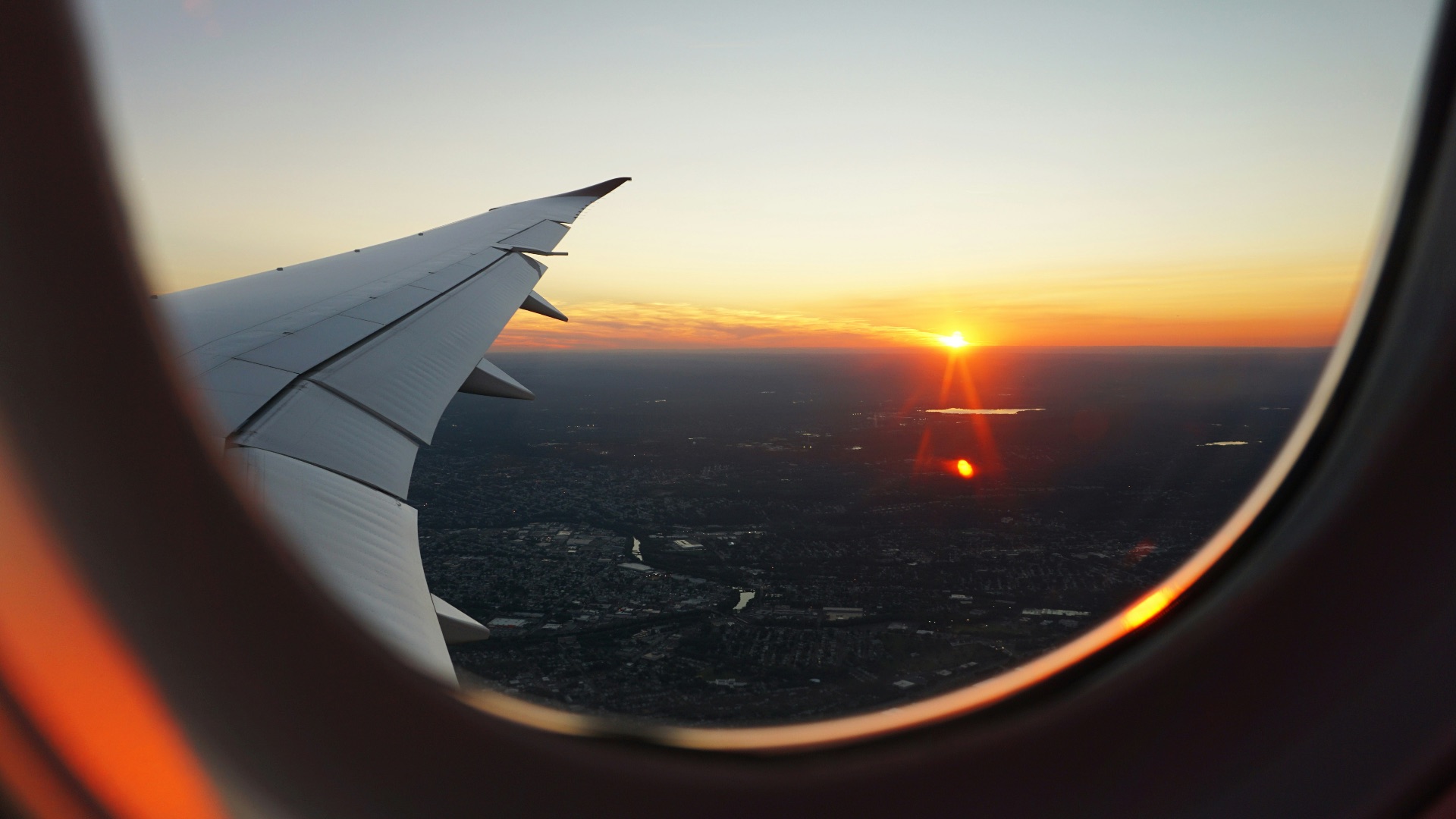
For minimizing how strong the motion feels, seats over the wings are often cited as the smoothest spot because they’re closer to the plane’s center of lift and gravity. The front of the plane is also described as feeling less impact than the rear, where the motion can feel more pronounced.
6. Consider earlier flights if you’re trying to dodge rough air
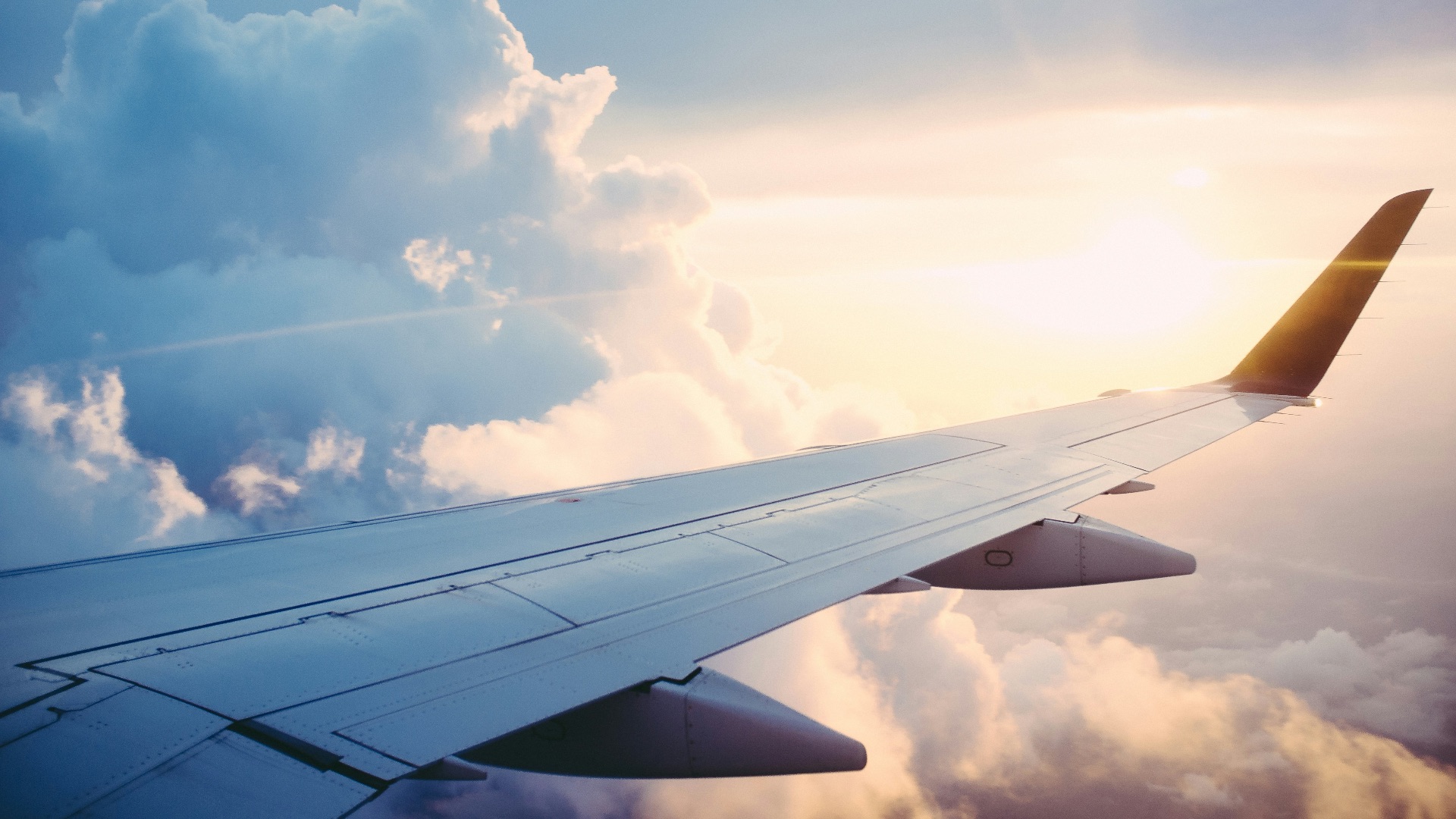
One simple tactic is flying early in the morning, when the air is often calmer. Since surface heating can contribute to bumpy conditions, timing can affect how the ride feels on some routes. If you're not an early riser, late evening flights are also said to be less turbulent.
7. Pilots know what they're doing
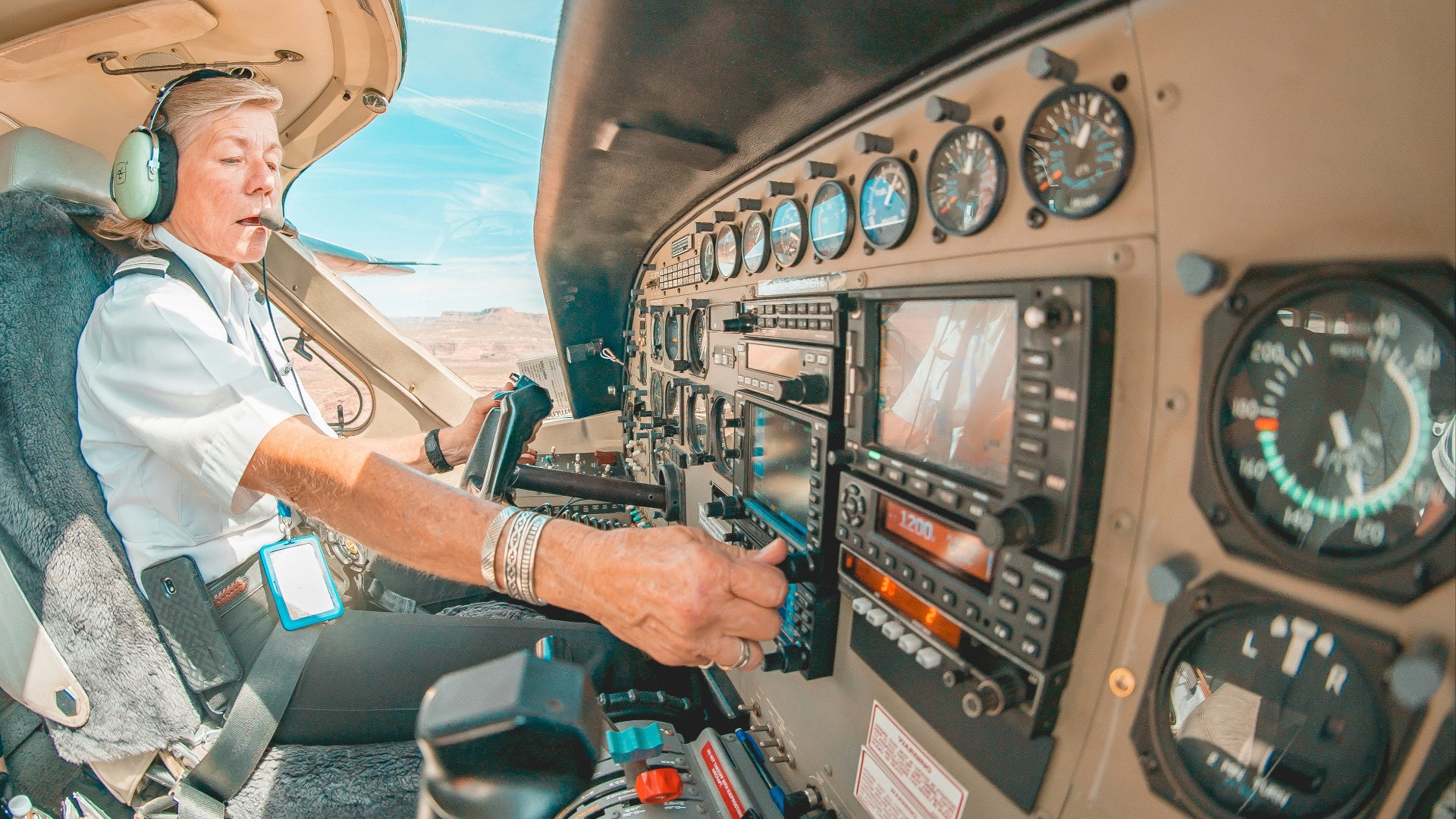
Pilots plan routes using weather information and choose paths that avoid or reduce turbulence when they can, but that being said, turbulence may still be inevitable on most flights. Don't be alarmed, though; the crew knows how to handle rough patches in the air, and your role is simple: stay buckled, keep the aisle clear, and follow instructions promptly.
 Westwind Air Service on Unsplash
8. If you’re up when it starts, get stable and sit down
Because injuries are closely linked to being unrestrained during turbulence, your first goal is to stop moving and get secure. If the seat belt sign comes on, treat that as the moment to return to your seat rather than finishing what you were doing. The faster you remove “standing passenger” from the equation, the lower your personal risk gets.
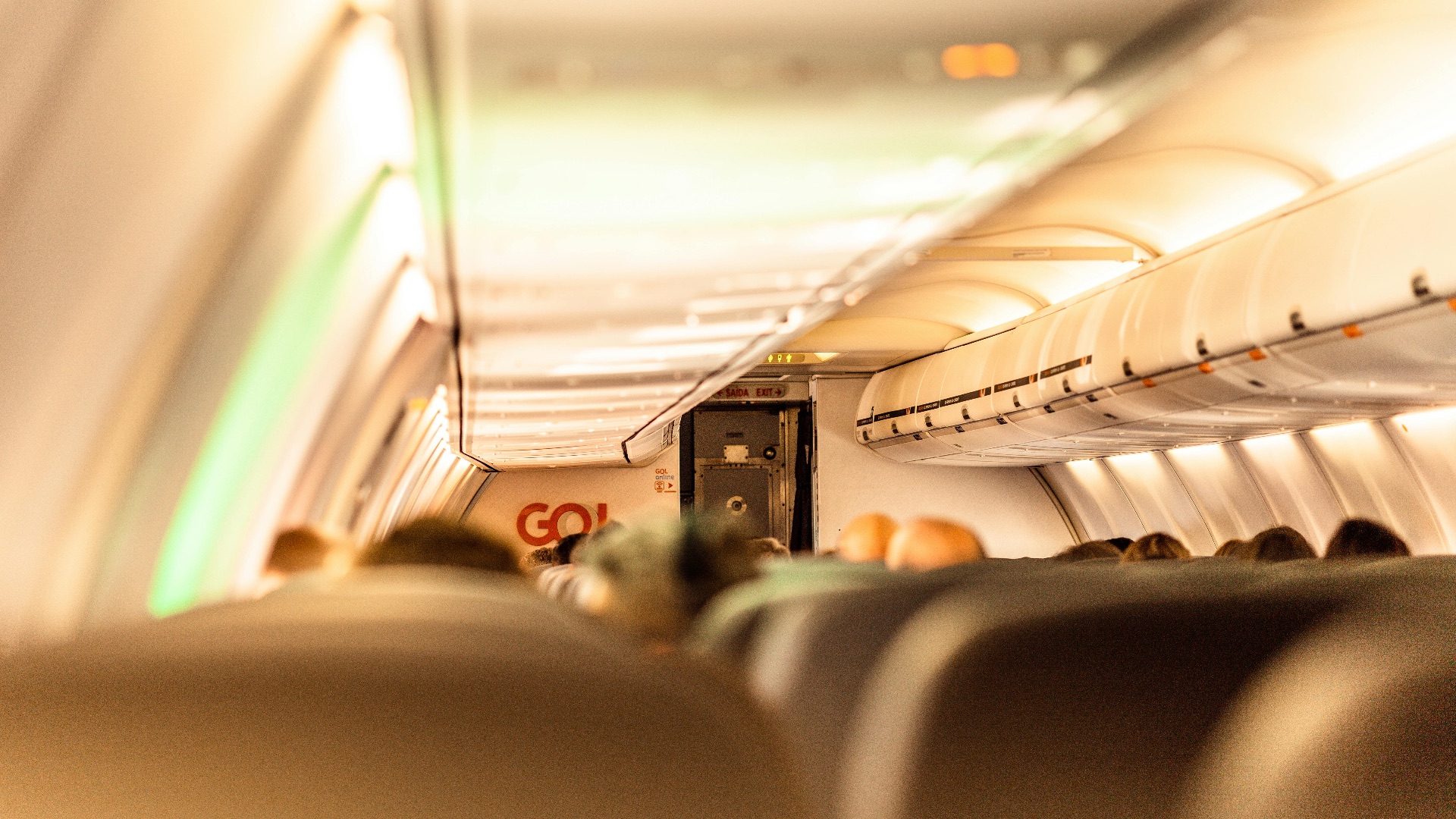
9. Use a quick anxiety reset
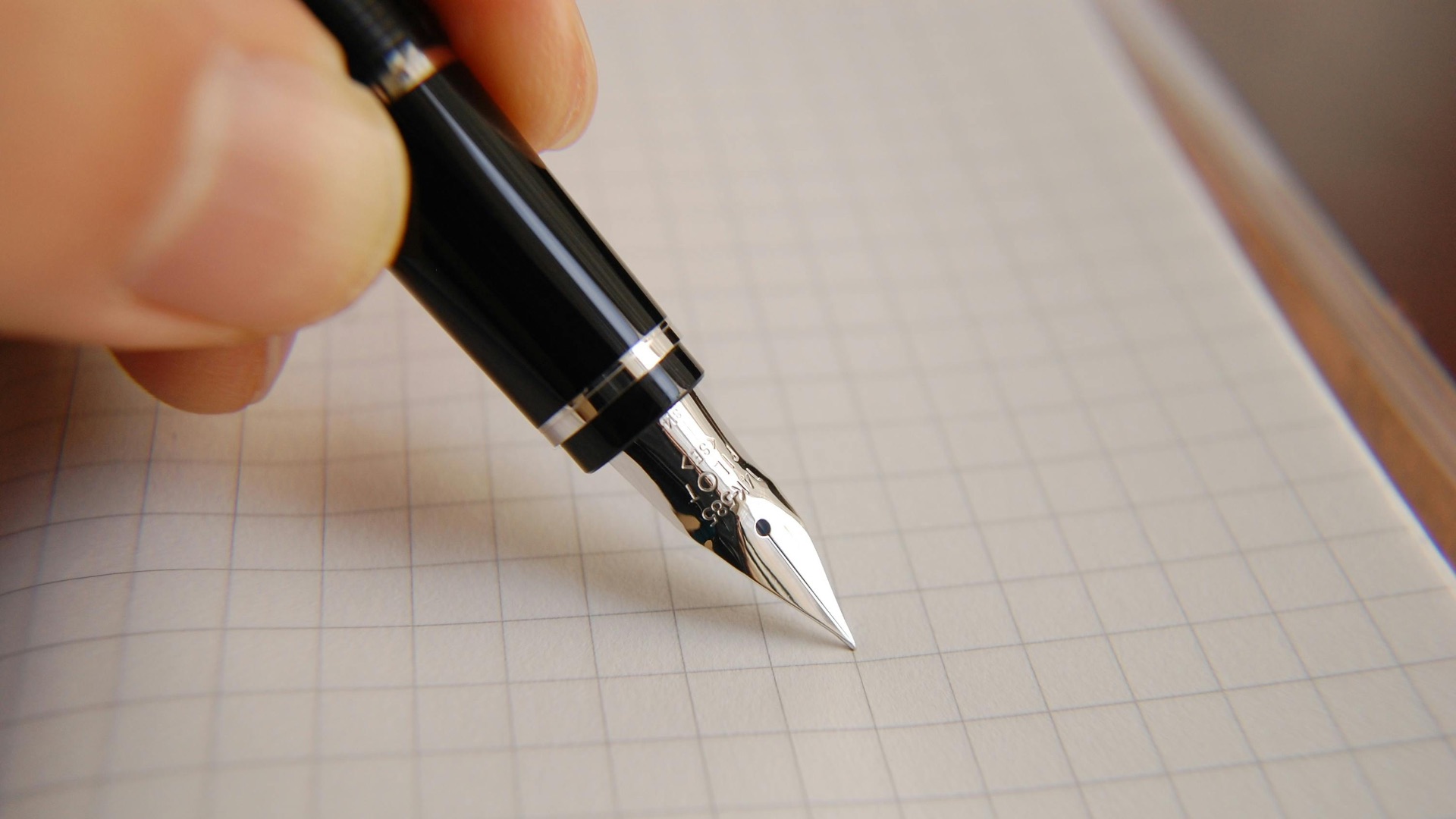
Deep breathing is a helpful way to ease your body and reduce anxiety when the ride gets rough. Another idea offered is doing something simple and specific with your hands, like writing your name on a piece of paper with your non-dominant hand, to pull your attention away from spiraling thoughts. These don't always work like magic, but they can keep you from making anxious choices like unbuckling at the worst time.
10. Distract yourself
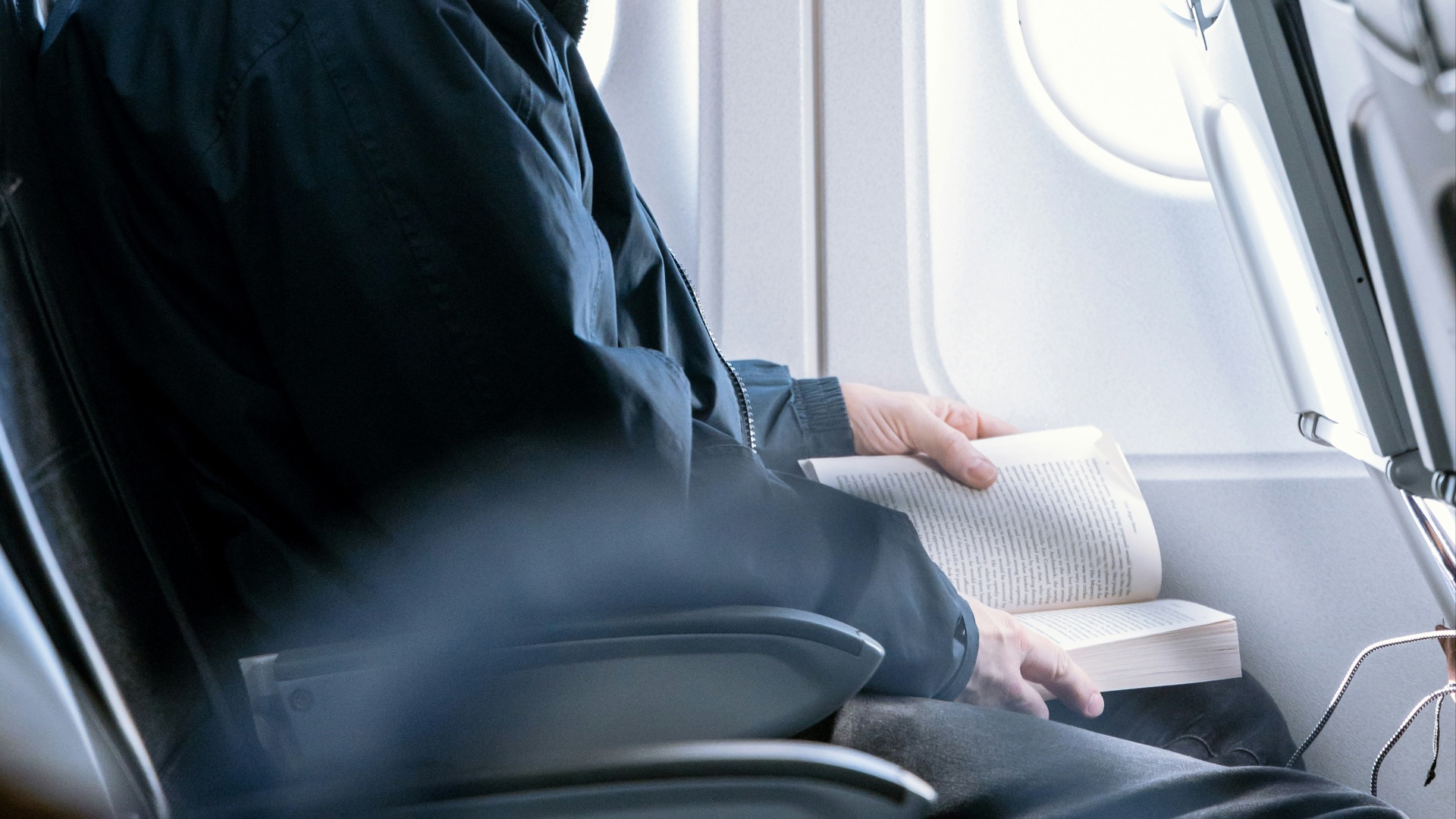
When turbulence hits, it can make you feel restless and antsy to stay buckled in your seat, but a good way to take your mind off the bumpy ride is to simply distract yourself. Try reading a book, playing a game, talking to your seatmate, or pretending like you're on a rollercoaster. Before you know it, you'll have flown through the rough patch.