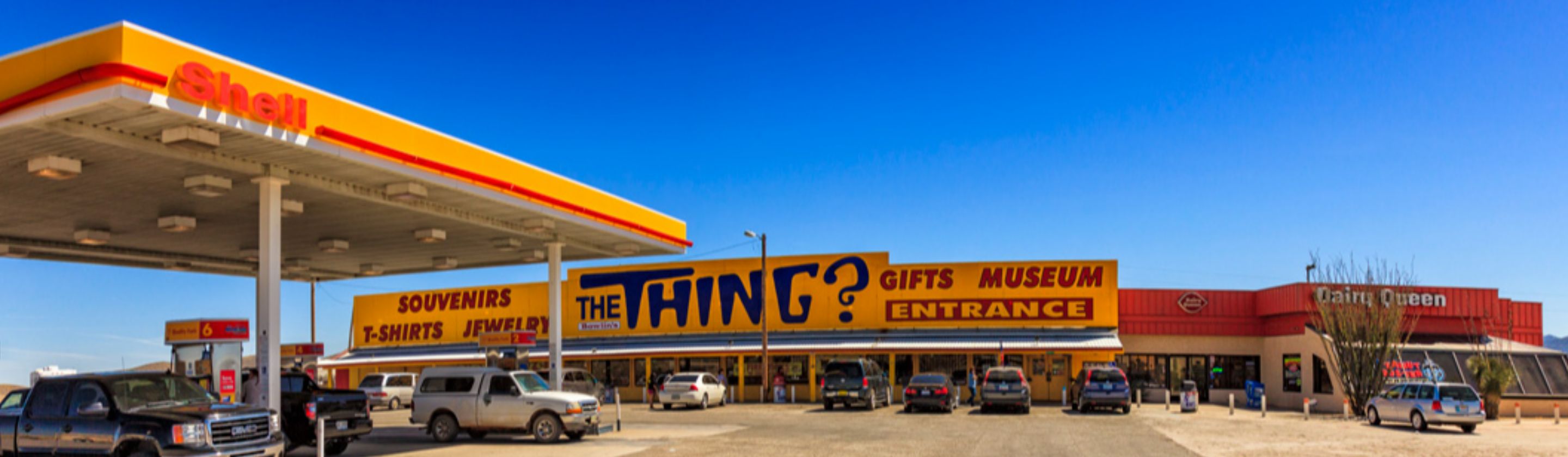
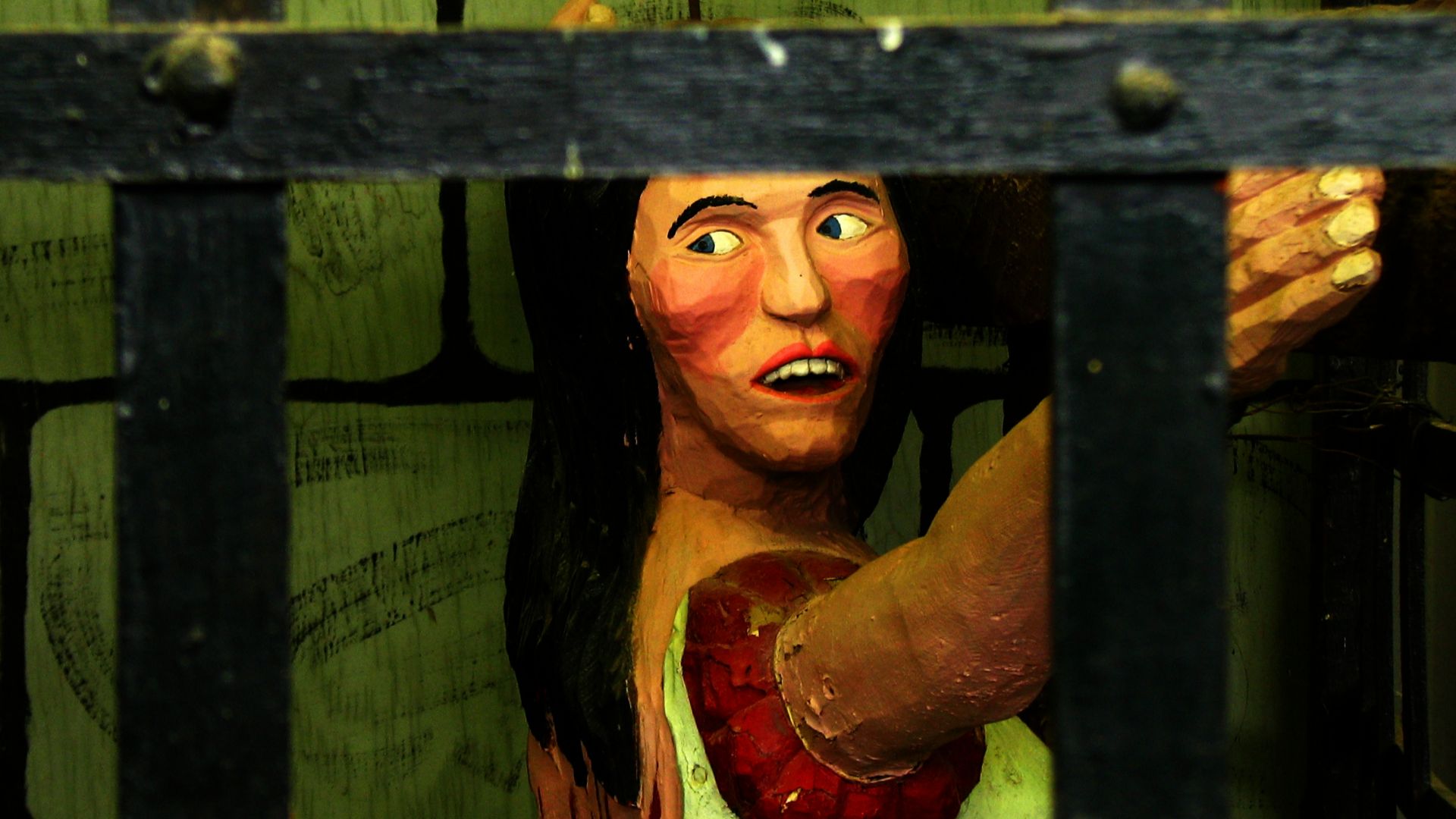
There's a stretch of Interstate 10 between Tucson and El Paso where billboards start appearing every few miles, each one more cryptic than the last. "What IS The Thing?" "Mystery of the Desert!" "The Thing?" These yellow signs have been luring curious travelers off the highway for over six decades, all pointing toward a ramshackle collection of buildings in the middle of nowhere.
But here's what makes it brilliantly frustrating: even after you've paid your dollar, walked through the exhibits, and stood face-to-face with The Thing itself, you still won't really know what you've just seen.
The Origins Of America's Greatest Road Trip Tease
The Thing began its life in 1965 when attorney Thomas Binkley Prince bought a truck stop in Dragoon, Arizona. Prince had a collection of oddities and antiques he'd been hauling around, and he decided to turn his random assortment of artifacts into a tourist attraction. The centerpiece was a mummified mother and child inside a wooden casket, which he simply called "The Thing." Nobody knows exactly where Prince acquired this mysterious exhibit, and that ambiguity was entirely the point. He plastered the Southwest with those now-iconic billboards, creating what became one of the most successful examples of roadside Americana ever conceived.
Prince's genius wasn't in having something spectacular—it was in understanding human psychology. Those billboards create an itch that travelers can't scratch until they pull off at Exit 322. The attraction changed hands several times over the decades, with various owners adding to the museum's eclectic collection. Today, it's owned by Bowlin Travel Centers, and the formula remains essentially unchanged: maximize curiosity, minimize answers.
What You'll Actually Find Behind The Doors
When you pay your admission and step inside, you're led through three connected buildings filled with what can only be described as organized chaos. There are vintage cars, including a 1937 Rolls-Royce that supposedly belonged to Winston Churchill. You'll see Old West memorabilia, ancient torture devices, and a random collection of antiques that feels like someone's attic exploded. The path winds deliberately, building anticipation with each turn.
And then you reach it: The Thing itself, illuminated in a climate-controlled case. It appears to be a mummified humanoid figure holding what might be a child, both preserved in a state that raises more questions than it answers. Is it real? Is it a carnival gaff? An actual archaeological find? A movie prop? The plaques offer no concrete information, just vague suggestions about their mysterious origins.
Why We Keep Coming Back
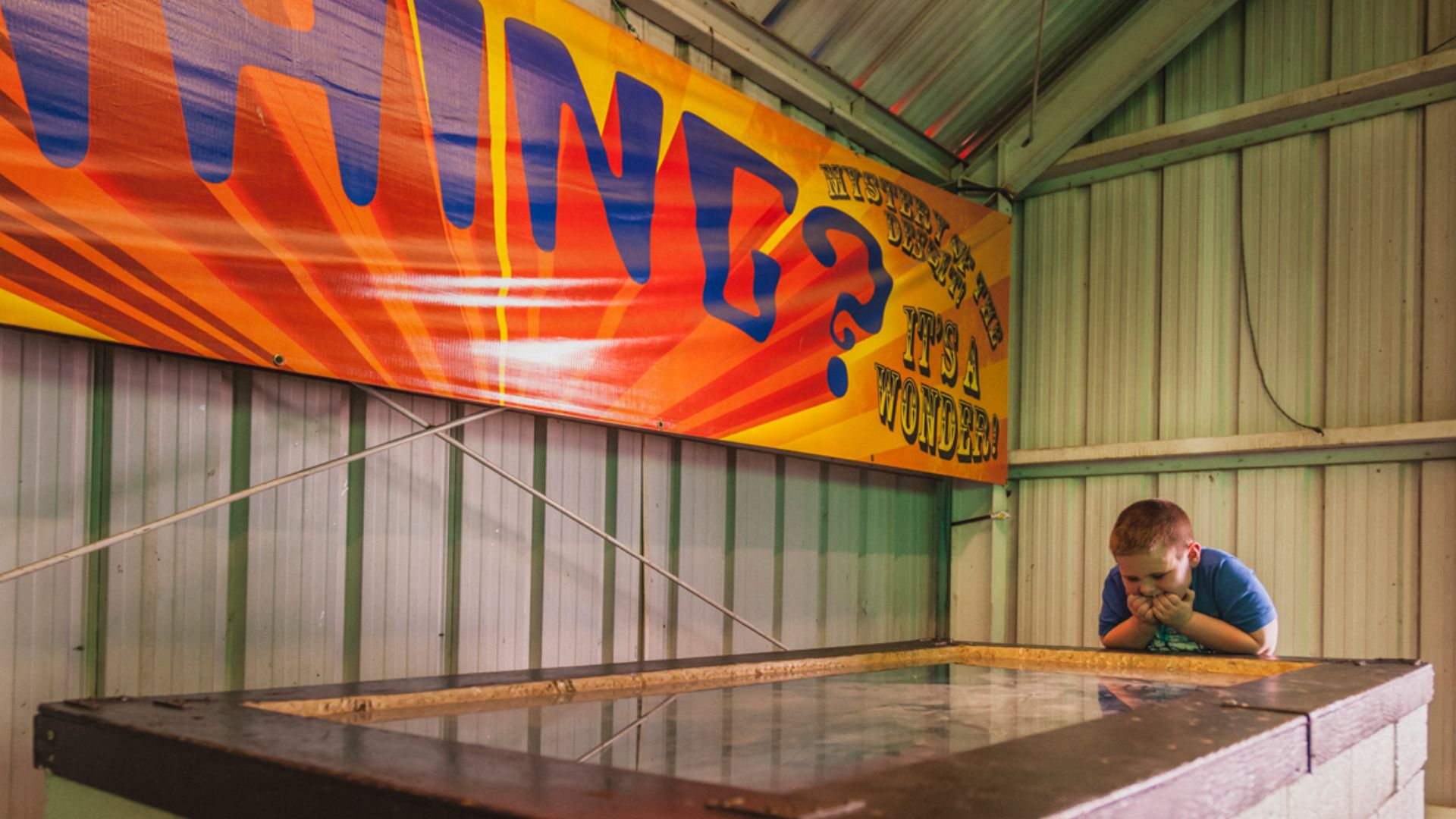 BowlinTravelCenters on Wikimedia
The Thing attracts roughly 250,000 visitors annually, generating millions in revenue not from the five-dollar admission, but from the attached travel center. People stop for the mystery and stay to buy gas, snacks, and souvenirs. The real brilliance is that The Thing delivers exactly what it promises: an experience that's weird, memorable, and utterly inexplicable.
In an age where we can Google everything, this roadside attraction remains beautifully, frustratingly unknowable. And that's precisely why it works.