 Christopher Alvarenga on Unsplash
Travel is supposed to transform you. Bloggers tell us we’ll find ourselves on the open road and broaden our horizons, returning home a changed person with a new lease on life. We've built an entire industry around these promises, and we all nod along pretending they're true even though most of us return from vacation basically the same people we were before. The gap between travel marketing and reality has never been wider, yet the same myths continue to circulate.
“Off the Beaten Path” Is Still a Crowd
That hidden gem you read about on that travel blog has been viewed by 50,000 other people. The secret beach isn't so secret after all, and that authentic local eatery has English menus and accepts American Express. Real off-the-beaten-path places don't have WiFi, bathroom facilities, or any infrastructure that makes them appealing to most travelers.
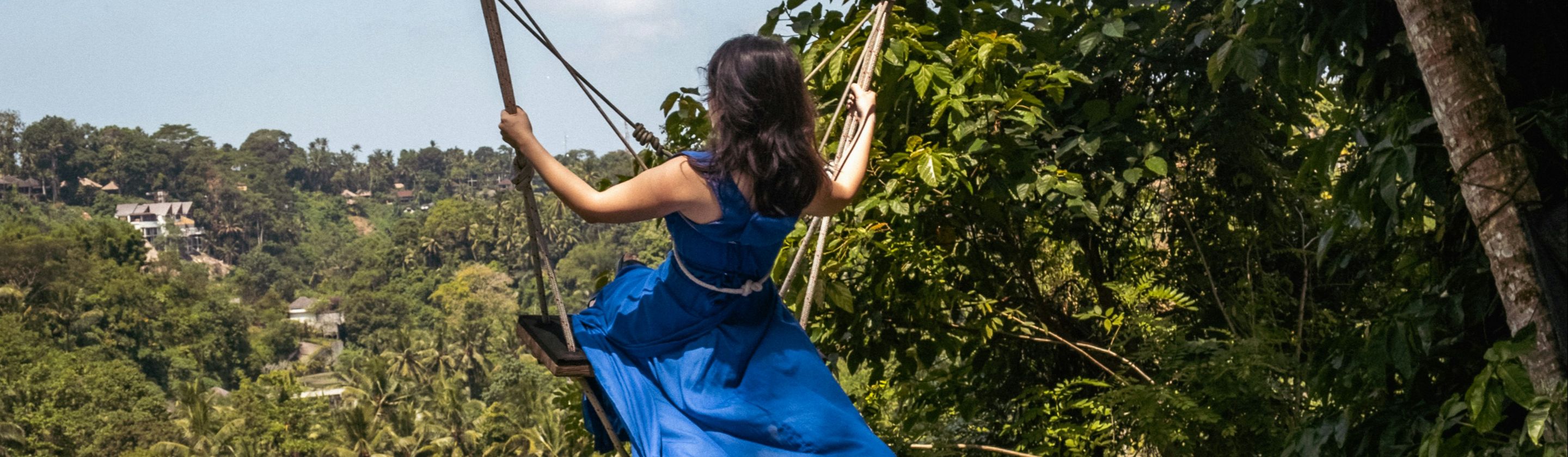
Social media accelerated this disconnect to an absurd degree. When a photo of an "undiscovered" location goes viral, within six months there's a line of people waiting to take the exact same photo. Popular Instagram-famous spots, like the ‘Bali Swing’ near Ubud, became so crowded that visitors often faced long lines and timed photo turns, with staff managing queues to keep the crowds moving.
Travel Doesn't Make You More Cultured
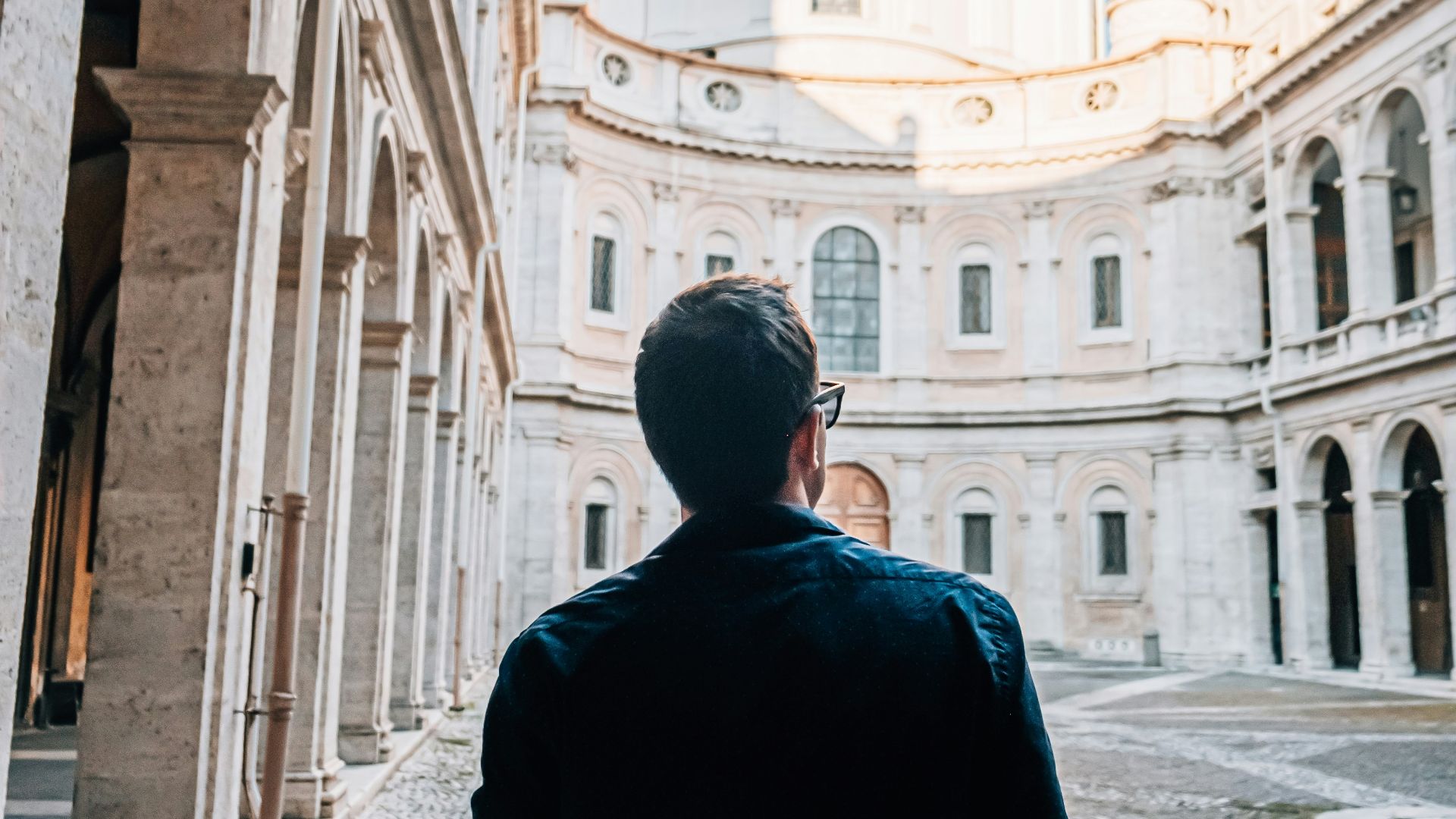
Spending a week in Rome doesn't mean you understand Italian culture. Let’s face it, you saw the Colosseum, ate some pasta, and uploaded 100 photos to your story. There’s nothing fundamentally wrong with tourism, apart from the fact that we've started confusing it with cultural immersion. Real cultural understanding takes months or years of living somewhere, learning the language, and navigating daily life. Ordering gelato and visiting museums makes you a good tourist, not an anthropologist.
The weekend in Barcelona didn't fundamentally alter your worldview. You're not more sophisticated because you've been to 15 countries if you spent the whole time in tourist districts eating at restaurants recommended by the same guidebook everyone else uses.
"Authentic Experiences" Are Manufactured Products
That cooking class in Thailand where you made pad thai runs six sessions a day for tourists. The market tour beforehand hits the same stalls that give kickbacks to tour companies. The flamenco show in Madrid exists solely because tourists expect to see flamenco, never mind that most Spaniards have never attended one. We've turned culture into content and called it meaningful exchange.
Many of the traditions paraded for visitors no longer occupy a real place in everyday life; they survive because they sell. Scottish clans and tartans are marketed in Edinburgh gift shops with a historical precision that mattered far more to tourists than to modern Scots. These rituals persist not as shared practices but as reliable products, maintained less by belief or continuity than by demand.
Nobody Actually Likes Backpacking That Much
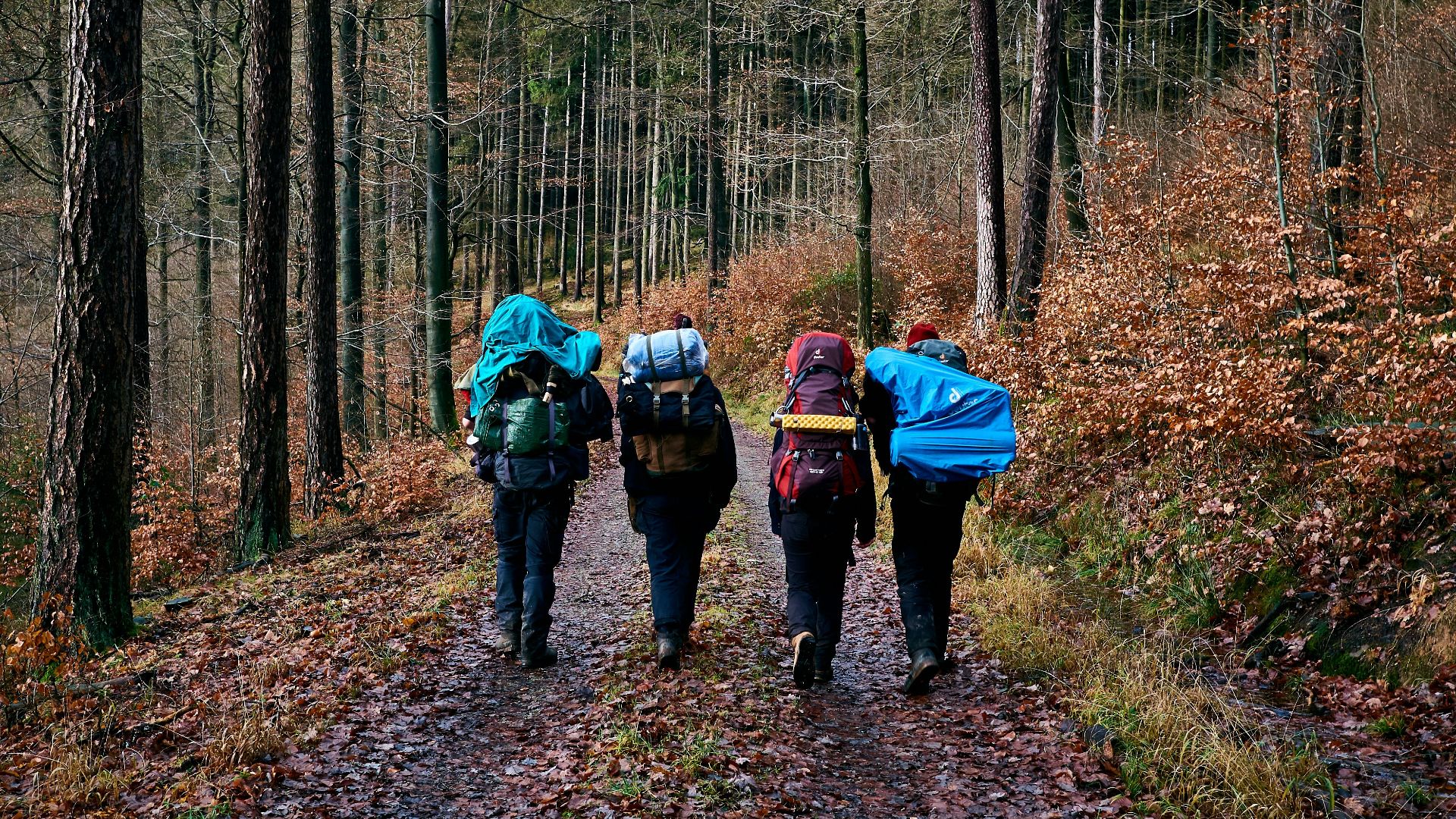
Backpacking has been elevated from a practical way to move cheaply through the world into a moral posture. Discomfort is treated as proof of authenticity, as if sleeping poorly and carrying everything you own were prerequisites for seeing a place honestly. Hostels, overnight buses, and long walks through unfamiliar cities are framed not as trade-offs but as character-building rites of passage.
What often goes unspoken is that much of the appeal lives in retrospect. The exhaustion fades, the logistics blur, and what remains are the stories that transform inconvenience into meaning. Backpacking isn’t loved in the moment so much as it is redeemed afterward, once the struggle can be shaped into something coherent and shareable.
Traveling Won't Fix What's Wrong at Home
We’ve come to treat travel as a way to step outside our lives and return renewed. The assumption is that distance creates clarity that will help resolve what routine obscures. Sometimes it does offer perspective. More often, it simply pauses the problem. The conditions that produced burnout remain intact, waiting patiently for us to come back.
The disappointment comes not from travel itself, but from the expectations placed on it. We ask trips to do work they were never meant to do—to heal, to transform, and to provide meaningful insights into life itself. When they fall short, we interpret that as a failure of the journey rather than a misunderstanding of its purpose.
Perhaps the more honest view is that we travel because we enjoy novelty and because temporary dislocation can be refreshing. Not every experience needs to be transformational to be worthwhile. Sometimes it’s enough that it was simply different.