20 Key Differences Between Japan & China That You Immediately Notice When You Travel There
20 Key Differences Between Japan & China That You Immediately Notice When You Travel There
Two Trips That Feel Distinct Almost Right Away
Japan and China are often grouped together by travelers who haven't visited either one yet, but that changes very quickly once you arrive. The differences aren't just in the background; they show up in the way you move through stations, pay for things, interact in public, and experience everyday routines. If you travel to both, you quickly realize you're not getting two very different travel experiences. Here are 10 key ways Japan is different from China and 10 ways China is unique.

1. Japan Feels Quieter in Public Spaces
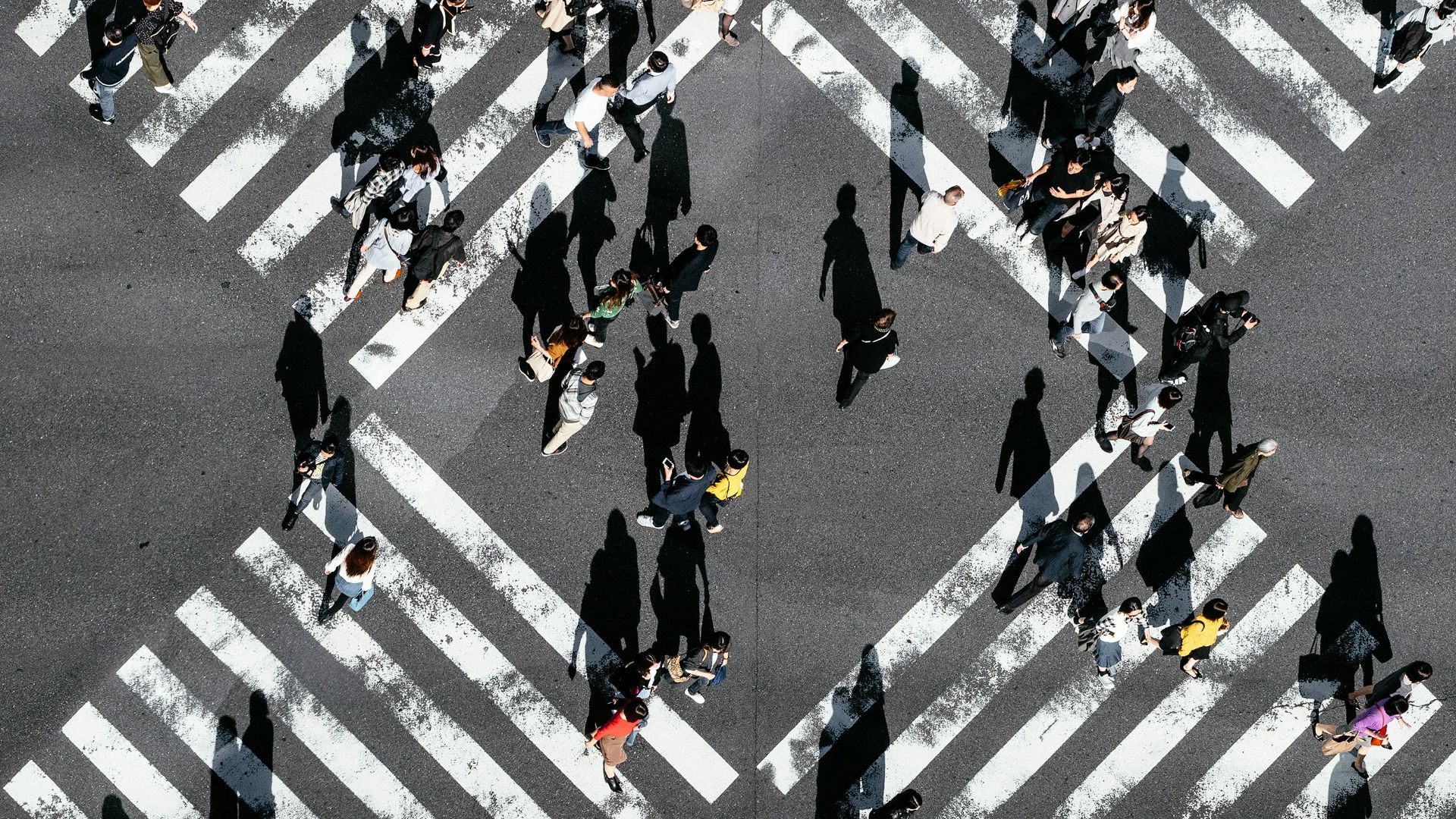
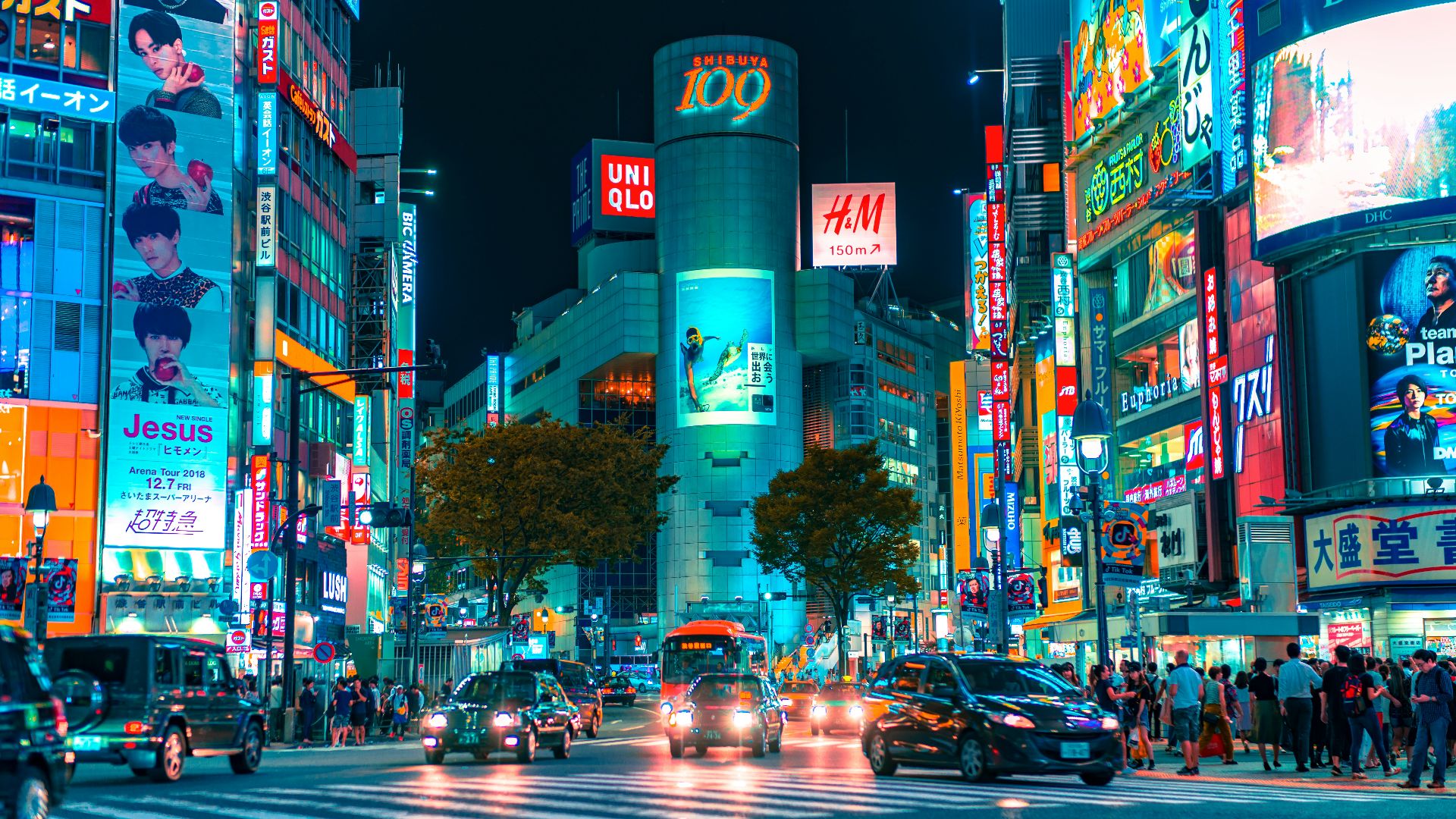
One of the first things many travelers notice in Japan is how quiet trains, stations, and other shared spaces can feel. Japan’s official travel etiquette guidance tells visitors to keep phones on silent and avoid talking on calls while riding public transportation, making even busy intersections feel strangely serene. Compared with China, where the public rhythm can feel more active and expressive, Japan often comes across as more restrained right away.
2. Japan Makes Shoe Etiquette More Noticeable
In Japan, taking your shoes off is something you start watching for early, especially in ryokan, homes, and certain traditional spaces. Travel guidance for visitors specifically highlights these customs because they matter in everyday settings and are easy to miss if you're not paying attention. That creates a very different practical awareness from China, where shoe removal is not such a defining part of the average traveler’s routine.
 🇻🇳🇻🇳Nguyễn Tiến Thịnh 🇻🇳🇻🇳 on Pexels
3. Japan’s Writing Looks More Visually Mixed
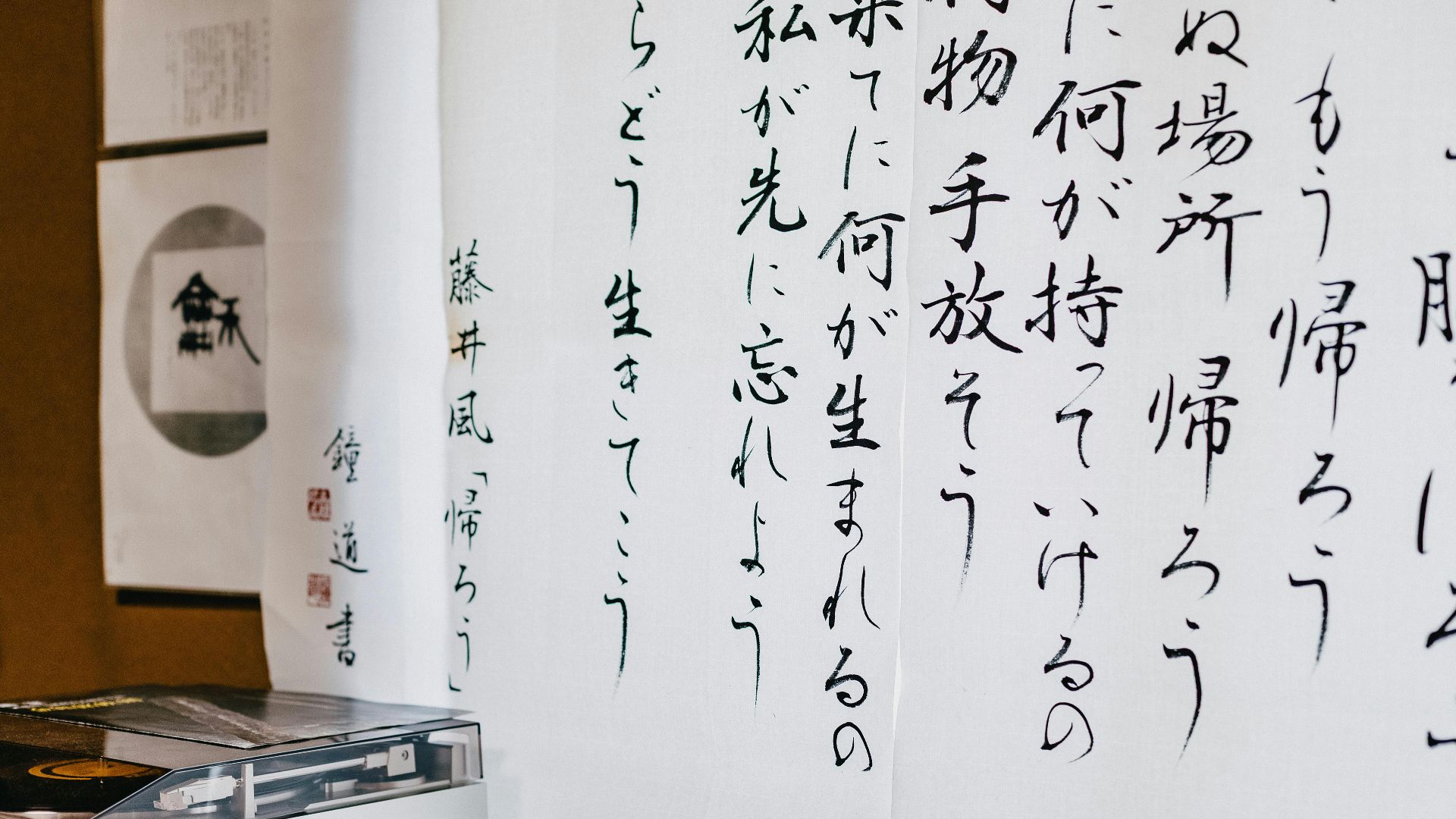
Even before you can read a sign, Japan looks different on the page. Modern Japanese writing combines kanji with the kana syllabaries, hiragana and katakana, so station signs and menus often have a mixed visual texture that stands apart from written Chinese. When you compare the two side by side, Japan’s script usually looks more varied.
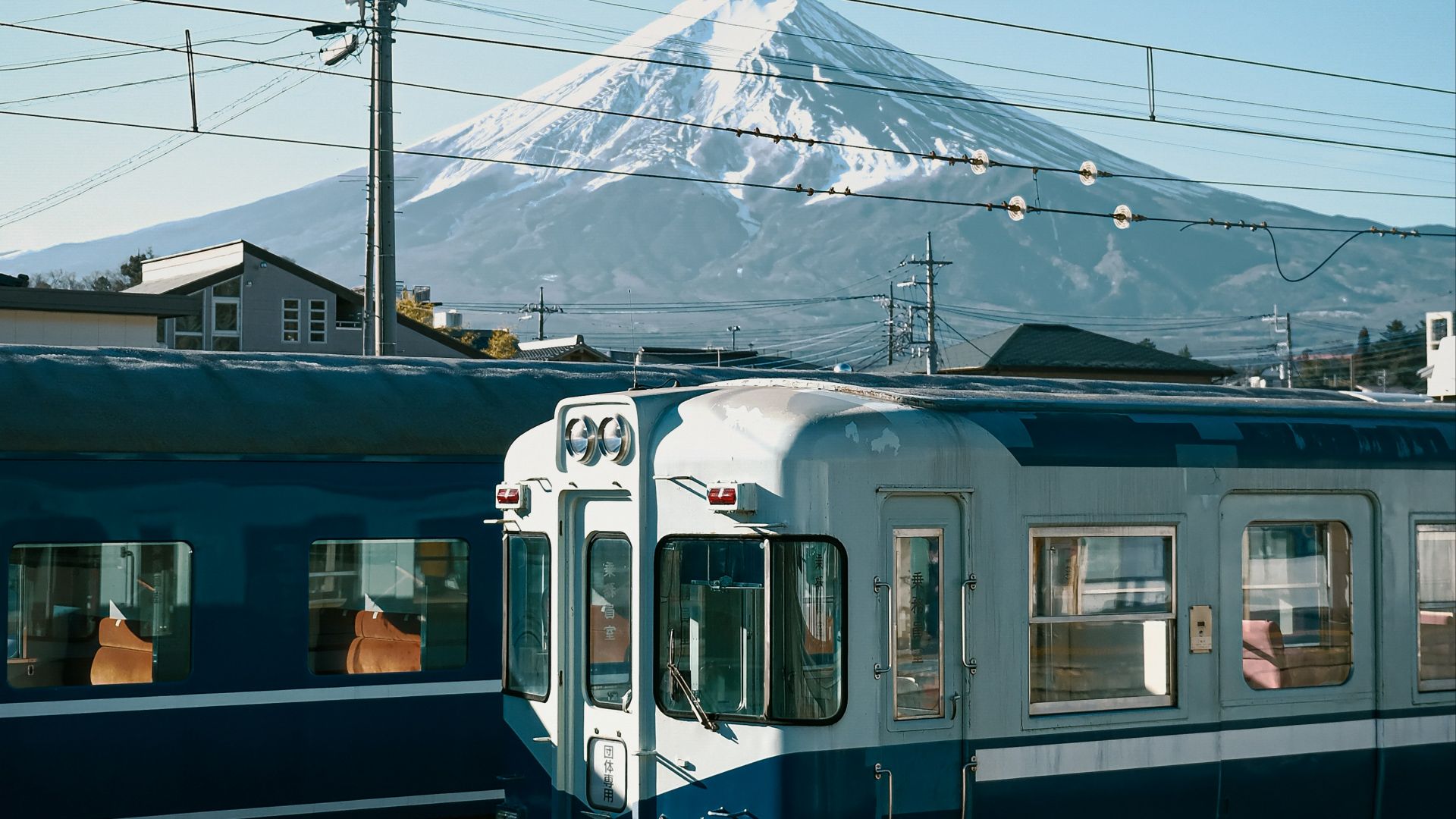
4. Japan’s Transit Feels Smoother to Navigate
Japan’s official tourism guidance puts a lot of emphasis on IC cards because they make local transportation easy to use across trains and buses. Once you get the hang of it, the system often feels built for quick movement with minimal ceremony. Compared with China’s more controlled rail process, Japan can seem much more fluid.
5. Japan Quickly Gets You Used To Bowing
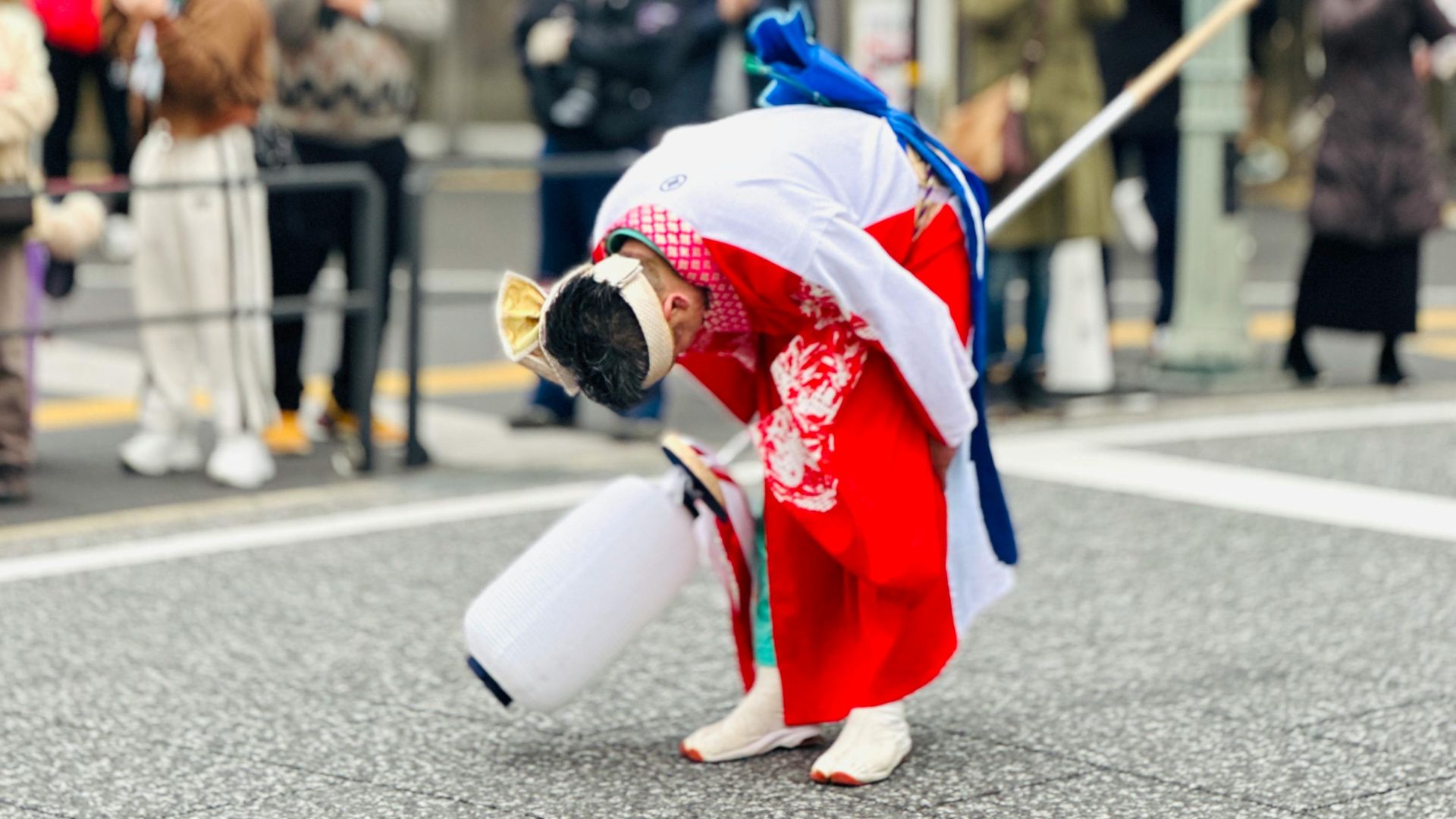
Visitors in Japan notice very quickly that bowing is part of the social atmosphere, even if tourists are not expected to master formal etiquette. Official visitor advice explains the basics because it's such a visible part of daily interaction. China has its own manners and social rules, of course, but bowing isn't nearly as central to the traveler’s first impressions there.
6. Japan Feels More Firmly No-Tip
Japan is one of those places where travelers are often told very clearly that tipping is generally not expected in restaurants, taxis, cafes, bars, or hotels. China is also not strongly tip-driven in ordinary daily life, but the guidance there is a bit more flexible in tourism-related settings.

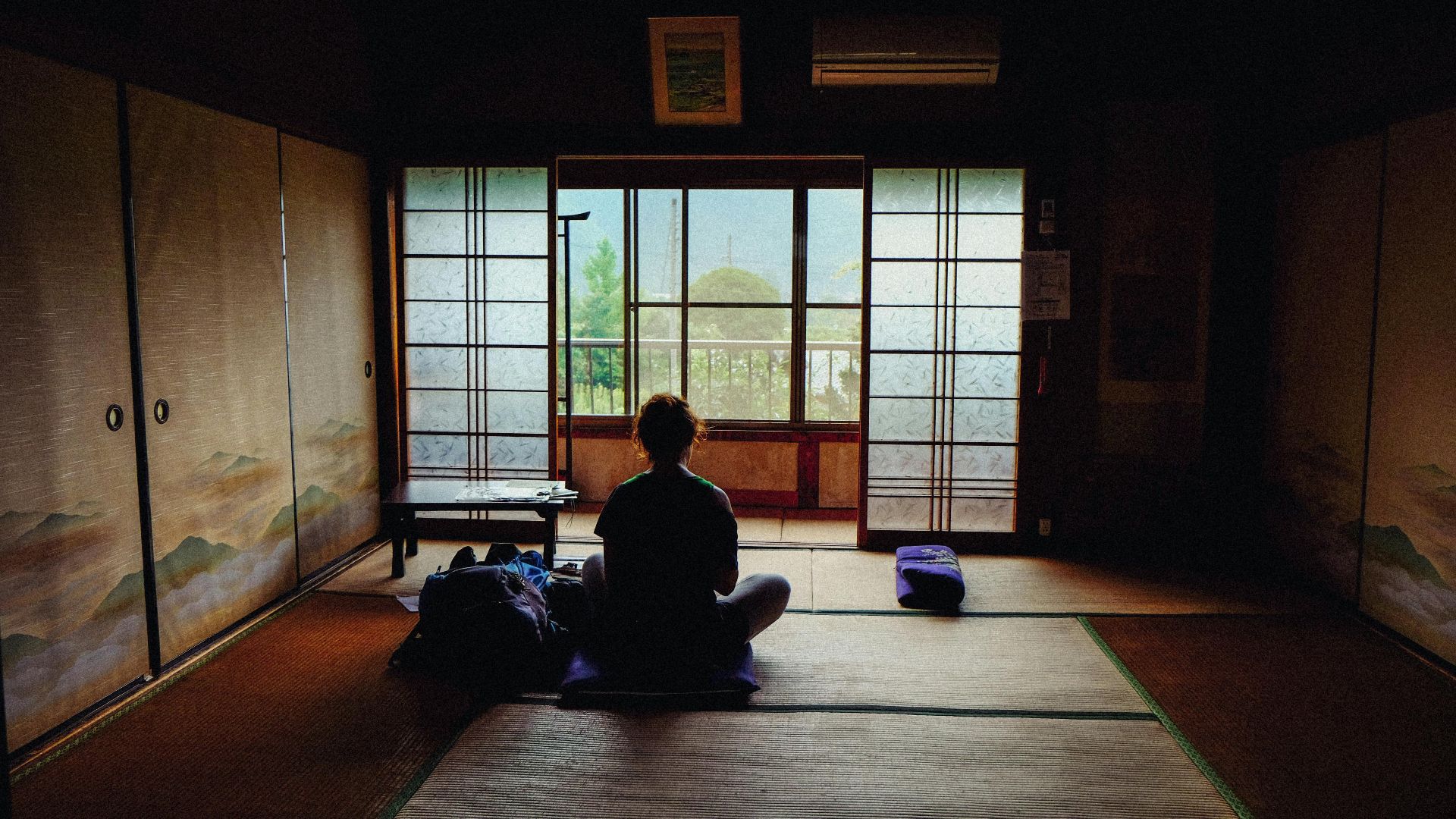
7. Japan Emphasizes Traditional Lodging
A stay in a ryokan is often presented as one of the signature experiences of visiting Japan. JNTO’s travel guidance highlights tatami rooms, futons, baths, yukata, and a more formal style of hospitality that many visitors actively seek out. China has traditional accommodations too, but Japan more often builds this sort of stay into the mainstream travel experience, like it's a must.
8. Japan’s Public Manners Are More Explicitly Spelled Out
Japan’s tourism materials are unusually direct about common etiquette, from train behavior to queueing and phone use. That means travelers often become aware of social expectations very quickly, even if nobody says anything to them in person. Compared with China, Japan can feel more visibly rule-shaped in the way public courtesy is described and practiced.
9. Japan’s Travel Experience Feels More Centered on Seasonality
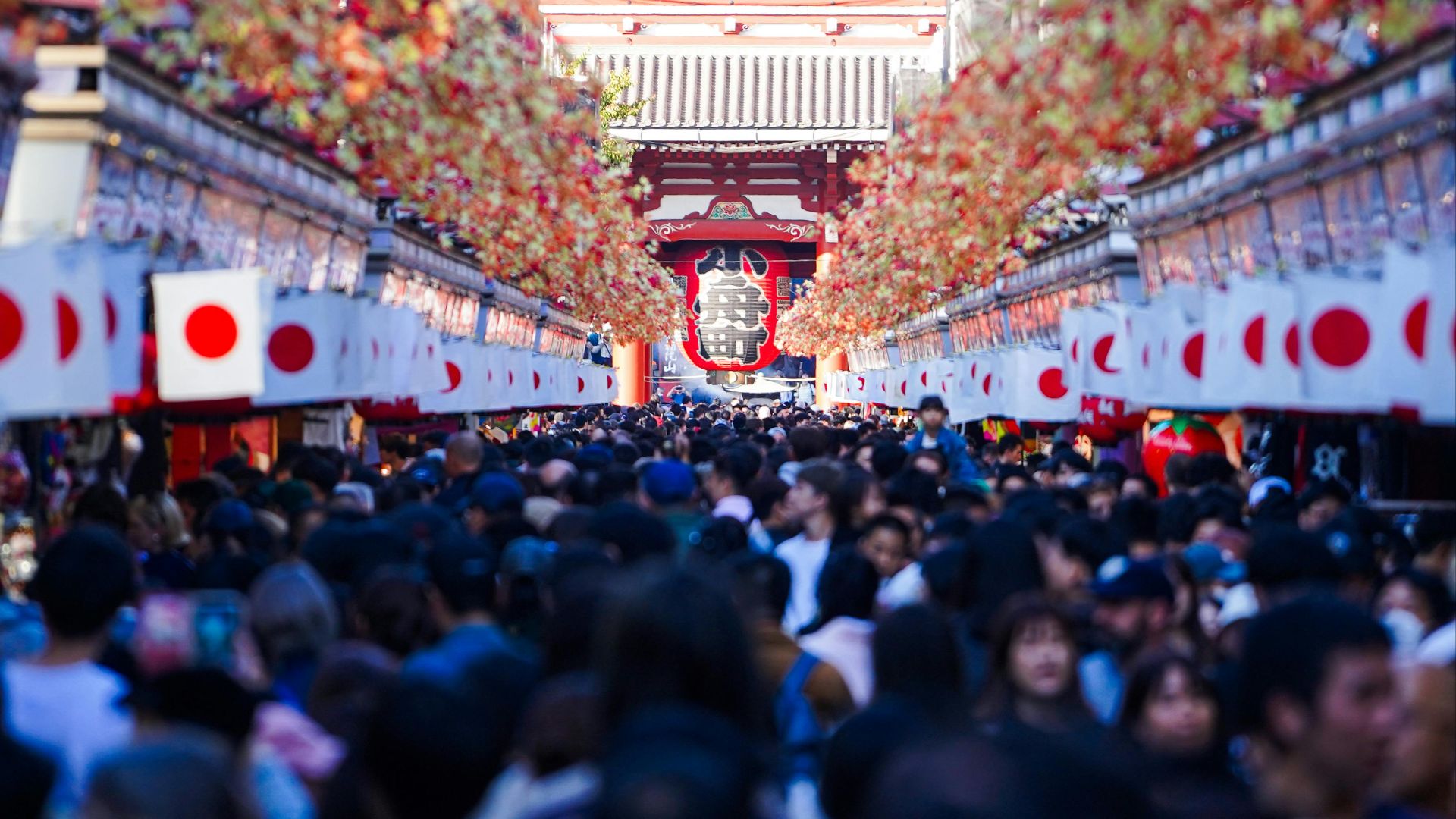
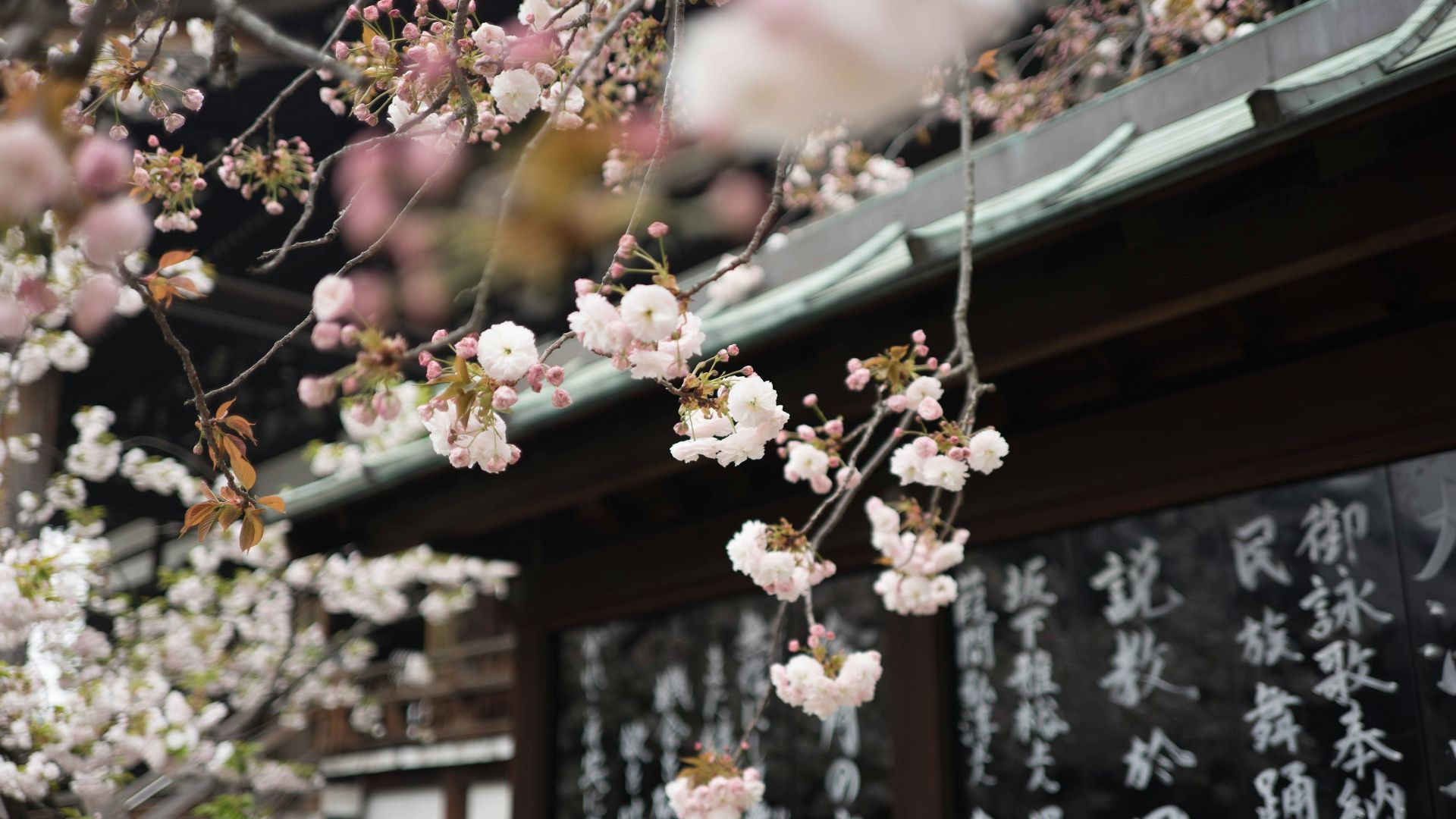
Japan’s tourism messaging often emphasizes seasonality, whether that means food, scenery, festivals, or regional specialties. This gives many trips a more time-of-year feel. China certainly has seasonal traditions too, but Japan presents that seasonal identity to visitors in a particularly strong way, which makes it feel like you have to come back several times at different points of the year to experience all those special things.
10. Japan Feels More Compact & Choreographed
For many travelers, Japan gives off a sense of orderly movement that becomes part of the trip itself. Whether you're navigating stations, standing in line, or moving through a hotel or ryokan, the experience often feels highly structured without being chaotic. That makes Japan feel different from China almost immediately, because the rhythm is usually more tightly managed at the everyday level.
Now that we've covered the key ways Japan is different from China, let's talk about the ways China is distinct.
1. China Feels More Phone-Payment Driven
In mainland China, mobile payment is so central that travelers are commonly advised to set up Alipay or WeChat Pay to handle daily transactions. That makes China feel much more phone-first in ordinary life, especially for transport, shopping, and quick purchases. Compared with Japan, where cash and cards still play a very visible role, China often seems more digitally unified.

2. China’s Rail Travel Feels More Formal
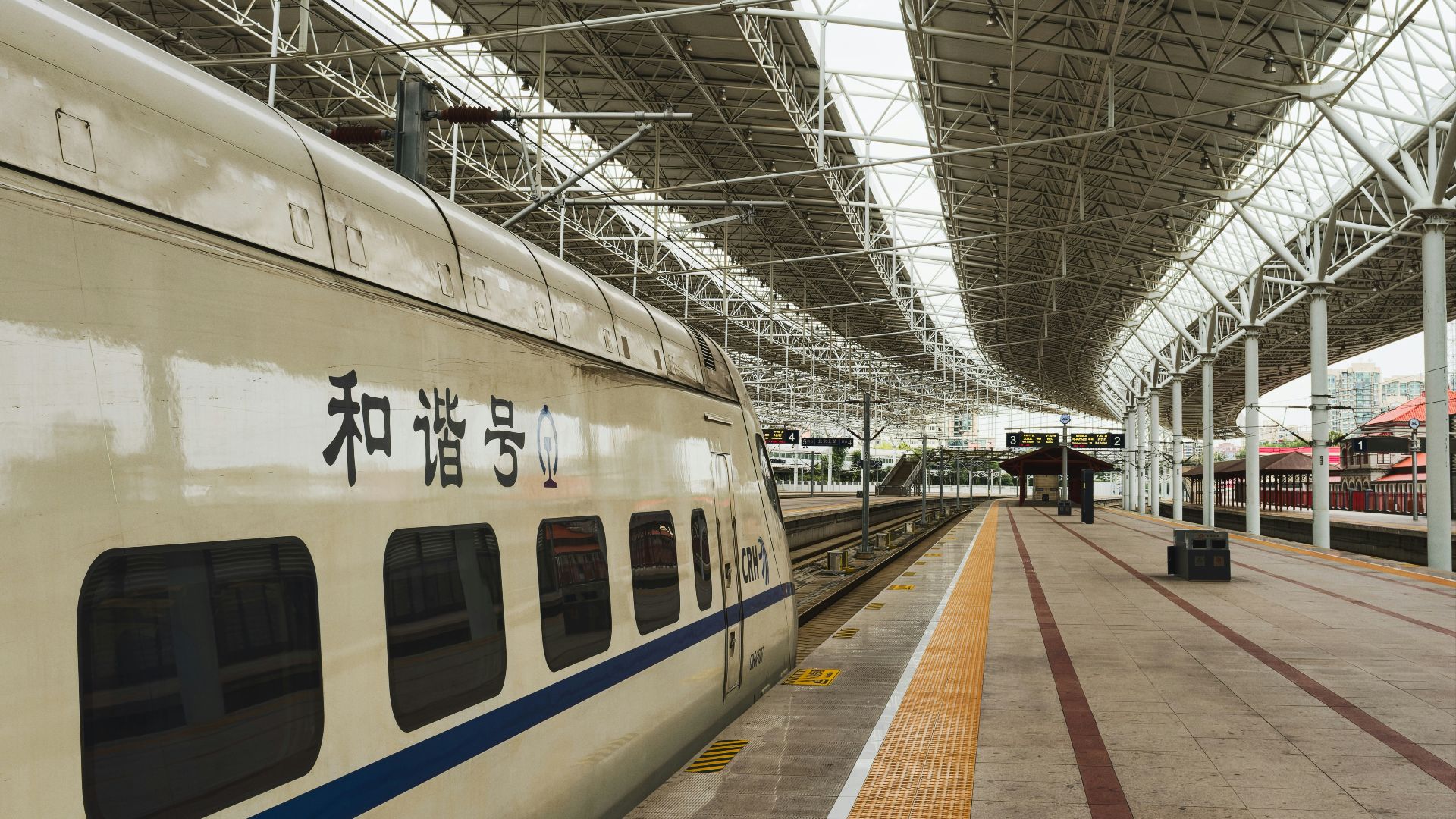
China’s train system is extensive and impressive, but the experience often starts with passport-linked ticketing, security checks, waiting halls, and gate-based boarding. Traveler guides make it clear that you should arrive early and treat the process almost like an airport routine. That feels very different from Japan, where rail travel is often more seamlessly woven into everyday city movements, like it is in much of Europe.
3. China Hits You With Bigger Regional Food Contrasts
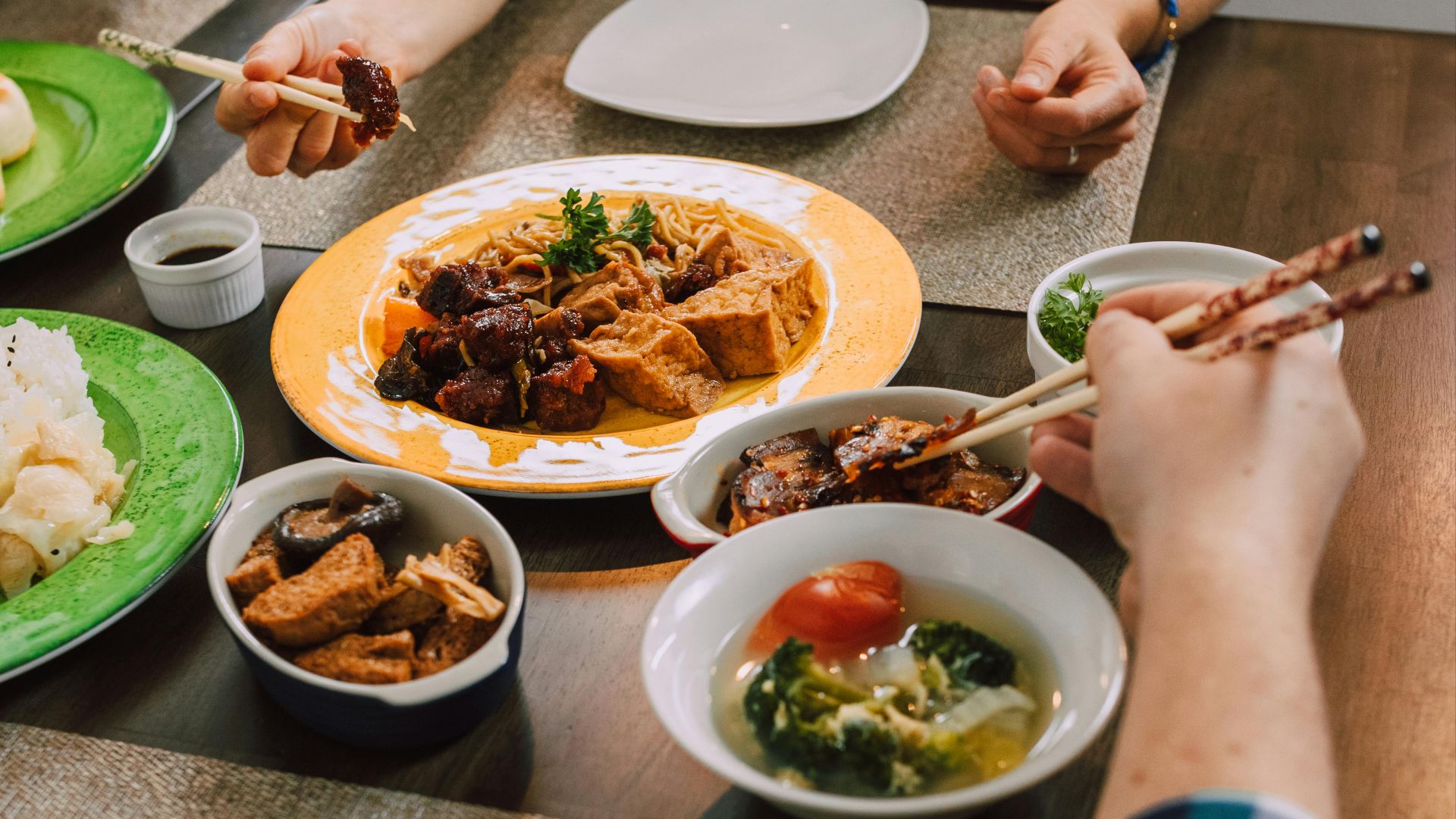
One of the most immediate things travelers notice in China is the scale of regional culinary variation. Travel guides emphasize major differences between northern, southern, eastern, western, and central cuisines, from staple ingredients to spice levels and cooking styles. Japan has a regional food identity too, but China's feels broader and more dramatically varied from one region to another.
4. In China, Breakfast Is Heartier & Street-Based
In China, breakfast culture often includes steamed buns, noodles, soybean milk, fried dough sticks, and a wide range of local dishes. That can give your mornings a more bustling, practical, and distinctly regional character depending on where you are. It's distinctly different from Japan’s more formal traditional breakfast.

5. China's Scale Is More Surprising
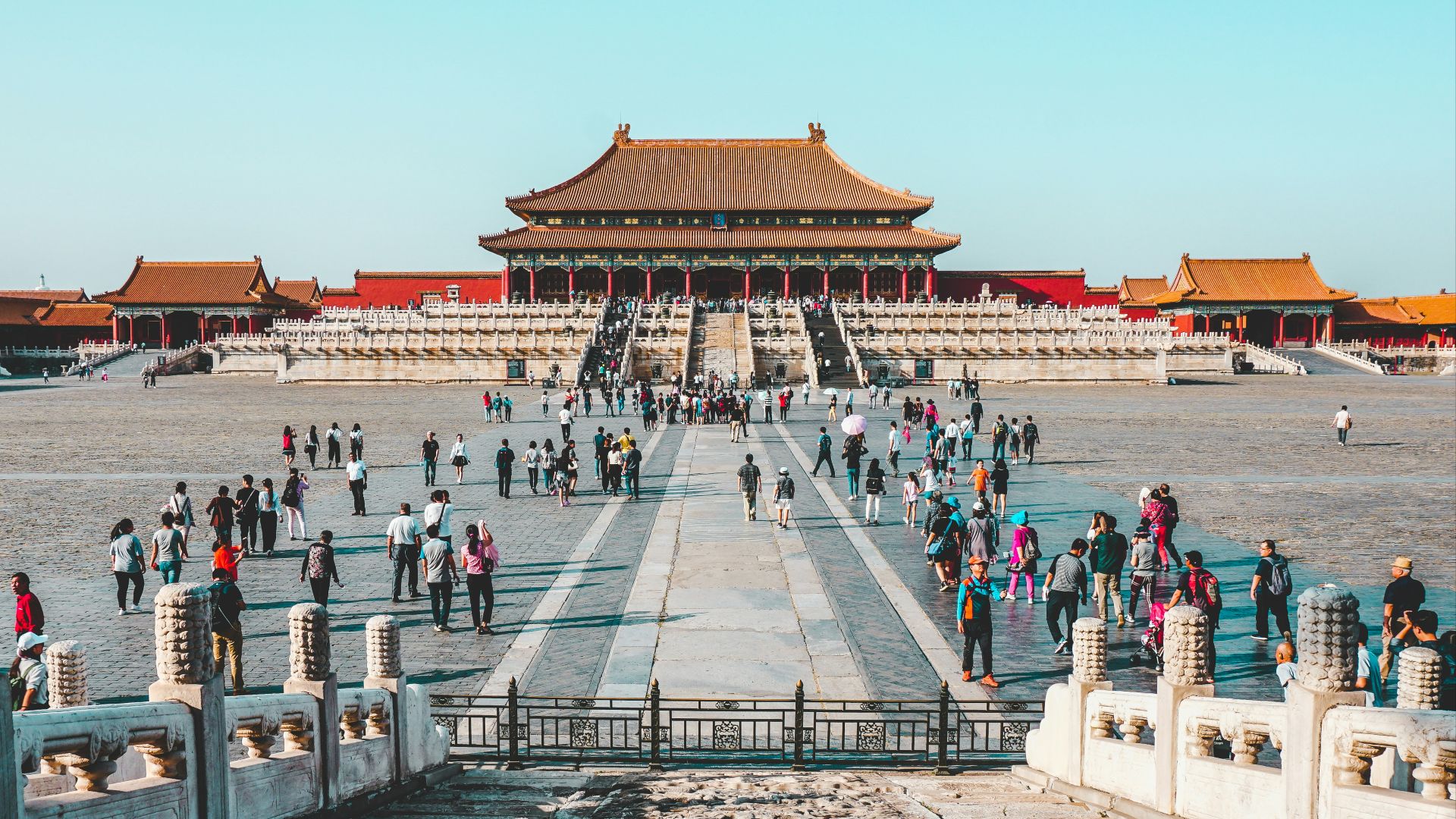
Even when you expect it, China can still surprise you with scale. Stations, cities, crowds, roadways, and major public spaces often feel physically larger and more expansive, which shapes the whole travel mood. Japan can be intensely urban, too, but China more often gives travelers that immediate sense of sheer magnitude.
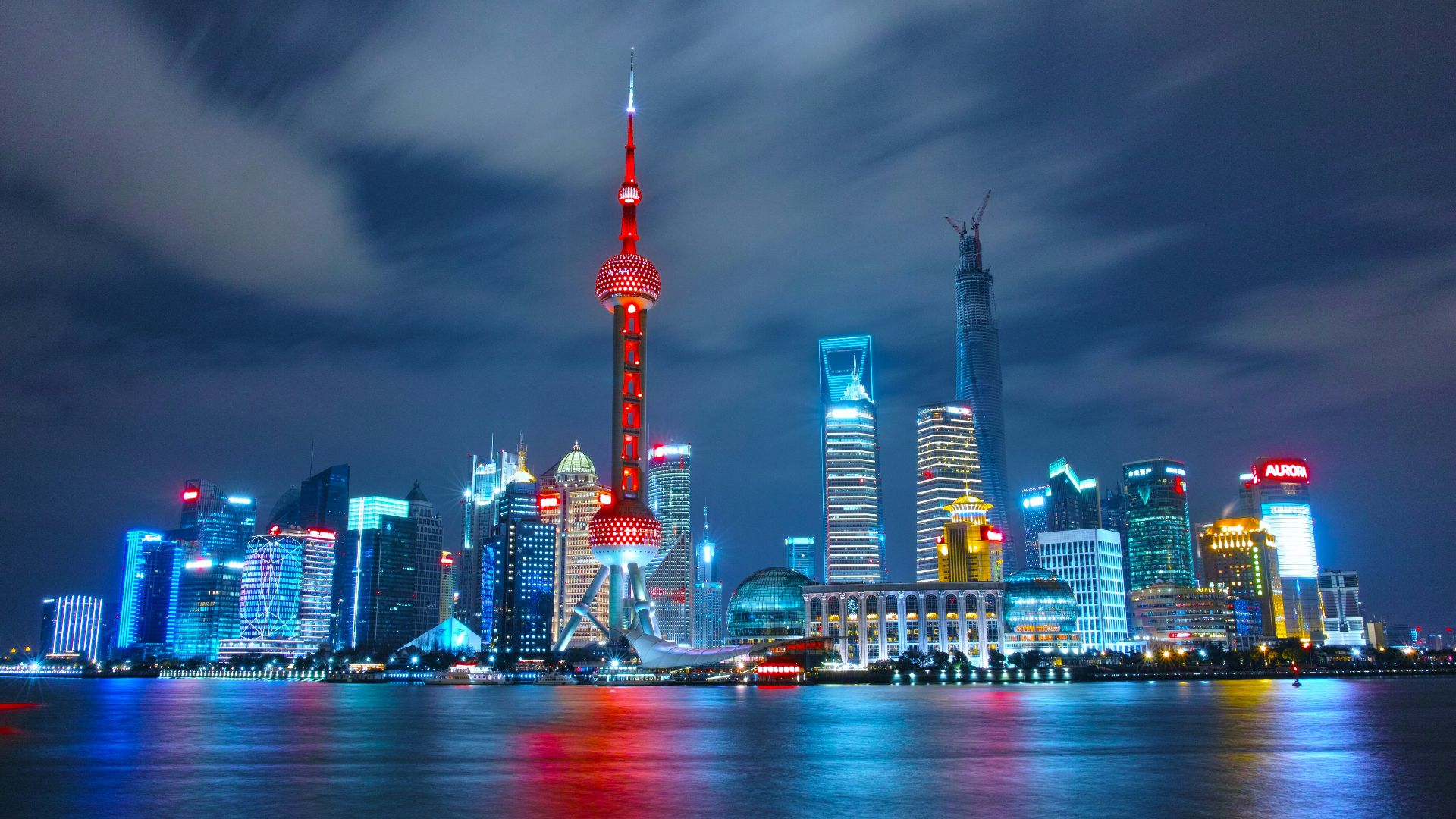
6. China’s Travel Logistics Require More Setup
A trip through China often requires a bit more setup and advance adjustment, especially around payments, apps, transport procedures, and digital tools. Japan certainly has its own learning curve, but China often feels more infrastructure-and app-dependent from the start.

7. China Is More Relaxed About Tipping
China is not a heavily tipping-based culture in ordinary daily life, but travel guidance notes that tipping has become more common in parts of the tourism industry, especially for guides and drivers. That gives visitors a little more ambiguity than they usually face in Japan, where the advice is more straightforwardly against tipping. It's a small detail, though it stands out when you move between the two countries.

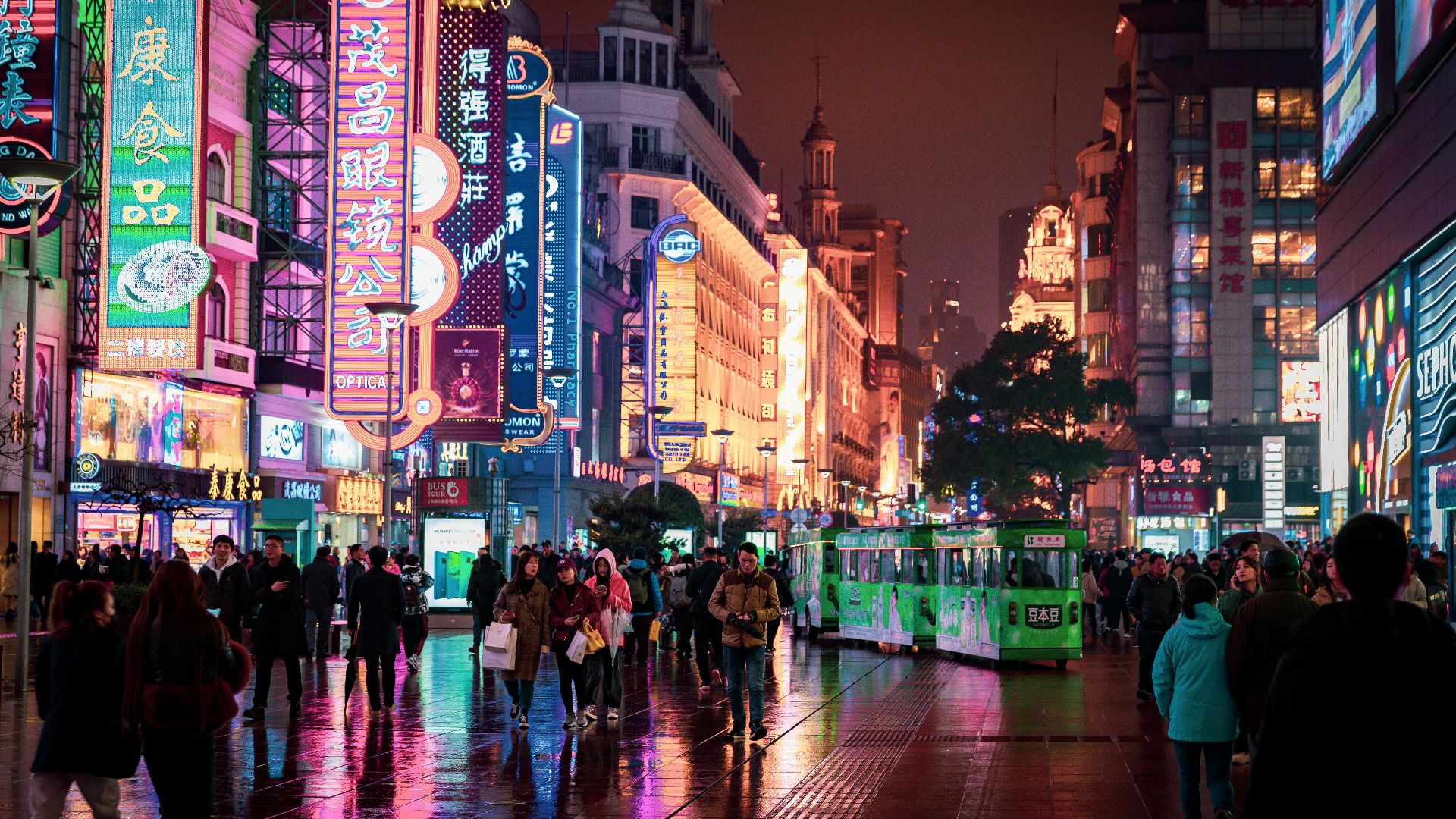
8. China’s Public Spaces Often Feel More Openly Energetic
Many travelers notice that China can feel more outwardly lively in daily public life. That can show up in the pace of conversation, the sound level, the movement in stations and streets, and the general sense that more is happening all at once. Japan, by contrast, often feels more muted and socially compressed in public settings.
9. China Feels More App-Centered in Daily Life
The role of major apps in China often becomes obvious very quickly, because they're tied not just to payment but to the practical mechanics of moving through the day. That concentration of daily functions into a smaller number of digital platforms gives the country a different modern feel for travelers. Japan can be highly efficient, but it often feels less all-in-one in that specific way.
10. China Feels Broader & Less Ritualized for Visitors
A China trip can come across as more varied from region to region in a way that keeps changing as you move. The sheer scale of the country comes across in the traveler experience, which can look vastly different from person to person, more so than in Japan. That difference is part of what makes visiting both so interesting, because one doesn't feel like a substitute for the other.