When The Route Is The Gatekeeper
Some places don’t care about your itinerary, your hotel check-in time, or the fact that you already packed snacks. They run on tide charts, wind windows, river levels, snowpack, and the kind of weather that turns a normal road into a polite suggestion. That’s part of the appeal: you have to pay attention, show up at the right moment, and accept that turning back is sometimes the whole plan. The best version of this kind of trip feels like getting invited in by the landscape instead of forcing your way through it. Here are 20 places where access is less about directions and more about conditions.
1. Mont Saint-Michel, France
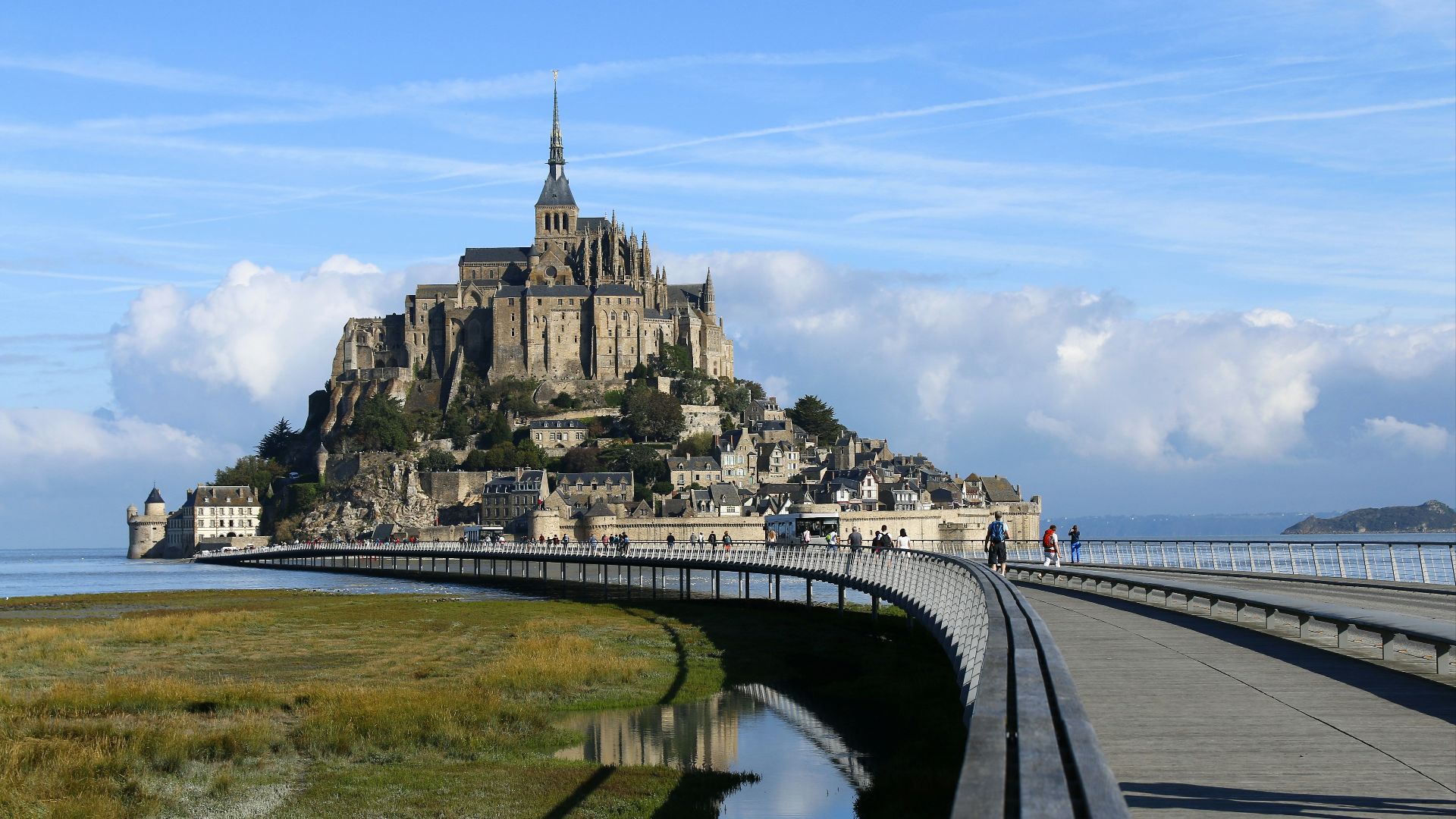
On certain high tides, the bay turns the approach into a real moat situation, and the timing suddenly matters. Check the tide schedule before you go, because this is the kind of place that can look totally walkable and then quietly change its mind.
 Joseph Terrence Pittman on Unsplash
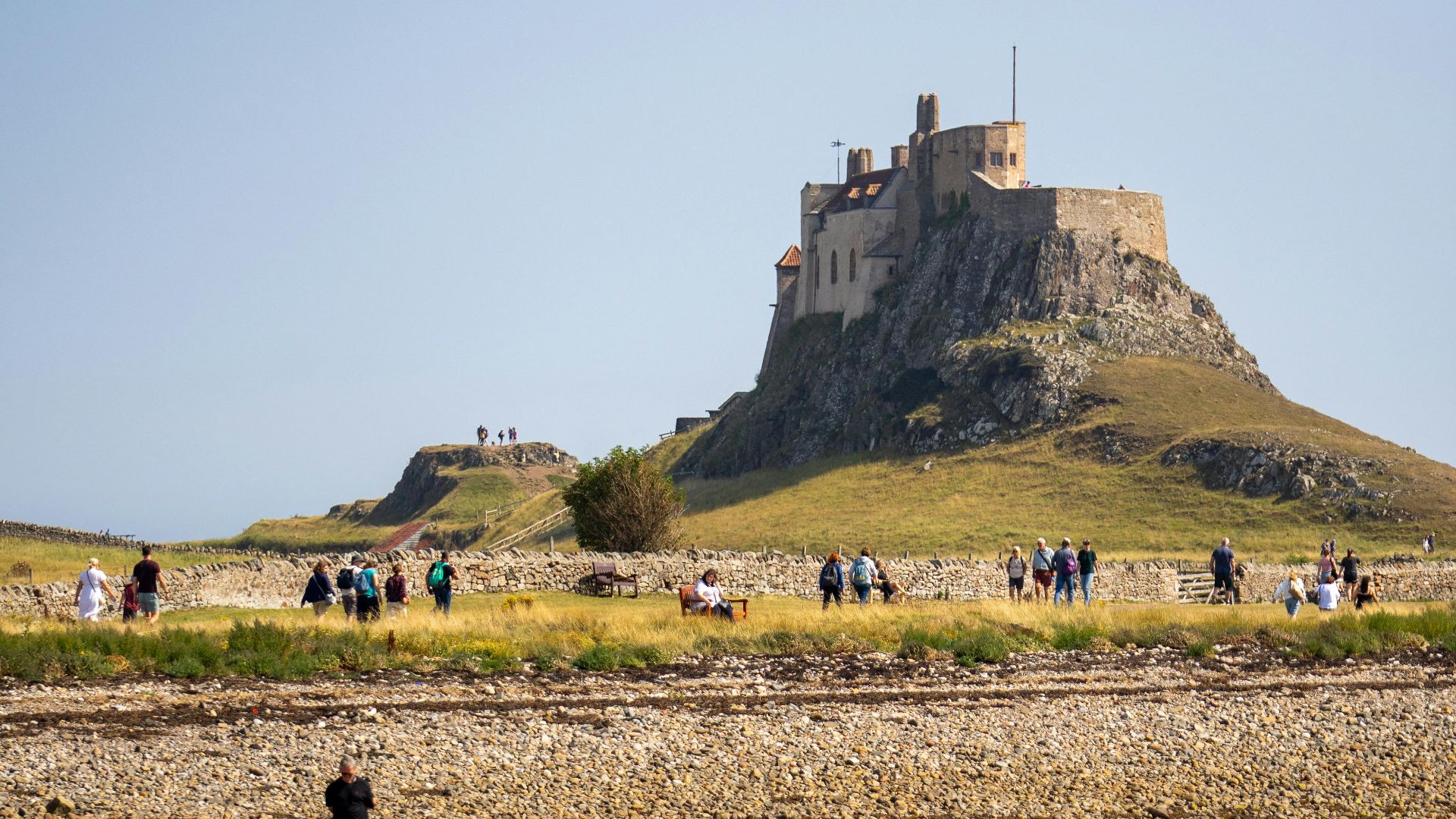
2. Holy Island, England
The causeway disappears under the tide on a predictable schedule, which makes planning simple and unforgiving at the same time. Get it right and it feels effortless; get it wrong and you’re staring at water and reconsidering your life choices.
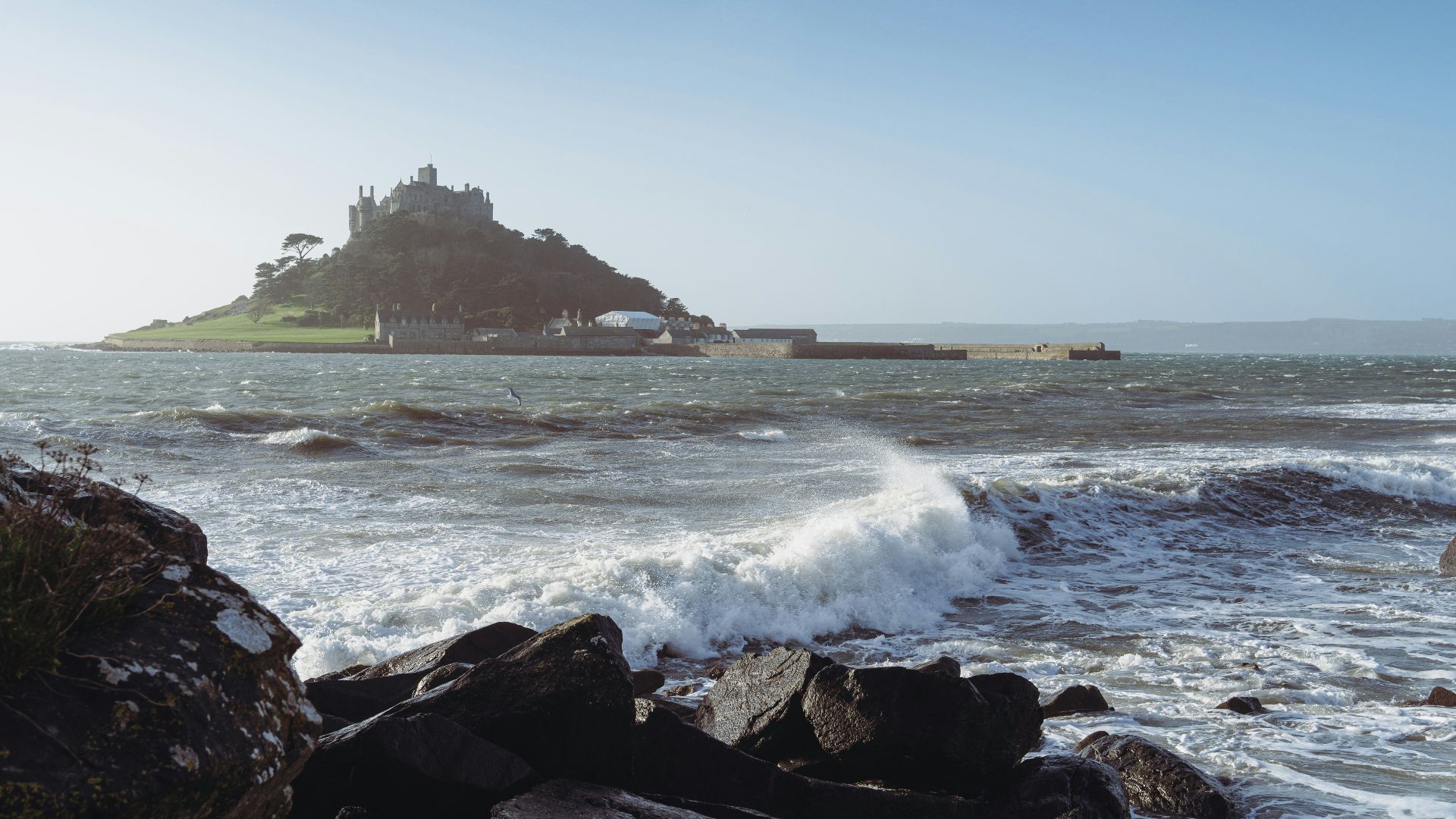
3. St Michaels Mount, England
At low tide, you can walk across on a stone causeway and feel like you’ve unlocked a secret level. At high tide, the walk is gone, and the only way over is by boat, if conditions cooperate.
4. Burgh Island, England
This one has that classic tidal-island rhythm: a path appears, people stream across, and then the sea closes the door behind them. It’s charming until you’re the person who didn’t check the time and suddenly needs a different plan.

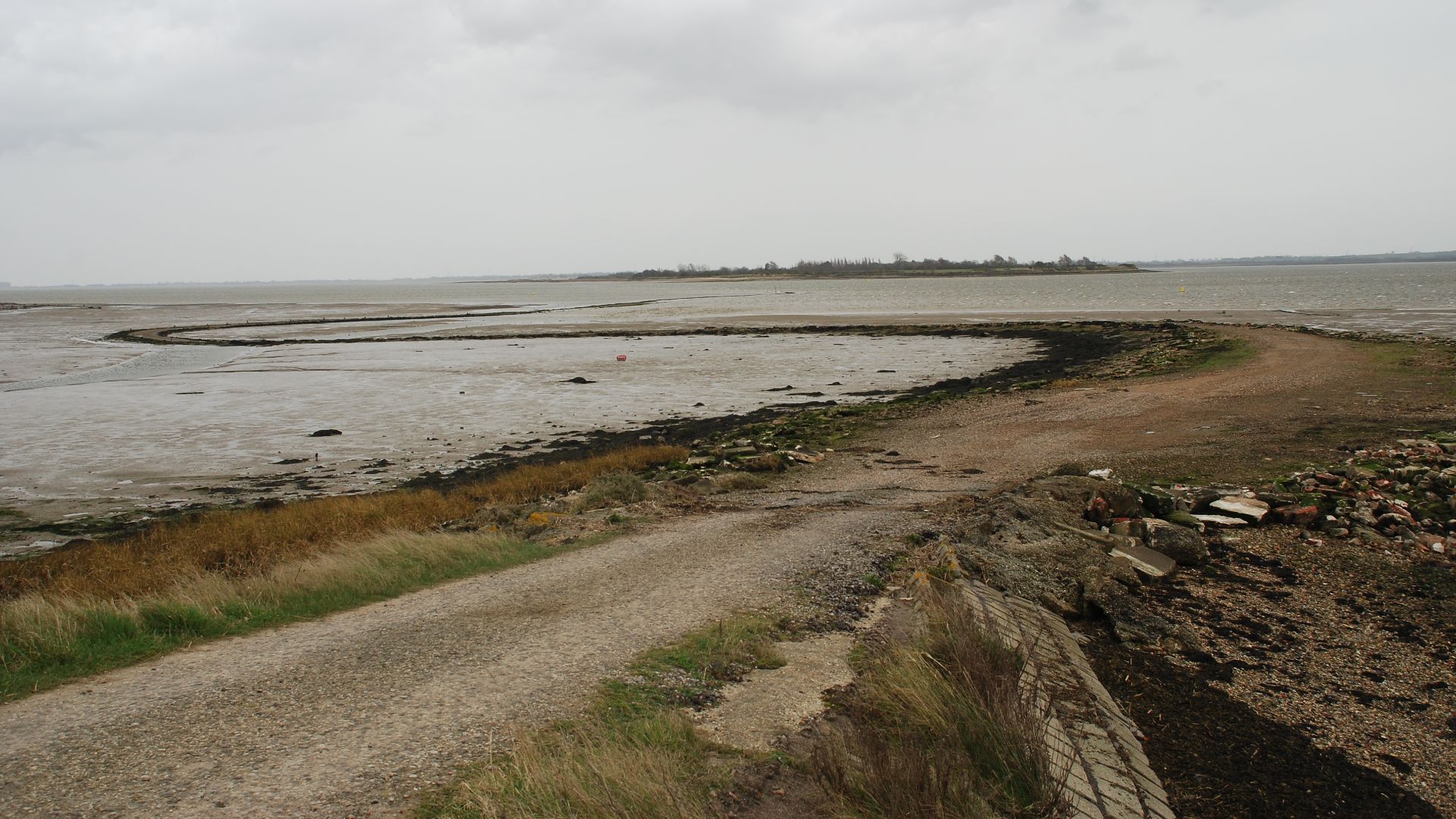
5. Osea Island, England
The road on and off is tidal, which means arrival and departure can be oddly ceremonial. It’s one of those places where locals and regulars treat tide times like appointment slots, because that’s basically what they are.
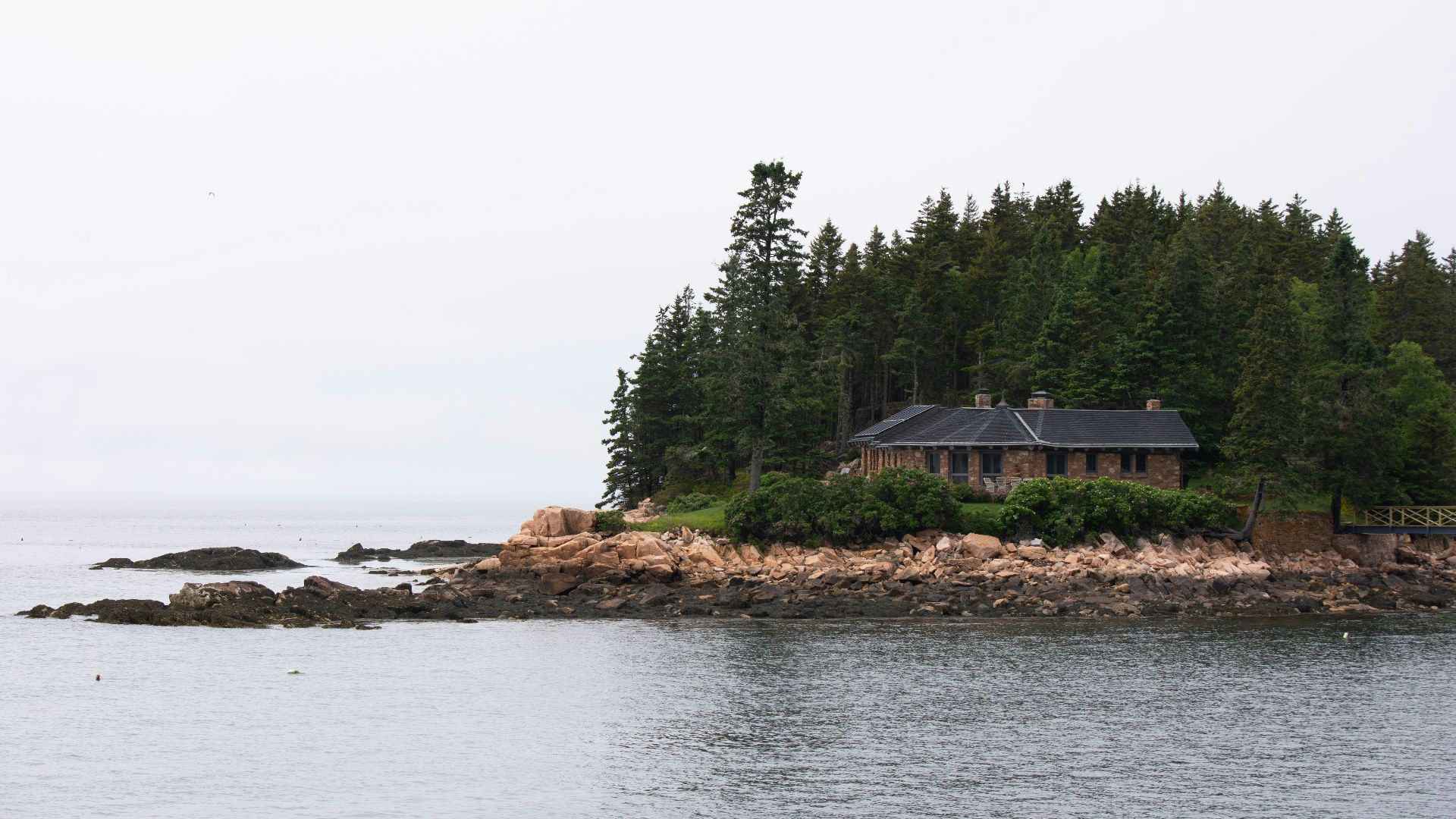
6. Bar Island, Maine
At low tide, a sandbar appears and you can walk across for a limited time. When the tide comes back in, the path disappears and you can’t return on foot until the next low tide.
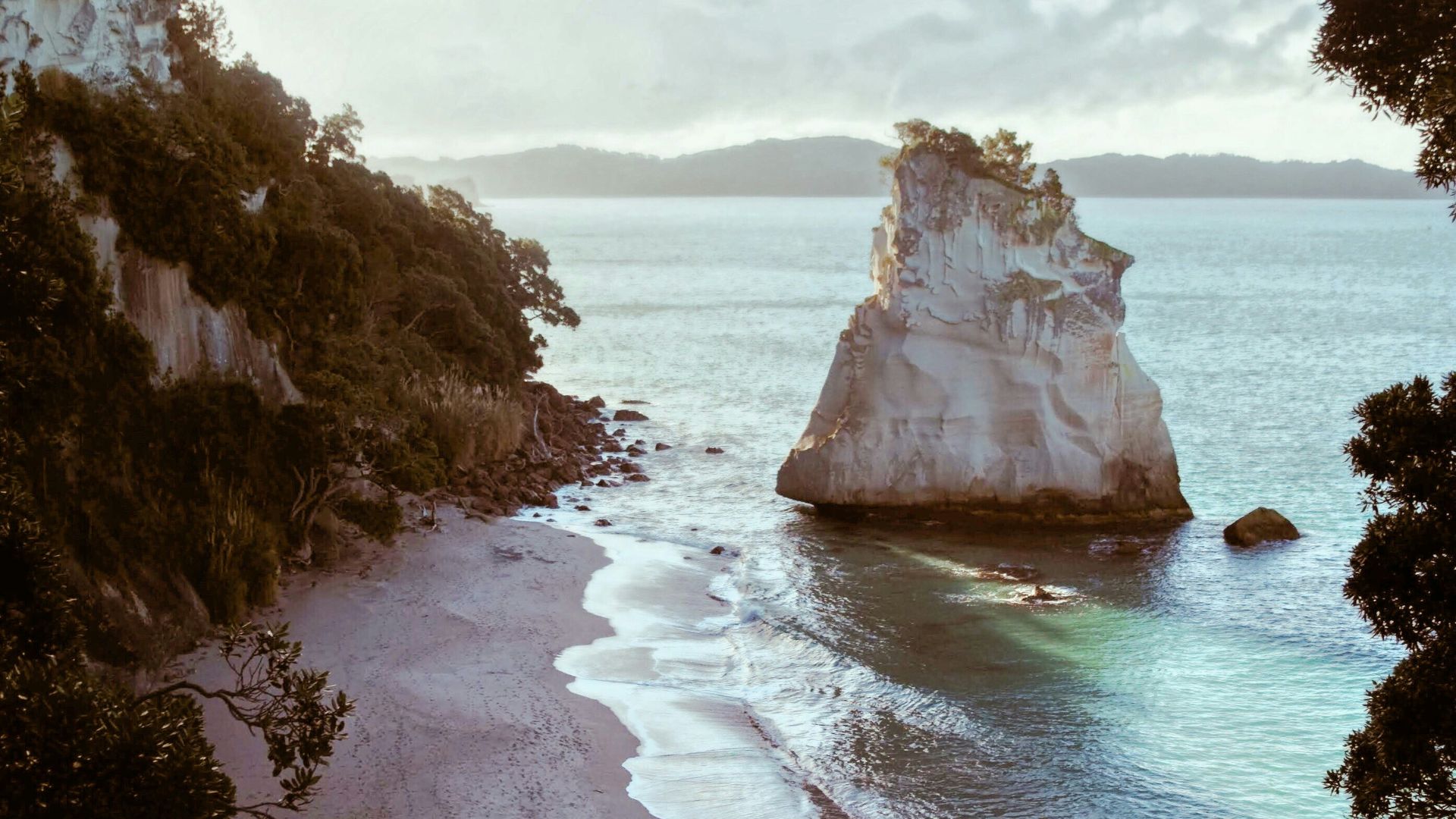
7. Cathedral Cove, New Zealand
Depending on tides and surf, the beach route can be straightforward or suddenly sketchy. When the conditions are right, it’s an easy, beautiful stroll; when they’re not, it’s the kind of place where turning around is the smart move.
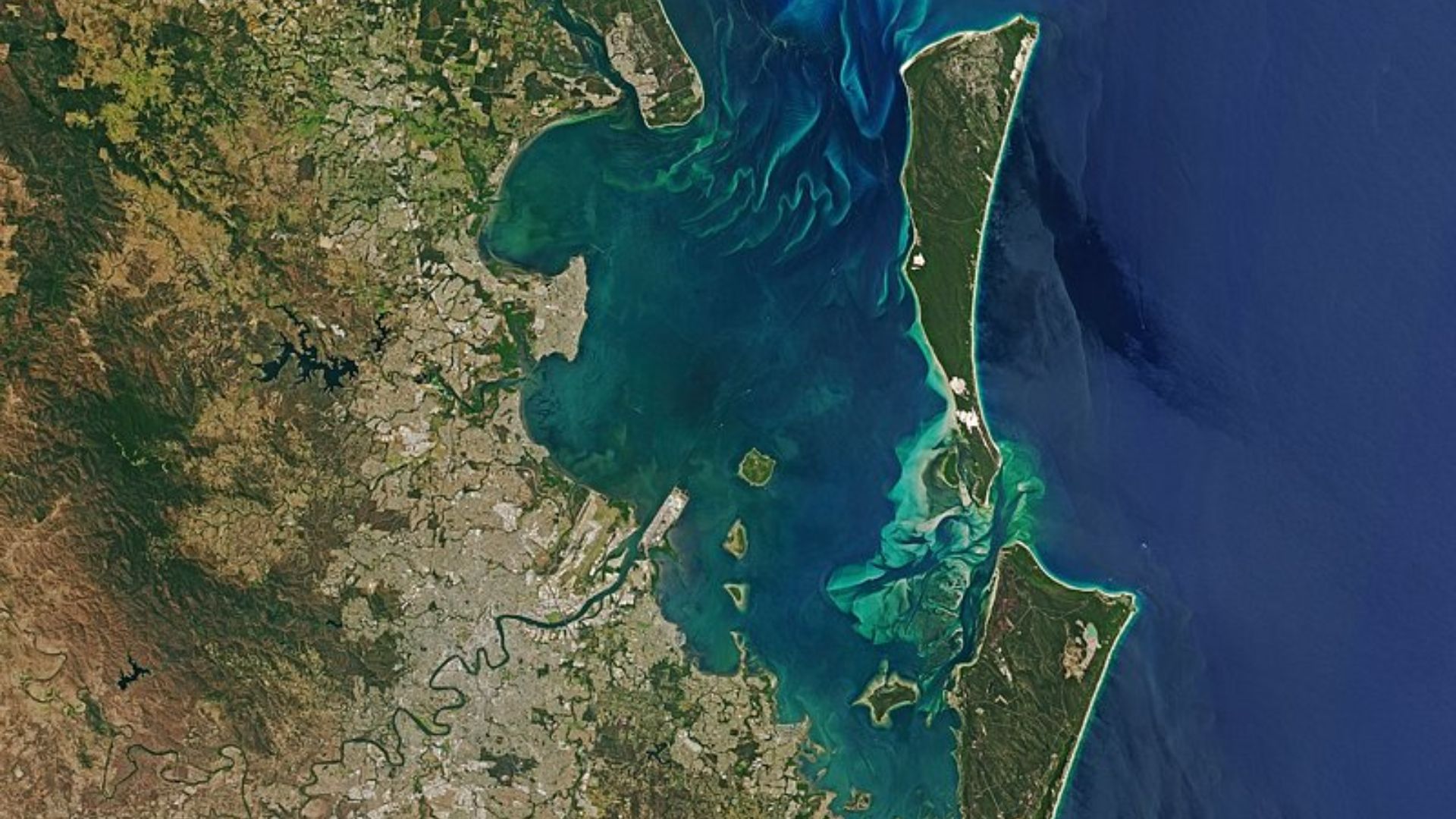
8. Moreton Island Sand Tracks, Australia
The access routes are sand, tide-sensitive, and extremely uninterested in regular cars. When the tide is low and the track is firm, it’s doable and gorgeous; when it’s high or churned up, the island starts collecting stuck vehicles like souvenirs.
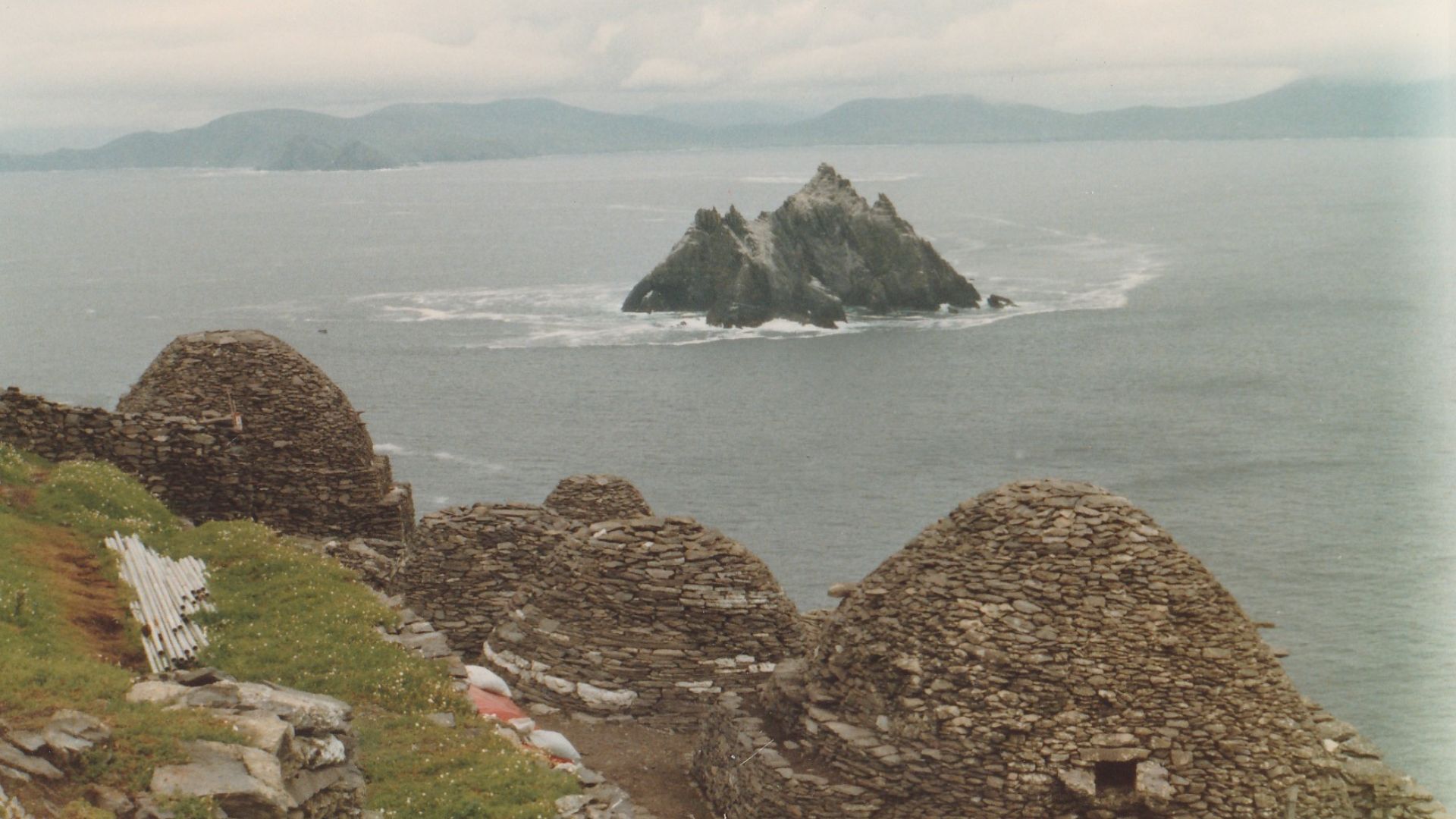
9. Skellig Michael, Ireland
Landing here depends on sea conditions and the operating season, and cancellations are common even when the forecast looks decent. It’s not a casual stop-you’re basically waiting for the ocean to give you a safe opening.
10. The Wave, Arizona
Even with a permit, getting there depends on road conditions, because the access roads can become impassable when wet. It’s the rare hike where nature can shut down the approach long before you ever start walking.

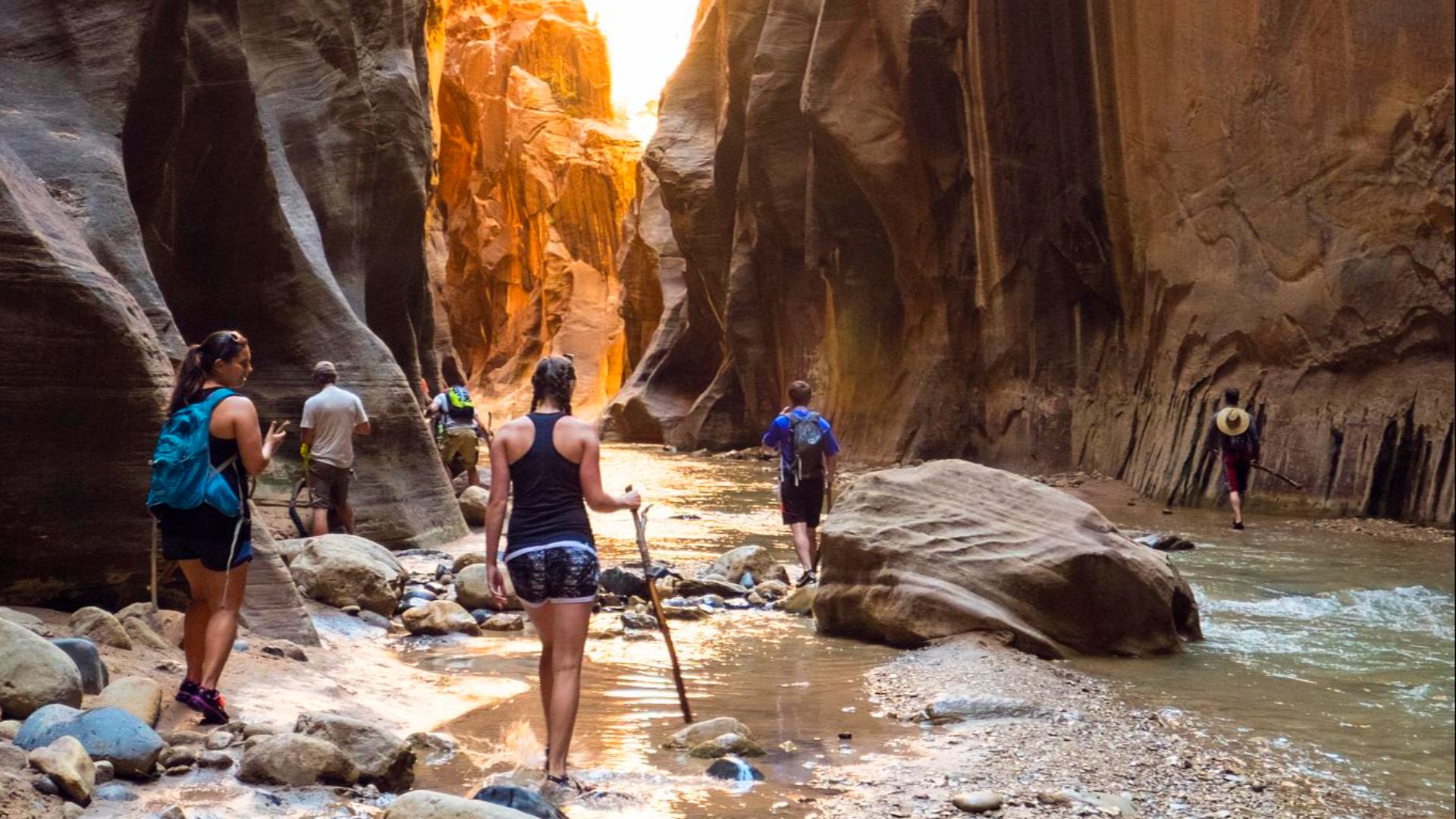
11. Zion Narrows, Utah
This hike is all about the river, which means it’s only a good idea when water levels and weather make it safe. When conditions are right, it’s one of the most memorable walks in the country; when they’re not, flash-flood risk makes it a hard no.
 Christopher Michel on Wikimedia
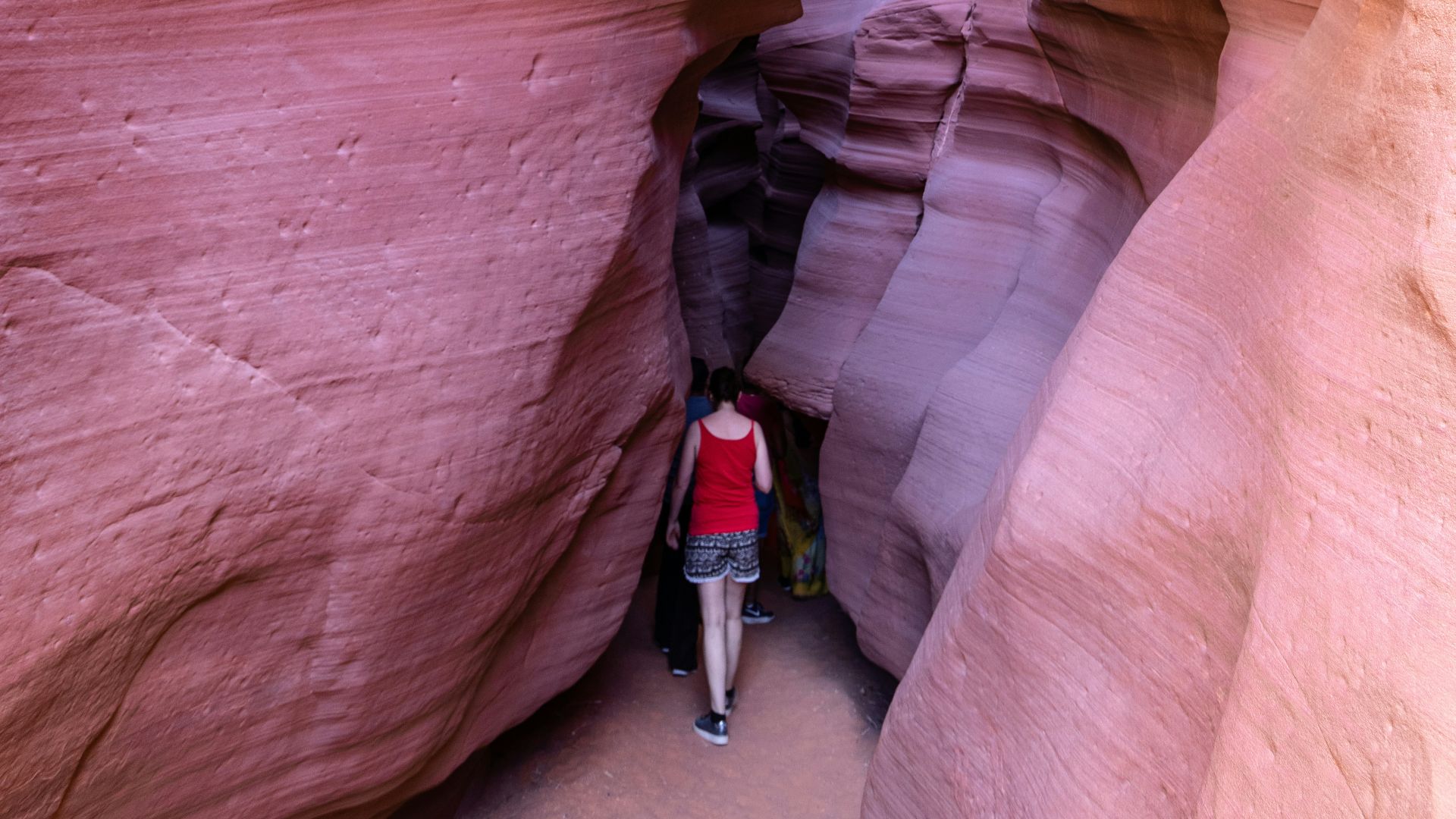
12. Antelope Canyon, Arizona
Access is controlled, but the real limiter is the weather, because slot canyons and sudden rain are a dangerous mix. Even on days that start sunny, the wrong storm upstream can shut things down fast.
 Jordi Vich Navarro on Unsplash
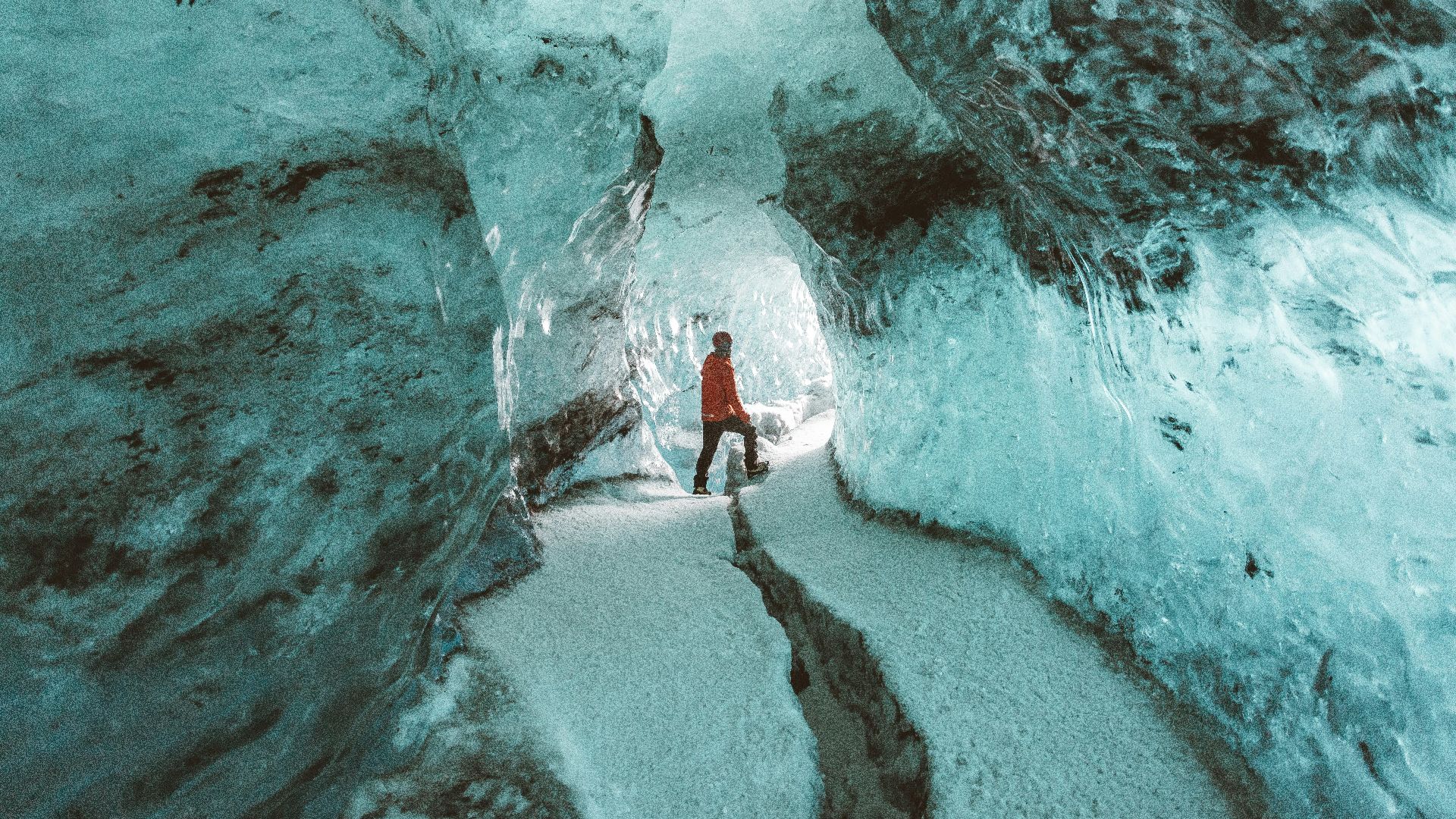
13. Vatnajökull Ice Caves, Iceland
These caves are a winter-only, conditions-dependent thing, because melt and shifting ice make them unstable at other times. When it’s safe, it feels unreal; when it’s not, nobody serious pretends it’s worth the risk.
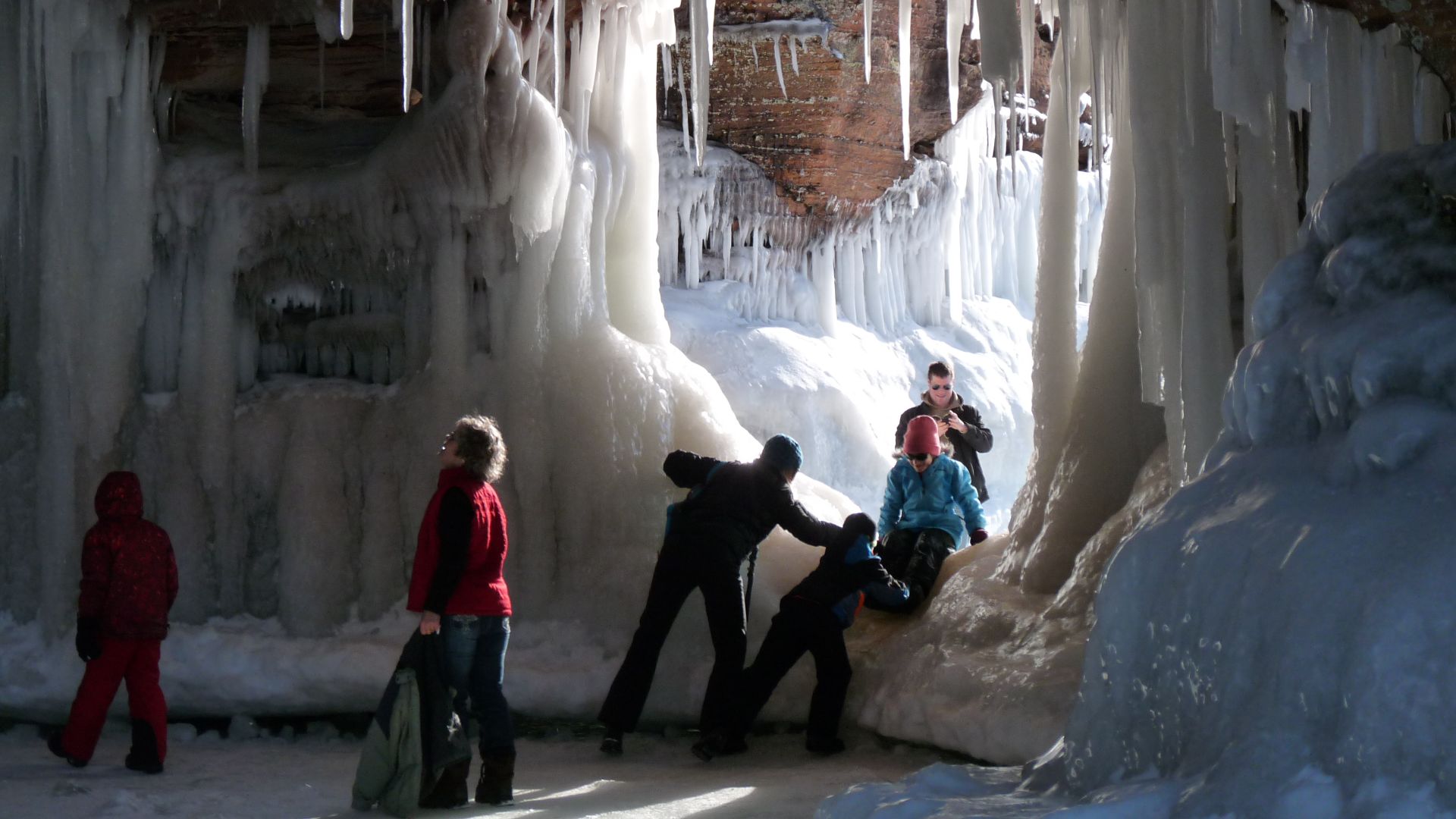
14. Apostle Islands Ice Caves, Wisconsin
They’re only reachable on foot across Lake Superior when the ice is thick enough and stable enough, which is not an every-winter guarantee. When it happens, it’s magical; when it doesn’t, you just get a very cold reminder that the lake is in charge.
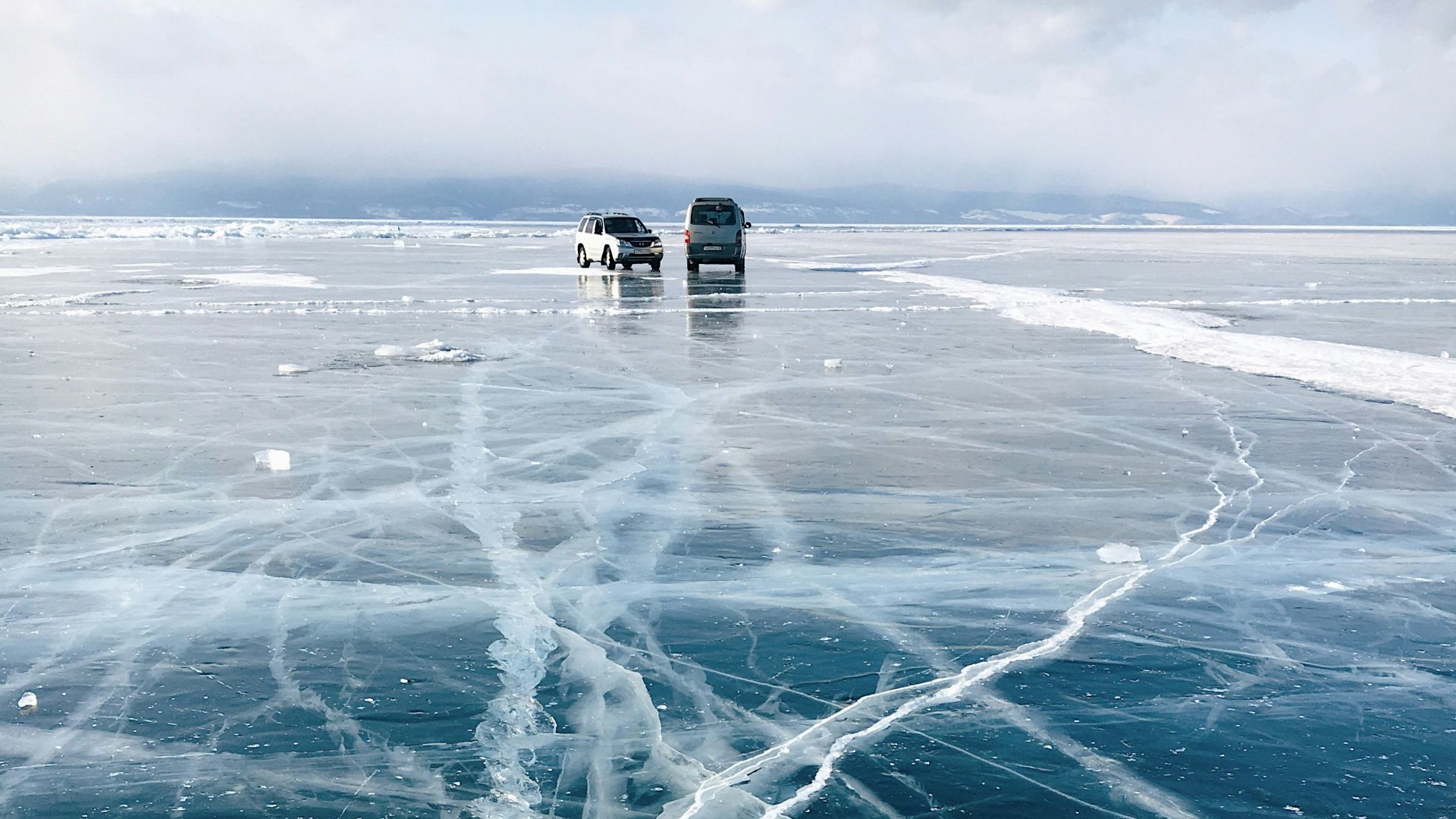
15. Lake Baikal Ice Routes, Russia
In deep winter, sections of the lake can become a highway of sorts, connecting places that are otherwise far harder to reach. If the ice isn’t right, the route doesn’t exist, and everyone adjusts accordingly.
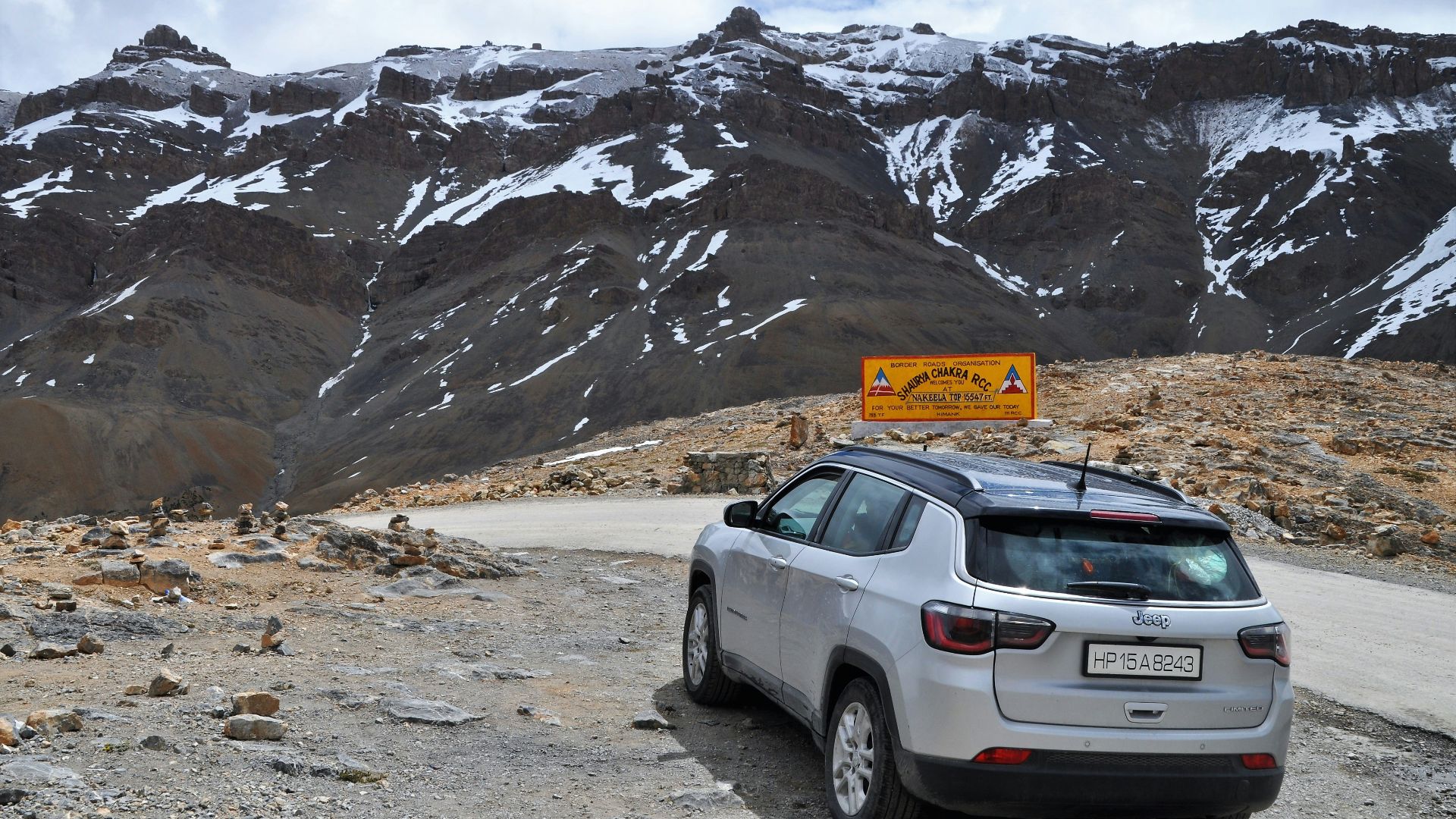
16. Himalayan High Passes
Many of the famous mountain passes that connect valleys and regions are seasonal by nature, opening and closing with snowpack and storms. You can plan all you want, but the mountains have the final say on whether the road is actually a road.
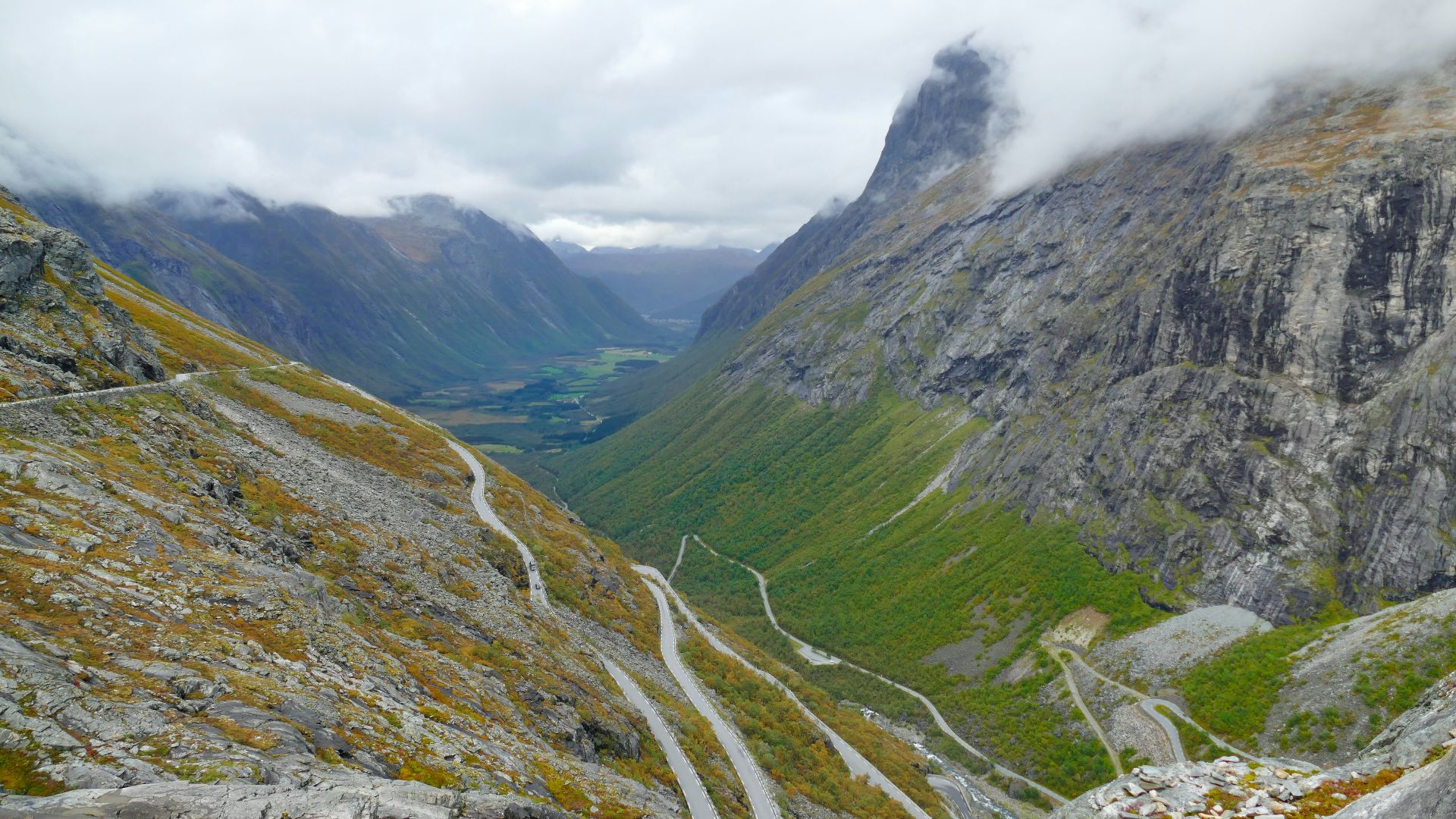
17. Trollstigen And Other High Mountain Roads, Norway
These dramatic roads are often seasonal because snow and ice turn steep switchbacks into a hazard. When they open, they feel like a celebration; when they close, it’s simply the sensible response to winter.
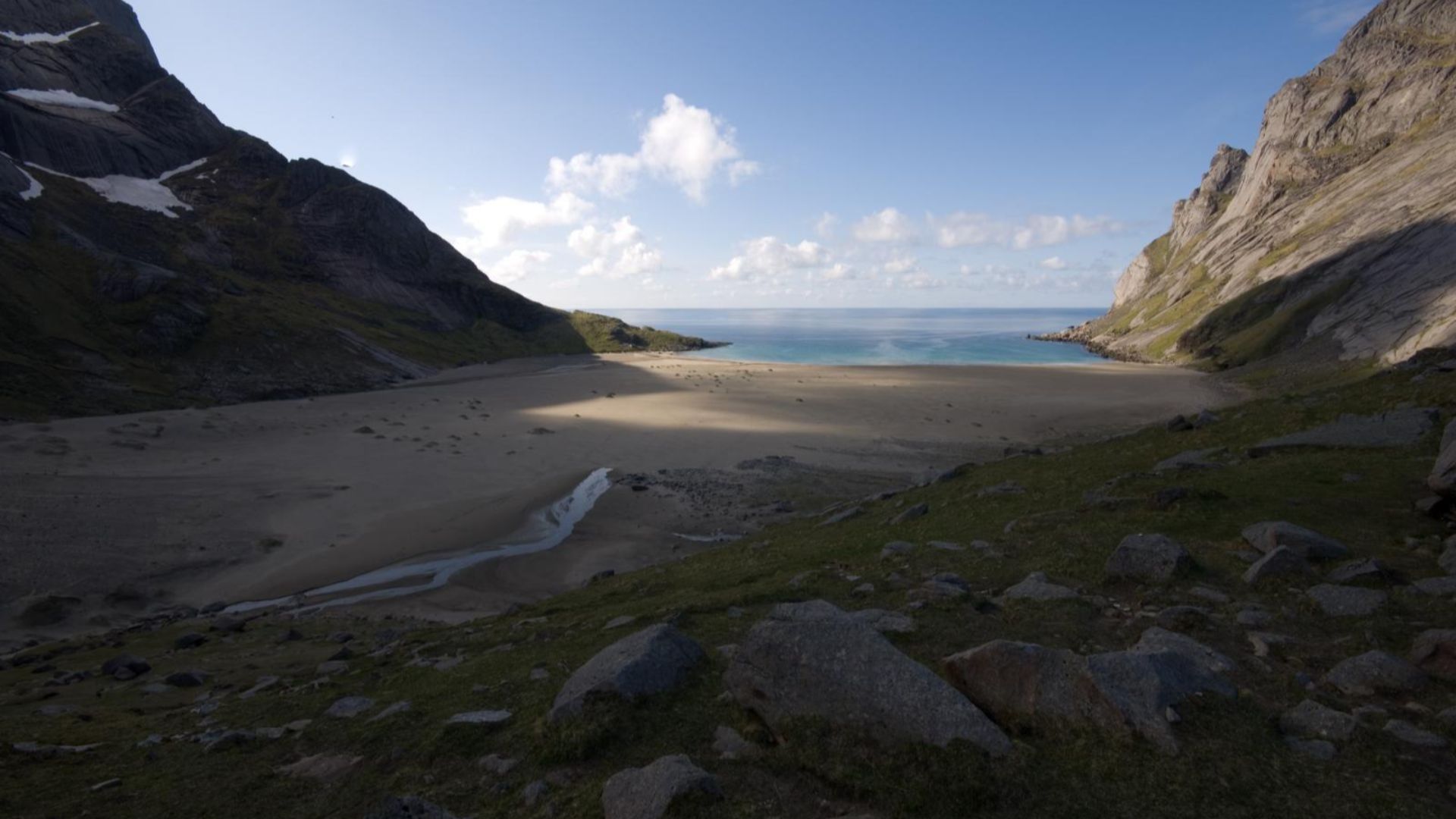
18. The Lofoten Outer Beaches, Norway
Some stretches are technically reachable year-round, but surf, wind, and weather can make an approach miserable or unsafe. The difference between a perfect visit and a white-knuckle one is often a single weather system.
 Thomas Faivre-Duboz from Paris, France on Wikimedia
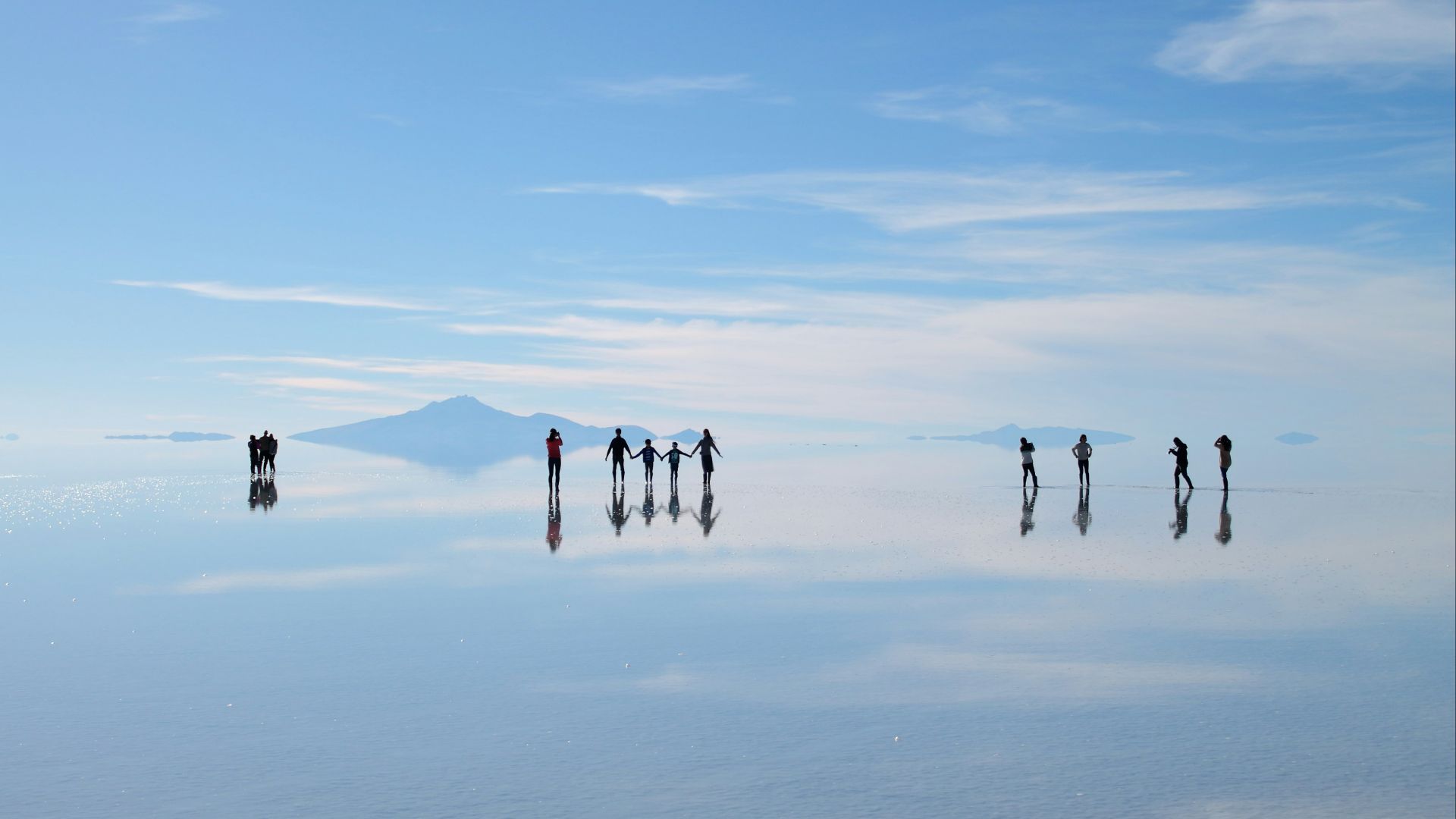
19. Salar de Uyuni Mirror Season, Bolivia
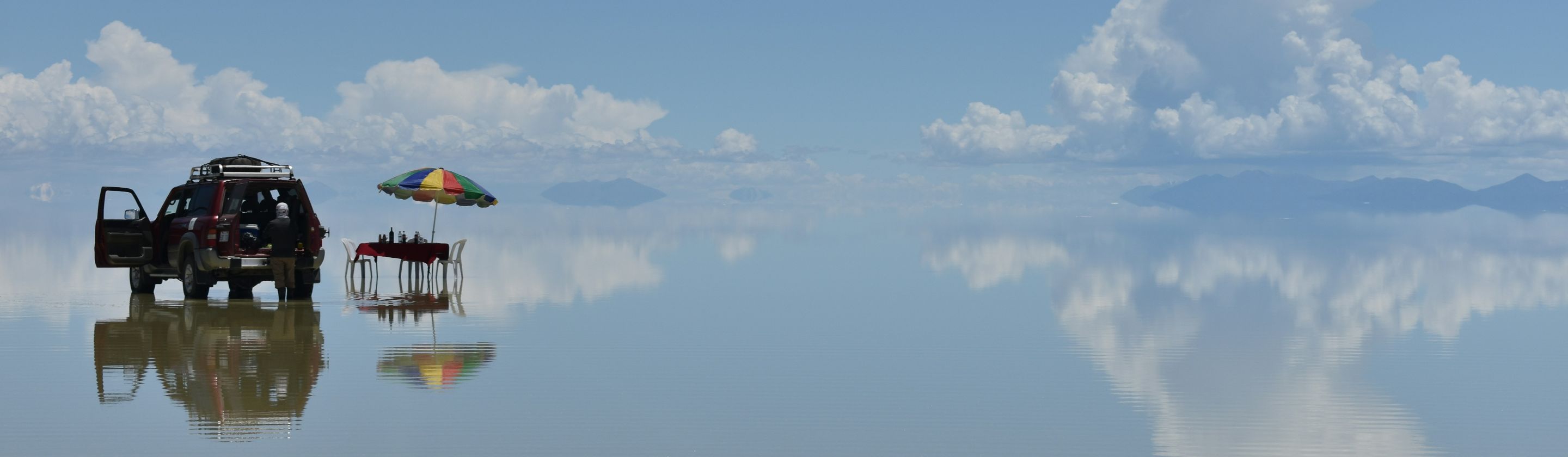
The famous mirror effect only happens when a thin layer of water sits on the salt, which depends on recent rain and calm conditions. Some routes become easier in the dry season, while the wet season can be visually spectacular but less predictable for getting around.
20. Cathedral Valley Loop, Utah
This dirt loop can feel totally manageable in dry weather, and then a storm rolls through and the bentonite clay sections turn into slick, tire-packing mud that even 4WD struggles with. Wash crossings can also change fast, so a route that looked fine on the way in can become a slow, risky problem on the way out. If rain is in the forecast, the smartest move is usually to wait and go when the road is actually a road.