Blistering Heat In June: 20 Countries You Definitely Want To Avoid In The Summer
Dangerously Hot Destinations
June brings sunshine and vacation vibes for most people. But in certain corners of the world, it brings something far more sinister. Imagine heat so extreme that locals plan their entire lives around avoiding midday sun. Tourists who ignore warnings often end up learning expensive lessons about dehydration and heat exhaustion. The following aren't just uncomfortable destinations—they're places where the climate actively fights human presence.

1. Kuwait
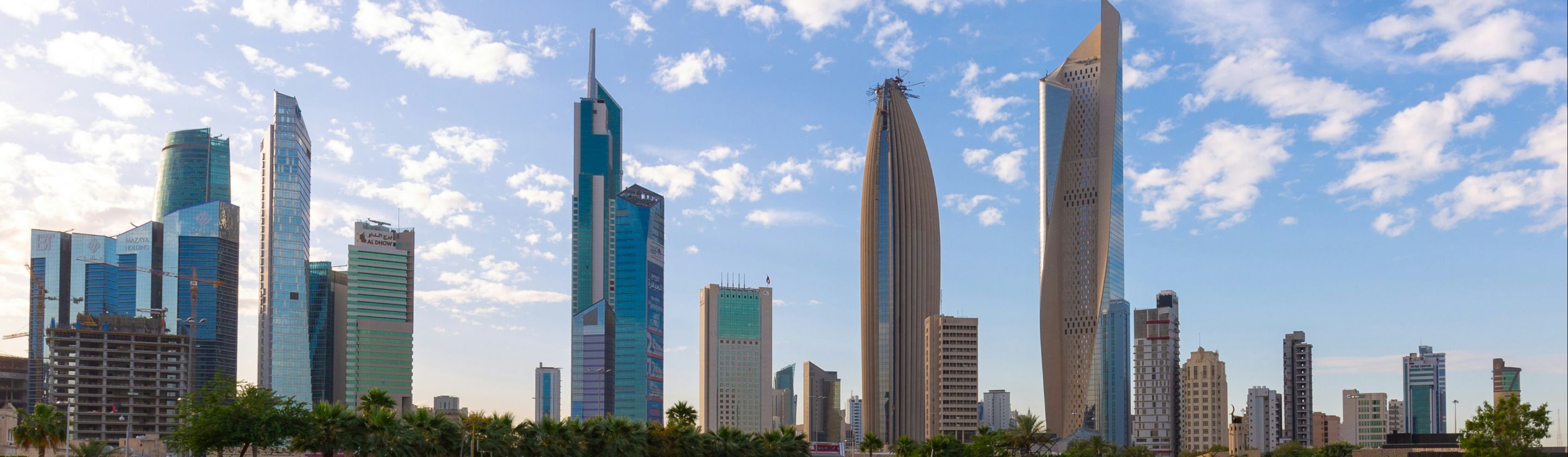
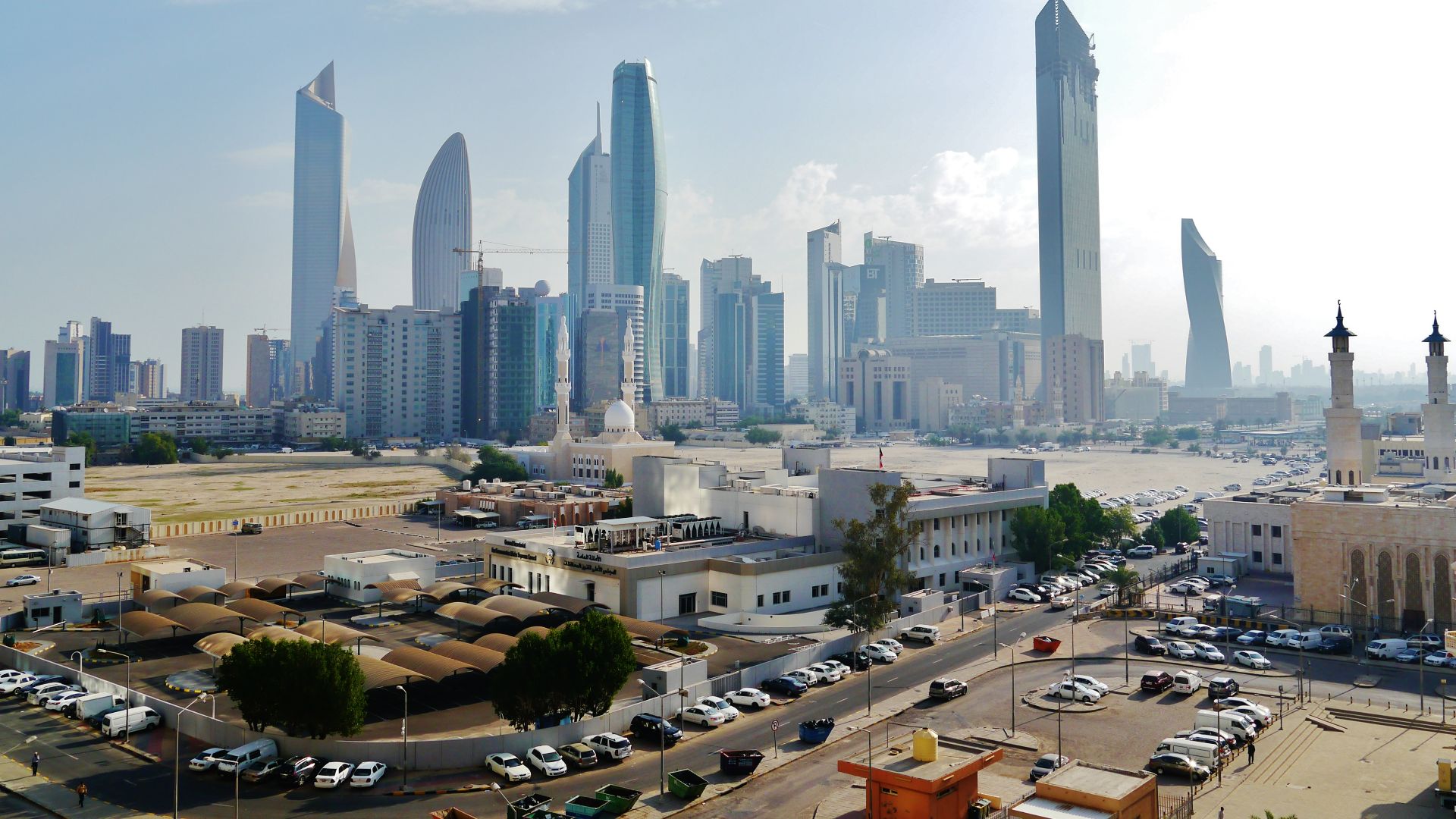
Ever wondered what it feels like to stand inside an oven? Kuwait in June offers that exact experience, with average maximum temperatures hitting a scorching 45.5°C (113.9°F). The intense solar radiation, combined with low humidity, creates an atmosphere that intensifies discomfort.
2. Qatar
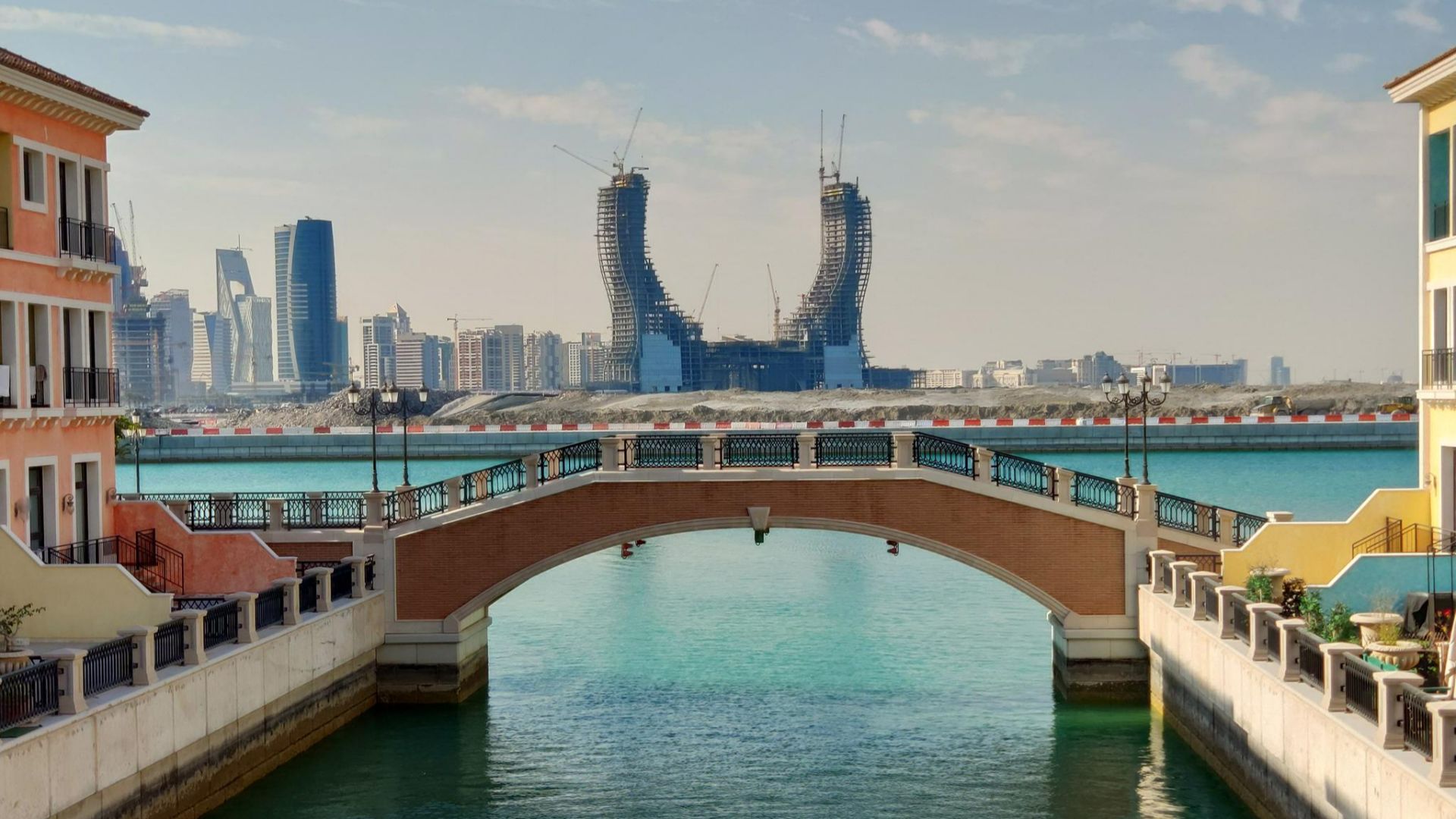
Average highs reach 42–43°C (107.6-109.4°F), but when you factor in humidity levels up to 60%, the heat index feels well over 50°C, making any outdoor exertion genuinely hazardous. In June 2019, Doha recorded a blistering 49.2°C (120.6°F).
 km2bp @ Mapillary.com on Wikimedia
3. United Arab Emirates
Dubai's glittering skyline comes with a hidden cost in June. The UAE sees average June maximum temperatures of about 41.7°C (107°F), but concrete surfaces and minimal vegetation in cities like Dubai make the felt temperatures considerably worse.
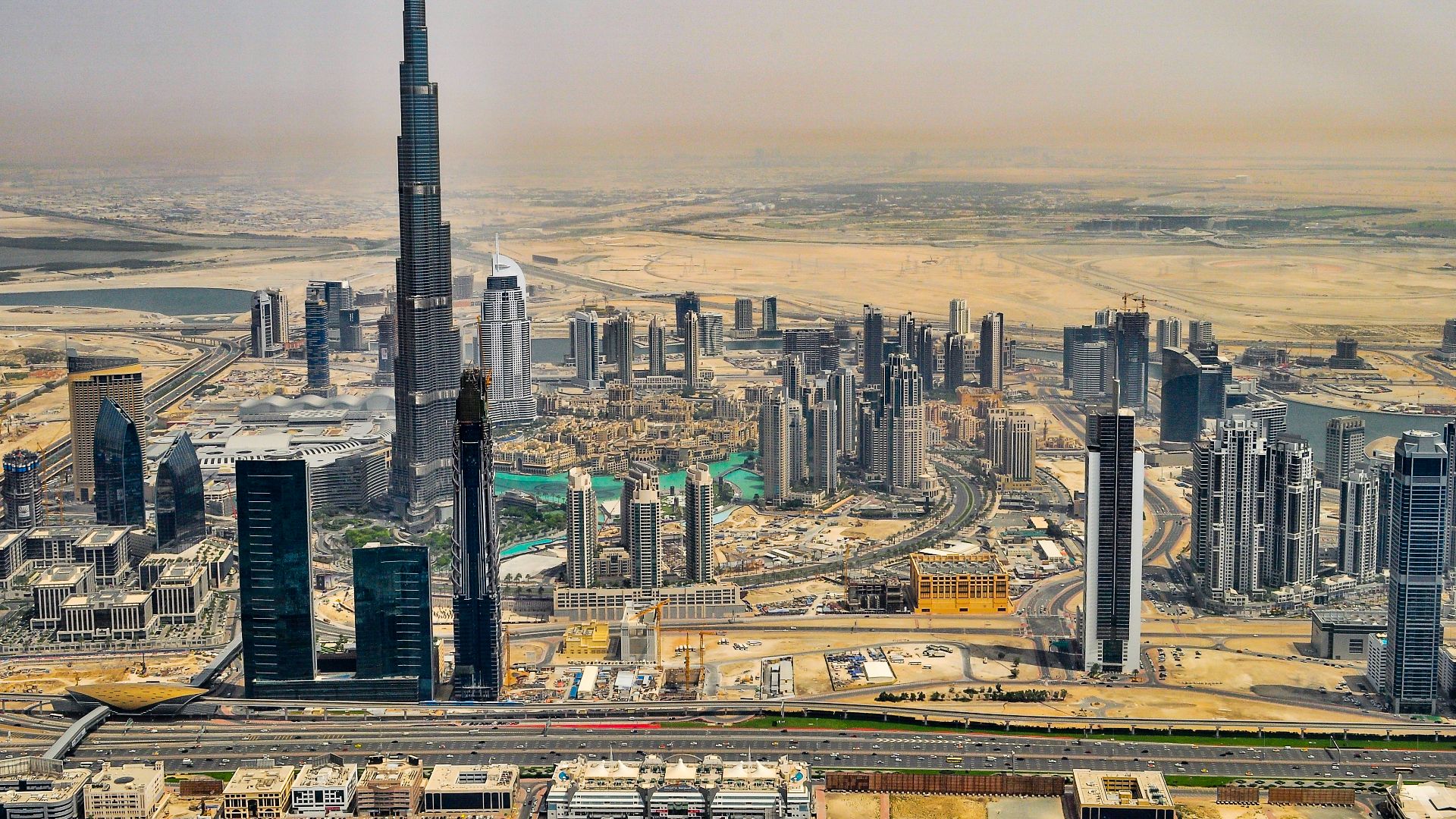 Caleb Whiting dogbear869 on Wikimedia
4. Mali
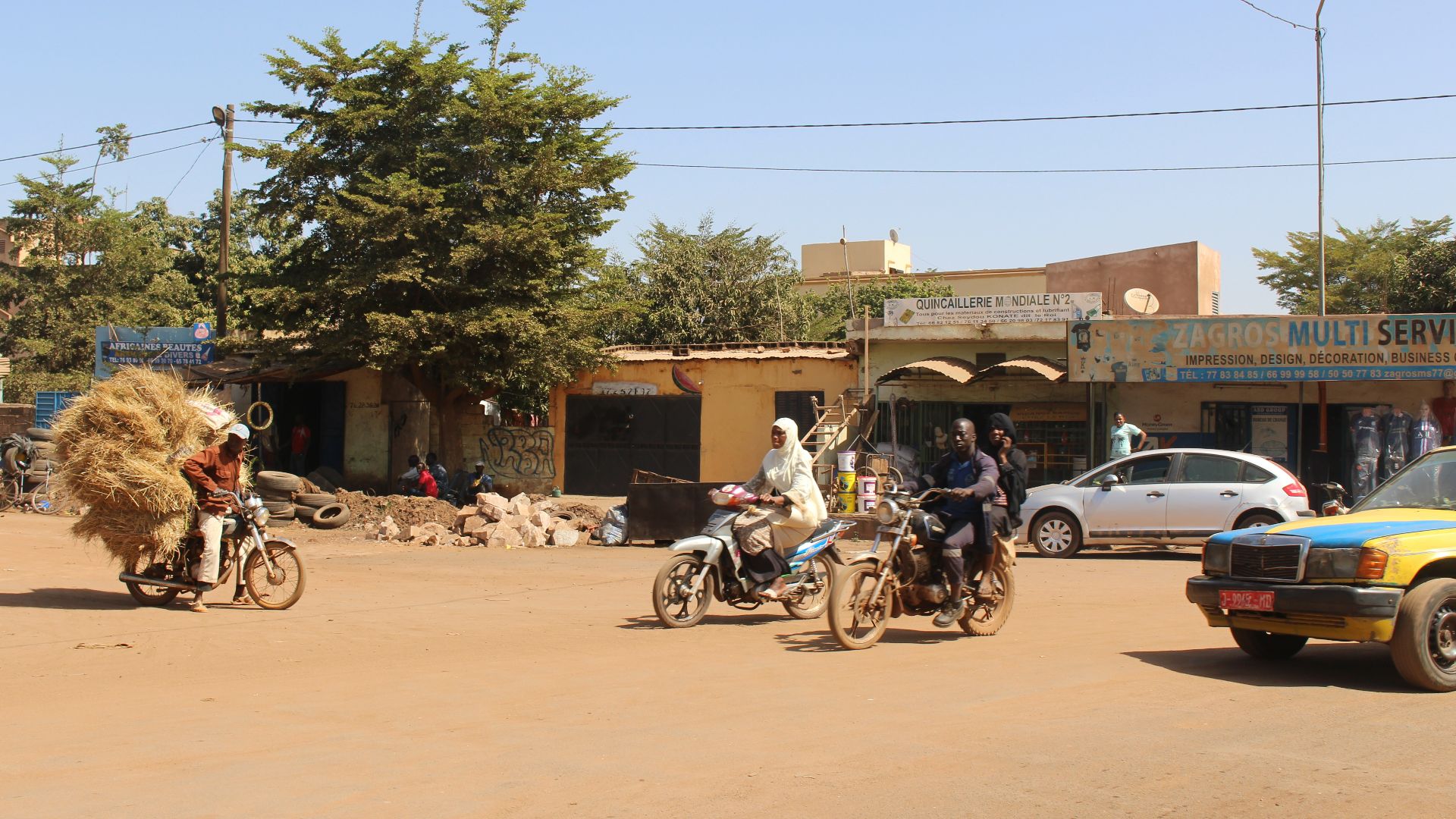
The Sahelian dryness that characterizes Mali's geography crafts a pre-monsoon heat intensity that few places on Earth can match. With an average annual temperature of 29.69°C, June brings particularly brutal conditions, with highs often exceeding 41°C in Bamako, the capital city.
5. Mauritania
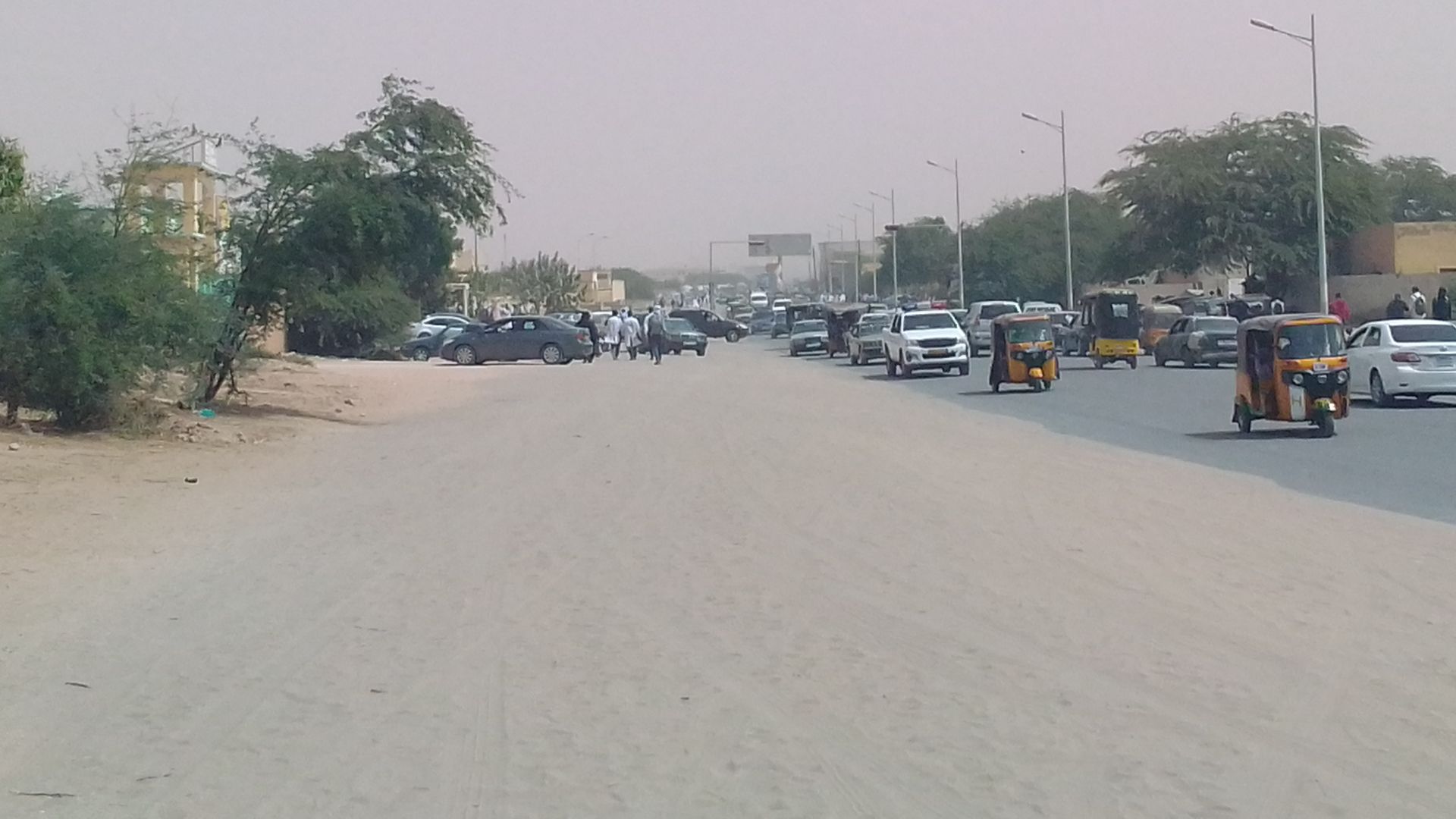
Desert winds and minimal rainfall exacerbate average June maxima around 41°C (105.8°F) in Nouakchott, creating conditions that feel more like a blast furnace than a climate suitable for human habitation. The blistering heat contributes to ongoing desertification and food insecurity challenges.
6. Iraq
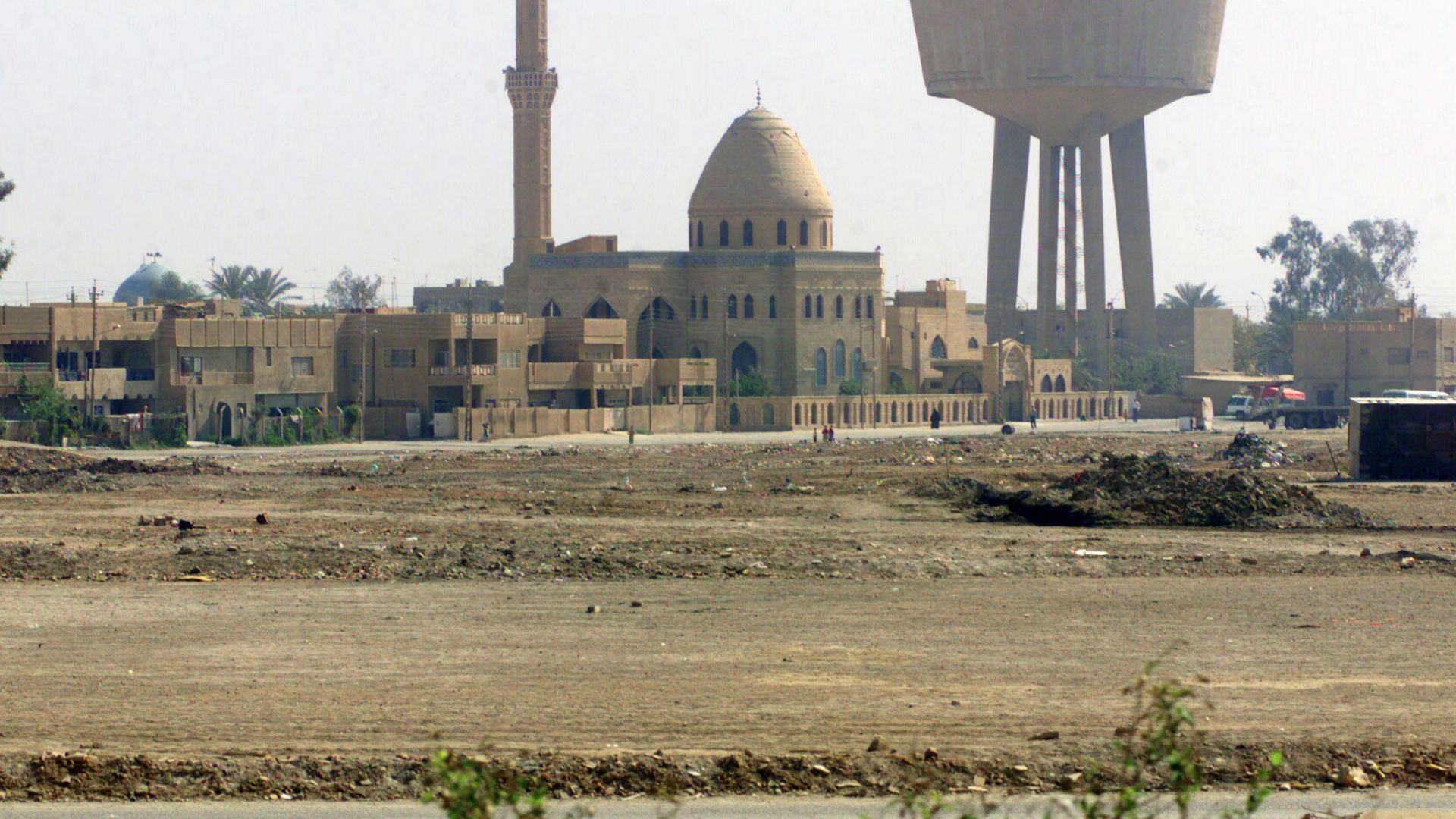
Ancient Mesopotamia might have been the cradle of civilization, but June in modern Iraq reminds us why early societies developed their innovations indoors. Baghdad experiences intense dry heat from the Mesopotamian plains, with average June highs reaching approximately 44°C.
7. Saudi Arabia
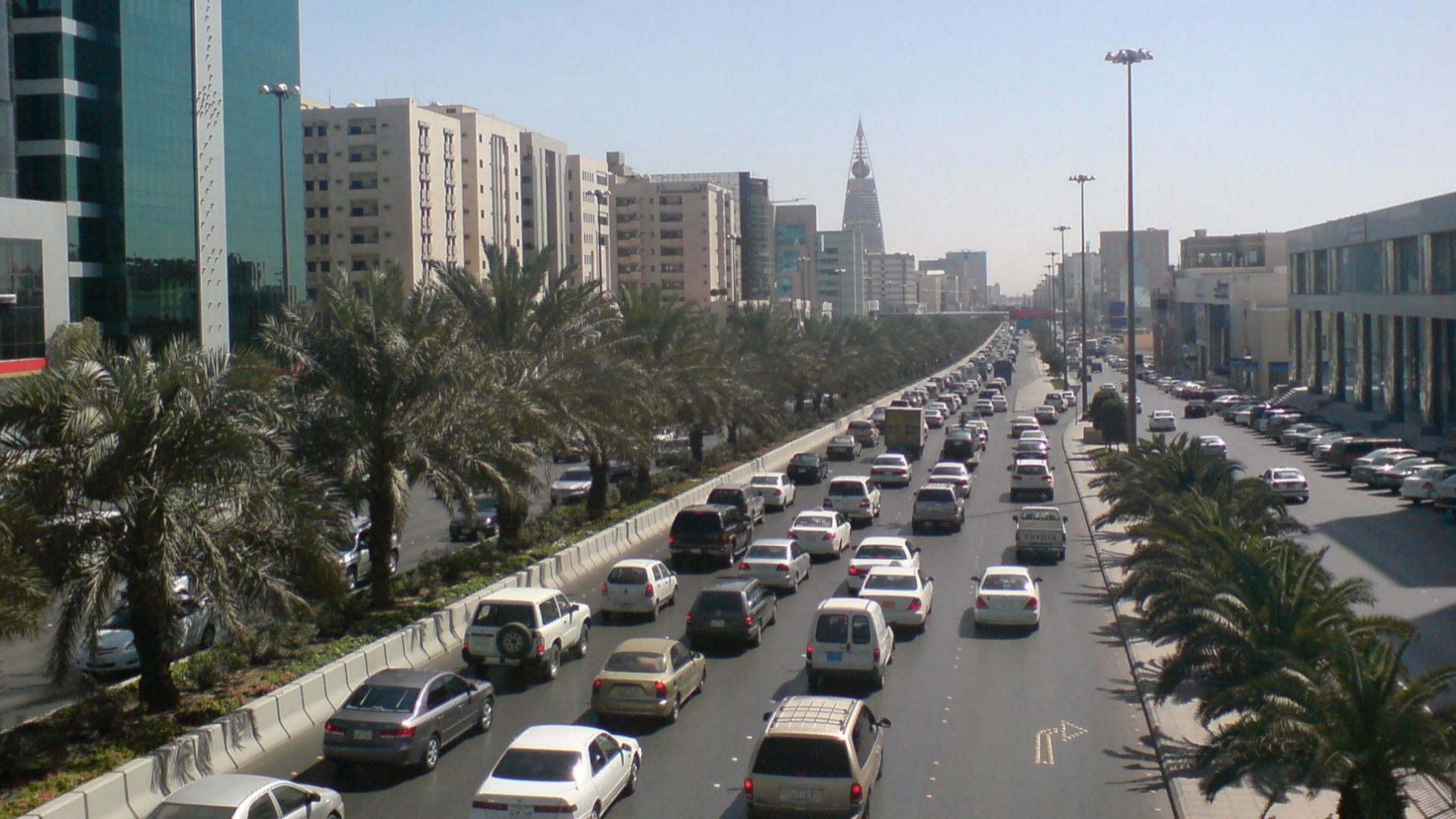
When Riyadh bakes under clear skies with minimal cloud cover in June, the average highs of 40.7°C (105.3°F) convert the Saudi capital into something resembling a planetary surface rather than a habitable city. The intense heat affects everything from daily routines to religious observances.
8. Algeria
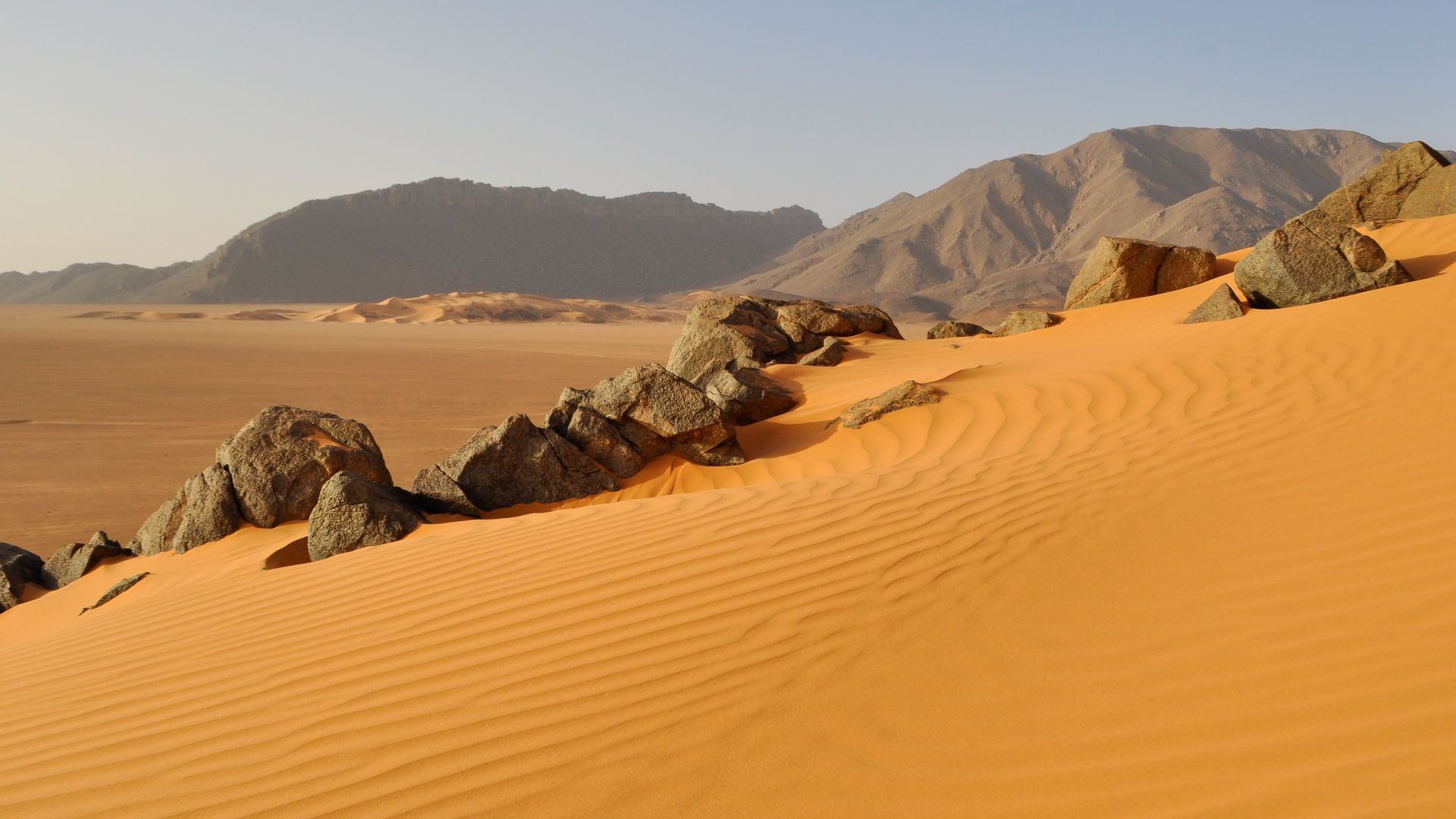
Climate change has hit Algeria particularly hard, with temperatures rising 1.64°C above average in 2024, making June's already brutal conditions even more unbearable. Algiers sees highs around 39°C (102.2°F), intensified by sirocco winds that blow in from the Sahara.
9. Chad
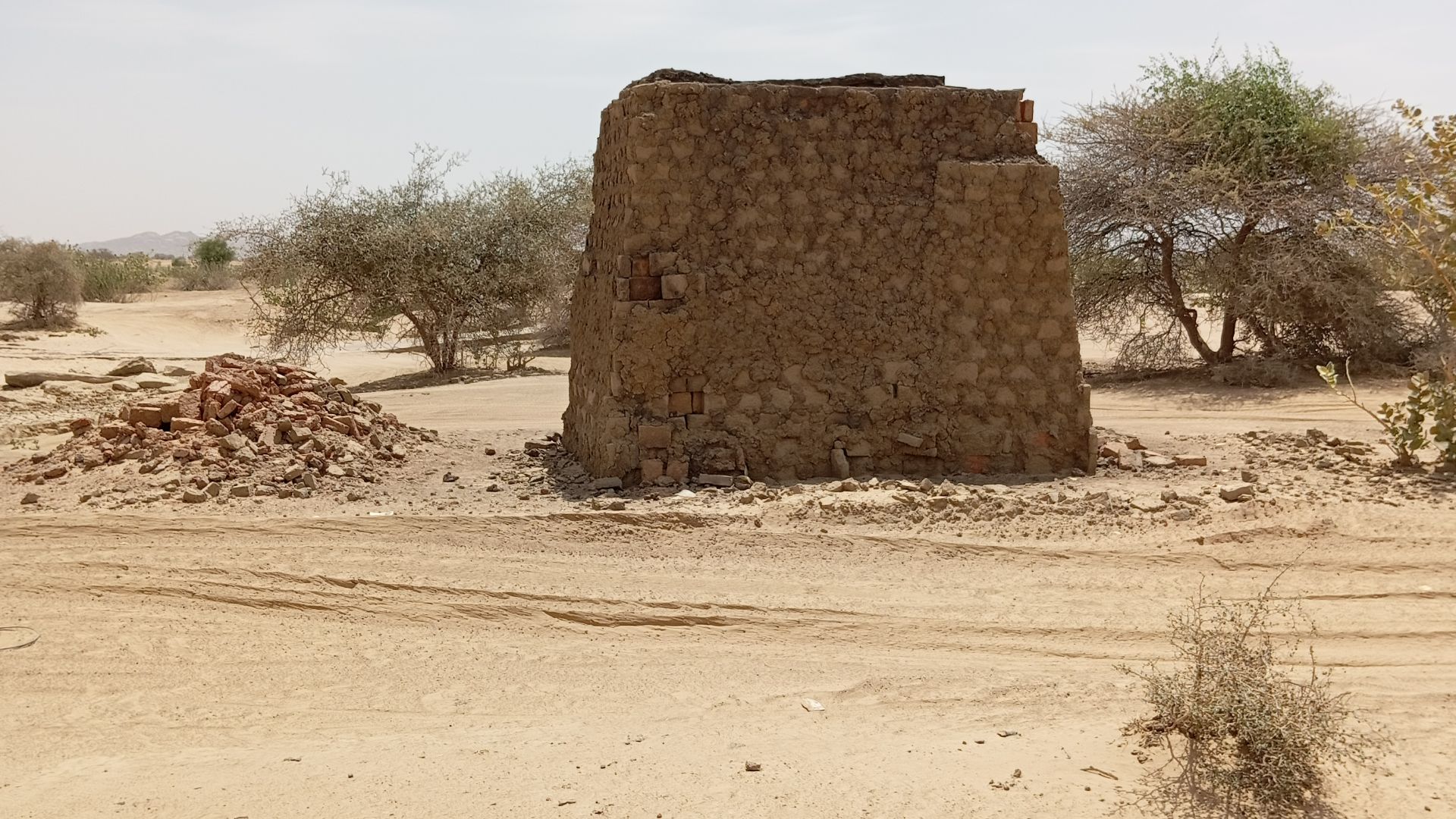
Lake Chad's shrinking waters have eliminated one of the region's few sources of evaporative cooling. The Sahelian climate pushes temperatures to 38.8°C (101.8°F) with minimal moisture in the air to provide any relief from the dry, penetrating heat.
10. Oman
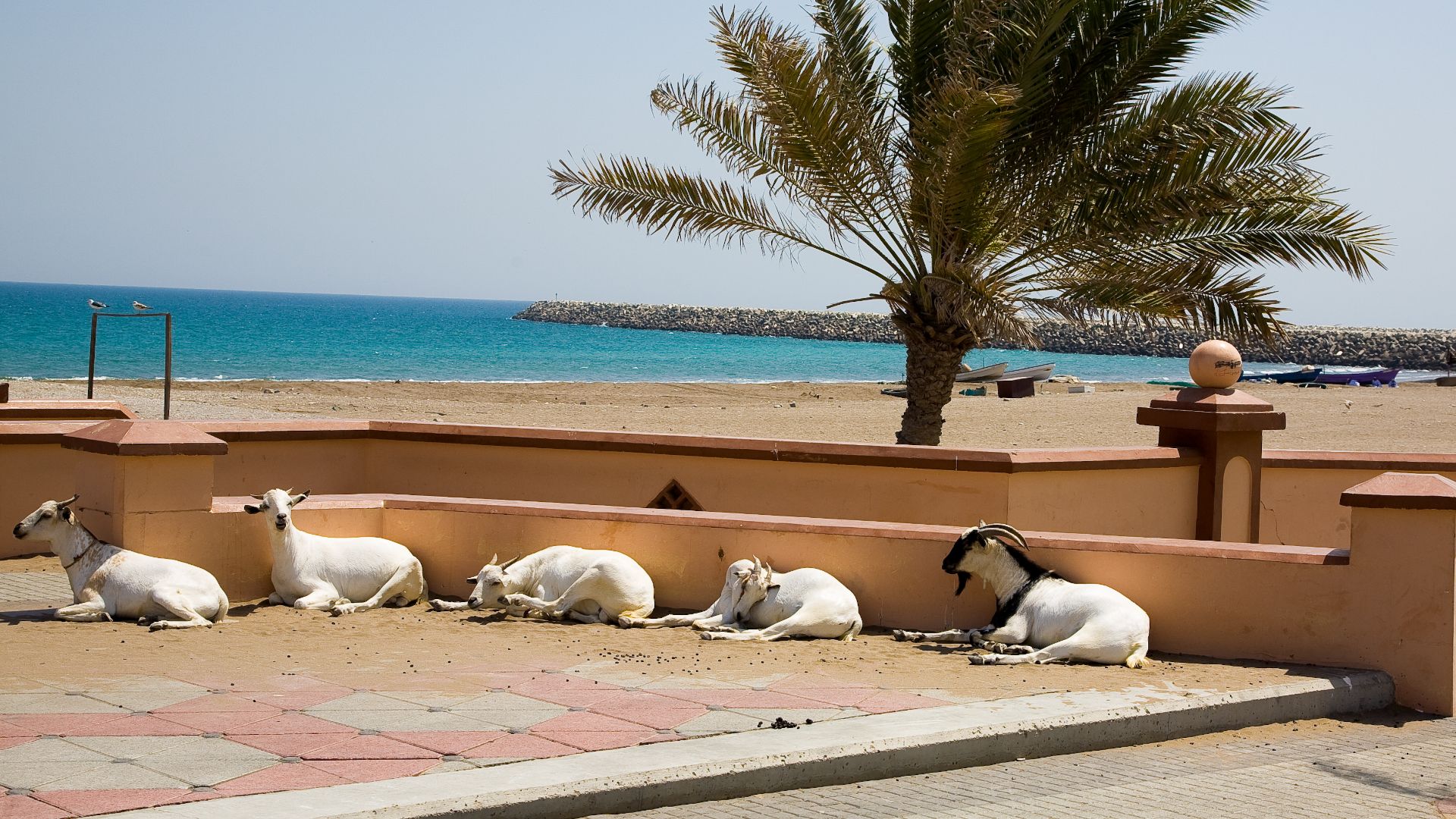
Qurayyat recorded an extraordinary 51.3°C (124.3°F) in June 2021, tying for high-temperature records and demonstrating that Oman's climate can rival the most extreme conditions found anywhere on Earth during summer months. The intense heat poses particular dangers for adventure tourism activities.
 Andries Oudshoorn on Wikimedia
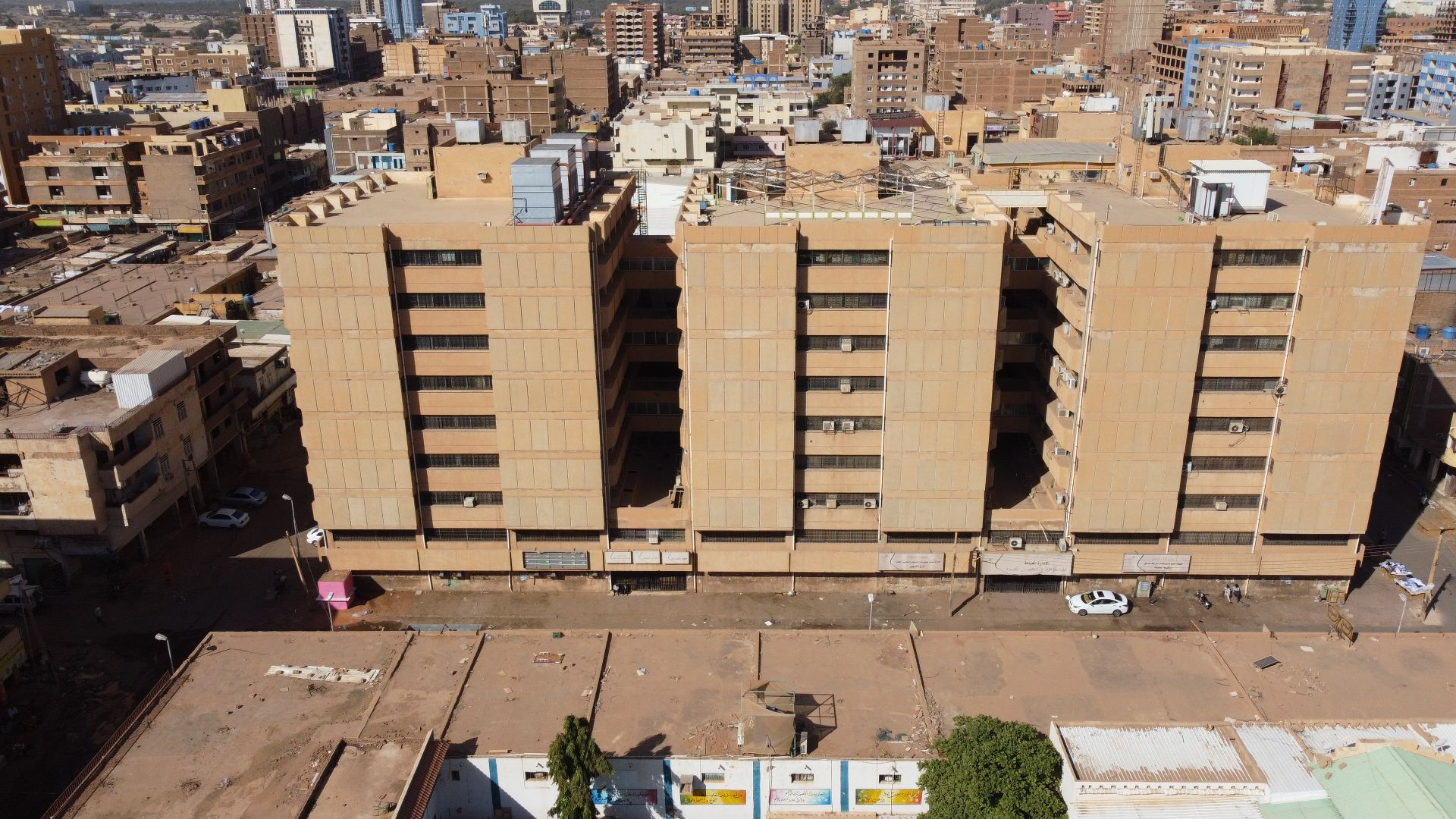
11. Sudan
Khartoum sits along the Nile, but even proximity to Africa's greatest river offers little respite when June temperatures average 39.7°C (103.5°F). The dry, dusty conditions build an oppressive atmosphere where breathing itself feels like inhaling sand.
 Abdel-Moneim Mustafa on Wikimedia
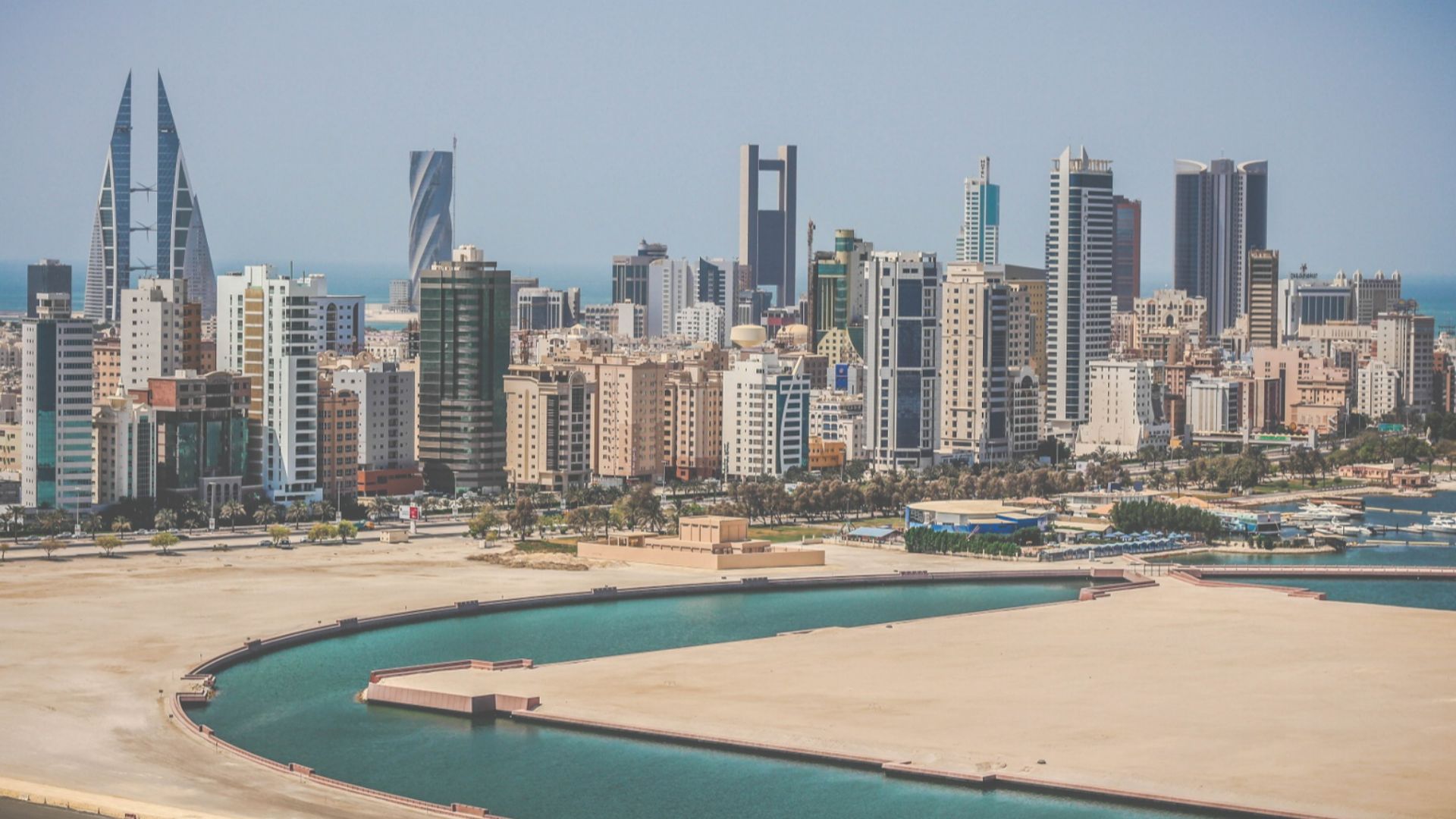
12. Bahrain
The island climate produces highs of 39.1°C (102.4°F), with sea breezes offering disappointingly little relief from the oppressive humidity that makes the air feel thick and suffocating. A scorching 47.5°C (117.5°F) was recorded in July 2012.
13. Niger
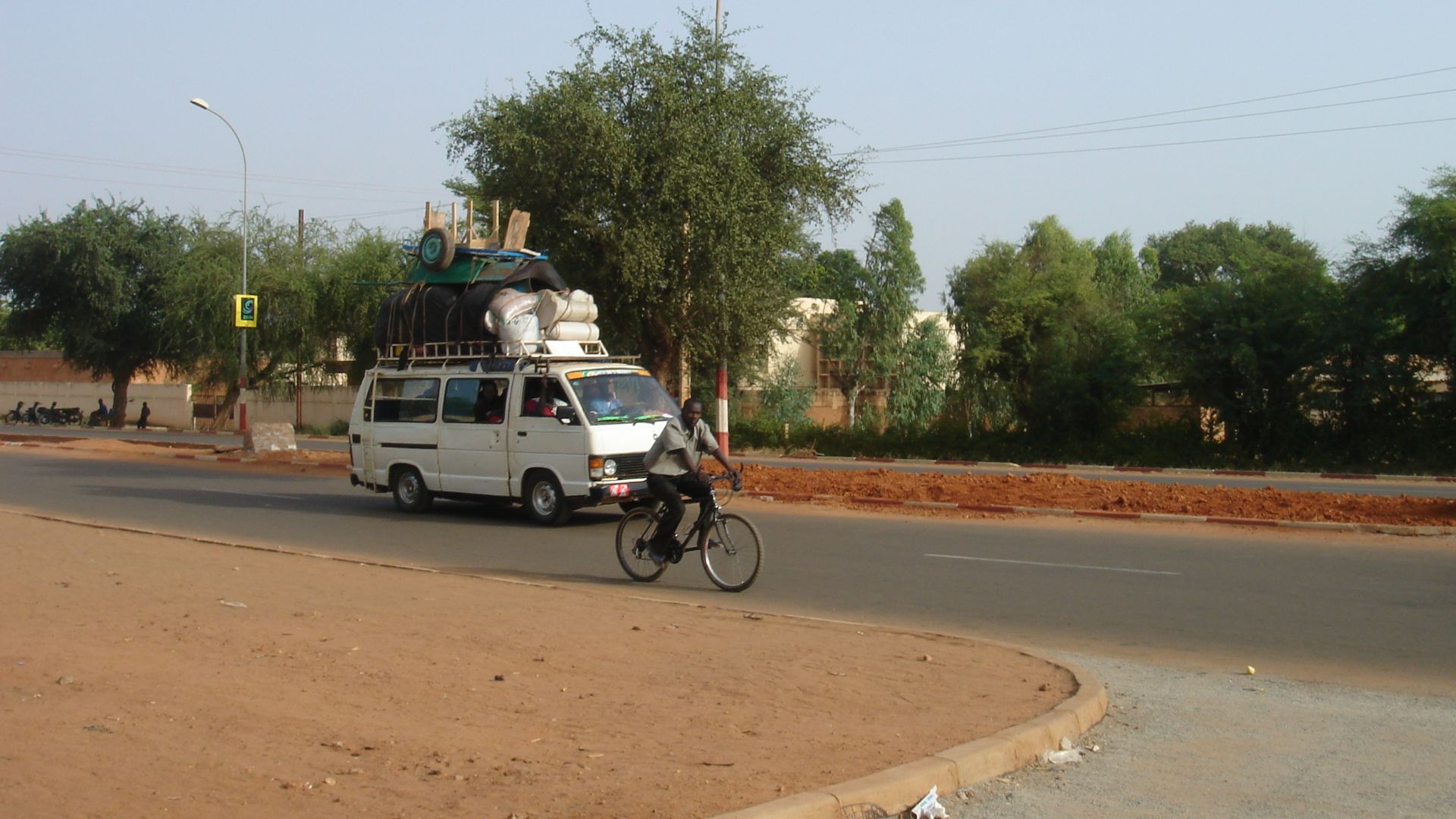
Temperatures in Niamey reach 41°C (105.8°F), with the desert environment offering absolutely no shade or moisture to moderate the intense solar radiation that beats down from cloudless skies. The severe heatwaves strain traditional herders who depend on moving livestock to water sources.
 Lars Rosendahl Appelquist on Wikimedia
14. Djibouti
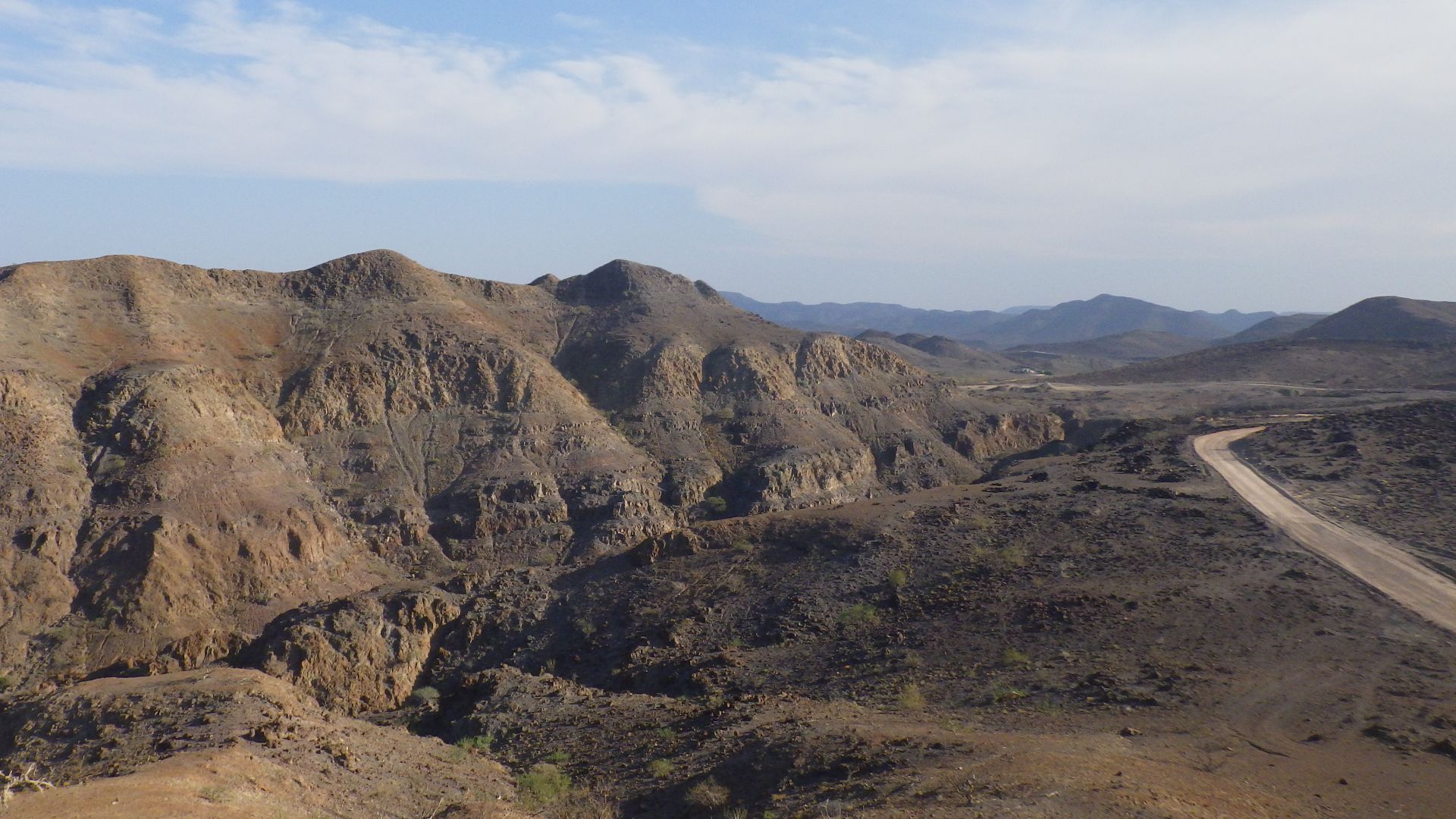
Volcanic terrain traps heat like a geological oven in Djibouti, where June temperatures climb from 98°F to about 104°F (36.7–40°C) with nowhere for the accumulated warmth to escape. The high salinity of Lake Assal compounds dehydration risks.
15. Egypt
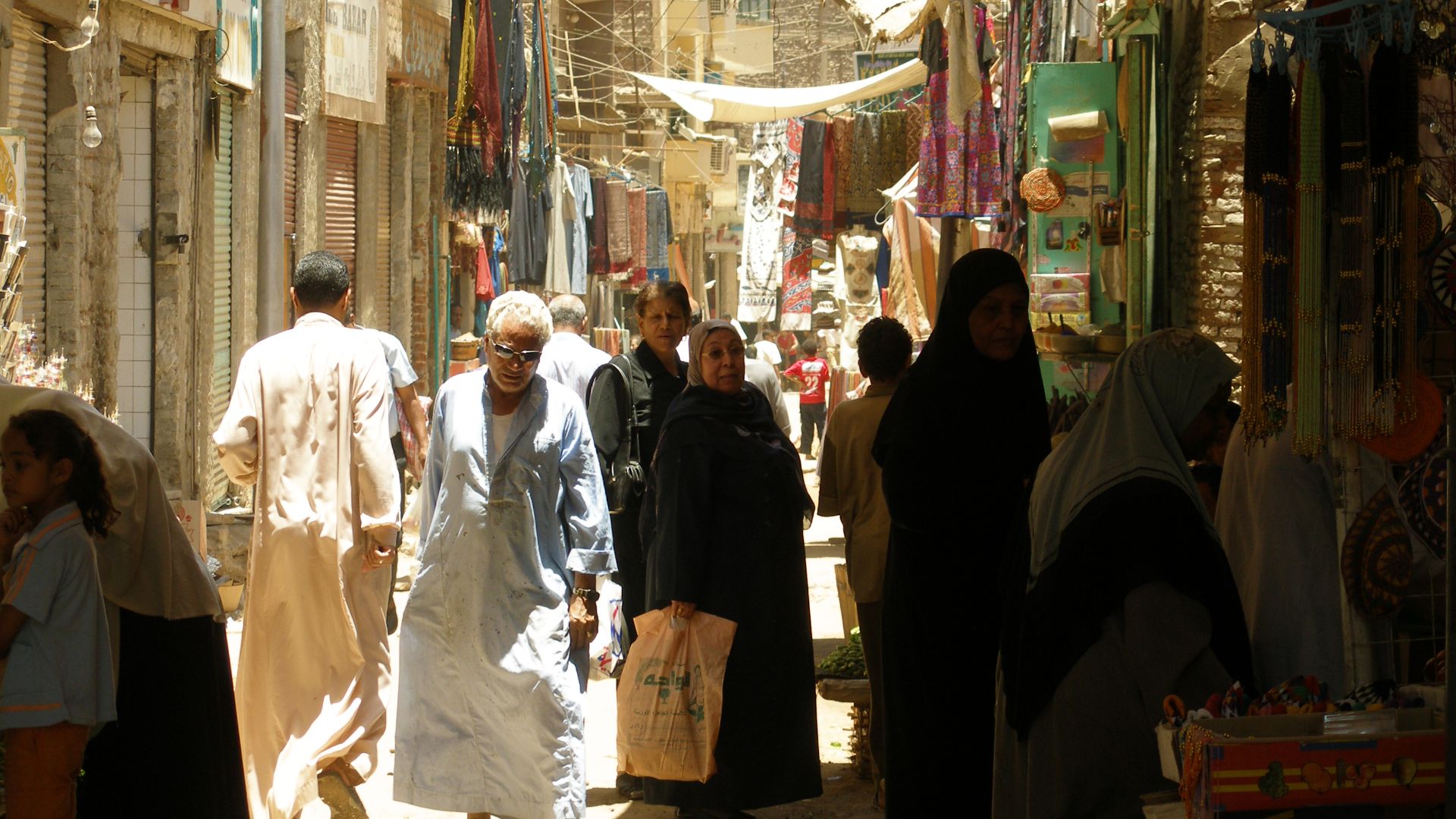
The khamsin winds arrive in June, carrying dust and additional heat that convert Cairo's already hot climate into something nearly unbearable. Aswan recorded Egypt's national high of 50.6°C (123.1°F) in June 2010, a temperature that makes visiting those famous monuments feel like punishment.
 Vyacheslav Argenberg on Wikimedia
16. Iran
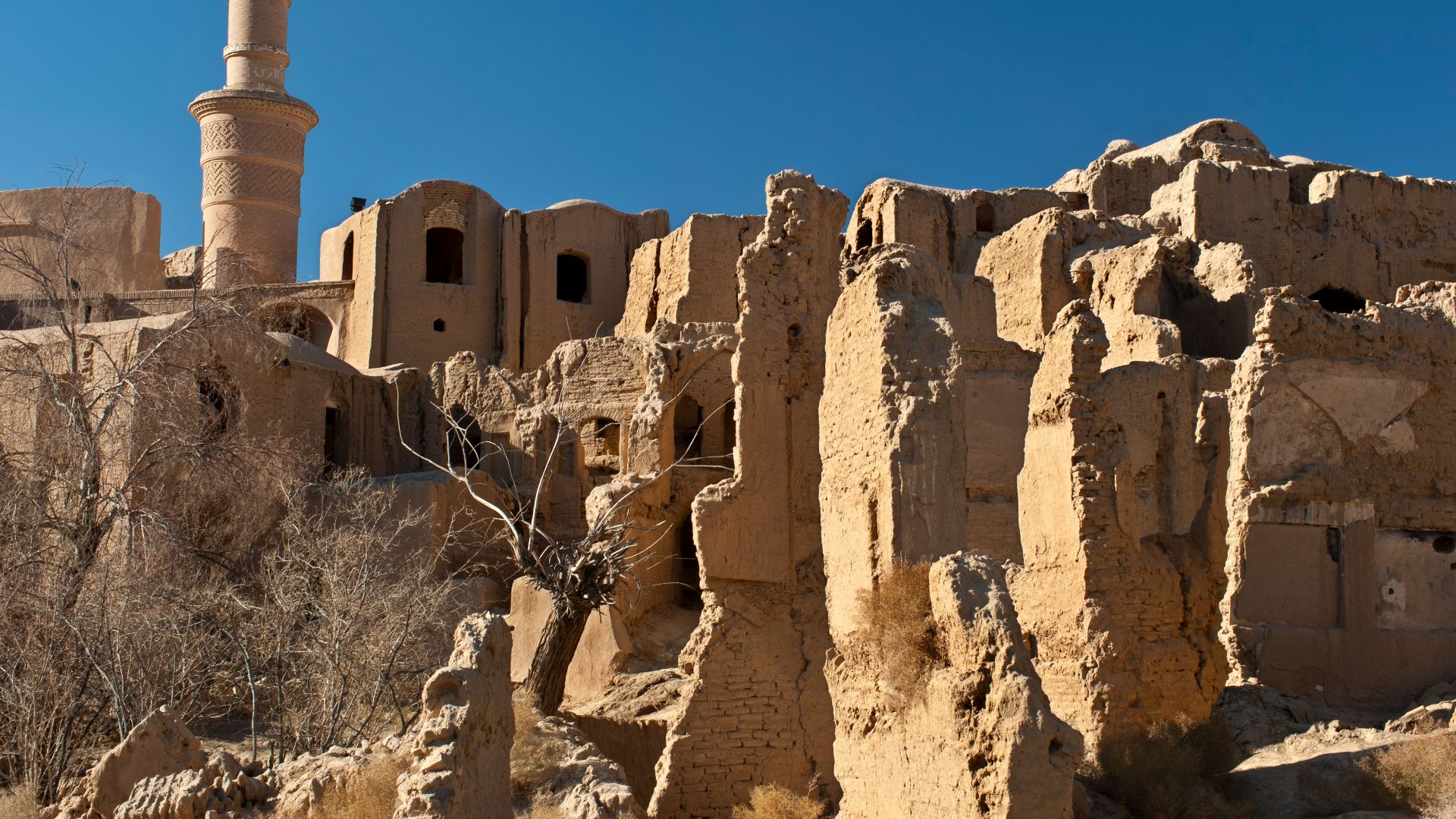
Here, average highs reach 35.9°C (96.6°F), but specific locations experience far worse conditions that challenge human survival limits. These extreme conditions affect national water rationing policies and pose serious health risks. The brutal heat makes outdoor exploration dangerous.
17. Turkmenistan
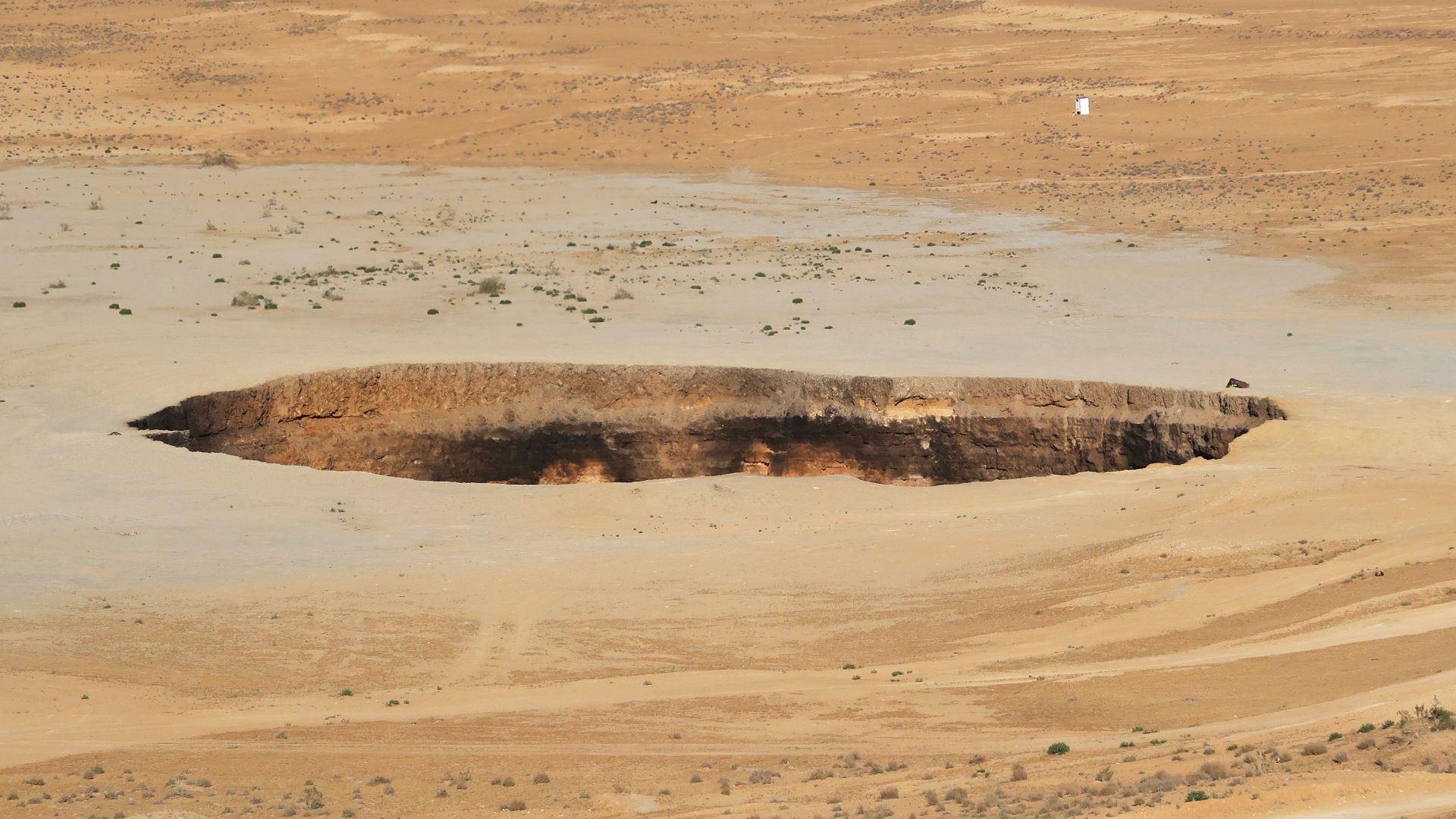
Repetek recorded an extreme 50.1°C (122.2°F) in July 1983, with June temperatures approaching similar levels that make this Central Asian nation one of the region's most challenging summer destinations. The Darvaza gas crater—known as the "Door to Hell"—burns perpetually in the desert.
 John Pavelka from Austin, TX, USA on Wikimedia
18. Burkina Faso
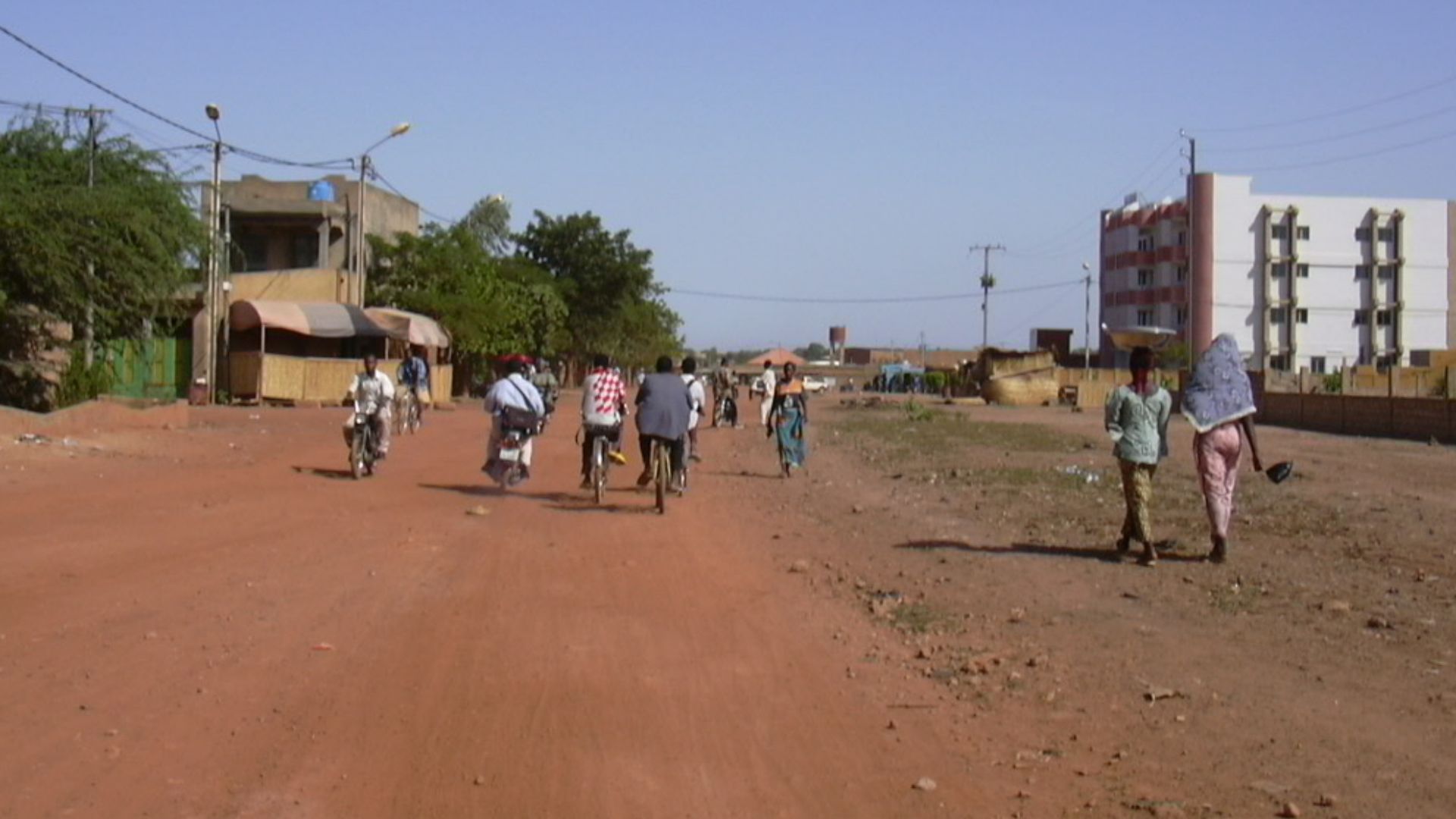
Leading the world with a yearly average temperature of 29.96°C, Burkina Faso's climate credentials make it a serious contender for Earth's hottest nation. June brings average highs around 35.7°C (96.3°F) in Ouagadougou, with Sahelian dryness ensuring no moisture exists to moderate the intense heat.
19. Eritrea
Red Sea humidity combines with intense heat to create particularly oppressive conditions along Eritrea's coast. Massawa experiences especially brutal conditions as moisture from the sea prevents sweat from evaporating efficiently, making the heat feel far worse than dry desert climates at similar temperatures.
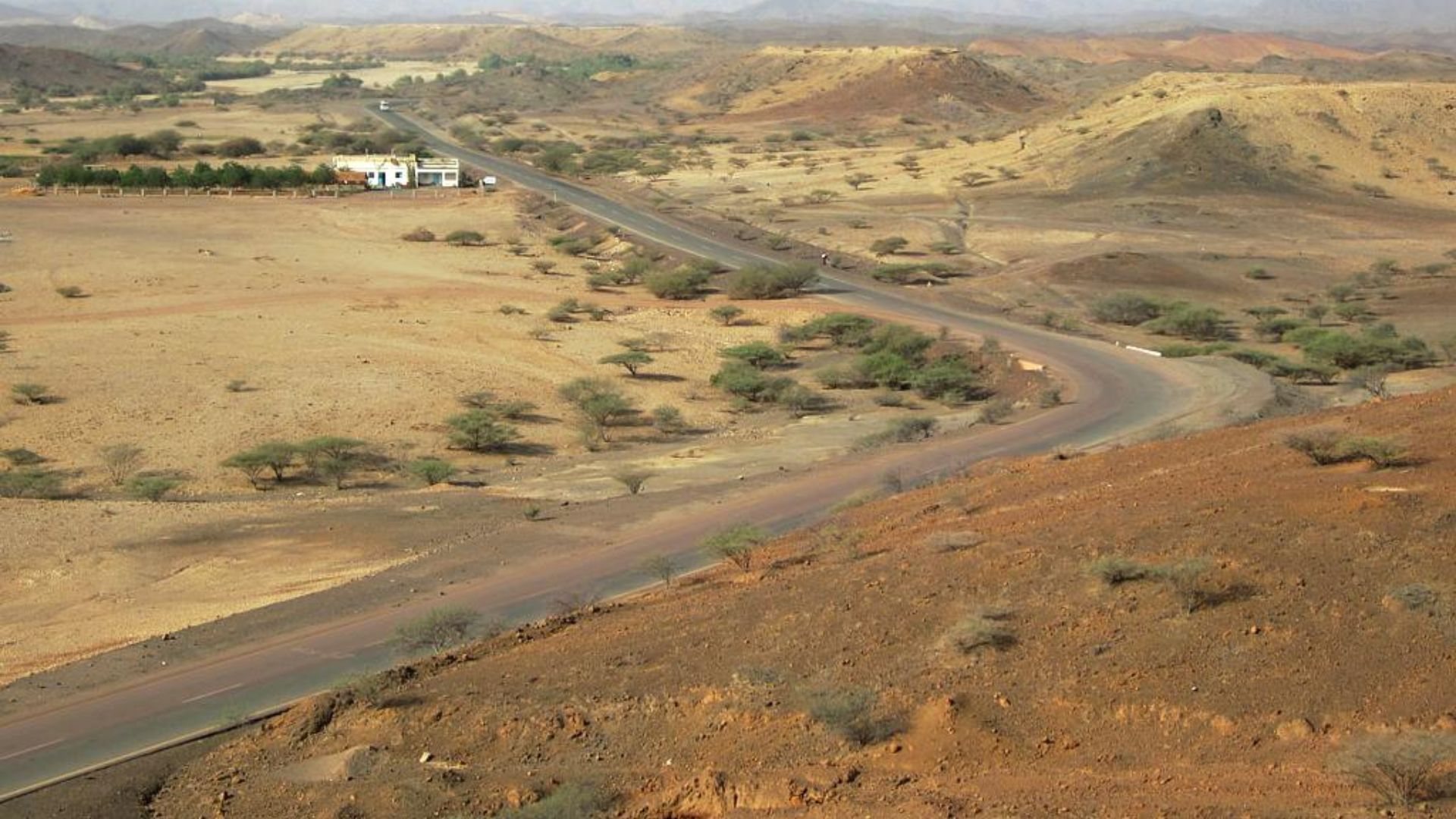 David Stanley from Nanaimo, Canada on Wikimedia
20. Syria
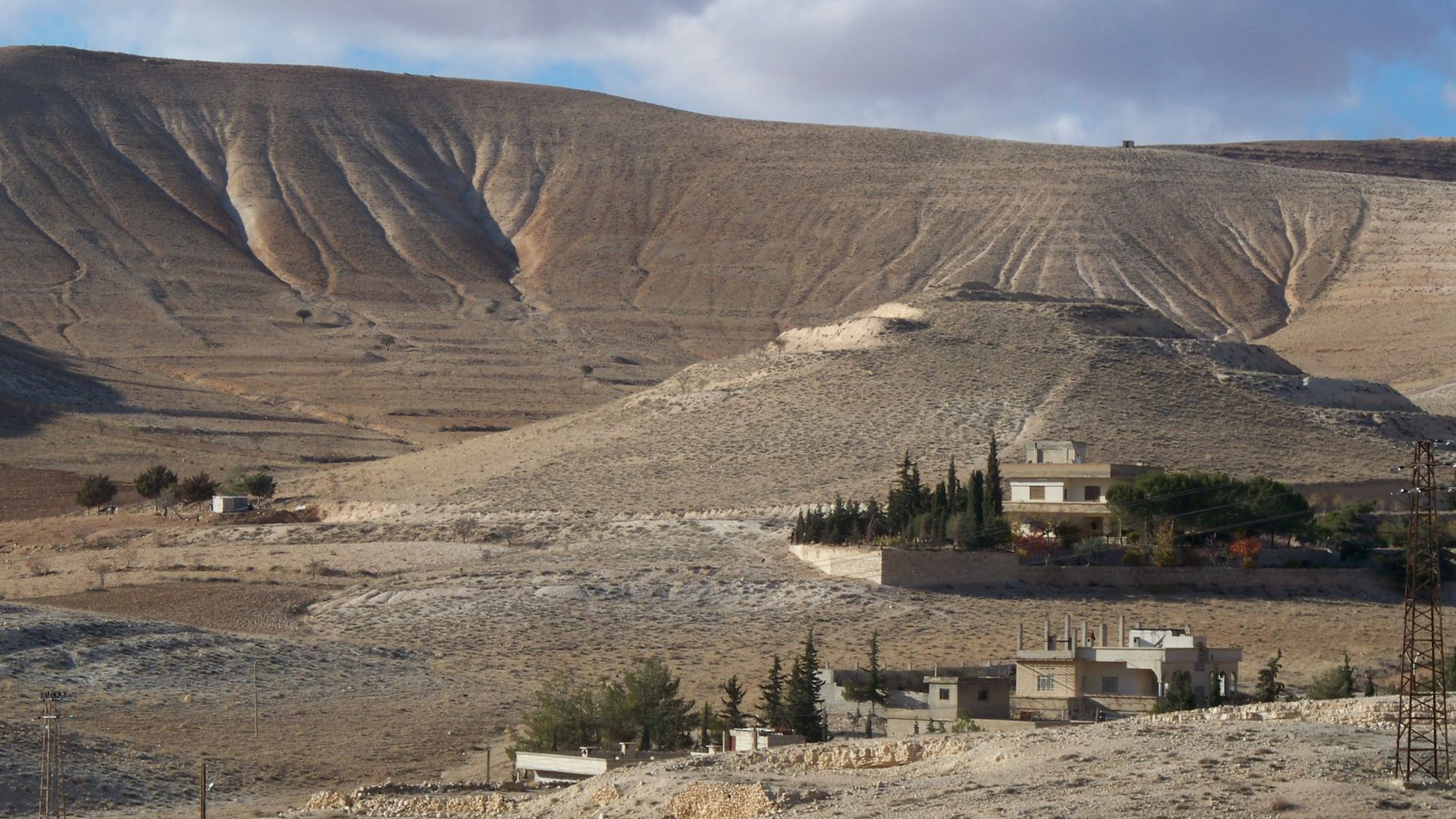
Despite Syria's yearly average of 19.79°C, suggesting a moderate climate, summer brings punishing heat that changes the landscape. The extreme heat strains already-stressed agricultural systems, creates additional hardships for refugee populations, and poses serious exhaustion risks for anyone visiting.