Not Your Quiet Sunday Churches
Cathedrals across the UK often look peaceful, but calm is usually the final chapter, not the opening one. Many of these buildings exist because something went wrong and had to be solved in stone. Height, damage, repair, and ambition show up again and again, but never in the same way twice. This article focuses on what shaped each cathedral into its stunning current form, demanding attention and appreciation from every visitor who comes by.
1. York Minster
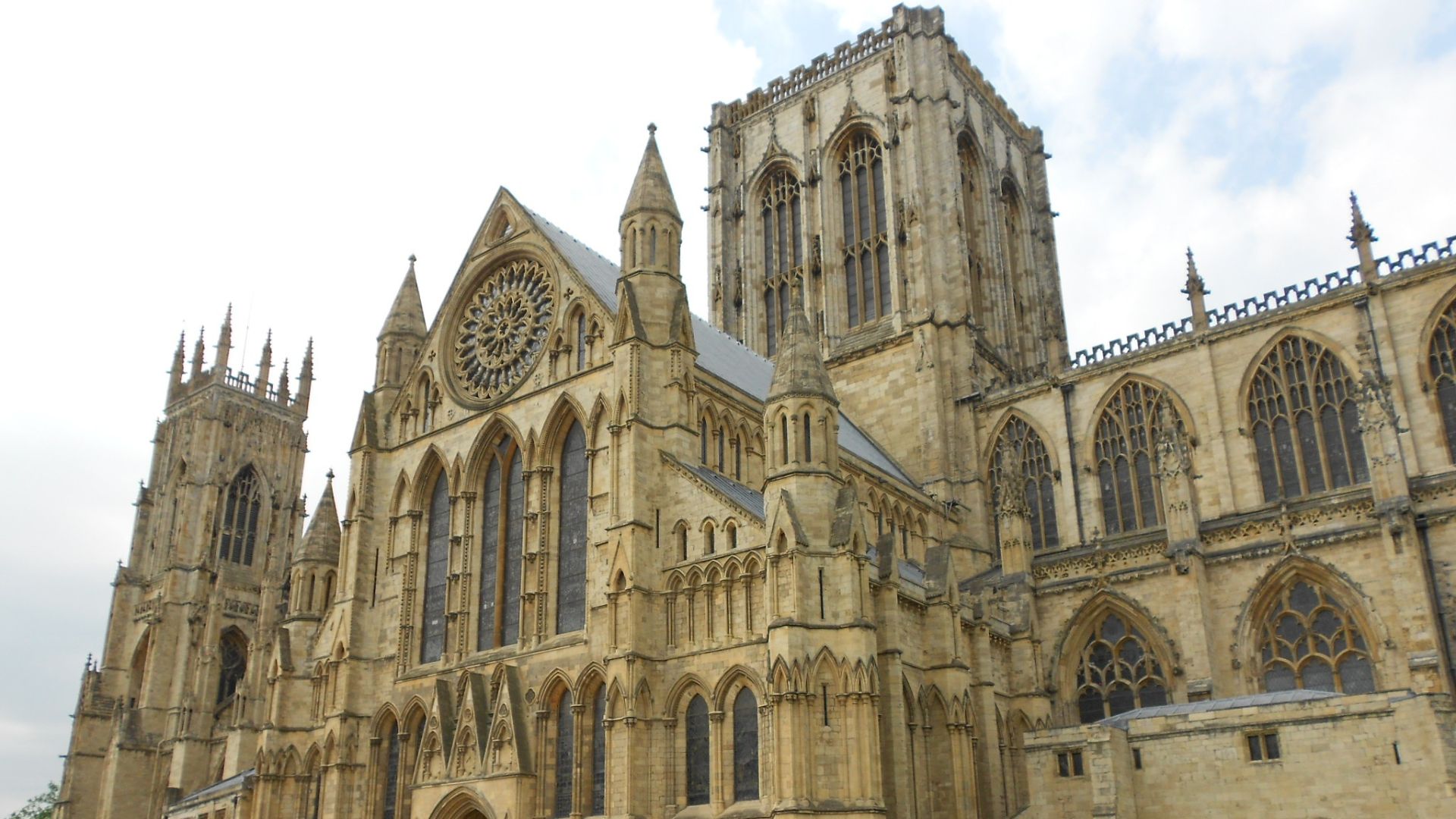
Few buildings manage to feel alive when empty. At York Minster, light moves across medieval stained glass that survived fire, war, and pollution. And because the Great East Window dates to the early 1400s, those blues and reds feel inherited rather than staged.
2. Canterbury Cathedral
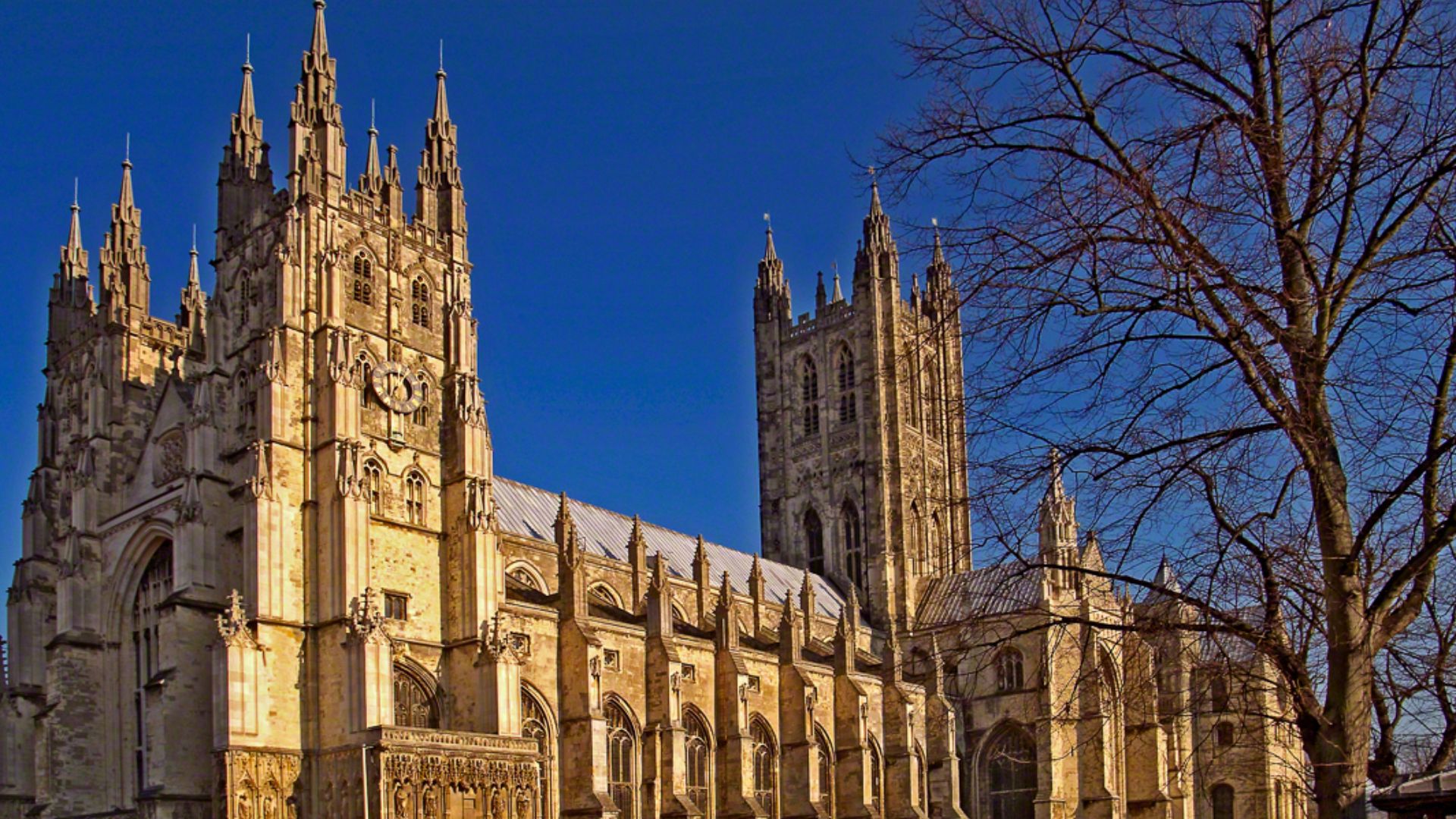
Canterbury Cathedral reshaped English religion through a single violent rupture. Thomas Becket’s murder in 1170 sent political shockwaves across Europe. Moreover, sustained pilgrimage funding altered the structure itself. Layered Gothic expansions now reveal this beautiful cathedral.
3. Hereford Cathedral
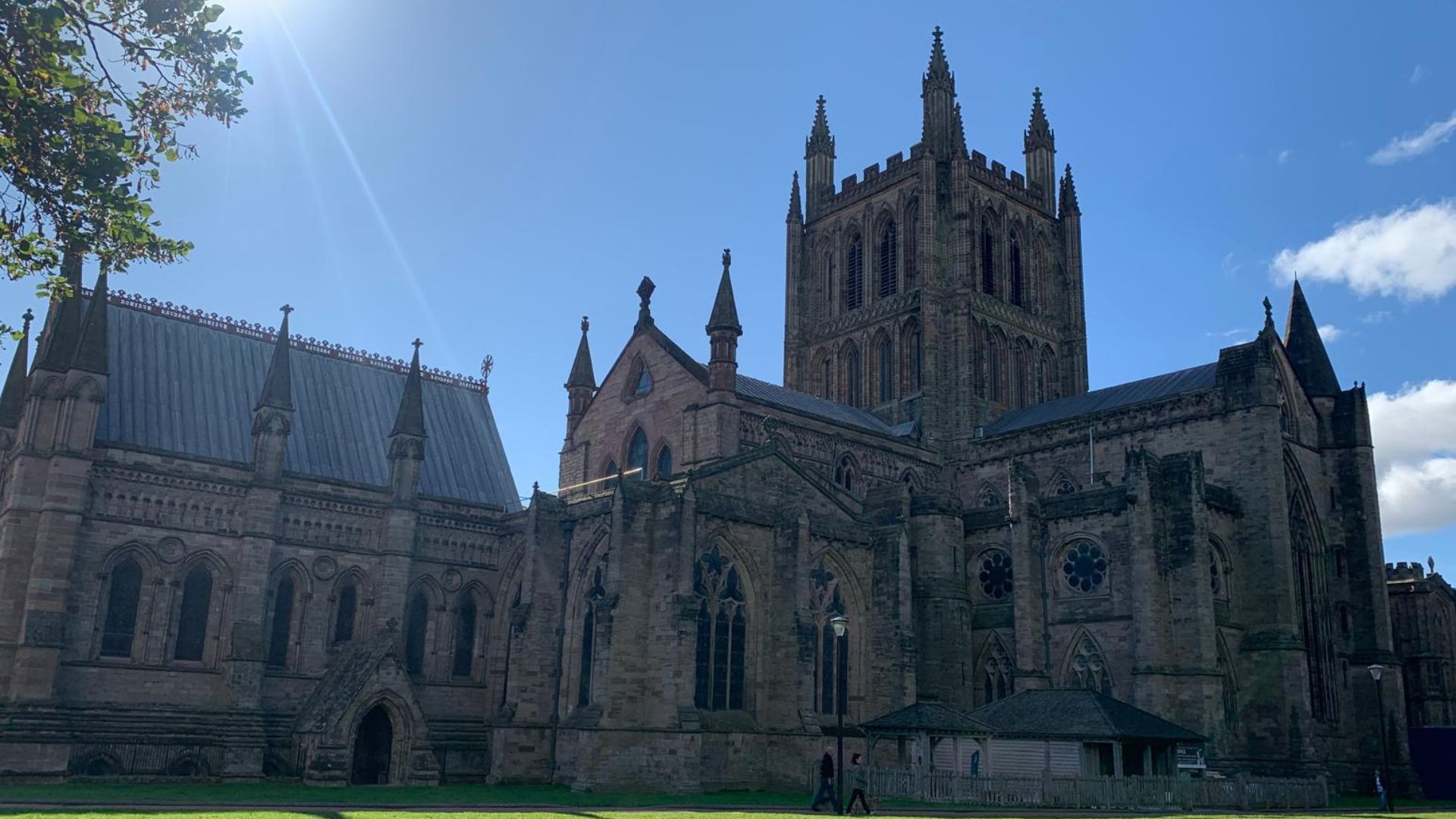
Hereford Cathedral holds the Mappa Mundi, the largest surviving medieval world map, created around 1300. During the 1980s, financial pressure led to serious discussion of selling it. Public opposition stopped the move and reshaped how the cathedral approached preservation and responsibility.
4. Durham Cathedral
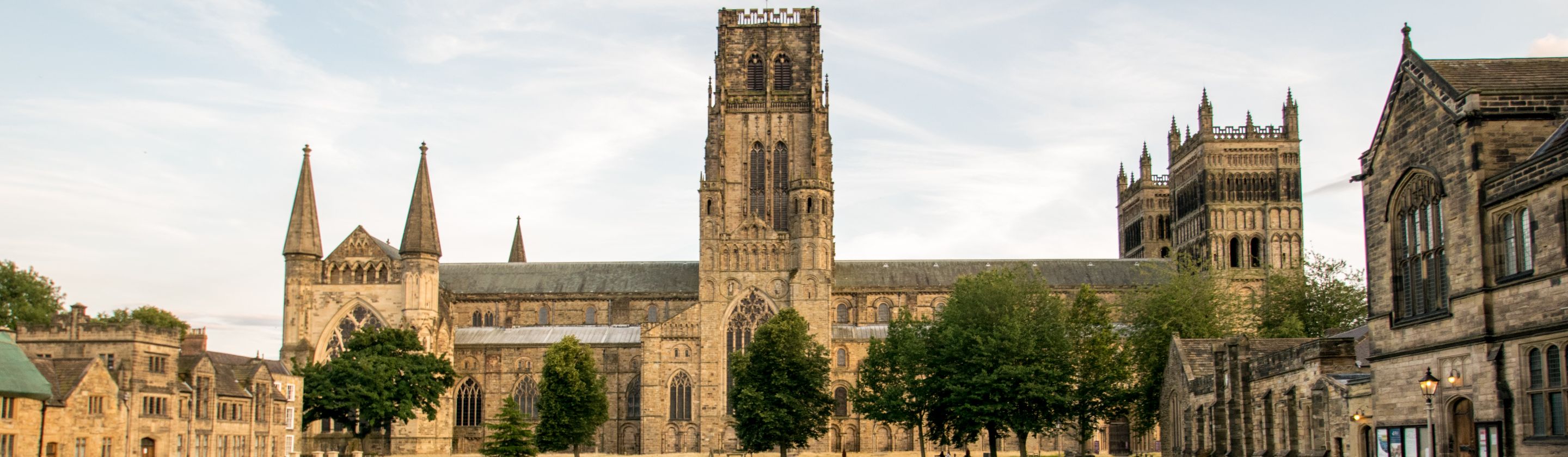
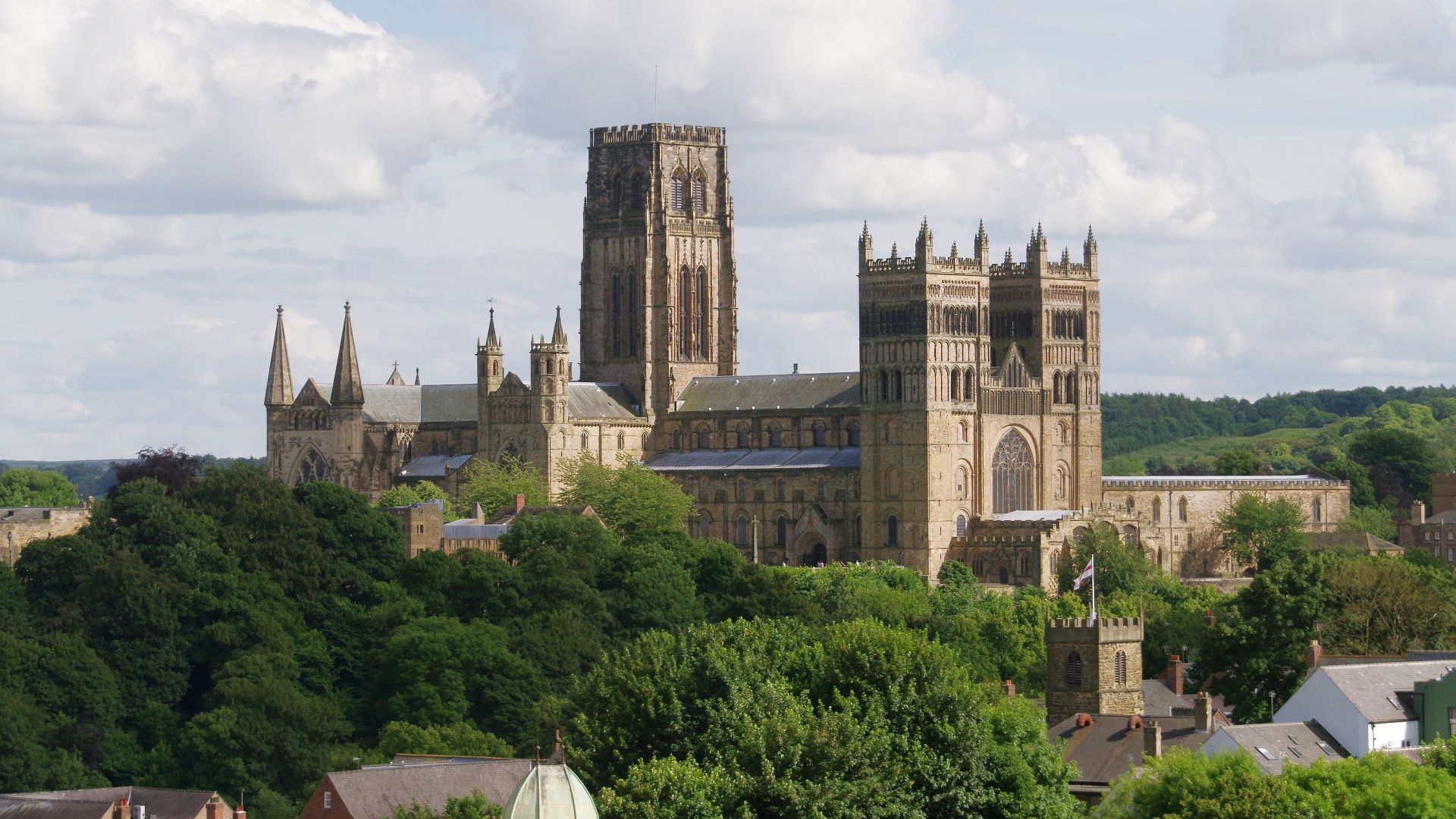
Positioned high above the River Wear, Durham Cathedral was never meant to blend in. Built after the Norman Conquest, its massive stone vaults introduced advanced engineering methods. Furthermore, the heavy Romanesque form projected authority through scale and permanence rather than ornament.
 mattbuck (category) on Wikimedia
5. Lincoln Cathedral
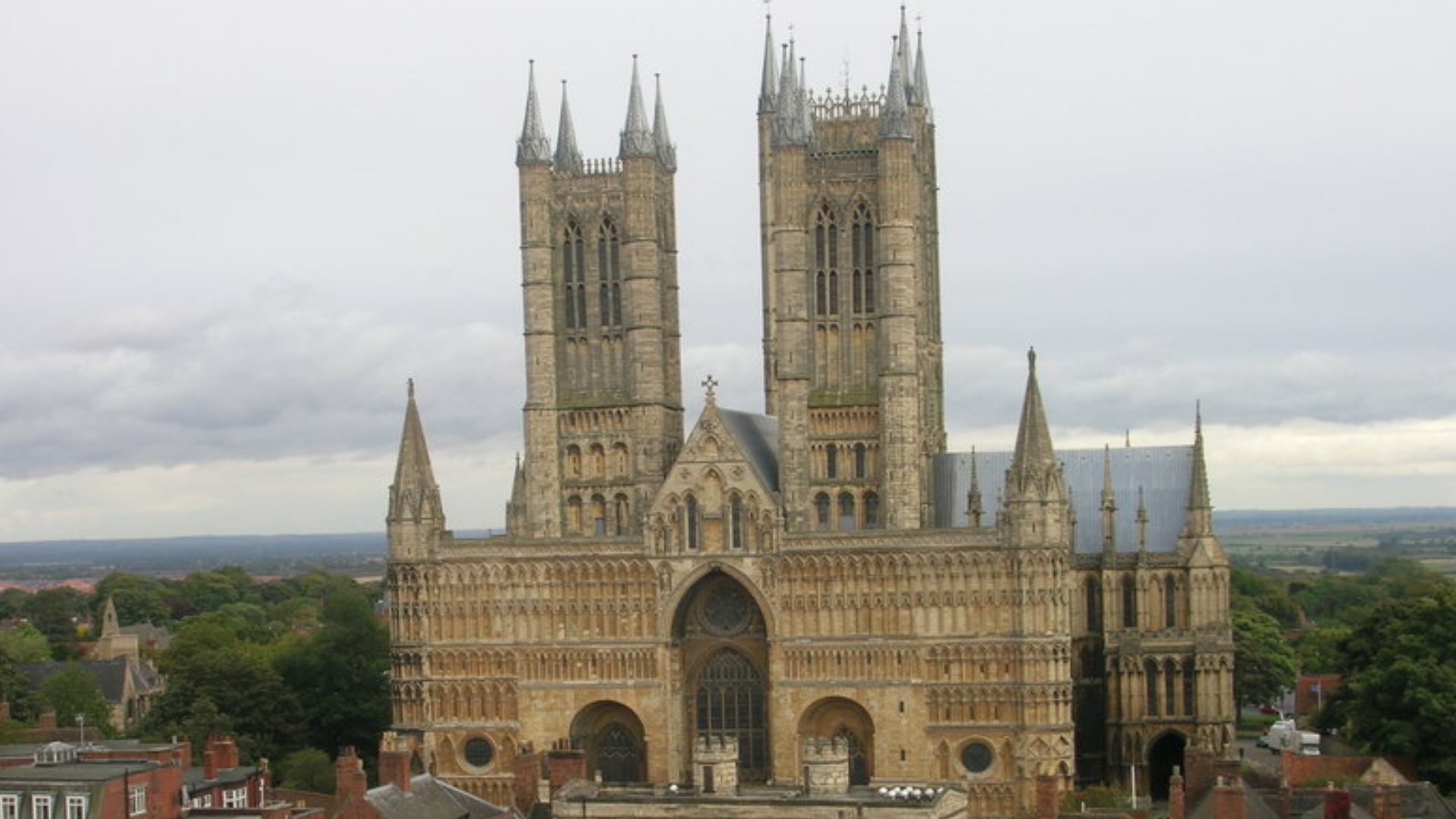
Lincoln Cathedral once aimed higher than medieval engineering probably should have. For centuries, its spire ranked among the tallest structures on Earth. Of course, gravity intervened eventually. The central spire collapsed in 1549, yet the ambition remains obvious and etched into stone, and it still refuses humility.
6. Salisbury Cathedral
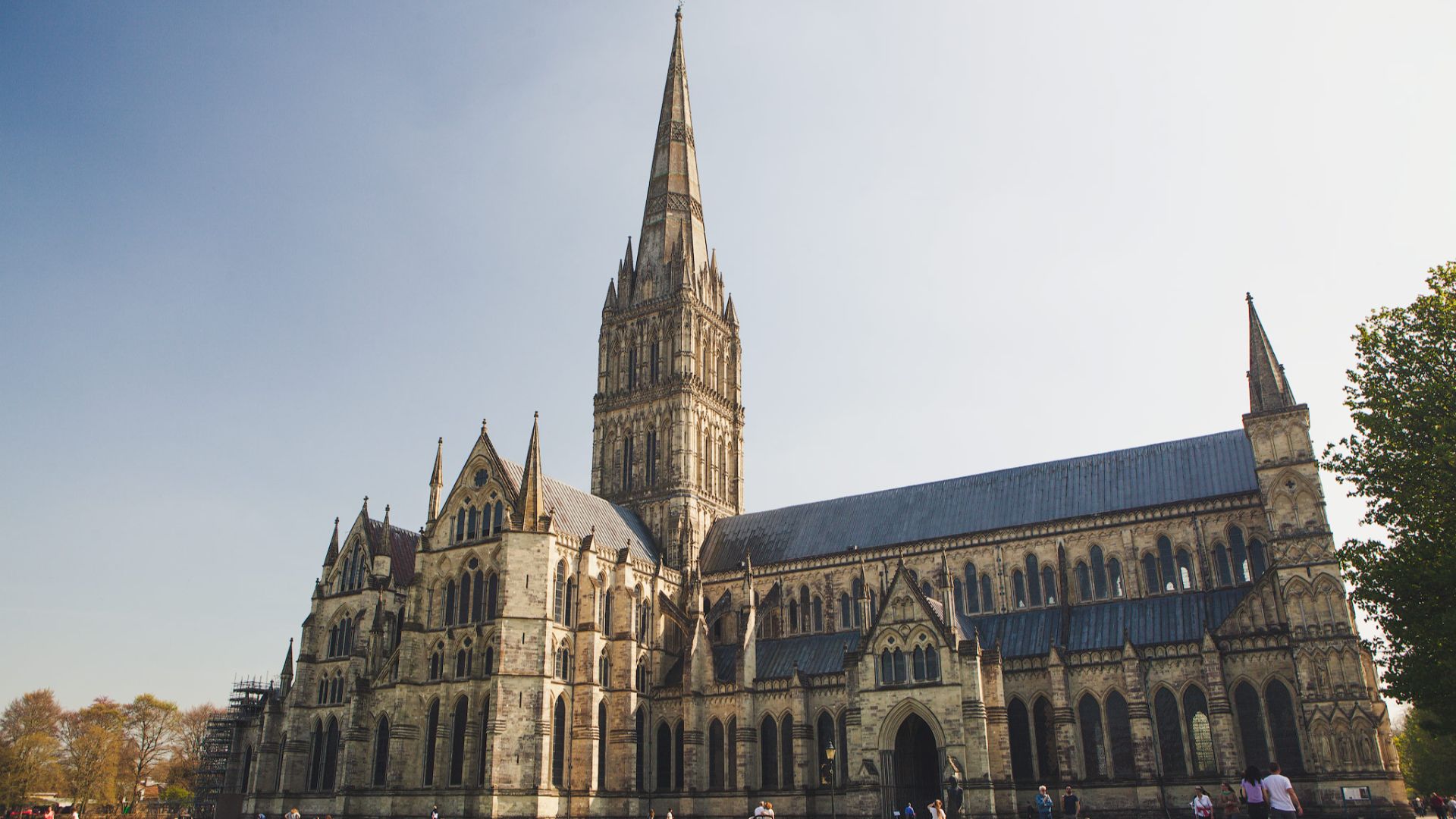
Height shapes the experience at Salisbury Cathedral immediately. Its 123-meter spire remains the tallest church spire in the UK. Inside, one of the best preserved Magna Carta copies survives. Together, the building links medieval engineering ambition with early limits placed on royal power.
7. St Paul’s Cathedral
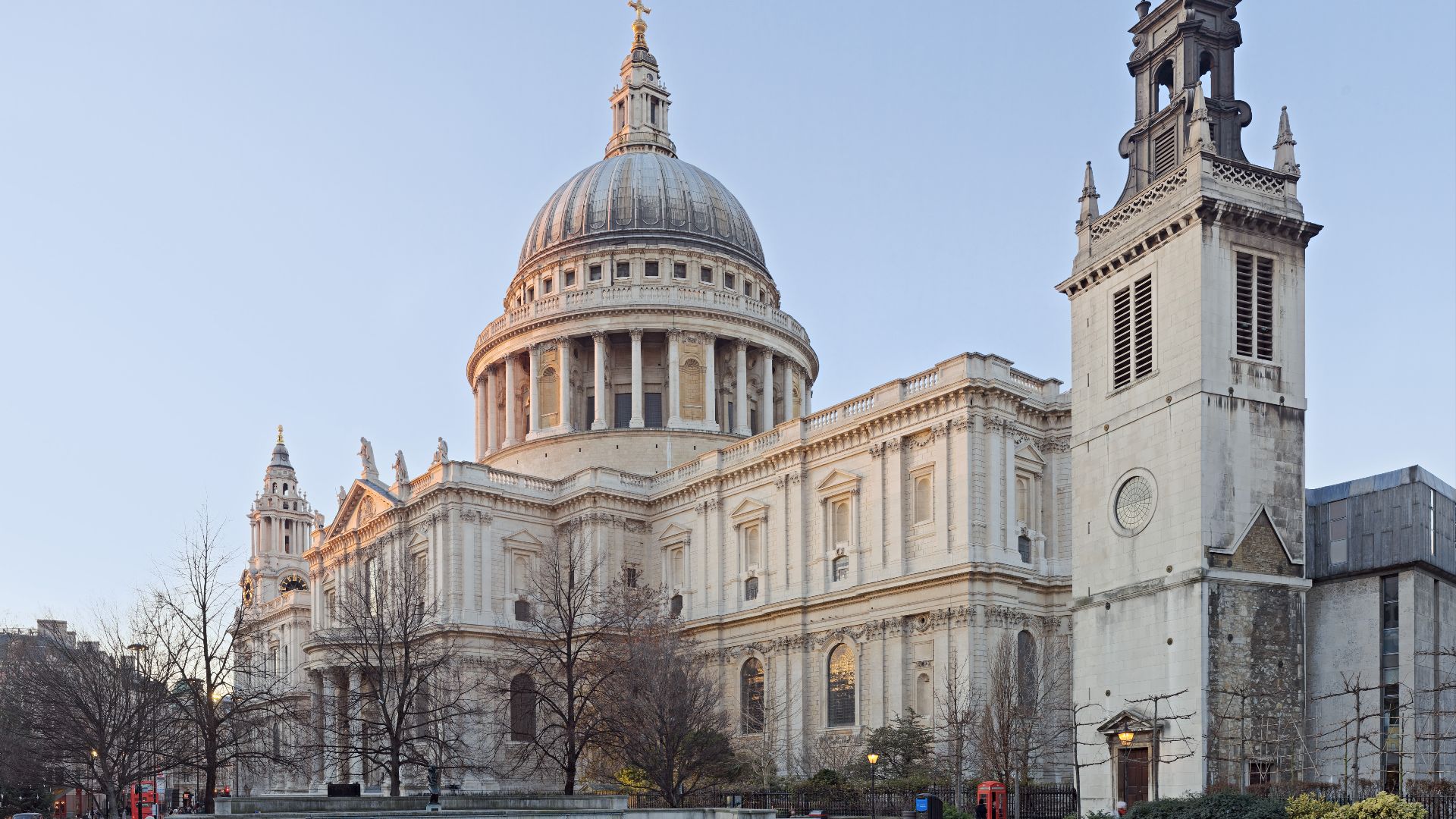
Few silhouettes carry collective memory like this one. During the Blitz of 1940, St Paul’s Cathedral stood intact while flames tore through nearby streets. Images of the dome traveled worldwide and offered reassurance that London could absorb damage and still hold its center.
8. Ely Cathedral
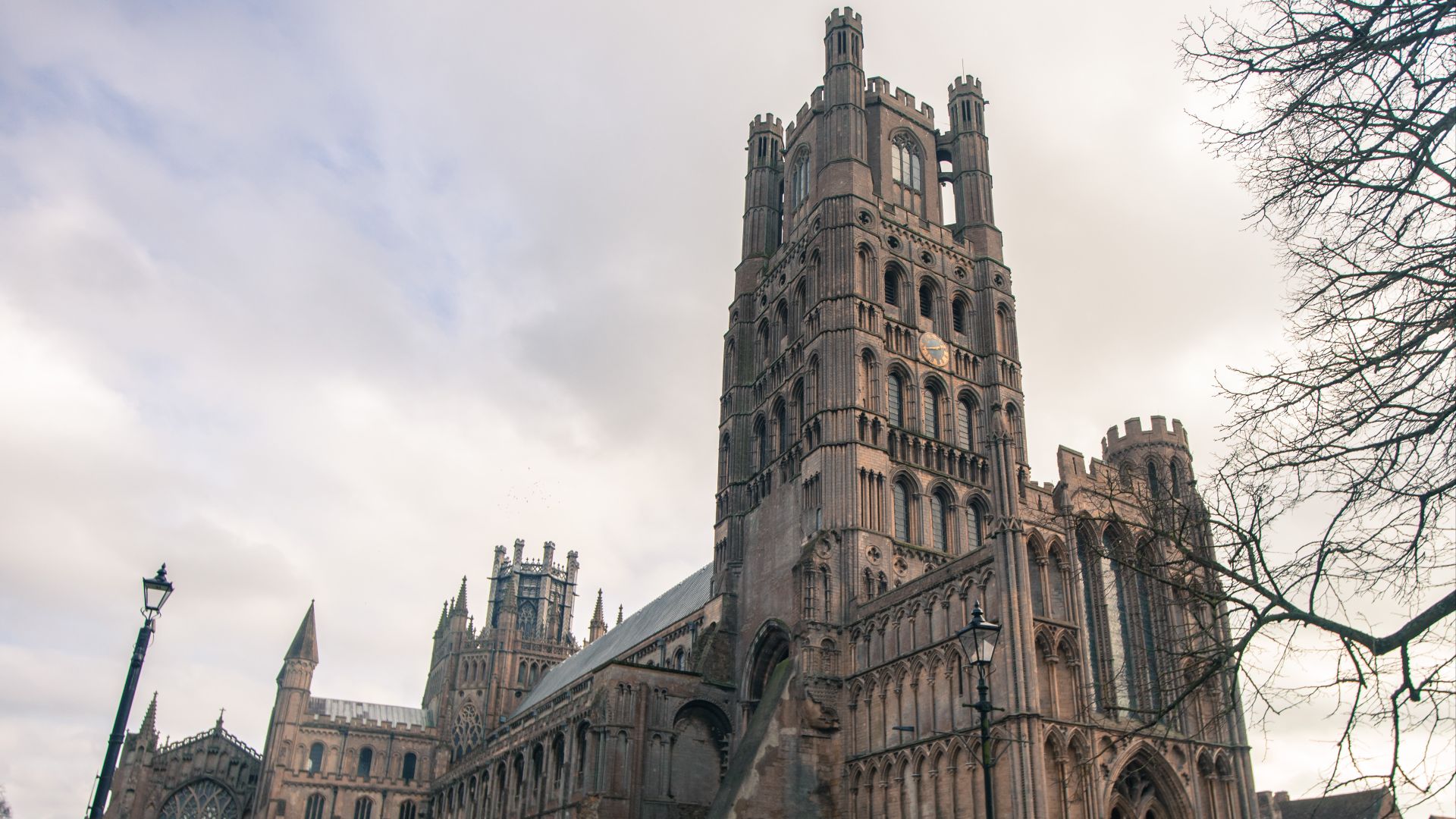
Structural failure changed Ely Cathedral’s design permanently. When the central tower collapsed in 1322, an octagonal lantern replaced it instead of a standard tower. This solution redistributed weight more evenly and introduced overhead light, altering how the interior is perceived.
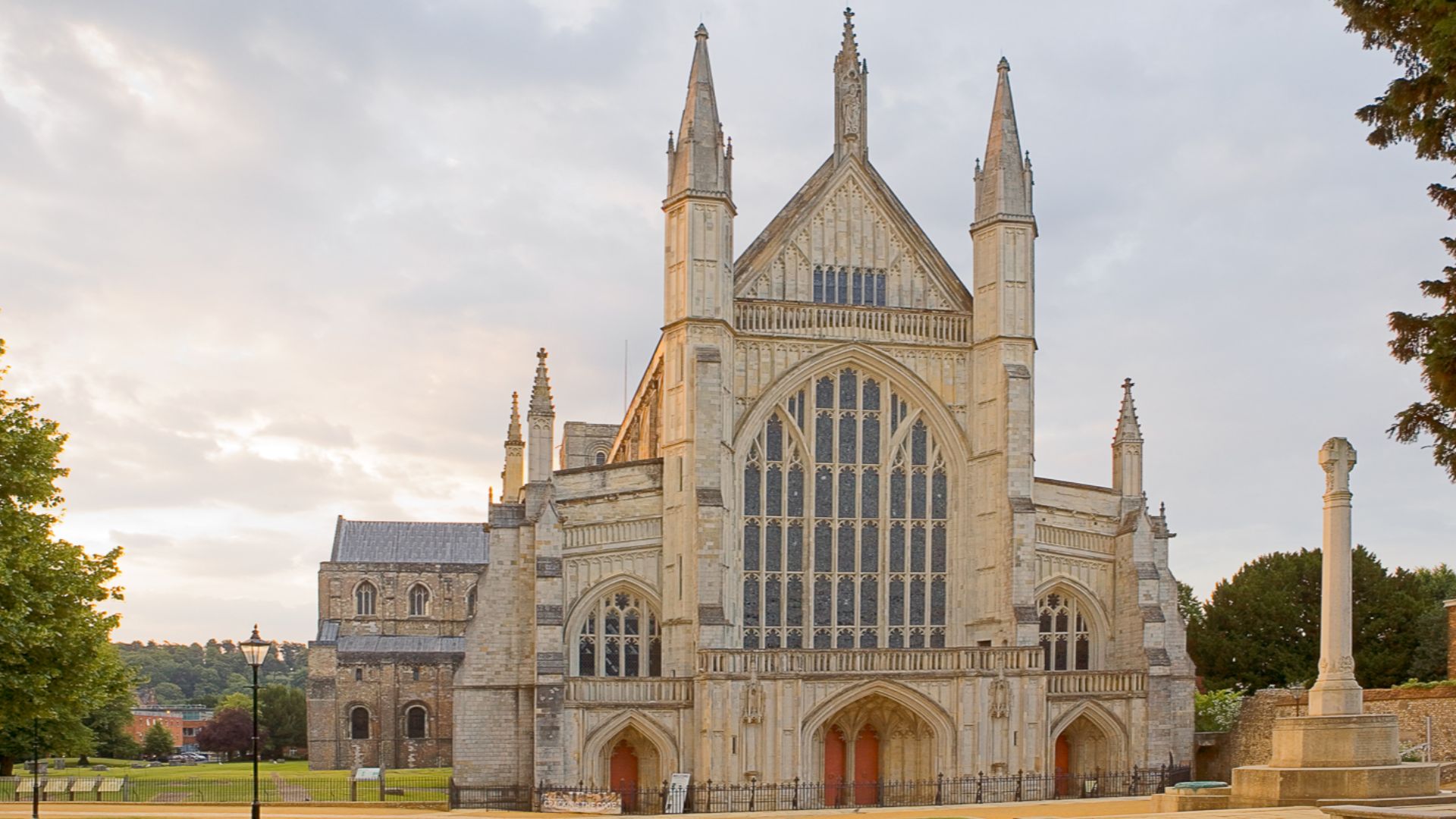
9. Winchester Cathedral
Length becomes the defining experience here. With a nave longer than most medieval churches, Winchester Cathedral forces visitors to slow their pace. The answer of building it so long sits in royal burials, processions, and a deliberate sense of continuity across generations.
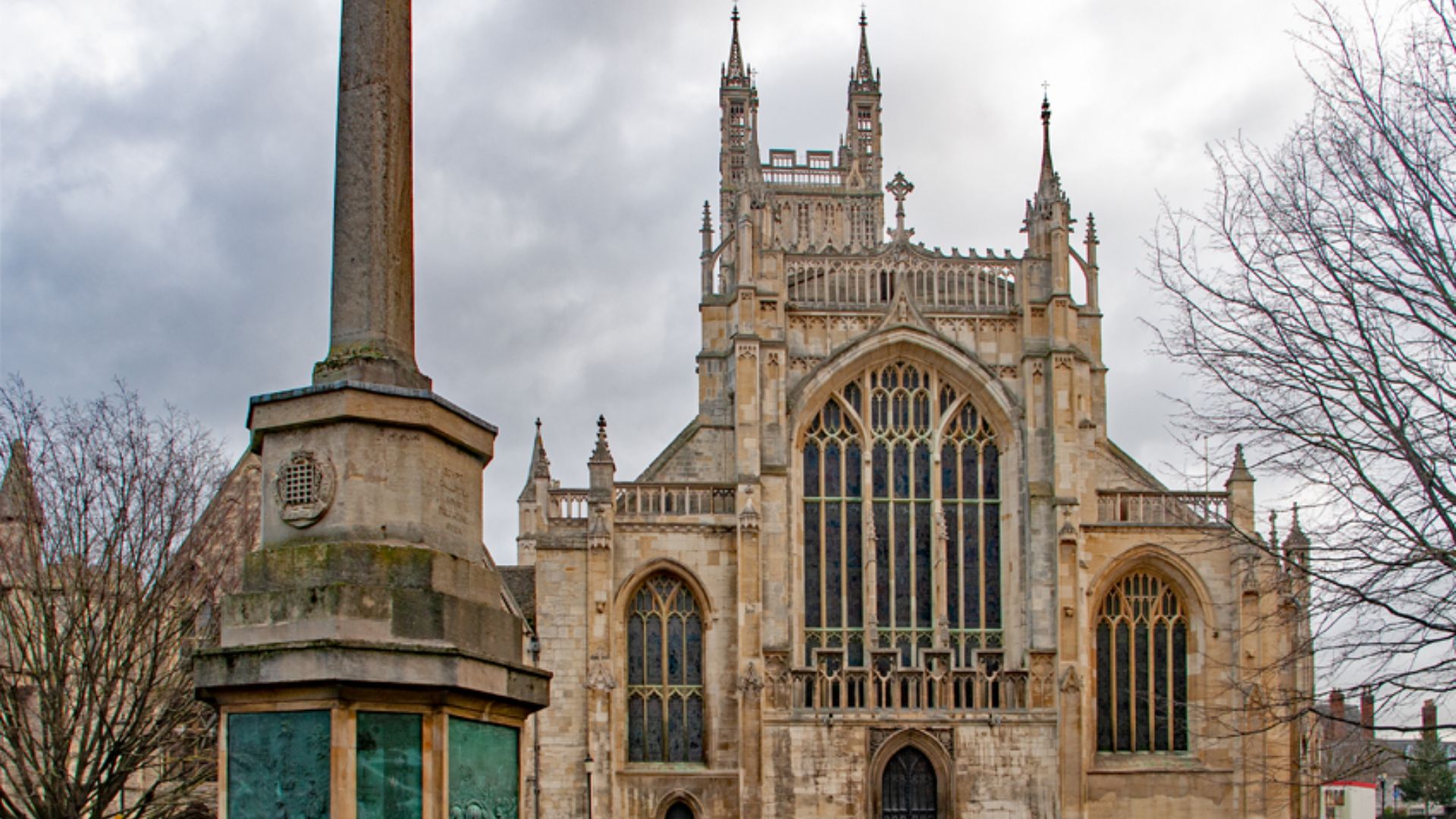
10. Gloucester Cathedral
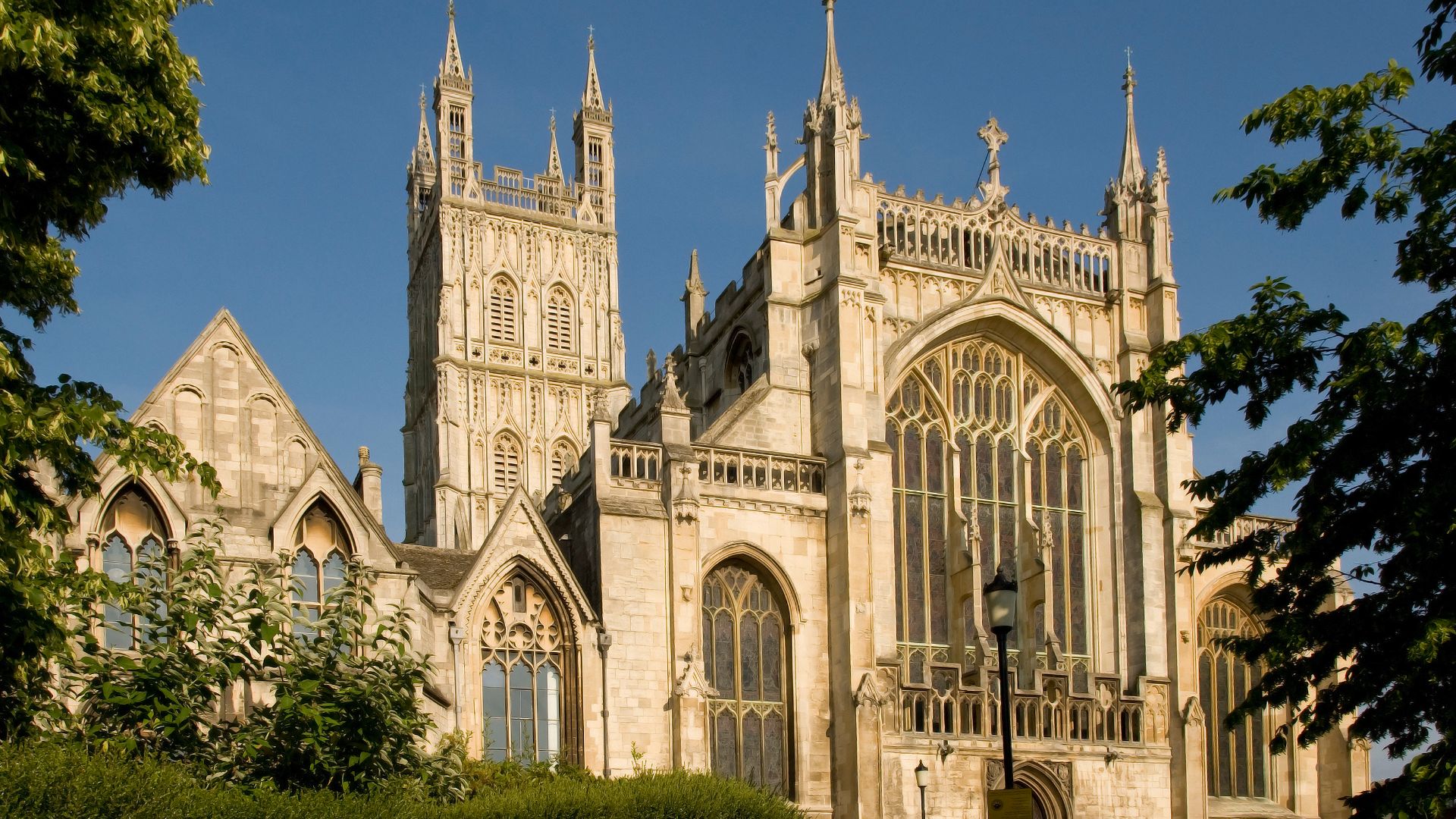
Late medieval engineering defines Gloucester Cathedral’s cloisters. The fan vaulting distributes weight evenly while creating a repeating geometric ceiling pattern. Originally built for daily monastic movement, the space later gained modern recognition through its use as a recurring film location.
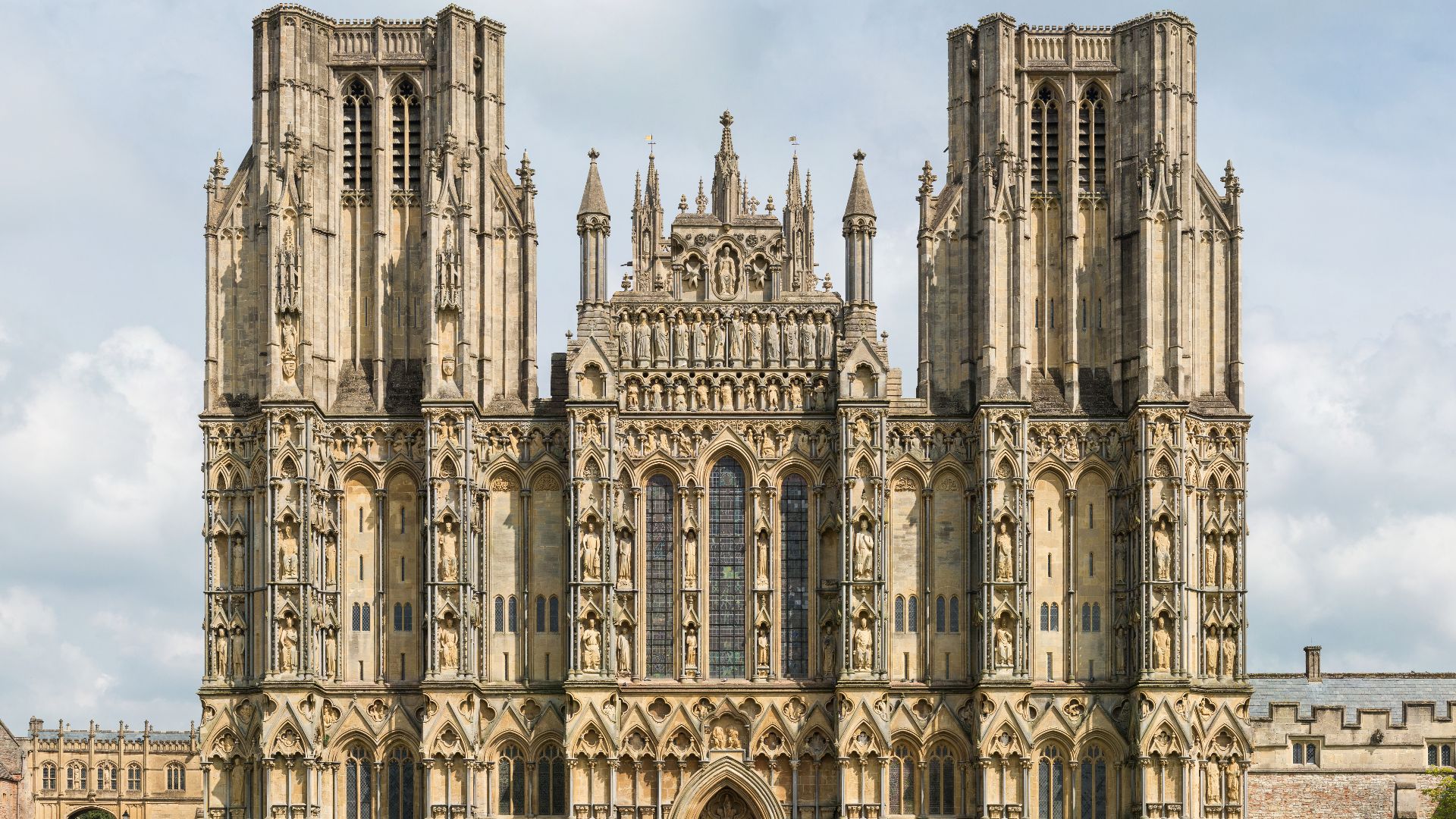
11. Wells Cathedral
Failure forced invention here. When the central tower showed dangerous stress, masons introduced scissor arches across the nave. The intersecting supports redirected weight toward the ground. Therefore at Wells Cathedral, visible engineering solved collapse risk without hiding the intervention.
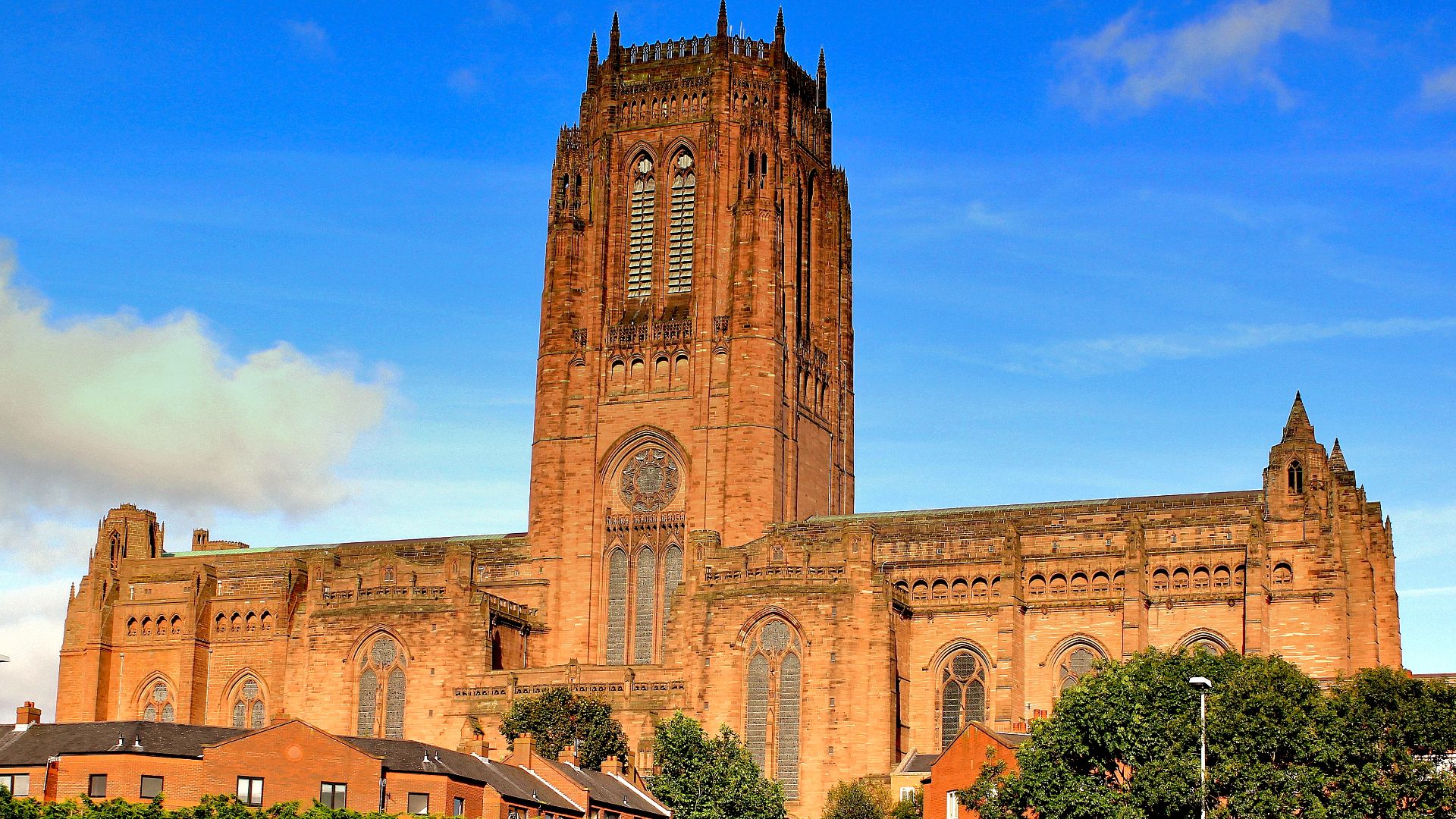
12. Liverpool Cathedral
Scale sets expectations before details do. Liverpool Cathedral stands as Britain’s largest by volume, a project built across much of the twentieth century. Gothic massing meets modern materials throughout, which explains the austere surfaces and the unusually expansive interior at full scale.
13. St David’s Cathedral
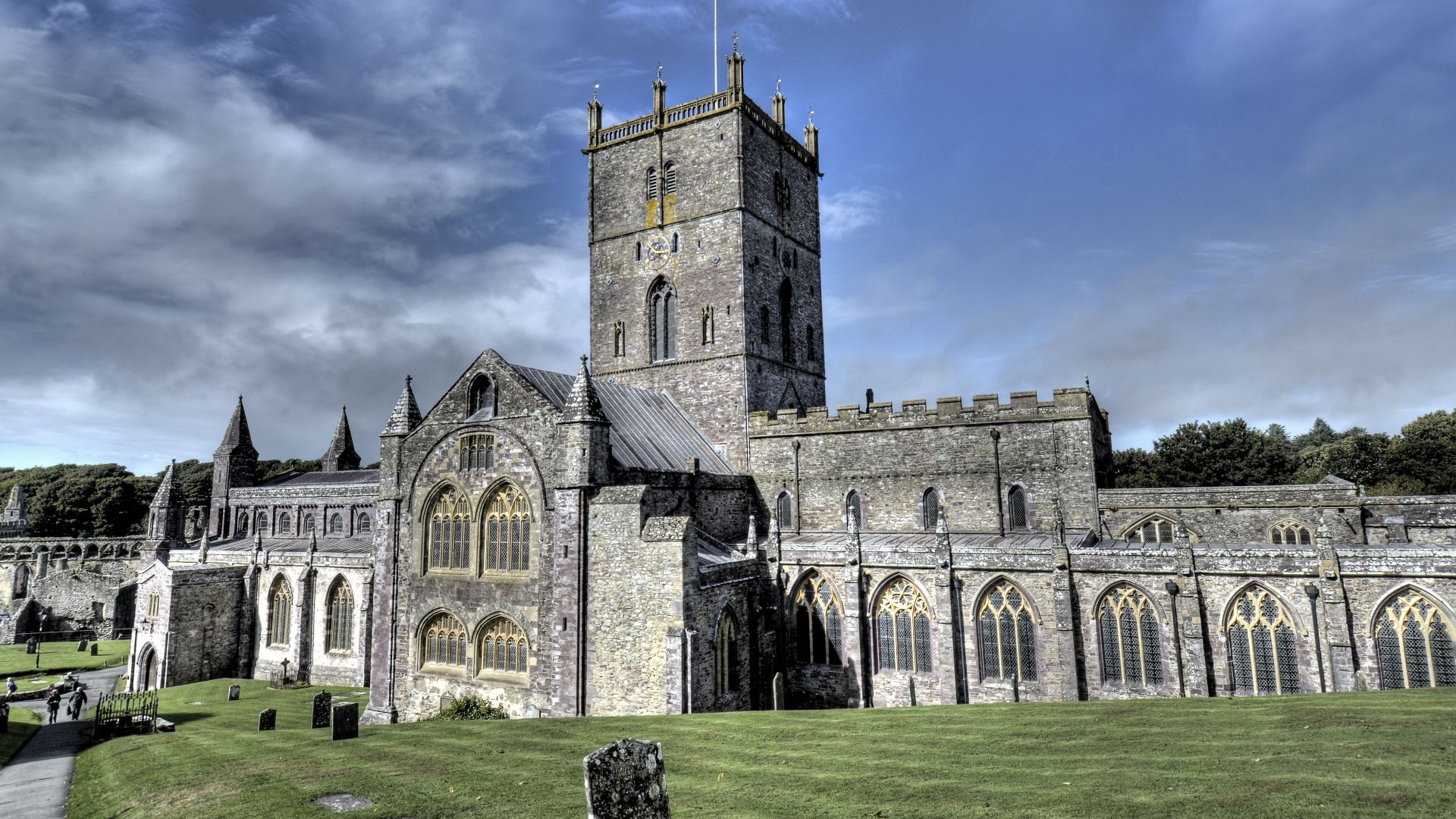
Reaching the site was once part of the experience. Far from urban centers, St David’s Cathedral developed inside a sheltered coastal valley. Pilgrims arrived after effort, not convenience. Stone scale also stayed modest, while isolation shaped expectation long before worship began.
 The National Churches Trust on Wikimedia
14. Exeter Cathedral
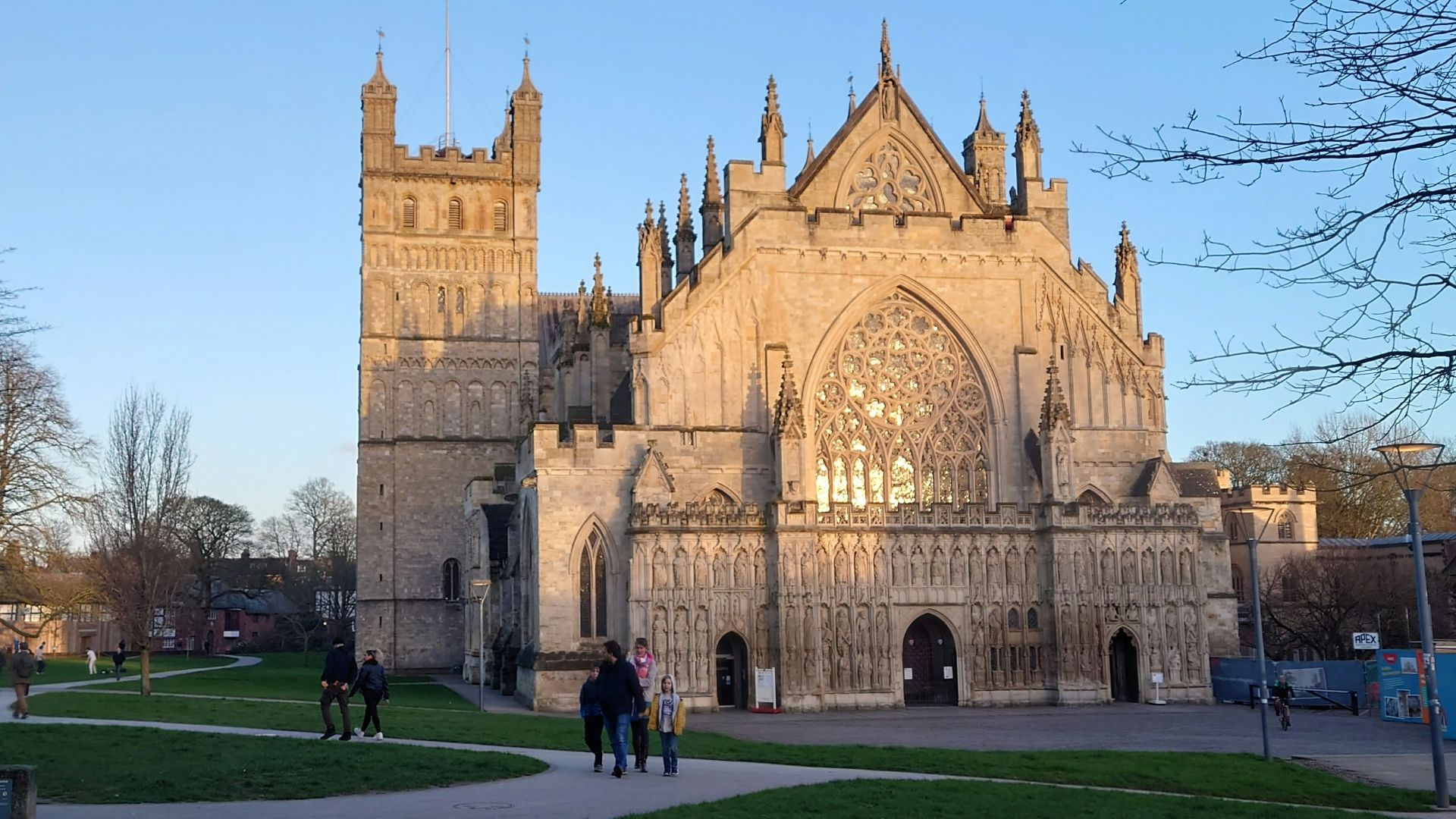
Most medieval naves break rhythm at structural intervals. Exeter Cathedral avoids that pattern entirely. A single Gothic vaulted ceiling runs from west to east without interruption. The uninterrupted span creates visual continuity rarely achieved in English church construction.
 Antony Hyson Seltran on Unsplash
15. Coventry Cathedral
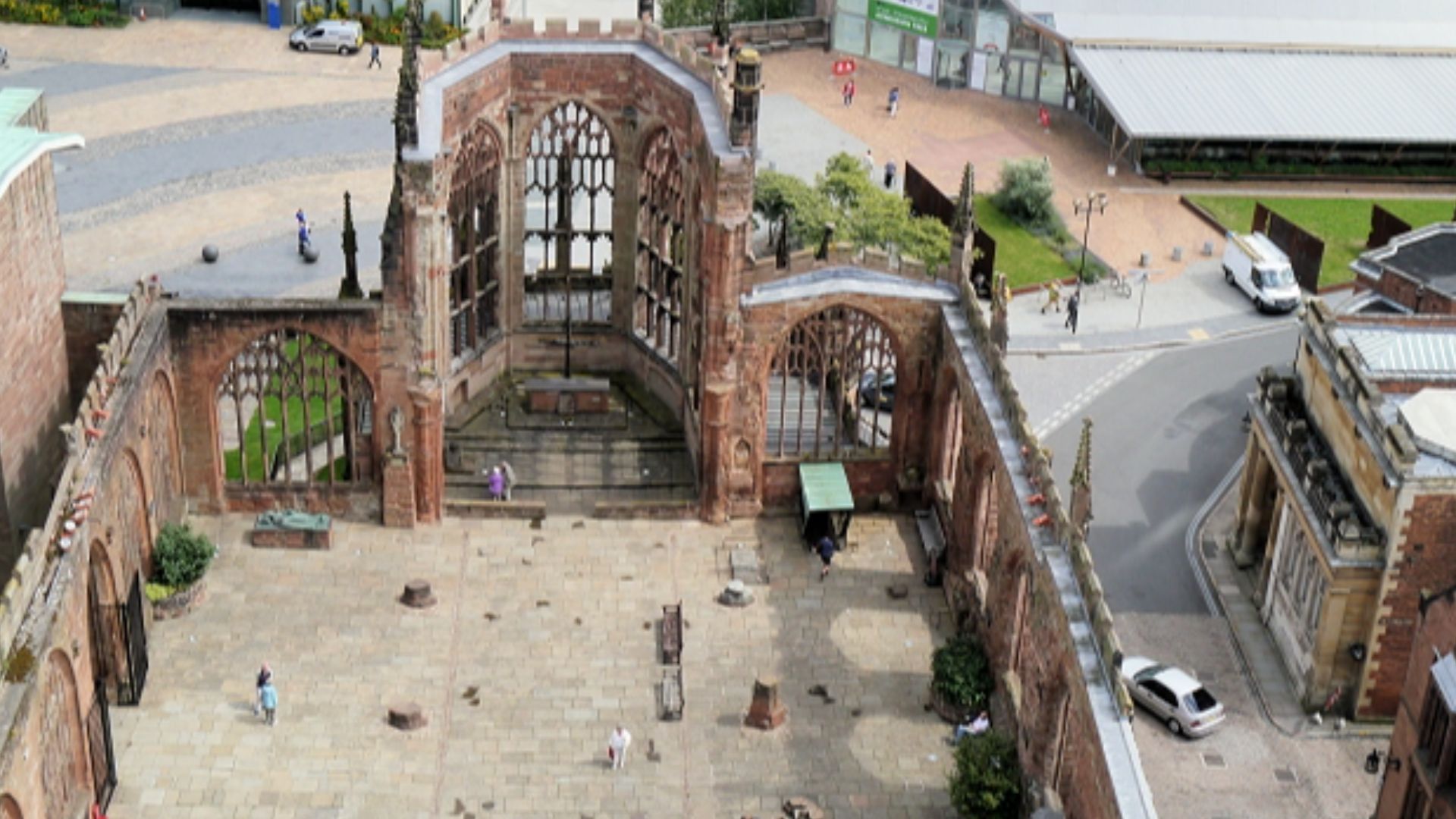
Destruction arrived first, design followed later. After wartime attack in 1940, the original Coventry Cathedral remained as ruins. Rather than replace it, a modern structure rose beside the shell. And together, both buildings hold memory, grief, and refusal to erase loss.
16. Norwich Cathedral
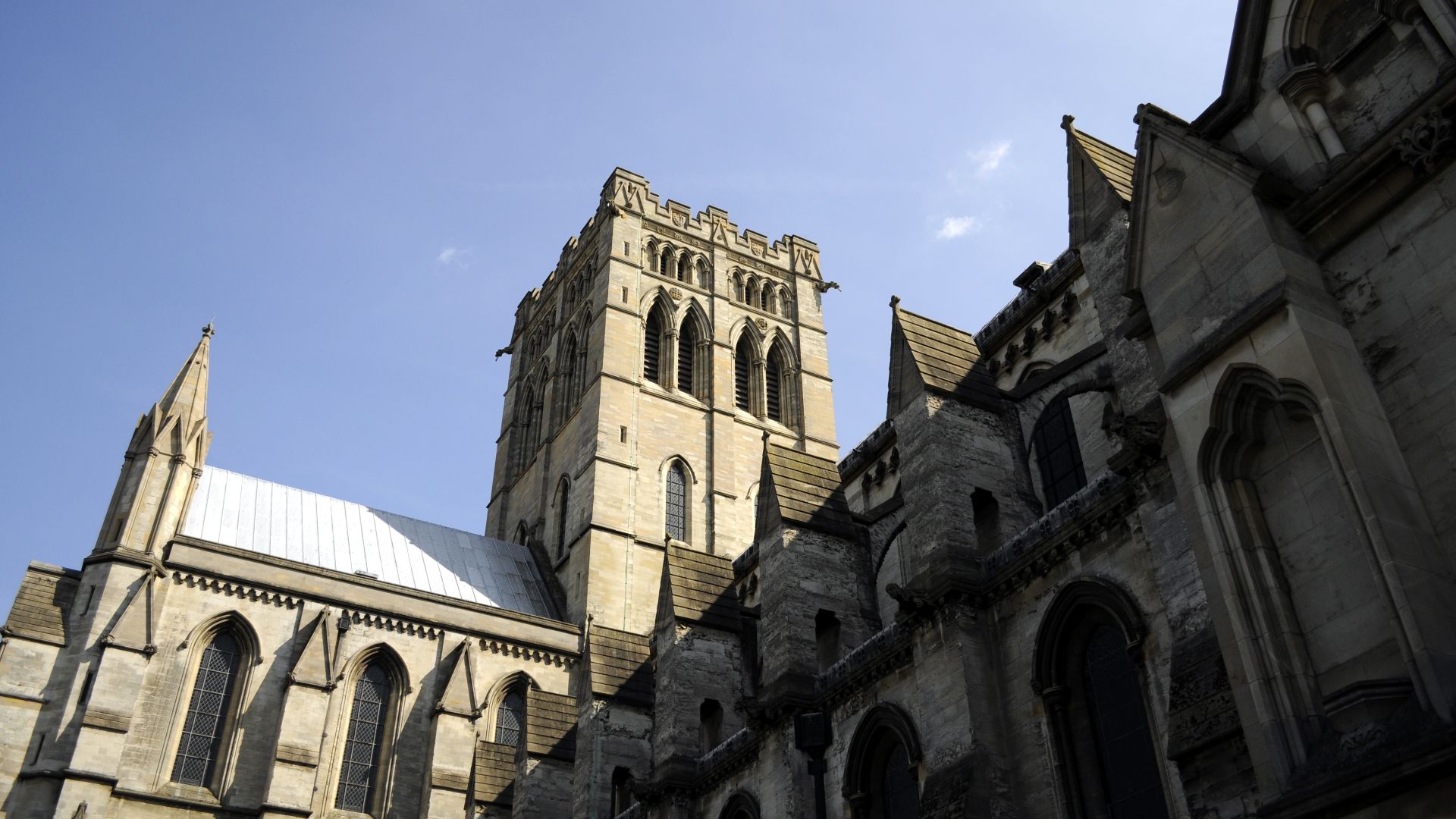
Norwich Cathedral began in 1096 and remains a strong example of Norman design. Builders used Caen stone brought from France. Rounded arches, a long nave, and a large cloister reflect its early role as a Benedictine monastery rather than a city church.
 Darren Glanville from Acle, Norfolk, UK on Wikimedia
17. Peterborough Cathedral
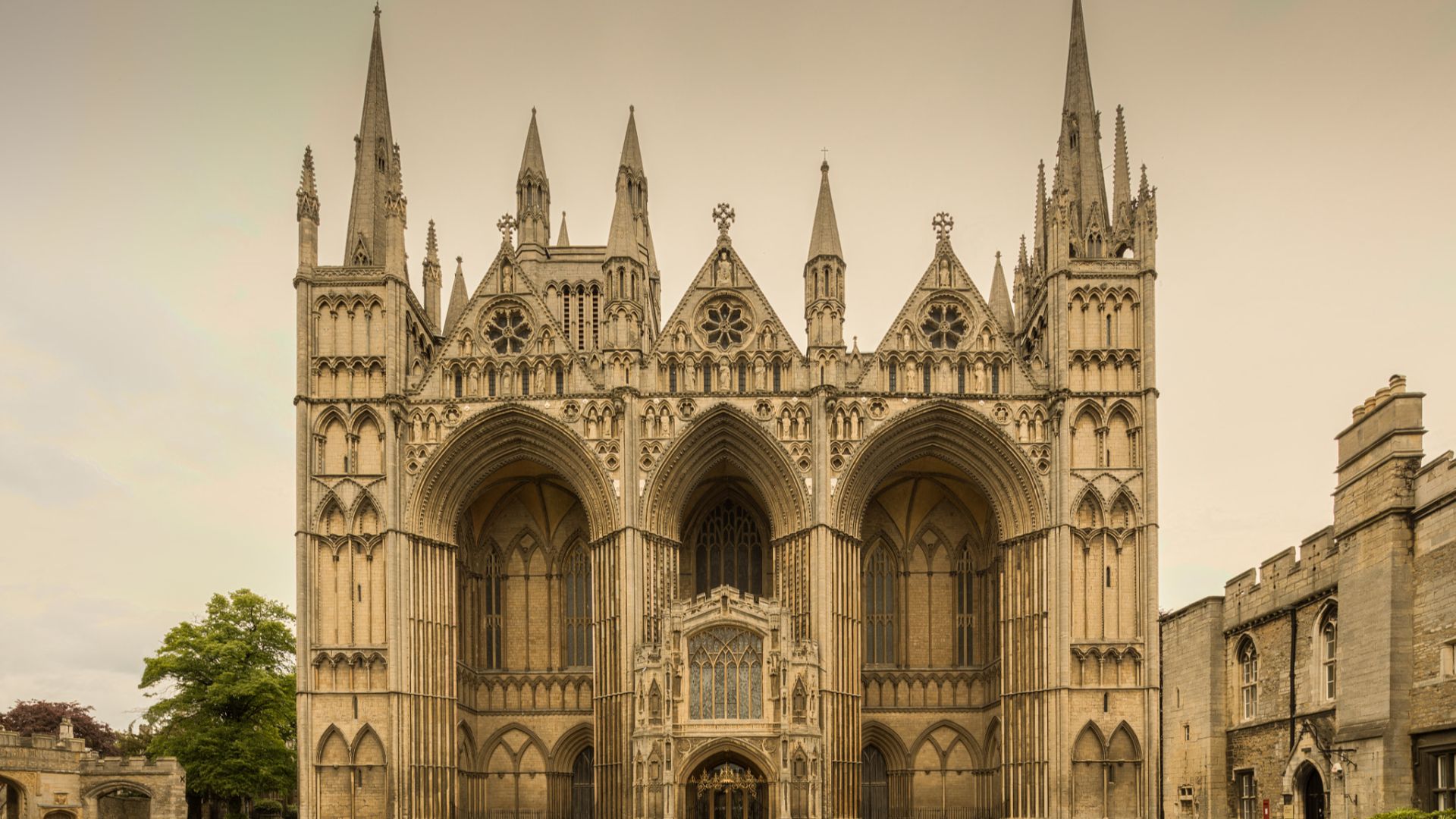
The front defines everything here. Peterborough Cathedral features a massive west façade set apart from the main building. Three tall arches face arriving visitors first, a deliberate choice meant to impress pilgrims before they even stepped inside the church.
 Michael D Beckwith on Wikimedia
18. St Giles’ Cathedral, Edinburgh
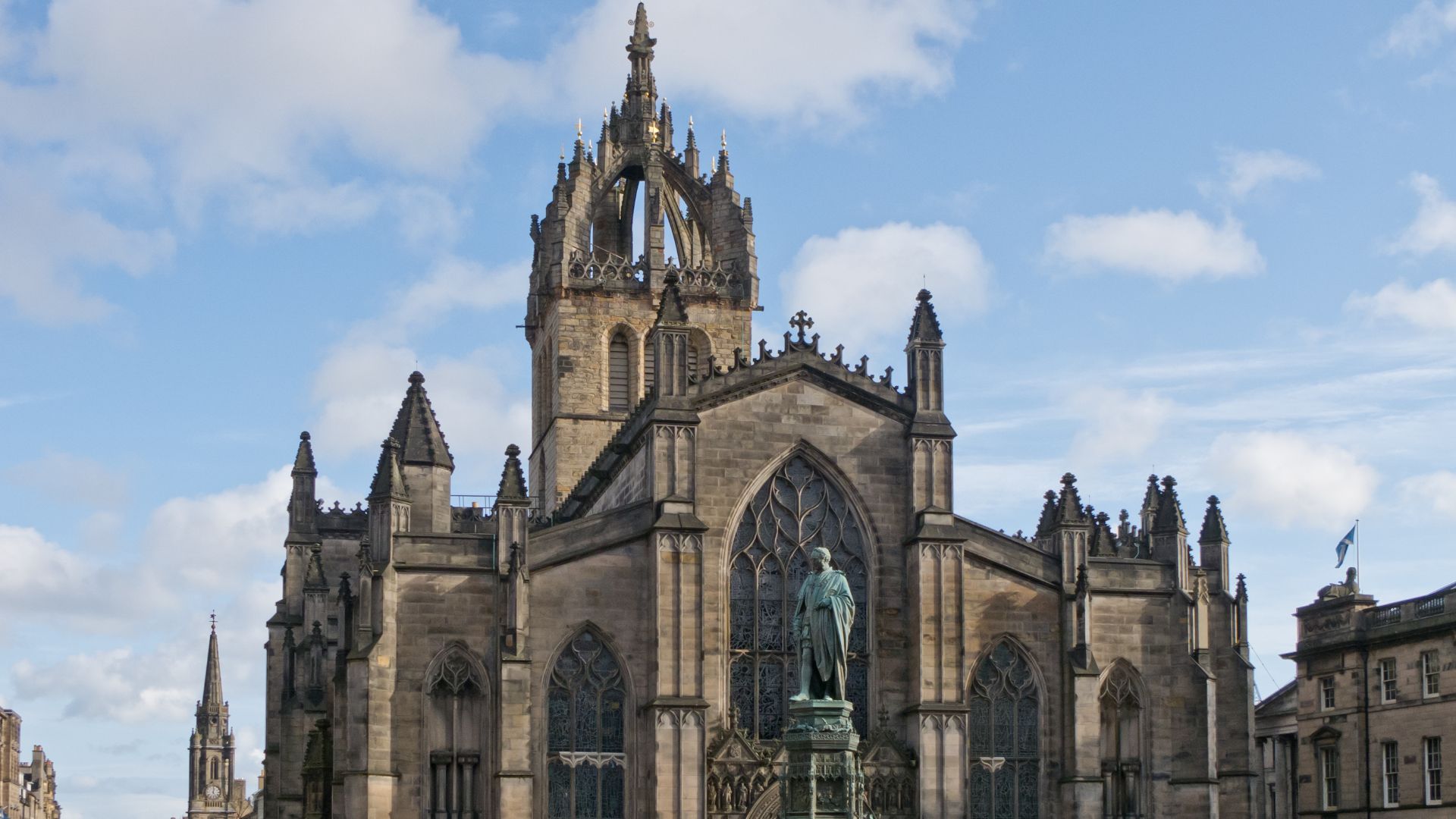
St Giles’ Cathedral played a major role during the Scottish Reformation. Many key religious and civic events took place inside. Located on Edinburgh’s Royal Mile, the church became closely tied to public life, not just worship, for centuries.
19. Ripon Cathedral
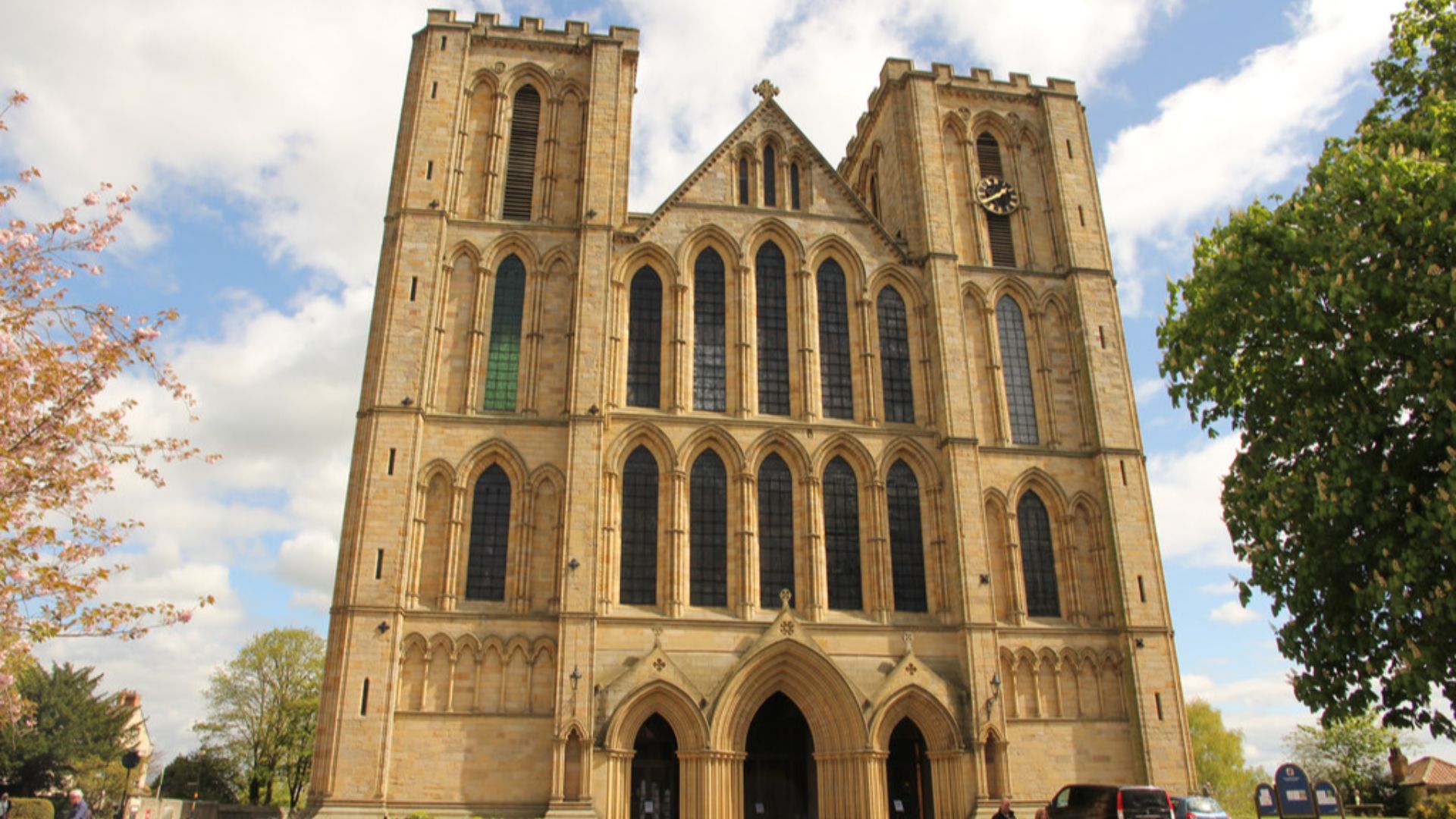
Time works visibly at Ripon Cathedral. What started as a seventh century monastery later became a Norman stone church. Gothic rebuilding added new forms without erasing earlier work. Walking through the interior reveals clear shifts in style rather than one fixed moment.
20. Lichfield Cathedral
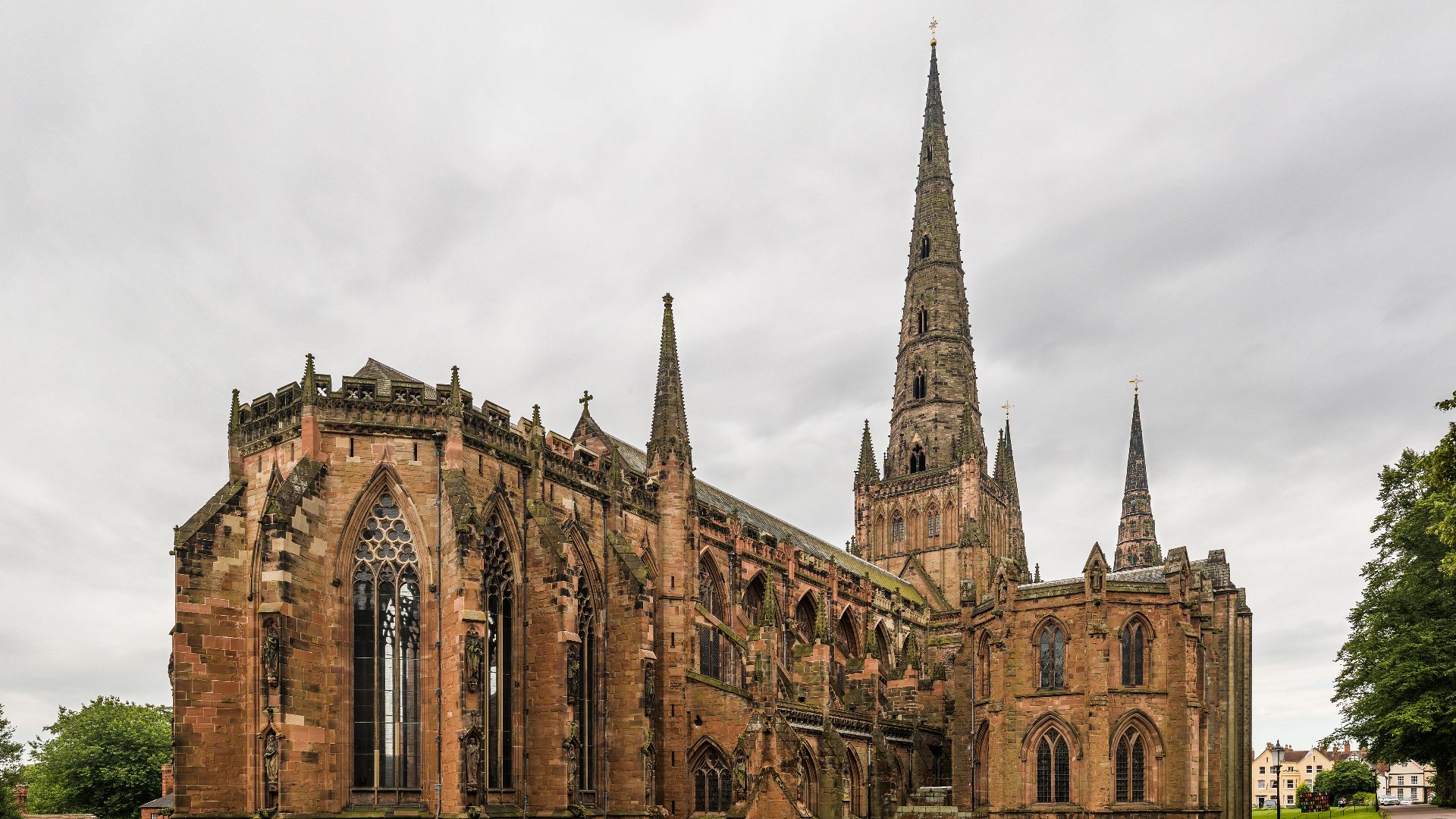
Lichfield Cathedral stands out for one clear reason. It has three spires, a feature no other medieval English cathedral shares. The balanced design keeps the exterior easy to read and avoids the heavy decoration seen at many other sites.