
Dark tourism is exactly what it sounds like: travelers who venture to places connected to death, disaster, or human suffering. It’s pretty grim at first glance, with people often walking through a genocide memorial or stopping at a museum built around a tragic event. It’s not everyone’s idea of a fun day out, yet these destinations keep showing up on bucket lists and group tours.
But why is that? What makes it so popular? As morbid as it seems, dark tourism actually gives you a chance to encounter real places where real people lived through something intense. It can feel meaningful, unsettling, and strangely compelling all at once—and that’s just the beginning.
Dark Tourism Comes in Many Forms
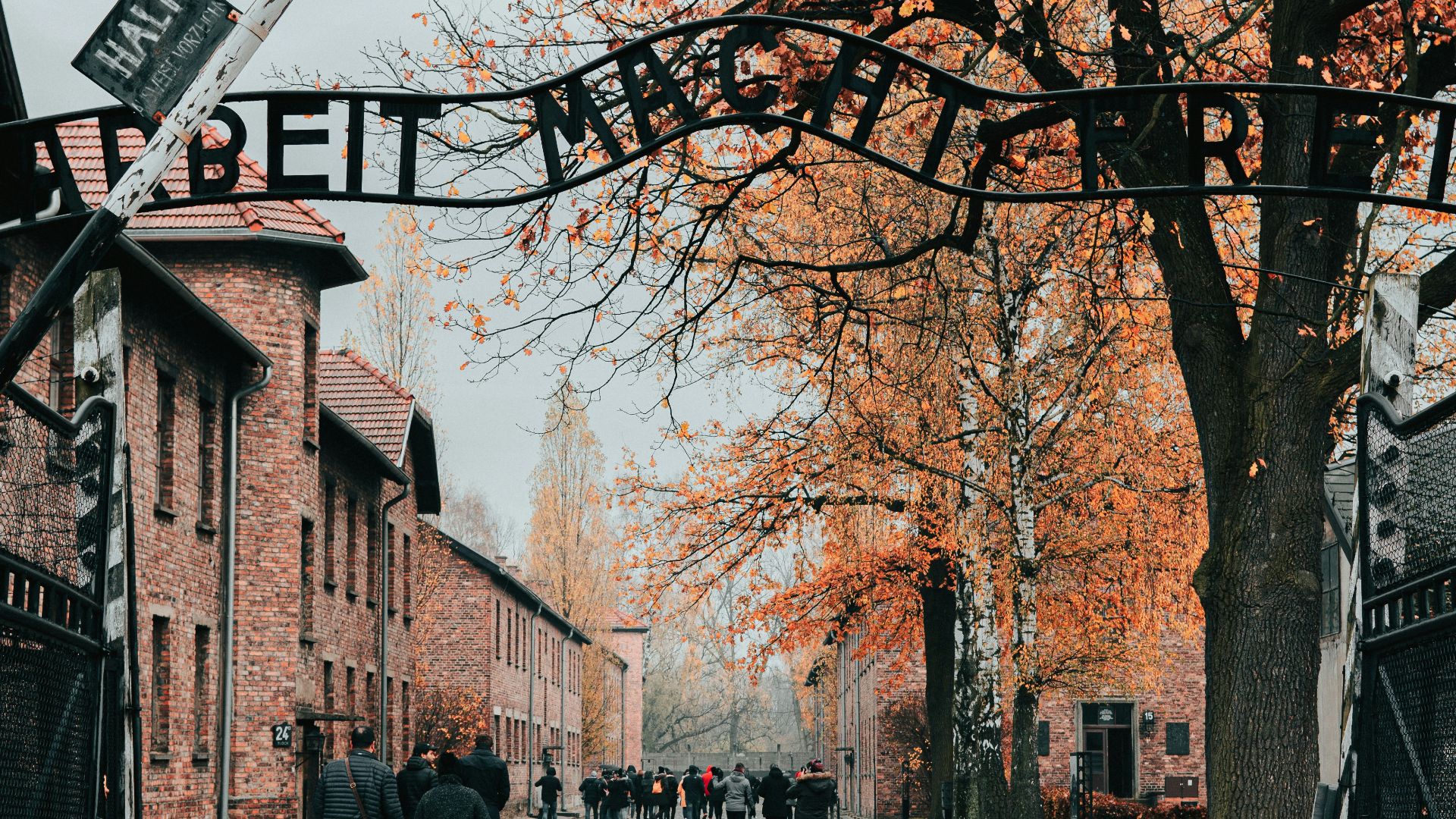
Some dark tourism sites are carefully designed for education, with guided tours, exhibits, and detailed timelines that help you understand what happened. Museums and memorials often fit this kind of exploration because they’re built to inform and honor, not to shock you. The experience can be emotional, but it’s usually structured, and you’ll leave with a clearer understanding of the event and the people affected by it.
Of course, some other places are less formal and don’t come with much context. You might visit an abandoned facility. You might see a neighborhood marked by violence. You might even wander through a living memory. With fewer signs and fewer rules spelled out, you’re forced to think more about why you’re there and how you’re acting. It’s moments like these that can add to the emotional weight of a journey, though it’s hardly a deterrent for interested travelers.
It also helps to separate dark tourism from entertainment that’s simply trying to scare you. Haunted attractions and horror-themed tours might borrow dark imagery, but they’re built around fun and fantasy. A historic tragedy site is different because the story isn’t fictional, and the purpose should lean toward learning and respect. Treating both the same way is a quick route to looking clueless.
The Psychology Behind the Curiosity

A big reason people are drawn to dark tourism is that it makes history feel real. Reading about tragedy can stay abstract, especially when you’re flipping through facts quickly. However, when you’re physically in the location, the scale of events can hit harder, and details that seemed distant suddenly feel personal. That immediacy can change how you remember what you’ve learned.
There’s also a sense of control that makes heavy topics easier to approach. If you choose to visit a somber place, you’re deciding when to go, how long to stay, and how deeply to engage. You can step back if it becomes too much. That stipulation matters, and it’s one reason visitors can face difficult stories without feeling consumed by them.
For many travelers, these sites offer perspective without requiring a perfect explanation for why. You might walk away with more empathy or a stronger appreciation for what people endured. It’s not about enjoying tragedy, even if the phrase “dark tourism” can make it sound that way. The pull is often tied to learning and reflection rather than thrill-seeking.
How to Visit Without Being “That Person”
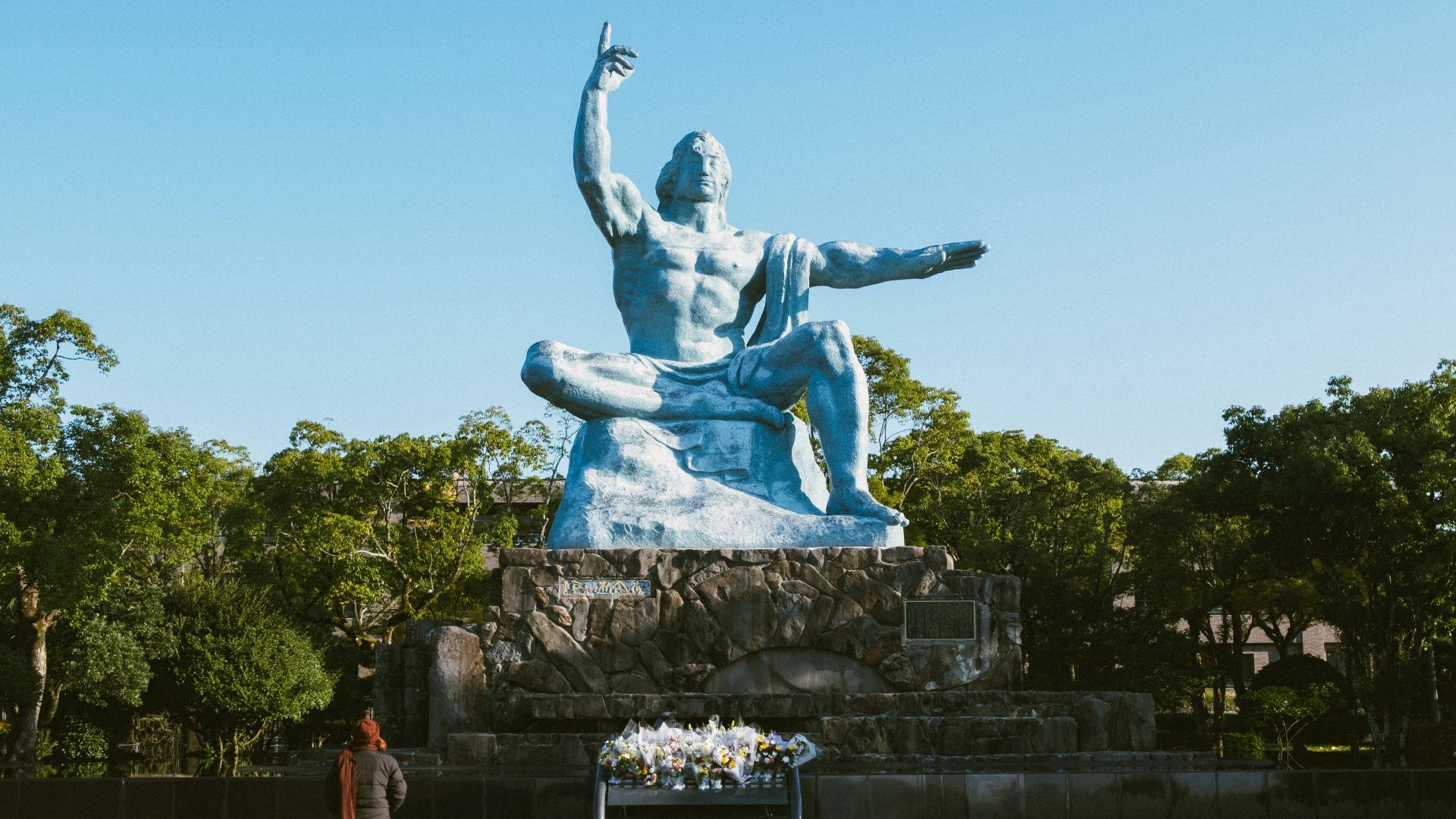
Because these places involve real suffering, behavior matters more than it does at a typical tourist stop. You don’t have to act like you’re in a library, but you should pay attention to the tone around you. If the site is quiet and reflective, match that energy. If there are posted rules about photos, clothing, or speaking volume, act like they’re non-negotiable.
Keep away from influencers, too. Social media has complicated dark tourism, mostly because it encourages people to document everything. While sharing a thoughtful post can be useful, goofy captions or staged photos land badly. Before you upload anything, ask yourself whether your post is helping someone understand the place or just proving you were there. If the answer feels shaky, it’s fine to keep the experience offline.
A little preparation goes a long way in making your visit more meaningful, too. Reading about the site beforehand helps you avoid accidental ignorance, and it also keeps you from reducing the place to a pit stop. If there are local guides or survivor-led programs, consider supporting them, since they often offer the most accurate perspective. When you approach dark tourism with curiosity and respect, you’re more likely to leave with insight instead of regret.
Dark tourism doesn’t have to mean the creepy and macabre—it can mean visiting sombre places with due respect. So long as you aren’t making a spectacle of your journey, it can also be a terrific learning experience. Don’t be so quick to ignore the darker spaces of life; you never know what’s in the shadows.