A Clear Guide On When To Say Thanks But No
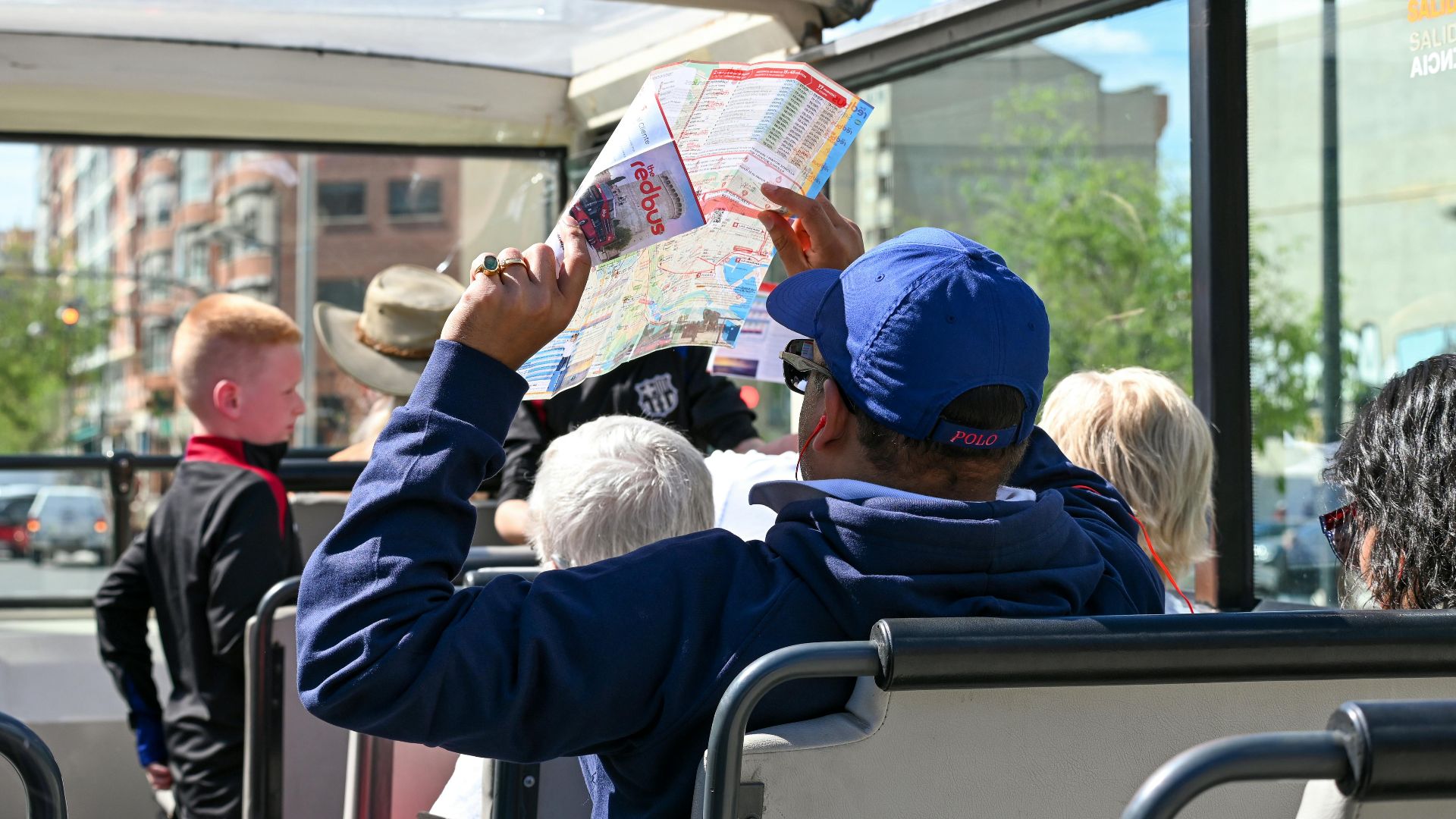
Help from strangers can be genuine, and it can also be a setup for a fast money grab. Most of these situations hinge on urgency, confusion, and social politeness, since people often comply just to end an awkward moment. The safest approach is to keep control of your time, your phone, your wallet, and your personal details, especially in crowded places where it’s easy to get distracted. Many consumer protection agencies and police departments warn about common street and travel scams that start with someone seeming friendly and persistent. Below are 10 common helpful stranger traps to watch for, followed by 10 situations where help is usually straightforward and safe.

1. The Wrong Change Offer
Someone points out a supposed mistake at a register or in a cash exchange and insists on fixing it quickly. The goal is often to make you second-guess what you handed over so you lose track of bills. When money is involved, slow down, count it yourself, and do not let anyone rush you.

2. The Dropped Item Distraction
A stranger alerts you that you dropped something or that something is on your clothing, then positions themselves close. This can be used to distract you while someone else reaches for a bag or pocket. Step aside, check your belongings with your hands, and move to a less crowded spot before engaging.
3. The Phone Needs To Be Borrowed
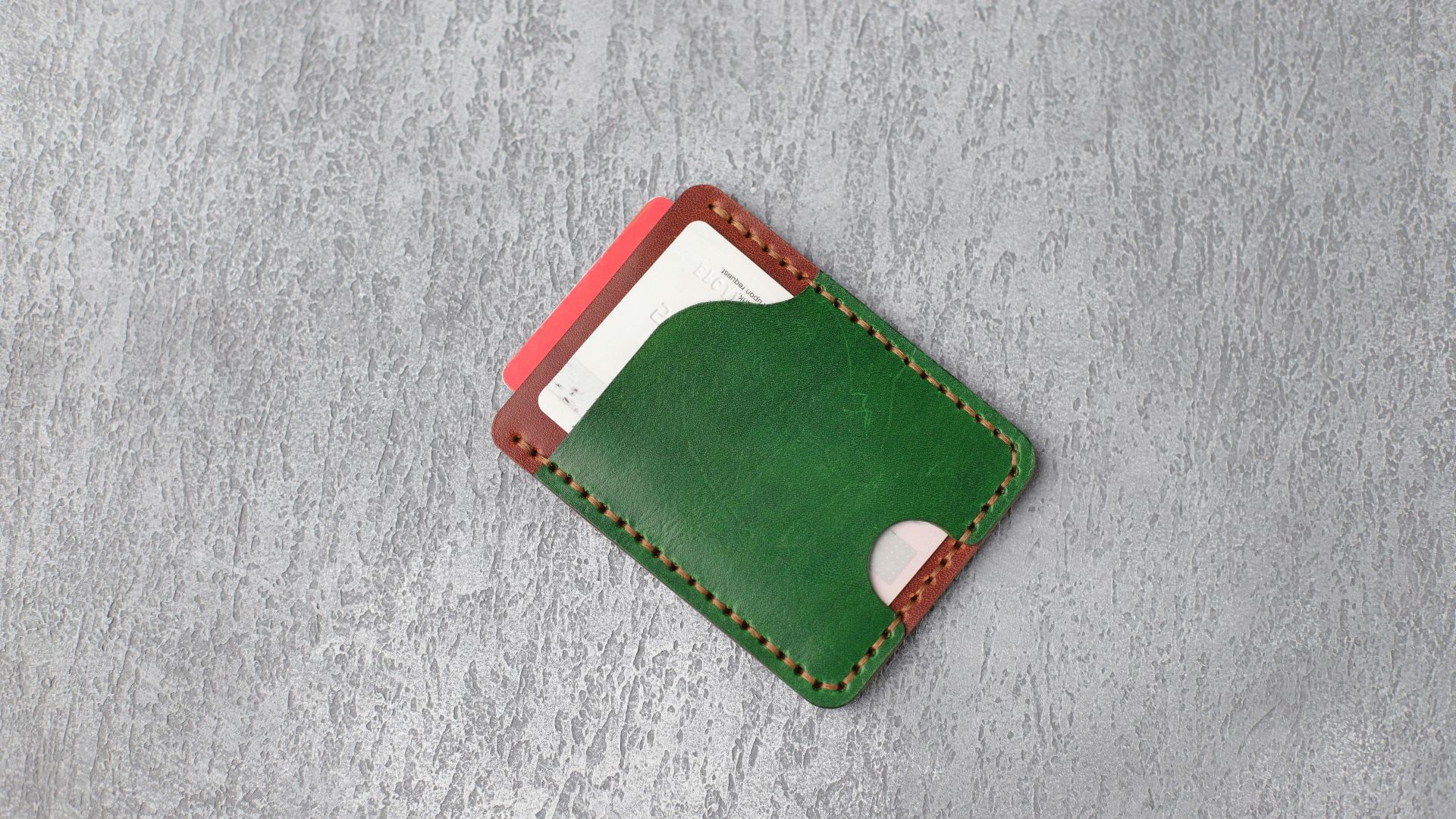
Someone asks to borrow your phone to make a call, send a message, or show a location. Even if they seem polite, handing over an unlocked phone creates an easy chance for them to run, access payment apps, or pull personal information. Offer to place the call on speaker yourself or decline and keep moving.
4. The Too-Insistent Directions Helper
A person approaches with directions you did not ask for, then insists on walking you somewhere or steering you to a specific shop. This can be a lead-in to a commission setup, an overpriced service, or a pickpocket situation. Use your own map, keep your route private, and avoid following anyone who pushes for it.

5. The Bracelet Or Flower Hand-Off
Someone places an item in your hand, on your wrist, or in your bag area and then demands payment. The pressure relies on embarrassment and the idea that you now owe them. Put it down immediately, avoid arguing, and leave the area.

6. The Spill And Apology Routine
A stranger bumps you and something spills, then they start helping you clean up with a lot of physical closeness. The cleanup is the distraction, and the real action is often hands moving near pockets and bags. Step back, secure your valuables, and handle cleanup yourself.

7. The Broken Machine Expert
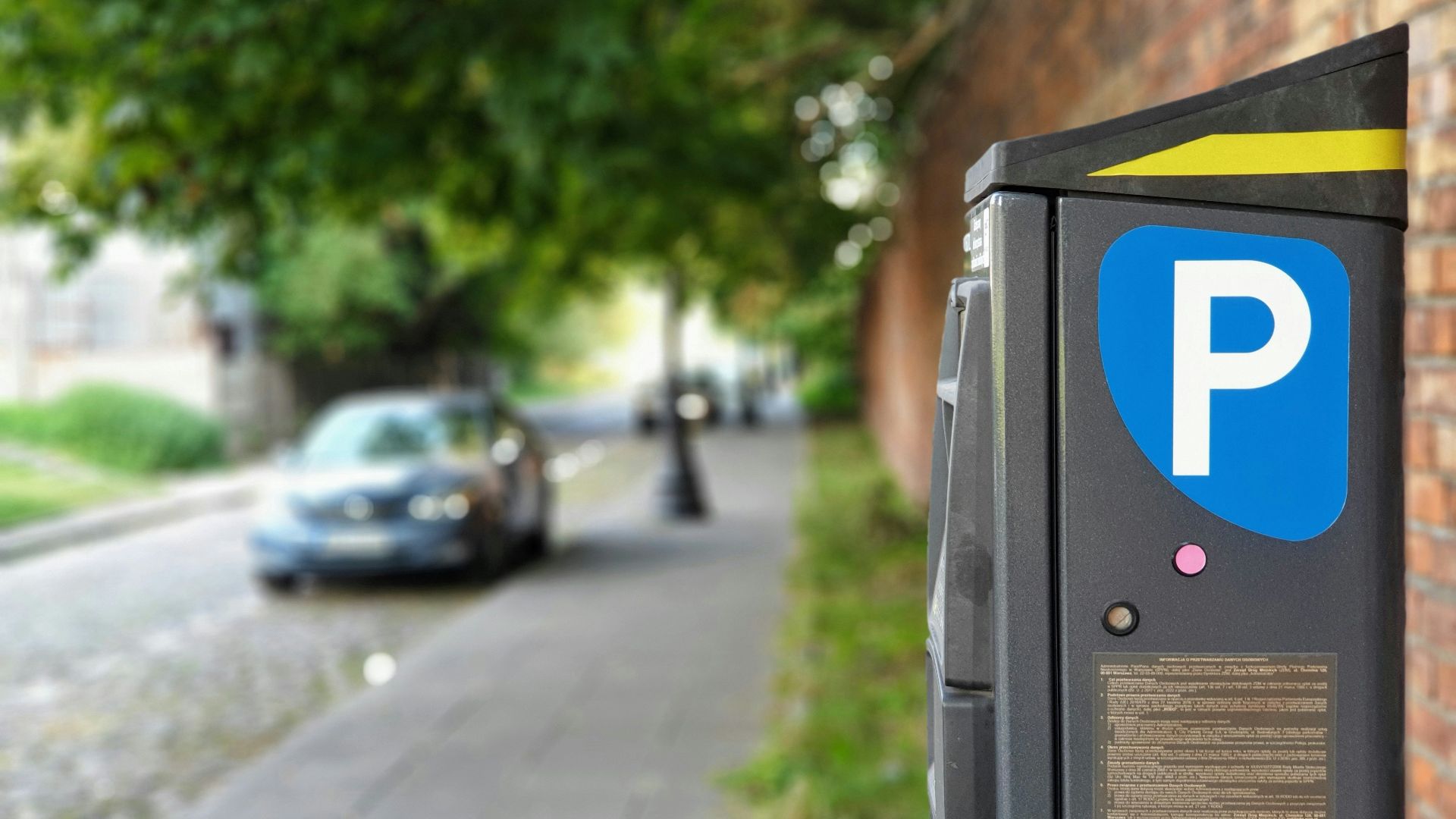
At a parking meter, ticket kiosk, or transit machine, someone offers to help because the machine is supposedly broken. They may try to get you to pay them directly, use a fake QR code, or guide you into an overpayment. Use official help buttons, posted numbers, or a staffed counter instead.
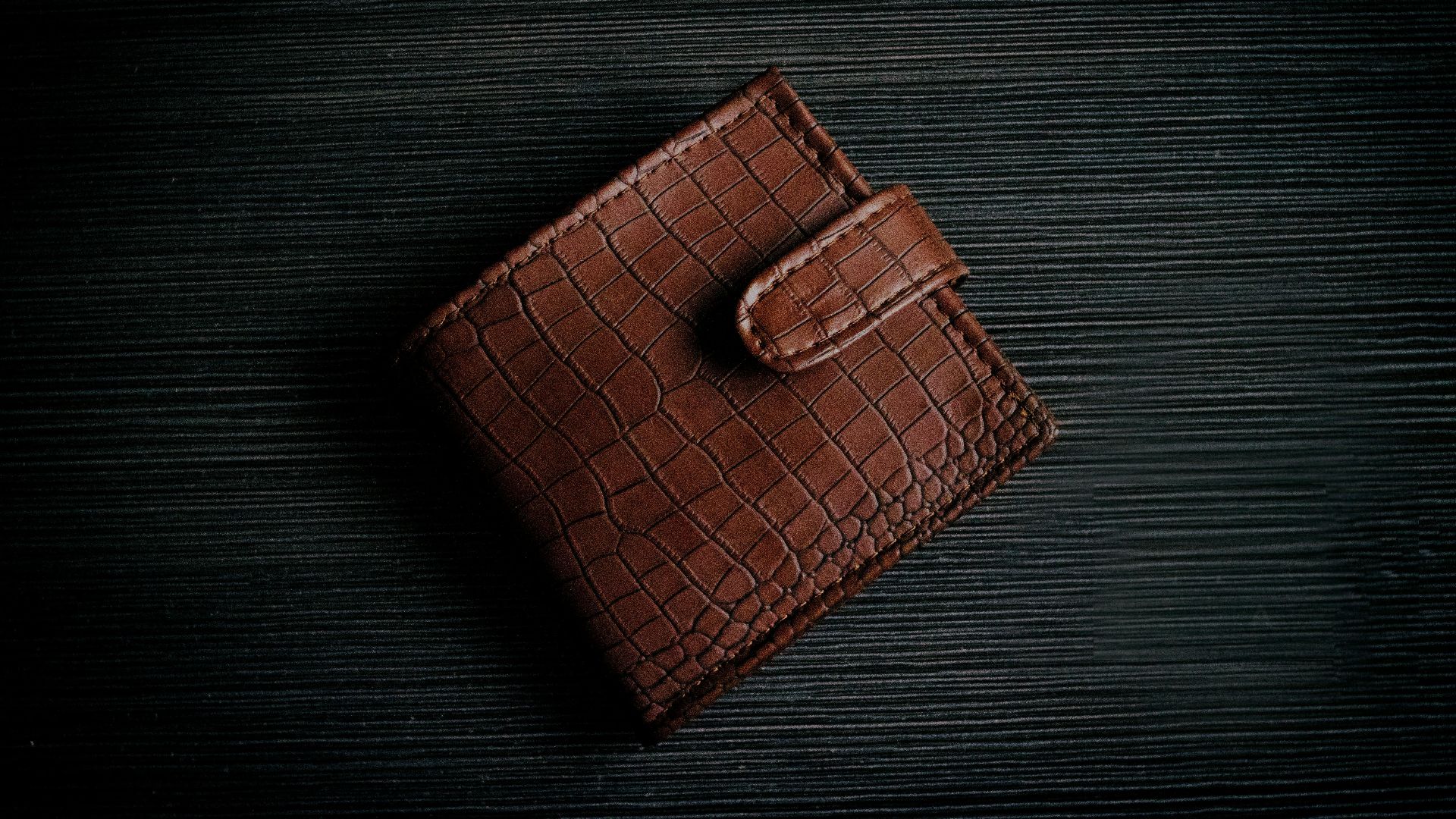
8. The Found Wallet Claim
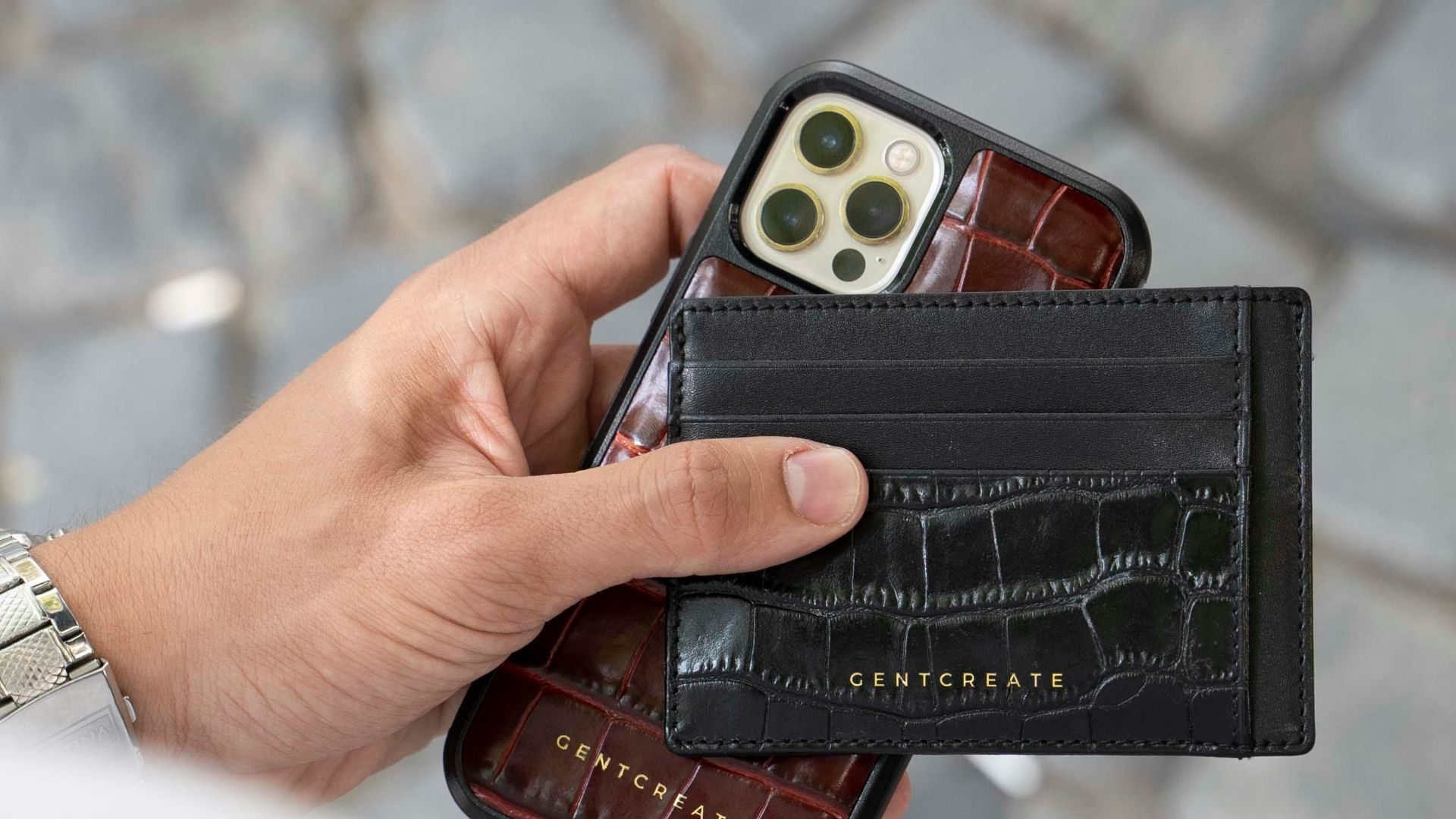
Someone says they found a wallet or phone and wants you to confirm it is yours or help locate the owner. This can pull you into an argument, a distraction, or a demand for a reward on the spot. Do not hand over your ID or cash, and suggest turning it in to a nearby business or police station.
9. The Fake Petition Or Clipboard Ask
A person with a clipboard asks you to sign something and then uses the moment to get close, block your path, or push for money. Even if the cause sounds familiar, the interaction is designed to keep you standing still with your attention split. Keep walking, keep your hands on your belongings, and do not engage.
 Centre for Ageing Better on Unsplash
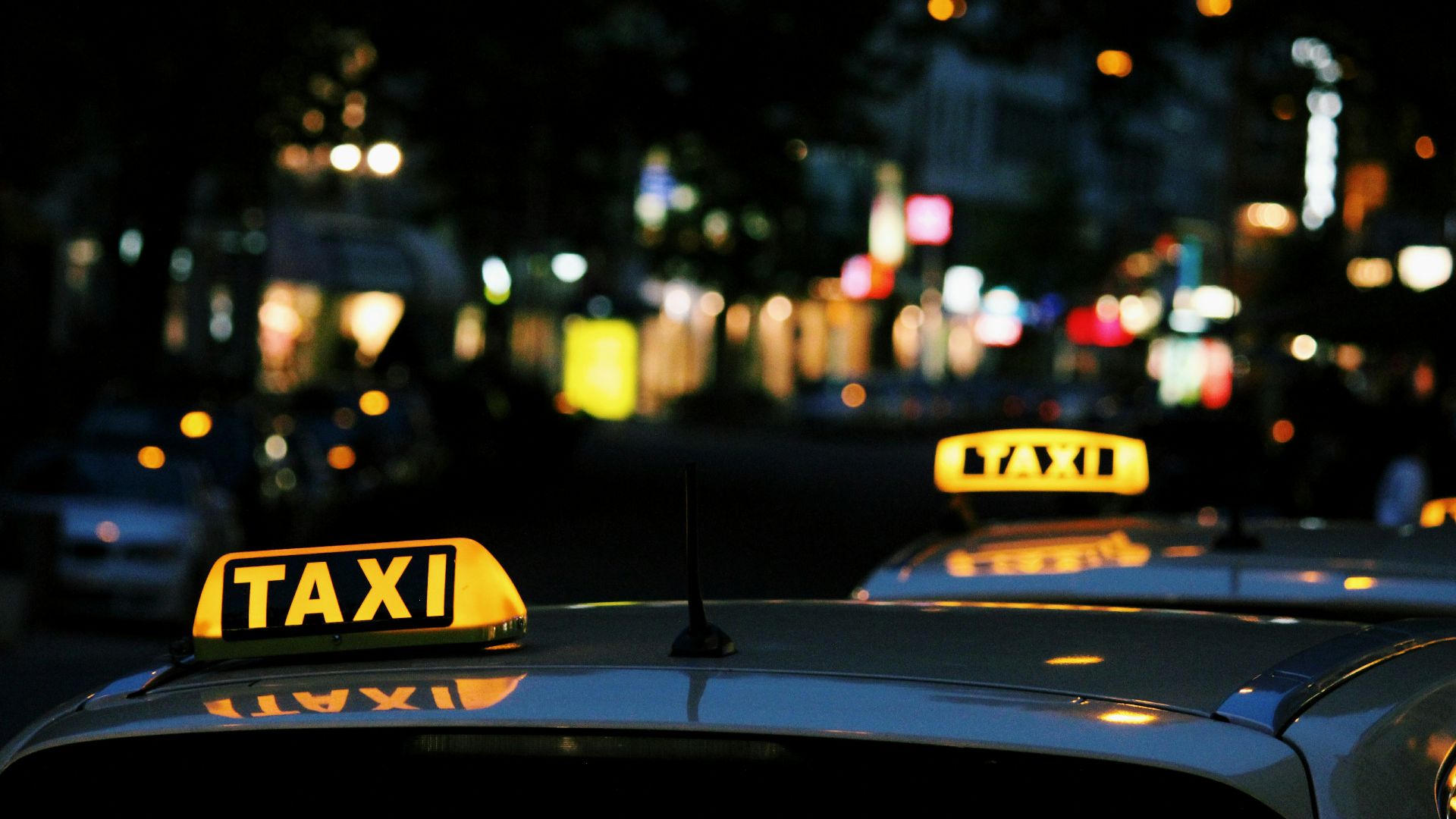
10. The Ride Offer From A Non-Driver
A stranger offers a ride outside a station, venue, or airport and insists they are cheaper or faster than official options. Unofficial rides can involve price gouging, unsafe situations, or being taken somewhere you did not plan to go. Use licensed taxis, verified ride apps, or official pickup areas even if it takes longer.
There are also times when a stranger’s help is genuinely useful, especially when it does not require handing over money, devices, or personal information. Here are ten examples.
1. Staff Help In Uniform At The Point Of Service
A transit employee, store worker, or venue staff member helping with directions or procedures is usually a safe kind of help. They are in a fixed location, accountable to an organization, and not trying to move you somewhere private. You still stay alert, yet the structure makes the interaction clearer.

2. Someone Alerts You About An Immediate Safety Issue
A person tells you your car lights are off, your bag is open, or you are about to step into something dangerous. This kind of help is specific, quick, and does not require a long conversation. A simple thank you and a quick check of your belongings is usually enough.

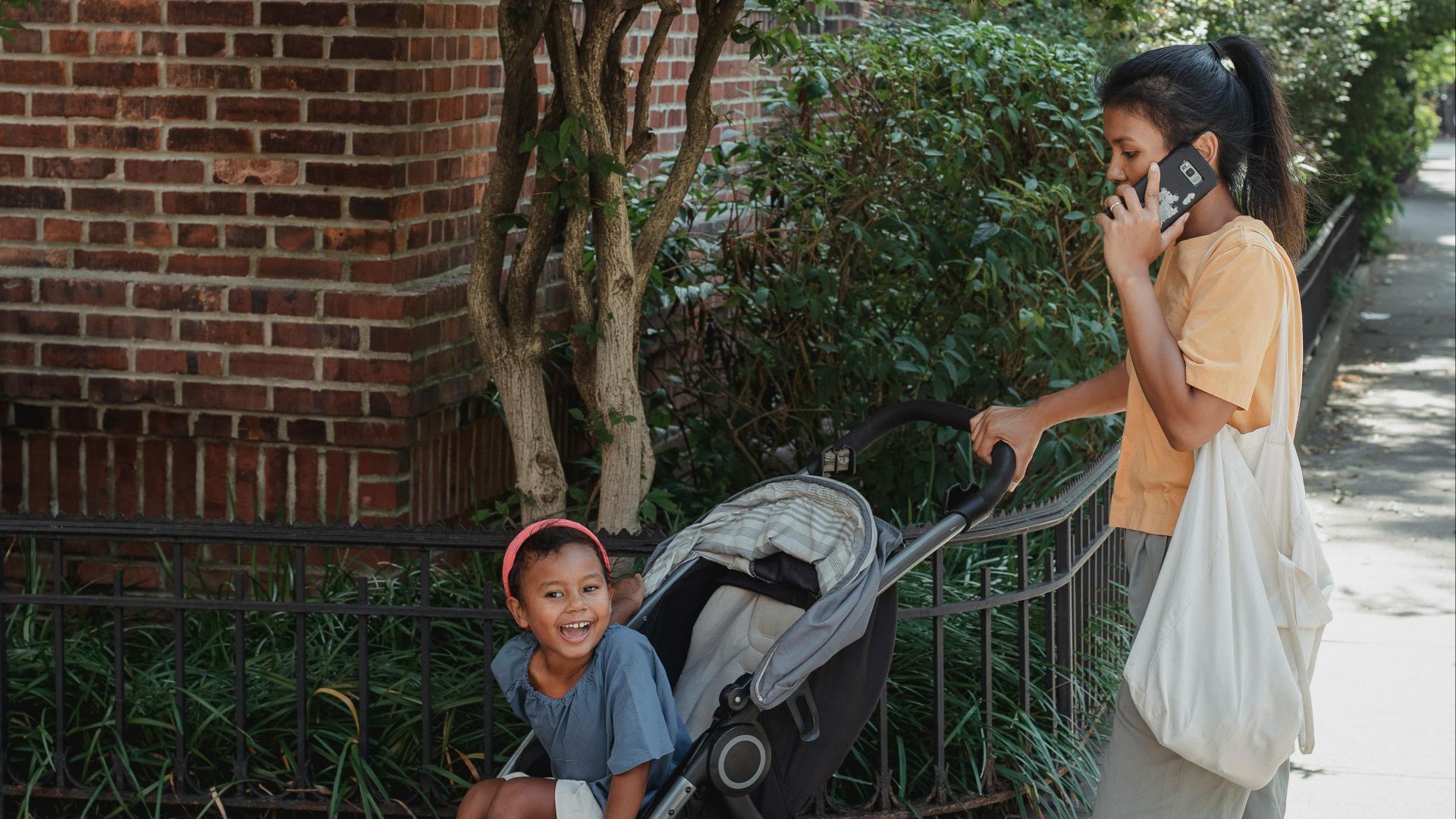
3. Help With A Stroller Or Heavy Door In A Public Place
Someone holding a door, giving space on stairs, or helping lift a stroller onto a curb is usually straightforward. It happens in full view of others and ends quickly. Keep your hands on your own bag and move along once the moment is done.
4. A Bystander Helps Locate A Lost Companion
In crowded places, quick coordination can matter when someone is separated from their group. Helpful bystanders often focus on getting staff involved, moving to a known meeting point, or calling attention without trying to take control. The best help keeps the situation public and routes it toward official assistance.
5. A Neighbor Offers A Basic Tool Or Practical Assist
A neighbor lending a jump start, a wrench, or a flashlight can be genuinely helpful, especially when it stays in the open and does not involve sharing personal details. Keep it limited to the task at hand and thank them clearly. If anything starts turning into pressure for money or access to your home, end it.

6. Someone Offers Clear Help During A Medical Emergency
In an emergency, people who call for help, bring water, or flag down staff can be useful. The best help looks like concrete actions that reduce harm and bring professional support. If someone tries to move the person unnecessarily or creates chaos, focus on calling emergency services and keeping space clear.

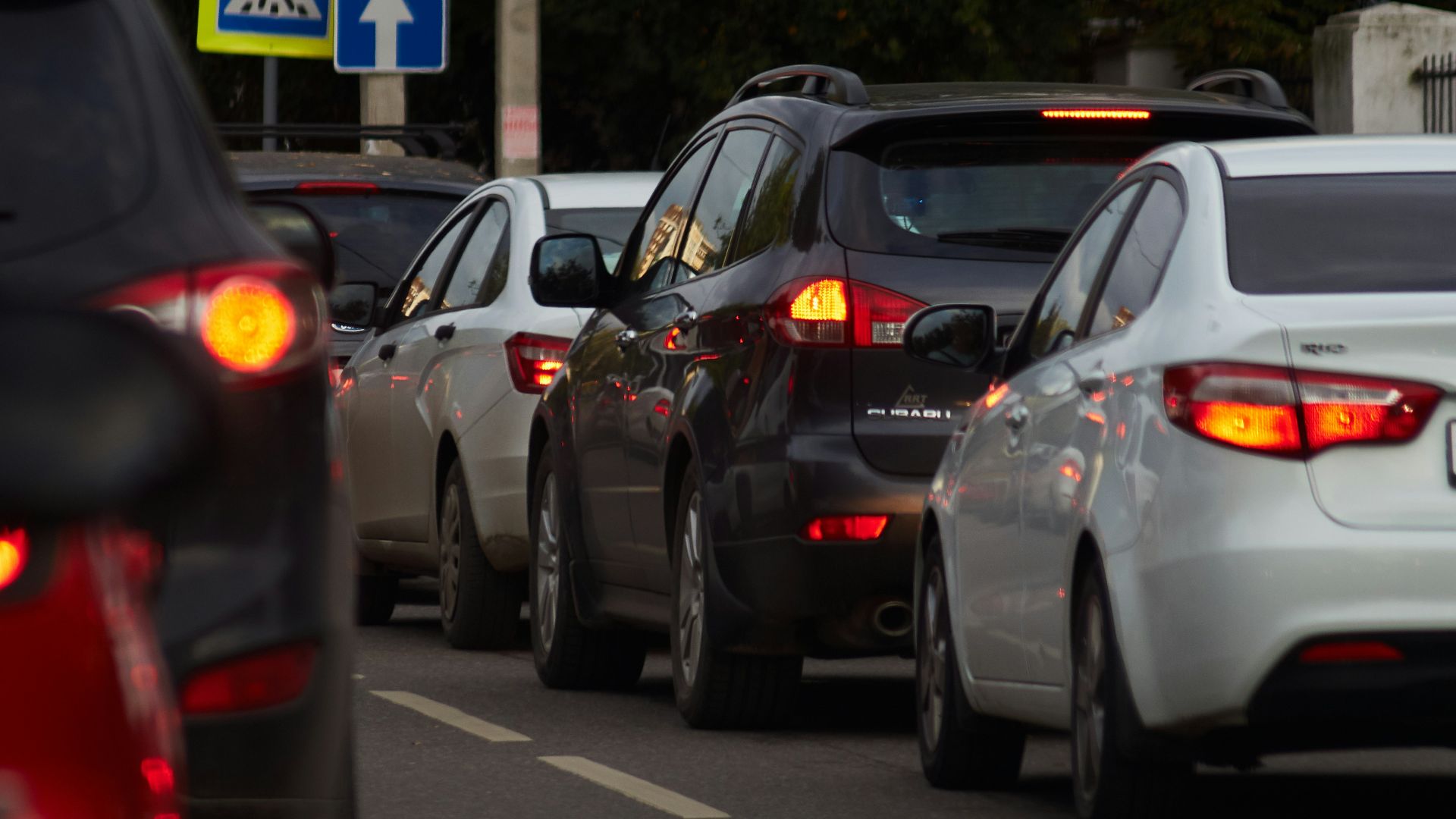
7. A Driver Allows You To Merge
Sometimes help is just someone easing a stressful moment in traffic or on a crowded sidewalk. It is brief, non-verbal, and does not create a follow-up obligation. Accept it, stay predictable, and keep going.
8. A Stranger Returns Something You Dropped
A person who hands you a dropped key, glove, or transit card and then steps back is usually acting normally. The lack of extra conversation and the quick exit are good signs. You still check that you have everything, yet the interaction is low-stakes.

9. Someone Gives Directions Without Walking You There
Safe help often looks like information, not escorting. A person points, names a landmark, or tells you which platform to use, then returns to what they were doing. You keep control of your route, and the help stays limited.

10. A Person Offers Help Without Needing Your Things
The most reliable help does not require you to unlock devices, hand over cash, or share personal details. It stays in public, it has a clear end point, and it does not escalate when you say no. When the help remains optional and calm, it is more likely to be real help.