Planning a vacation used to mean worrying about flight delays and lost luggage. Now, travelers face a more sinister threat that didn't exist a few years ago: AI-powered deepfakes that can convincingly impersonate airlines, hotels, and even your own family members.
The numbers tell a grim story about how quickly this threat has escalated. Global deepfake incidents surged tenfold from 2022 to 2023, according to research from identity verification firm Sumsub. Travel represents a particularly lucrative target for fraudsters due to the large amount of money that’s typically invested into a trip, not to mention the tight deadlines folks are working around. The combination of urgency and high stakes creates the perfect conditions for scams that can drain bank accounts before victims realize they've been duped.
When Your Dream Hotel Becomes a Nightmare

Fake booking websites have evolved far beyond the clumsy knockoffs of the past. Scammers now use artificial intelligence to create entire customer service ecosystems complete with chatbots that sound human and deepfake videos featuring people who appear to be legitimate company representatives. These fraudulent sites often rank high in search results and look nearly identical to real airline or hotel pages, down to the SSL certificates and professional design elements that are used to signal legitimacy.
The Asia-Pacific region alone saw losses between $18 billion and $37 billion annually from these types of scams, while North America experienced a staggering 1,740% increase in deepfake incidents. Criminals deploy increasingly creative tactics to hook victims, including QR codes at airports that redirect to phishing pages and voice-cloned representatives who pressure travelers into making instant wire transfers.
Many travelers encounter these scams when searching for last-minute accommodations or flight deals. The fake sites often advertise prices slightly below market rate to seem believable, and the AI-powered customer service agents can answer questions convincingly enough to overcome initial skepticism. Victims typically don't realize they've been scammed until they arrive at their destination and discover no reservation exists, at which point recovering the money becomes nearly impossible.
The Phone Call That Costs Thousands
Voice and video cloning technology has reached a level of accuracy that makes traditional verification methods nearly useless. Deepfake audio can achieve 85% accuracy from just three seconds of source material, meaning a brief voicemail or social media video provides enough data for scammers to convincingly impersonate someone you know. The travel context makes these scams particularly effective because people expect urgent calls from family members who might legitimately need help abroad.
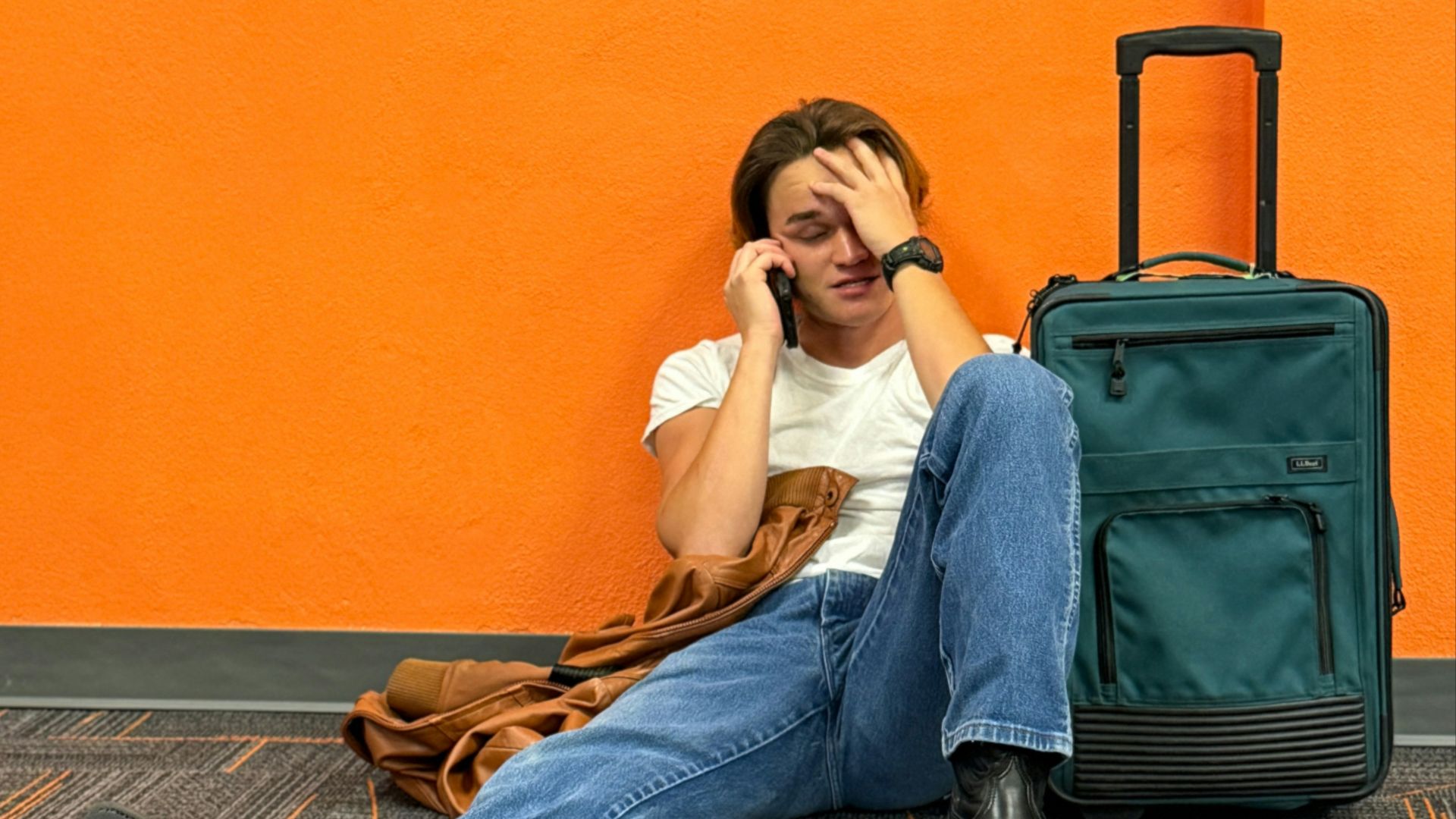
The typical scenario involves receiving a frantic call or video message from someone who appears to be a loved one stranded in a foreign country. They claim to have been robbed, hospitalized, or arrested and need immediate money wired through untraceable methods like cryptocurrency or gift cards. The emotional manipulation works devastatingly well, with 77% of voice-clone scam victims losing money, according to research tracking these incidents. Travel-related scams specifically saw a 700% spike in 2025 as fraudsters realized how effectively the "emergency abroad" premise appears to be working.
The sophistication of these attacks means that even cautious people fall victim. Video calls that once seemed like foolproof verification now can feature deepfaked faces that move and respond in real time. Scammers research their targets through social media to know who's traveling and when, then strike with perfect timing to make the emergency seem plausible. The average loss per incident can reach into the thousands or tens of thousands, depending on how much the victim can access quickly.
Fraudulent Fees and Official-Looking Imposters
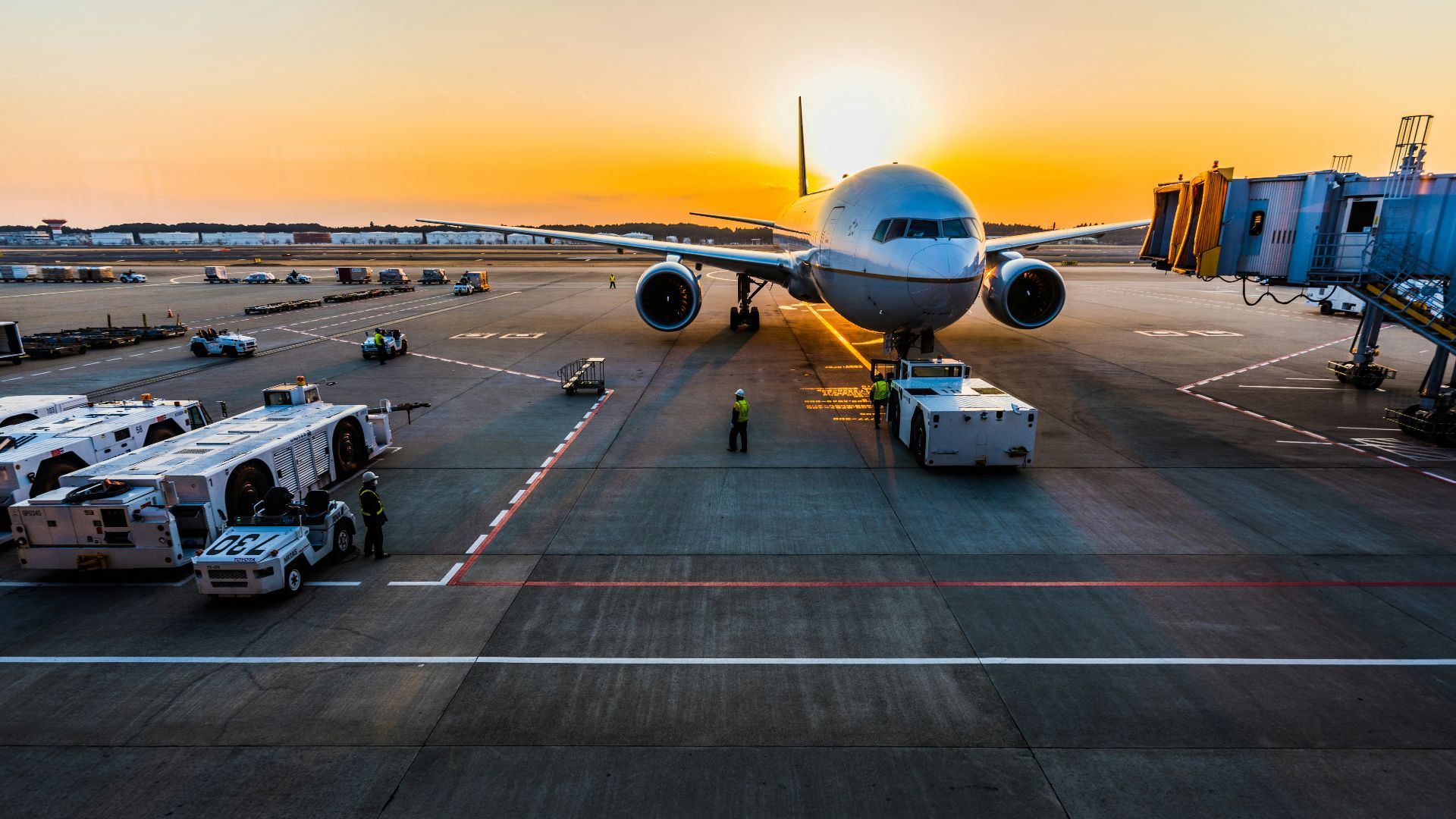
Airport and rental car scenarios present another avenue for deepfake exploitation. Scammers use AI to swap faces onto videos of official company representatives, creating convincing clips that demand additional fees or personal information at pickup counters. Identity verification systems that rely on facial recognition have been bypassed 704% more frequently due to face-swapping technology, creating vulnerabilities at the exact checkpoints meant to prevent fraud.
Cryptocurrency scams account for 88% of deepfake fraud incidents, and travel provides numerous opportunities to pressure victims into quick crypto transfers. The scenario often involves someone who appears to be a legitimate rental car agent or airline representative explaining that an immediate payment is needed to release a vehicle or resolve a ticketing issue. The deepfaked official instructs the victim to pay through cryptocurrency or wire transfer, claiming that traditional payment methods are temporarily unavailable due to system issues.
Phishing emails and chat messages generated by AI have become sophisticated enough to include personalized details about your actual travel plans. Generative AI crafts messages about flight cancellations or itinerary changes that look identical to official communications, complete with forged confirmation numbers and realistic formatting. UK deepfake fraud doubled in 2025, with 35% of businesses reporting being targeted by these types of attacks. Individual travelers face similar risks when criminals access booking data through various means and use it to create convincing fake communications.
Protecting Yourself in an Age of Digital Deception

The scale of this problem has reached what security experts genuinely consider epidemic levels. Fraud attempts using AI increased by 3,000% between 2022 and 2023, and projections estimate that generative AI fraud will cost Americans $40 billion by 2027. Southeast Asian consumers have been particularly hard hit, with 6% reporting they've fallen victim to AI voice scams specifically. Average business losses from deepfake incidents now reach $500,000 per occurrence.
Verification has become more complex than simply recognizing a voice or face. Travel forums now feature regular warnings about AI-voiced scam calls claiming to be from Airbnb hosts demanding payment through Venmo or other peer-to-peer services. The consistent advice from experienced travelers centers on using official apps exclusively and never wiring money based on unexpected requests, regardless of how urgent they seem. Reverse image searches can reveal when profile photos have been stolen, and calling back on known official numbers rather than the number displayed on caller ID prevents falling for spoofed contacts.
Two-factor authentication provides a critical defense layer, though it needs to be implemented properly to be effective. Video call verification can work if you ask personal questions that only the real person would know, though even this method has limitations as deepfakes improve. Using a VPN when making travel bookings adds protection by encrypting your data and making it harder for criminals to intercept booking confirmations. The fundamental shift required is treating all unexpected travel communications with suspicion, even when they appear to come from trusted sources, and independently verifying through official channels before taking any action or sending money.