
Small Decisions Make Big Bills
Renting a car should be the easy part of a trip, but it never seems to be, does it? The quote you booked online often isn’t the price you pay, and the difference usually shows up through insurance add-ons, timing rules, and a plethora of fees you didn’t know you had to pay. If you plan ahead of time, however, most of the costly mistakes are predictable, repeatable, and avoidable with a few minutes of attention. Use this list as a quick mental checklist before you grab the keys.

1. Skipping Your Existing Coverage Check
Plenty of people pay for damage waivers without realizing their credit card or personal auto policy may already provide rental coverage in certain situations. The catch is that coverage can vary by country, vehicle type, and reason for the claim, so you want clarity before the counter pitch starts.
 Mathias Bach Laursen on Unsplash
2. Buying Every Insurance Add-On
Rental counters are built for fast decisions, and bundling insurance products makes it easy to say yes to everything just to move along. Some add-ons overlap, and the only way to know is to compare what’s offered with what you’re already covered for.

3. Going Without Coverage When You Need It
Skipping a damage waiver can be fine if you’re truly covered elsewhere, yet it can be financially brutal if you aren’t. Rental contracts can make you responsible for repairs, loss of use, towing, and administrative charges, even if the damage is minor.

4. Prepaying For Fuel “Convenience”*
Prepaid fuel sounds like a great idea at first, but you’ll soon realize you’re paying for a full tank at the rental company’s price, then returning the car with leftover gas you already funded. A quick stop at a nearby gas station is usually cheaper and far less annoying.

5. Ignoring Mileage Limits
Some rentals come with unlimited miles, and some very much do not, especially on specialty vehicles or lower base-rate deals. When a contract includes a mileage cap, per-mile charges can add up quickly once you take an unplanned day trip or miss a turn and reroute.

6. Using The Toll Transponder Blindly
Many rental cars include toll devices that can make driving toll roads easier. However, the fees are usually anything but easy. Daily service charges, administrative fees, and processing delays can turn a few tolls into a much larger total.

7. Returning Without Refueling Properly
If the agreement says to return it full, the easiest way to lose money is to drop it off “close enough” and hope nobody cares. Rental refueling rates are often higher than local pump prices, and companies may add service charges on top of that. The last ten minutes of planning can save you the most irritating line item on your receipt.

8. Skipping Photos And Video At Pickup
A quick walk-around with clear photos takes less time than arguing later about a scrape you never caused. Capture the wheels, bumpers, windshield, and interior, since small damage claims often land in those spots. Doing the same at drop-off gives you a timeline, which is exactly what you need if a dispute shows up later.

9. Not Reading The Full Agreement
Rental agreements hide the rules that matter most, including fees, restrictions, grace periods, and what counts as “damage.” You do not have to memorize every clause, but you do need to understand parts that can cost real money, especially around insurance, fuel, and where you’re allowed to drive.

10. Assuming The Quote Is The Total
Online quotes look cost-effective at first glance. Unfortunately, taxes, location charges, and facility fees appear at checkout or on the final contract. Third-party bookings can add another layer, where the price shown and the price charged include different pieces of the total.

11. Paying For GPS And Tech Add-Ons
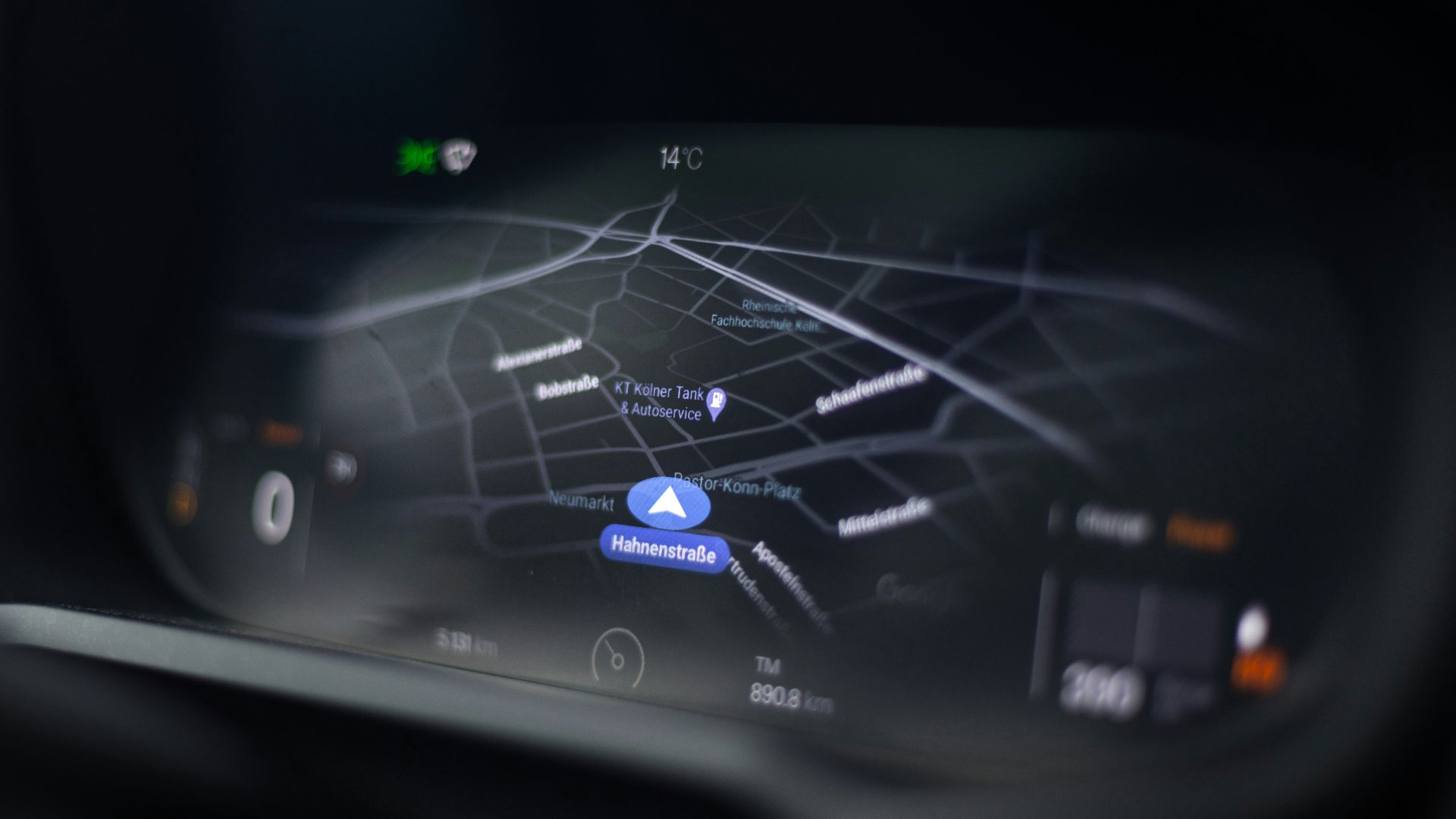
Paying extra for built-in navigation or Wi-Fi can be tempting, especially when you’re traveling somewhere unfamiliar. Most drivers already have a phone that handles maps and audio well, and a simple mount plus a charging cable often solves the problem.
12. Not Noticing Extra Driver Fees
Adding a second driver usually includes an extra per-day charge attached to your rental agreement. Some programs waive the fee in specific situations, while others charge regardless, and age-related surcharges can raise it further.

13. Renting Only At The Airport
Airport rental locations can be convenient, but that convenience often comes with higher base rates and extra fees tied to the facility. Off-airport branches sometimes price the same car lower, and they can have fewer location-related charges.

14. Waiting Until The Last Minute
Last-minute rentals can cost more simply because inventory is tight and demand is high, especially around holidays and big events. When options shrink, you lose negotiating power and end up paying premium rates for whatever is left on the lot.

15. Forgetting About Age Surcharges
Drivers under 25 often face extra daily fees, and some markets add restrictions or surcharges at higher ages as well. These policies are baked into rental economics and insurance risk models, so arguing at the counter rarely changes anything. If age-related pricing applies, it can easily become one of the biggest additions to your total.

16. Returning Late Past The Grace Period
Rental timing is not always forgiving, and being a few minutes late can turn into an extra day charge depending on the company and the contract. Some locations allow a short grace period, but not all.

17. Driving Where You’re Not Allowed
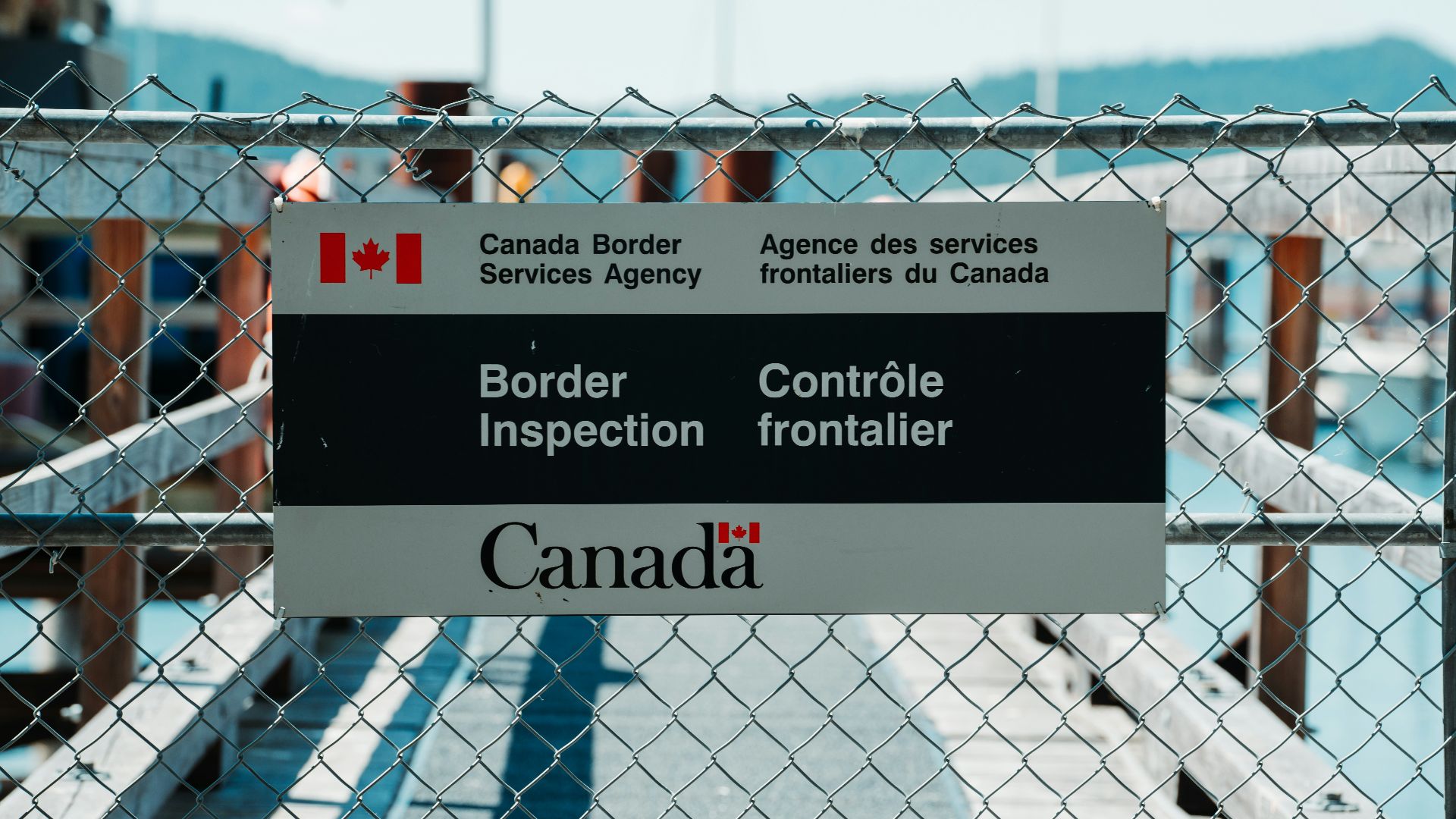
Taking a rental across borders, onto certain roads, or into restricted areas can violate the agreement and trigger penalties. Even worse, it can void coverage, leaving you on the hook if something happens during the “off-limits” part of the trip.
18. Returning It Filthy Or Smoky
Rental companies can charge cleaning fees for excessive dirt, smoke smell, sand, pet hair, or stains that require detailing. The expensive version of this mistake usually comes from thinking a quick shake-out is enough when the interior clearly says otherwise. Ten minutes with a vacuum and a wipe-down can prevent a charge that feels personal.

19. Not Watching Your Statements Afterward
Rental charges do not always end when you hand over the keys, since tolls, tickets, and post-return damage claims can arrive later. Some fees hit your card as separate transactions, and they can be easy to miss if you only look at the first receipt.

20. Assuming You Have No Recourse
When a surprise fee shows up, plenty of people sigh, pay it, and move on, even when the charge is wrong or poorly documented. Disputing through the rental company, escalating within their customer service system, and using card issuer protections can work when you have photos, timestamps, and clear notes. Walking away quietly is the most expensive option, especially when the paper trail is on your side.