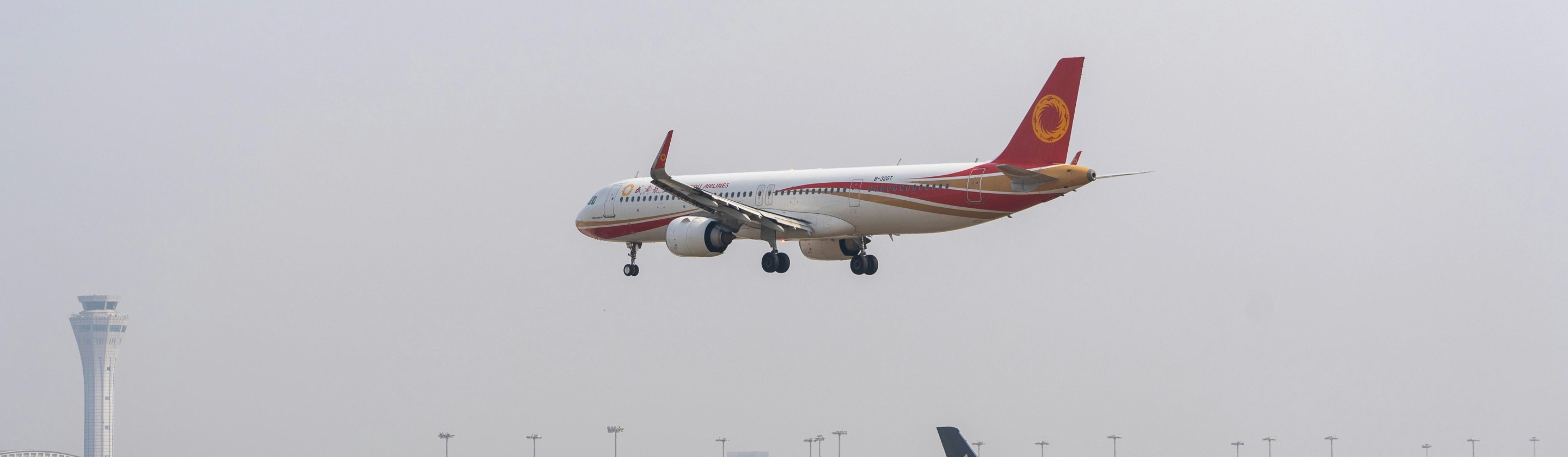
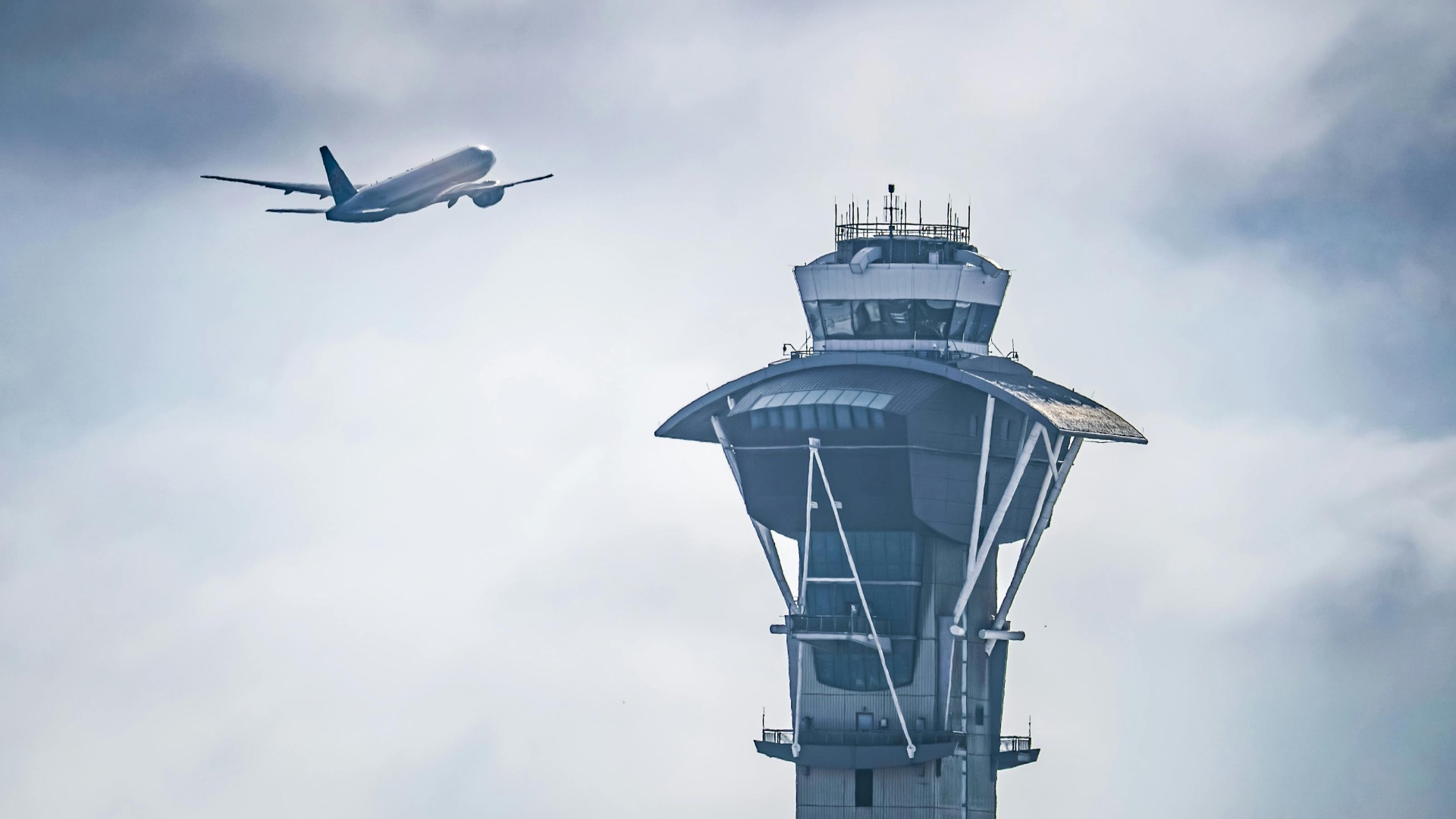
When you think about high-stress careers, jobs like surgeons or firefighters probably come to mind first. But there's another profession that operates under equally intense pressure but often flies under the radar: air traffic control. These specialists work behind the scenes at airports and tower centers worldwide, making important decisions that directly impact the safety of thousands of passengers every single day.
The mental and physical demands of this career are extraordinary, requiring controllers to maintain perfect focus for hours while managing multiple aircraft simultaneously. It's a job where a single mistake can have catastrophic consequences, yet the public rarely sees or understands the immense responsibility these professionals shoulder. Let's explore why air traffic control consistently ranks among the most challenging and stressful occupations in the world.
The Mental Demands Are Relentless
Air traffic controllers must process an overwhelming amount of information at once while maintaining absolute accuracy. According to the Federal Aviation Administration (FAA), controllers are responsible for managing thousands of flights daily, each requiring constant monitoring and precise instructions. They're essentially conducting a high-stakes orchestra where every instrument must hit its mark perfectly, and there's no room for error. The cognitive load is immense, as controllers must track—and communicate—aircraft positions, weather conditions, flight paths, and potential conflicts all at the same time.
The job demands sustained concentration that goes beyond what most people can imagine maintaining. You can't zone out for even a moment when you're responsible for preventing mid-air collisions or ensuring planes land safely during severe weather. Controllers typically work in shifts because the human brain simply can't maintain that level of focus indefinitely. The Bureau of Labor Statistics notes that many controllers work evening, night, and weekend shifts, which further compounds the mental strain by disrupting normal sleep patterns and social rhythms.
Beyond the immediate demands of the job, controllers must also stay current with constantly evolving technology and procedures. Aviation systems are becoming increasingly sophisticated, requiring continuous training and adaptation. They need to master complex radar systems, navigation technology, and communication protocols while staying updated on changing regulations. This means the learning never stops, even for experienced controllers who've been in the field for decades.
The Stress Levels Are Off the Charts
The psychological pressure of knowing that lives depend on your every decision creates a unique form of chronic stress. Air traffic control consistently ranks among the most stressful occupations in various workplace studies, and it's not hard to understand why. Every instruction you give to a pilot could mean the difference between a routine flight and a disaster. The weight of that responsibility doesn't leave you when your shift ends; many controllers report difficulty sleeping or relaxing because their minds keep replaying scenarios and decisions from work.
The National Air Traffic Controllers Association has long advocated for better working conditions because the stress takes a measurable toll on controllers' health. Studies have shown that air traffic controllers experience higher rates of cardiovascular disease, hypertension, and mental health issues compared to the general population. The constant state of alertness your body maintains during shifts triggers stress hormones that can have long-term negative effects.
Emergency situations amplify this stress to extraordinary levels. When bad weather strikes, when aircraft experience mechanical failures, or when unexpected events occur, controllers must remain calm and make critical decisions in seconds. There's no time to consult with colleagues or look up procedures when a plane is in distress. You have to rely on your training and experience while managing your own stress response. The ability to stay composed when everything is going wrong is perhaps the most challenging aspect of the entire profession.
The Barriers to Entry Are Extremely High
Becoming an air traffic controller isn't something you can decide to do on a whim; the qualification process is rigorous and eliminates most candidates. The FAA requires applicants to complete specialized training at the FAA Academy, and only a fraction of those who start the program actually finish. You'll need to pass extensive medical examinations, background checks, and aptitude tests before you even begin training.
Age restrictions add another layer of difficulty to pursuing this career. According to FAA regulations, you must begin your career before age 31, and controllers are required to retire at age 56. This means the window of opportunity is relatively narrow compared to most professions. The early retirement age exists because the job's demands are so taxing that maintaining the necessary level of performance becomes increasingly difficult with age. It's a recognition that this isn't a career you can sustain for a typical working lifetime.
The training itself is intensive and continues long after you're hired. New controllers spend months or even years working under supervision before they're certified to work independently. During this period, you're constantly evaluated and must demonstrate proficiency across various scenarios and conditions. The washout rate remains high even after initial training because not everyone can handle the pressure when real aircraft and real lives are involved. After all, it's one thing to manage simulated traffic in a classroom, but it's an entirely different thing when you're working in a busy tower or control center with actual planes hanging onto your every word.