Clean Comfort In Air
Flights can leave travelers feeling uncomfortable and less than refreshed by the time they land. Cabin conditions, long sitting periods, and limited facilities all affect personal hygiene during extended air travel. Preparing ahead makes a noticeable difference in how you feel throughout the journey. These practical tips help maintain cleanliness and comfort from boarding until arrival. Keep reading to stay fresh in the air.
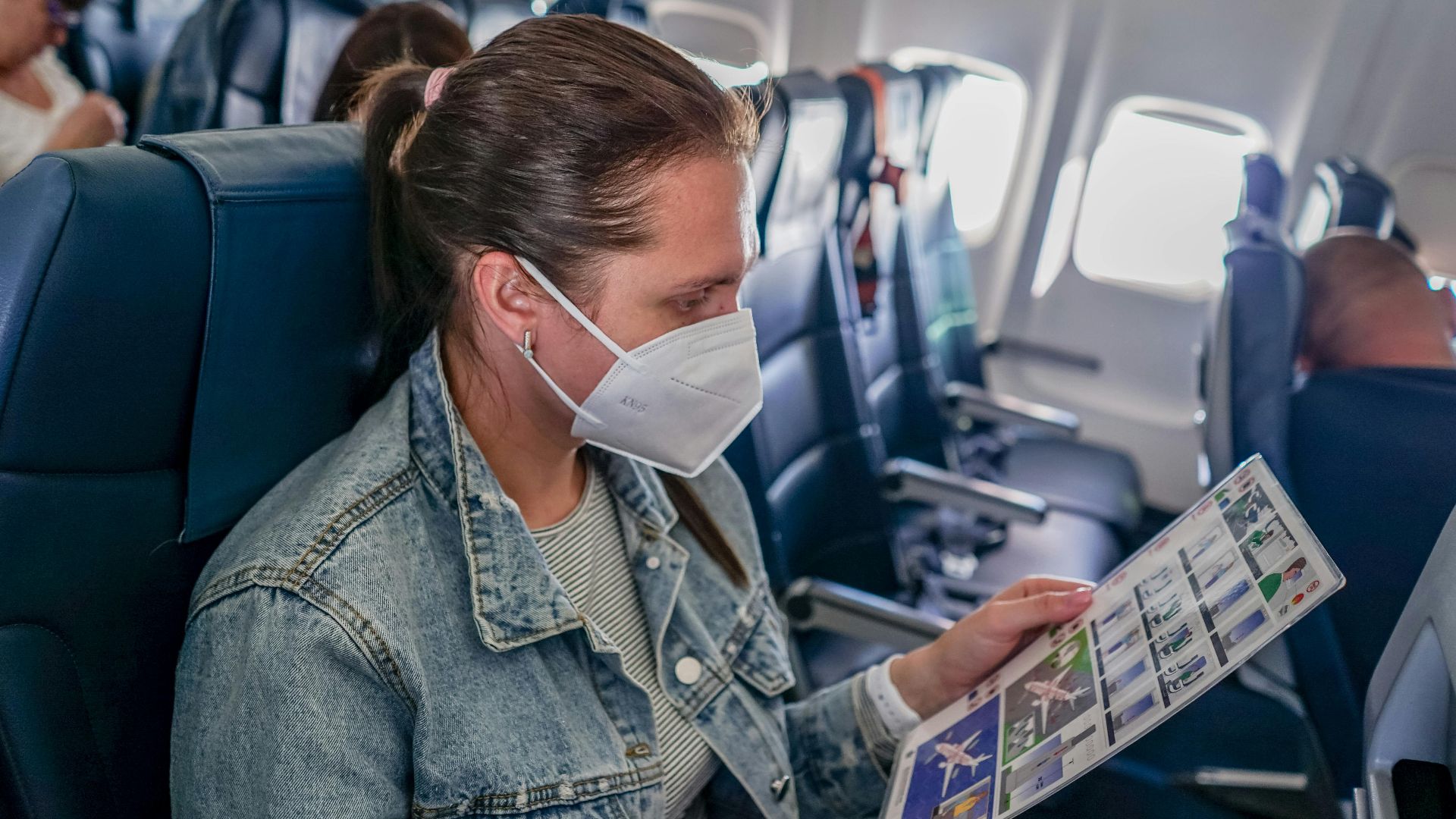
1. Pack Cleansing Wipes
Cabin air drops to brutal 10–20% humidity levels, leaving your skin grimy and dehydrated within hours. Facial wipes remove this buildup instantly without needing water or violating TSA's 100ml liquid restrictions. They're your quickest refresh option when airplane bathrooms offer minimal space for proper washing.
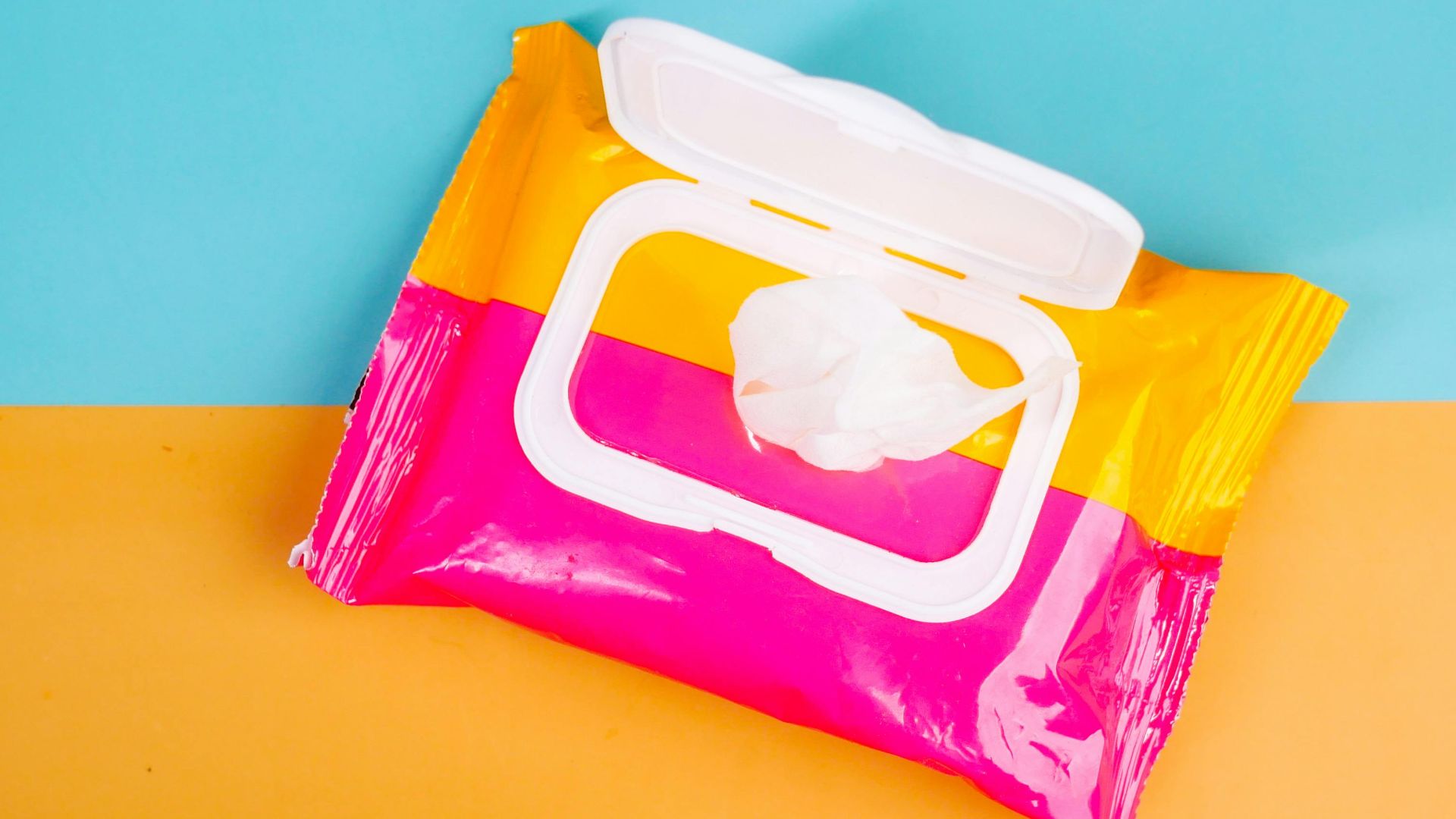
2. Apply Foot Powder
Powder absorbs moisture before it creates sweaty, smelly feet trapped in shoes for hours. It reduces friction and discomfort while your feet swell slightly from altitude and sitting. Podiatrists recommend antifungal or talc-based versions specifically for managing extended wear in enclosed footwear.
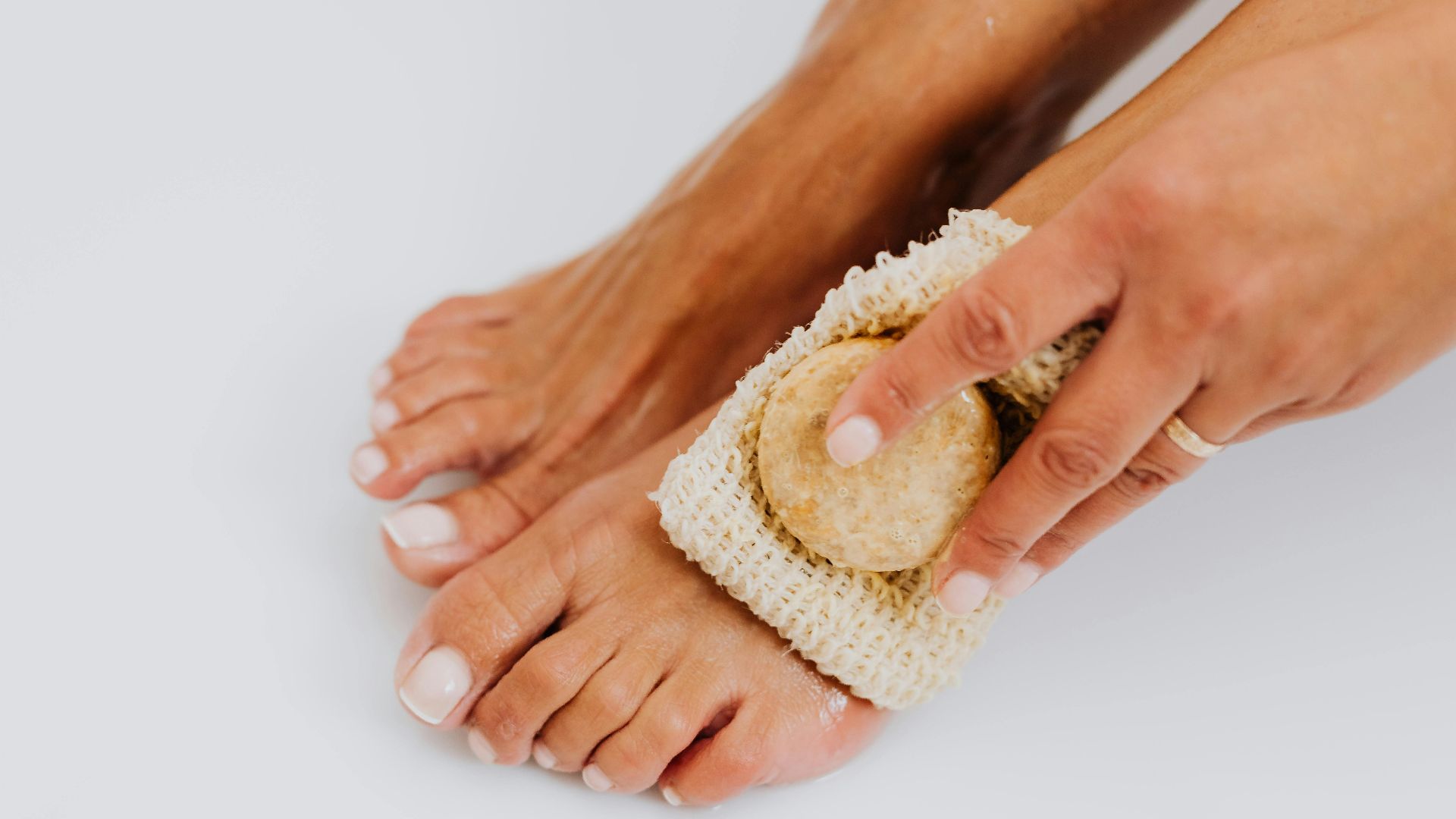
3. Clean Your Seatbelt Buckle
Seatbelt buckles are handled by every passenger and rarely disinfected between flights. A quick wipe removes bacteria before repeated contact with your hands and clothing. This small step reduces germ transfer during constant adjustments throughout the journey.
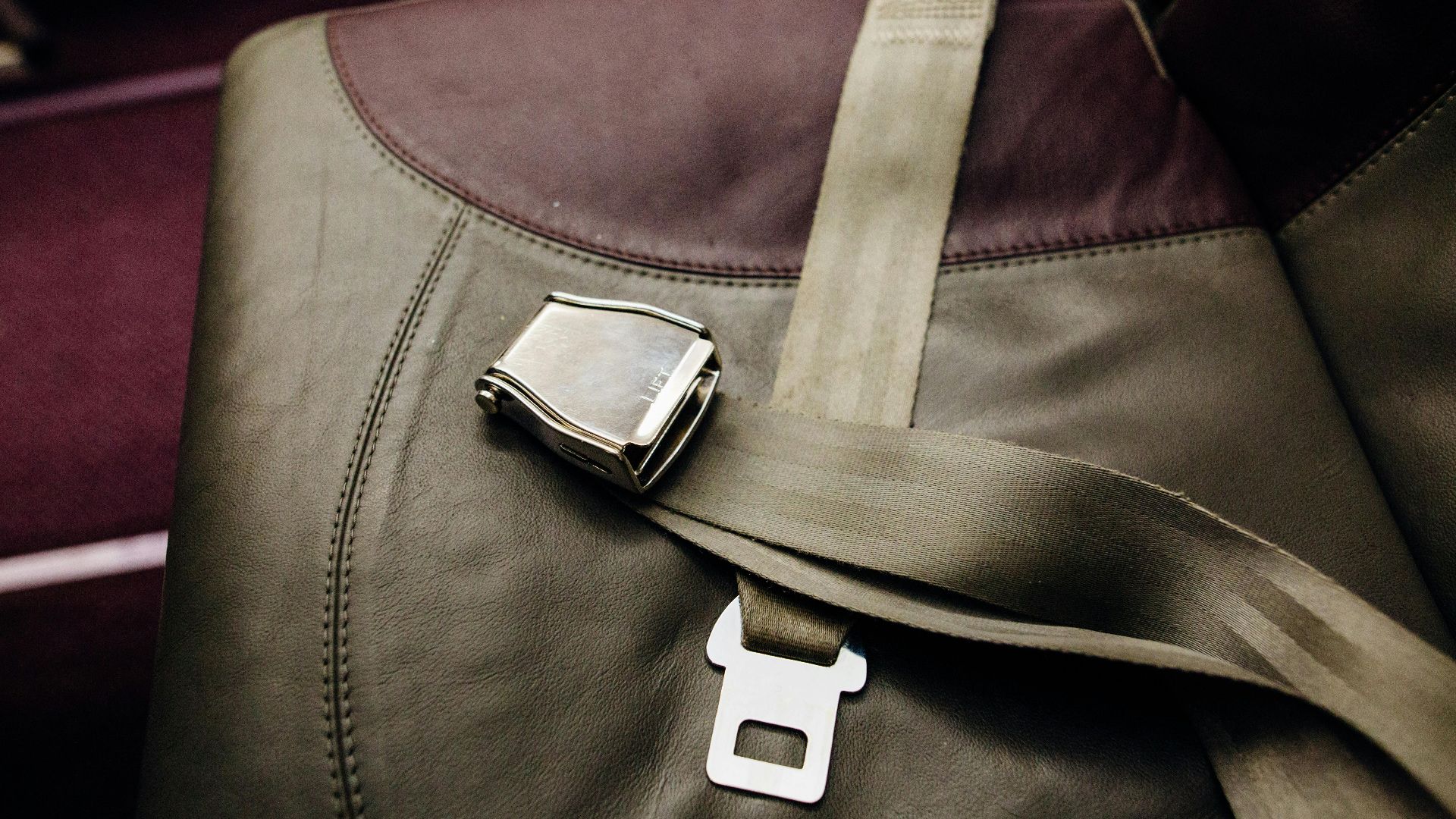
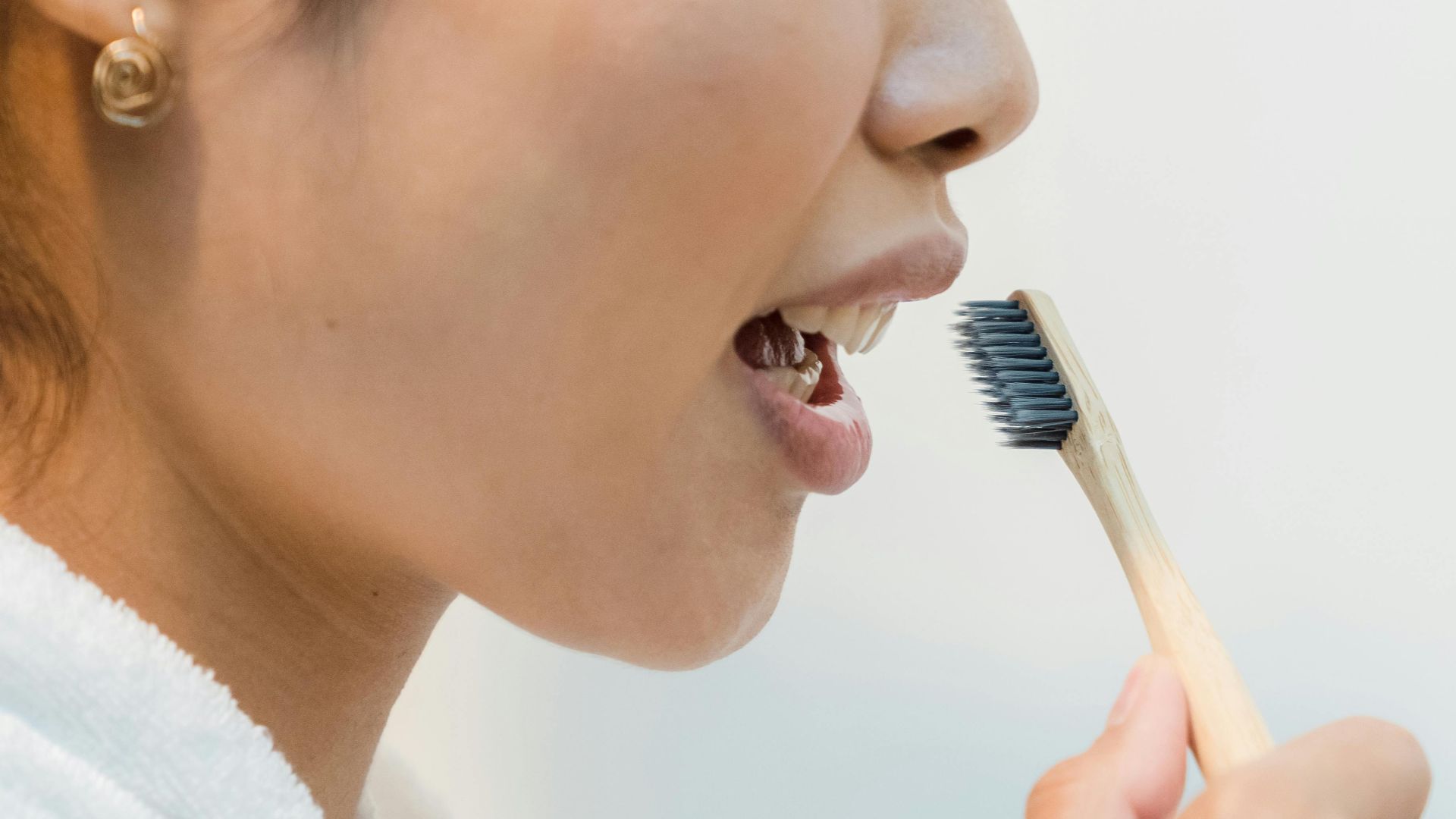
4. Brush Teeth Mid-Flight
Dry cabin air and recirculated breathing worsen bad breath dramatically after meals or snacks. Brushing removes food particles while refreshing your mouth when you've still got hours before landing. Travel-sized toothpaste fits TSA requirements perfectly.
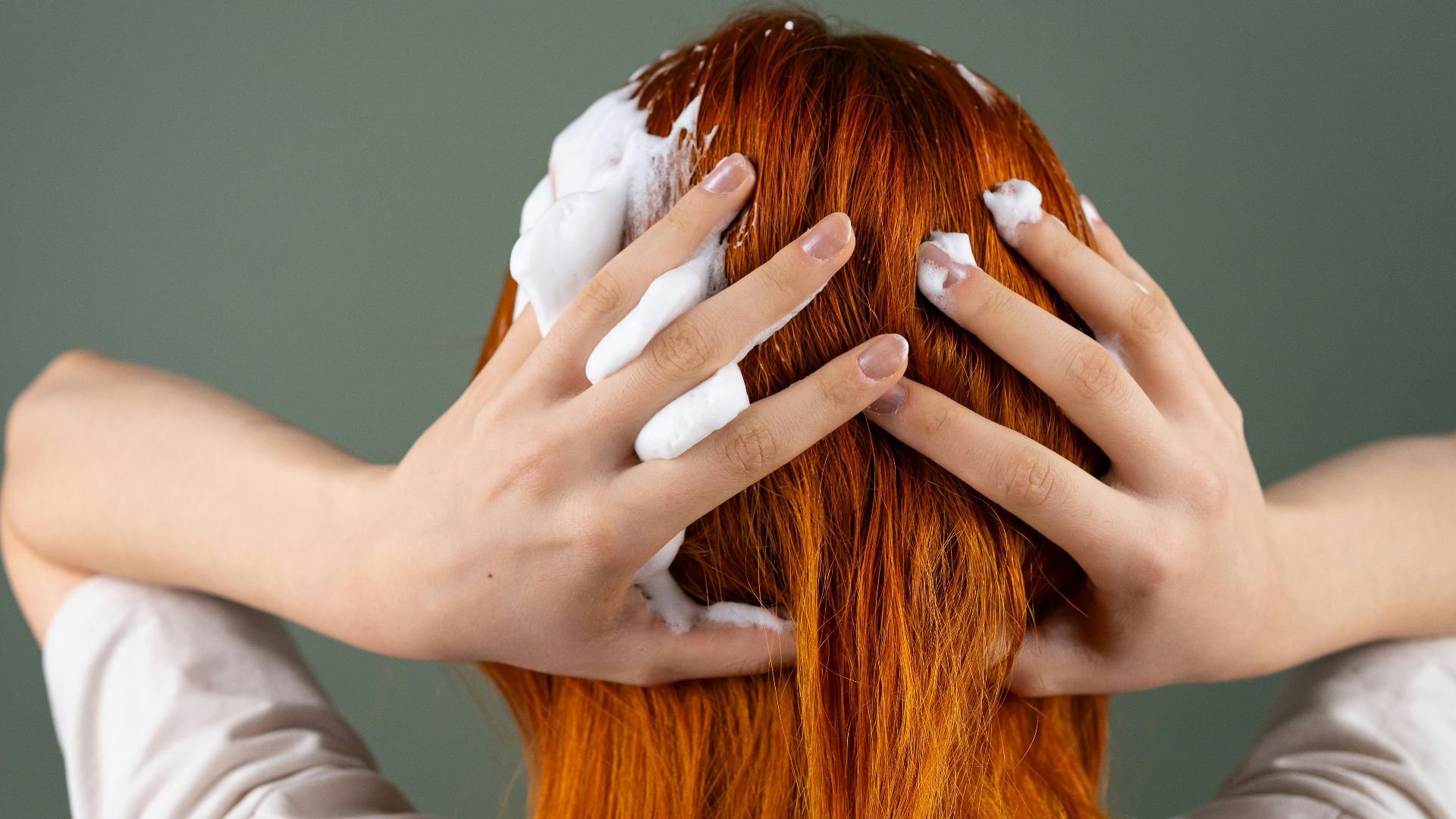
5. Try Dry Shampoo
Your hair turns oily fast when zero humidity and no washing options exist for 12-plus hours. Dry shampoo absorbs excess oil and also revives volume and freshness without requiring any water. Aerosol versions apply easily in cramped lavatories and turn greasy strands into presentable hair again.
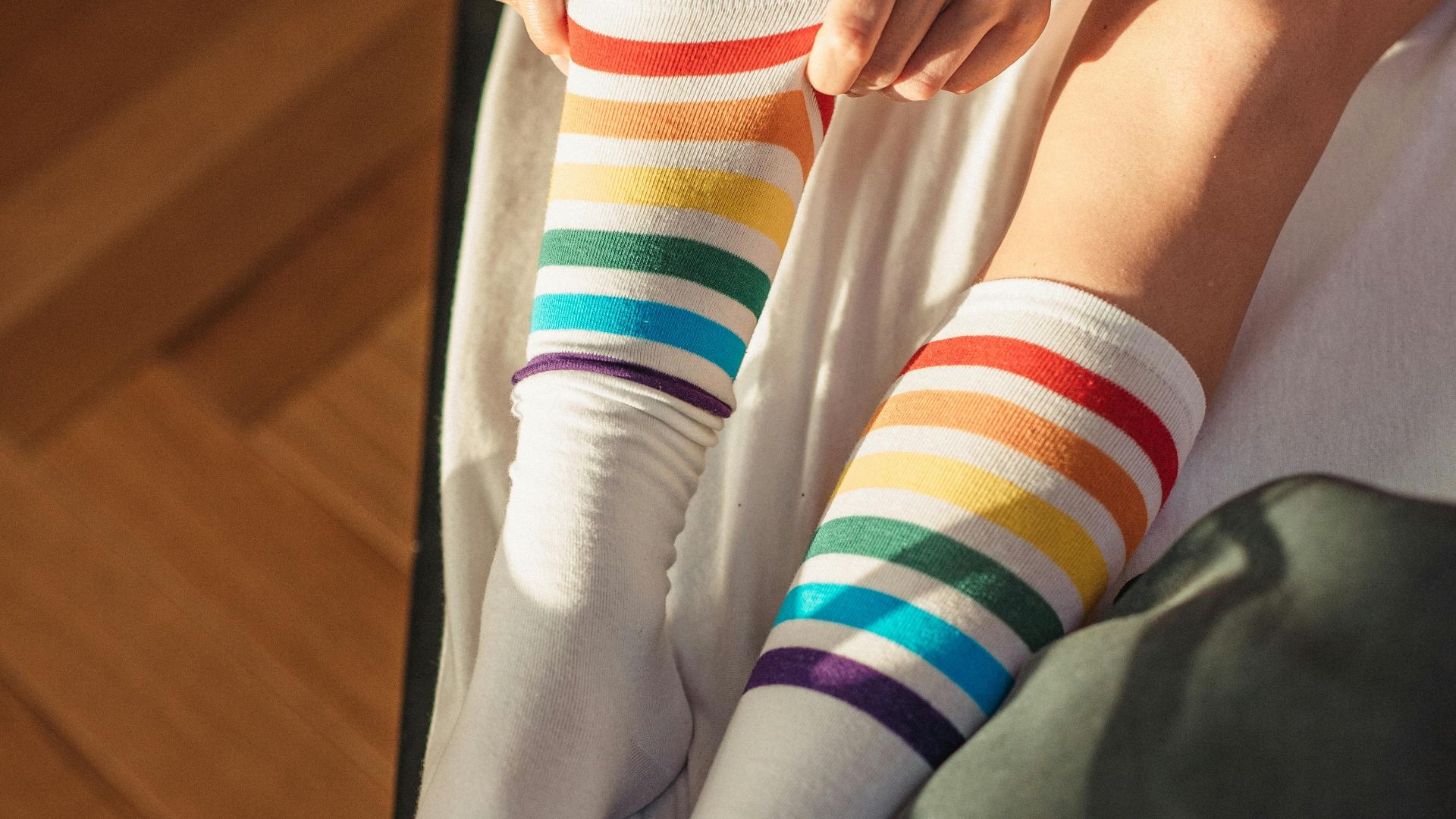
6. Change Your Socks
Fresh socks mid-flight prevent the odor and dampness from building up from feet sweating in enclosed shoes. Long periods of motionless sitting create moisture you'll definitely notice as discomfort increases. This simple switch takes minimal luggage space but dramatically improves how the second half feels.
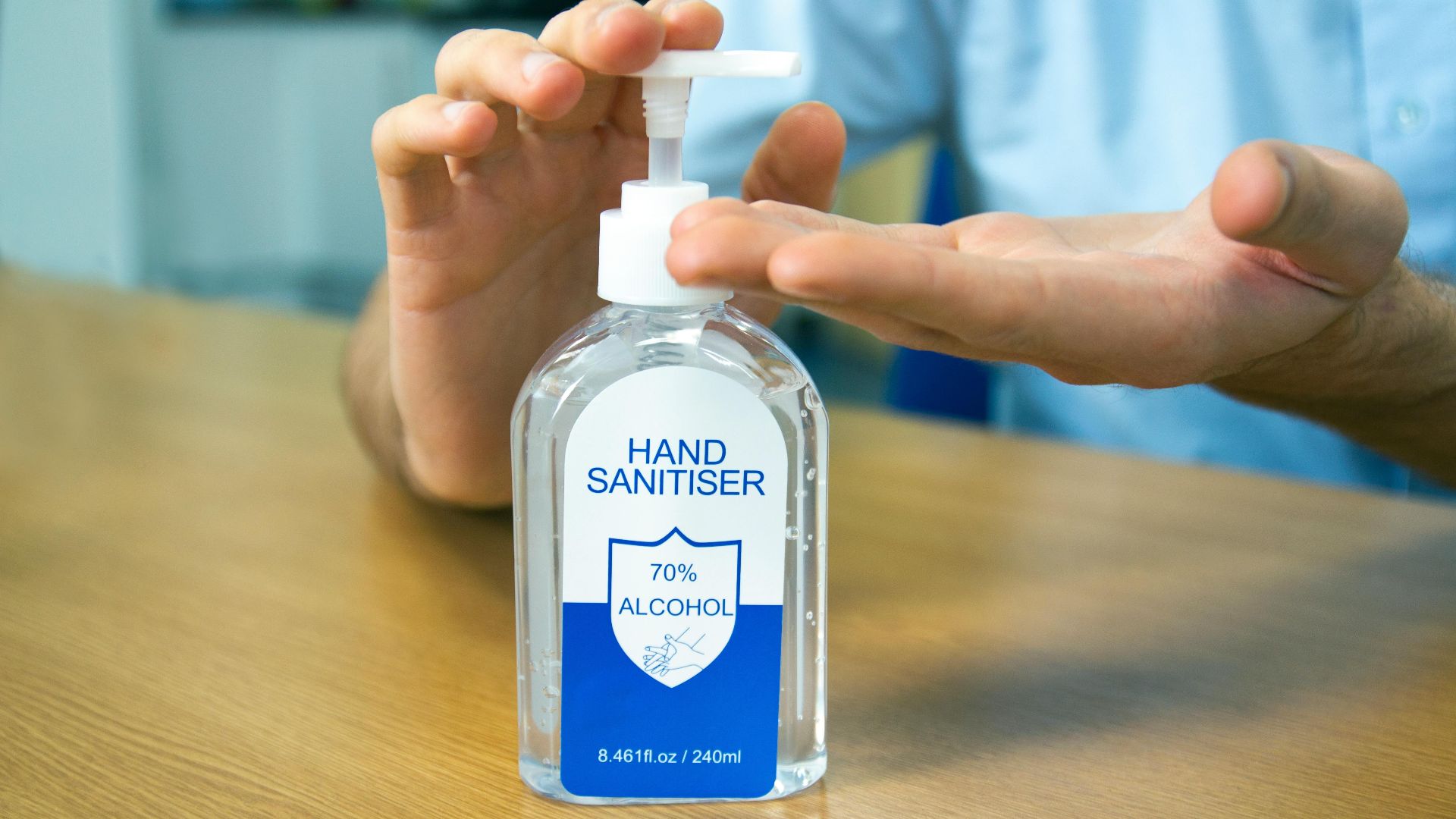
7. Sanitize Hands Frequently
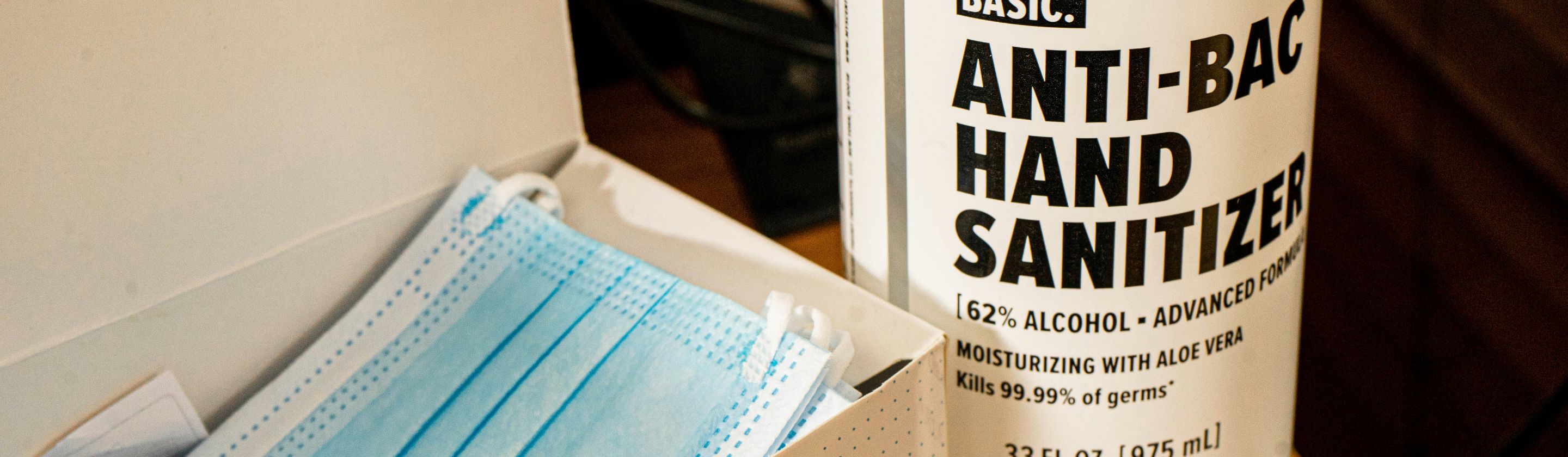
High-touch surfaces like tray tables and armrests harbor more bacteria than lavatory flush buttons. Hand sanitizer reduces germ transfer when soap and water aren't readily accessible from your cramped seat. Frequent use becomes essential for illness prevention in close quarters with hundreds of strangers.
8. Use Blotting Papers
Cabin dryness tricks your skin into overproducing oil as a protective response to dehydration. Blotting papers control this excess shine without disturbing makeup or requiring additional products. They're completely mess-free for quick touch-ups that don't demand hauling out your entire cosmetics bag.
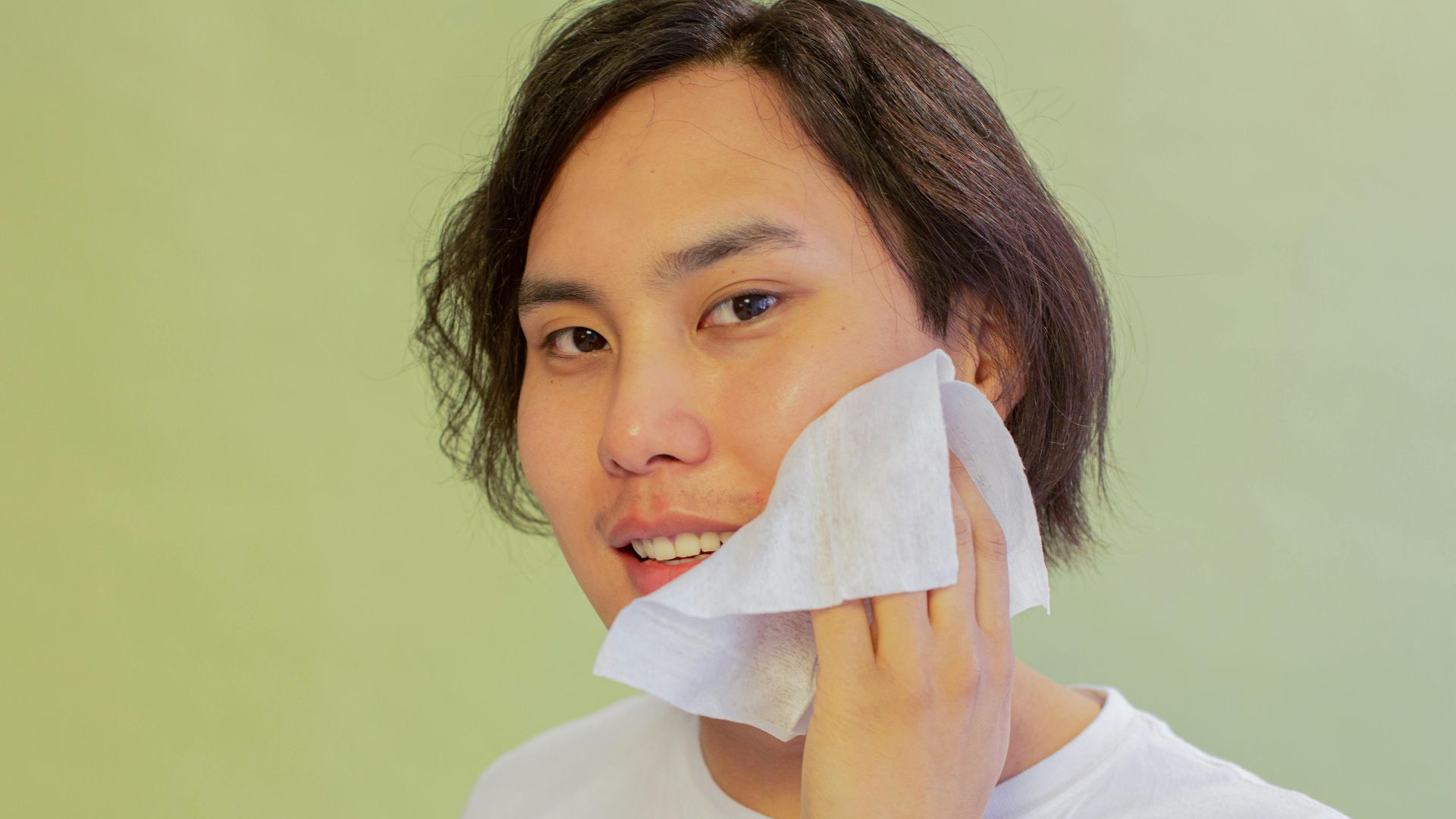
9. Wipe Tray Tables
Tray tables are among the filthiest airplane surfaces, often dirtier than toilet areas. Surfaces don't get deep cleaning between flights, leaving previous passengers' germs waiting for you. Antibacterial wipes add personal protection that airline schedules simply don't provide consistently enough.
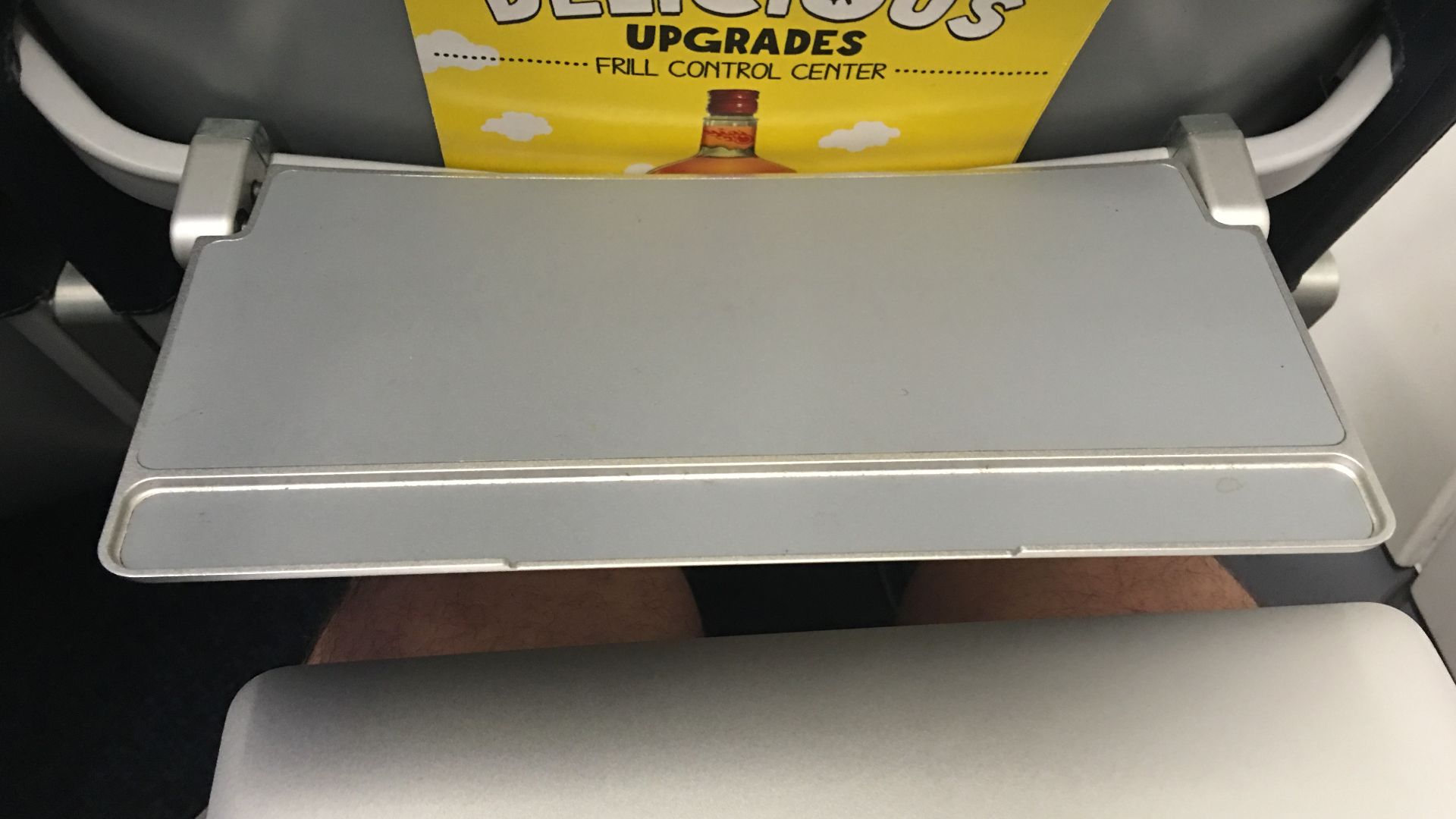
10. Bring Breath Mints
Dry cabin air makes breath issues worse the longer you fly. Gum stimulates saliva to freshen naturally and ease ear pressure, while mints give you a discreet way to stay fresh when the lavatory isn’t immediately available.
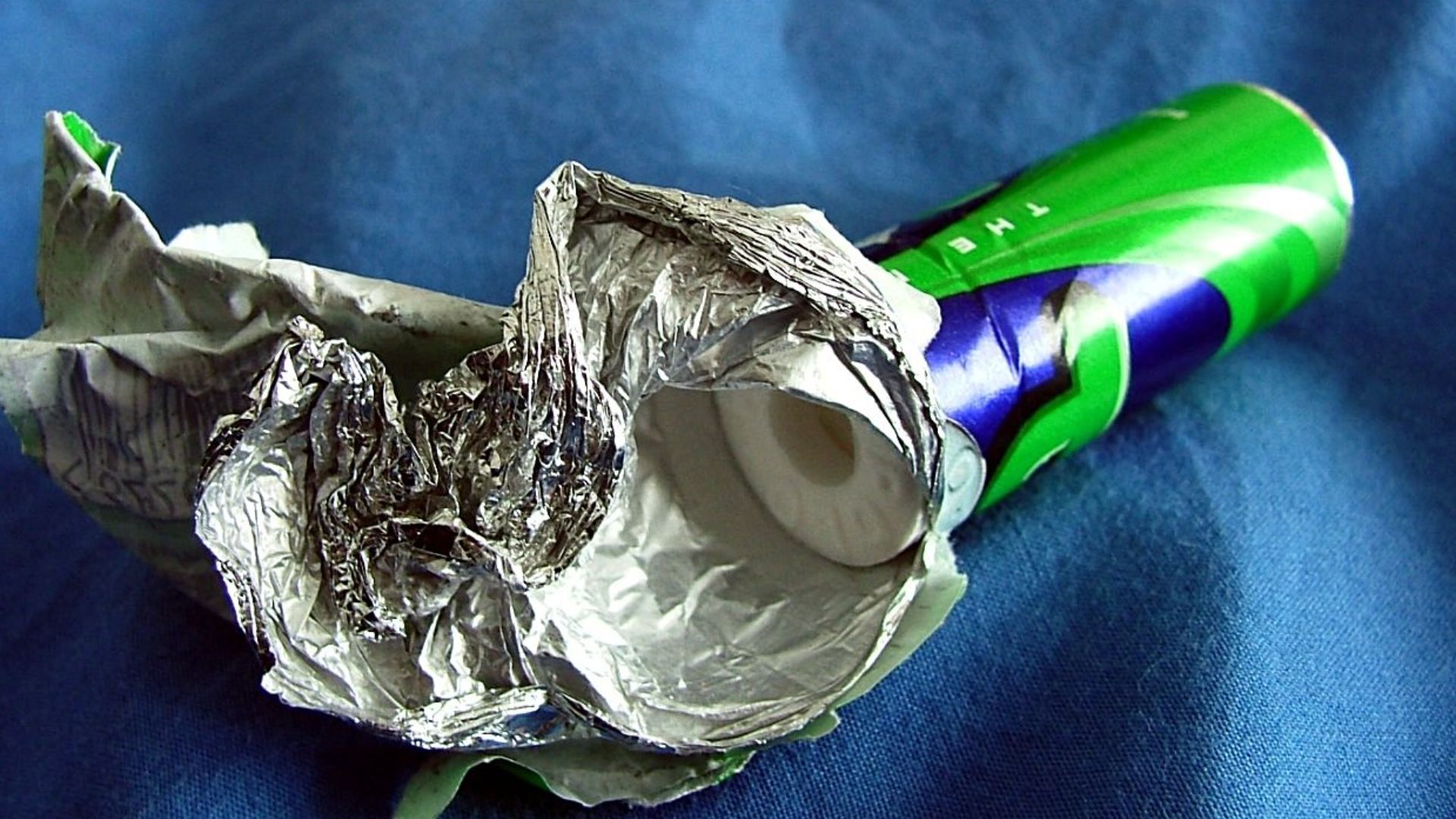
11. Choose Breathable Fabrics
Natural fibers like cotton allow crucial airflow that prevents sweat buildup in warm cabins. They stop you from feeling clammy during hours of sitting in low-humidity environments. Breathable clothing enhances overall comfort dramatically compared to synthetics that trap heat and moisture.
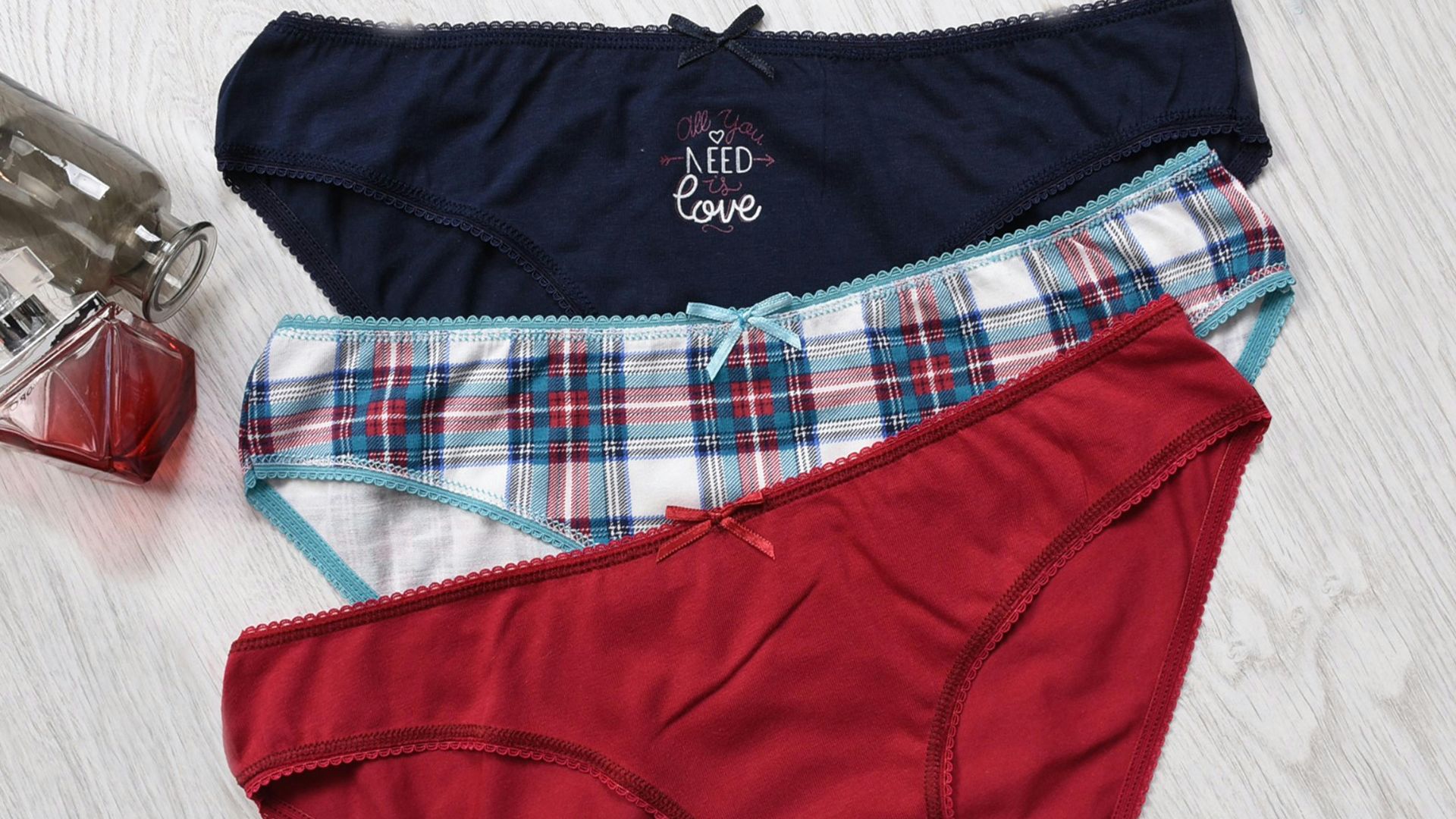
12. Pack Spare Underwear
Changing into fresh underwear mid-flight refreshes you completely after sweating through long wear. It boosts hygiene and confidence on extended journeys when connections or meetings still await. The lavatory switch takes two minutes but resets your entire comfort level instantly.
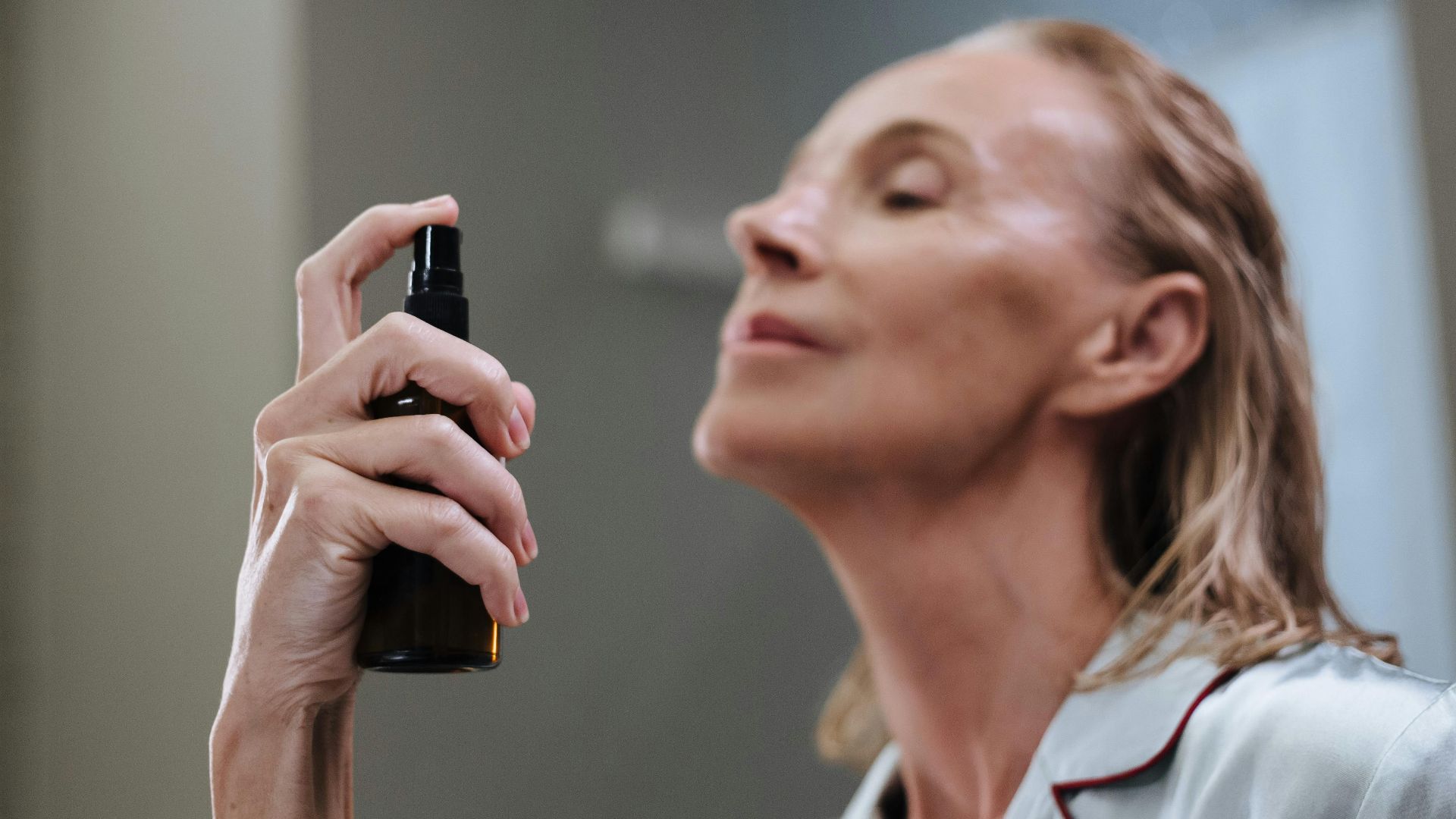
13. Use Hydrating Mist
Low-humidity environments make frequent misting essential for preventing flakiness on long-haul flights. A quick spritz delivers instant moisture. It soothes irritation without the sticky heaviness of creams in tight quarters where you're already uncomfortable.
14. Avoid Touching Your Face
Frequent face touching transfers germs from contaminated surfaces to the eyes, nose, and mouth. Long flights increase exposure through shared armrests and screens. Being mindful of this habit lowers infection risk during extended time in close quarters.
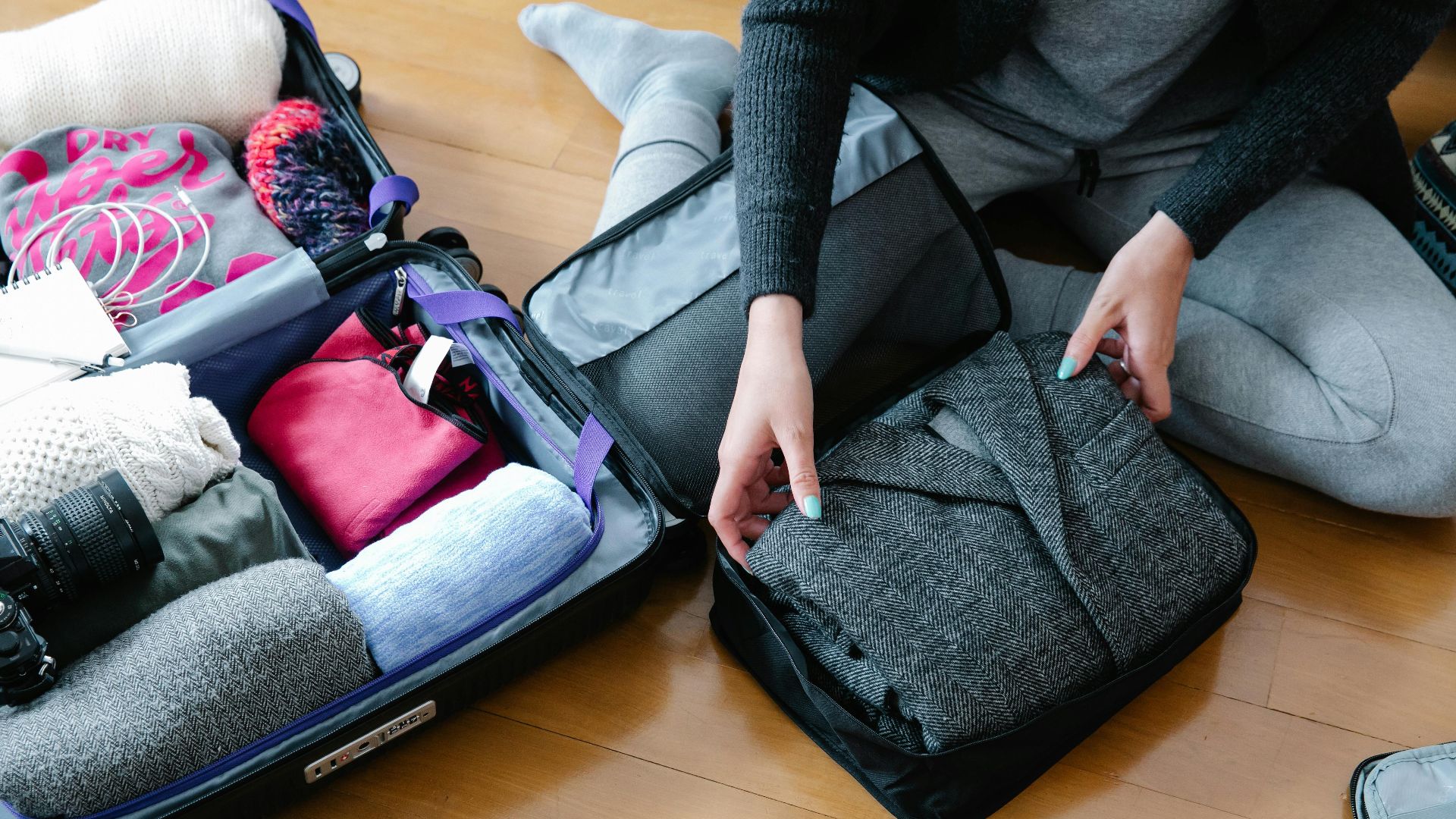
15. Pack Hygiene Products
Long flights disrupt normal routines completely, which makes timing unpredictable during chaotic travel schedules. Carrying extra feminine hygiene products ensures preparedness without relying on limited airport or in-flight supplies. Compact packaging fits carry-ons easily.
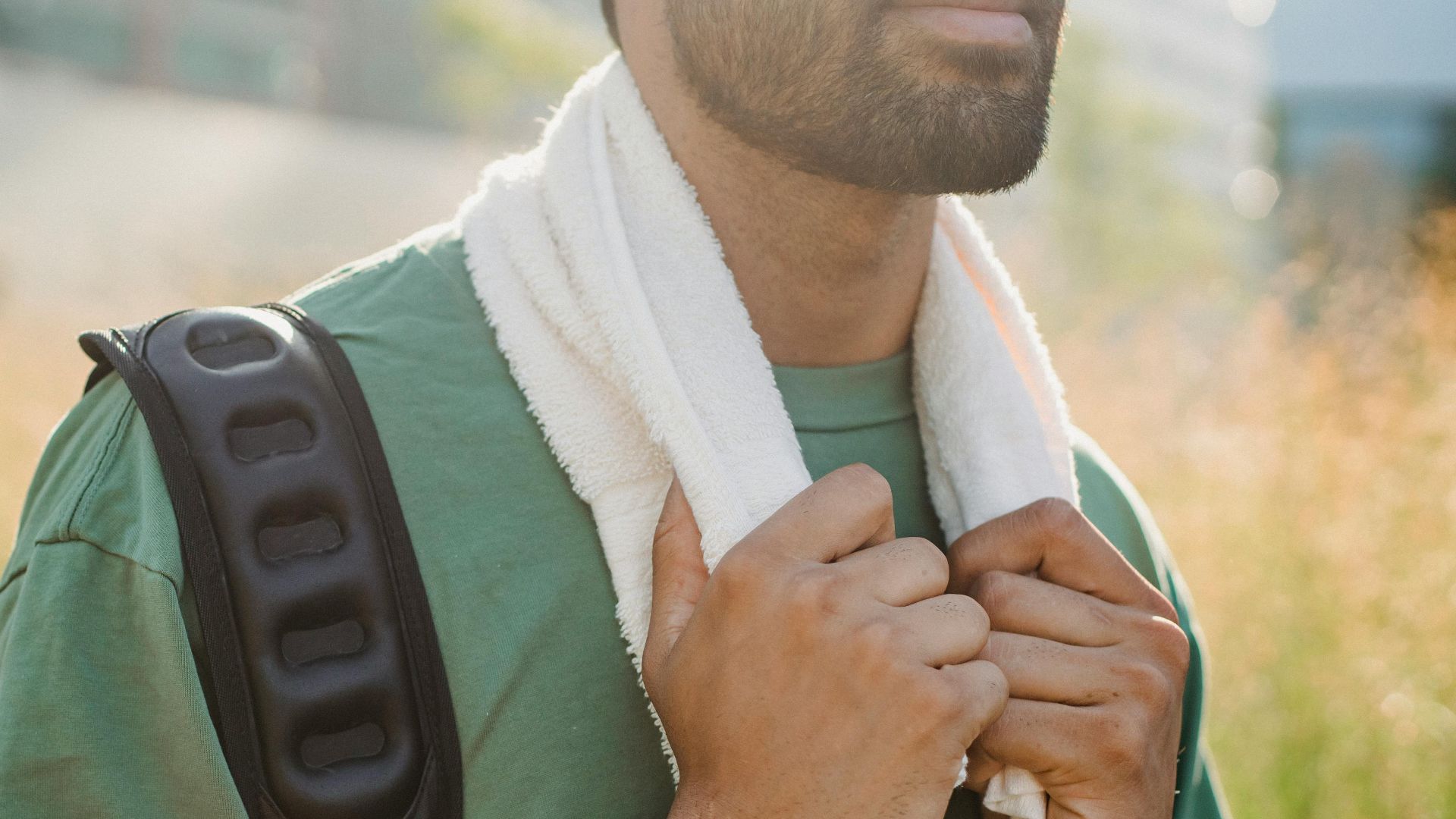
16. Use Neck Towel
A lightweight neck towel absorbs sweat and shields against cold air vents hitting exposed skin. It also doubles as a handy wipe for spills or unexpected messes, adding comfort and hygiene in cramped cabin spaces.
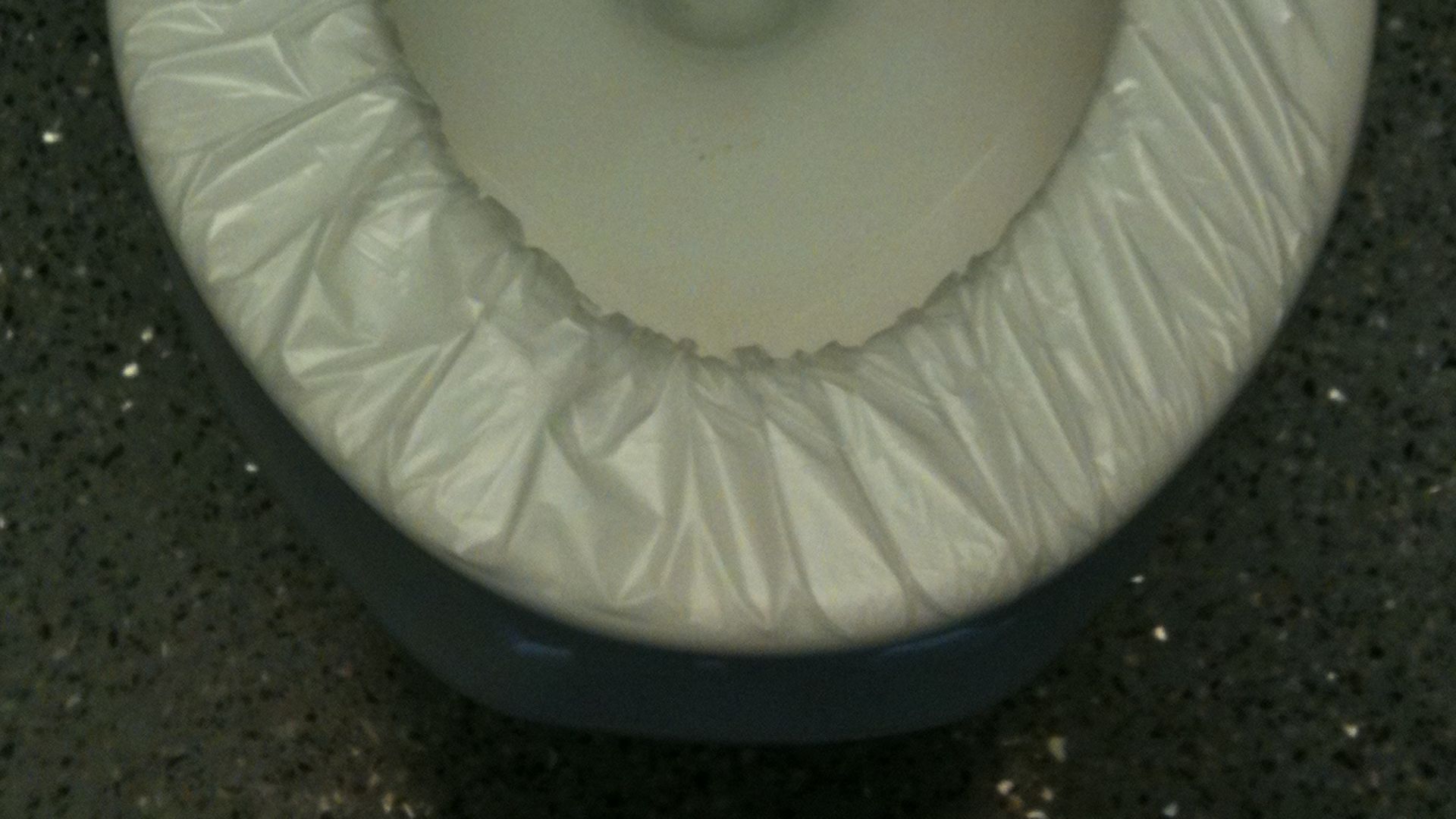
17. Bring Toilet Seat Covers
Airplane lavatories see constant high-traffic use between cleaning cycles throughout long flights. Disposable toilet seat covers add a hygiene barrier and reduce direct contact with shared surfaces. They're thin and packable for peace of mind, even though regular cleaning does occur.
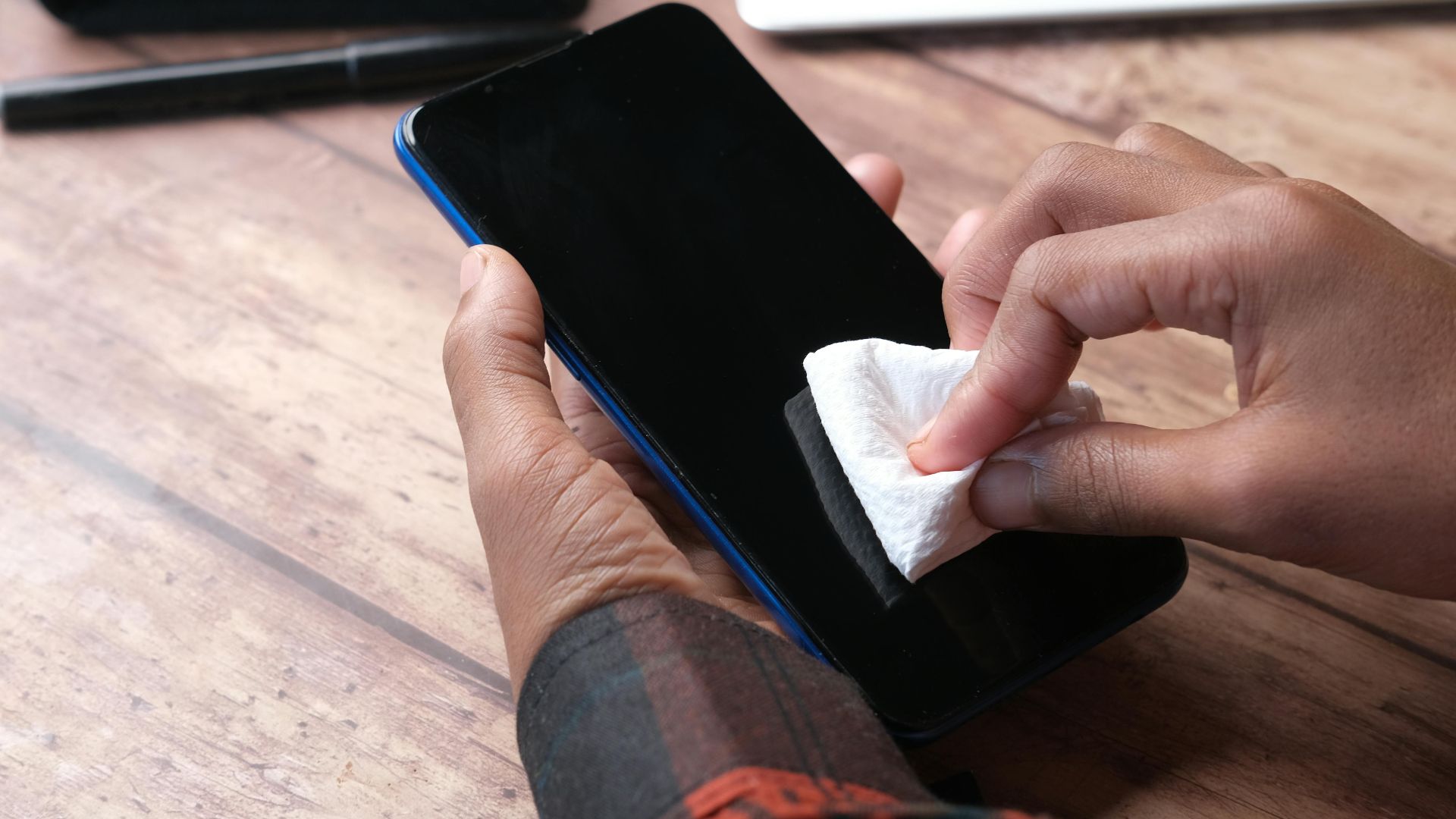
18. Disinfect Your Phone
Phones collect bacteria from airport trays, seats, and shared surfaces before boarding. Cleaning with alcohol-based disinfectant during the flight reduces germ transfer to hands and face, and lowers infection risks throughout travel.
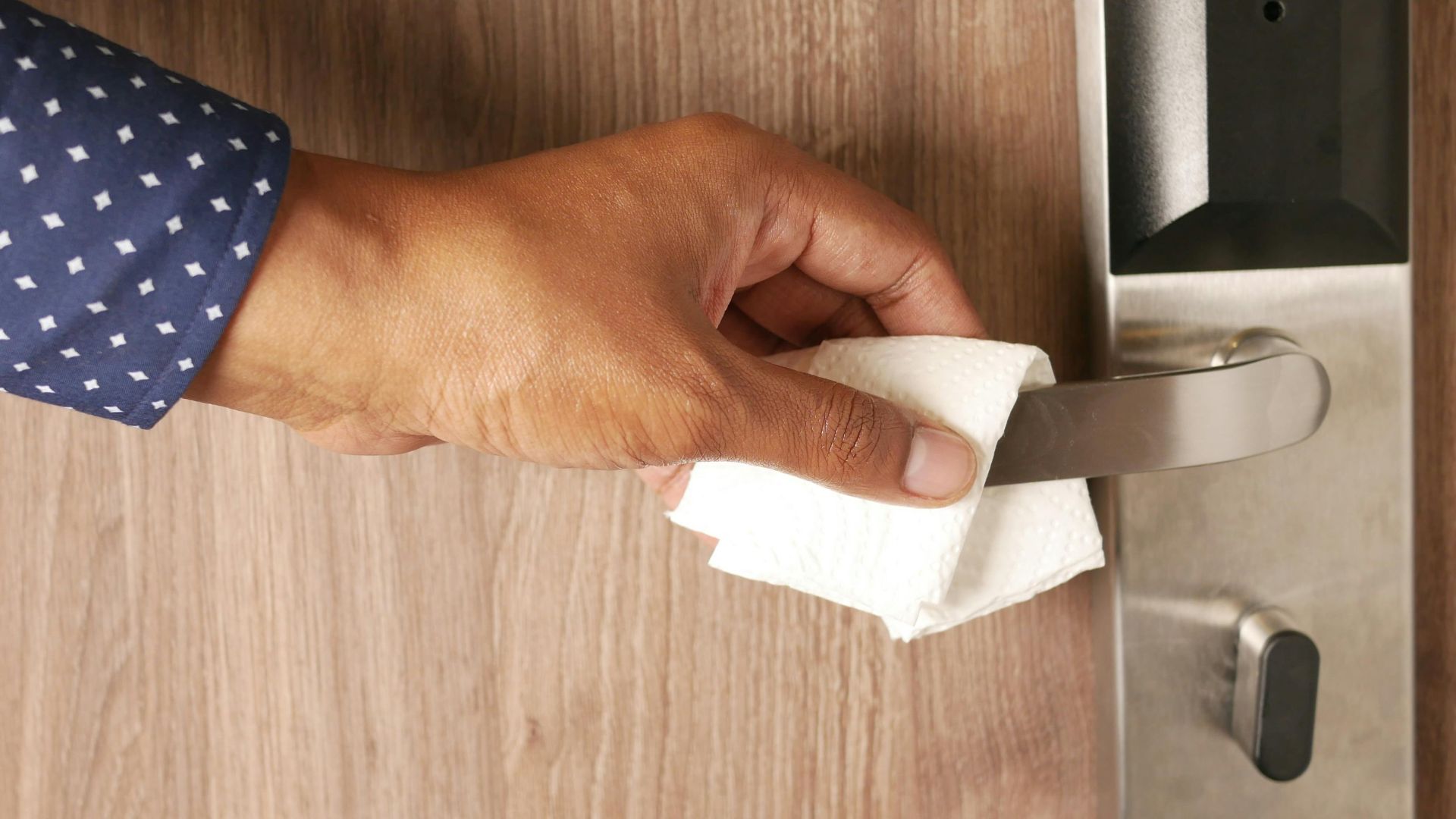
19. Use Tissues For Touchpoints
Using tissues to open lavatory doors or press flush buttons limits direct contact with high-germ surfaces. This habit adds a protective barrier when handwashing facilities are occupied or inconsistent during busy periods on long flights.
20. Change Face Masks
Masks reduce airborne germ exposure in crowded cabins where ventilation can't eliminate everything. Switching to a clean mask after several hours prevents moisture buildup that promotes bacterial growth. Health authorities recommend mask hygiene as essential illness prevention during confined long-distance travel.