Think Before You Leap
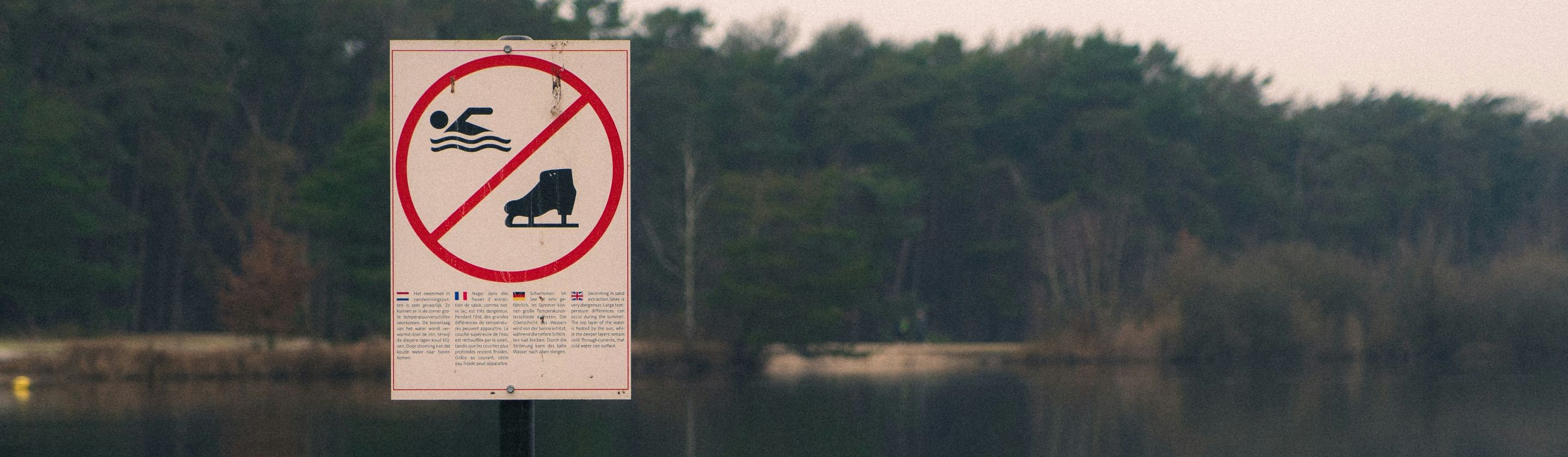
You might stumble upon a secluded pond or a rushing river that looks like a paradise, but hidden dangers often lurk just beneath the surface. From hidden depths and unpredictable currents to local wildlife that doesn't want any company, there are plenty of reasons to keep your swimsuit in your bag. Let’s explore 20 locations where staying dry is actually the smartest move you can make.
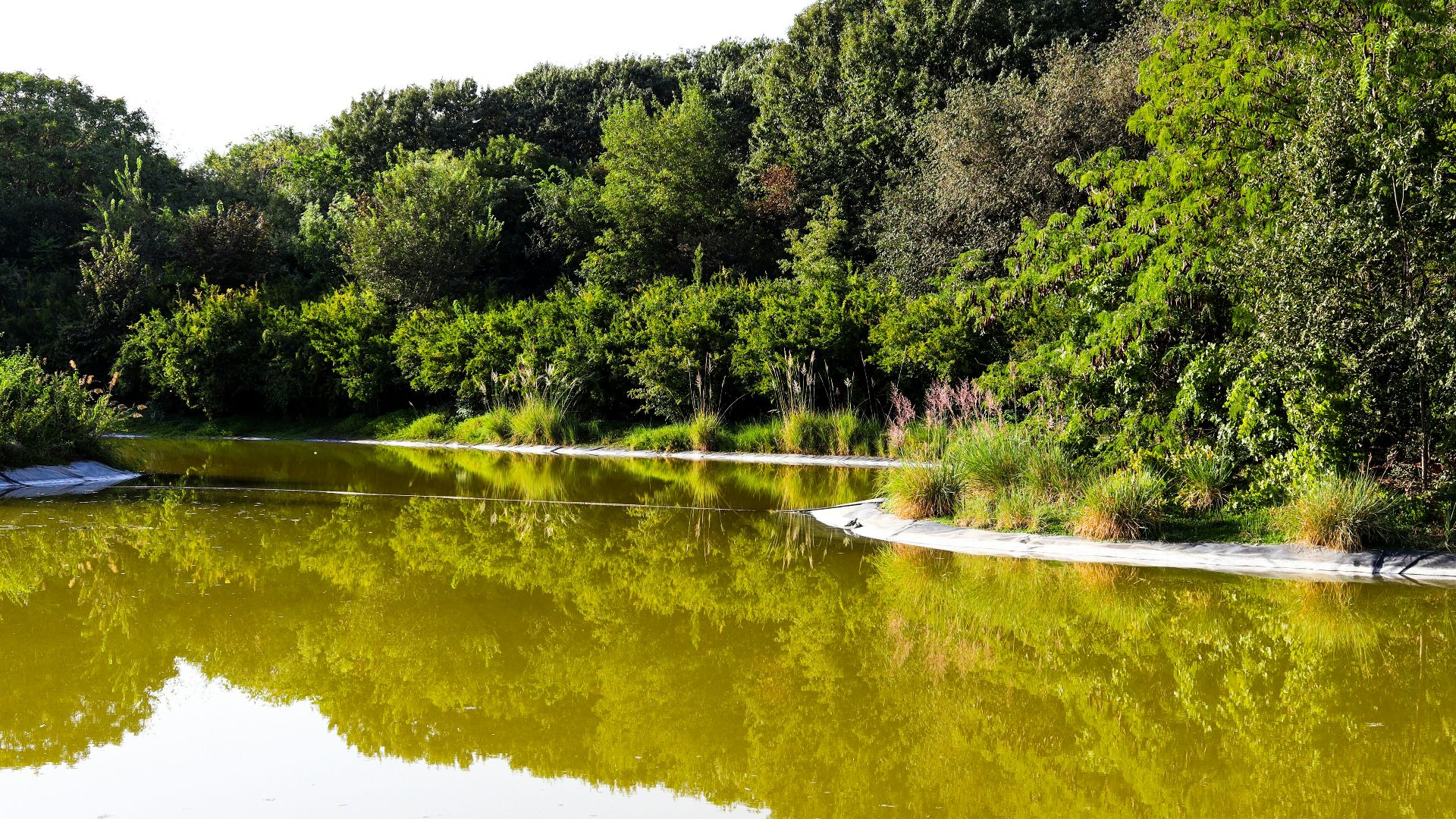
1. Stagnant Green Ponds
If you see a body of water that’s covered in a thick layer of bright green scum, you’re looking at a potential hotbed for toxic blue-green algae. These blooms can release harmful neurotoxins that irritate your skin or make you incredibly sick if a few drops are accidentally swallowed. It’s much safer to find a swimming hole with moving water.
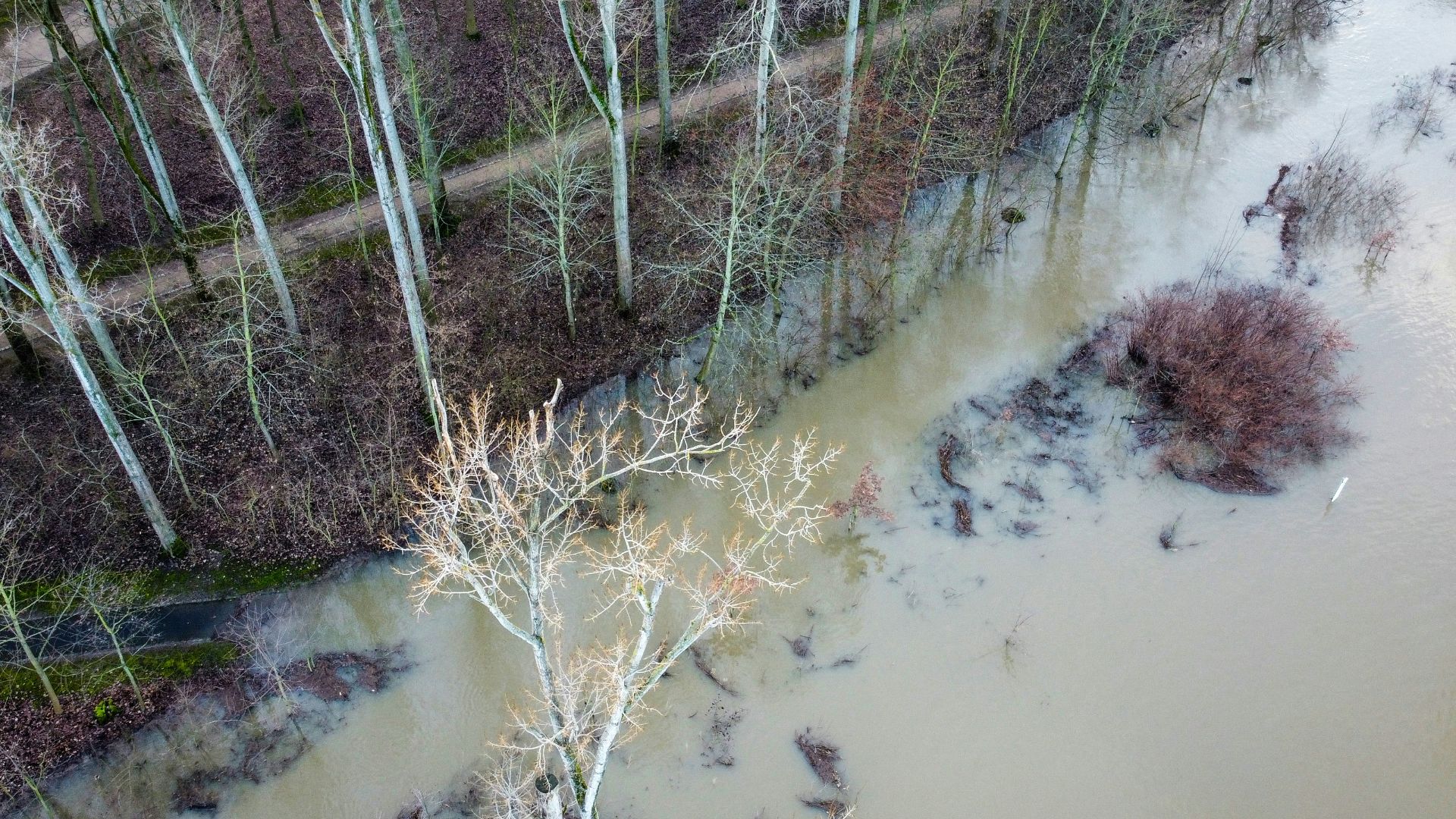
2. Fast-Moving Flooded Rivers
A local river might look fun to enter after a thunderstorm, but that brown, murky water is full of hazardous debris and stray logs. Not to mention, the current can pull swimmers downstream faster than they can reach safety.
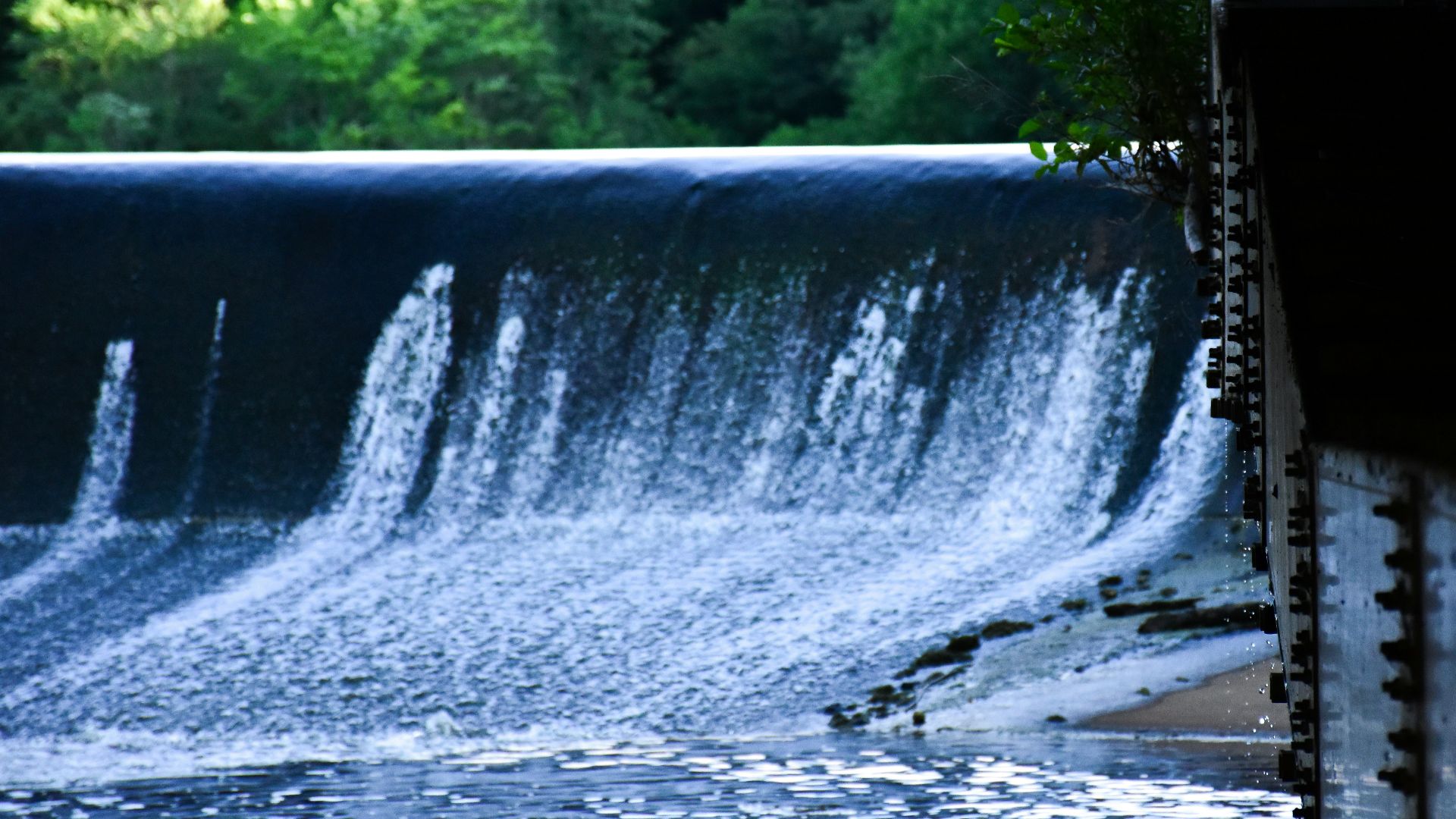
3. Industrial Low-Head Dams
Also known as “drowning machines,” these seemingly harmless waterfalls pull swimmers into powerful recirculating vortices at the base. Even strong swimmers have trouble escaping because the force is invisible from the surface. It’s essentially a trap that refuses to let go once entered.
4. Quarry Pits and Stone Holes
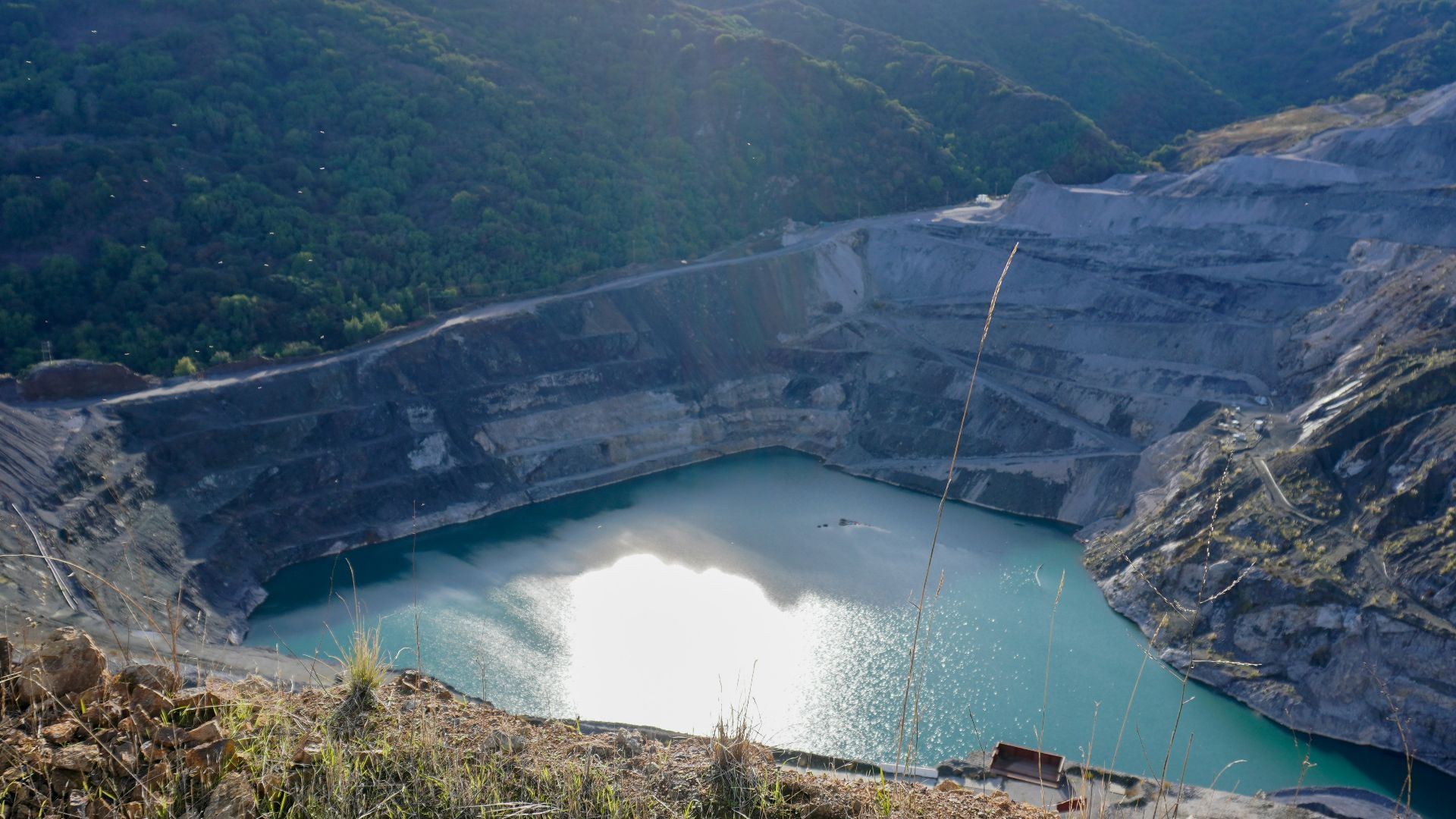
Rain collects in these man-made pits, creating picturesque pools that are dangerously cold just below the surface. Sudden temperature drops can cause shock, making it difficult to breathe or move. These pits also often contain rusted metal and jagged stone.
5. Hot Springs with Warning Signs
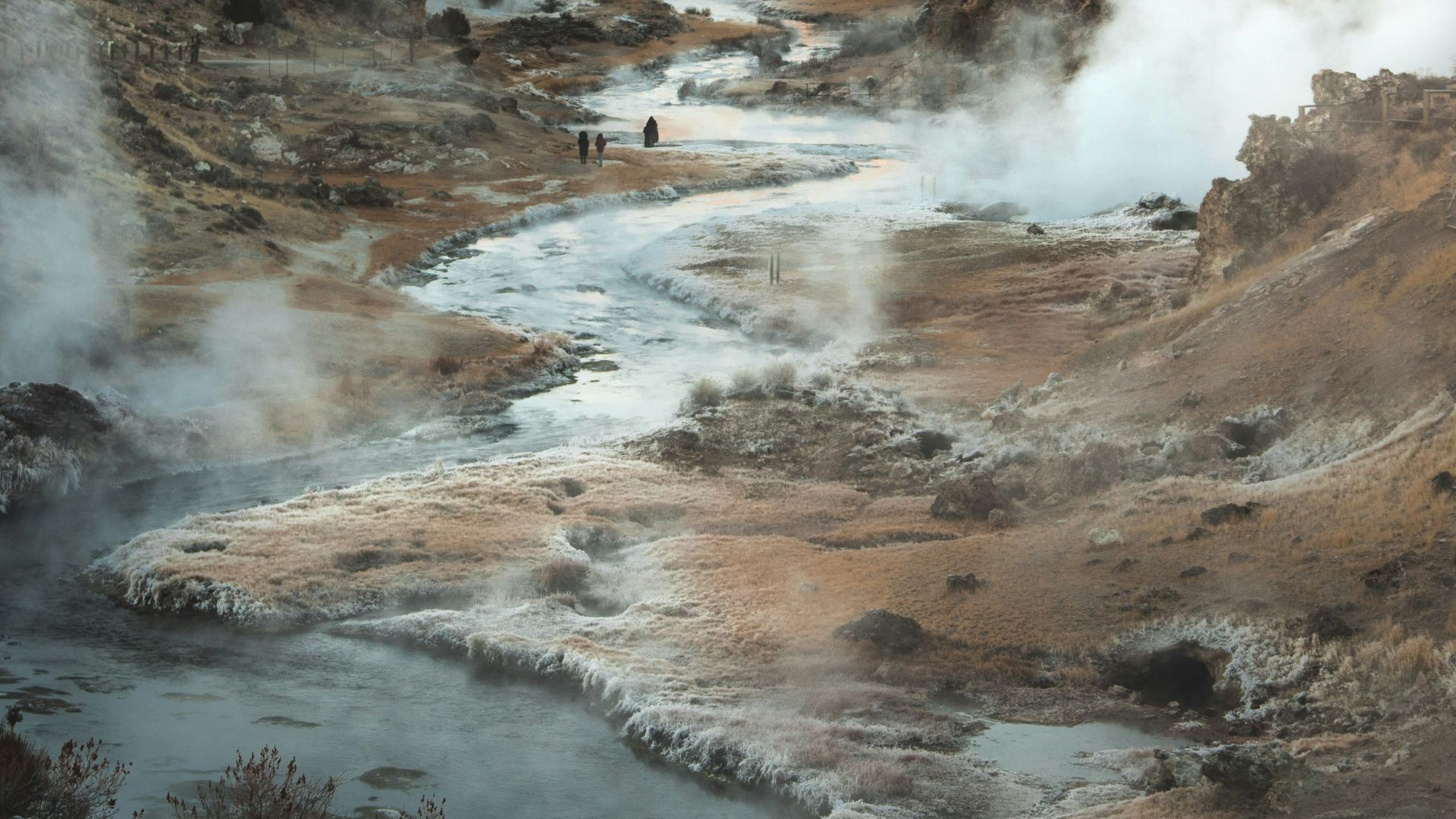
Geothermal pools like those found in Yellowstone may seem relaxing, but many contain acidic water capable of severely damaging skin. Temperatures near the bottom can reach extreme levels. It’s best to observe from a distance rather than enter the water.
6. The Middle of Shipping Lanes
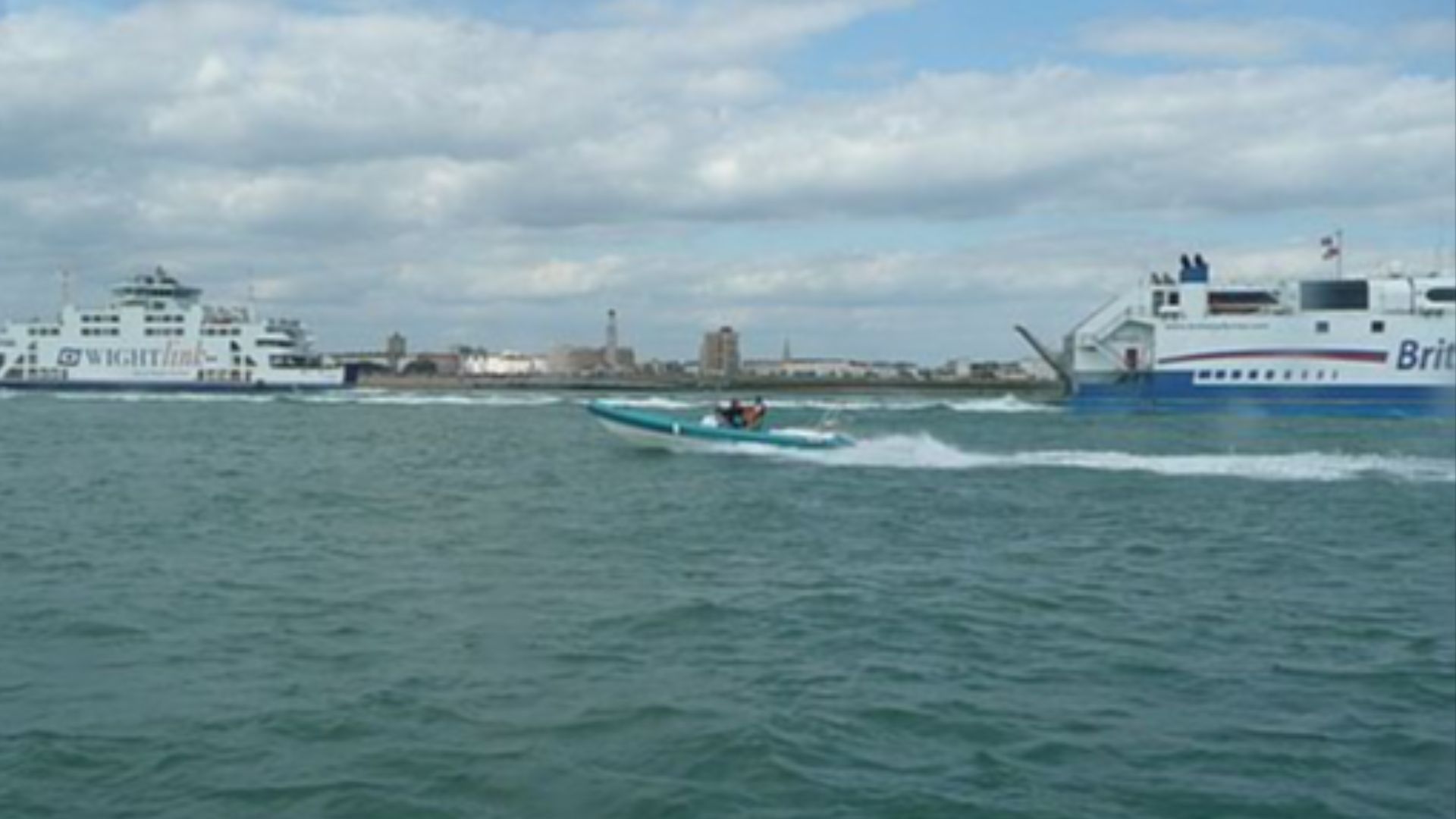
If large cargo ships are present, the water is not safe for swimming. Massive propellers create powerful suction, and captains cannot easily see swimmers. Waves generated by these vessels can also overwhelm anyone in the water.
7. Water Near a Drainage Pipe
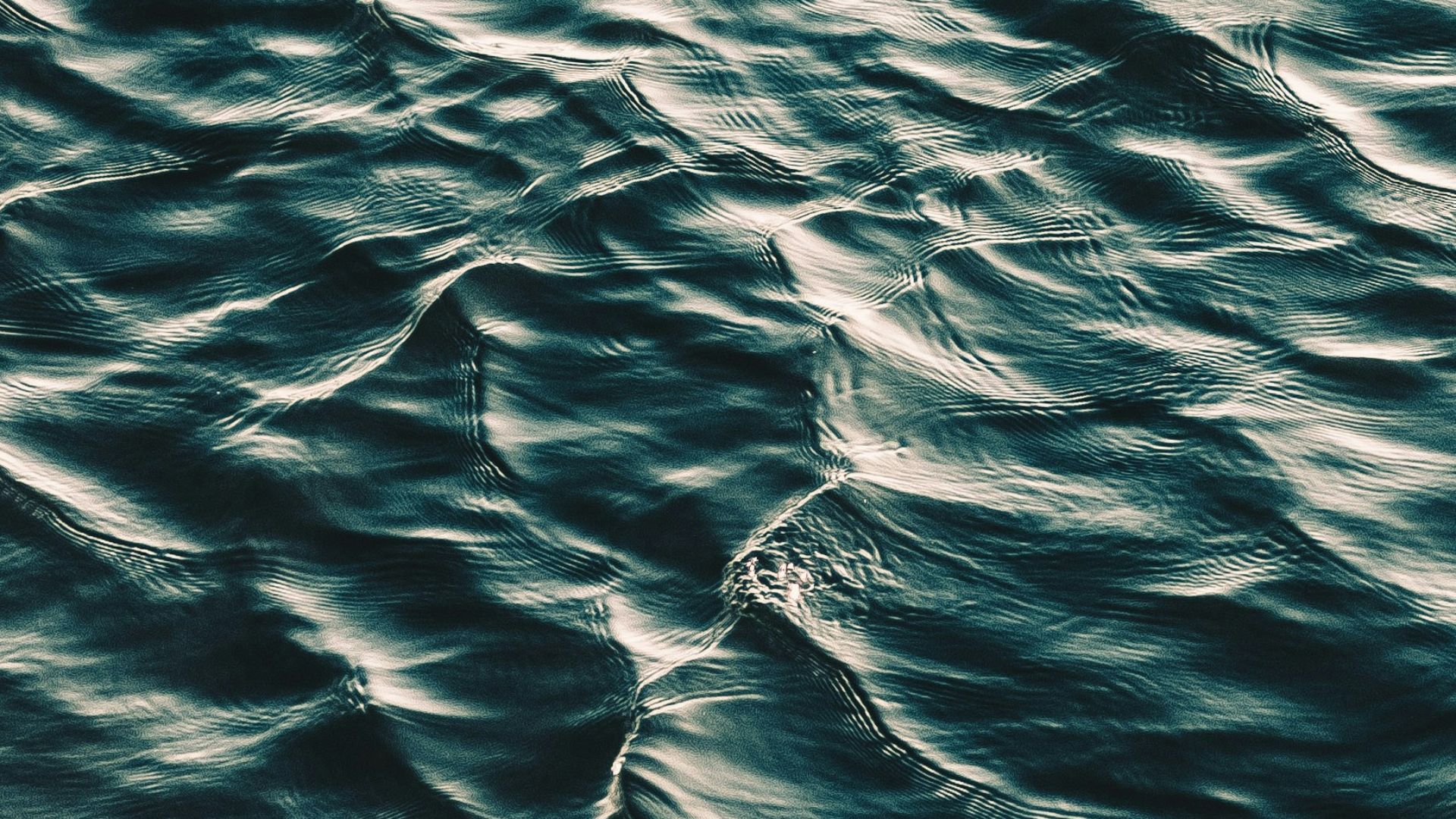
Beach areas with large pipes pumping runoff into the surf often contain high levels of bacteria, pesticides, and road oils. Entering this water can lead to infections or skin irritation that could ruin a trip.
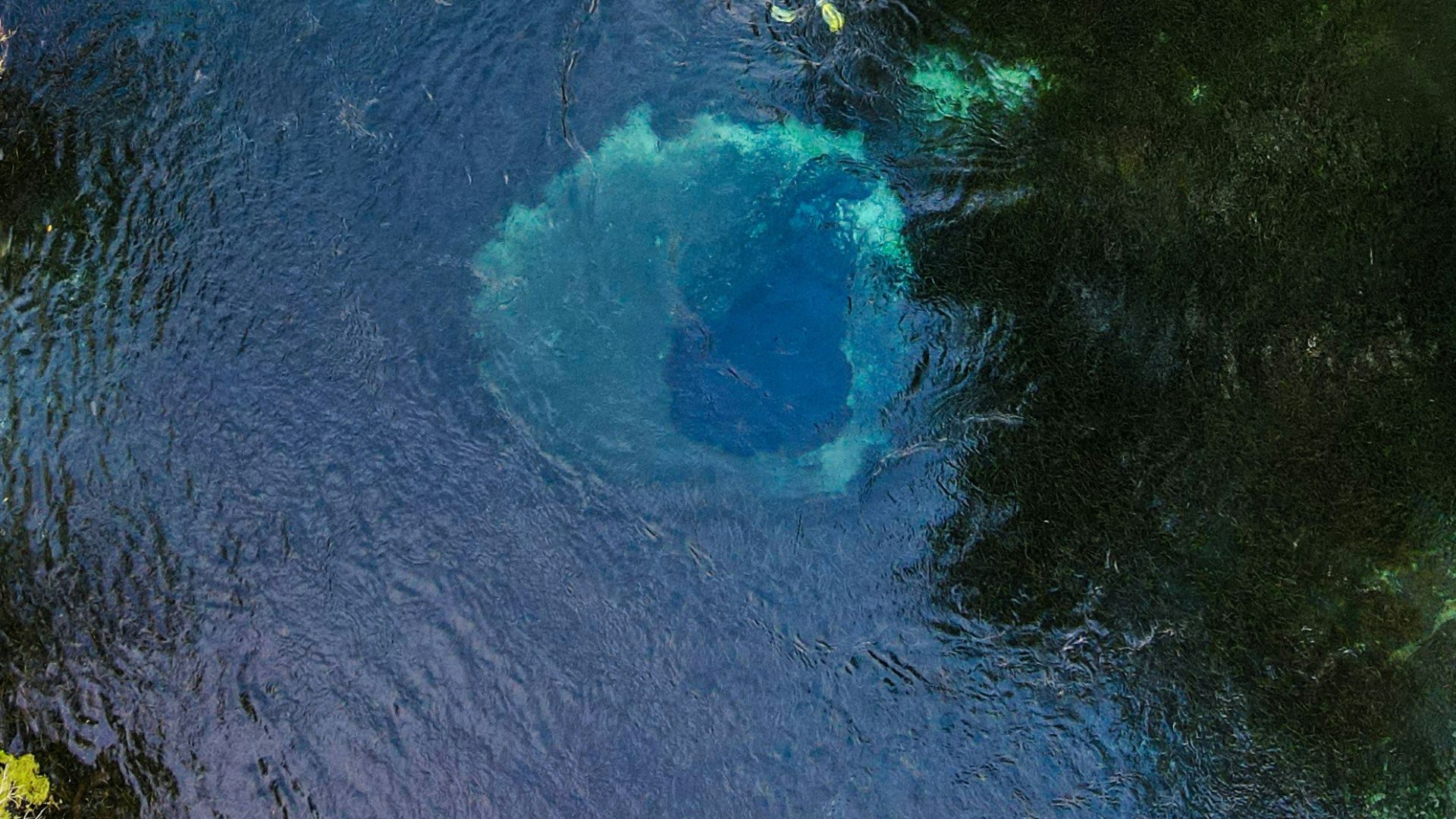
8. Unprotected Blue Holes
These underwater caves may look appealing from above, but they often contain tight spaces and unpredictable currents. Without professional cave diving training, swimmers can become disoriented or trapped. Some may disappear into unseen fissures below the surface.
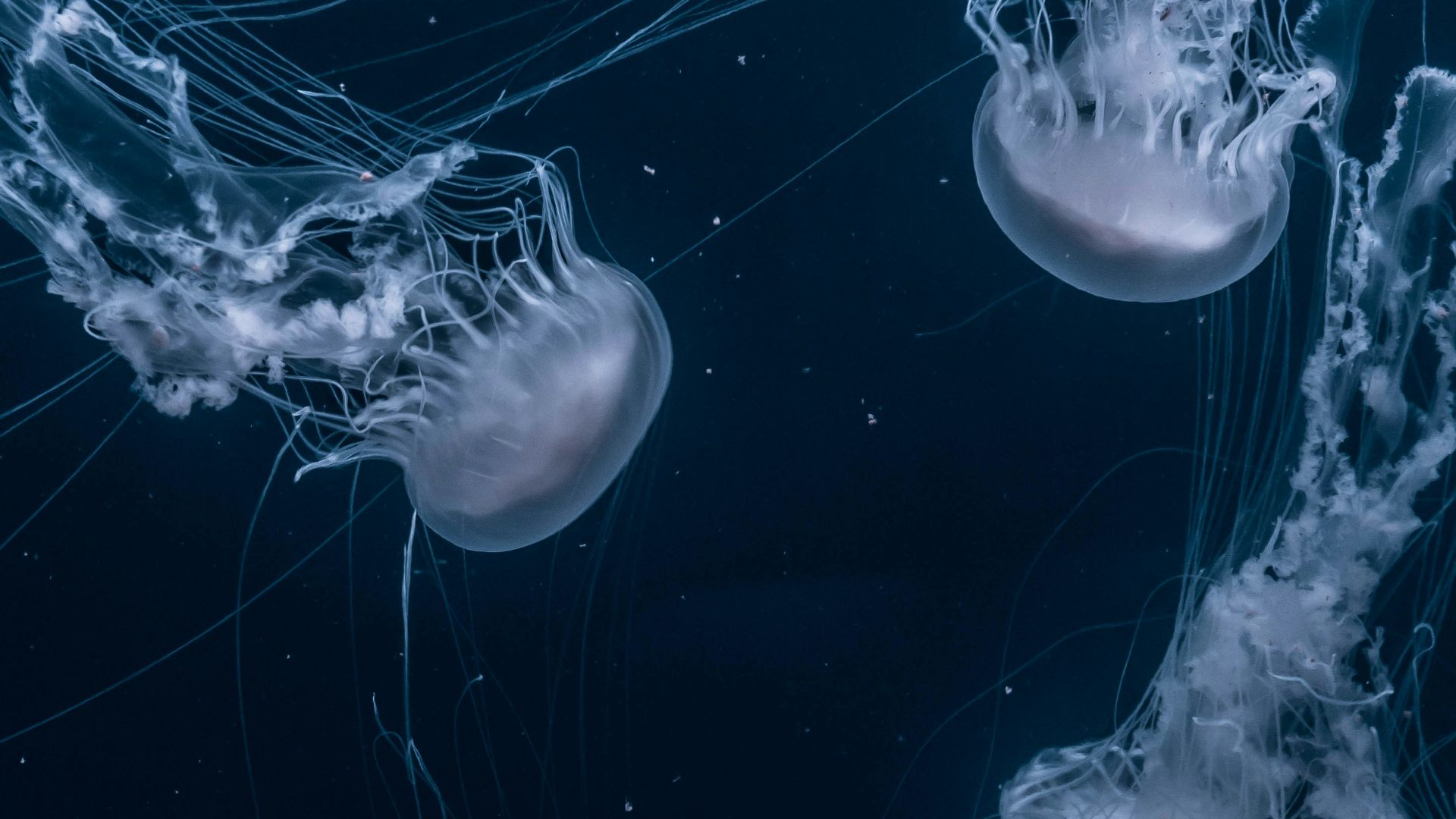
9. Beaches with Purple Flags
Purple flags indicate the presence of hazardous marine life such as jellyfish, stingrays, or sharks. Entering the water in these conditions can lead to painful or dangerous encounters. So keep your distance!
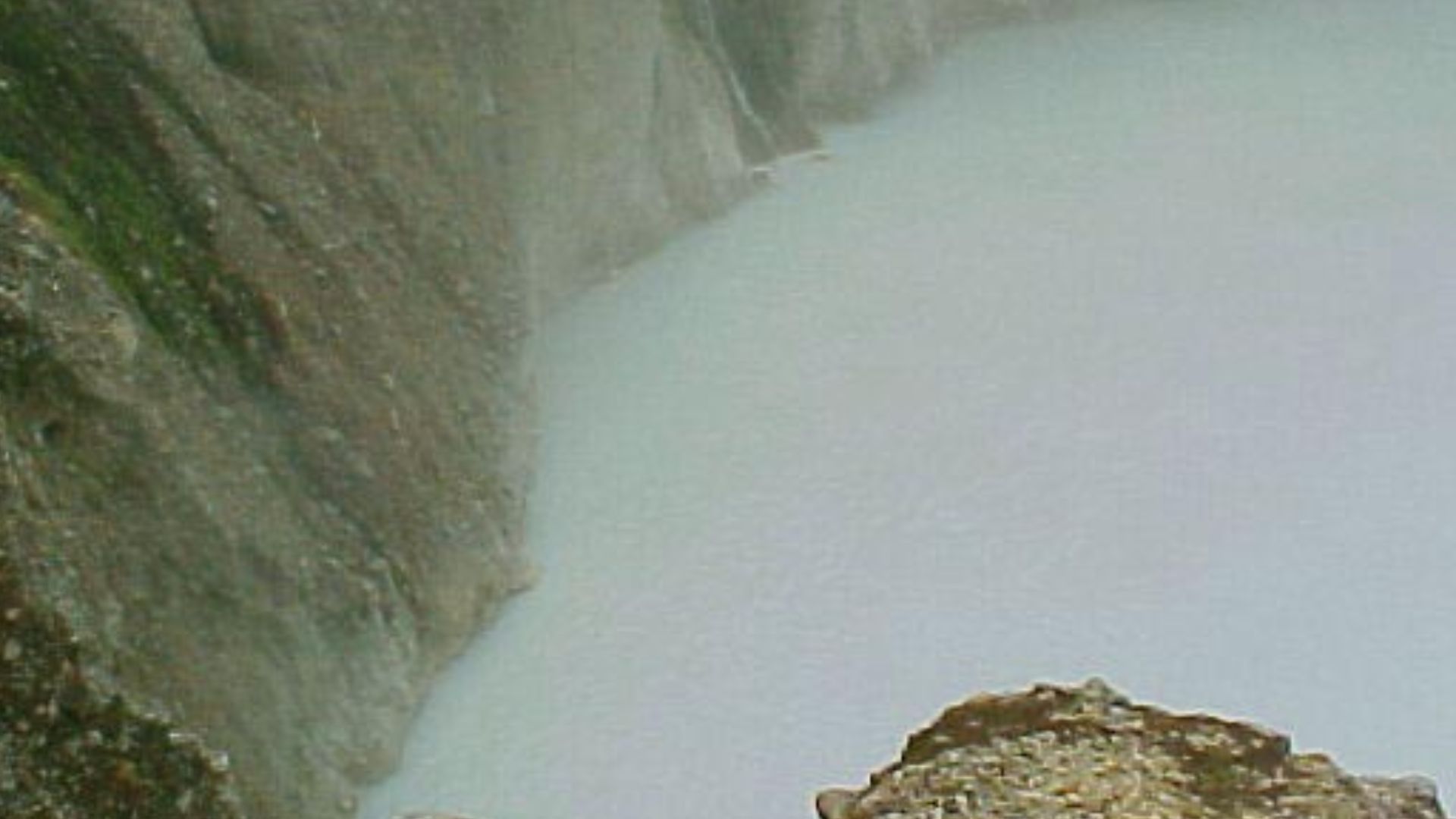
10. The Boiling Lake in Dominica
In Dominica, this lake is actually a flooded fumarole. The water boils at the edges and churns in the center. Steam rising from a lake is a clear warning sign to stay away.
 No machine-readable author provided. Pembo13 assumed (based on copyright claims). on Wikimedia
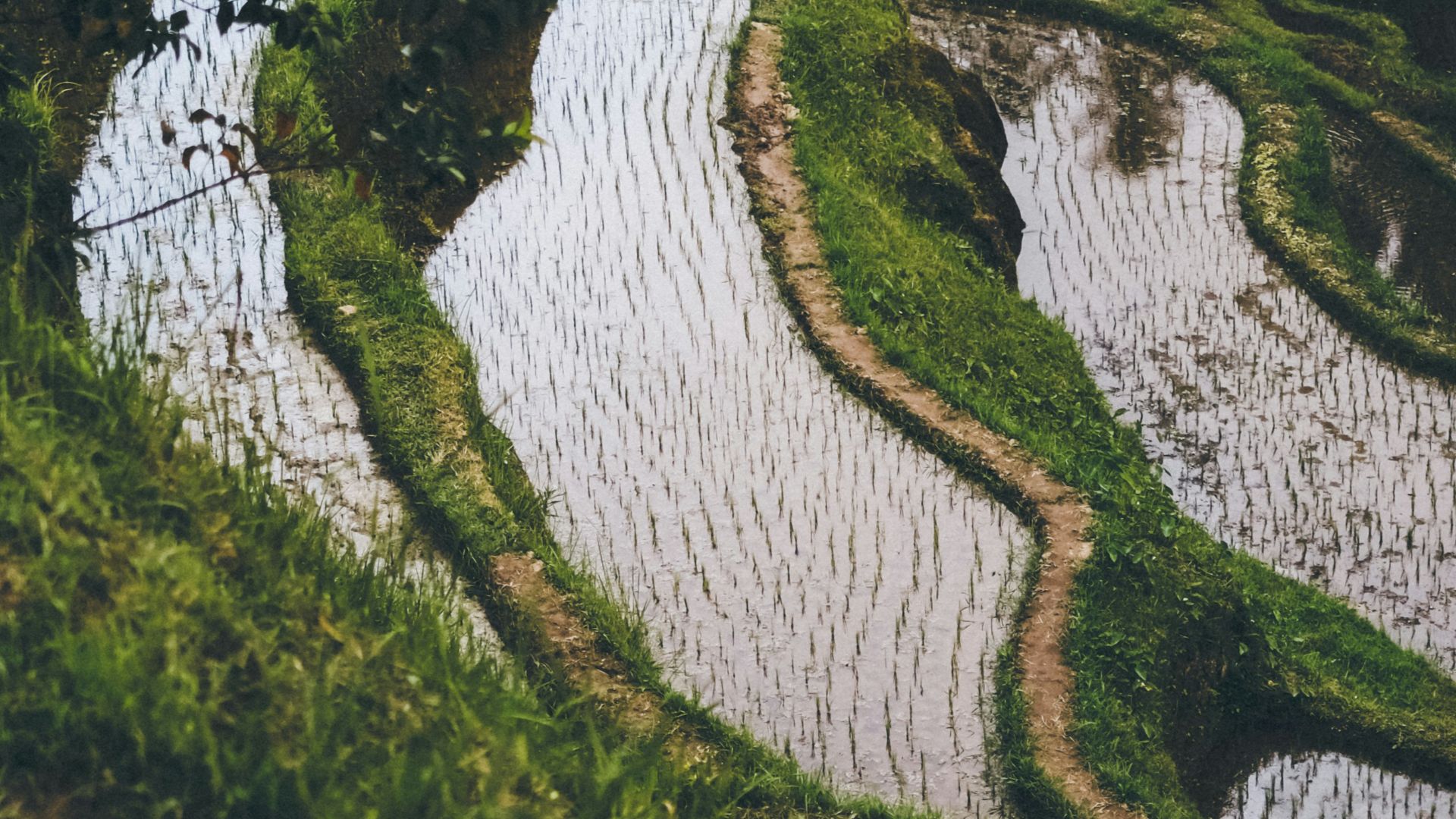
11. Rice Paddies in Tropical Areas
Though they appear calm and scenic, these flooded fields often contain parasites like leeches and bacteria that cause diseases such as leptospirosis. Warm, shallow water also attracts mosquitoes that carry additional illnesses.
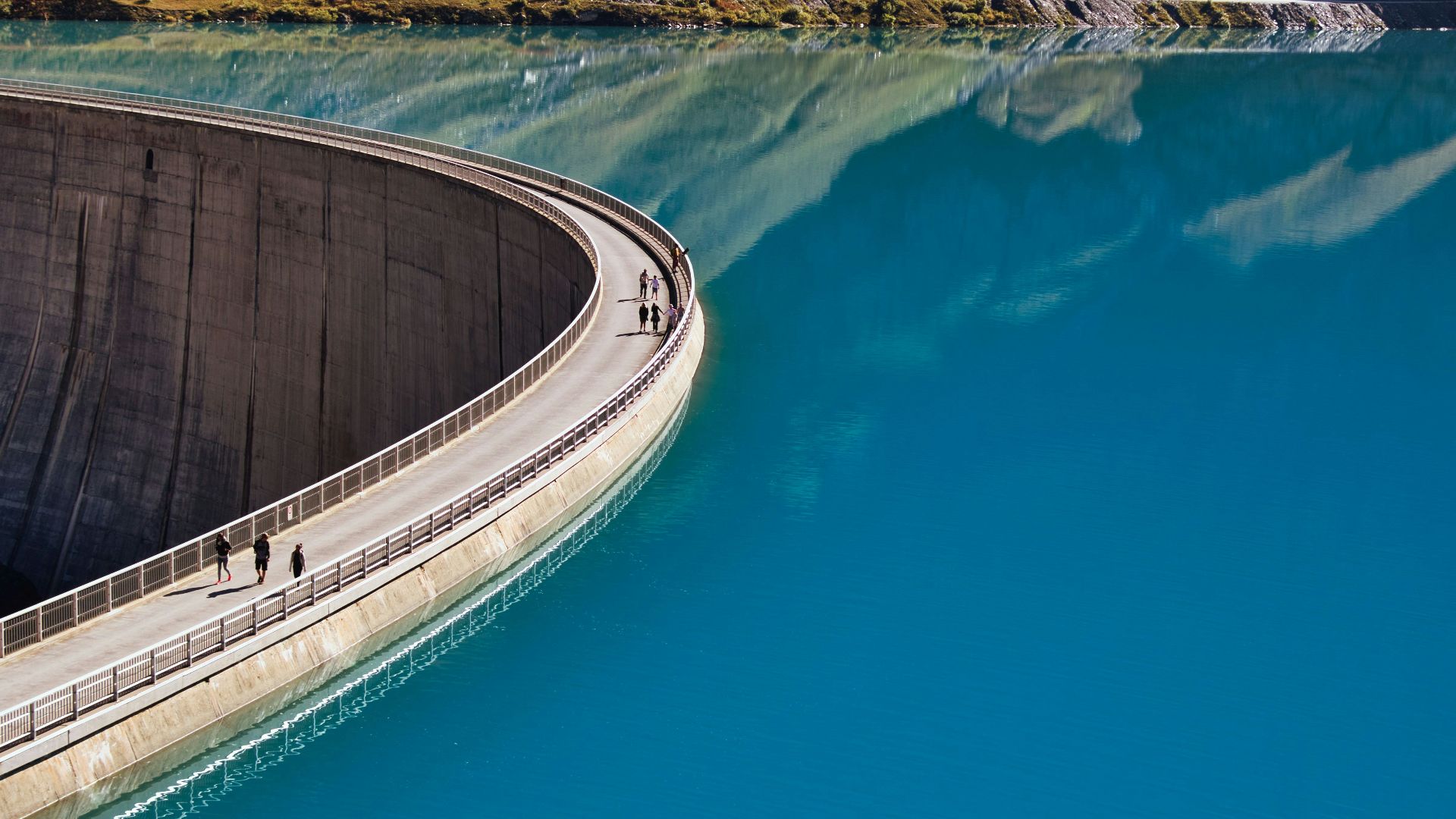
12. Reservoirs Near Dam Intakes
Swimming near the dam intake valves is extremely dangerous due to sudden and powerful suction. These valves can activate without warning, pulling anything nearby toward heavy machinery. Warning buoys are usually present for a reason.
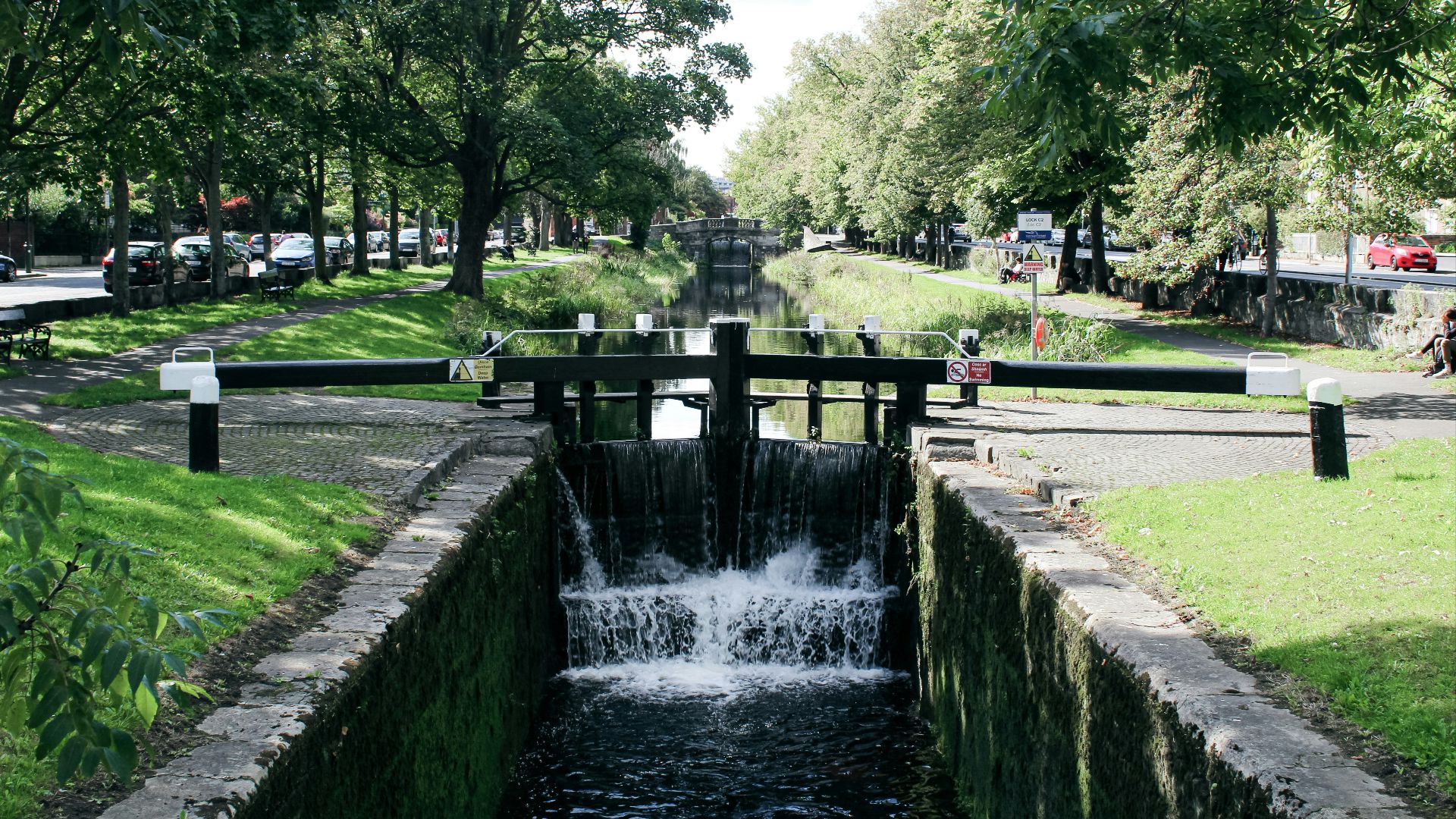
13. Canals in Residential Areas
Canals often contain hidden hazards, including wildlife and polluted water. The water may appear calm, but it can contain contaminants that are not visible.
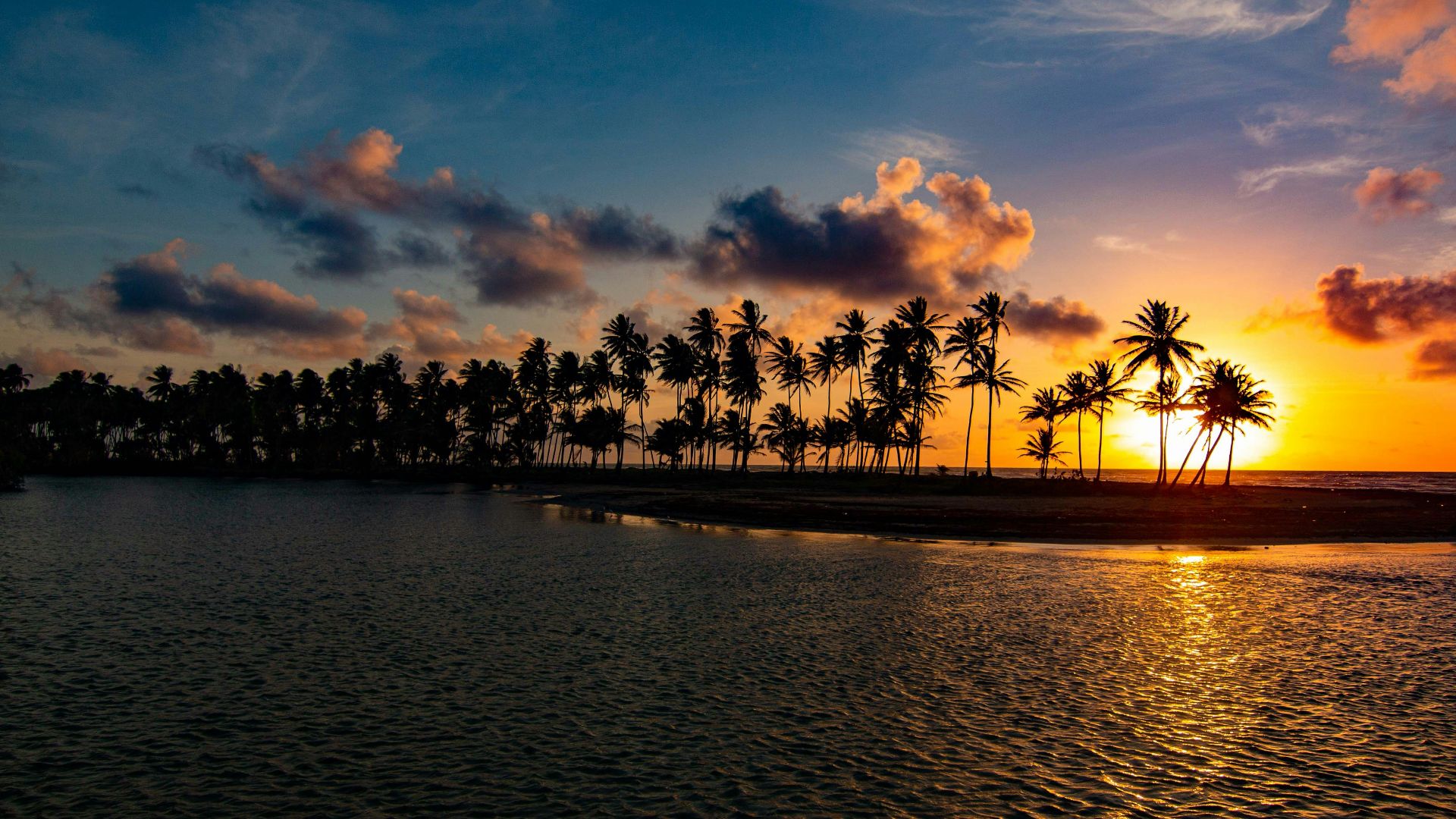
14. Beaches During a Red Tide
This event occurs when algae become overly abundant, turning ocean water into a discolored, toxic environment. As the algae break down, toxins can enter the air and cause illness.
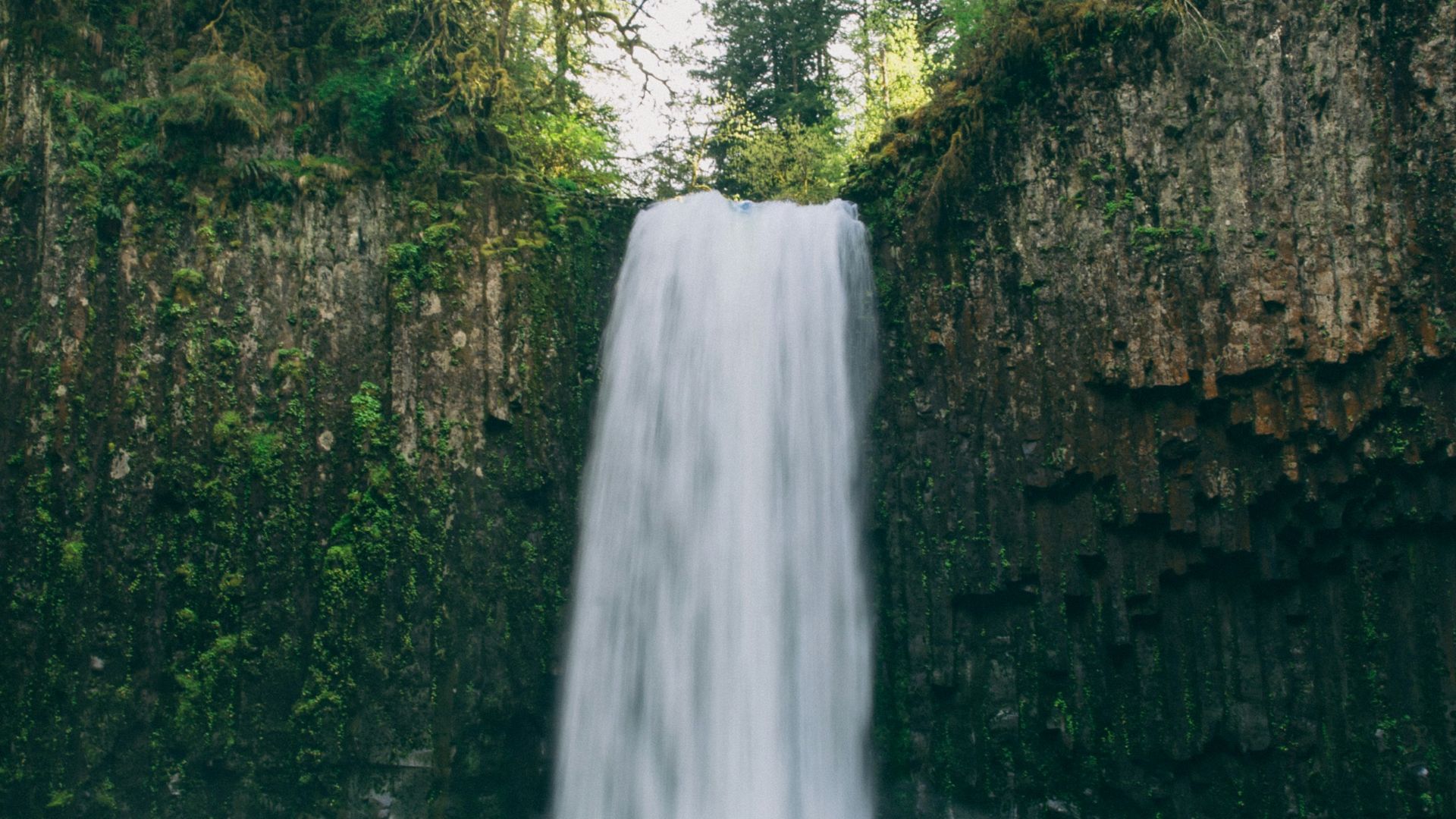
15. Waterfalls with Hidden Rocks
Jumping from waterfalls may look exciting, but the pool below is often shallower or more dangerous than it appears. Submerged rocks or strong currents can cause serious injury or trap swimmers beneath the falling water.
16. The Amazon River Basins
This region is home to a vast array of wildlife, including potentially dangerous species. Entering these waters increases the risk of harmful encounters. It’s best to avoid unnecessary risks in such environments.
17. Pools with a Strong Chlorine Smell
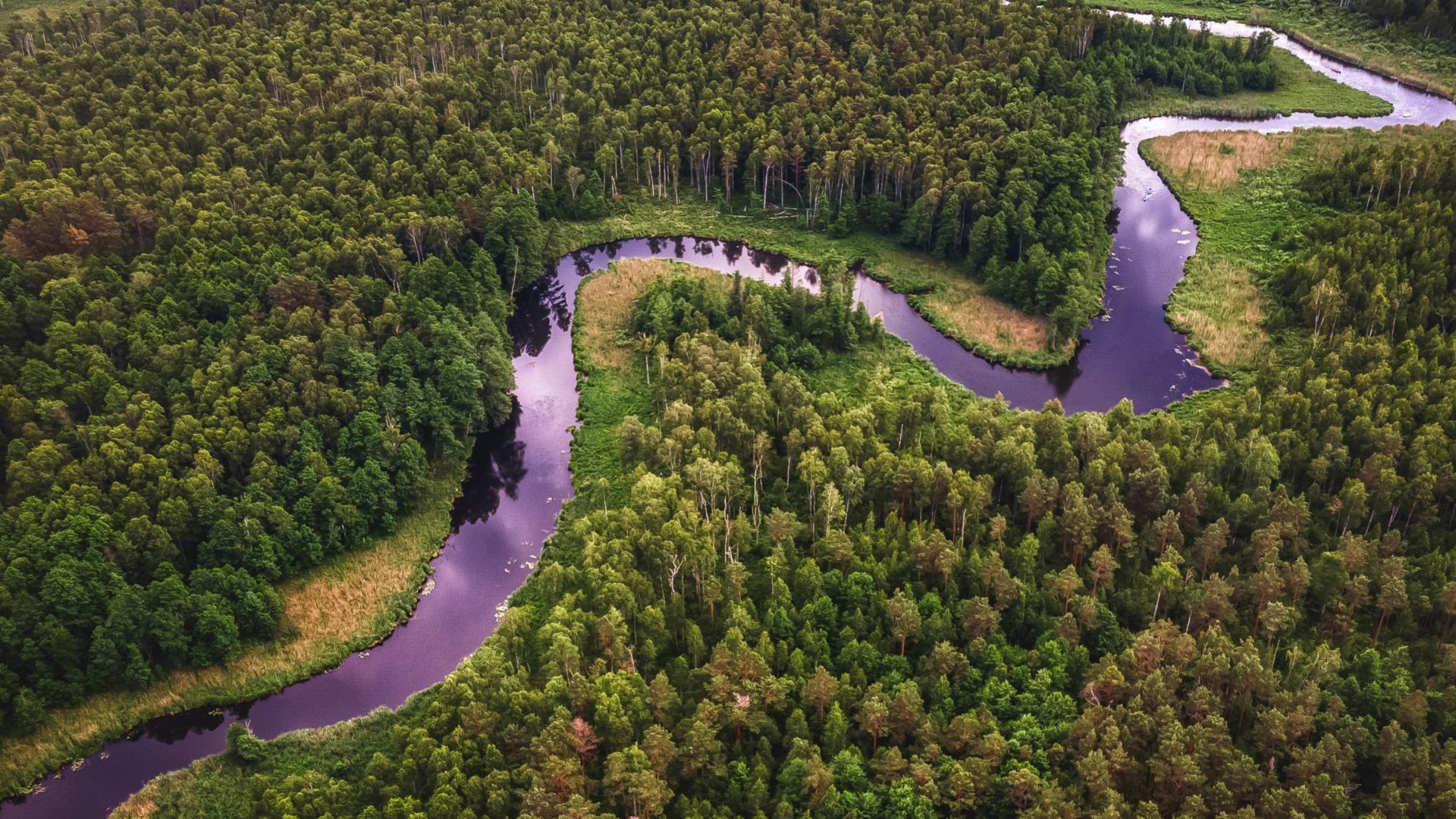
A strong chlorine odor in a pool often indicates contamination rather than cleanliness. The smell comes from chemical reactions with sweat and other substances, forming chloramines. If the air causes eye irritation, the water quality is likely poor.

18. Lake Karachay in Russia
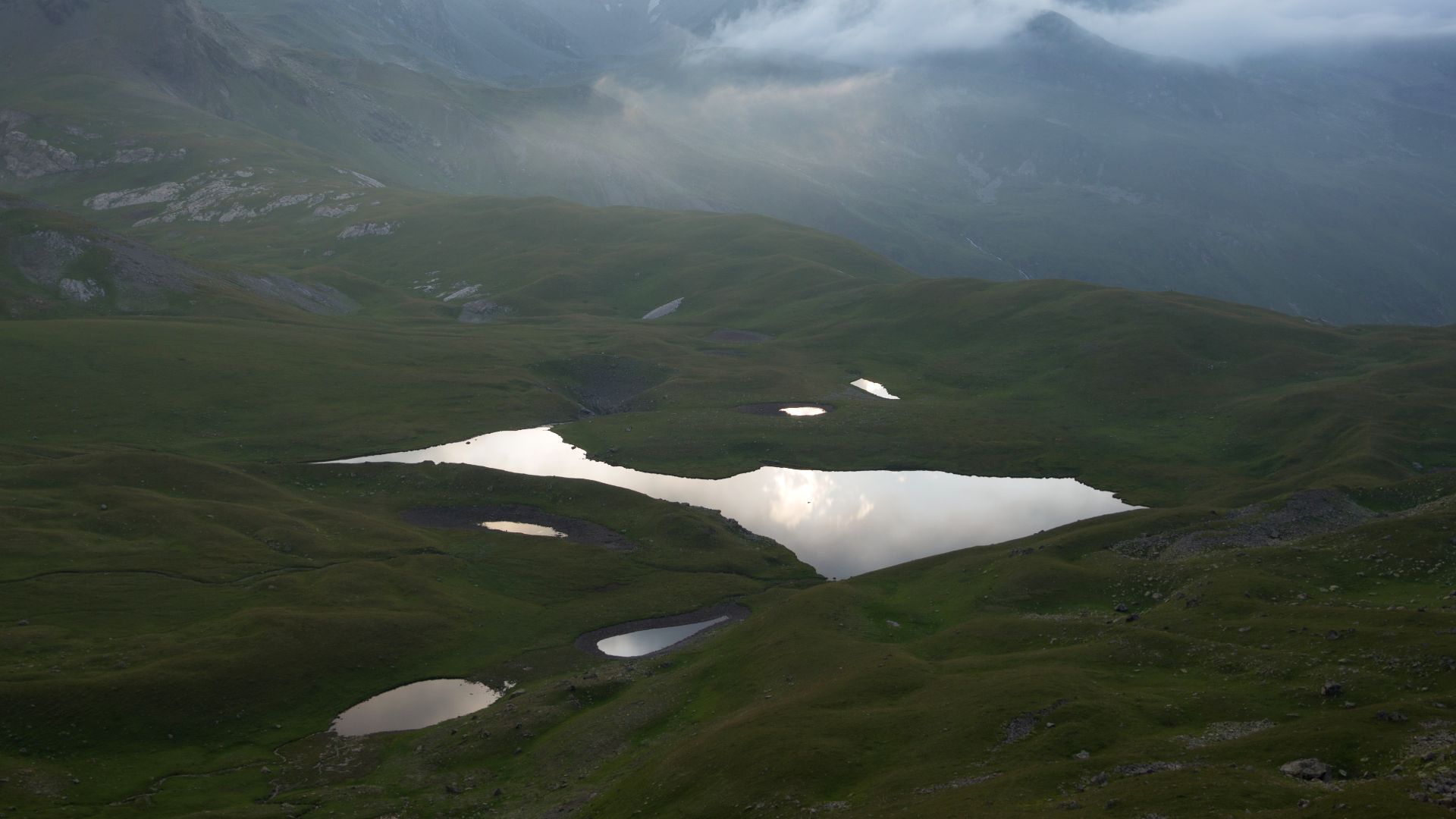
This lake is considered one of the most polluted places on Earth due to radioactive waste. Even brief exposure nearby can be extremely harmful. Making swimming completely unsafe.
 Vyacheslav Argenberg on Wikimedia
19. Beaches with Strong Rip Currents
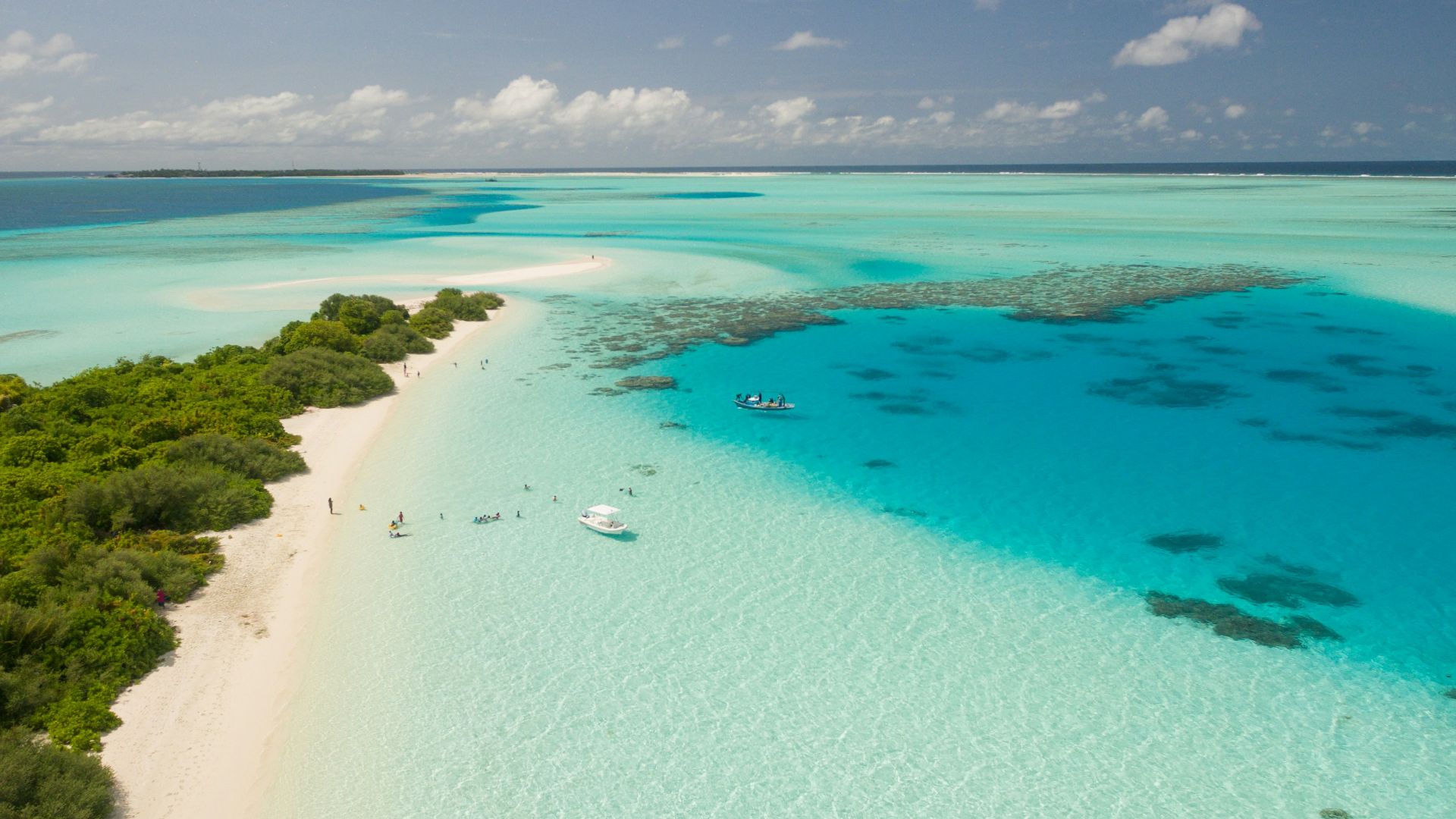
A gap in breaking waves where the water appears darker and calmer may signal a rip current. These fast-moving channels pull water away from shore and can carry swimmers far out to sea. So, keep your distance!
 Ishan @seefromthesky on Unsplash
20. Farm Ponds Near Cattle Pastures
Ponds located in farmland are often contaminated with animal waste and fertilizer runoff. This can lead to high levels of bacteria like E. coli. Which may cause serious illness if ingested.