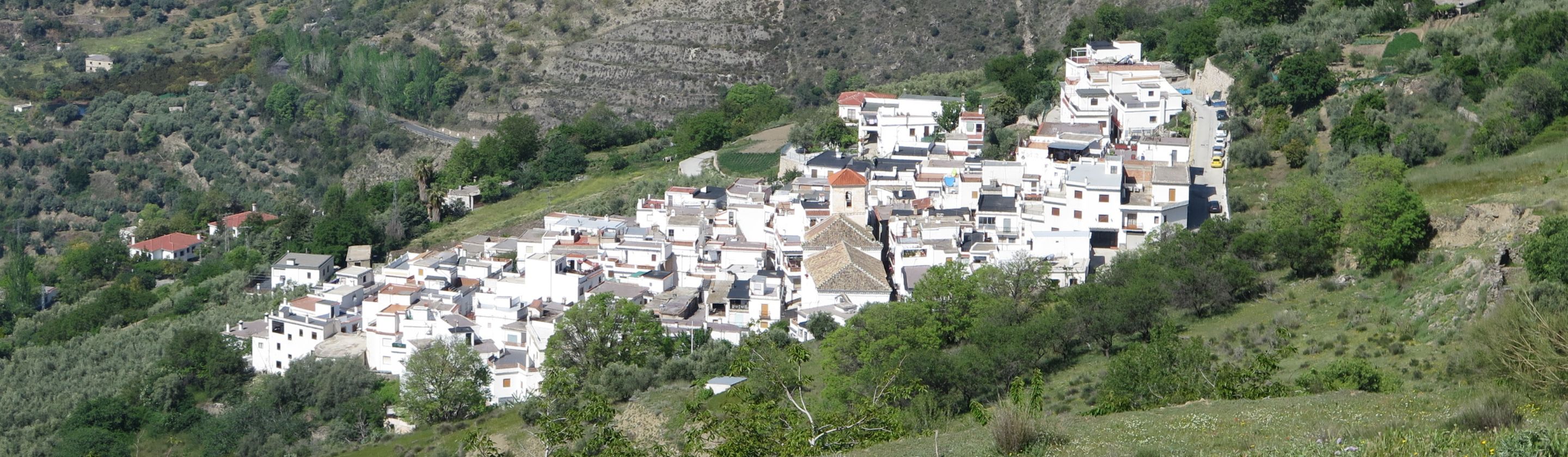
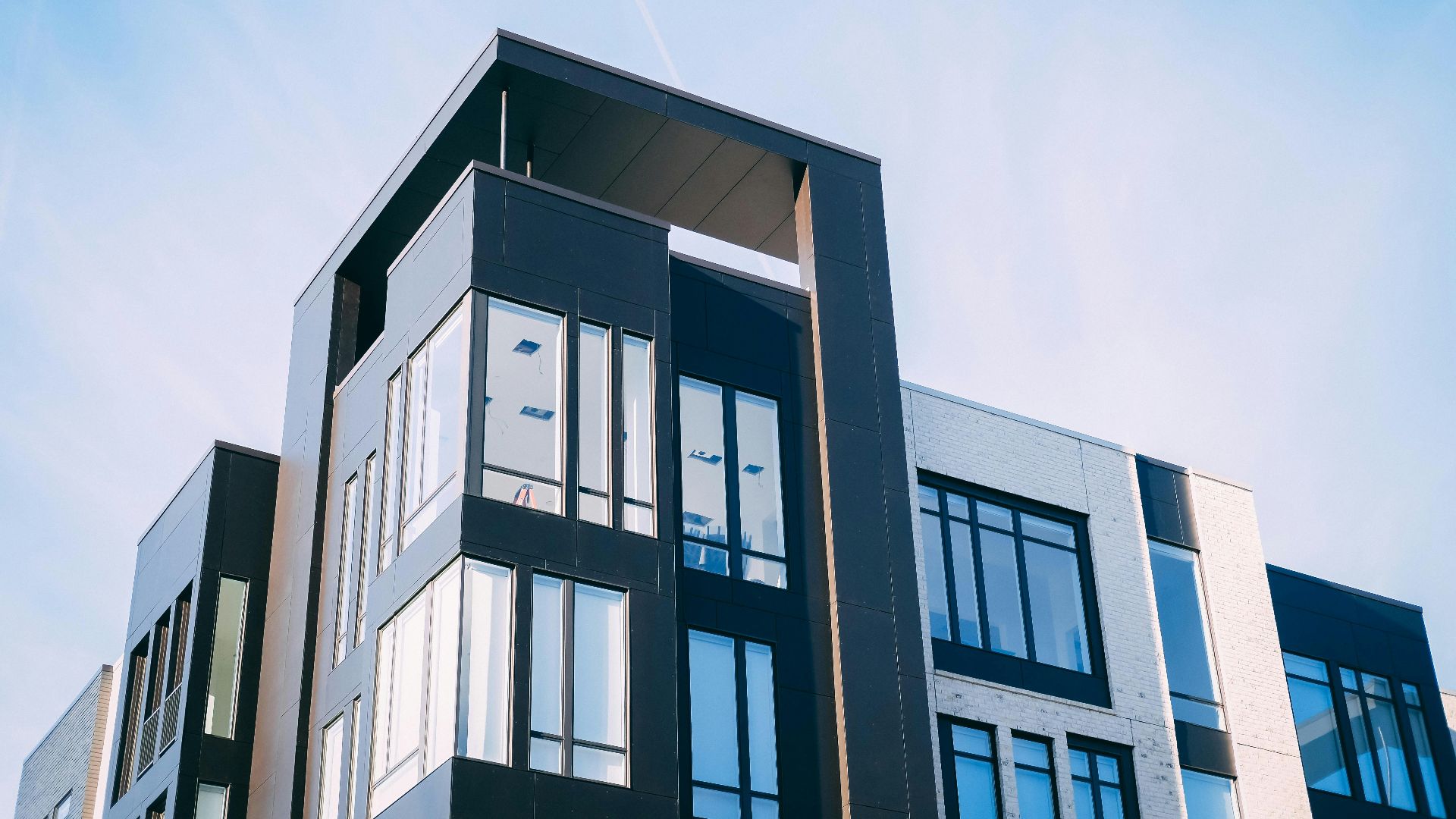
 Luke van Zyl on UnsplashShort-term rentals, or “ghost hotels,” have become a more frequent problem in recent years, especially with the rise of Airbnb. In cities like New York, Toronto, and areas of Spain, it's common to find a large portion of seemingly “residential” buildings almost empty, or at the centre of some pretty intense parting, depending on what day of the week it is.
Ghost Hotels are called such because there’s no front desk, nobody to talk to, and the general belief that law enforcement will deal with any roughhousing that’s taking place.
Okay…So?
Look, we don’t expect you to know or prioritize the housing issues of folks living in big cities, but ghost hotels have become a multi-pronged problem in populated areas.
For one, it's only further contributing to the already harsh housing climate we’re seeing across North America. When individuals or companies purchase multiple properties to rent out for short-term stays, they’re effectively removing the possibility of a long-term rental or even proper ownership of that space.
It’s also evident that most of these owners seem to use these rentals as passive income, maintaining a low profile and low responsibility when it comes to their rental spaces. This means that guests can be as loud, disruptive, and frankly, annoying as they want, with little to no repercussions. It could also mean that the space hasn’t been cleaned properly, leading to potential issues with cleanliness.
Furthermore, permanent residents within ghost hotels do find themselves constantly having to deal with partygoers, and are unable to report the owner because of their anonymity.
So, yes, you don’t need to worry about the long-lasting effects of what short-term rentals are doing to the city you’re visiting, but you’d probably be better off supporting a local hotel or bed & breakfast instead.
How To Tell
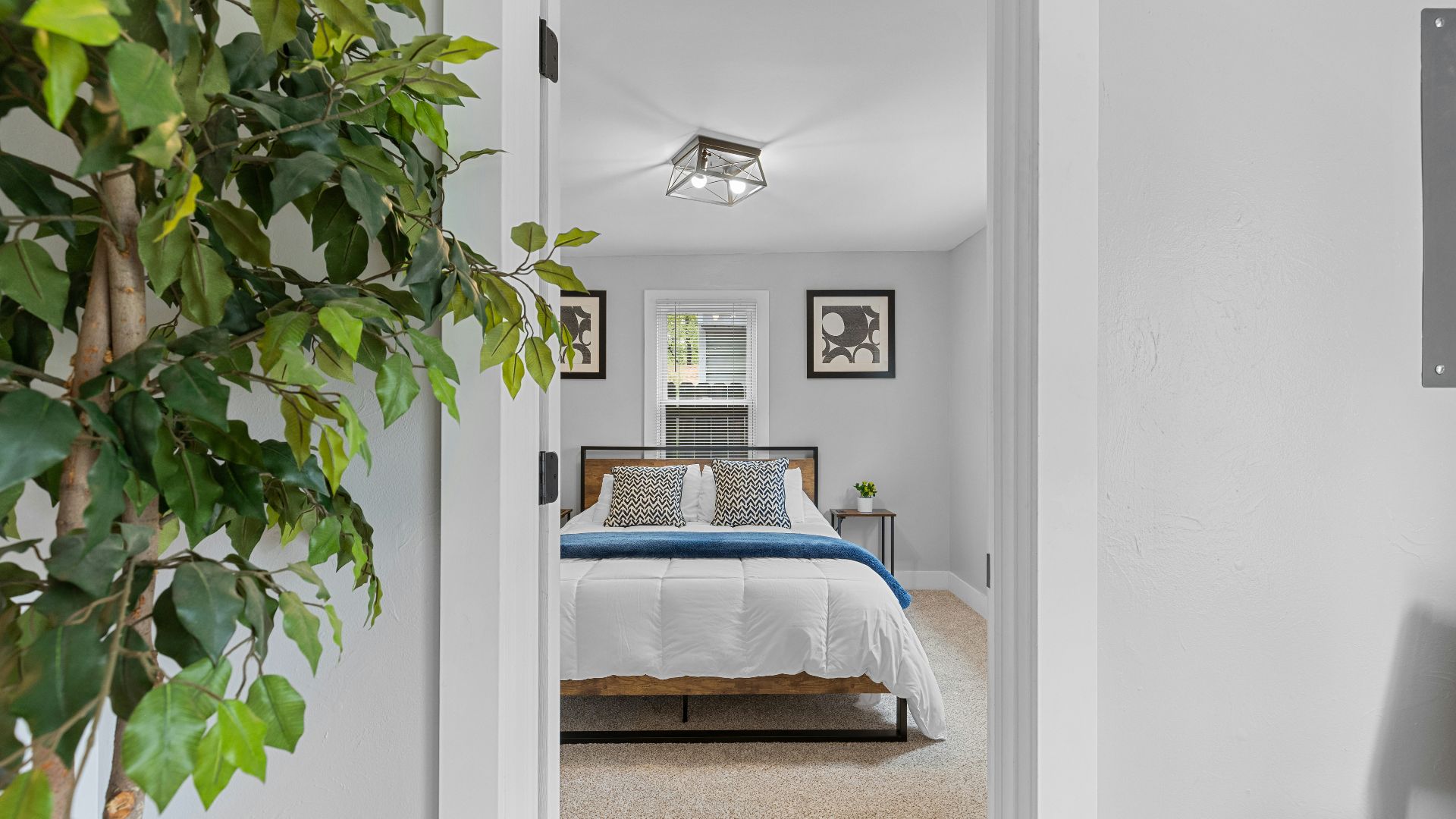
There are some common things to look out for if you think you’re staying in a ghost hotel.
- Unreliable hosts: If the property you’re staying in doesn’t match the photos online, or your host is hard to reach, you may want to keep your guard up.
- Quality concerns: Somehow finding yourself in a party house, or in a unit next to a party house, means you’re likely going to find some structural or cleanliness issues within the unit or in the building as a whole.
- Checking the profile: If you notice someone’s Airbnb profile has multiple units listed at different locations, you may be giving money to a corporation instead of a homeowner. It’s best to do your research before you book.
All this to say, unless you’re looking for a party, avoiding ghost hotels would be in everyone’s best interest. You’re at least guaranteed a more secure check-in and cleanliness experience, while the city you’re visiting may be allowed to get some of its life back, letting more residents back into the properties that were originally built for them.
Where To Stay Instead
- Your standard hotel, motel, Holiday Inn
- A locally owned bed & breakfast
- Look for more unique stays on websites like Booking.com, Sonder, or Homestay.