

Here's something that feels almost too good to be true after the last few years of eye-watering flight prices and "just stay home" math: travel in 2026 is getting a little more affordable. Yes, you heard that right. The numbers are shifting slightly in our favor. Whether you're planning a weekend trip or a multi-week international journey, you can rest assured that this year is a good year to do it.
Flights Are Finally Softening
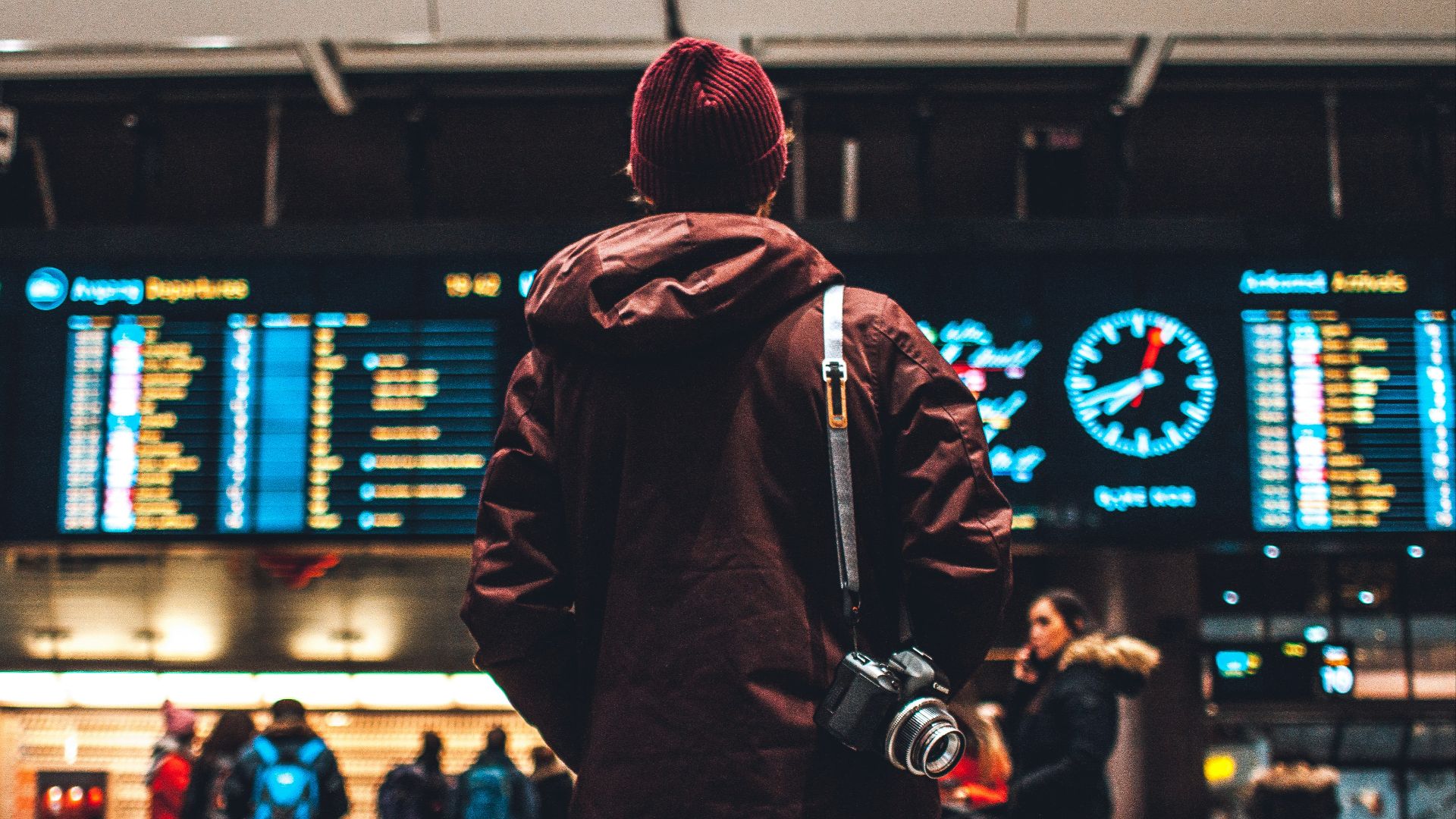
KAYAK's 2026 Travel Trends Forecast found travel interest up 9% while airfares dropped 3% domestically and 10% internationally. That international number is the one worth paying attention to. Asia and Europe trips that felt financially out of reach a couple of years ago are starting to look possible again.
The catch is that softer fares don't stick around. Popular dates often sell out faster when the prices dip. KAYAK's "What the Future" report found that use of flight price alerts rose 4% year over year, and car rental alerts jumped 60%.
Eastern Europe, in particular, is pulling a lot of attention for exactly the reason you'd expect: serious culture, lower costs. Prague, Sofia, Krakow, and Budapest are all showing major year-over-year growth in flight interest, per KAYAK. And if summer is even vaguely on your radar, the data says plan sooner rather than later. Summer searches are up 9%, and international summer airfare is down 12%, including drops of 16% for Asia and 14% for Europe.
The Hotels
There was a time when picking a hotel meant finding somewhere clean, reasonably priced, and close to things. That calculus has shifted. According to Expedia Group's Unpack '26 report, 54% of travelers are now booking multiple hotels within a single trip, not to pack in more cities, but to explore different neighborhoods or find better value within the same destination. If you've ever spent a whole trip commuting to the good stuff, this strategy makes a lot of sense.
On the quieter end of the spectrum, farm stays are also becoming quite popular. Vrbo reported that 84% of travelers are interested in staying on or near a farm, and farm-related mentions in guest reviews surged 300% year over year. That's not a niche anymore. People are exhausted, and a few days with open fields and no agenda is starting to sound a lot better than another packed itinerary.
Reading retreats are also picking up. Vrbo calls them "ReadAways," with Pinterest searches for "book club retreat ideas" up 265%. And set-jetting, or traveling to places you've seen in films or series, is projected to become a potential $8 billion industry in the U.S., with 53% of travelers saying that their desire increased in the past year, and 81% of Gen Z and Millennial travelers planning trips based on what they've watched. Whether it's a coastal landscape from a series or a mountain town from a film, the trip has a reason behind it now. That seems to matter more than it used to.
Not Accepting The Crowds

Overtourism stopped being an abstract problem and became something people are actively routing around. Skyscanner's Travel Trends 2026 "Future of Travel" report found that 34% of travelers now actively seek out quieter destinations, and 31% plan to visit popular spots during shoulder seasons specifically to avoid peak crowds. Planning to visit in early fall instead of midsummer. A smaller town near the famous one instead of the famous one itself. Less time in lines, better odds at restaurants, and sometimes lower prices.
National parks are surging in a real way. Airbnb's 2026 travel predictions reported a 35% increase in interest in U.S. national parks, and searches for stays "near a national park" are up 35% for 2026. The same report found that 65% of the top-searched 2026 travel dates align with major global events like the Winter Olympics, Coachella, and the FIFA World Cup. If you're heading somewhere tied to a big event, refundable bookings and gateway towns are worth your consideration.
The hunger for rest is showing up in the data, too. Hilton's 2026 trends research found that the top reason people want to travel right now is "to rest and recharge," cited by 56% of respondents. Twenty-six percent are planning to travel alone in 2026, and 48% are tacking solo days onto family trips.
On the planning side, Skyscanner reports that 54% of travelers feel confident using AI to help plan and book travel in 2026, up from 47% the year before, though 49% still worry about accuracy. Using AI to compare options or sketch out an itinerary is also useful. Just make sure to verify the specifics through the actual source before anything nonrefundable gets booked.
The through-line across all of this is pretty simple: travelers are getting more deliberate. Fewer "we'll figure it out when we get there" trips, more "here's exactly why we're going and what we want out of it." That shift, paired with some actual price relief, makes 2026 a pretty good year to plan something worth remembering.