Travel content has an honesty problem. The photographs are real, the locations exist, and the experiences being described genuinely happened to someone. What gets left out is the financial context that made all of it possible, the private transfers, the boutique hotels, the restaurants where a single dinner costs more than two nights of accommodation somewhere else. The glossy version of a destination gets distributed widely, and then regular people show up and spend the first two days confused about why the magic hasn't arrived yet.
This isn't a cynical argument that beautiful places are a lie. Some of the best travel experiences in the world are cheap or free, and plenty of destinations deliver on their reputation across a wide range of budgets. The disconnect tends to cluster around specific places where the infrastructure, the pricing, and the social dynamics have arranged themselves in ways that make the idealized version of the destination functionally inaccessible unless you're spending at a level that most people aren't. Those places are worth naming honestly.
The Maldives Math Doesn't Work at a Discount
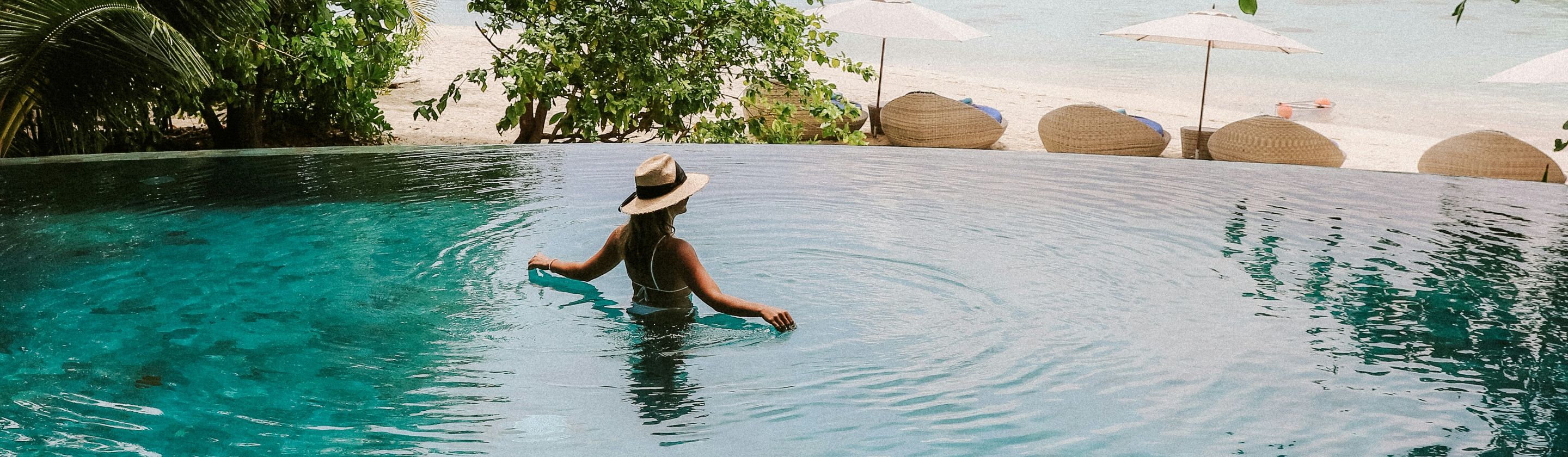
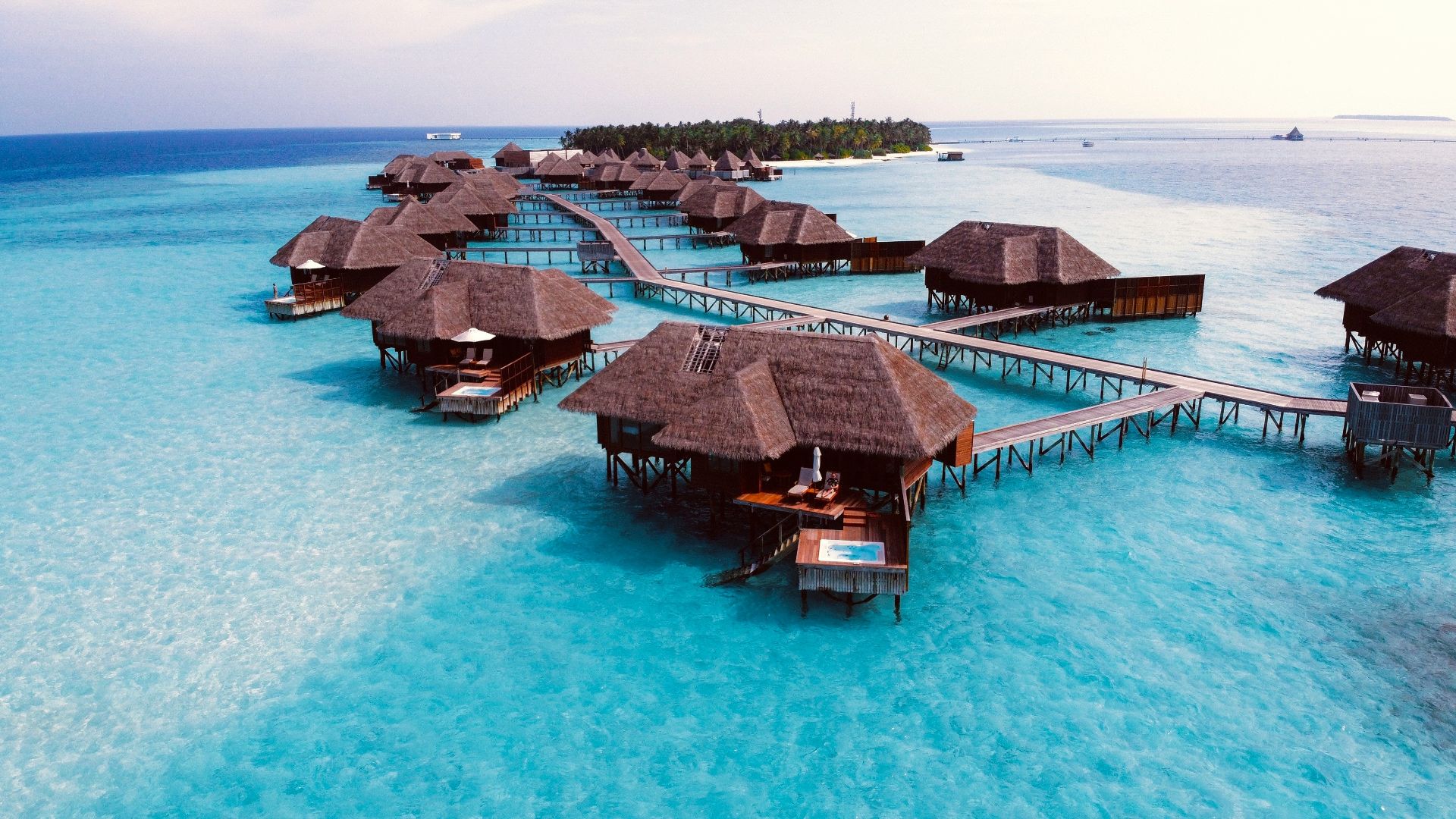
The Maldives is probably the most extreme example of a destination where the aspirational version and the affordable version are essentially different products. The images that circulate, overwater bungalows, impossibly clear lagoons, breakfast delivered by canoe, are all real, but they exist almost exclusively at resorts where rooms routinely run between 800 and 3,000 dollars per night. According to data from the Maldives Ministry of Tourism, the country hosted over 1.8 million tourists in 2023, but the resort island model, in which visitors are largely confined to a single private island, means that a budget experience and a luxury experience don't share the same geography.
There are guesthouses on local islands that cost a fraction of the resort prices, and the water is the same water. Snorkeling off a local island can be genuinely excellent. What you lose is the physical environment that makes the Maldives iconically the Maldives: the seamless transition from your room into a turquoise lagoon, the absence of anything resembling ordinary life, the sensation of floating in the middle of the Indian Ocean with nothing competing for your attention. That experience is architecturally designed and priced accordingly, and no amount of budget optimization gets you inside it without paying for it.
The remoteness compounds everything. Almost all visitors arrive through Malé, and reaching a resort island typically requires either a speedboat transfer or a seaplane, with seaplane transfers alone sometimes costing 500 to 600 dollars round trip per person. The logistical cost of simply being there sets a floor on what the trip can cost that most destinations don't have.
Santorini Sold a Postcard and Called It a Place
Santorini is one of the most photographed places on earth, and the photograph has a very specific composition: white cubic buildings stacked on a volcanic caldera, blue-domed churches, the Aegean in the background, a couple looking at a sunset in a way that suggests their relationship is going extremely well. That image is real and it is genuinely beautiful. It is also concentrated in a stretch of two villages, Oia and Fira, that have organized themselves almost entirely around producing it for paying visitors.
The economic result is a place where accommodation during peak season routinely costs 400 to 800 euros per night for anything with a caldera view, where a dinner for two at a mid-range restaurant with that view runs 150 to 200 euros without much effort, and where the experience of being there without spending heavily means being adjacent to the magic rather than inside it. A 2025 report from the Greek Tourism Confederation noted that Santorini had among the highest average tourist expenditure per visit of any Greek destination, reflecting a pricing structure that has moved decisively upmarket.
What makes Santorini specifically frustrating is that the thing you came for, the view, the light, the particular quality of standing on that caldera edge, is real and available and free. The problem is that accessing it in the way the photographs suggest, with space, with quiet, with a table at the edge of the world, requires either paying for a hotel that positions you correctly or arriving in shoulder season when the crowds thin and the prices drop enough to breathe.
Bora Bora and the Privatization of Paradise
Bora Bora operates on roughly the same economic logic as the Maldives but with a French Polynesian price premium layered on top. The island's most celebrated experiences, overwater bungalows above a lagoon that shifts between shades of turquoise and aquamarine, are delivered almost exclusively through a handful of luxury resorts where rates regularly exceed 1,500 dollars per night. InterContinental, Four Seasons, and St. Regis control significant portions of the prime lagoon-facing real estate, and the overwater bungalow concept was essentially pioneered and perfected in French Polynesia specifically as a luxury product.
Getting to Bora Bora requires flying into Papeete on Tahiti and then taking an inter-island flight, with round-trip airfare from the continental United States often running between 1,500 and 2,500 dollars before accommodation enters the picture. The French Polynesia Tourism Board reported that the average visitor spent approximately 600 dollars per day during their stay in 2022, a figure that reflects how thoroughly the destination has been built around high-expenditure tourism.
There is a public beach, Matira Beach, that is genuinely beautiful and genuinely free, and budget pensions exist on the island that make the trip survivable on a moderate budget. What you cannot replicate without the resort infrastructure is the sensation that the place was built for you, which is precisely what the overwater bungalow delivers and precisely what the marketing has spent decades selling. The dream is real. The price tag is just attached to it more firmly than most travel content bothers to mention.