Same 24 Hours, Different Schedule
Americans tend to assume the day runs on a pretty fixed script: early breakfast, lunch around noon, dinner around six, errands on Sunday if you forgot something, and businesses that stay open long enough for workday life to function. Then you land somewhere else and realize the clock is not the main priority—heat, religion, family routines, labor laws, and public transit patterns can matter more than what time it is “supposed” to be. Once you adjust, it often starts to make sense, but the first few days can feel like you keep showing up at the wrong time. Here are 20 countries where the everyday rhythm routinely catches Americans off guard.
1. Spain
Dinner can start late, especially in big cities, and it is normal to see restaurants fill up at 9:30 or 10:00 p.m. Lunch often lands later than Americans expect, and in some places the afternoon lull is real enough that certain shops shut down for a stretch. The day feels built to accommodate late social time rather than early nights.
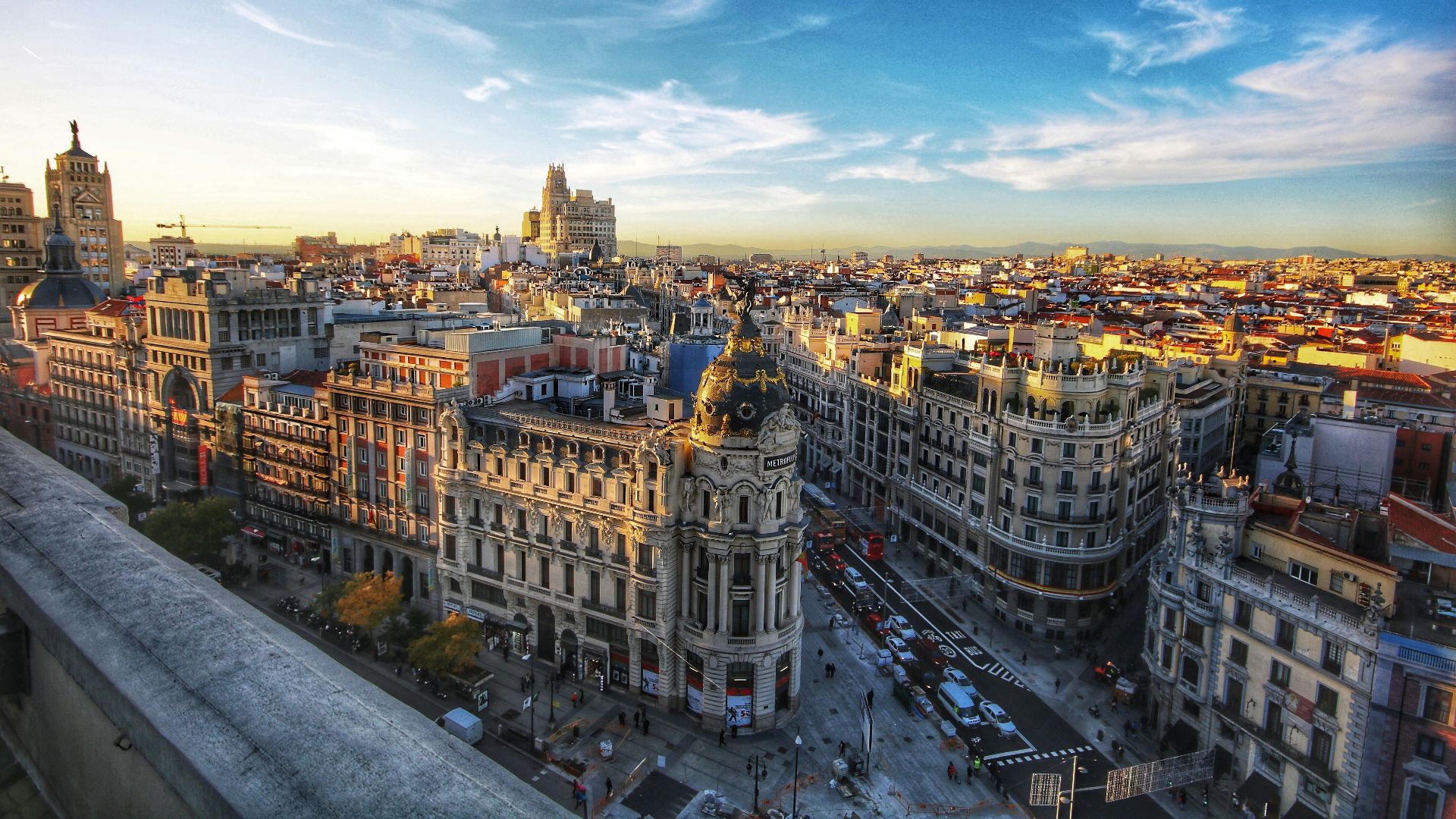 Jorge Fernández Salas on Unsplash
2. Argentina
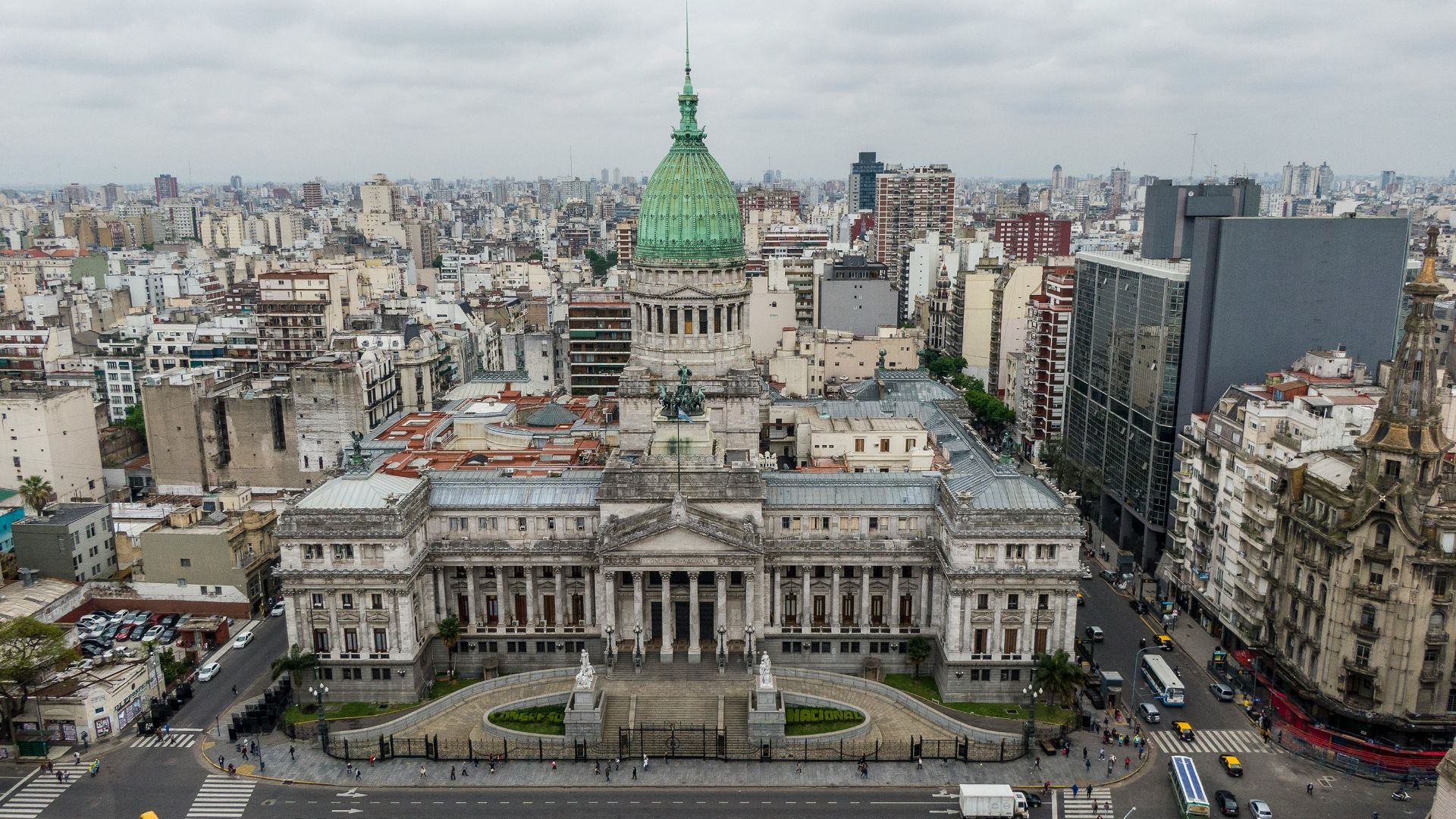
Meals and hangouts lean late, and you can see families and friends out well after what Americans would consider bedtime. Dinner can easily start at 10:00 p.m., especially on weekends, and cafés stay relevant late into the evening. The pace also includes lingering, meaning a meal is not automatically a quick in-and-out.
3. Italy
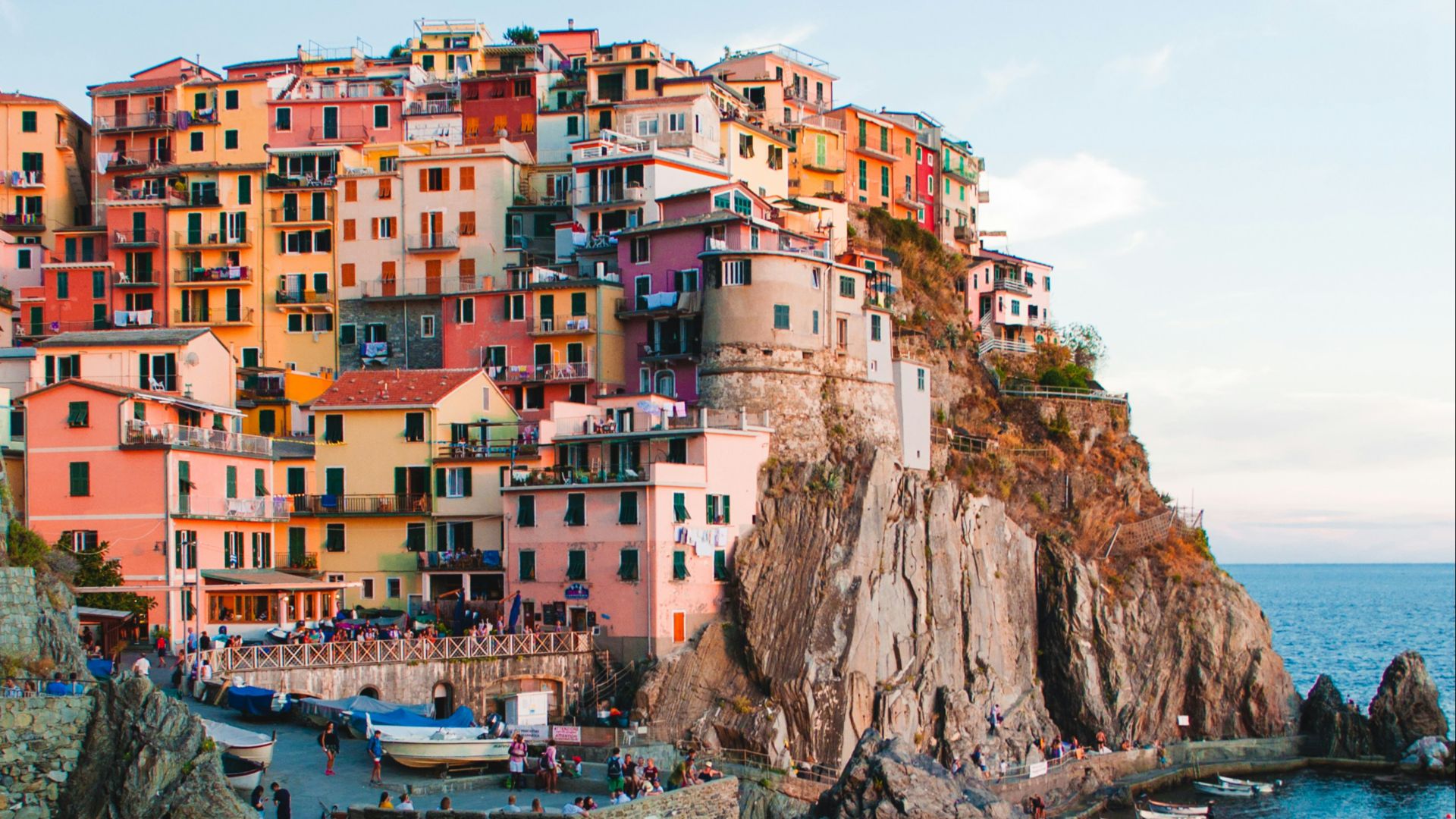
Coffee culture surprises people in the details: a quick espresso at the bar is common, and lingering over a cappuccino late in the day is less typical in many areas. Lunch can be substantial, and in smaller towns there may be a real midday pause before the late afternoon picks up. Dinner tends to start later than in the U.S., with a slower pace once it begins.
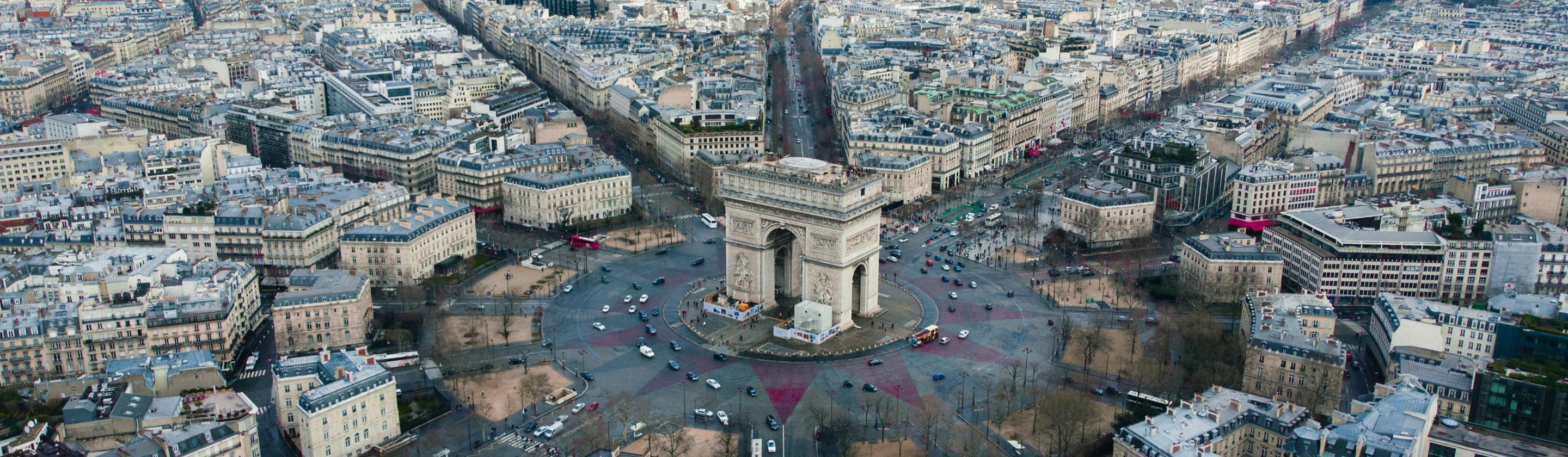
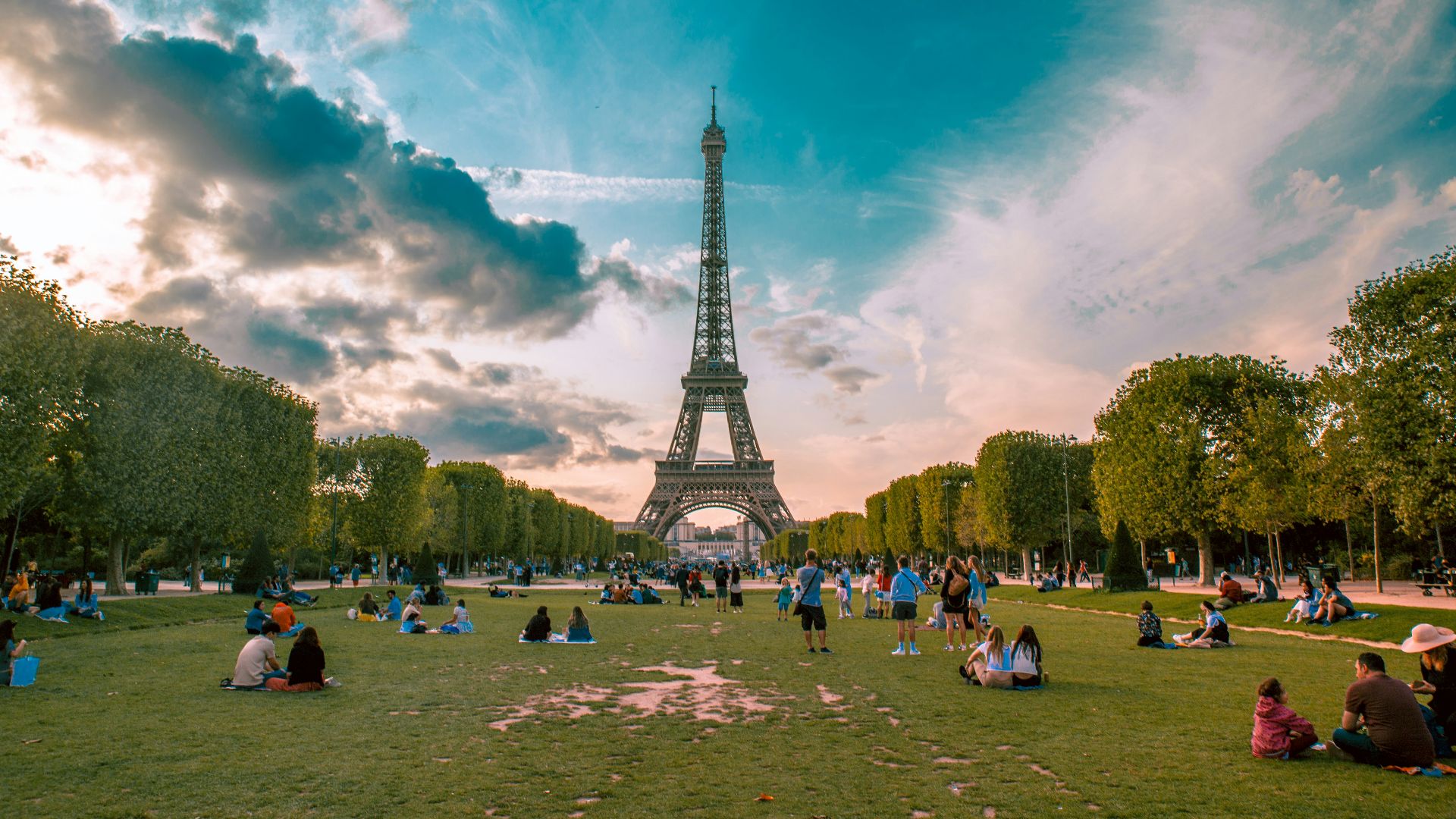
4. France
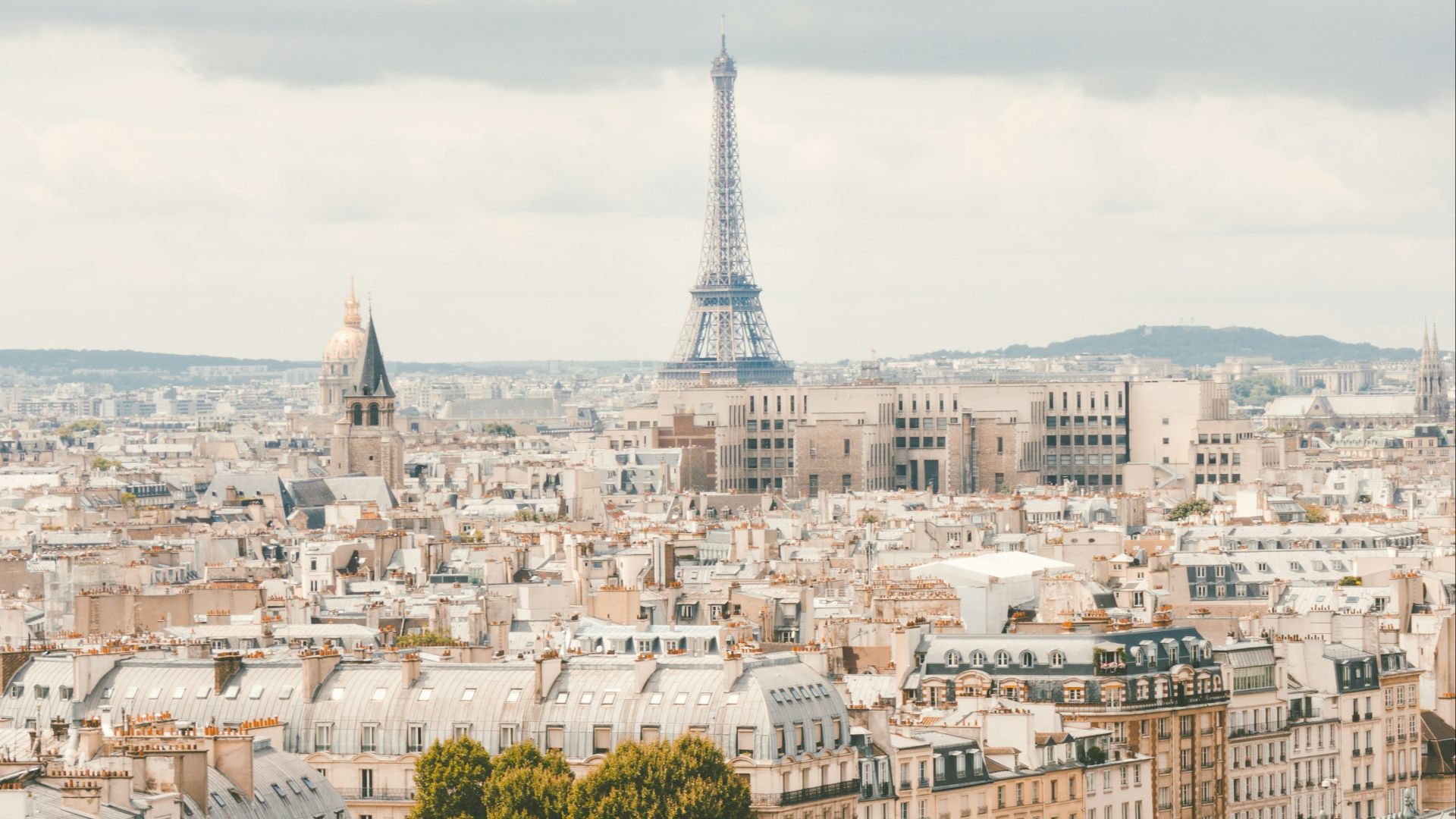
Lunch can still be treated like a real break, not something eaten at a desk between meetings. Many people expect shops to be available all day, then run into closures that reflect a stronger boundary around meal times. Even in cities, you can feel that certain parts of the day are protected in a way Americans are not used to.
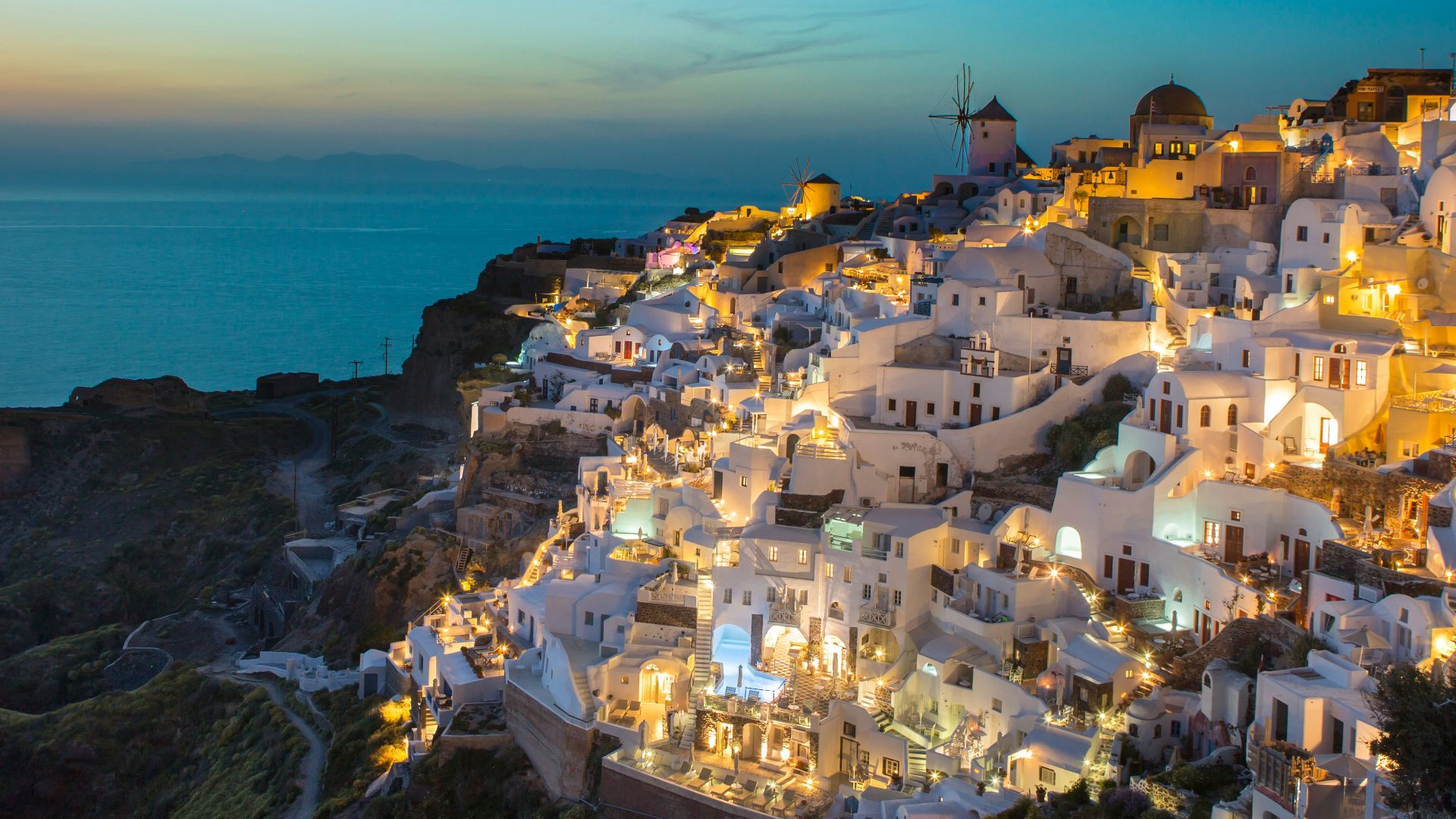
5. Greece
Summer heat influences everything, including when people do errands and when they socialize. You can see afternoons quiet down and evenings come alive, with families out late and public squares still busy at night. The day often feels split into a slower, hotter middle and a more active evening.
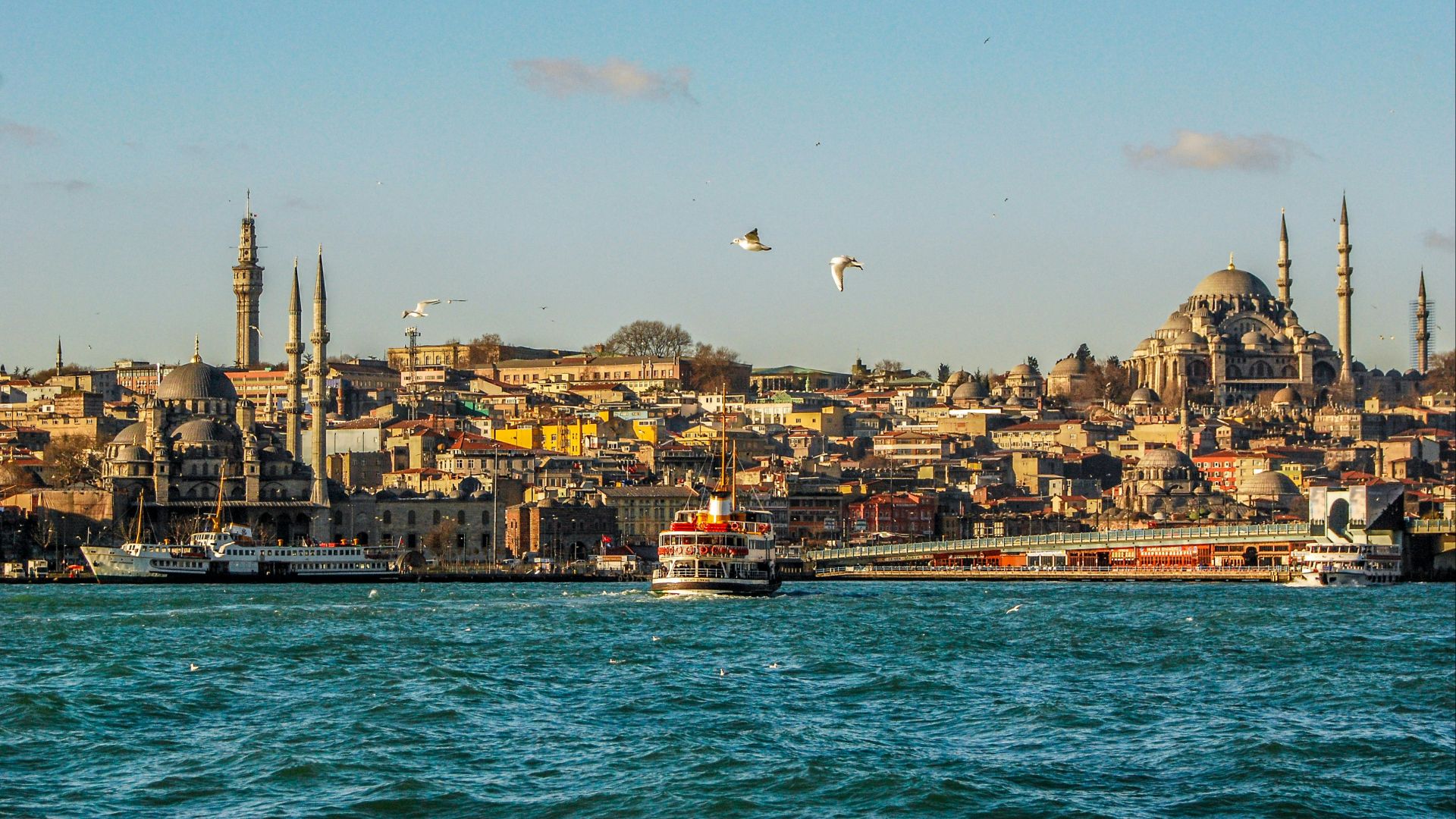
6. Turkey
You can feel the day structured around tea, meals, and social pauses that are built into normal life. Shops and neighborhoods can stay active late, and it is common to see people outside in the evening rather than retreating indoors early. In some places, daily prayer times also shape the flow, even if it’s just in small, practical ways.
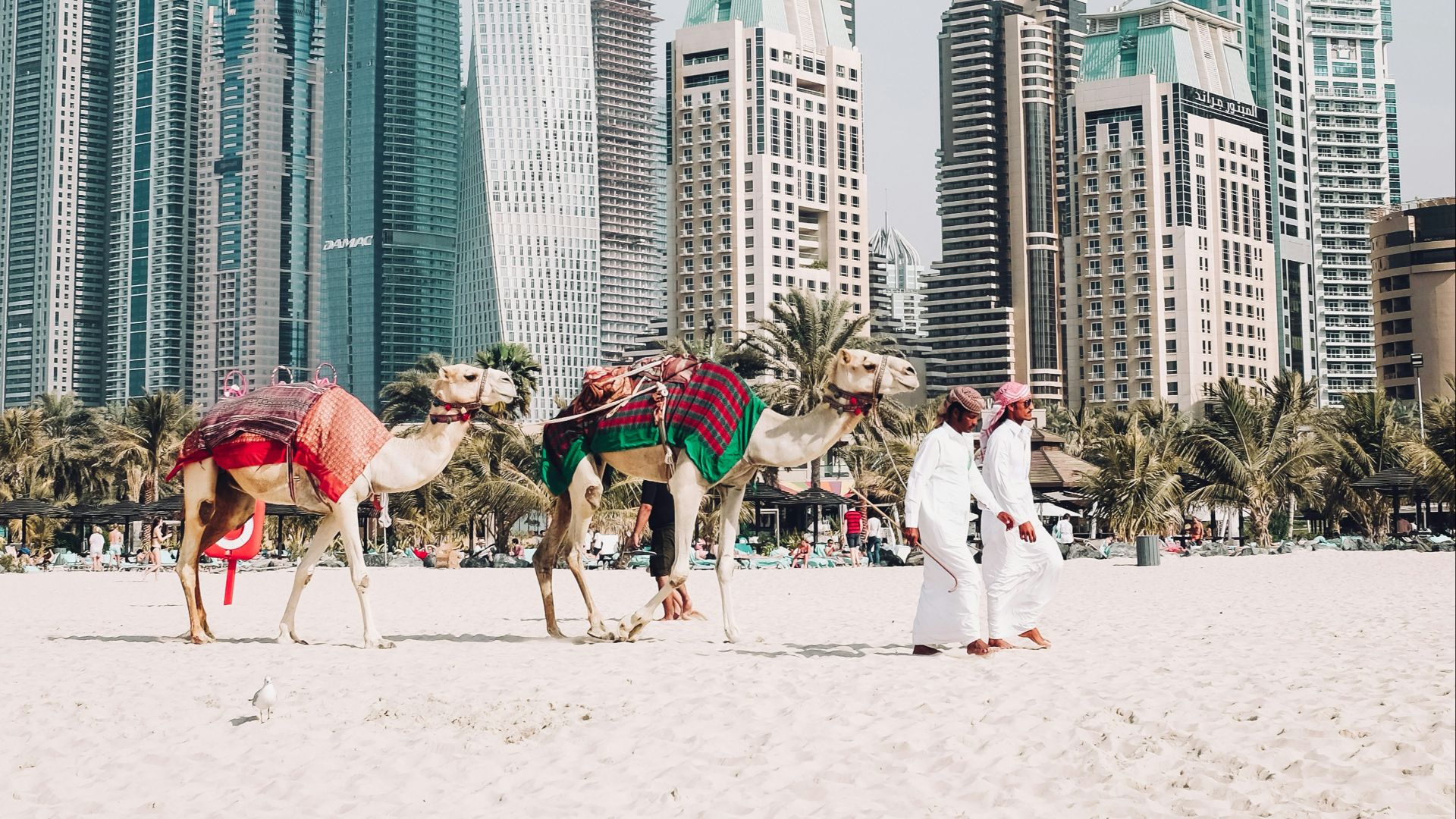
7. United Arab Emirates
The week rhythm can be the first surprise, because the weekend and workweek structure differs from what Americans instinctively assume. Daily timing is also shaped by heat and, during Ramadan, by a major shift toward later nights and different meal patterns. Even outside Ramadan, late-evening activity is common, especially in retail and dining.
8. India
The day can start early, but the rhythm often includes an afternoon slowdown, especially in hotter seasons. Many families eat dinner later than Americans expect, and the evening can be busy with errands, walks, and social visits. You also see a strong pattern of daily food routines built around fresh cooking rather than quick convenience meals.

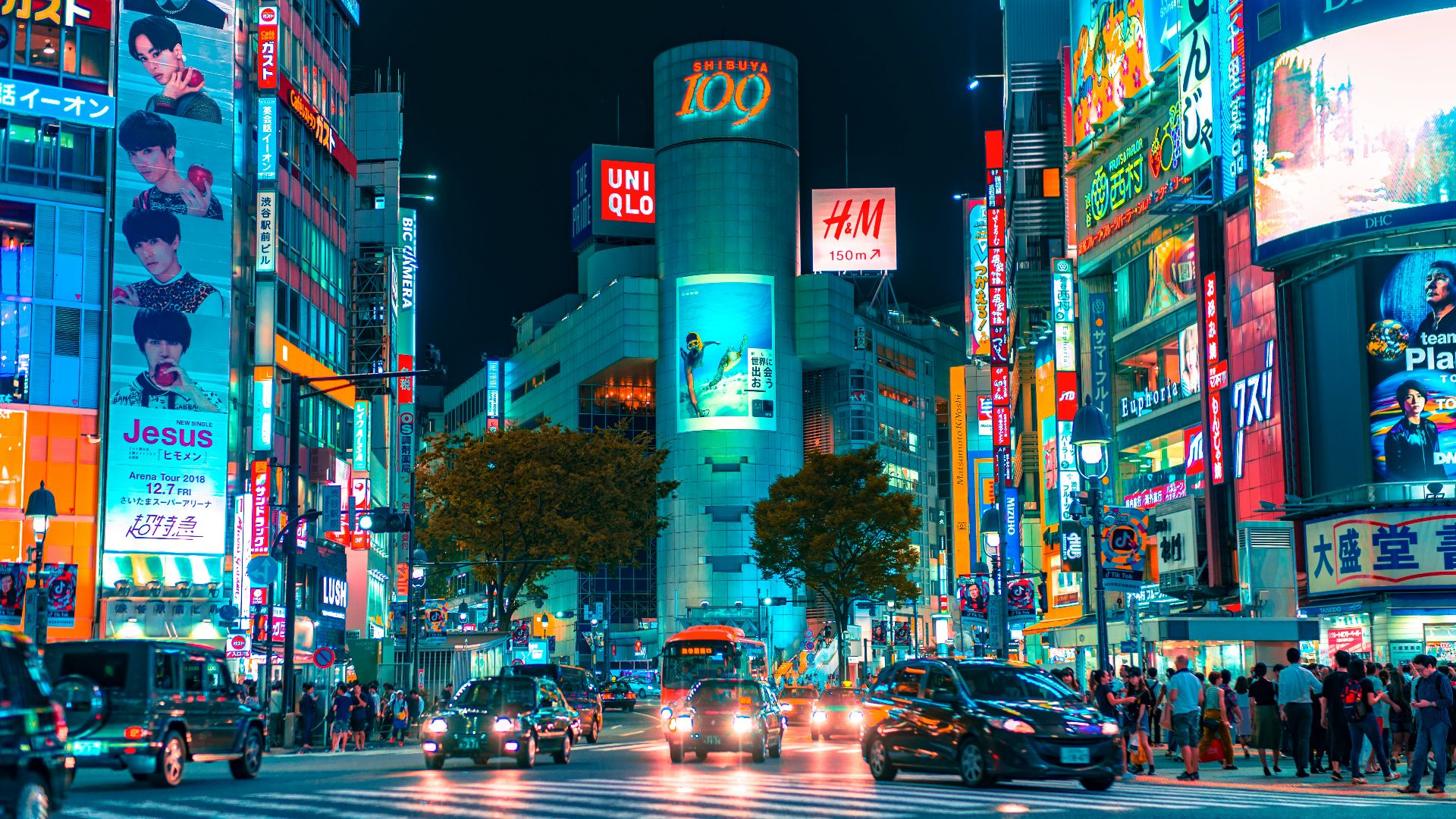
9. Japan
Morning commuting and early starts can feel intense, and the day often runs on punctuality in a way Americans notice immediately. At the same time, after-work socializing can be structured and expected in many workplaces, making evenings feel like an extension of the day rather than personal time. Convenience stores being truly convenient also changes how late-night needs get handled.
10. South Korea
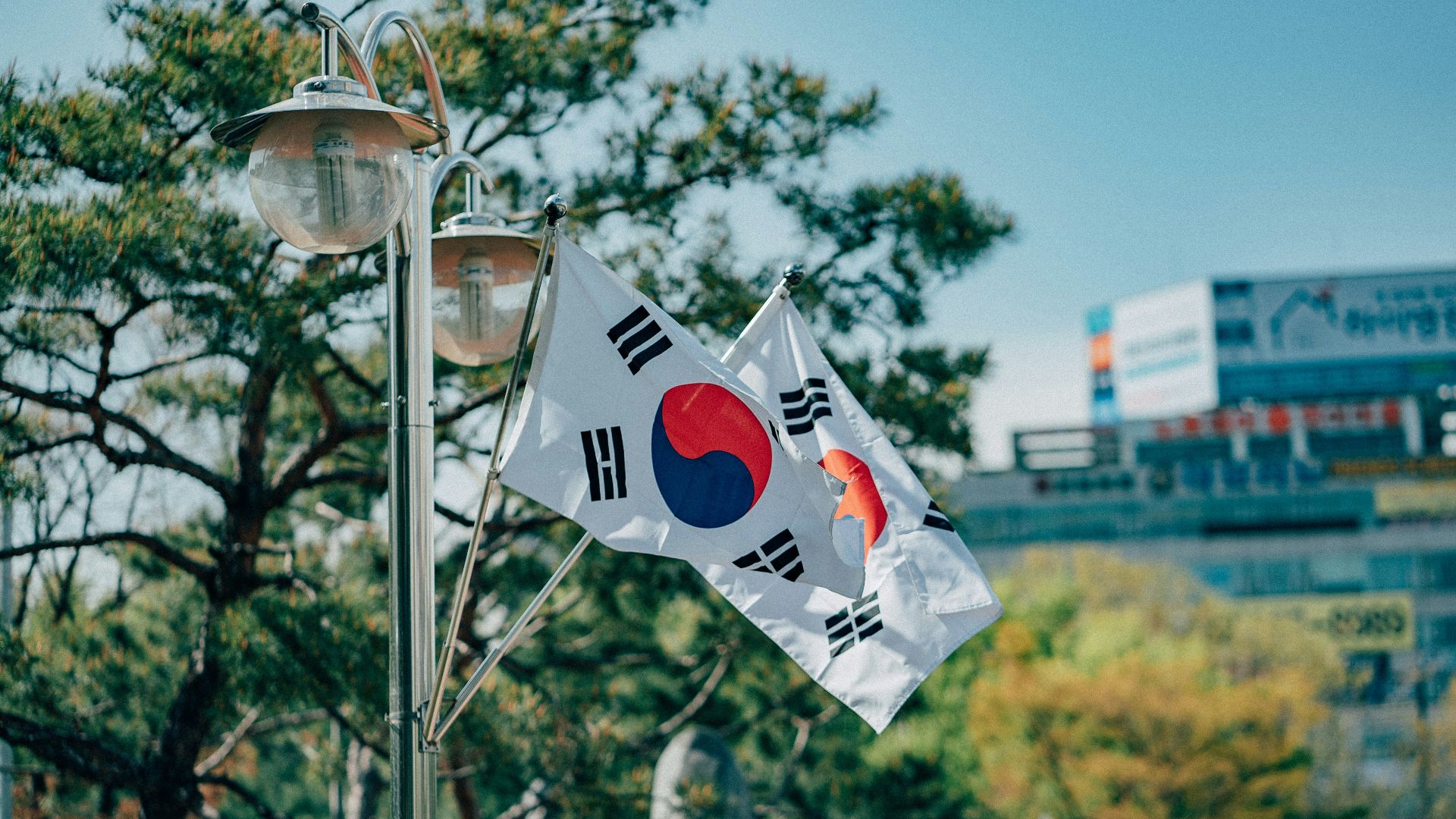
Late-night food and coffee culture can be a shock if you are used to kitchens closing early. You can see people out late on weeknights, and certain neighborhoods feel active deep into the evening. The workday can be long, but the social and retail environment often stays open to match it.
11. China
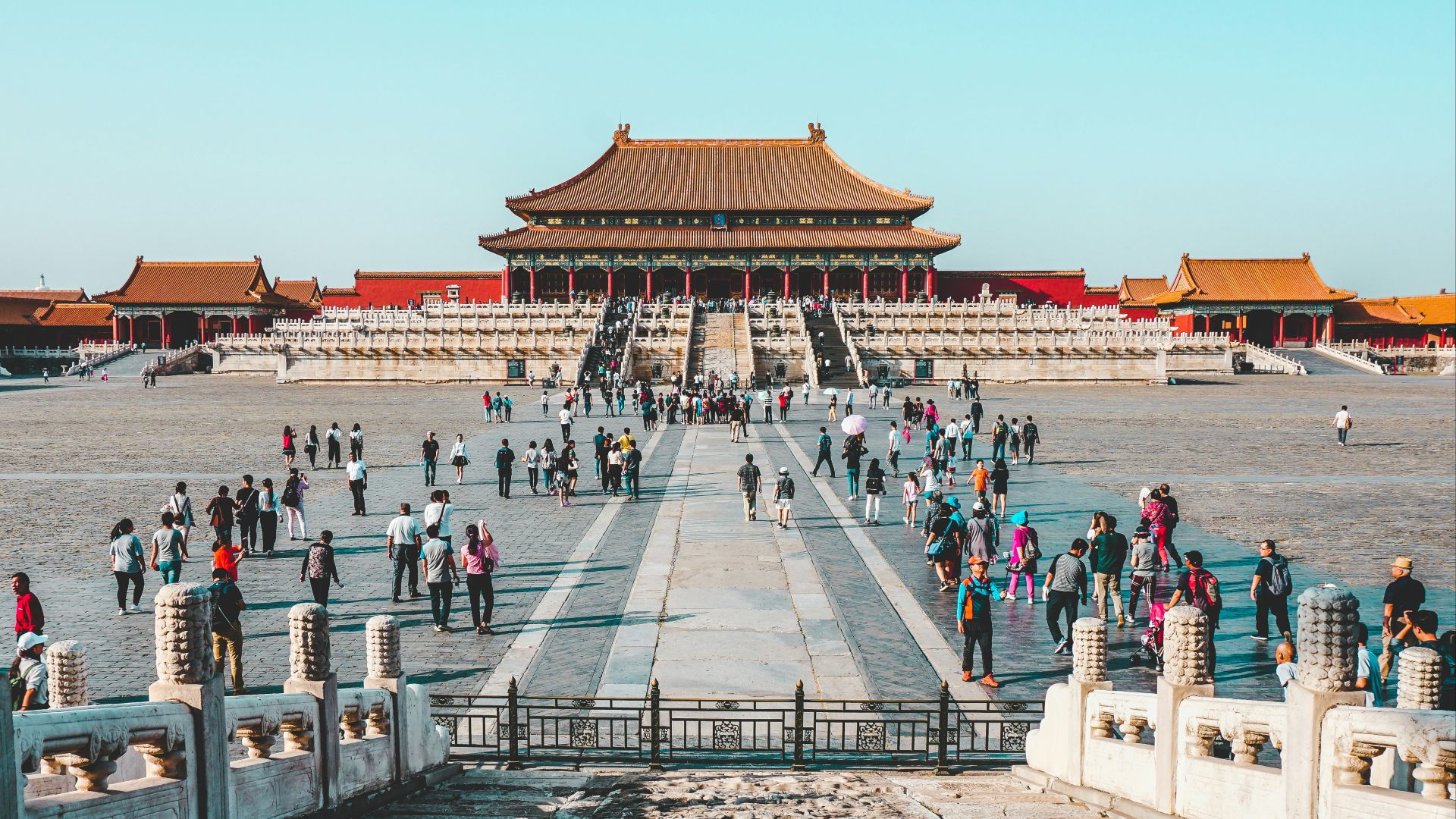
Early mornings can be lively in public spaces, especially with group exercise, dance, or tai chi in parks. Depending on the region and season, afternoons can slow down, and then evenings pick back up with night markets and street food. The day can feel more community-visible, with more life happening outside the home.
12. Indonesia
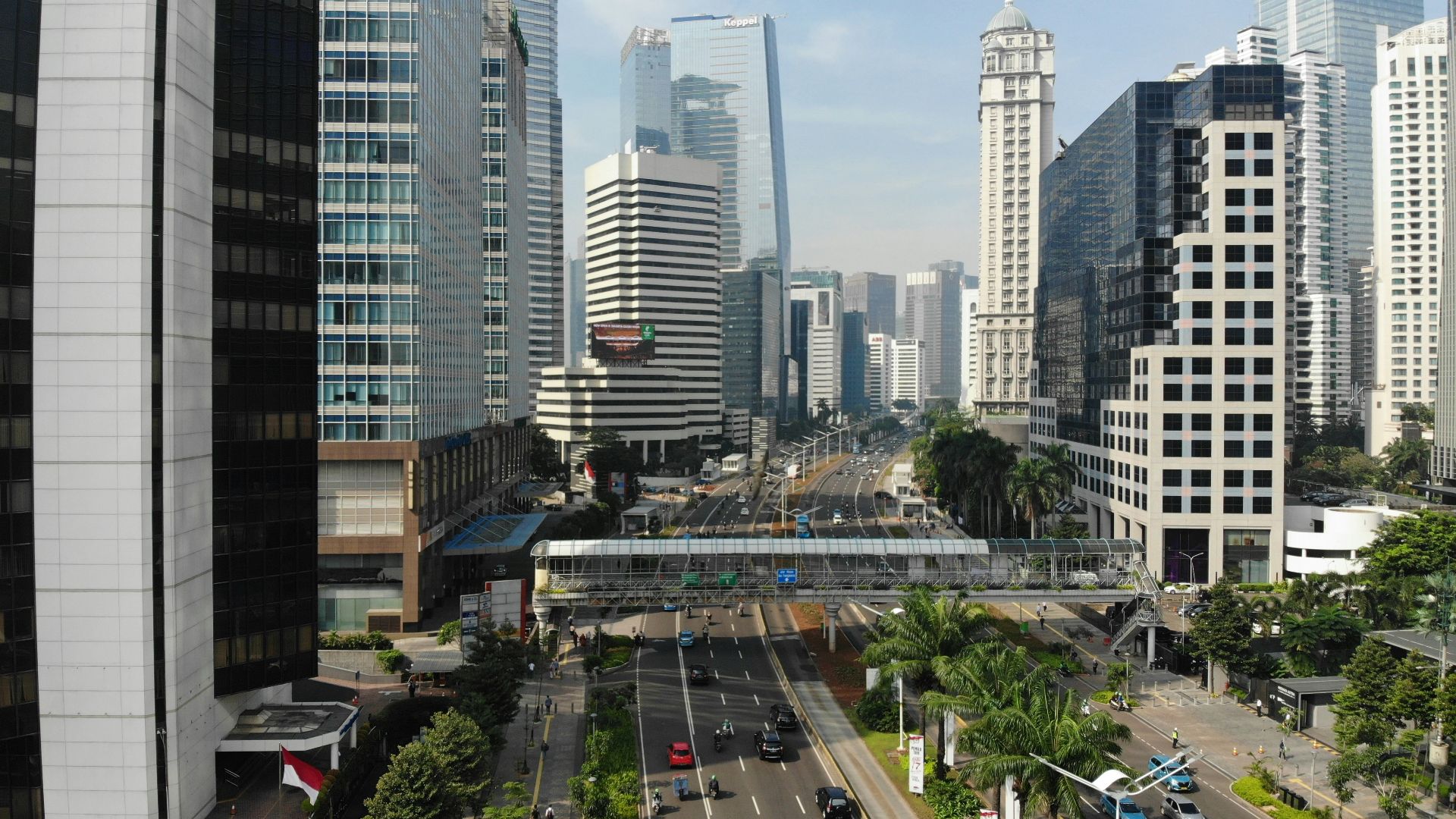
In many places, daily life is shaped by heat, prayer times, and local traffic patterns, which can matter more than the clock. Mornings are often productive, afternoons can soften, and evenings can become the main social window. Americans can be surprised by how normal it is for things to happen later once the temperature drops.
13. Thailand
Heat and rain patterns influence timing, so errands and outings often shift earlier or later rather than sitting in the hottest part of the day. Night markets and evening street food make dinner feel like an outdoor activity, not a fixed home routine. The rhythm can feel relaxed, but it is also highly practical.

14. Vietnam
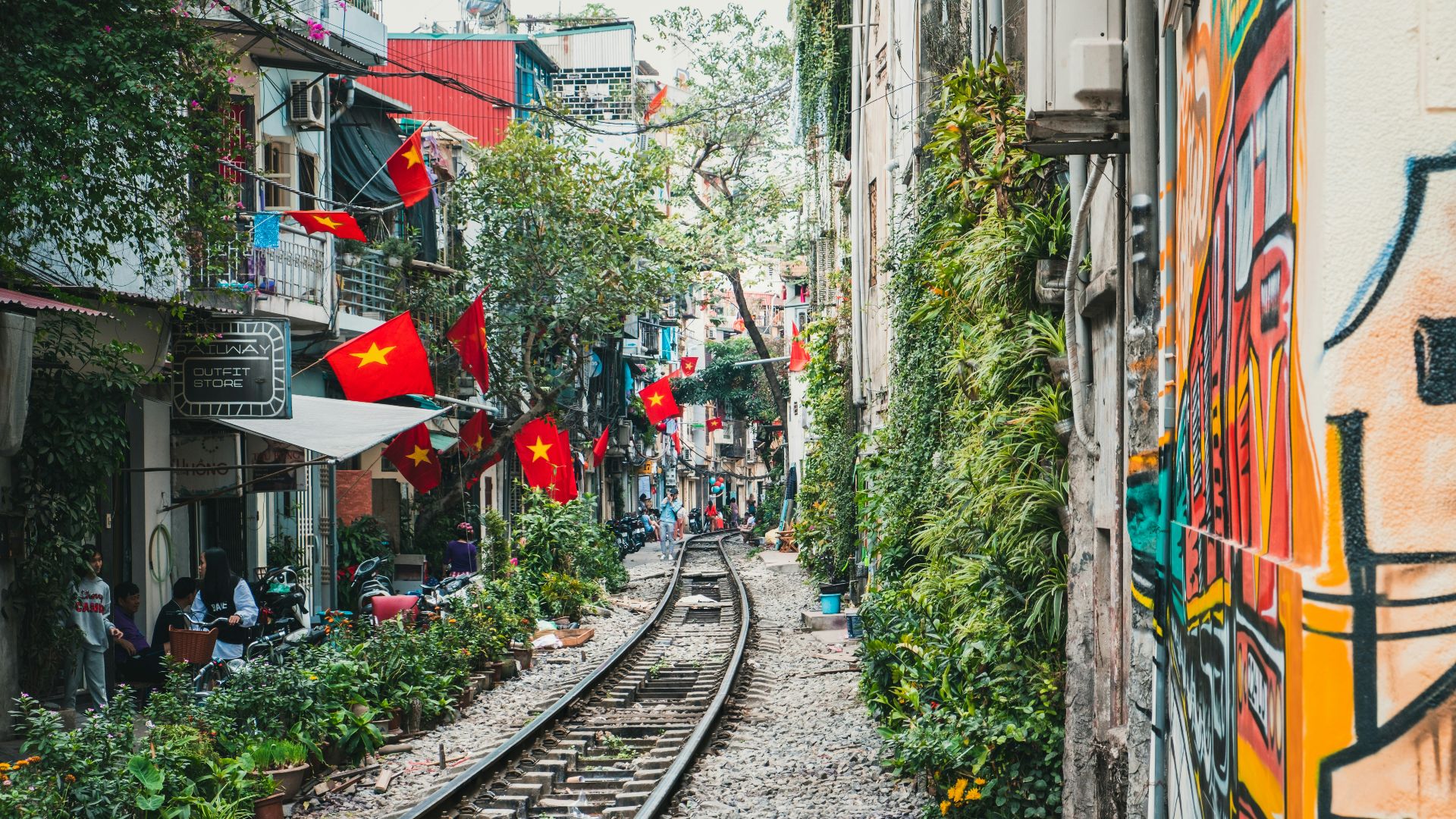
Early mornings can be busy with food stalls, motorbikes, and people getting a full day started before the heat peaks. Afternoon can quiet down in some areas, and then evenings get social again, especially around street food. Americans used to late brunch culture can be surprised by how early “morning food” really happens.
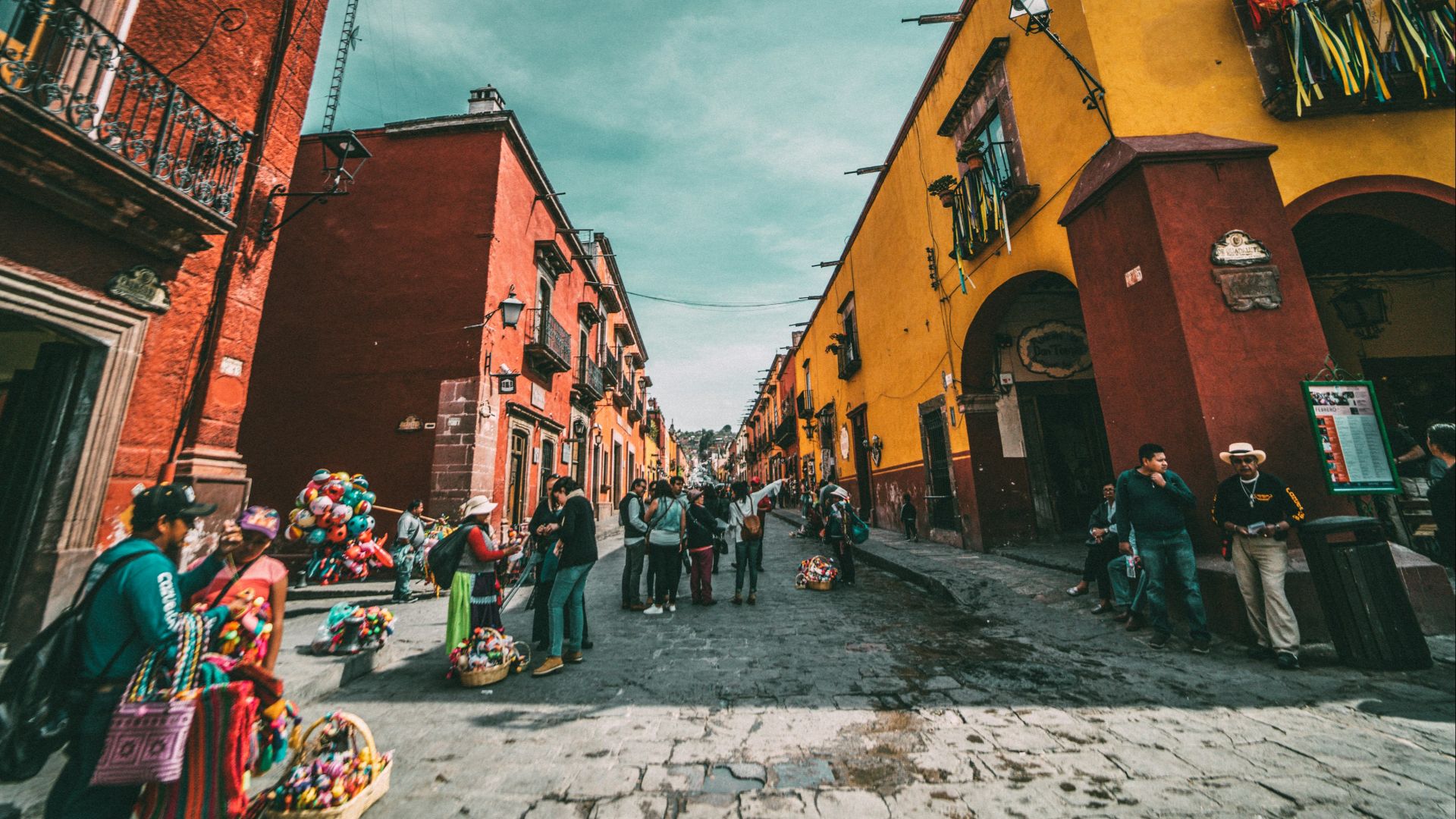
15. Mexico
Late dinners are common in many households, and evenings often carry more of the social weight of the day. In some places, the midday meal can be the biggest one, which changes how hungry you are at 6:00 p.m. Americans are also often surprised by how lively public spaces can be at night, especially with families out together.
16. Brazil
The rhythm can be neighborhood-driven, with strong patterns around morning work, afternoon heat, and evening social life. In some cities, beach and outdoor time affects the whole day, with early activity and later dinners. The pace often includes more casual, extended social time than Americans are used to planning for.
 Agustin Diaz Gargiulo on Unsplash
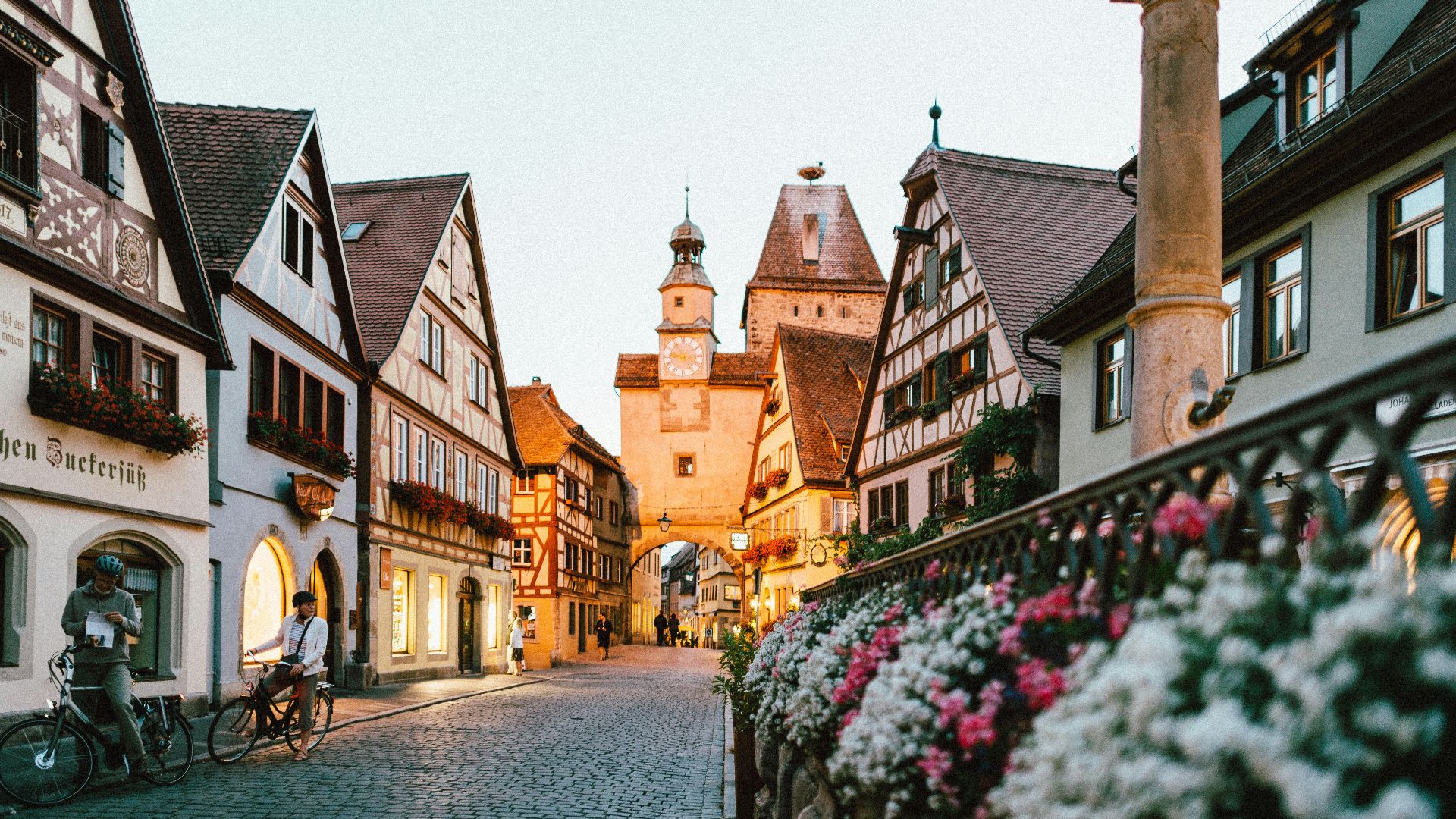
17. Germany
Sunday closures can surprise Americans immediately, especially people used to treating Sunday as an errand day. Shopping hours can be more regulated, and the assumption is that you plan ahead rather than rely on late-night retail. The payoff is that days off can feel genuinely protected and quieter.
18. Netherlands
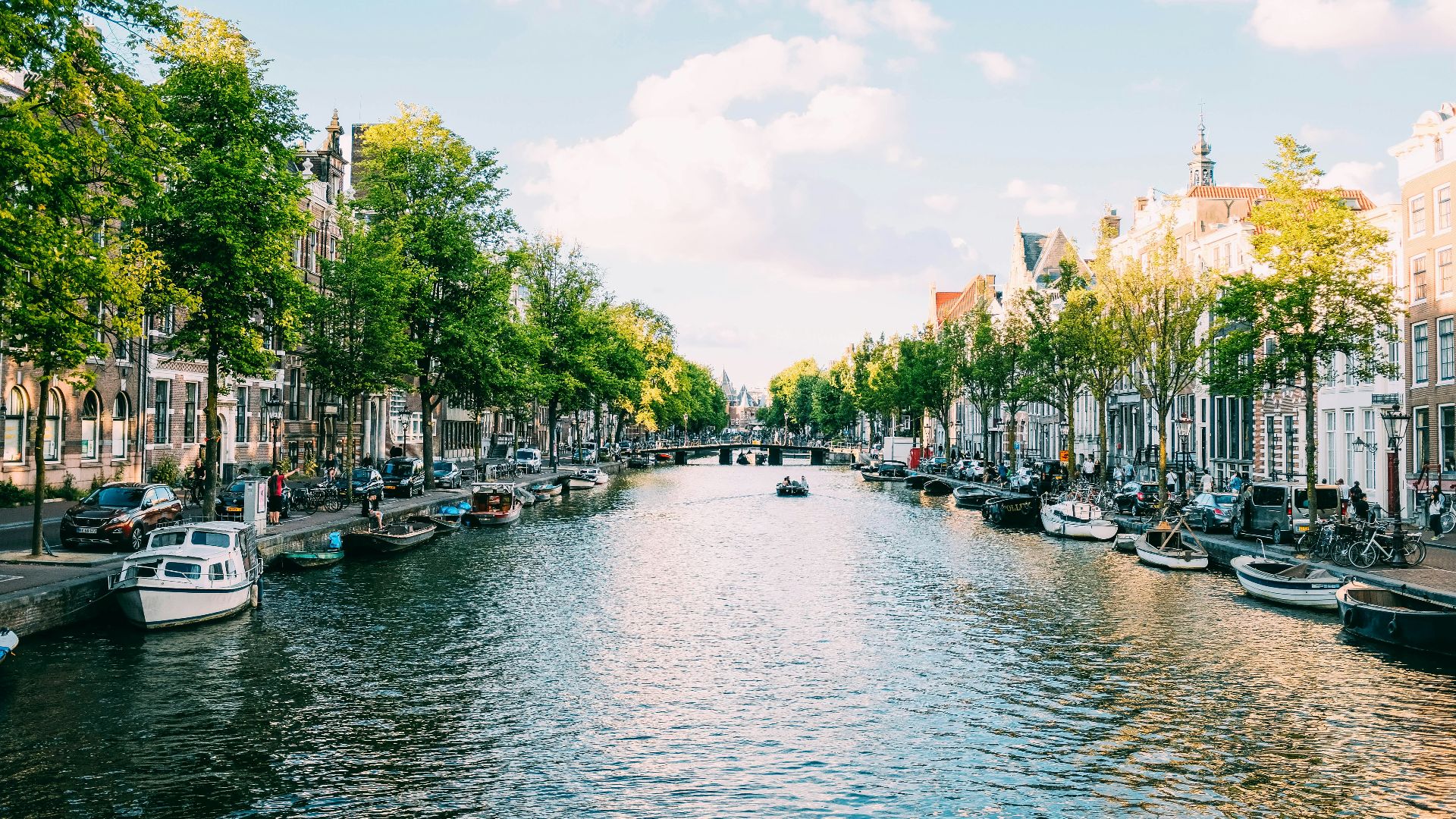
Bikes and commuting patterns shape the day, and mornings can feel efficient and structured. Dinner often happens earlier than Americans expect in some regions, which flips the usual “Europe eats late” assumption. Socializing can be planned in advance rather than spontaneously stacked onto a late evening.
19. Sweden
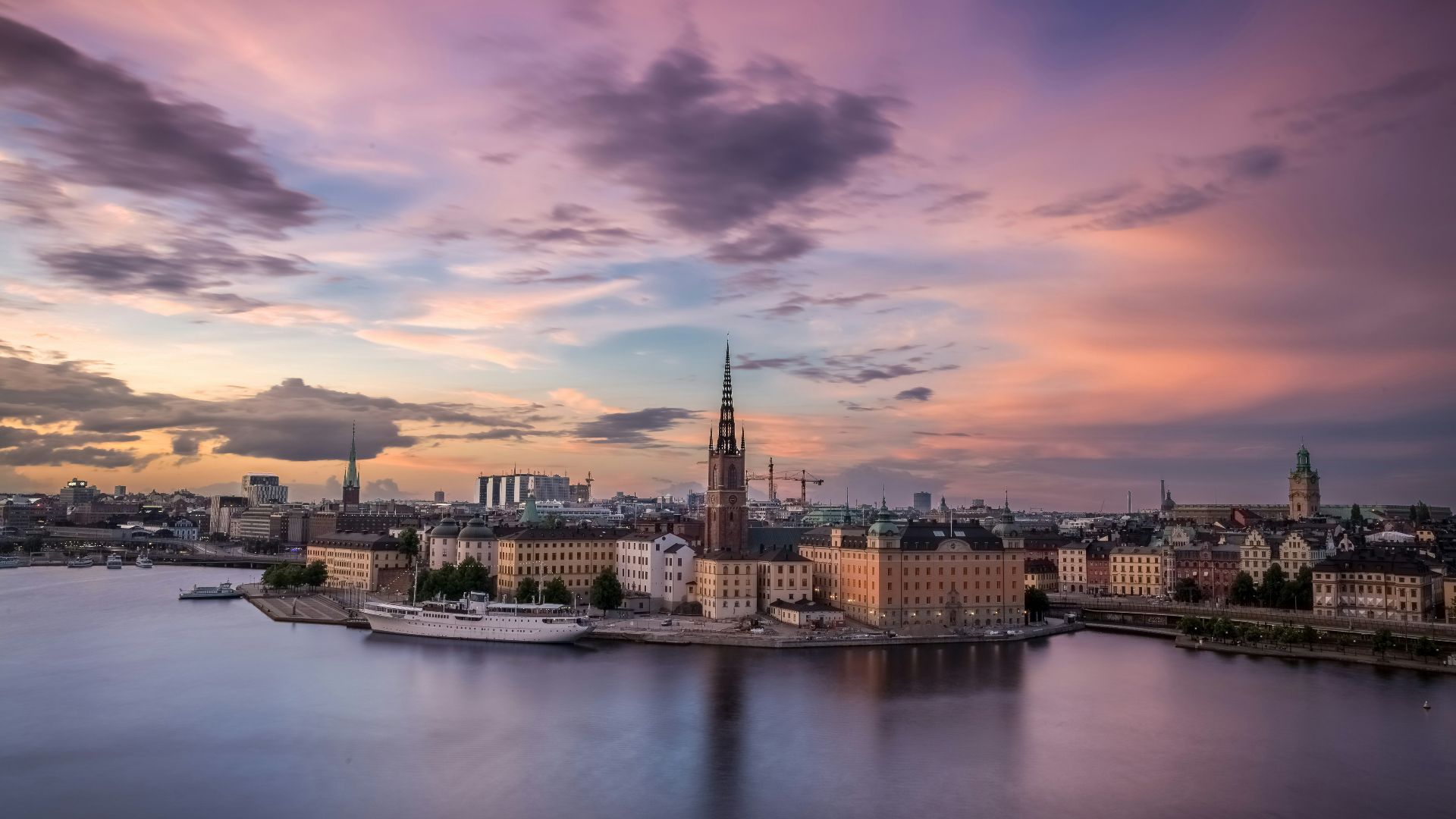
A strong work-life boundary often shows up in how early some evenings wind down and how normal it is to protect personal time. Many Americans notice that late-night shopping and late dinners are less central to daily life. The rhythm can feel quieter, but it also feels intentionally calmer.
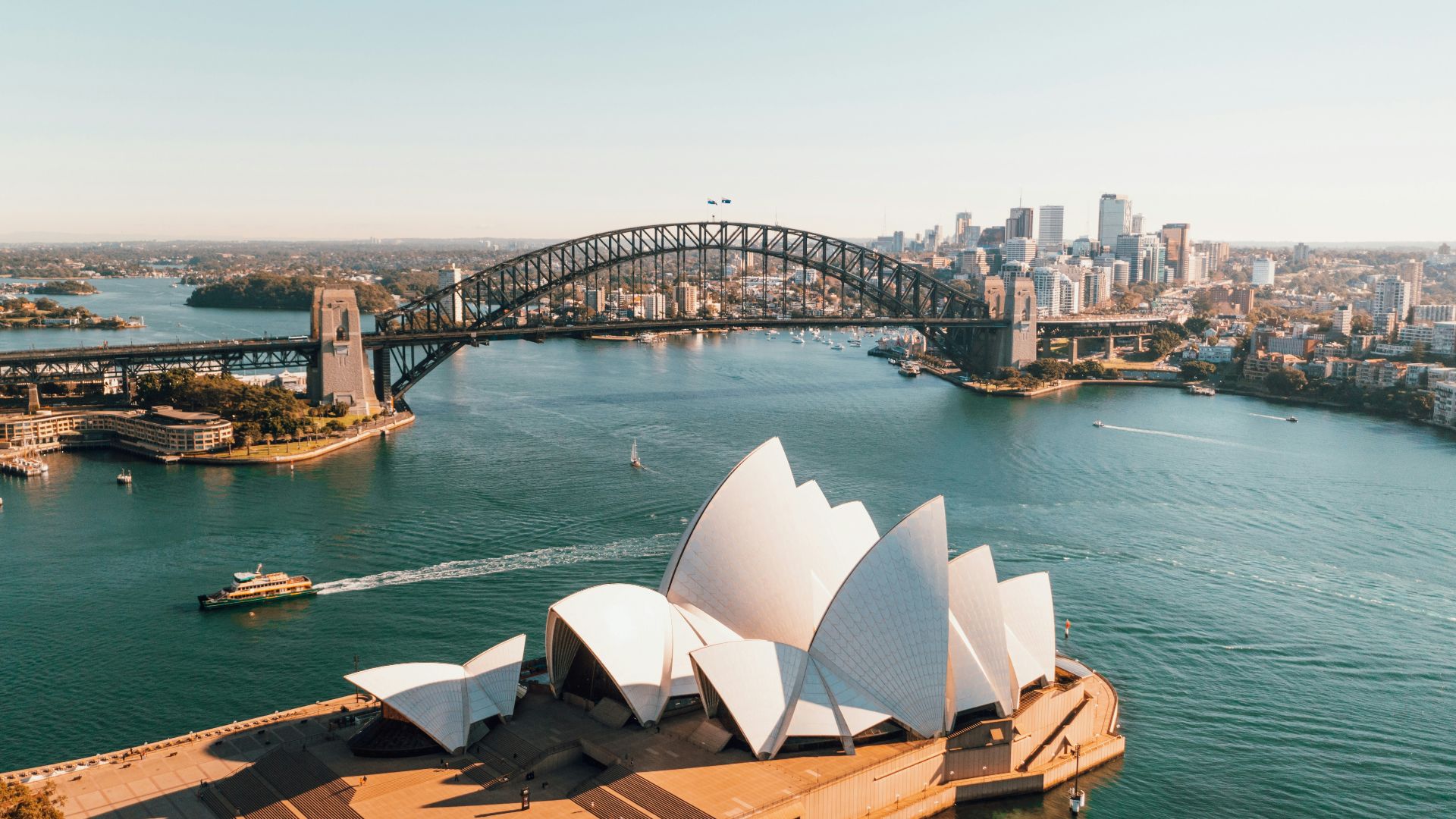
20. Australia
Early mornings are common, especially in cities where people fit exercise, coffee, and errands in before work. Cafés can be busiest earlier than Americans expect, and some places feel like they start winding down sooner at night. The day often feels built around daylight and outdoor time rather than late-night routines.