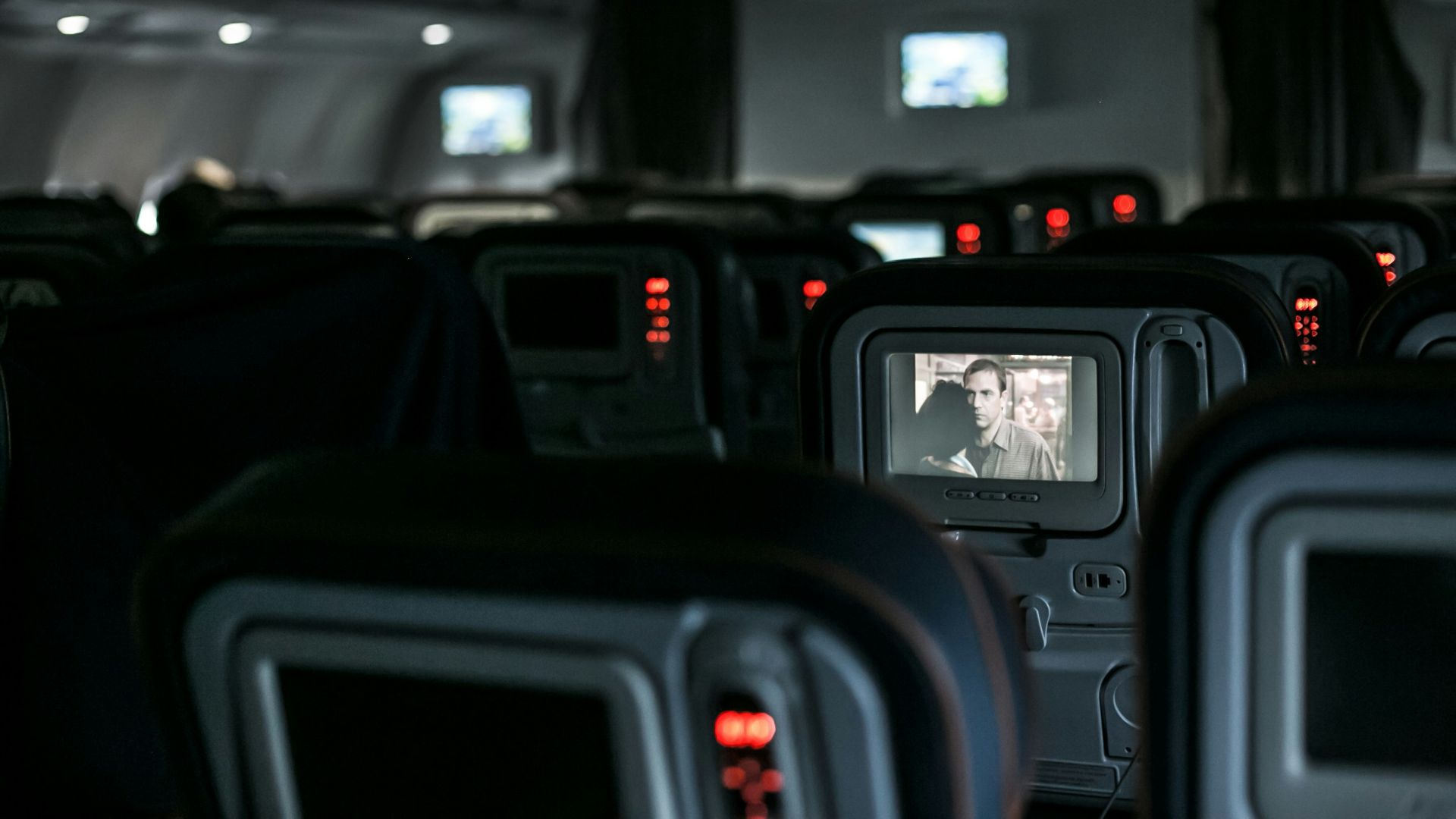
Choosing a movie for a flight seems simple until you realize you’re committing to it in a cramped seat with limited escape options. What feels entertaining on your couch can feel overwhelming or uncomfortable at 35,000 feet. Between engine noise, tight quarters, and unpredictable interruptions, the in-flight experience changes how you process a story. Some films just don’t translate well to cabin life. The environment shifts your tolerance for stress, noise, and emotional intensity. A poor choice can make even a short flight feel endless.
Air travel also affects your mood and attention span more than you might expect. Fatigue, mild dehydration, and general travel stress can heighten emotions or shorten patience. That means certain genres can feel more intense, more confusing, or simply more irritating than they would at home. If you want your flight to feel shorter rather than longer, it helps to avoid a few specific categories. Your energy level plays a bigger role in enjoyment than you realize. Picking wisely can genuinely improve the overall travel experience.
Disaster And Aviation Thrillers
Watching a movie about plane crashes or midair emergencies while sitting on an actual aircraft isn’t the calming choice you might think it is. Even confident flyers can feel a subtle spike of anxiety when the on-screen turbulence mirrors the bumps outside their window. Your brain doesn’t completely separate fiction from your physical environment. That added tension can make an already long flight feel even longer. Small sounds in the cabin may suddenly seem more ominous than they are. You might find yourself gripping the armrest without meaning to.
Psychologically, context plays a powerful role in how we interpret danger. When you’re immersed in a story about mechanical failure or cockpit drama, your body may respond with real stress signals. Increased heart rate and shallow breathing aren’t ideal companions for a six-hour journey. Instead of distraction, you end up amplifying your awareness of every unfamiliar sound.
There’s also the social factor to consider. Fellow passengers might catch a glimpse of an aircraft in flames on your screen and feel uneasy themselves. Air travel is a shared experience, and a little situational awareness goes a long way. You can save the white-knuckle suspense for solid ground.
Emotionally Intense Tearjerkers
Planes have a way of lowering emotional defenses. Fatigue and the reflective nature of travel can make feelings hit harder than usual. Watching a deeply sad film about loss, illness, or family conflict might lead to unexpected tears in a very public setting.
There’s also limited space to process heavy emotions. At home, you can pause the movie, step outside, or sit quietly for a few minutes. On a plane, you’re buckled in until the seatbelt sign turns off. That trapped feeling can intensify the emotional weight of what you’re watching.
Travel itself sometimes carries emotional significance, such as visiting family, attending an important event, or saying goodbye. Adding a powerful tearjerker on top of that may not be the most balanced choice. A lighter film often pairs better with the already heightened atmosphere of a flight.
Overly Complex Slow Burns
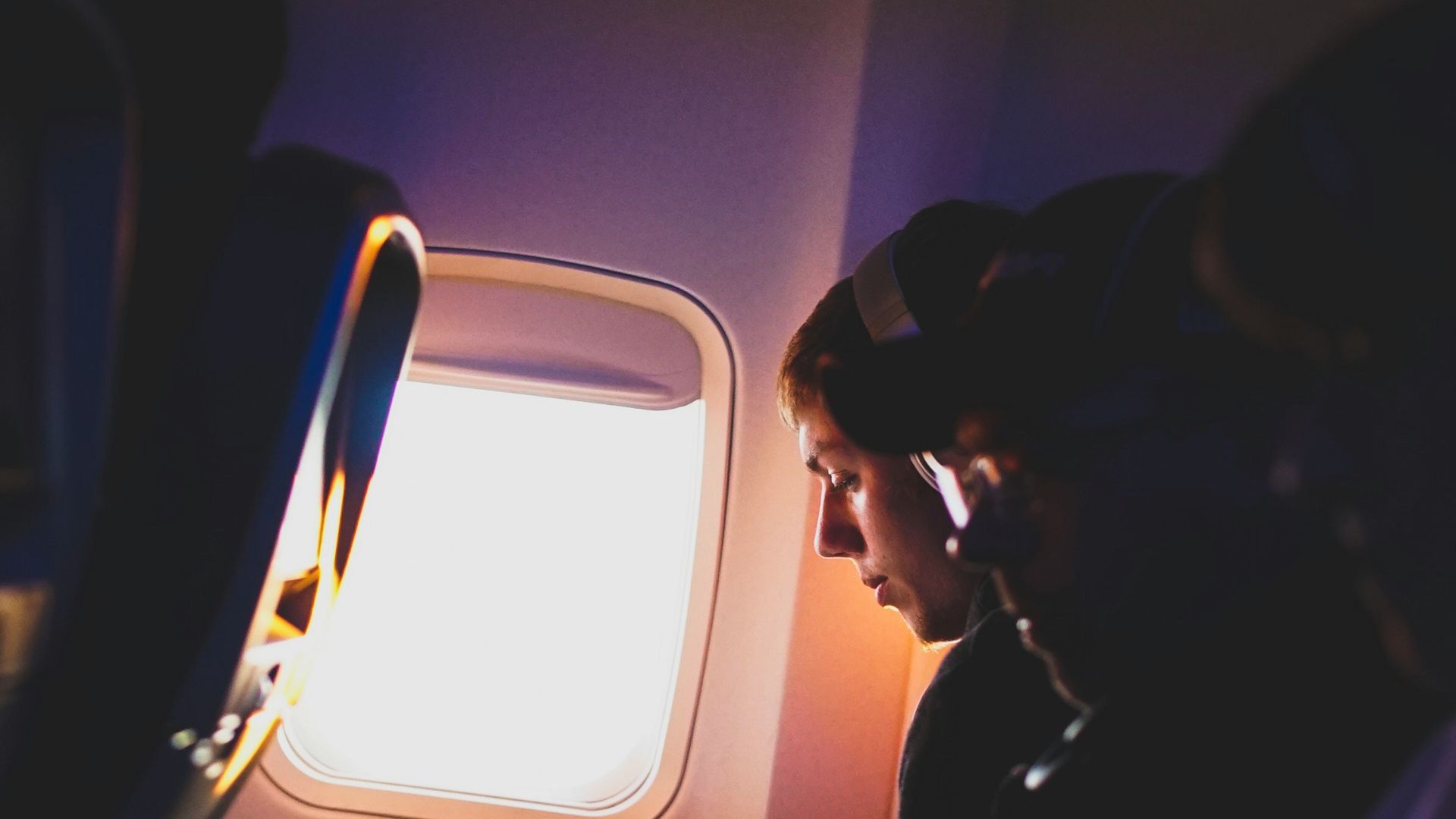
Slow, dialogue-heavy dramas and intricate thrillers require sustained concentration. In a theater or quiet living room, that focus is easier to maintain. On a plane, however, constant interruptions break your immersion. Announcements, snack service, and seat adjustments can pull you out of the story at key moments. Rebuilding concentration repeatedly becomes tiring. The narrative may lose its intended impact.
Complicated plots also demand mental sharpness that travel fatigue doesn’t always allow. Early departures, time zone changes, and general discomfort reduce your ability to track subtle narrative clues. Miss one important detail, and you may spend the rest of the film confused. Rewinding repeatedly on a small screen quickly becomes frustrating. The experience shifts from intriguing to irritating, leading to you abandoning the movie halfway through.
Even visually stunning art films can lose their impact on a seatback display. Cinematography designed for a large screen doesn’t always translate to a personal device. Without the proper scale and sound quality, the experience feels diminished. Some movies simply deserve better conditions than an airplane cabin can provide. The emotional and visual nuance can get lost in the noise. What should feel profound may instead feel flat.
The best in-flight movies are engaging without overwhelming your senses or emotions. Air travel already taxes your body and attention, so adding extra stress rarely improves the journey. Choosing something accessible, moderately paced, and emotionally balanced can make a noticeable difference in how the hours pass. A thoughtful pick won’t just entertain you, it’ll help the flight feel smoother from takeoff to landing. Your future self will appreciate the calm choice. Sometimes the smartest travel hack is simply pressing play on the right movie.