
Before You Hit Book
Booking for a trip? You'll want to make sure you spend a good chunk of time researching and reviewing your options before you confirm your bookings, because you never know if something is just too good to be true. Travel booking scams don’t usually look like scams at first glance, which is exactly why they work. To save yourself from the headache, it helps to know what to look for—and how to avoid falling for dirty tactics.

1. The Too-Good-to-Be-True Vacation Package
These packages show up with glossy photos, bold promises, and a price that somehow beats everything else you’ve seen by a mile. The trick is that the “deal” is often either completely fake or tied to conditions that make it unusable, like blackout dates, impossible schedules, or missing reservations. Once you pay, you might get a slick confirmation email that falls apart the moment you try to check in or call a real provider.

2. Fake Airline Customer Support Phone Numbers
Scammers know you’re most likely to panic when a flight changes, a payment fails, or you can’t check in, so they plant fake support numbers where stressed travelers will find them. When you call, they’ll sound professional and keep the conversation moving, often saying your ticket needs a verification fee or your booking is at risk of cancellation. If you give them your card details or login info, you’ve basically handed them the keys to your reservation and your wallet.

3. Phony Booking Confirmation Emails
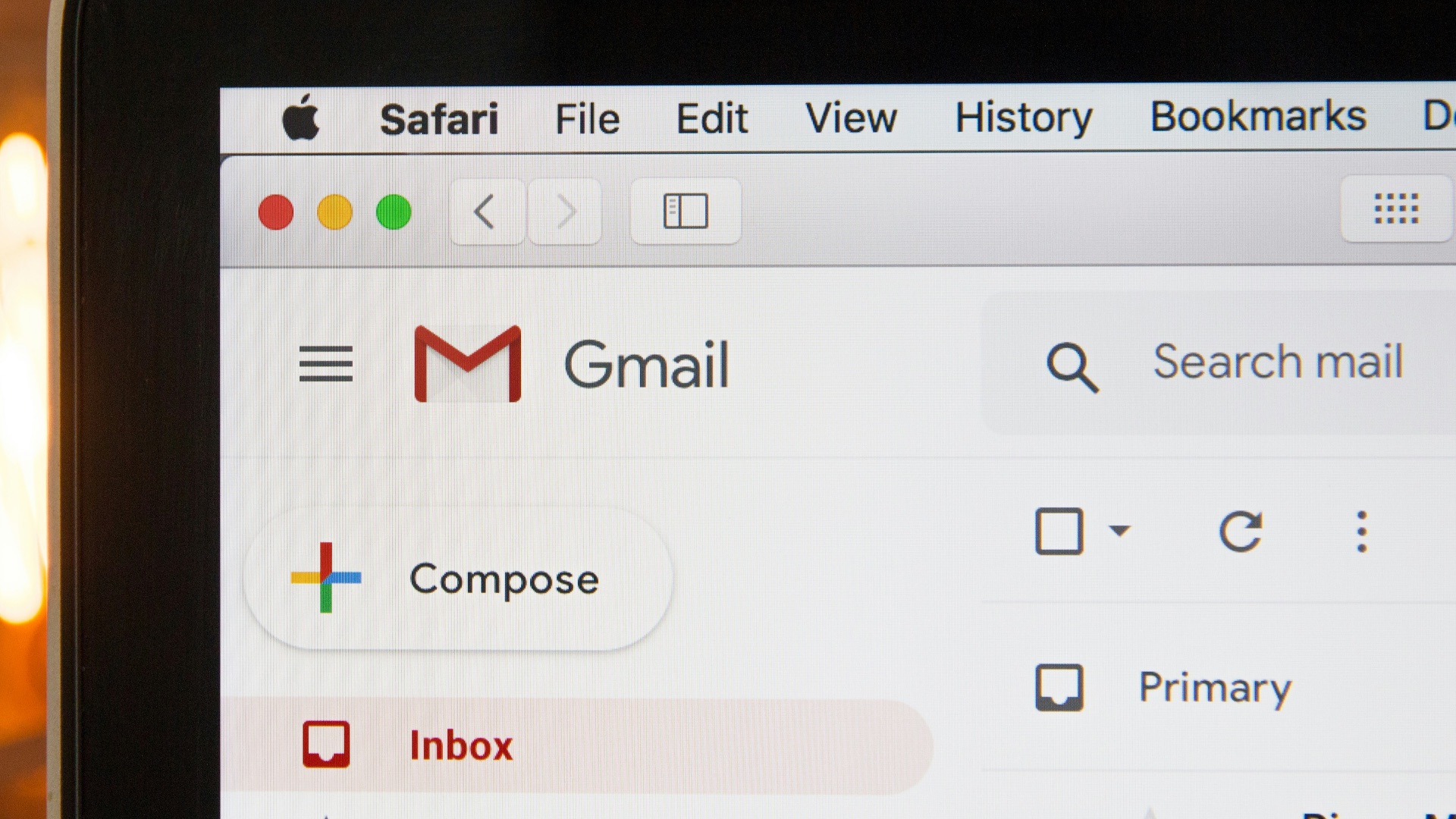
A fake confirmation email works best when you’re distracted, because it looks like the normal post-booking paperwork people rarely read closely. It might include a legitimate-looking itinerary, a support link, and a prompt to confirm passenger details, update payment, or download documents. The goal is to get you to click, sign in, and unknowingly give away the credentials that let someone take over your account or payment information.
 Stephen Phillips - Hostreviews.co.uk on Unsplash
4. Duplicate Listing Bait-and-Switch Rentals
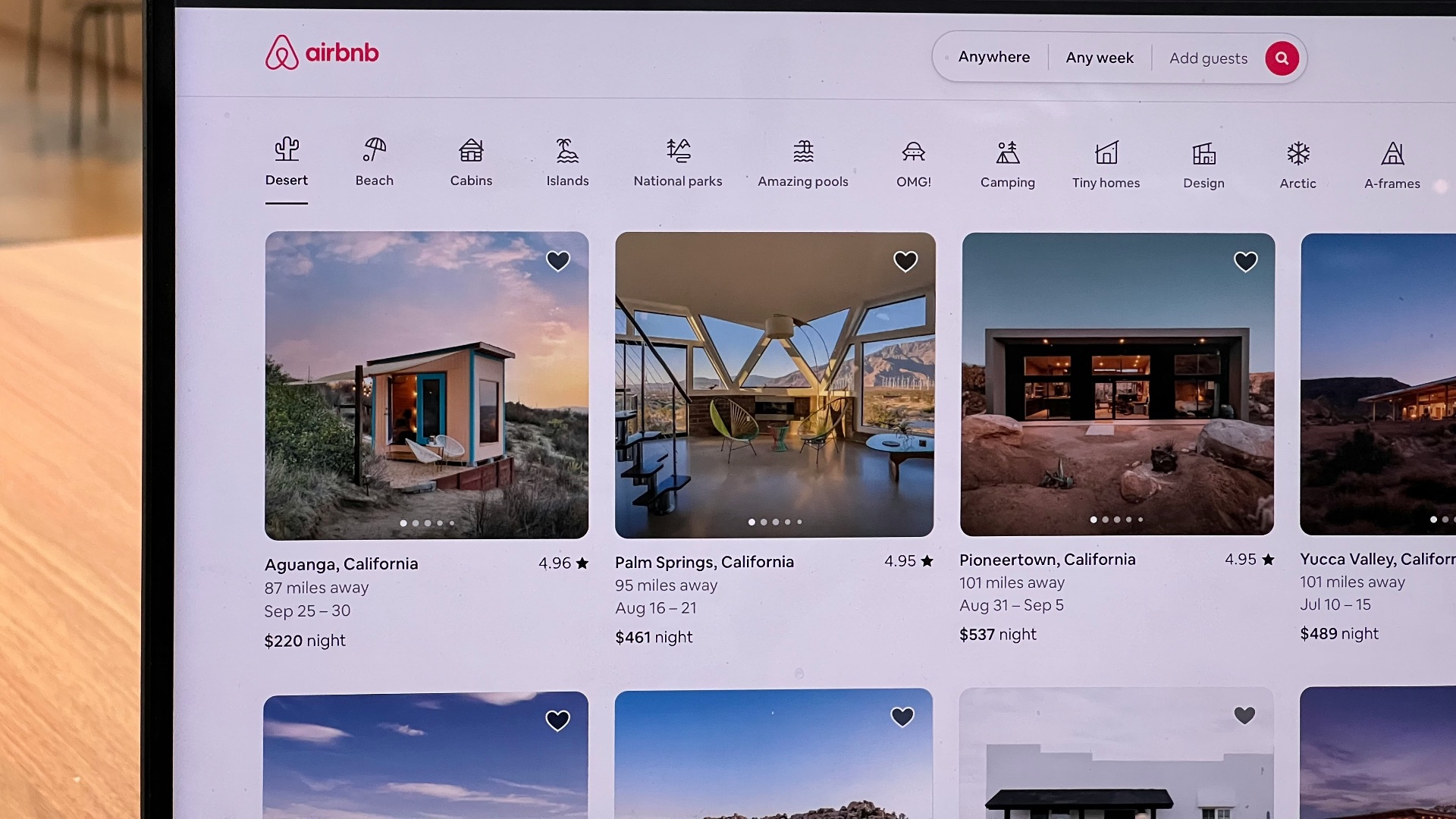
This one starts with a rental that feels oddly perfect: great photos, a polished description, and a nightly rate that seems like a steal for the location. The listing is often copied from a real property, so it passes a quick glance, but the scam shows up after you pay and the host suddenly claims a mix-up. They’ll pressure you to accept a replacement that’s worse, farther away, or not real at all, hoping you’ll settle because you don’t want to restart your search.
 Oberon Copeland @veryinformed.com on Unsplash
5. Wire Transfer or Gift Card Payment Demands
If someone insists you pay by wire transfer, crypto, or gift cards, be immediately wary—they’re trying to remove your ability to dispute the charge. They’ll dress it up with reasons like avoiding platform fees, confirming your identity, or holding the reservation securely. The reality is that once you send that money, it's as good as gone.

6. Hidden Fees That Appear After Payment
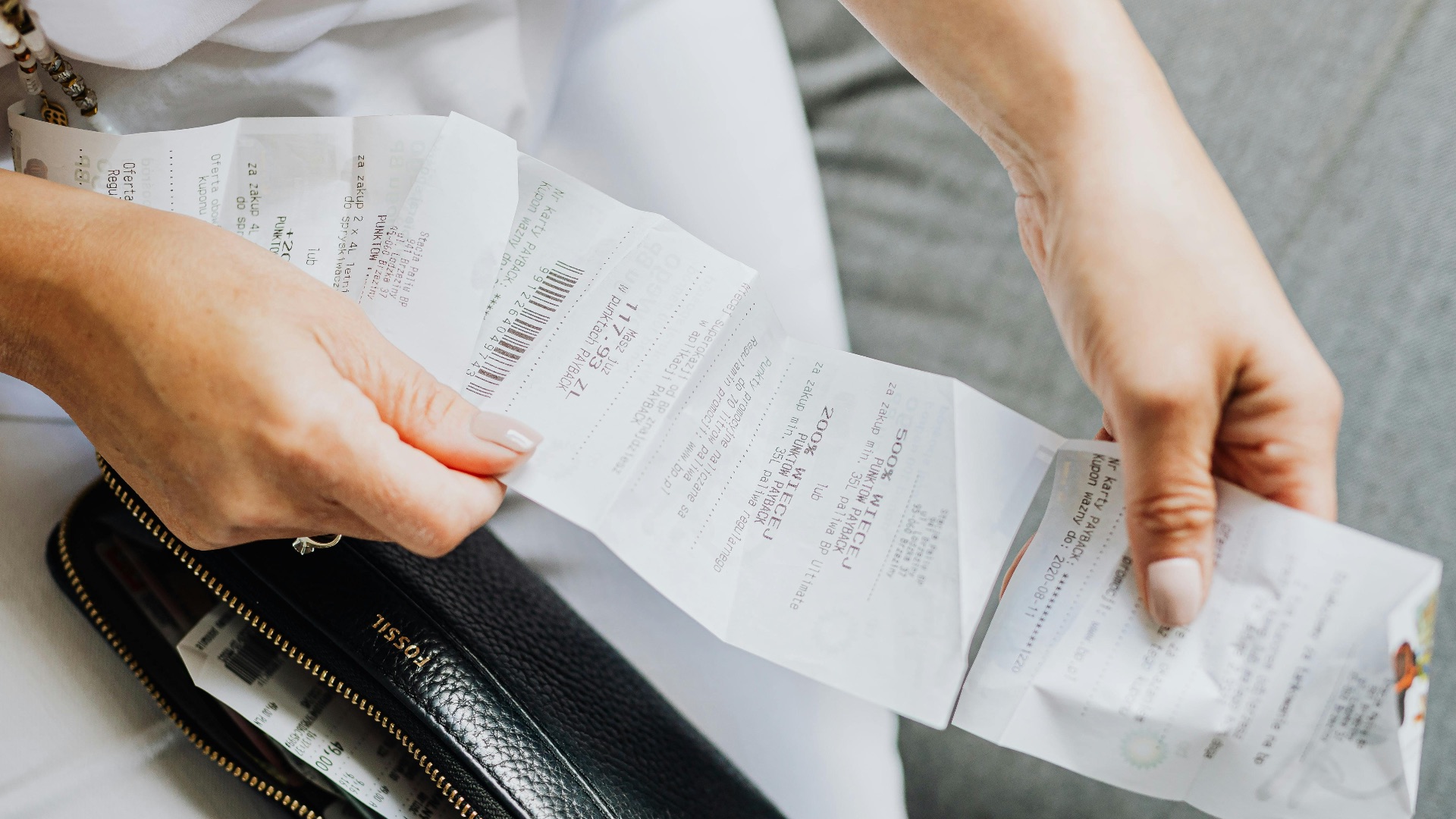
Some booking sites keep the initial price low by burying mandatory fees until the very last moment or even after the charge goes through. You’ll see a “great” rate, commit to it, and then discover extra costs like resort fees, service charges, or inflated taxes that weren’t clearly shown upfront. At that point, they’re betting you’ll either pay the difference without arguing or give up when refunds get complicated.
7. Cancellation Refund Traps
These scams don’t always look shady because the language can sound reassuring, like flexible cancellation or worry-free booking. The sting is in the details, where refunds turn into credits with short expiration dates, strict rebooking rules, or penalties that shrink your refund to almost nothing. You end up paying for the privilege of canceling, and the fine print is designed so the company can claim you agreed to it.

8. Fake Travel Agency Websites and Cloned Brands
A cloned website is built to trigger a quick sense of recognition, so you feel comfortable before you’ve really verified anything. The design may look almost identical to a real company’s site, but the URL is slightly off, the contact info is vague, and the deals feel oddly generous. You might even receive a neat-looking receipt, but when you try to confirm with the airline or hotel, your reservation simply doesn’t exist.

9. Seat Upgrade and Special Access Scams
Upgrade scams target those who love extra comfort, especially when it’s framed as a limited opportunity. A third party may promise confirmed upgrades, lounge passes, or priority perks that airlines usually control tightly. Then you pay, get a voucher or email that looks official enough, only to find out at the airport that none of it is valid.

10. Group Tour "Deposits"
Some scammers build trust by pretending to organize group trips, collecting deposits while sharing frequent updates and friendly messages. They’ll often post attractive itineraries, claim connections with suppliers, and create the feeling that you’re joining something popular and well-run. When it’s time to deliver real bookings, the dates keep shifting, refunds get delayed, and the organizer eventually disappears or blames mysterious vendor issues.
Now that you know what to look for, here are some more helpful tips to ensure you book safely and securely.

1. Book Directly Through Official Channels
When possible, booking directly with the airline, hotel, or a well-known platform cuts out a huge chunk of risk. It doesn’t guarantee perfection, but it does mean your reservation is tied to a real system that can be verified and supported. If you do use a third party, make sure you can still pull up the booking on the actual provider’s website using a valid confirmation code.

2. Verify Support Contacts Before You Call
Before you dial a number from an email, ad, or search result, take a moment to find the contact page inside the official site or app. This step matters because fake support relies on catching you mid-stress when you’re trying to fix something quickly. If the number you found doesn’t match the official one, you'll know to back out.

3. Slow Down When You See Urgency
Urgency is a common ingredient in travel scams (or scams in general) because it short-circuits good judgment and turns planning into reacting. When you see countdown clocks, last-room claims, or messages implying you must pay immediately, treat that as a cue to pause and verify. A real deal can stand up to two minutes of basic checking, and a scam usually can’t.

4. Pay with a Credit Card Whenever Possible
Credit cards tend to offer better protection if the booking turns out to be fraudulent or the service isn’t delivered. That matters because scammers prefer payment methods that leave you stuck, like wire transfers, debit cards, and cash-equivalent options. You also want to make sure you're entering your details within a secure portal.

5. Read the Total Price and Fee Breakdown
Instead of focusing on the headline rate, scan for the full total and look for line items that feel vague or inflated. Legitimate sites may still have fees, but they should be visible and consistent with the property’s policies, not sprung on you like a surprise bill. If you can’t easily find the final total before you click pay, that’s a sign you should back out and rethink it.

6. Check Policies Meticulously
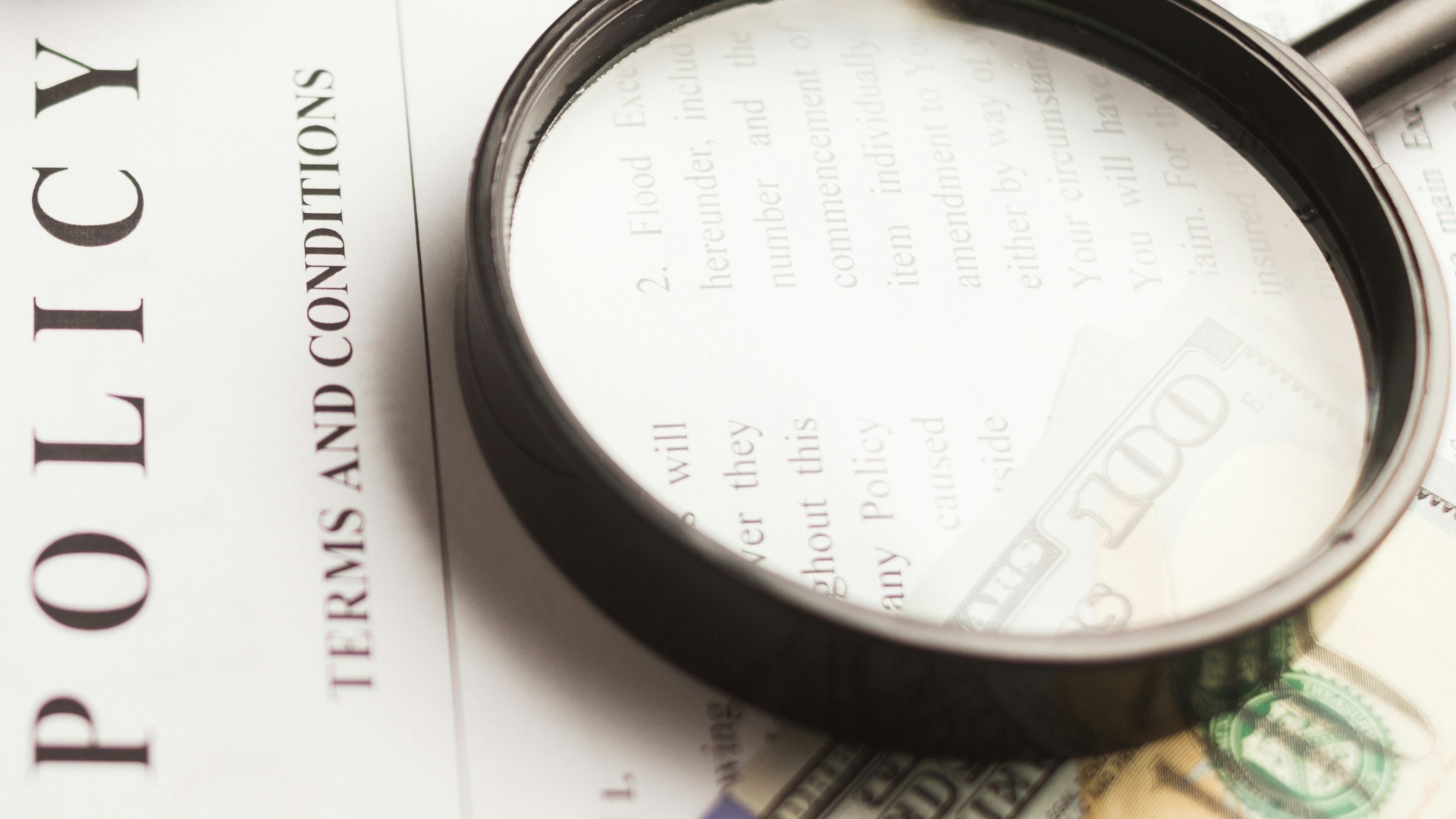
Refund and change policies are where many scams hide because travelers often don’t read them until something goes wrong. Look for deadlines, penalty amounts, and whether refunds come back to your original payment method or get trapped as store credit. If the policy feels contradictory or packed with exceptions, it’s safer to choose a different listing.
7. Confirm the Reservation with the Provider
After you book, don’t just rely on the email alone. Take the confirmation code and check it directly on the airline or hotel’s official site, or call the verified number if needed. If the provider can’t find your booking, start fixing it immediately while you still have dispute options.
8. Research the Seller
A polished posting doesn’t prove legitimacy, so look for signs of a real footprint like consistent reviews, clear contact info, and a business history that checks out. Search the company name if possible, alongside terms like refund, complaint, or fraud, and pay attention to repeated patterns, not a single bad review. If you keep seeing the same story of missing reservations or unreachable support, believe what people are telling you.
9. Watch for Red Flags in Rental Listings
Be cautious when a host pushes you to pay off-platform, refuses to answer direct questions, or avoids giving clear check-in details. Legitimate hosts are usually happy to explain the basics because it reduces misunderstandings and protects both sides. If the communication feels slippery or aggressive, walk away.

10. Keep Records and Act Fast If Something Feels Off
Save screenshots of the listing, the total price, cancellation terms, receipts, and any messages, because documentation makes disputes much easier. If anything seems wrong, contact the provider and your card issuer quickly, since delays can reduce your options.