
Everyone has been on a road trip where one person just makes everything better. They know when to crack a joke, when to stay quiet, and somehow always have a snack ready at exactly the right moment. That kind of energy is not accidental, and with a little awareness, you can be the person everyone wants in their car.
Being the "fun" friend on a road trip goes deeper than having a good playlist or a collection of road game ideas. The role is really equal parts safety-conscious passenger, low-maintenance travel companion, and thoughtful co-planner, and the best road trip friends tend to nail all three.
Being A Safe And Aware Passenger
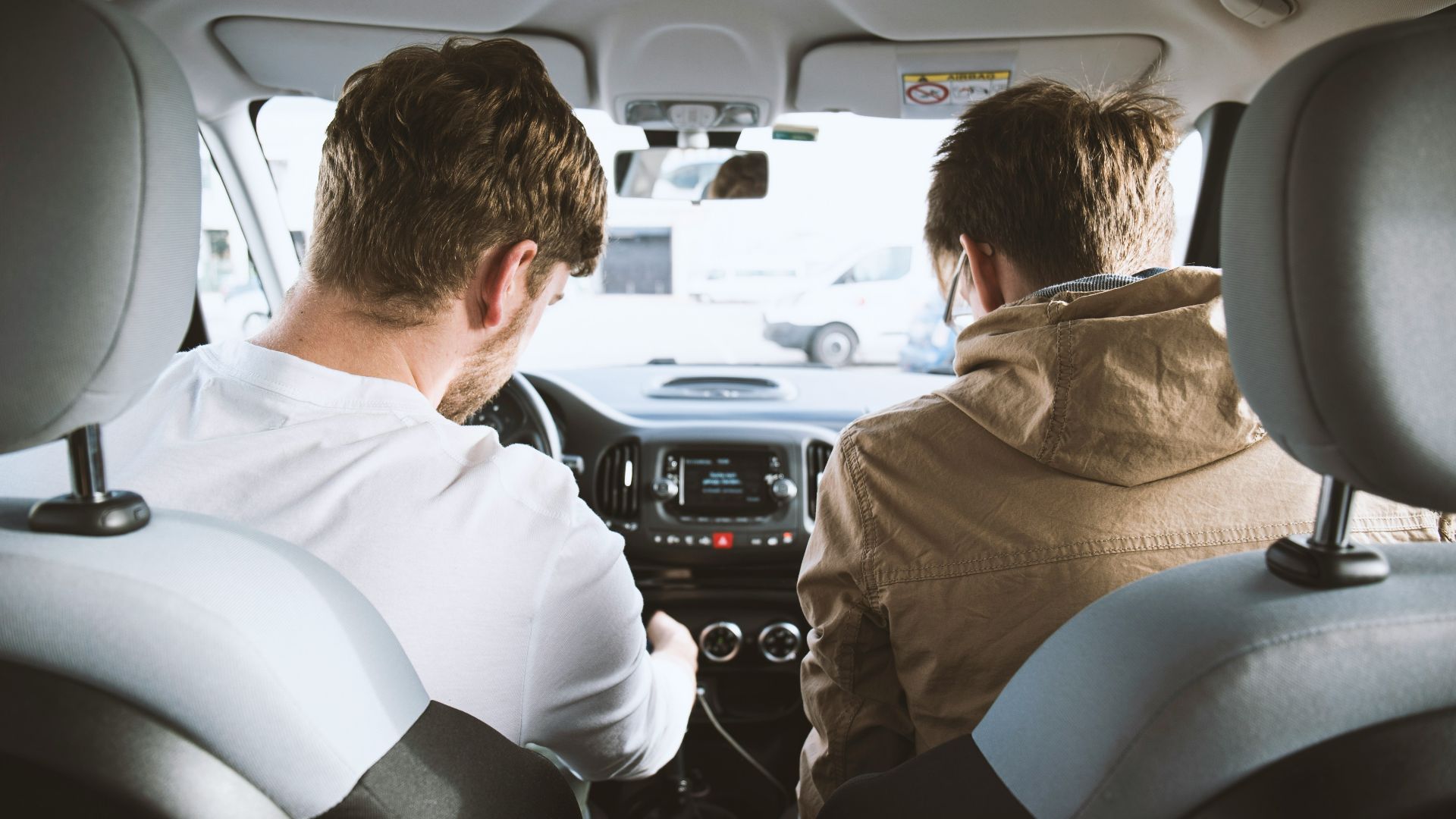
Safety might not be the first thing that comes to mind when you picture yourself being a fun travel companion, but it is foundational. Passengers who talk too loudly, argue, or point things out distractingly can significantly increase the risk for the driver, especially on unfamiliar roads. Wearing your seatbelt, keeping your voice at a reasonable level, and paying attention to what is happening outside the car all matter more than most people realize.
The co-pilot role is one of the most valuable things a passenger can fill, and it goes well beyond just holding the aux cord. Passengers can help monitor traffic, flag hazards, and take over driving duties when the primary driver is showing signs of fatigue, assuming you are insured and capable. You can also handle phone calls, manage climate controls, and keep the volume at a sensible level so the driver can stay focused on what matters.
Knowing when to dial back the energy is just as important as knowing when to bring it. Long stretches of nighttime driving, heavy rain, or dense traffic all call for a quieter, more attentive version of you. A good road trip friend reads those conditions naturally and adjusts without needing to be asked.
Handling Logistics And Planning
Navigation is one of the clearest ways to show you are a genuine asset in the car rather than just along for the ride. Assisting in navigation is one of the most critical passenger contributions, which means staying ahead of exits, managing the GPS, and communicating directions early enough that the driver is never caught off guard. Handing someone a last-second "turn here!" is never, ever, helpful.
Good preparation before you even leave the driveway saves a lot of grief later on. It’s best to start with a clean, well-stocked car that includes snacks, water, chargers, trash bags, and wipes for spills. Anticipating what the driver or your fellow passengers might need, before they have to ask, is one of the best ways to ensure success.
It’s also incredibly important to respect the shared space, especially over long distances. Keeping your area tidy, being mindful of strong scents like perfumes or air fresheners that can cause headaches, and not sprawling out into other people's legroom all fall under the category of being easy to travel with.
Keeping Morale High

Conversation and light entertainment genuinely help on long drives, particularly for whoever is behind the wheel. Car games, good storytelling, and pointing out interesting things along the route can break up the monotony of a two-lane highway. The key is calibrating your energy to match the moment, rather than feeling like you have to perform the entire time.
Some of the best road trip memories come from spontaneous decisions that someone had the initiative to suggest. Building trips around shared experiences, whether that is a quirky roadside attraction, a scenic overlook, or a food stop that was not on the original itinerary, tends to produce the moments people actually talk about afterward.
Documenting the trip is also great, but there is a balance worth finding. It’s encouraged that you capture memories, but you should also remember to stay present.
Finances & Dynamics

Money is one of the fastest ways to create awkward tension on a group trip, so getting ahead of it is always helpful. It's recommended that you set clear expectations around gas, tolls, food, and lodging before the trip begins rather than trying to sort it out at the moment.
Music and seating arrangements follow an informal set of social rules that most experienced road trippers understand intuitively: the driver generally has strong input on what plays, and the front seat passenger takes on navigational and social responsibilities. Being generous with the aux cord, rotating seating when it makes sense, and not holding the playlist hostage.
Conflict on long trips is normal, and how you handle it says a lot about what kind of travel companion you really are. Minor tension can usually be eased with humor, a well-timed break, or a calm and direct conversation rather than letting frustration simmer. The fun road trip friend is often the one who suggests a snack stop at exactly the right moment, and the whole mood of the car changes.