Sunlight Can Scramble Your Schedule
Sunlight doesn’t just brighten a room. It tunes the body’s internal clock, influences melatonin, nudges alertness, and can shift mood in ways that feel surprisingly physical. Researchers have long linked light exposure to circadian rhythm timing, and seasonal mood changes are recognized clinically as a seasonal pattern of depression in major diagnostic manuals. If you’ve ever traveled and felt wired at midnight or sleepy at 3 p.m. for no good reason, a lot of that is light, not character. Here are twenty places where the sun’s timing and intensity can quietly scramble how you feel.

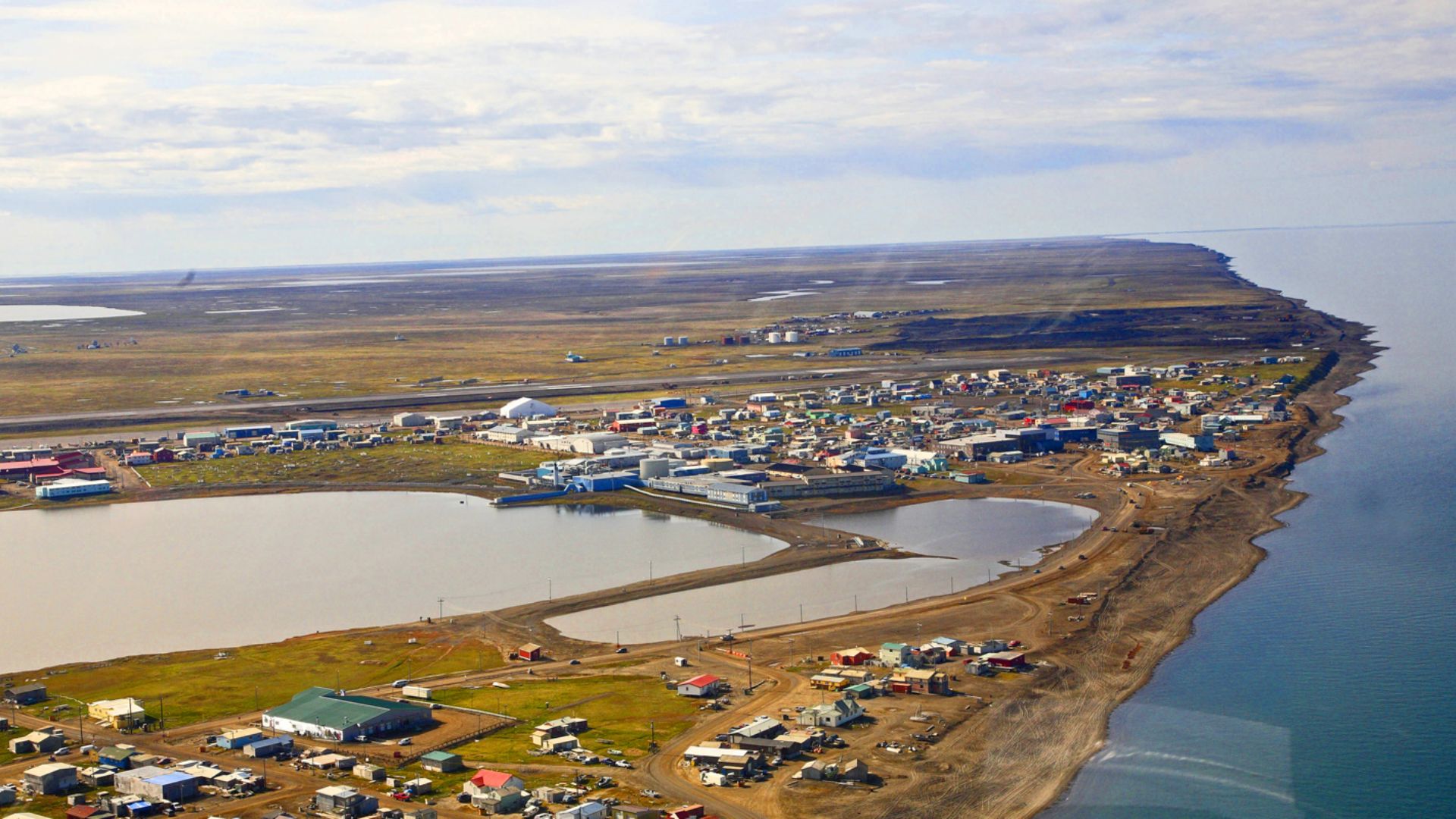
1. Barrow, Alaska
In winter, the sun can drop below the horizon for weeks, and your body loses its strongest daytime cue. People often describe a weird blend of fatigue and restlessness, because the clock inside you keeps looking for daylight that never arrives.
 Unknown authorUnknown author on Wikimedia
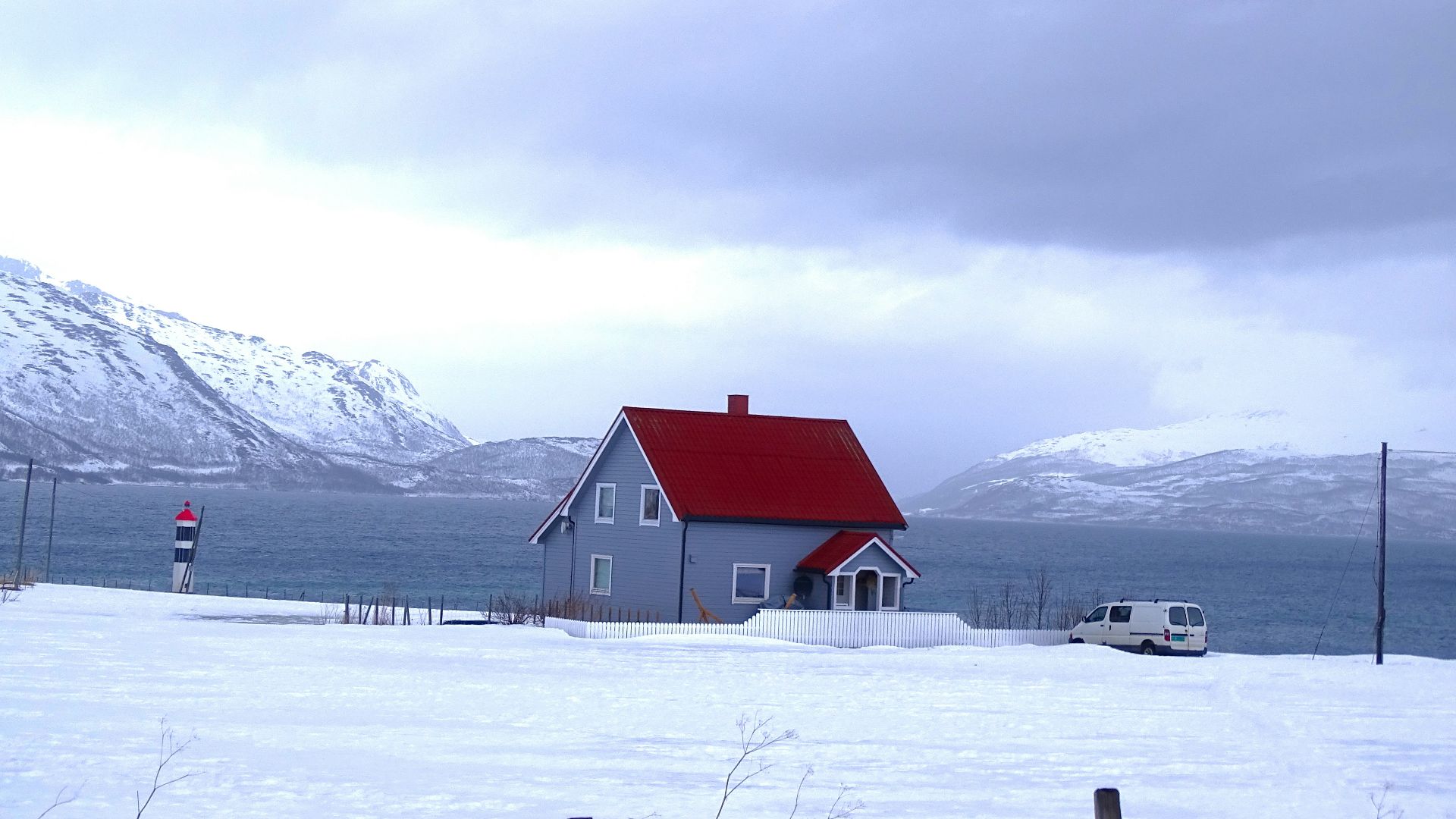
2. Tromsø, Norway
The polar night can make mornings feel optional and evenings feel endless, which can erode routines that usually keep sleep steady. Even people who love winter can notice their energy flattening when there’s no bright daylight to anchor the day.
3. Longyearbyen, Svalbard
The combination of extreme latitude and small-town indoor living can turn the absence of sun into a full-body mood shift. When the sun finally returns, some people swing the other way and feel overstimulated, like their brain forgot how to dim the lights.
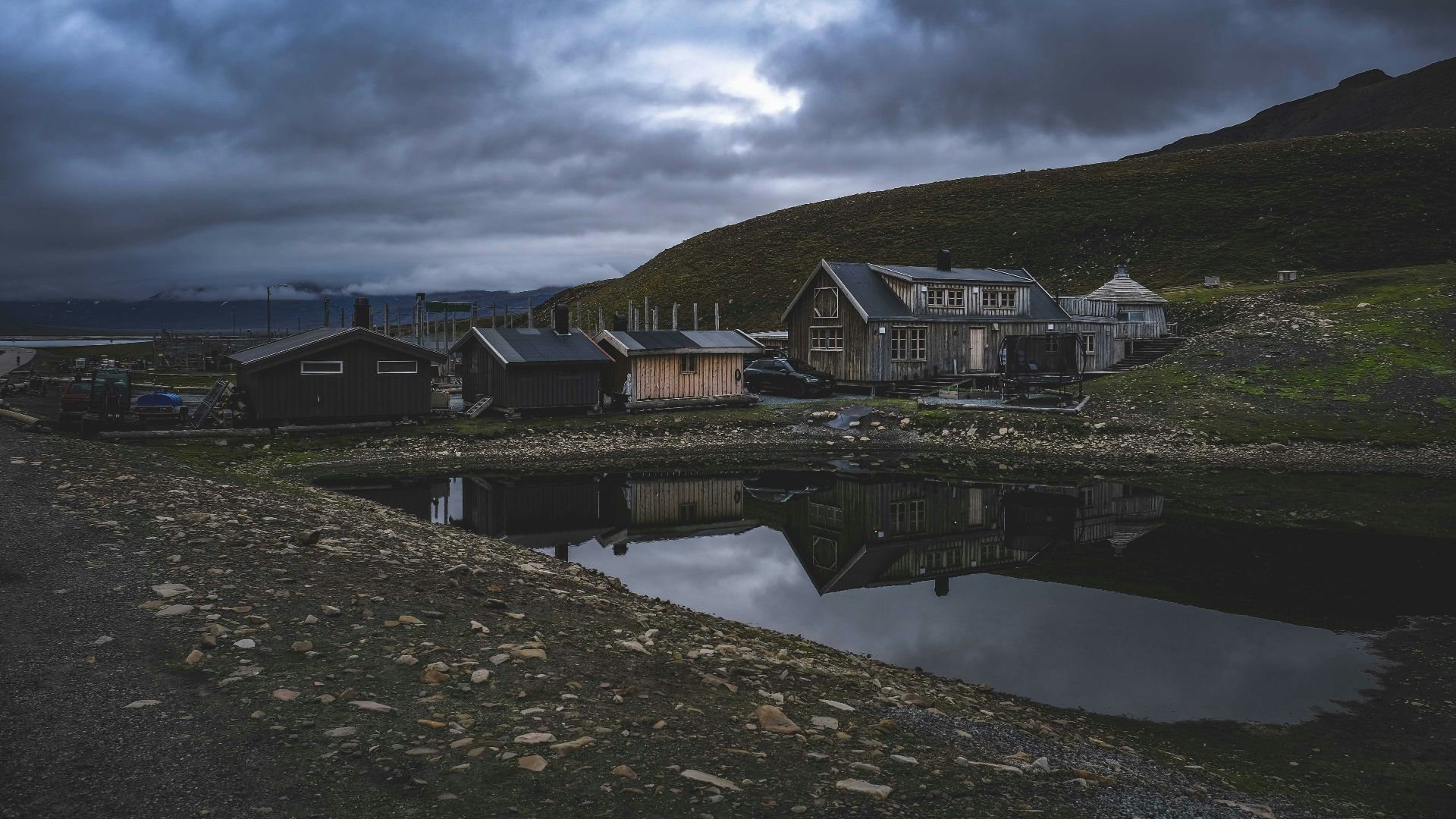
4. Reykjavík, Iceland
In summer, the late sunsets can keep you alert long after you meant to wind down, especially if you’re sensitive to light. Curtains help, yet the sky still glows, and it’s easy to drift into a too-late bedtime that quietly wrecks the next day.
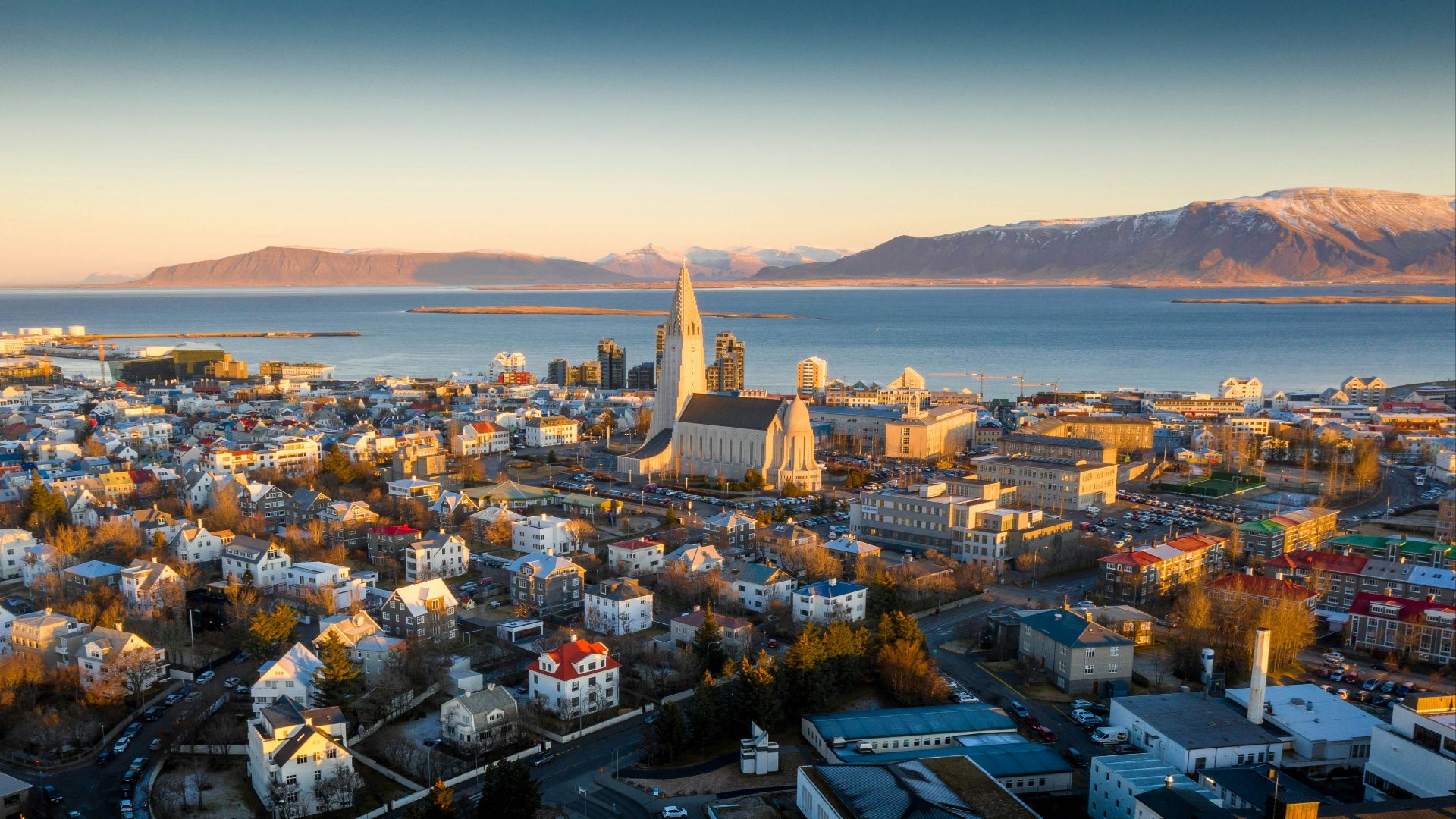
5. Helsinki, Finland
The seasonal swing in day length is strong enough that plenty of people notice it in appetite, motivation, and sleep. Finland also has a long history of taking seasonal mood seriously, which tells you this is not just tourists being dramatic.

6. Stockholm, Sweden
Winter daylight can be brief and low, and the dimness can make the day feel like it never properly starts. If your workday is indoors, it’s possible to go from dark commute to dark commute without ever getting real sun on your face.
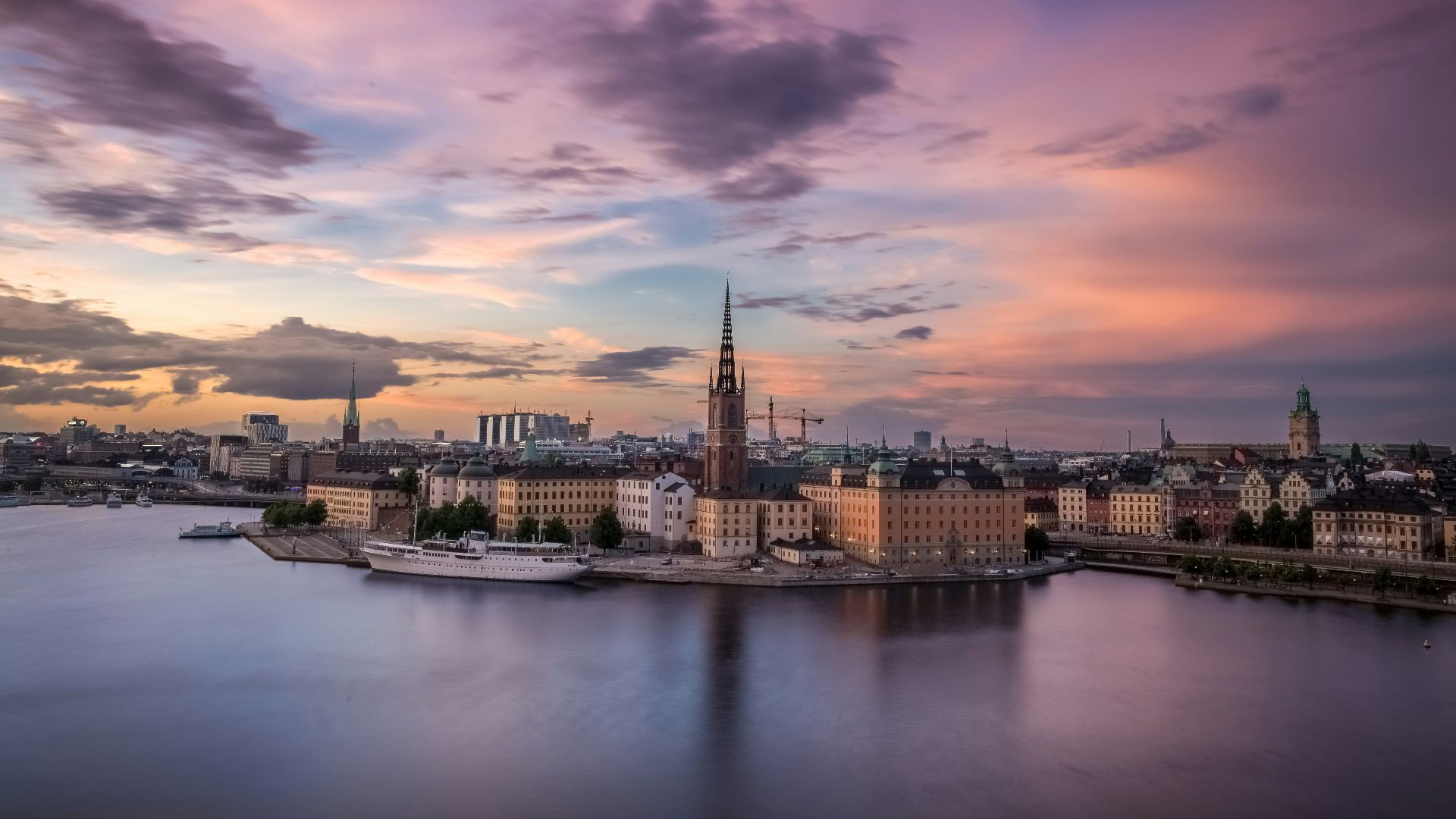
7. St. Petersburg, Russia
The high-latitude winters bring short days and long twilights, and the light can look gray even at noon. That kind of half-daylight can confuse the brain’s sense of daytime, especially if your schedule already runs late.

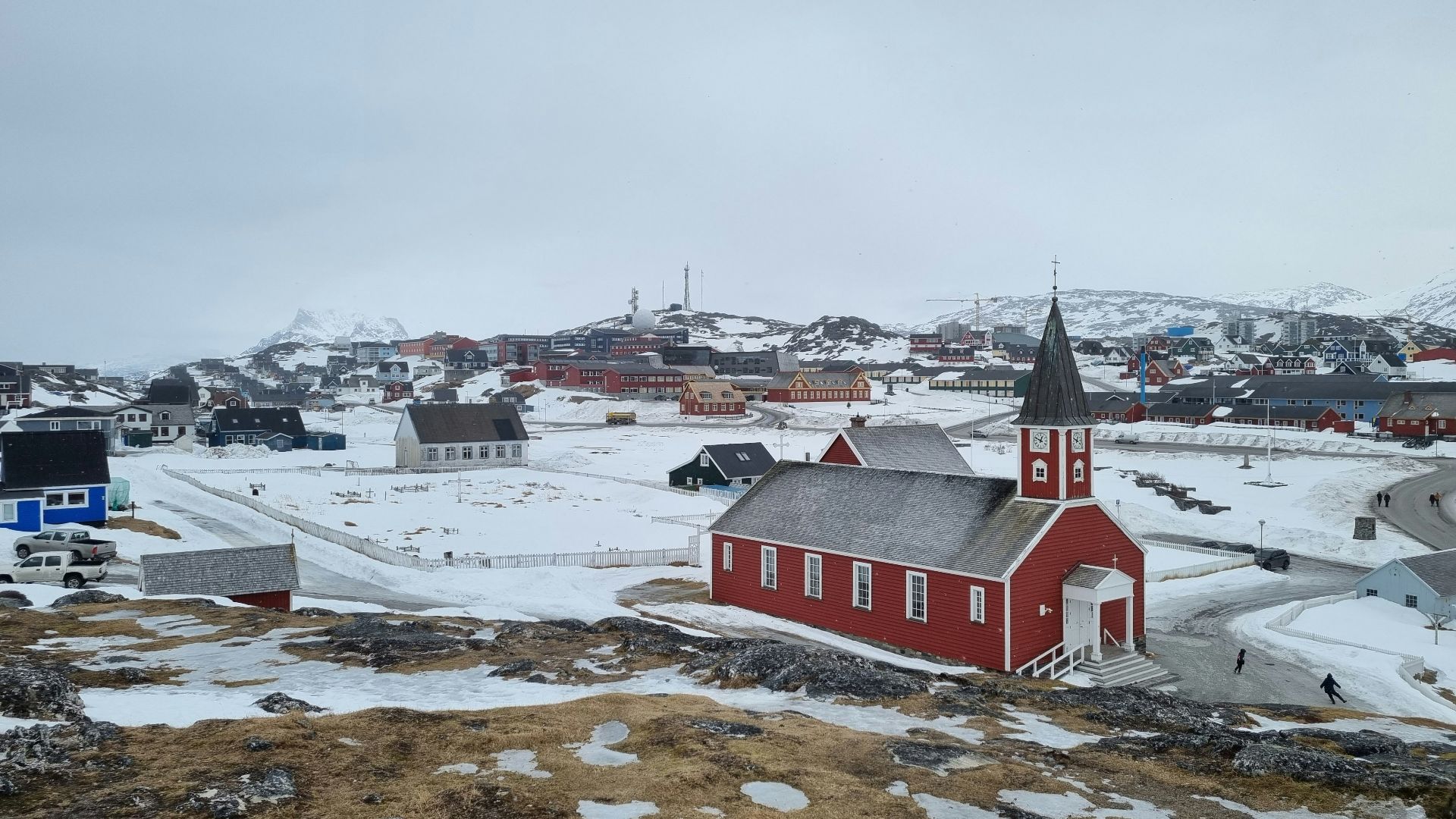
8. Nuuk, Greenland
Seasonal light extremes can push sleep later in summer and earlier in winter, often without you noticing until you’re exhausted. The brain tends to follow the sky, and the sky here can be bossy.
 Bogomil Shopov - Бого on Unsplash
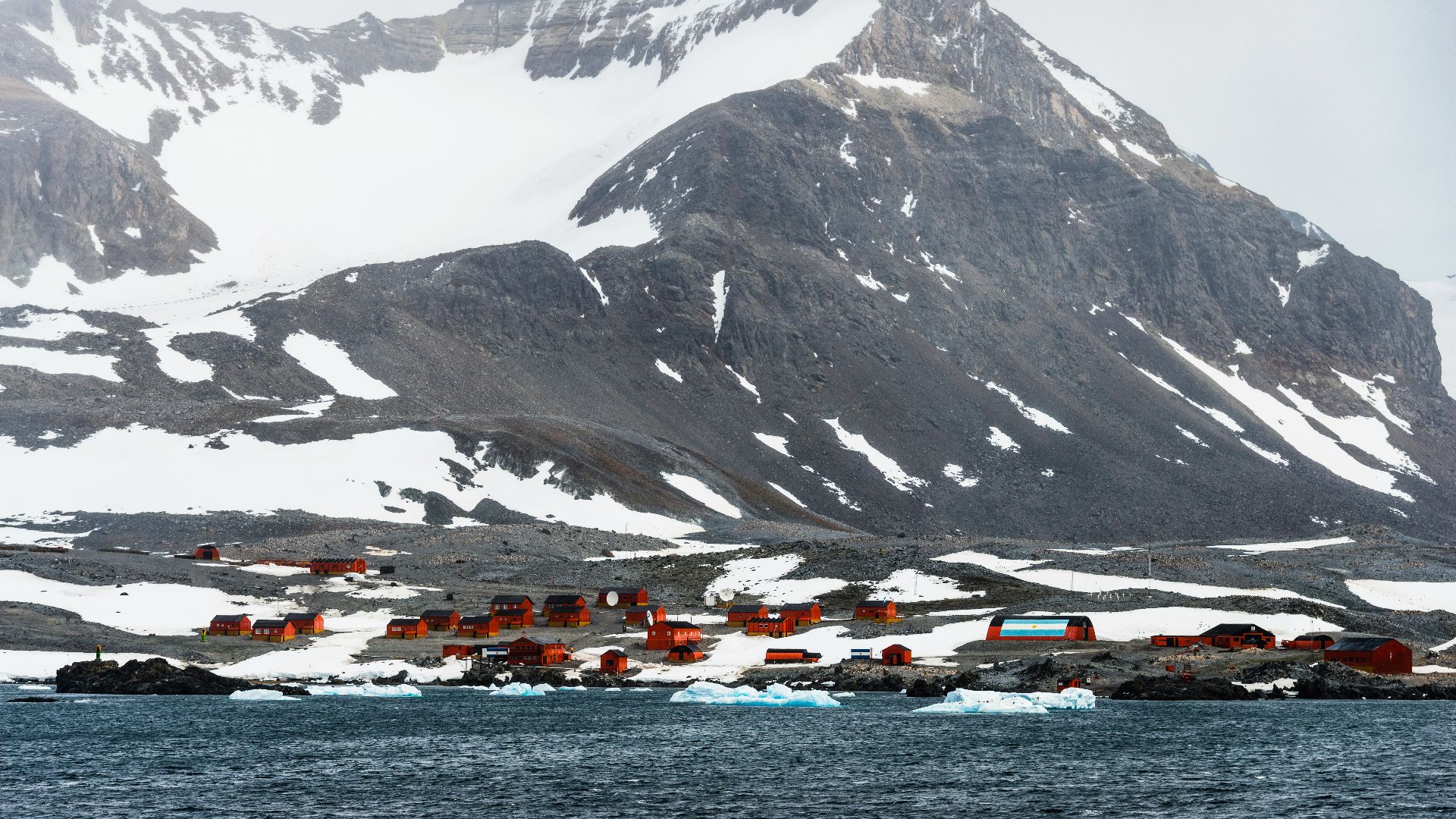
9. McMurdo Station, Antarctica
In a place where the sun can be up all day for months, the usual signals for bedtime and morning are basically gone. People living at research stations often rely on strict routines and artificial lighting because the natural light cycle won’t do the job.
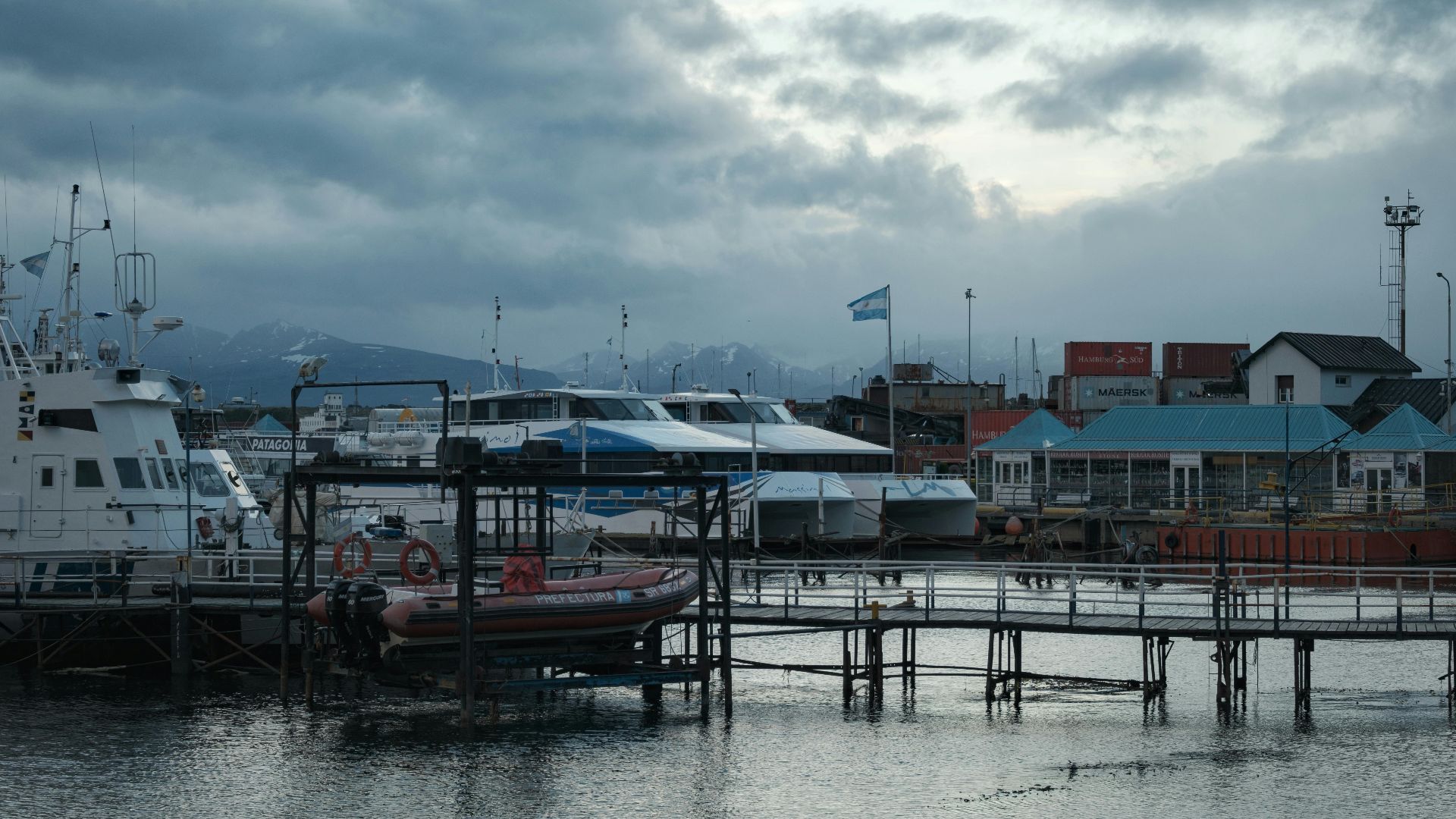
10. Ushuaia, Argentina
Even though it’s not inside the Antarctic Circle, the far-southern latitude still brings sharp seasonal shifts in daylight. Short winter days can make afternoons feel like late evening, which can nudge you toward earlier sleep that doesn’t always line up with work or family life.
11. Seattle, Washington
The sun can be technically present, yet the light quality can stay muted for long stretches of cloudy weather. If you leave home in dimness and come back in dimness, the brain can slide into a sluggish rhythm that feels like low-grade jet lag.

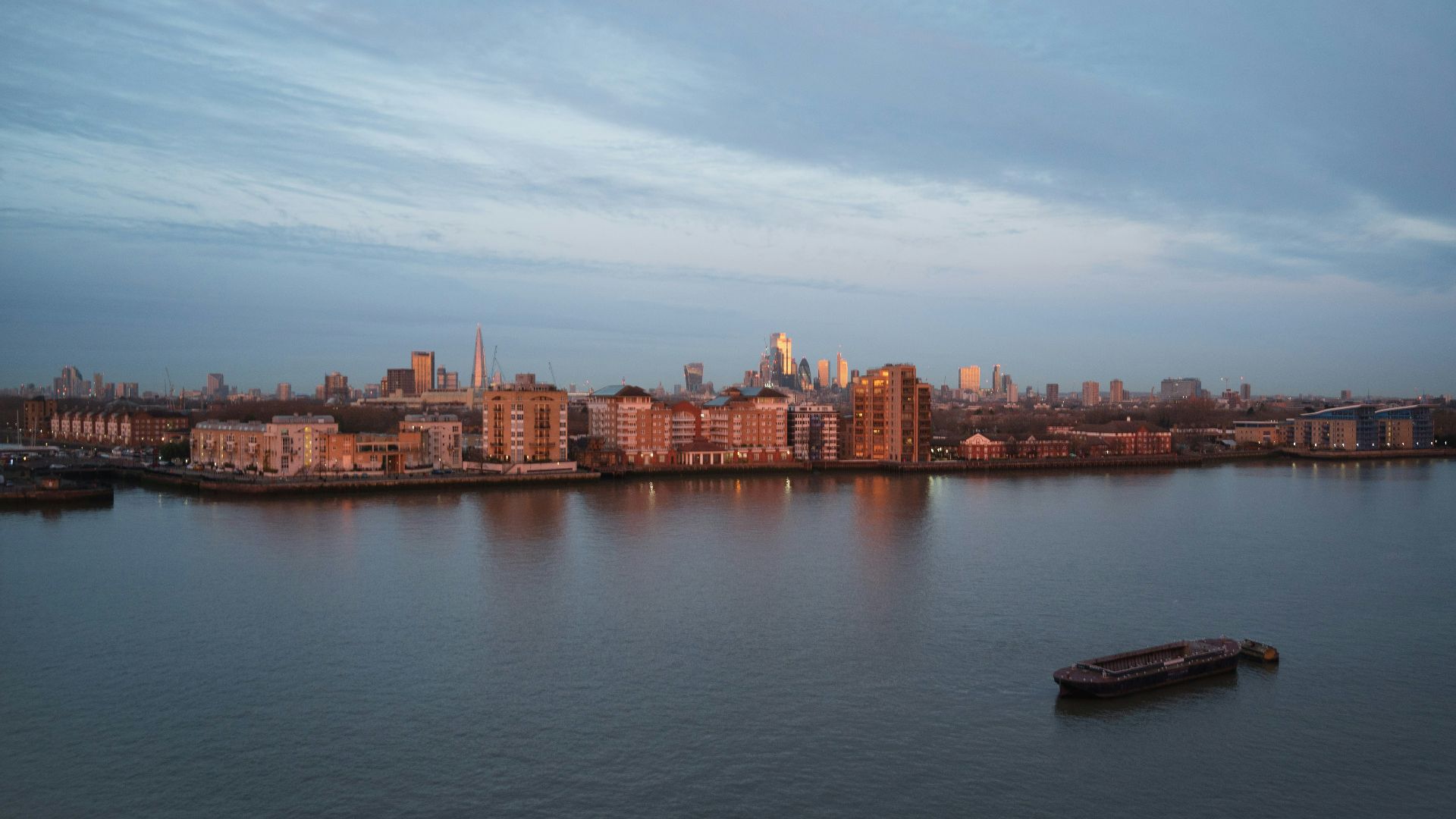
12. London, England
Winter here can be a long run of late sunrises, early sunsets, and gloomy skies, and many people feel their sleep timing drift. Add bright indoor lighting late at night, and the body can get mixed messages that make insomnia more likely.
13. New York City, New York
Tall buildings can block morning light, which is a powerful cue for waking up and setting circadian timing. If you’re commuting underground and working under office lighting, your brain can end up more synced to your phone screen than the actual sky.

14. Phoenix, Arizona
High heat changes how you behave, and when you avoid the sun all day, you may miss the daylight exposure that helps stabilize sleep. The sun is intense enough to drive people indoors, then the evening becomes the only time anyone moves, and the whole schedule slides later.

15. Las Vegas, Nevada
Bright desert sun can feel energizing in the morning, then punishing by midday, which encourages long indoor stretches under artificial light. Add late nights and glowing signs everywhere, and the brain gets a constant signal to stay awake.

16. Dubai, United Arab Emirates
The sun is strong, the heat pushes life indoors, and many people keep irregular hours that run late into the night. When daylight becomes something you dodge rather than absorb, it’s easy to end up tired at the wrong times and wired when you want sleep.

17. Singapore
Near the equator, day length stays fairly consistent, which sounds easy on the brain. The challenge is that the sun rises early year-round, and if you keep late hours, that steady early light can chip away at sleep unless you protect mornings and keep nights dark.

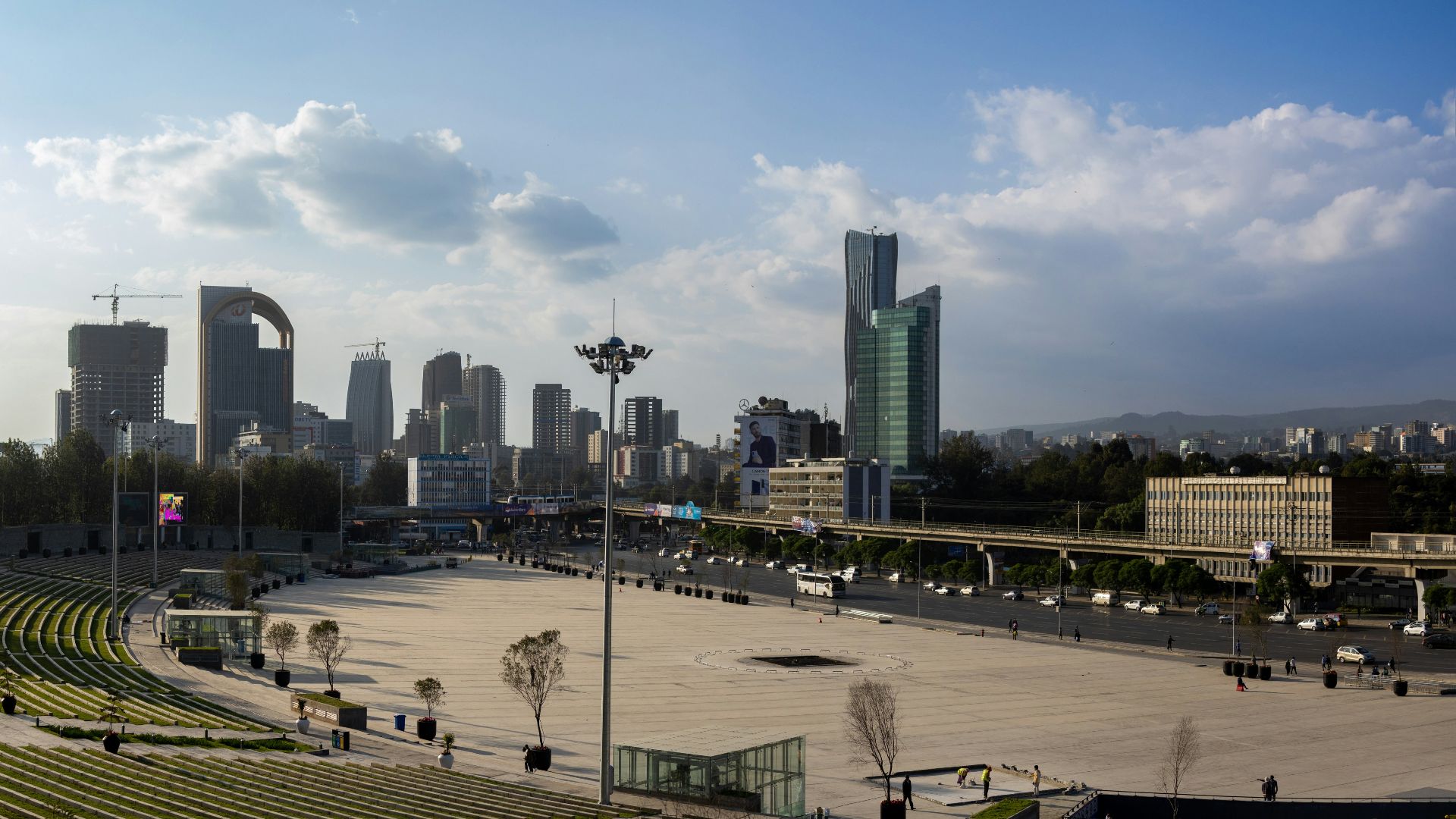
18. Addis Ababa, Ethiopia
High altitude and strong sun can create a bright daytime environment that boosts alertness, then drop into cool evenings that feel like a hard switch. If you’re not used to the intensity, headaches and fatigue can show up faster than expected, and that can affect mood and focus.
19. La Paz, Bolivia
At high elevation, UV intensity is stronger, and bright light can feel harsh even on mild-temperature days. People prone to migraines or light sensitivity can find their brain gets overstimulated outdoors, then swings into fatigue later.

20. Denver, Colorado
The “bright but chilly” days can trick you into spending time outside without realizing how intense the light is at altitude. Some people feel sharper with the sun exposure, while others get headaches, restless sleep, or that wired feeling that shows up when the body is slightly out of rhythm.