Who Knows What’s Really Waiting to Get Discovered?
Grand Central Station rewards two kinds of curiosity: the historical mind that notices what the building has survived, and the casual visitor who loves a hidden feature. When you blend those perspectives, the terminal stops being just a landmark and starts feeling like a living place with routines, secrets, and very specific design choices. Come with us as we explore some of the best things lurking in this beloved station—and why they should matter to you!
1. The Whispering Gallery
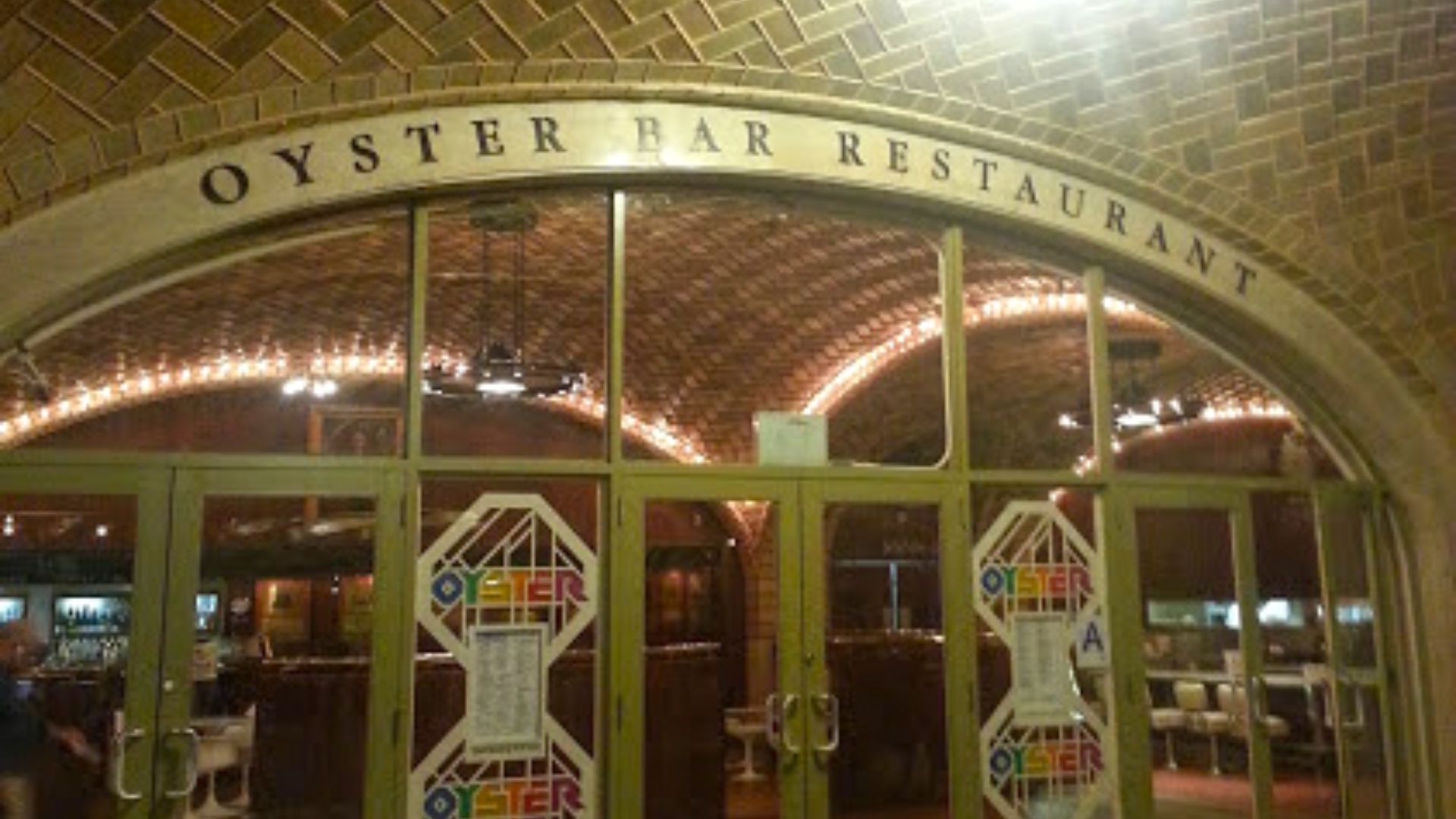
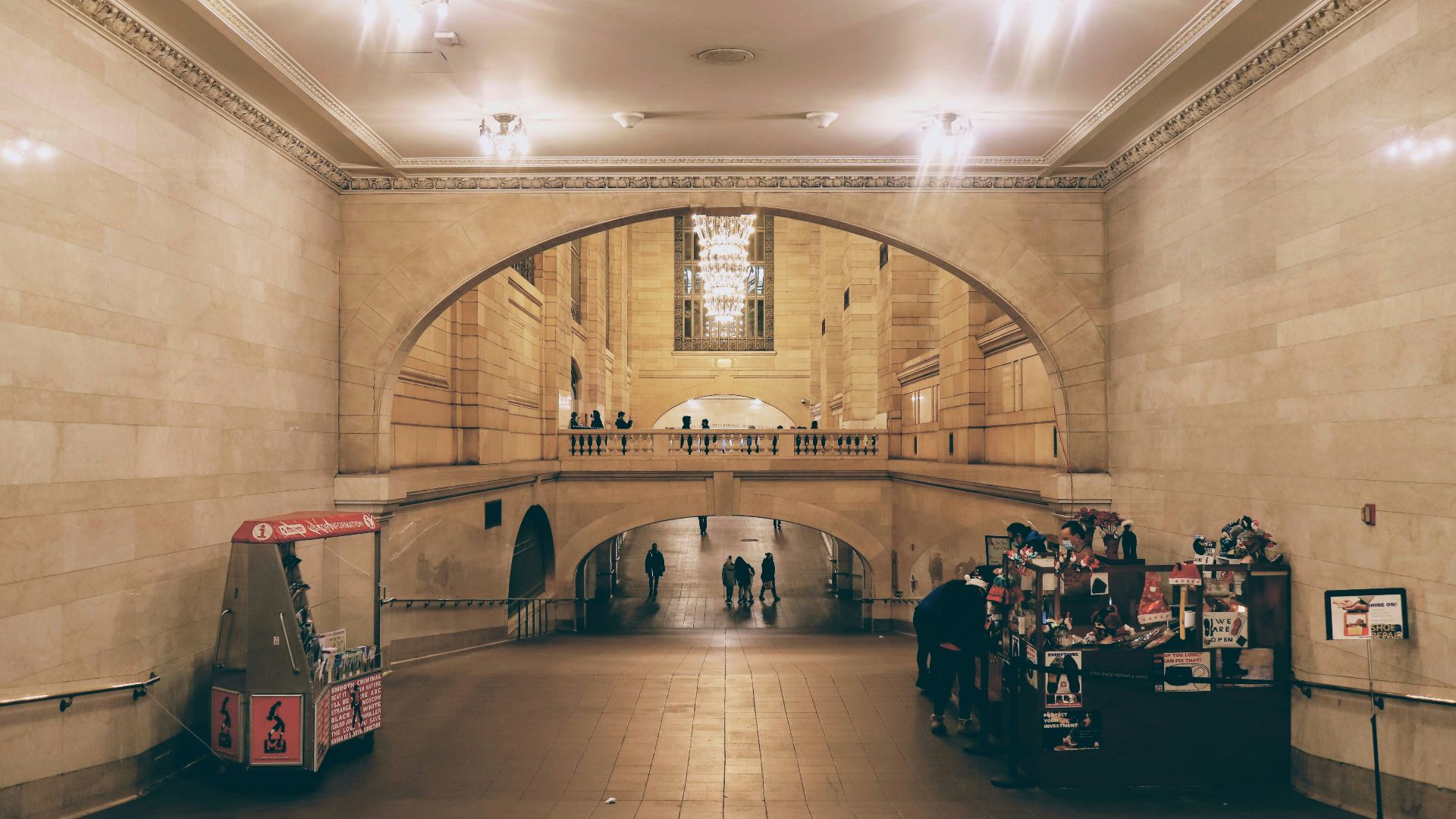
Did you know there’s a very special spot where you can communicate in secret? It’s true! Head to the arched tile area near the Oyster Bar and face into one corner. Speak softly, and someone across the arch can hear you with surprising clarity. The effect comes from the shape and hard surfaces, which funnel sound.
2. The Clock That Became a City Tradition
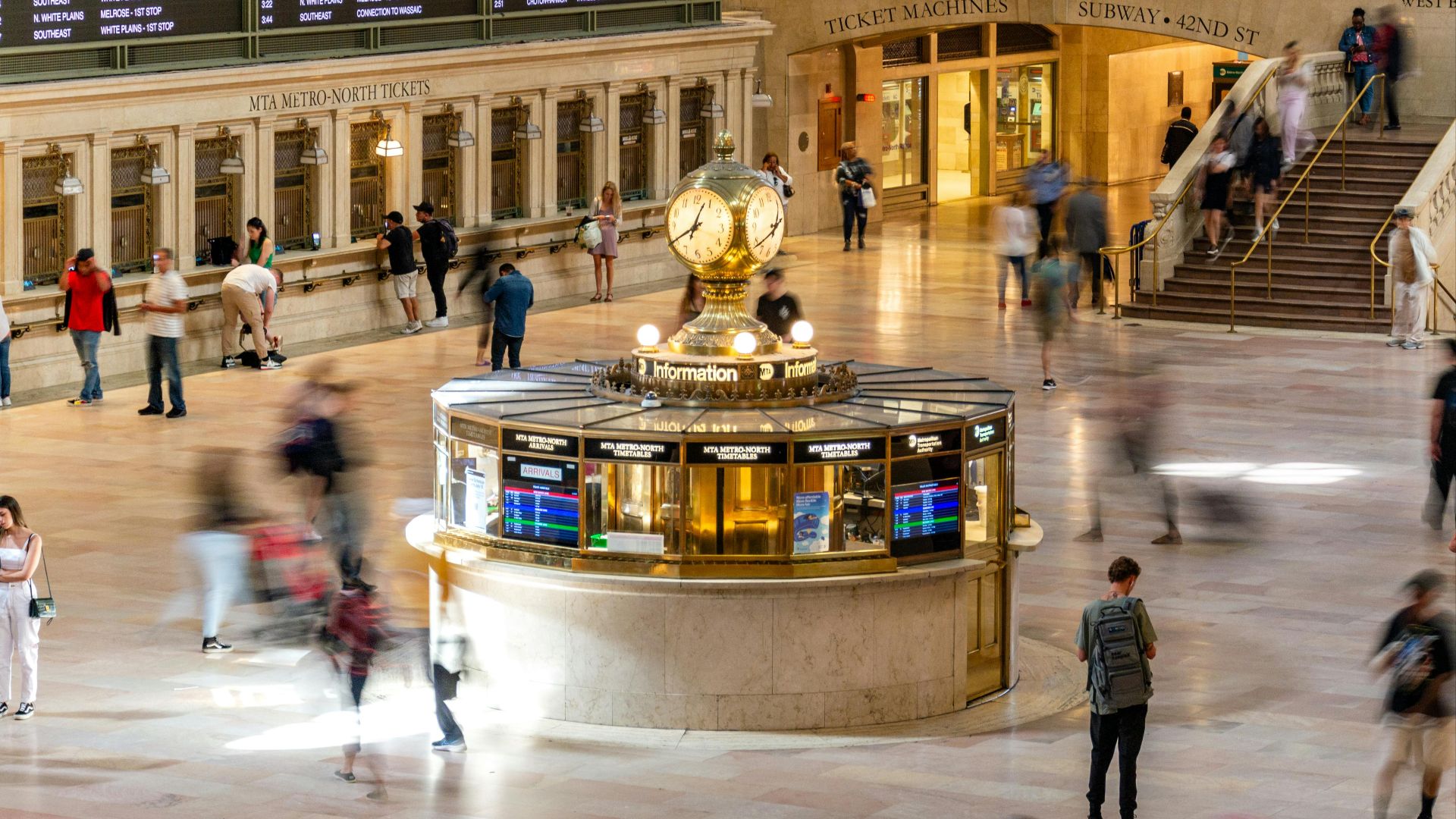
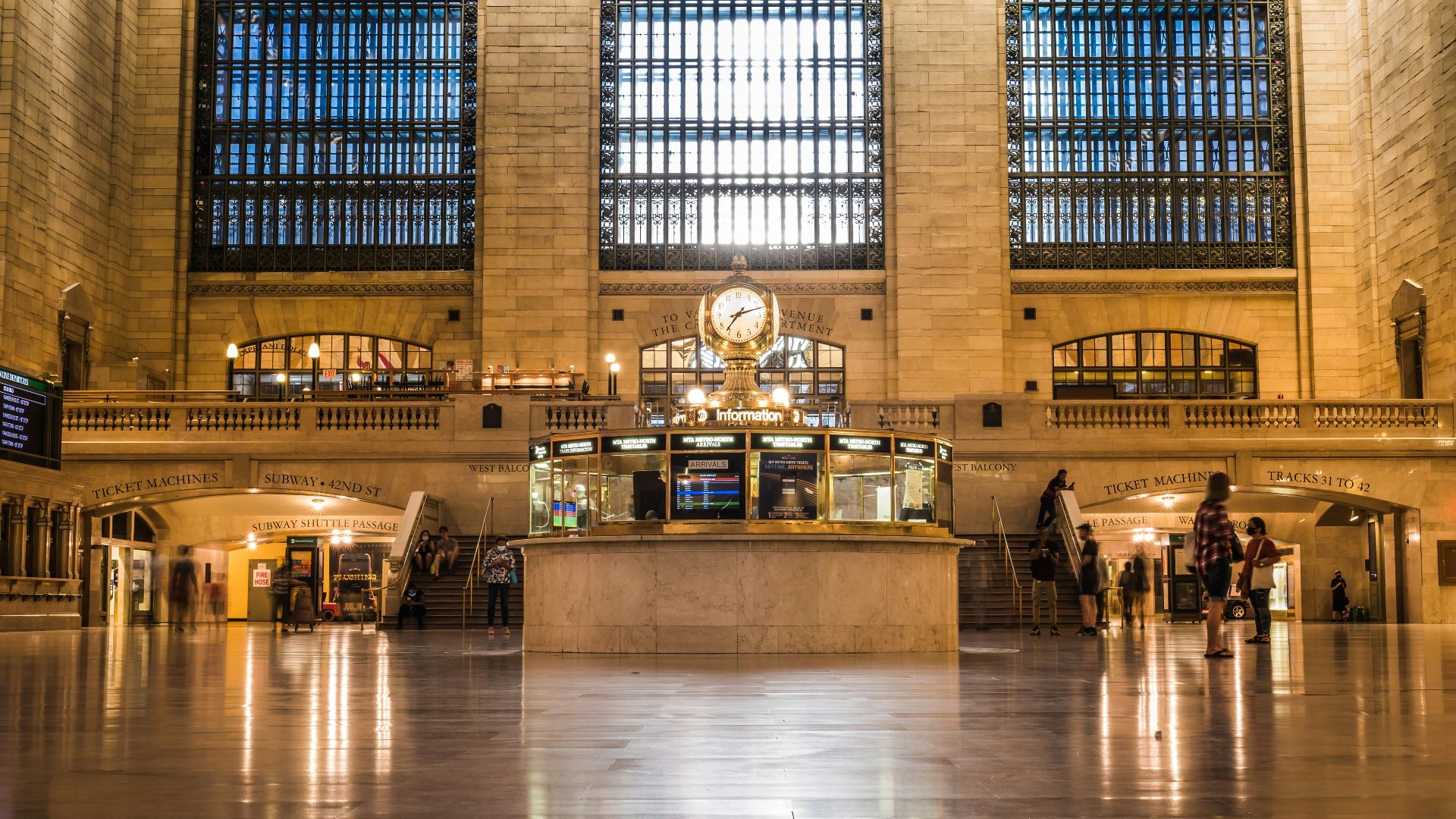
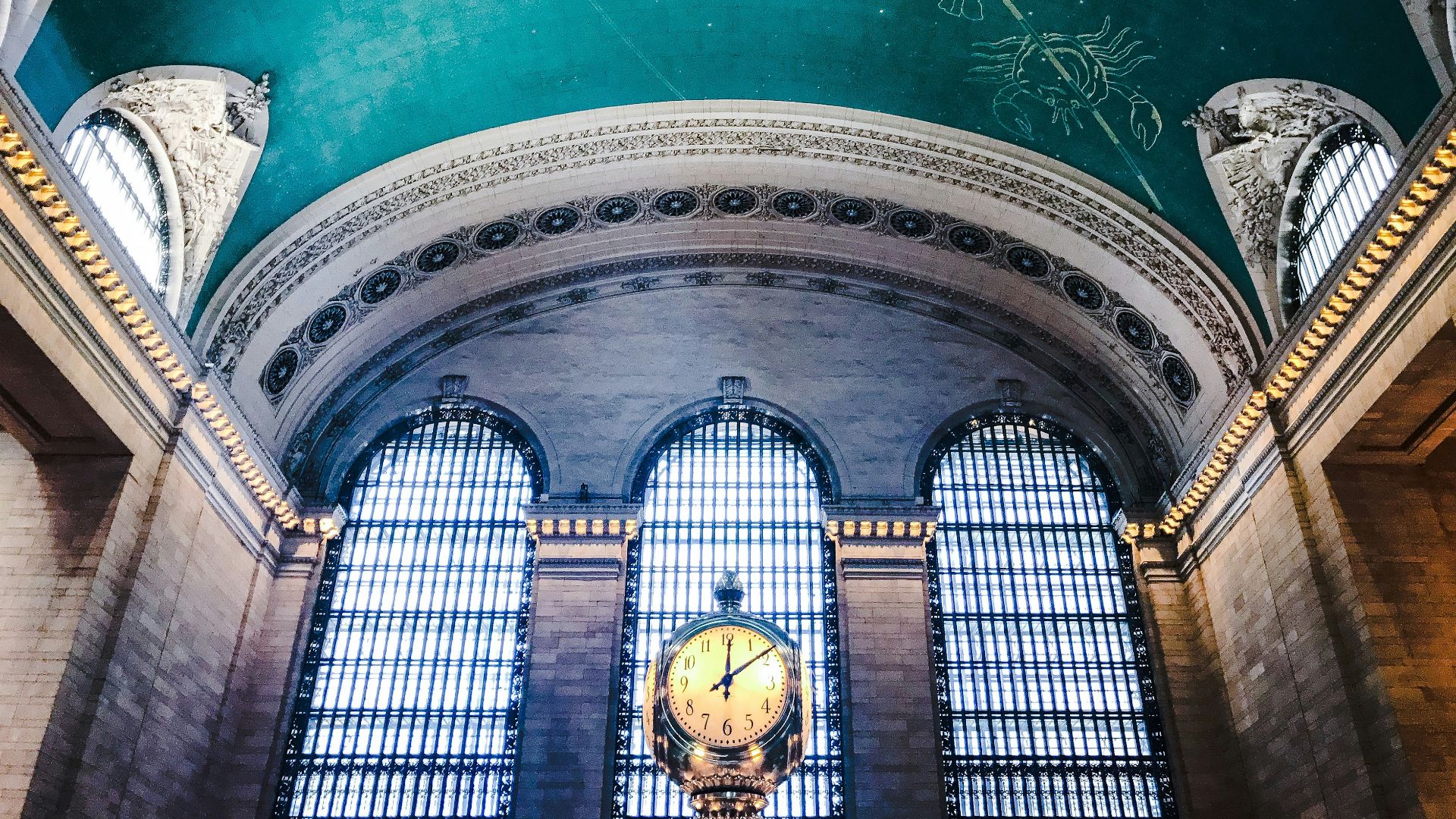
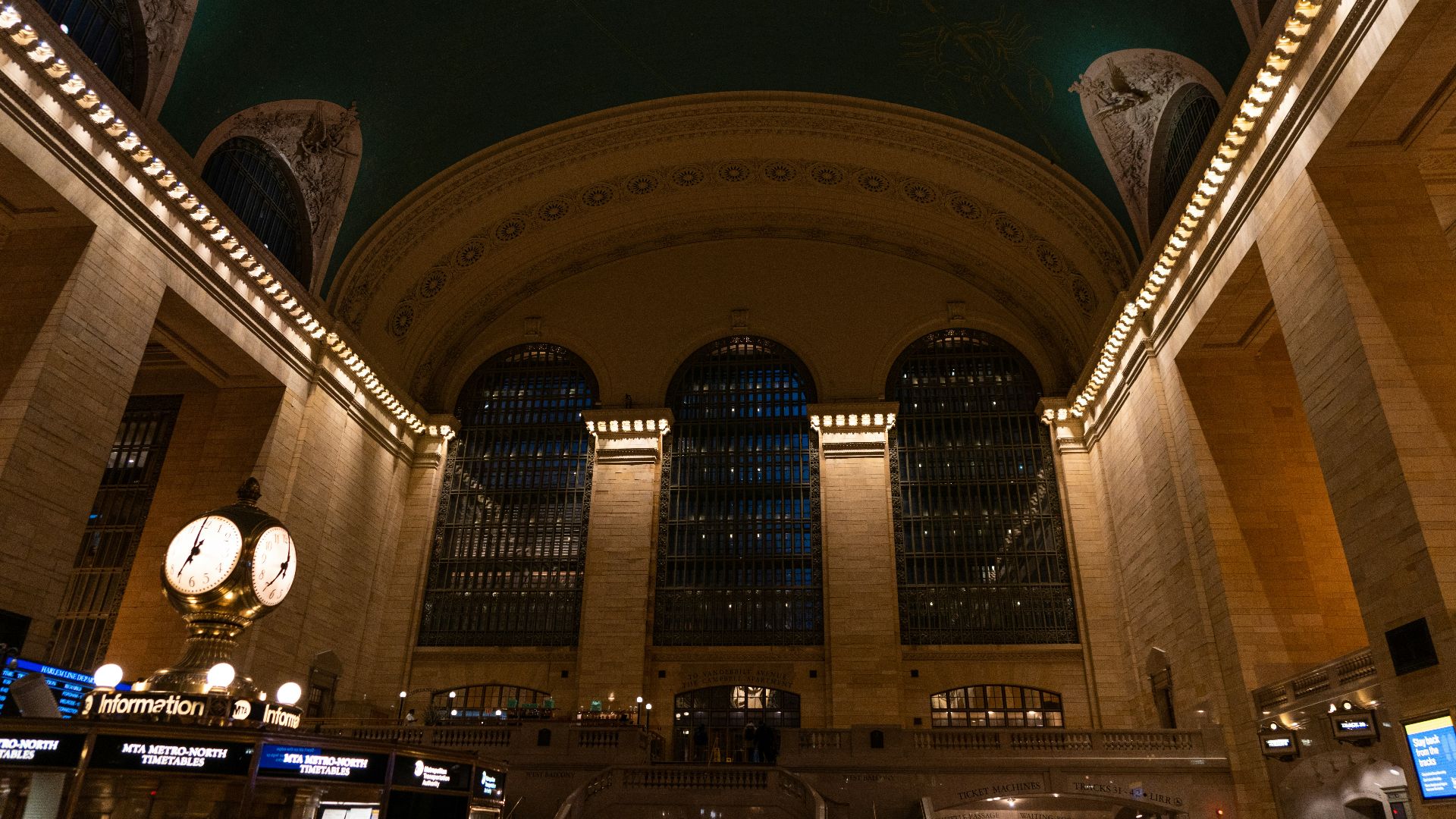
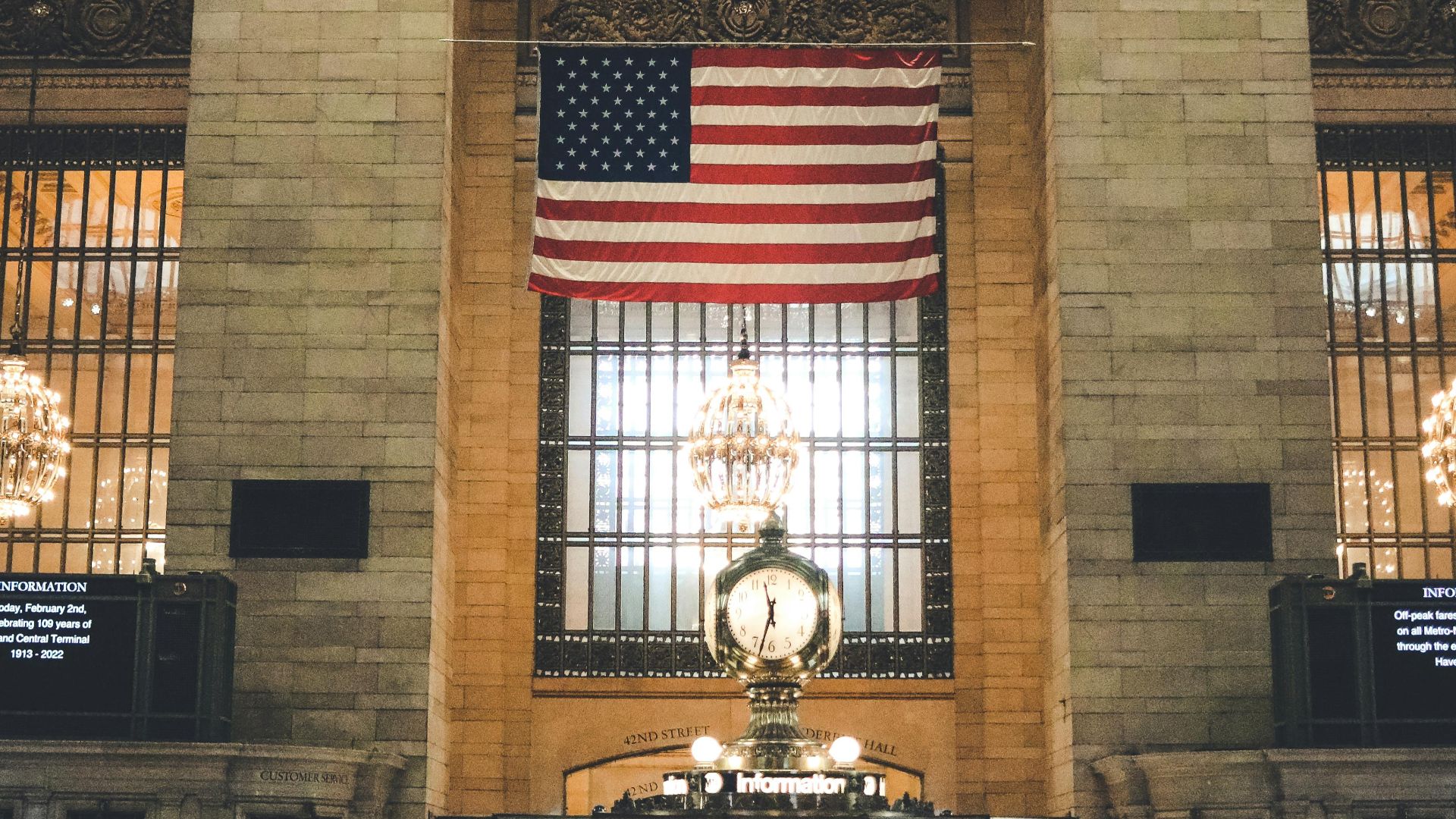
Even if you’ve never been, you’ve undoubtedly seen the clock above the information booth—it’s the most classic meeting point in the terminal! The thing is, it’s so much more than a pretty sight. Historically, it’s also a symbol of how the station became a social crossroads, not only a transit hub.
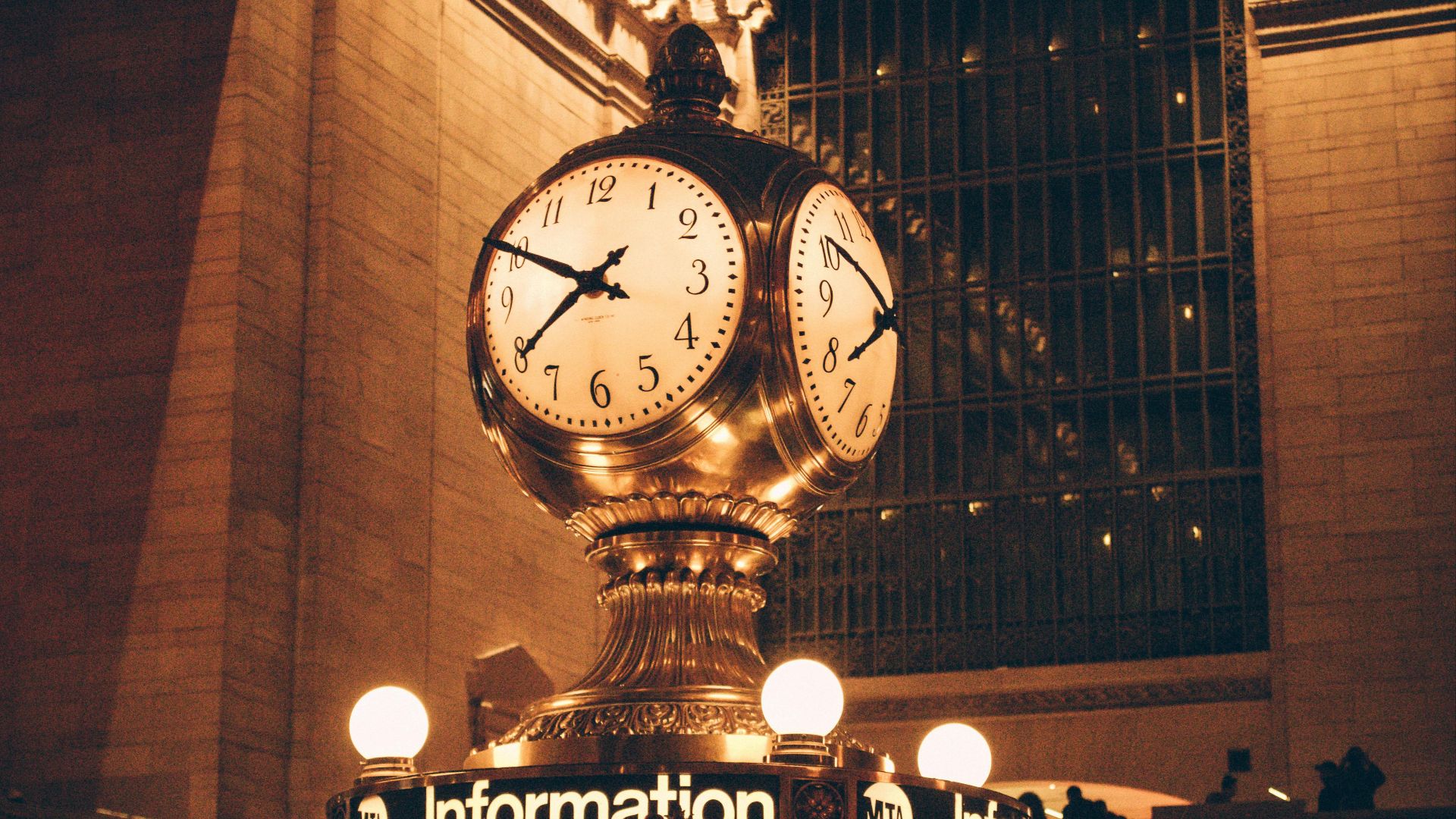
3. Look Up at the Zodiac Ceiling With a Historian’s Eye
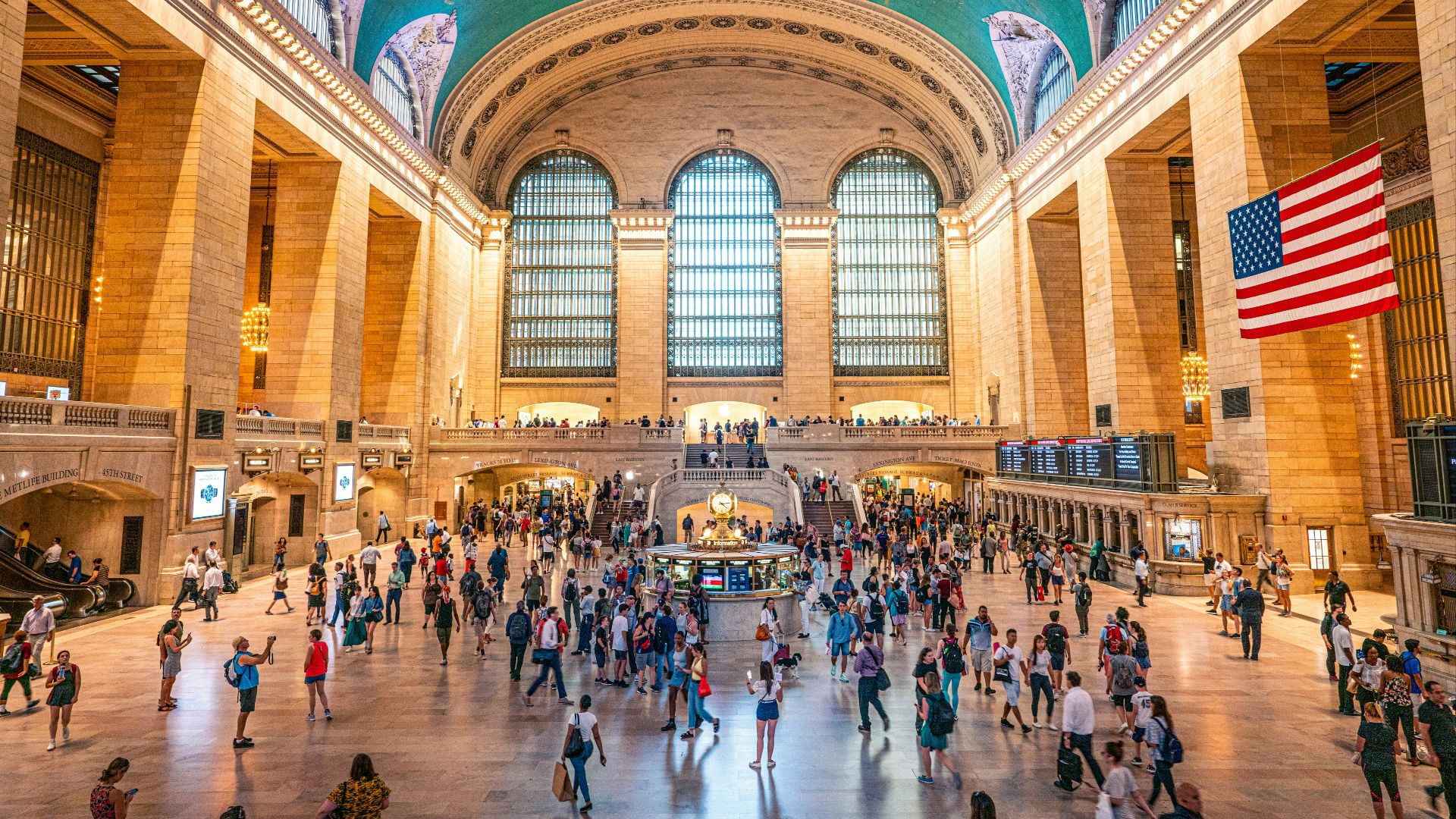
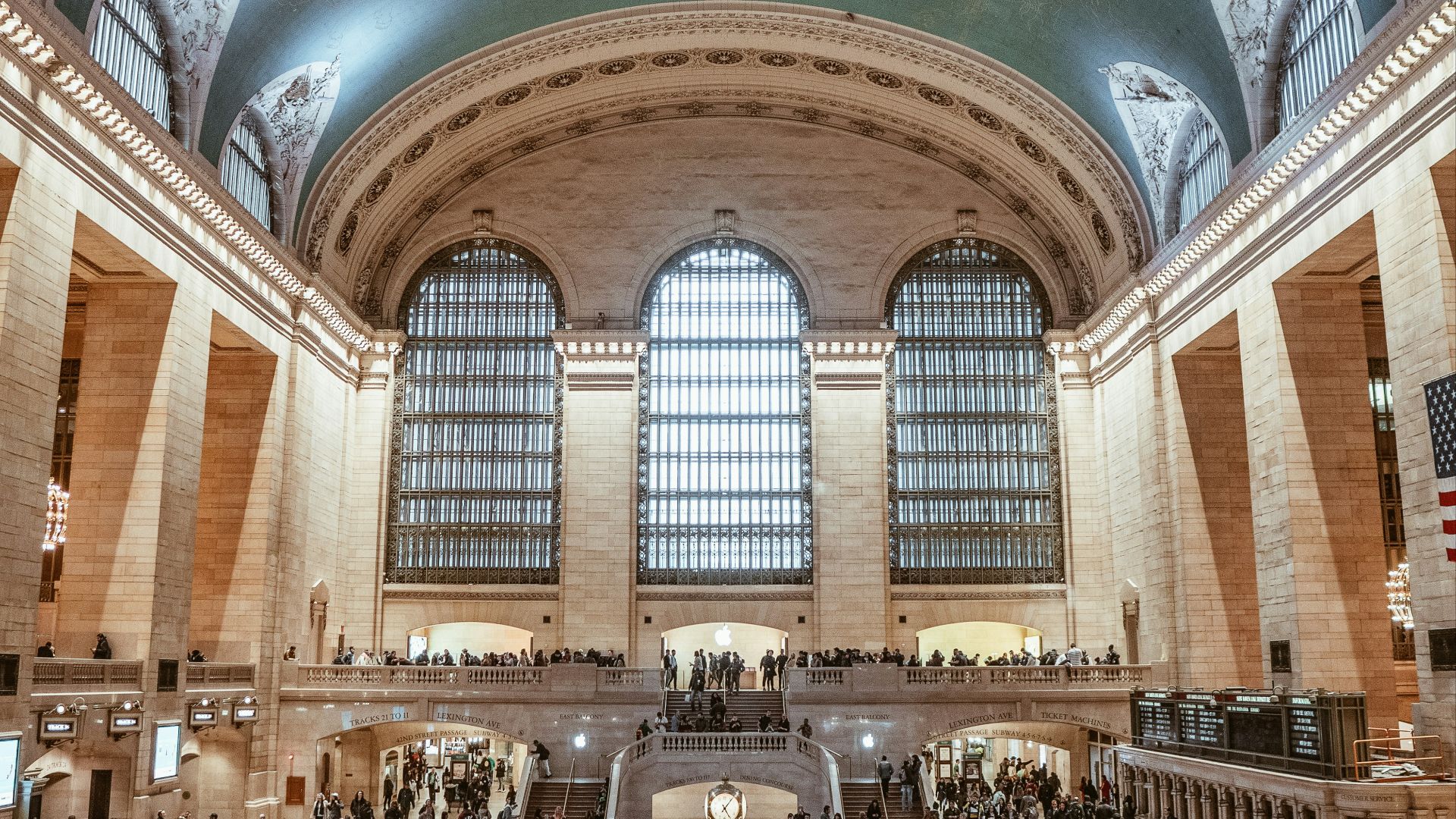
The Main Concourse ceiling is famous for its celestial theme, but it’s worth lingering to study the details. Some elements have long been discussed because they don’t read like a strict sky map. There’s a real blend of art, myth, and public spectacle that tells you a lot about how ambitious the original design was.
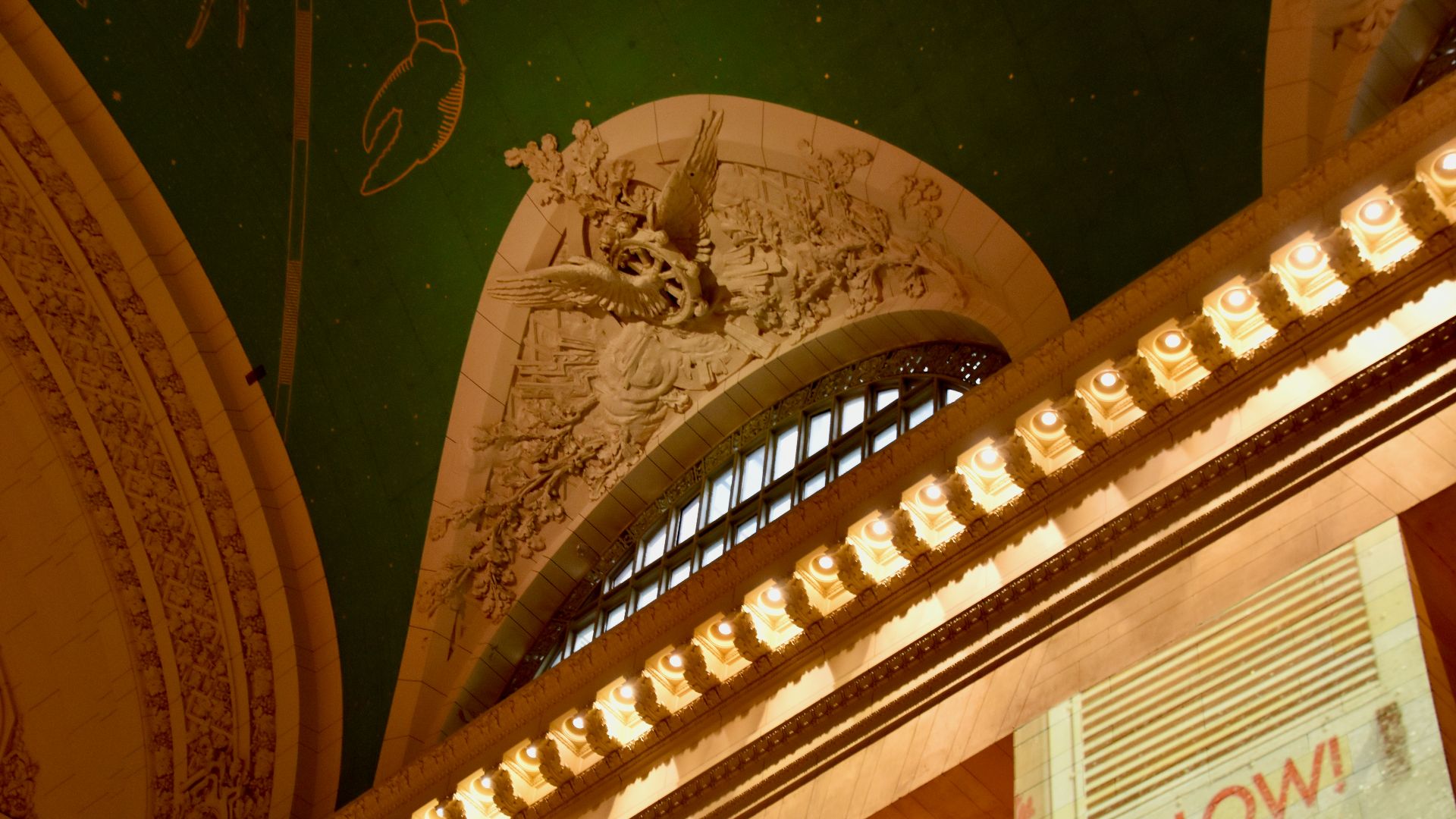
4. That Little Dark Spot
Since your eyes are already up there, you might as well keep scanning! Do so, and you may notice a darker area that stands out from the surrounding paint. It isn’t random. It’s a visible reminder that even grand public spaces carry traces of the city’s changing air and constant use.
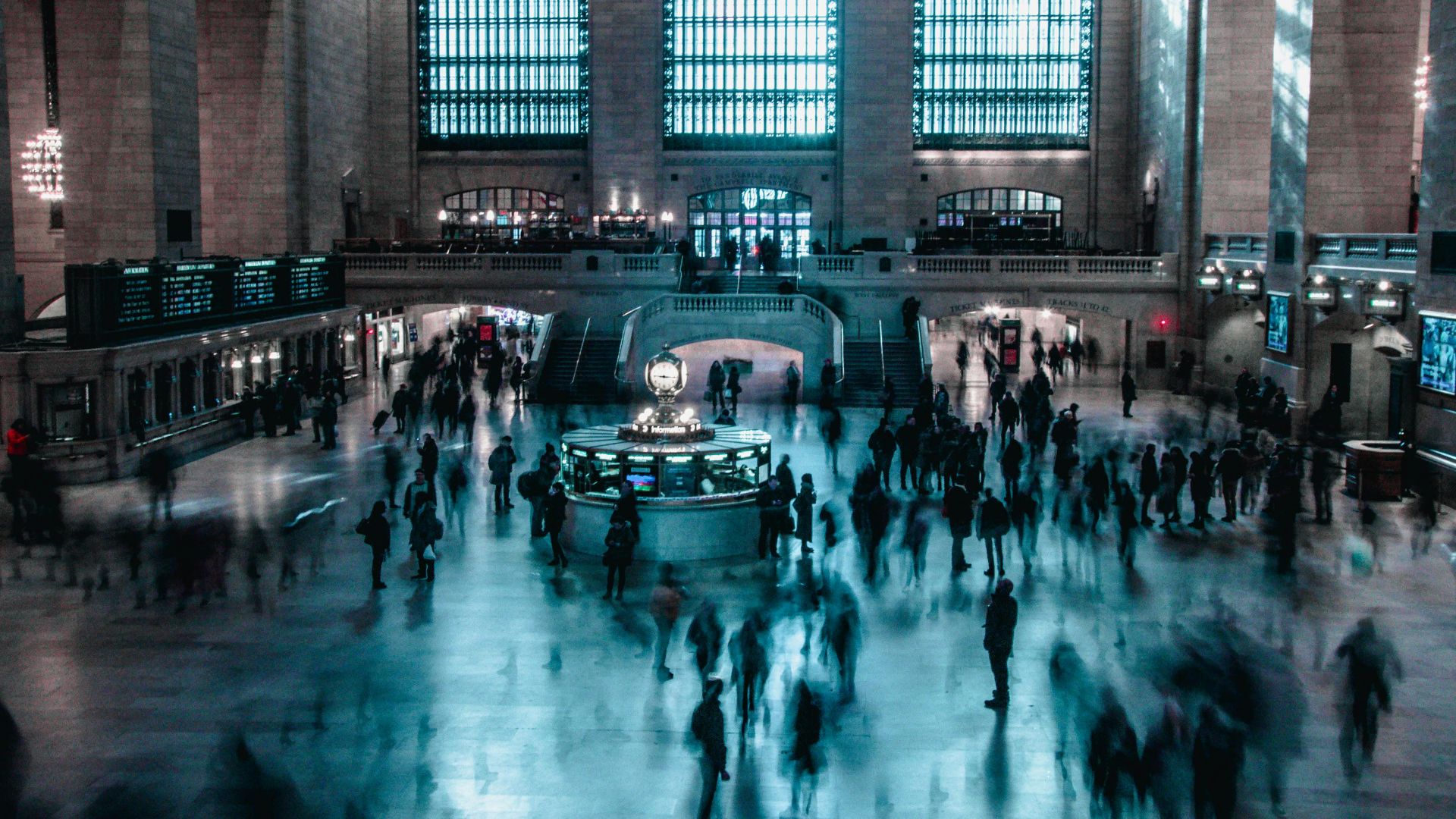
5. Use the Architecture to Navigate
Forget about followingthe signs; try orienting yourself with the concourse’s symmetry and clear sightlines. The station was built to be read quickly by people in motion, so once you follow the space’s logic, you’ll feel less like a visitor and more like someone who knows the route.
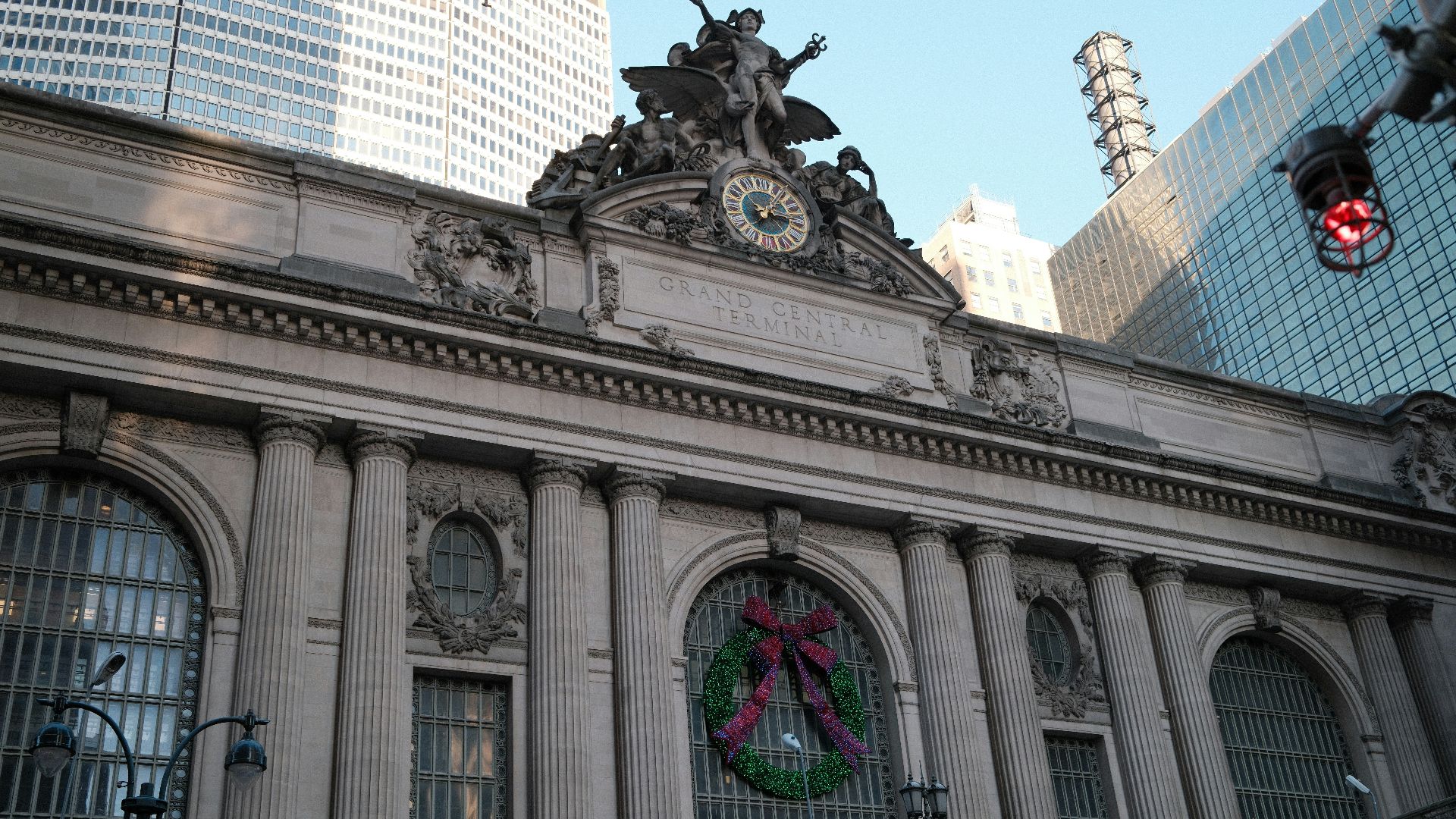
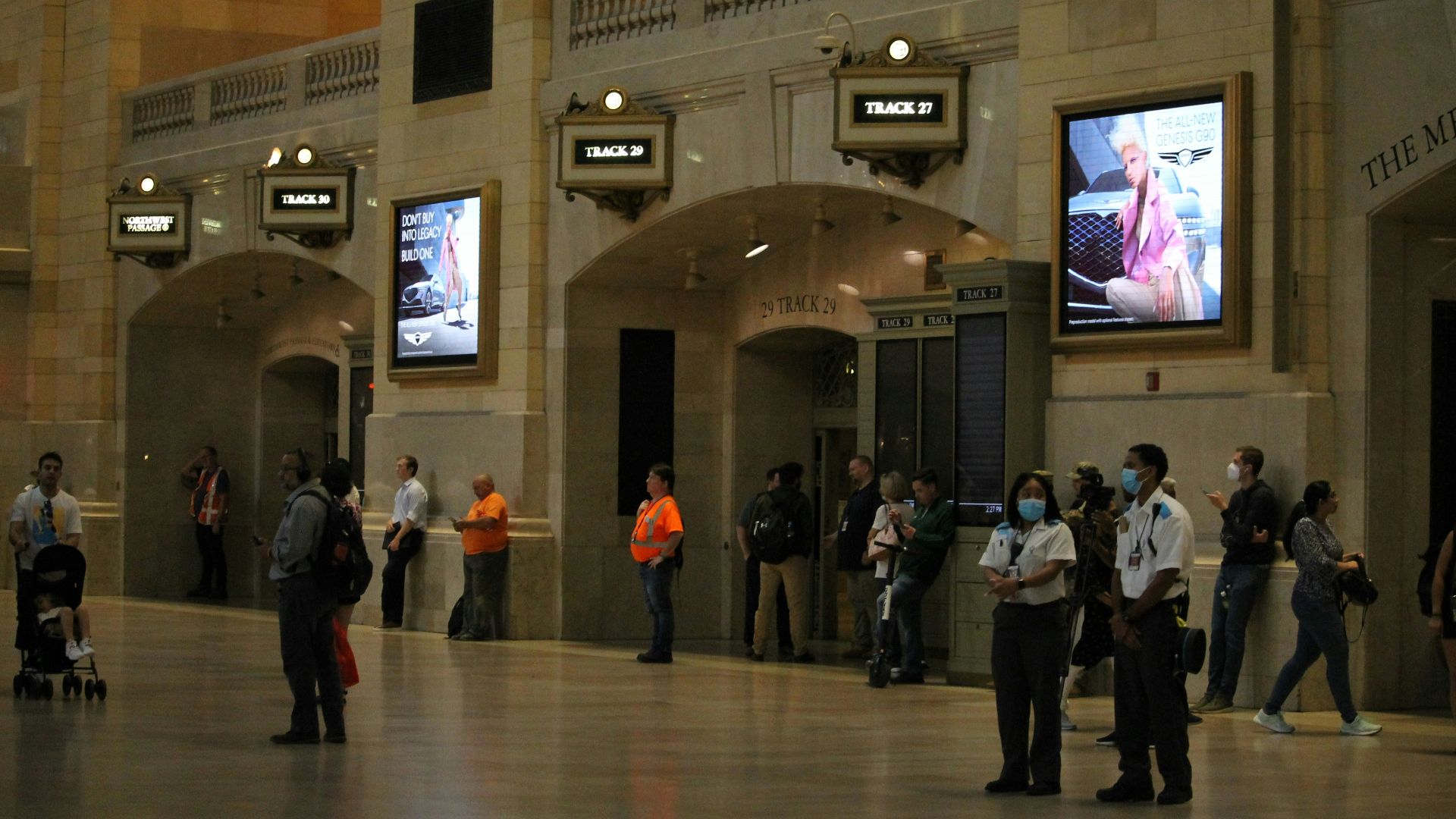
6. Spot the Hidden Doorways
Some entrances and thresholds blend so neatly into the walls that you can walk past without even noticing them…until now. The building had to handle traffic and operations without visual clutter, so those blended doors are there for a very specific purpose. However, if you enjoy small discoveries, keep an eye out for ones that try to remain a secret.
 Alessandro Chitarrini on Unsplash
7. Stone and Metal Chosen to Survive Crowds
Grand Central is full of materials that don’t just endure wear and tear. Rails, stone surfaces, and fixtures were selected to look dignified even after endless contact. What seems like an everyday building is actually a design strategy that was built to withstand millions of hands and feet.
8. An Underground Dining Scene
Are you in the mood for a few hidden menu items? Grand Central Station takes the concept to a whole new level! Food has been part of the terminal’s identity for a long time, which helps explain why the building feels like a small neighborhood. You might have to wander around some, but that’s all part of the charm.
9. A Private Hotel Connection Used to Make Arrivals Discreet
Believe it or not, Grand Central’s role as a social and business gateway encouraged direct, more private links to nearby buildings. Historically, connections to adjacent properties allowed certain guests to move with less attention. You can’t follow those routes today, but secrecy was built right into this place.
10. Restoration Clues in Finishes and Color
As you can probably imagine, Grand Central has been carefully maintained over time, and the care shows if you know what to look for. Differences in tone, sheen, or surface crispness can hint at what’s been restored versus what has aged naturally.
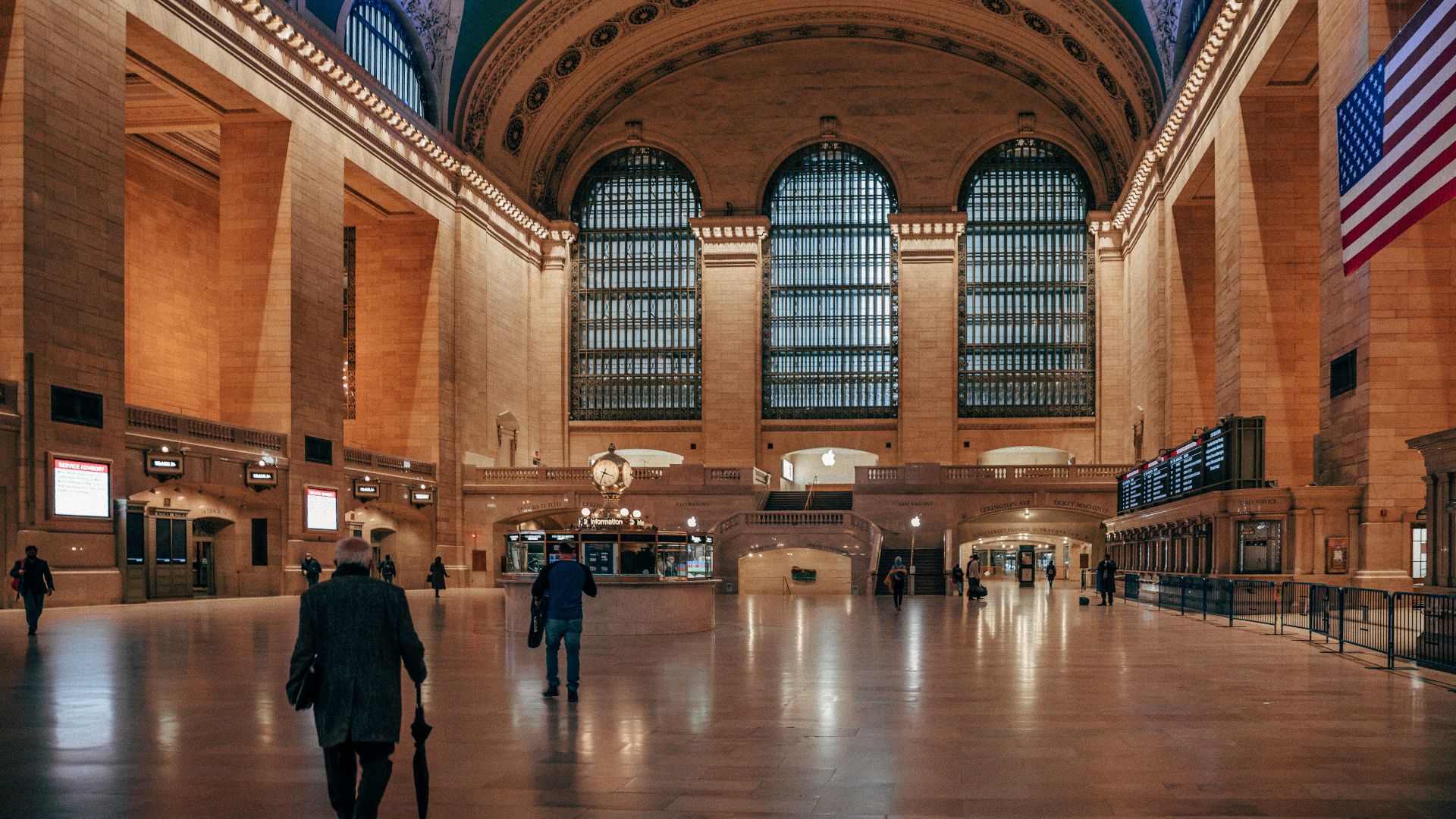
11. There’s a Hidden Tennis Club Inside the Terminal
Yes, really! There’s an indoor tennis facility tucked into the building, and it’s not something you’d guess while standing under the constellations. Mosey up to the fourth floor, and you might just wish you brought your racket.
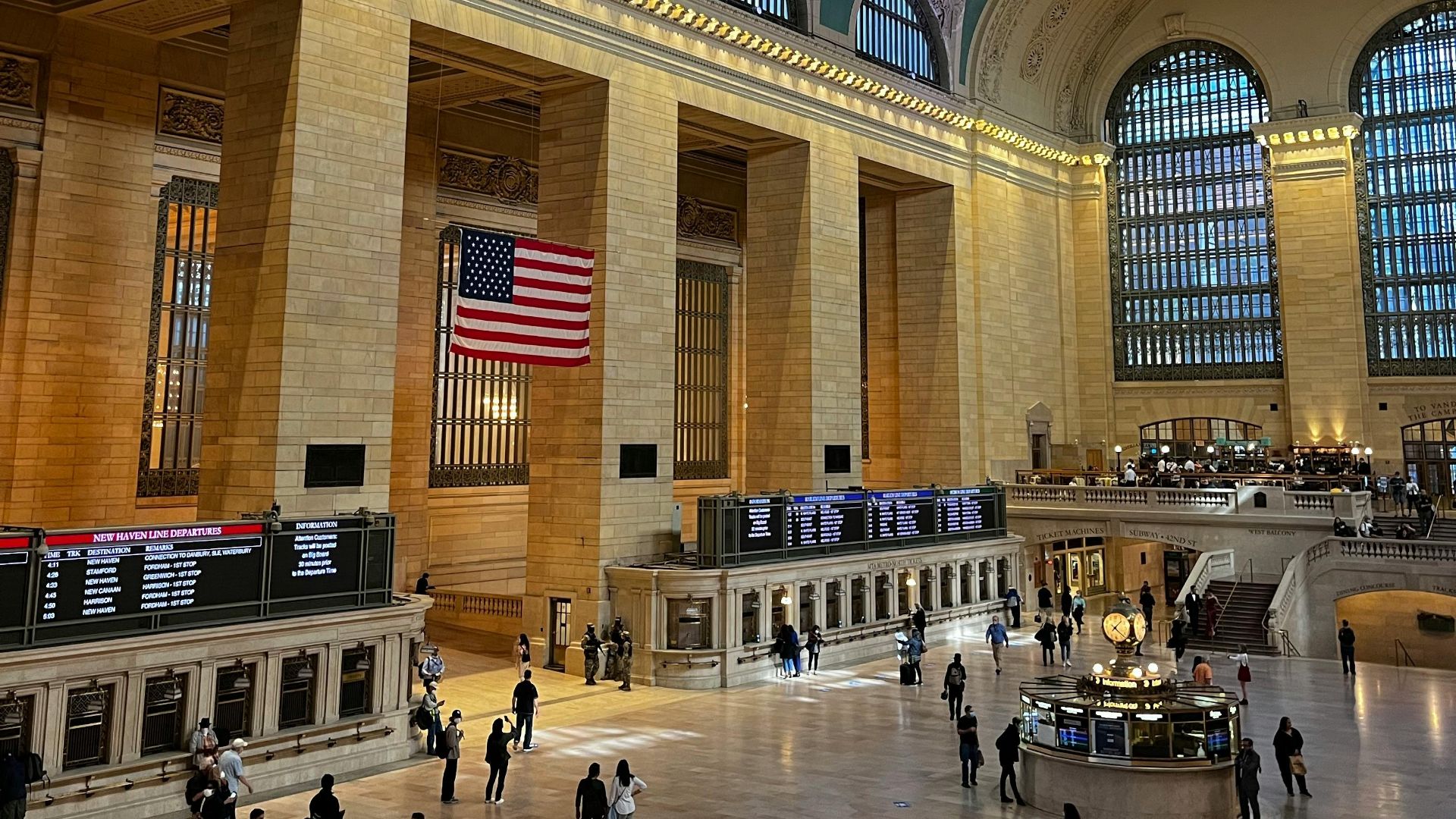
12. Track 61 and the Private Platform Story
Deep below the terminal, a track known as Track 61 has become one of Grand Central’s most talked-about hidden spaces. It’s linked to moving VIPs discreetly, and it’s often associated with President Franklin D. Roosevelt’s efforts to keep his mobility struggles out of public view. Unfortunately, unless you’re a VP, don’t expect to see it for yourself.
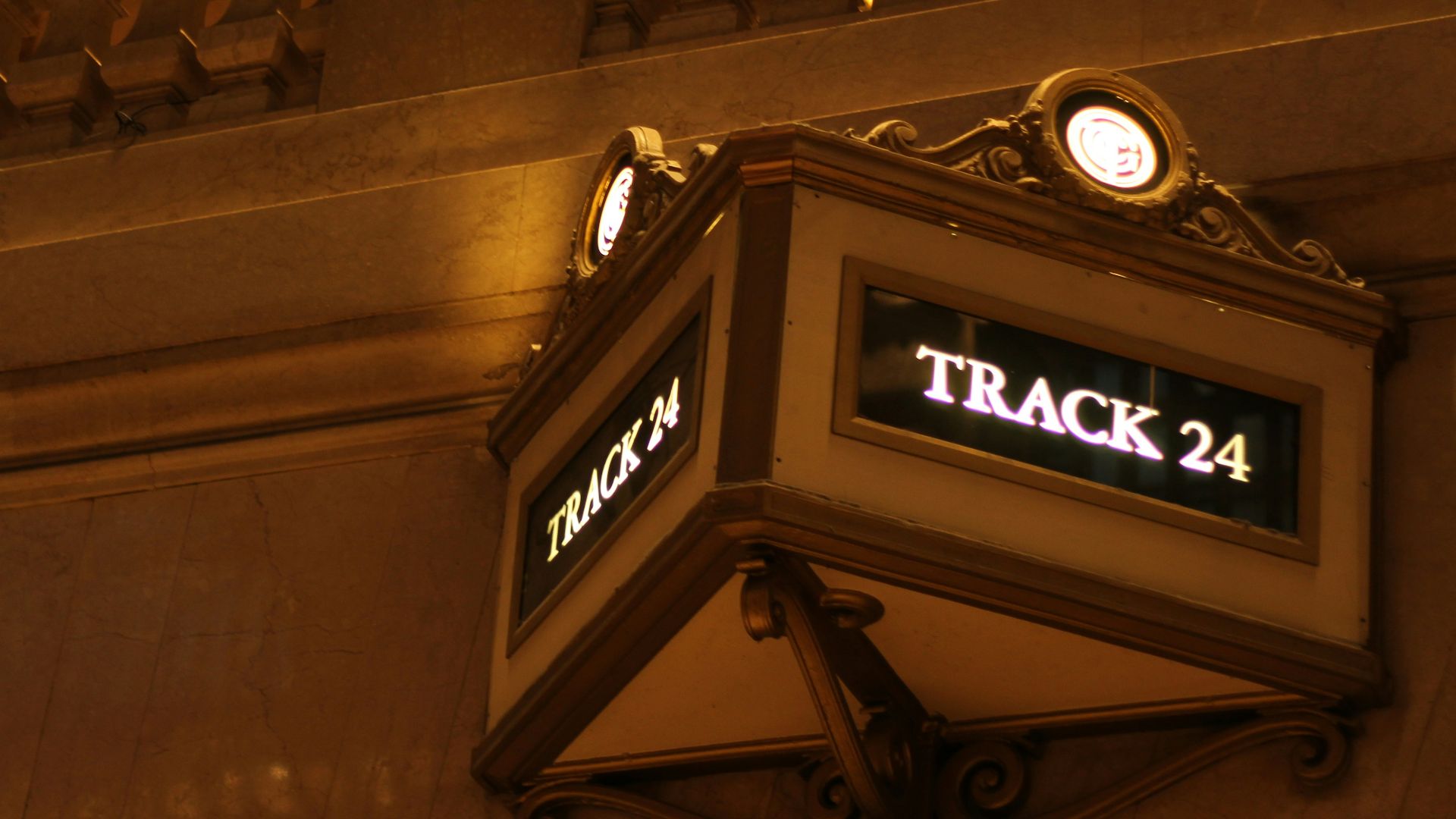
13. A Code From the Original Track System
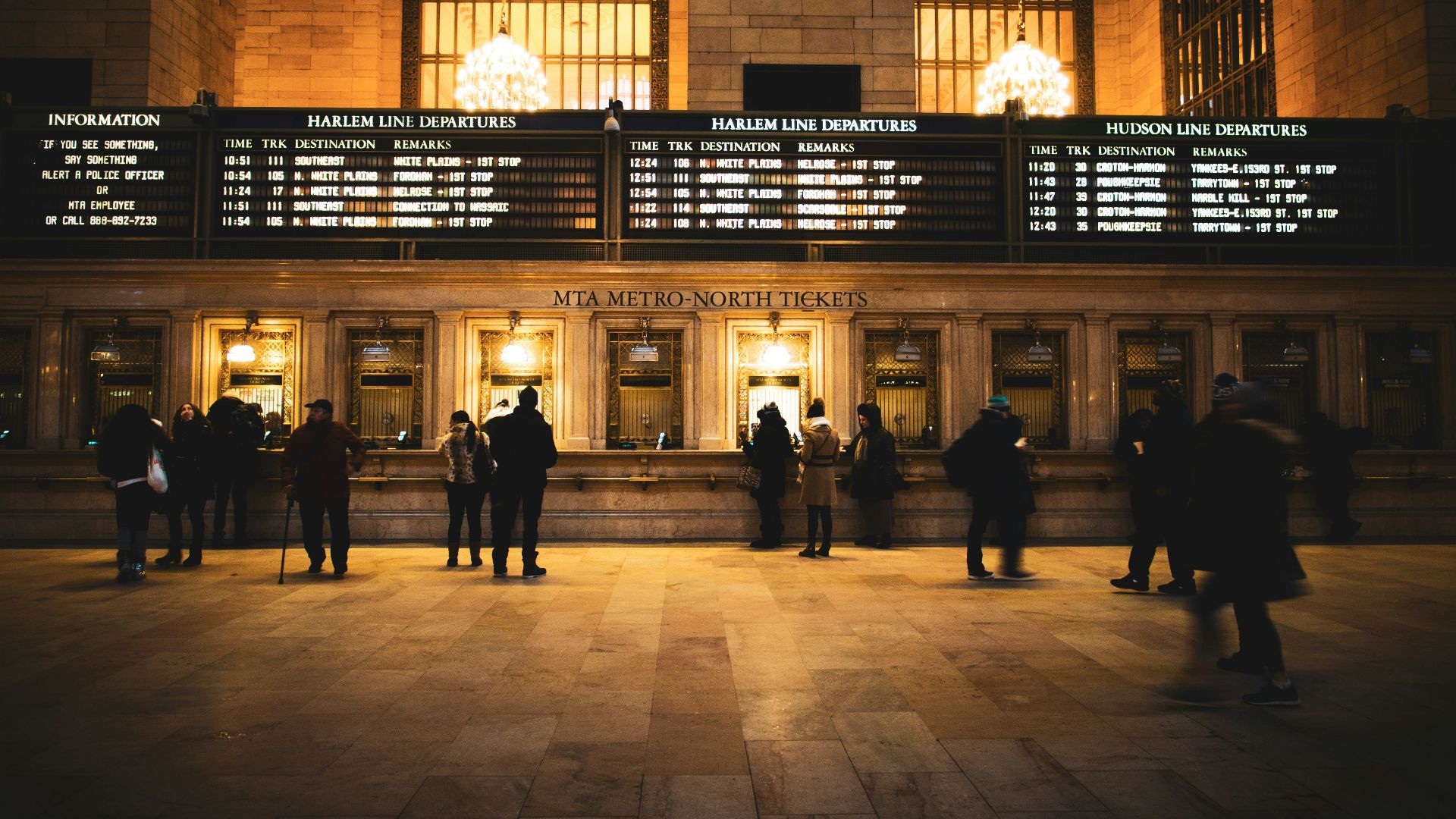
Grand Central’s track and platform organization was engineered with a deeper logic than travelers realize. Older operational patterns influenced how spaces were labeled and how movement was directed, even if modern riders only see the public-facing results. The more you pay attention, the more the station reads like a carefully managed machine.
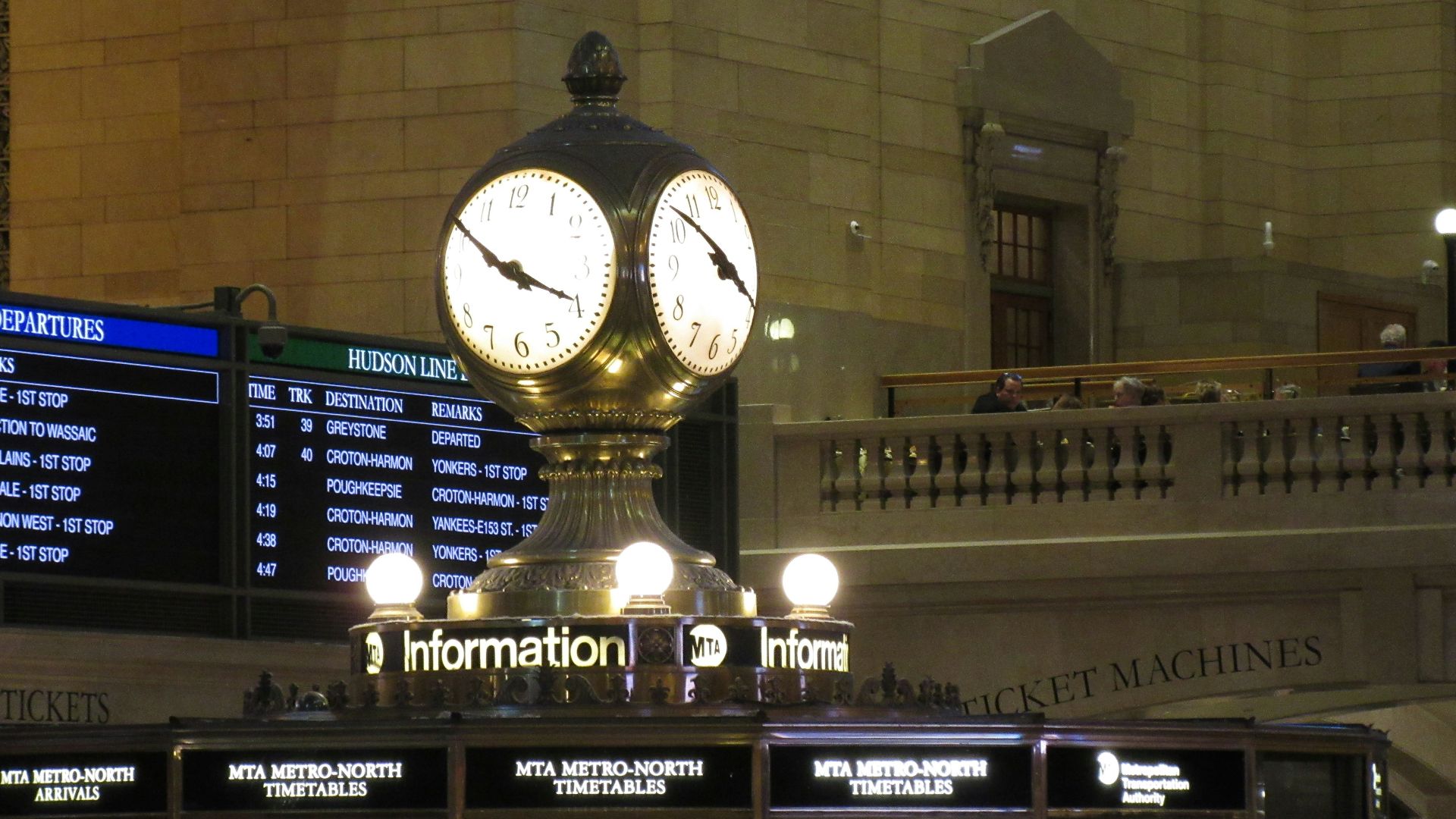
14. Appreciate How Signage and Sightlines Work Together
Signs matter, but the station also relies on visibility and geometry to keep you from feeling lost. Seriously—keep an eye out for how the openness helps you locate key landmarks. That’s more than just playful design; that’s historical discipline doing a modern job: keeping a huge public space readable.
15. The Quiet Networks Built for Deliveries and Operations
Behind the scenes, Grand Central was designed with service pathways that kept deliveries, maintenance, and staff movement out of the public eye. Those routes helped the terminal function smoothly while preserving the grand, uncluttered feeling in the spaces visitors see most. You won’t meander through them, but the station’s public persona depends on that hidden backbone.
16. An Unmarked Lounge Once Felt Like an Insider Secret
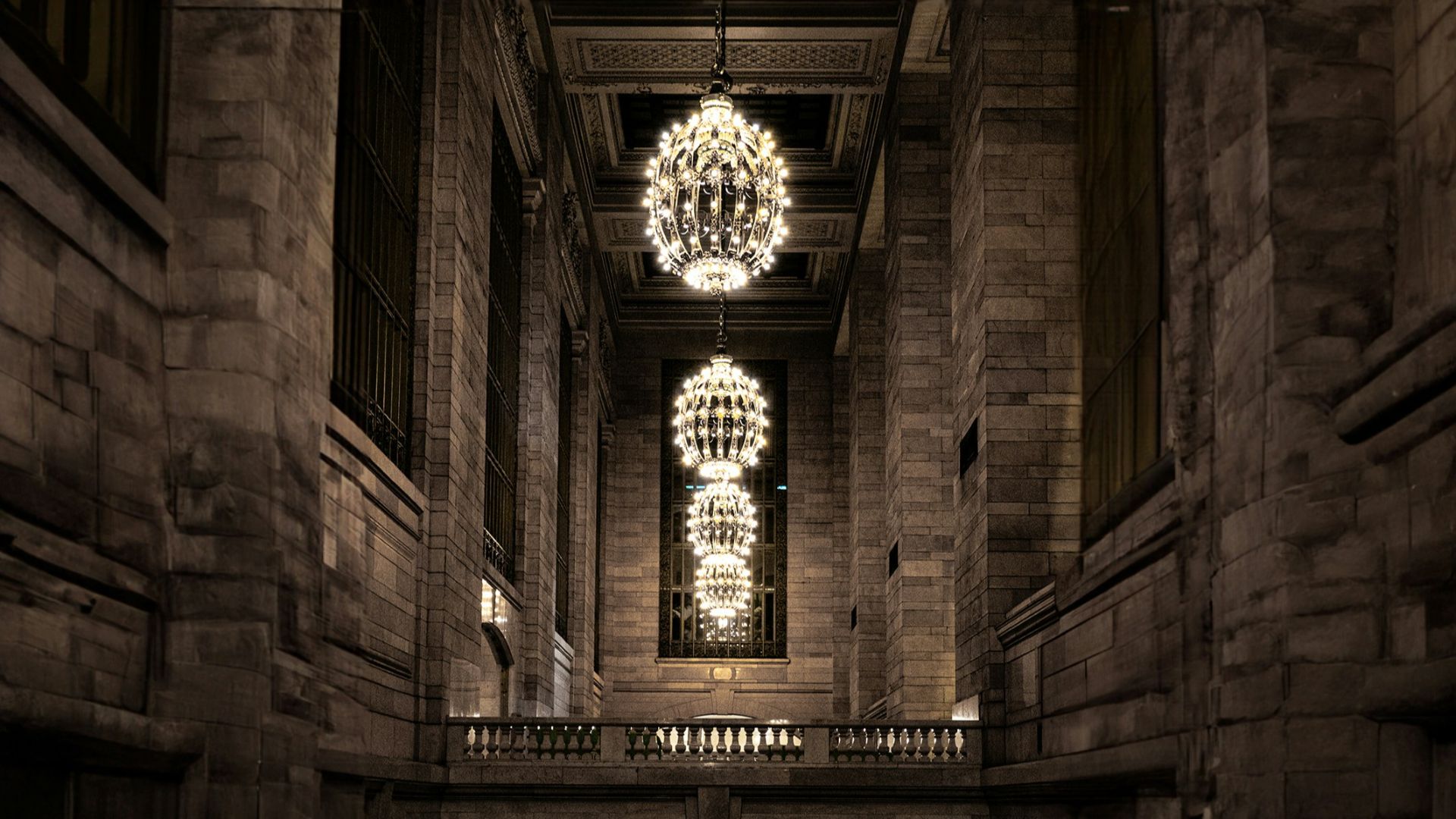
As we’ve already explored, Grand Central has had spaces designed to be discreet rather than showy. However, the most famous example is an unmarked bar otherwise known as The Campbell, and it became known as a hidden gem after its initial surge in the 1920s.
17. Behind-the-Scenes Rooms Dedicated to Keeping Time
We all know a station runs on schedules, but Grand Central took it to new heights. The station’s internal workings included dedicated spaces and procedures to keep time references consistent for staff and rail operations. You won’t see that machinery as a visitor anymore, but it’s been essential to the building’s daily life for a long time.
18. Small Design Motifs
If you’re observant, you might just see repeated shapes and patterns that unify the building. Those details help you stay oriented even when you aren’t consciously tracking where you are. Basically, even if it doesn’t seem like it, the station works overtime to keep you oriented.
19. The Terminal Has Had More Than One Renovation
What you see today is the result of major restorations, ones that brought back details many travelers assumed were never lost. Layers of grime, later modifications, and changing tastes altered the look over time before preservation efforts reversed all that. Essentially, that station you’re walking in is a carefully recovered version of itself.
20. Linger on Purpose
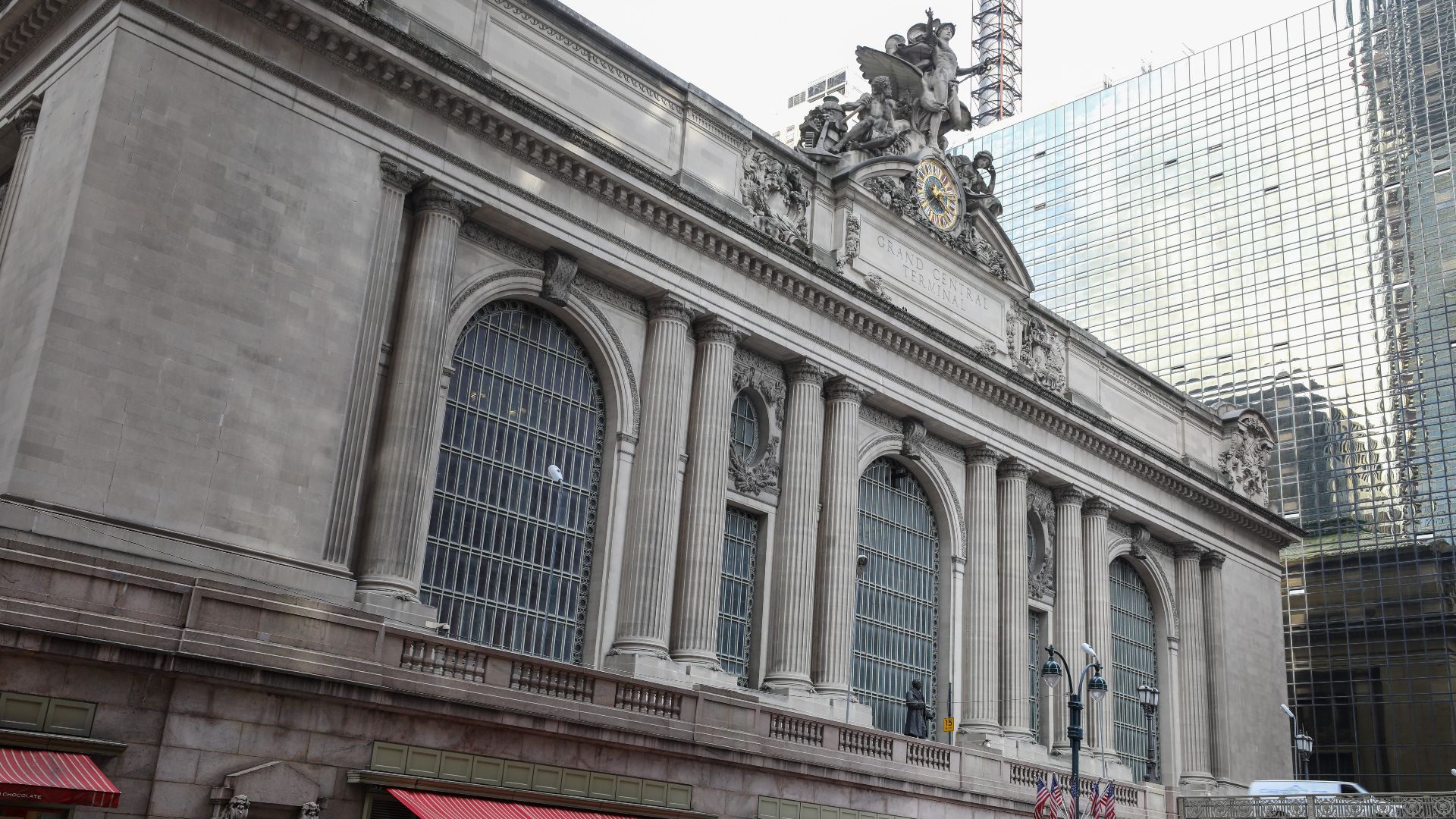
One of the biggest “secrets” of this place is that you can loiter on purpose! Give yourself extra time, and you’ll spot craftsmanship, patterns, and odd little features you’d otherwise miss. Grand Central is both a working station and a public showpiece, and it’s at its best when you let it be both.