10 Red Flags That Make You Look Suspicious at Airports & 10 Tips to Help You Breeze Through
10 Red Flags That Make You Look Suspicious at Airports & 10 Tips to Help You Breeze Through
Do You Seem Suspicious?
Airports are high-security environments where trained officers are constantly watching for anything that seems out of place, and it's easier than you might think to accidentally raise a few eyebrows. Whether you're a seasoned traveler or you're heading out on your first big trip, certain behaviors and habits can flag you for additional screening without you ever realizing why. Understanding what draws unwanted attention and how to avoid it can make your airport experience significantly less stressful and a whole lot faster.
1. Avoiding Eye Contact with Security Officers
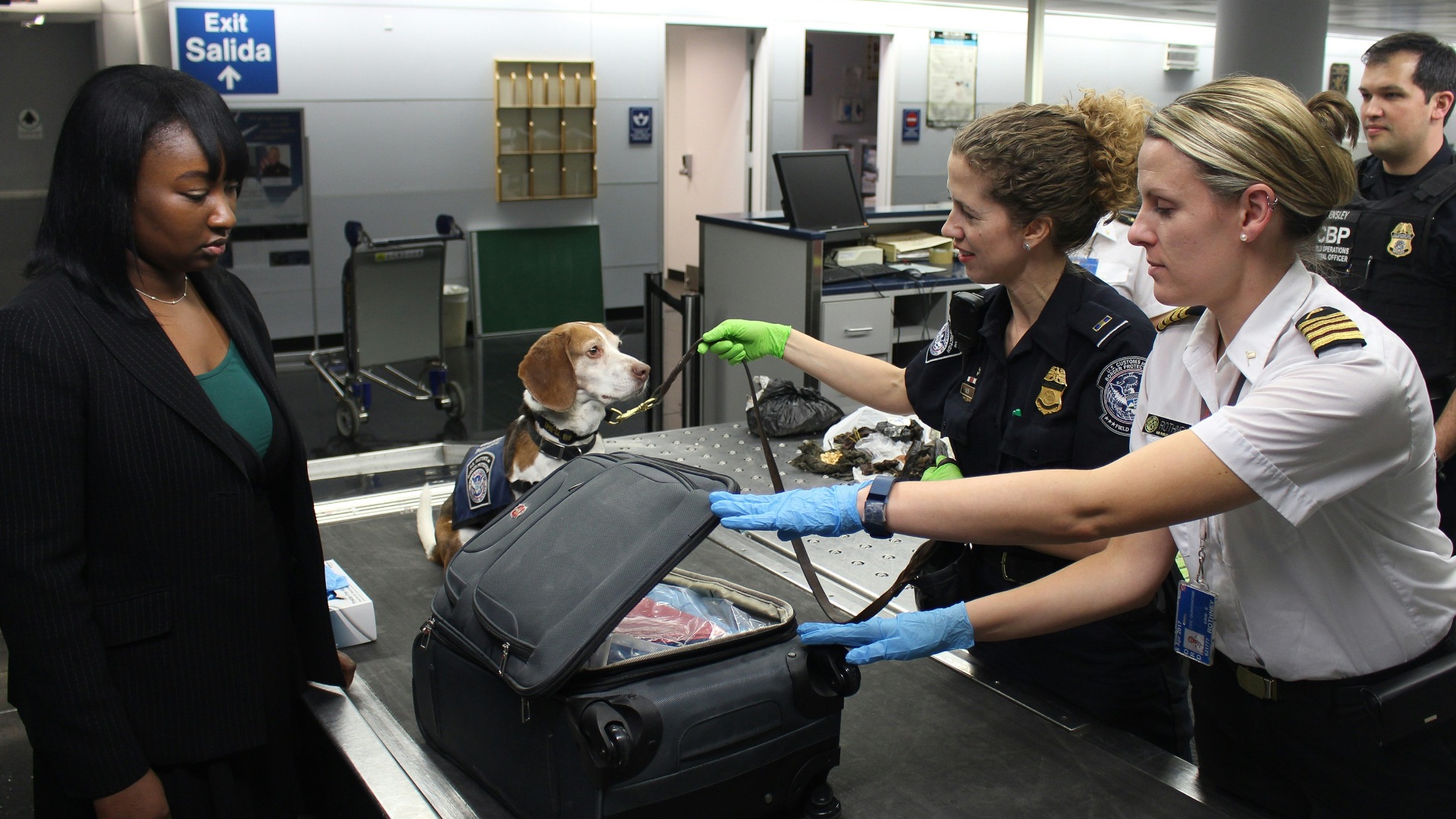
Security personnel are trained to notice when travelers go out of their way to look down, stare at their phones, or actively avoid making eye contact during screening. It can come across as evasive behavior, even if you're simply anxious or just a little tired from your early morning wake-up. A brief, natural glance and a relaxed expression go a long way toward signaling that you have nothing to hide.

2. The Thousand-Yard Stare
Just as avoiding eye contact can raise suspicions, going too far in the opposite direction and fixing officers with an intense, unrelenting stare is equally likely to make them uncomfortable and curious about your behavior. It can read as an attempt to appear forcefully calm or confident, which is ironically one of the things that behavioral detection officers are specifically trained to identify as a potential stress response. Natural eye contact involves occasional breaks and a relaxed expression, so aiming for that middle ground is always your best bet at the checkpoint.

3. Nervously Pacing or Fidgeting in Line
Everyone gets a little anxious at airports, but there's a noticeable difference between someone who's mildly impatient and someone who's visibly agitated, restless, or constantly shifting their weight while waiting in the security line. Officers are specifically trained in behavioral detection, and excessive physical restlessness is one of the signals they're taught to look for, as it can sometimes mean something suspicious.

4. Being Vague or Inconsistent When Answering Questions
If a customs or security officer asks you a straightforward question about your destination or the purpose of your trip, giving a vague, hesitant, or contradictory answer is a fast track to further questioning. Officers ask these questions routinely, and they're very good at spotting someone who doesn't seem to know basic details about their own itinerary. It's worth reviewing your travel plans before you arrive so that you can answer confidently and clearly without fumbling through your thoughts.

5. Striking Up Conversation
While being polite and responsive to officers is always a good idea, going out of your way to strike up lengthy, unprompted conversation with them can actually have the opposite effect of what you might intend. Overly chatty behavior at a security checkpoint can come across as a deliberate attempt to distract or disarm officers, which is a tactic that trained personnel are well aware of. Keeping your interactions brief, direct, and responsive rather than volunteering information or conversation that nobody asked for is generally the smarter approach.

6. Repacking or Rearranging Bags Right Before Screening
Suddenly deciding to reorganize your luggage or frantically digging through your bags right before you reach the security conveyor belt is something that officers notice more than you'd expect. It can suggest that you're trying to conceal or relocate an item at the last moment, even if you're simply realizing you forgot to pull out your laptop. Getting your bags in order well before you reach the front of the line is always the smarter approach.

7. Dressing Inappropriately for Your Stated Destination
If your ticket says you're heading somewhere cold and mountainous but you're dressed head to toe in lightweight summer clothing with no luggage to account for the discrepancy, that kind of inconsistency is something observant officers are trained to pick up on. You might be just worried about comfort (especially on a long-haul flight), but it's best to make sure your clothing and luggage are at least reasonably consistent with where you claim to be going, or else you might prompt unnecessary follow-up questions.

8. Failing to Declare Items at Customs
Customs officers deal with people who forget to declare items on a daily basis, but intentionally omitting things like food, large purchases, or restricted goods from your declaration form is a serious offense that can result in fines, confiscation, and even a travel ban. It might be tempting to skip declaring that wheel of cheese or those extra bottles of wine you picked up abroad, but it's genuinely not worth the risk. Honesty on your customs form takes all of 30 seconds and saves you from a very unpleasant conversation.
9. Looking Startled or Alarmed When Approached by Officers
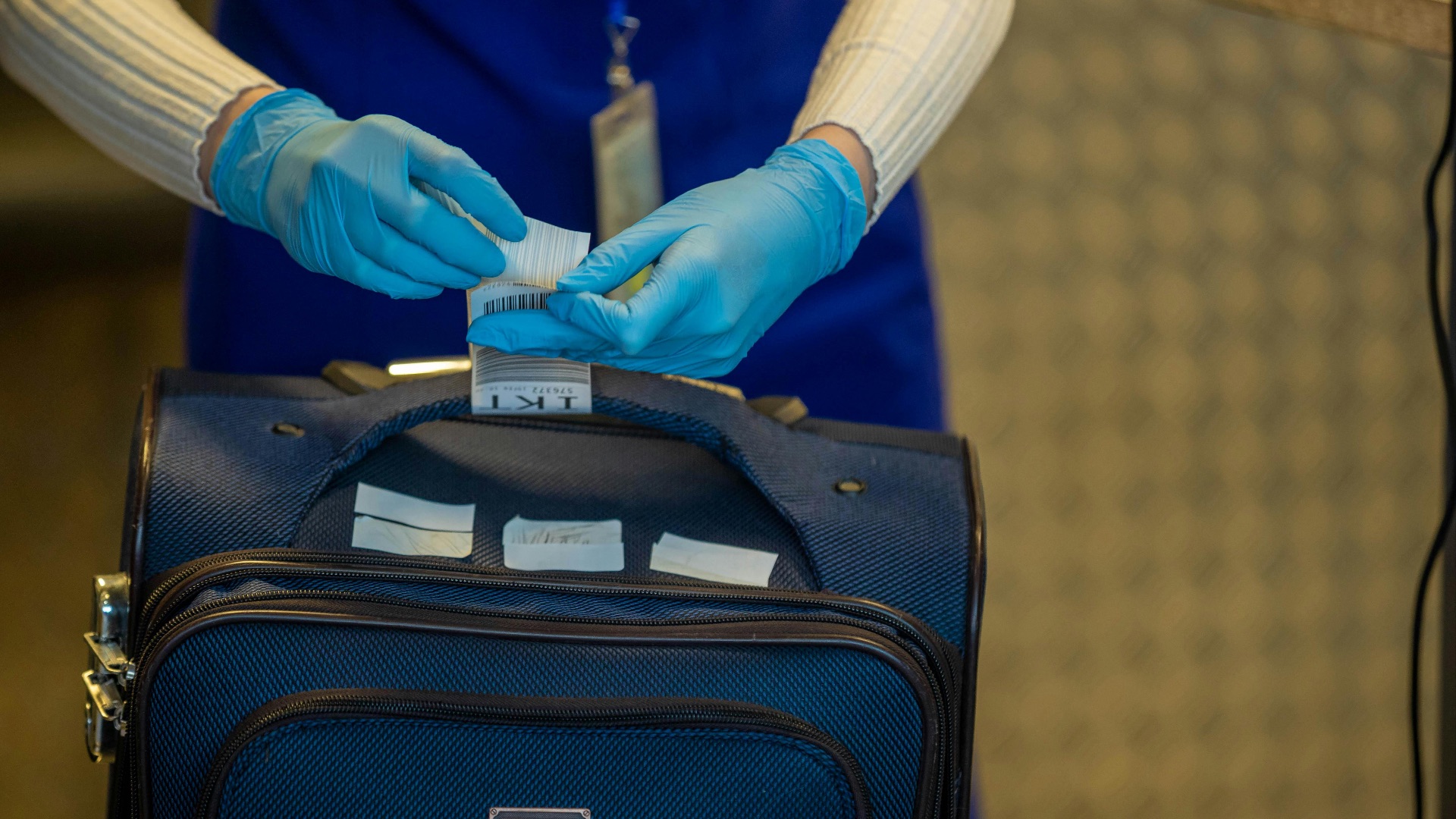
Reacting with visible shock, fear, or defensiveness when a security officer simply walks up to ask a routine question is a behavioral cue that trained personnel are very likely to follow up on. Most of the time, officers approach travelers to ask something completely mundane, and a calm, cooperative response is all that's needed. Keeping your composure and responding matter-of-factly, even if you're caught off guard, is the best way to keep an interaction brief.

10. Traveling with Improperly Packed or Unlabeled Luggage
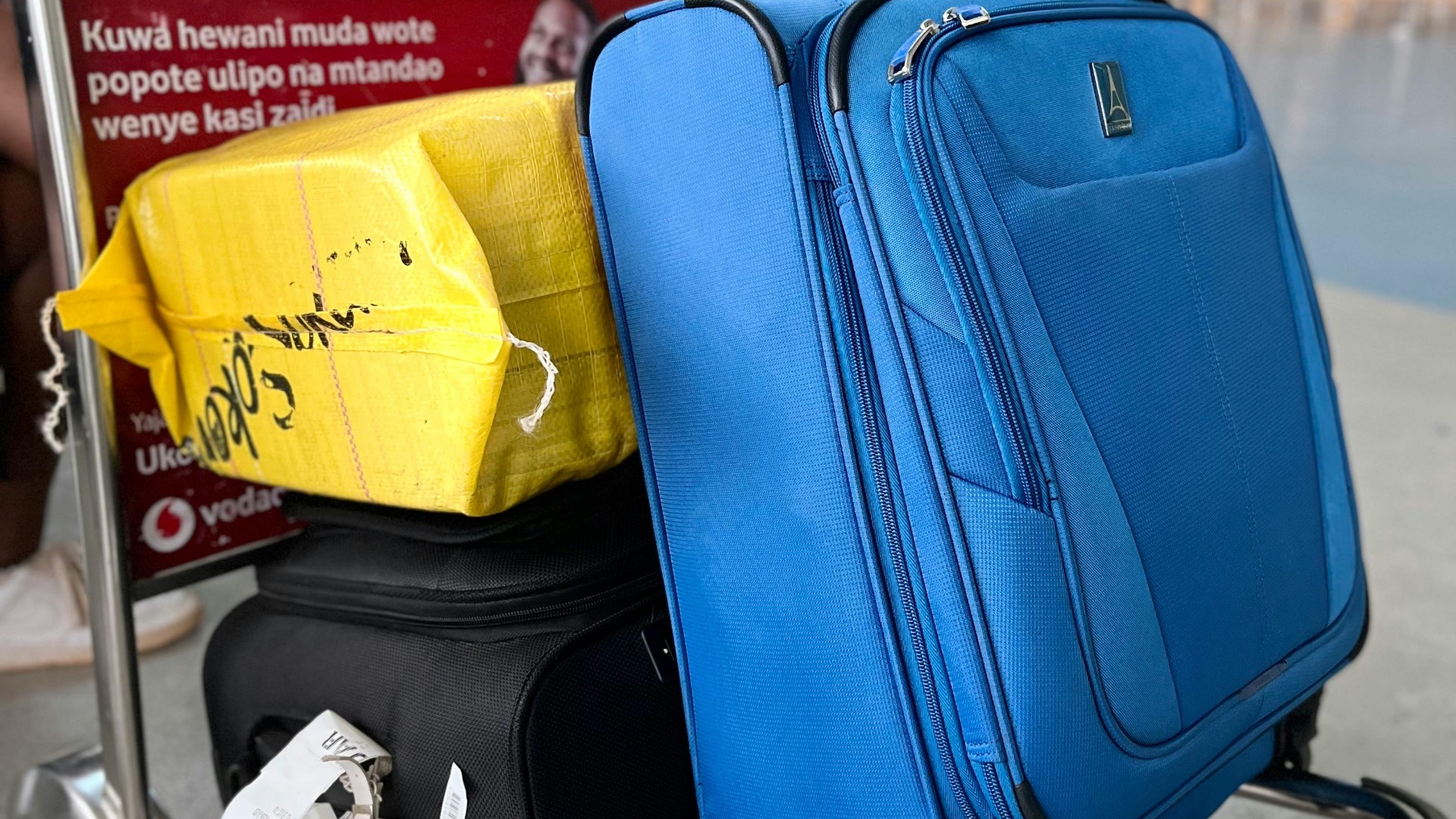
Bags that are jammed full, poorly sealed, covered in unusual modifications, or completely lacking any identifying information tend to draw extra attention from baggage screening staff. While overstuffed suitcases aren't automatically a cause for alarm, they do create a harder-to-read X-ray image, which often results in your bag being pulled for a manual inspection. Packing neatly and attaching a luggage tag with your contact information are small steps that can make the screening process go much more smoothly.
So, how can you avoid looking suspicious and breeze through the security check? Make sure to keep these 10 tips in mind.
1. Enroll in Trusted Traveler Programs
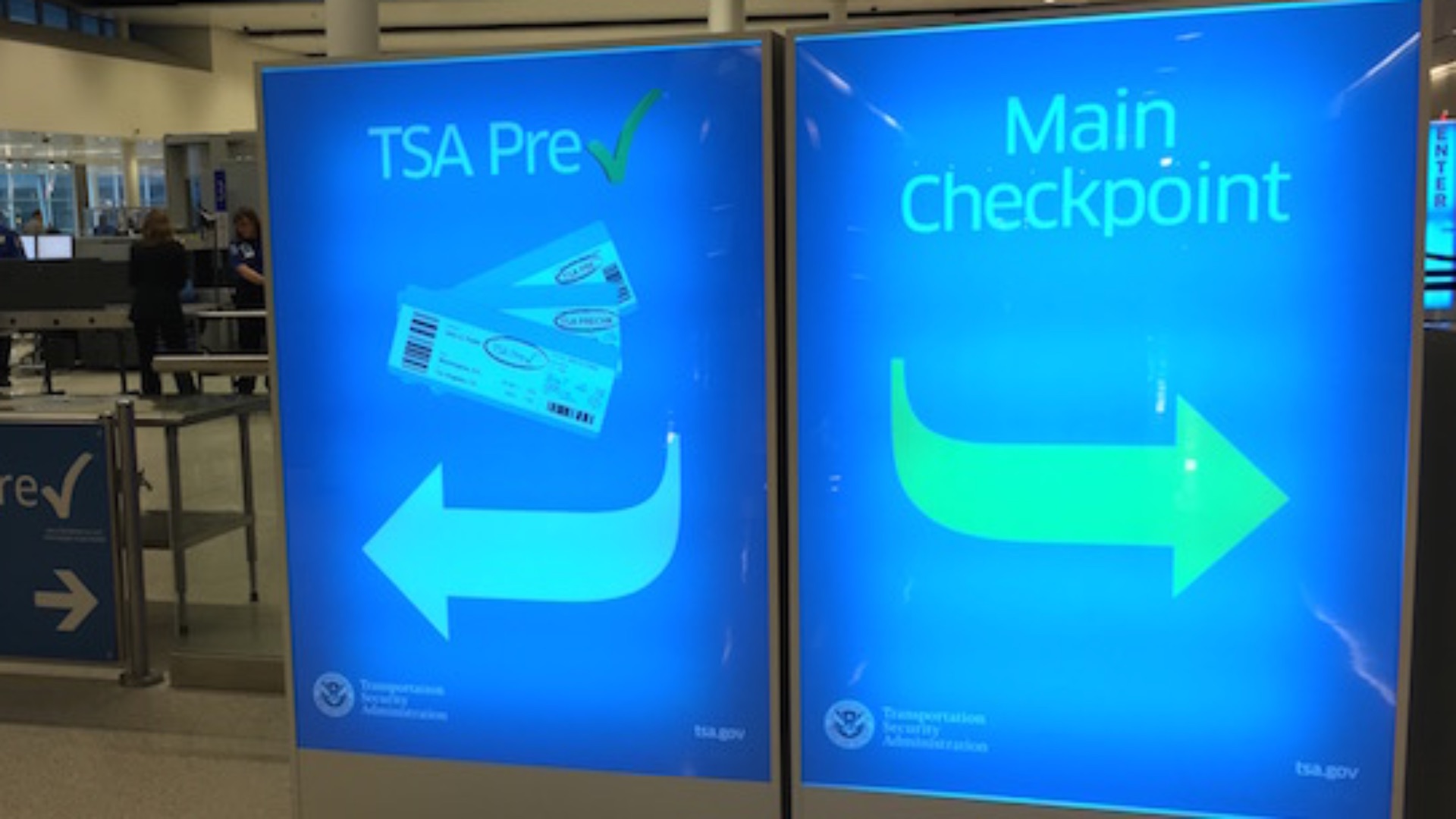
If you fly frequently, signing up for programs like TSA PreCheck or Global Entry is genuinely one of the best investments you can make in your travel experience. These programs allow you to use dedicated screening lanes where you typically don't need to remove your shoes, laptops, or liquids, which dramatically cuts down your wait time. The application process requires a background check and an in-person appointment, but once you're approved, the benefits are valid for five years.
 EasySentri Sentri on Wikimedia
2. Arrive with Plenty of Time to Spare
Rushing through an airport because you've cut your arrival time too close is one of the most reliable ways to appear flustered and disorganized to everyone around you, including security staff. Most airlines recommend arriving at least two hours before a domestic flight and three hours before an international departure, and those guidelines exist for good reason. Giving yourself extra time means you can move through each checkpoint at a relaxed pace without looking like you're in a panic.

3. Organize Your Carry-On Before You Leave Home
Spending a few minutes at home to arrange your carry-on bag strategically can save you a significant amount of time and stress at the security checkpoint. Place your laptop, liquids bag, and any other items that need to be removed in the most accessible pockets or at the top of your bag so you can pull them out in seconds. The less time you spend fumbling at the conveyor belt, the smoother your experience will be for both you and everyone behind you in line.

4. Dress Practically for the Security Process
Choosing your airport outfit with the security screening process in mind is a small adjustment that can shave several minutes off your checkpoint experience. Shoes that slip on and off easily, minimal metal accessories, and a belt or sweater that's simple to remove will all help you get through the scanner without any hassle. Saving your more elaborate accessories and heavy footwear for when you've reached your destination is a practical habit that frequent flyers tend to adopt quickly.

5. Keep All Your Documents Easily Accessible
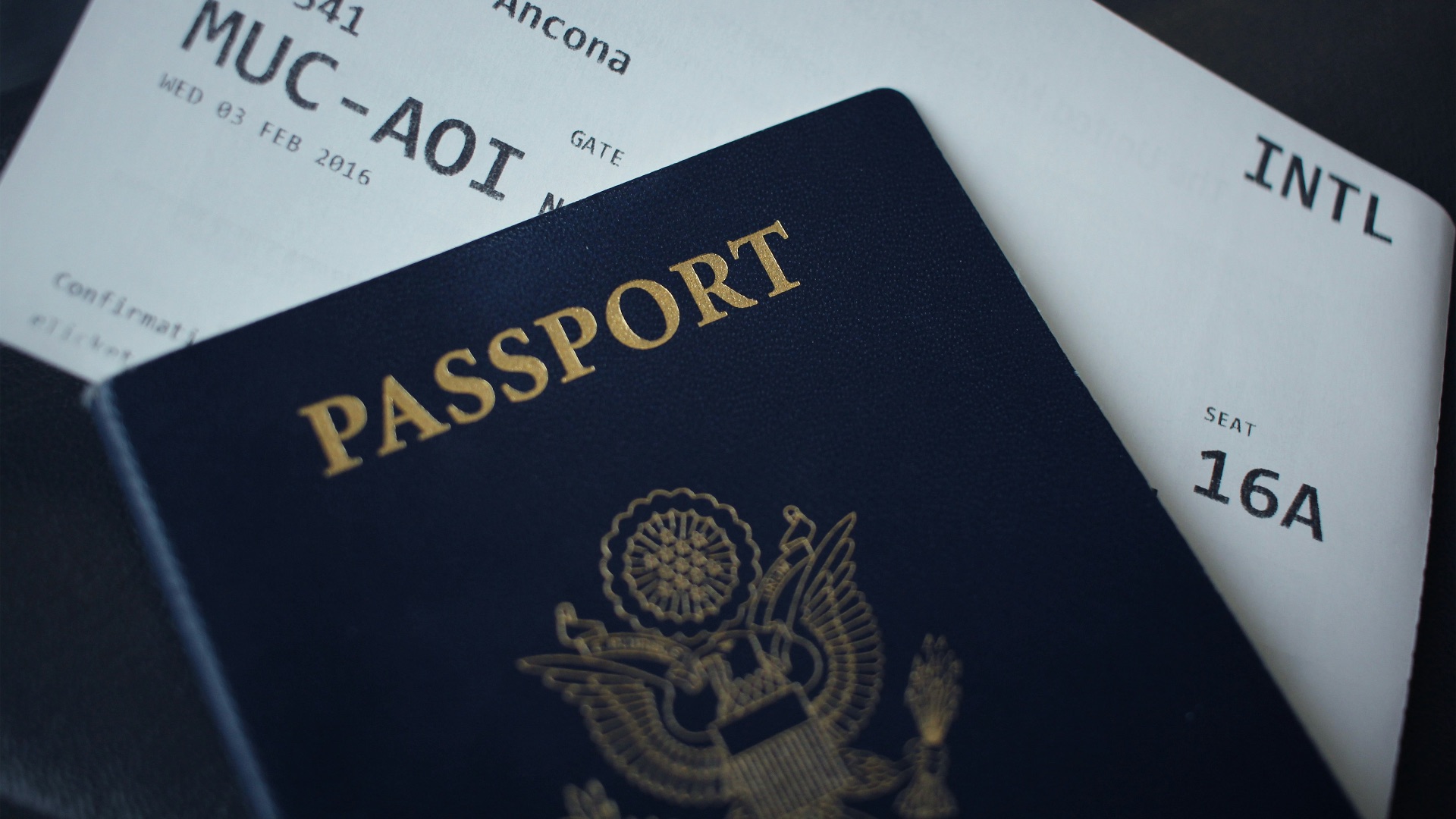
Digging through a packed bag to find your passport or boarding pass while an entire line of travelers waits behind you isn't a great start to anyone's airport experience. Designating a specific pocket in your bag or a travel wallet that holds all your essential documents means you'll always know exactly where everything is when you need it. Having your ID and boarding pass ready before you even step into the security line signals to everyone around you that you're organized and prepared.
6. Be Transparent and Cooperative
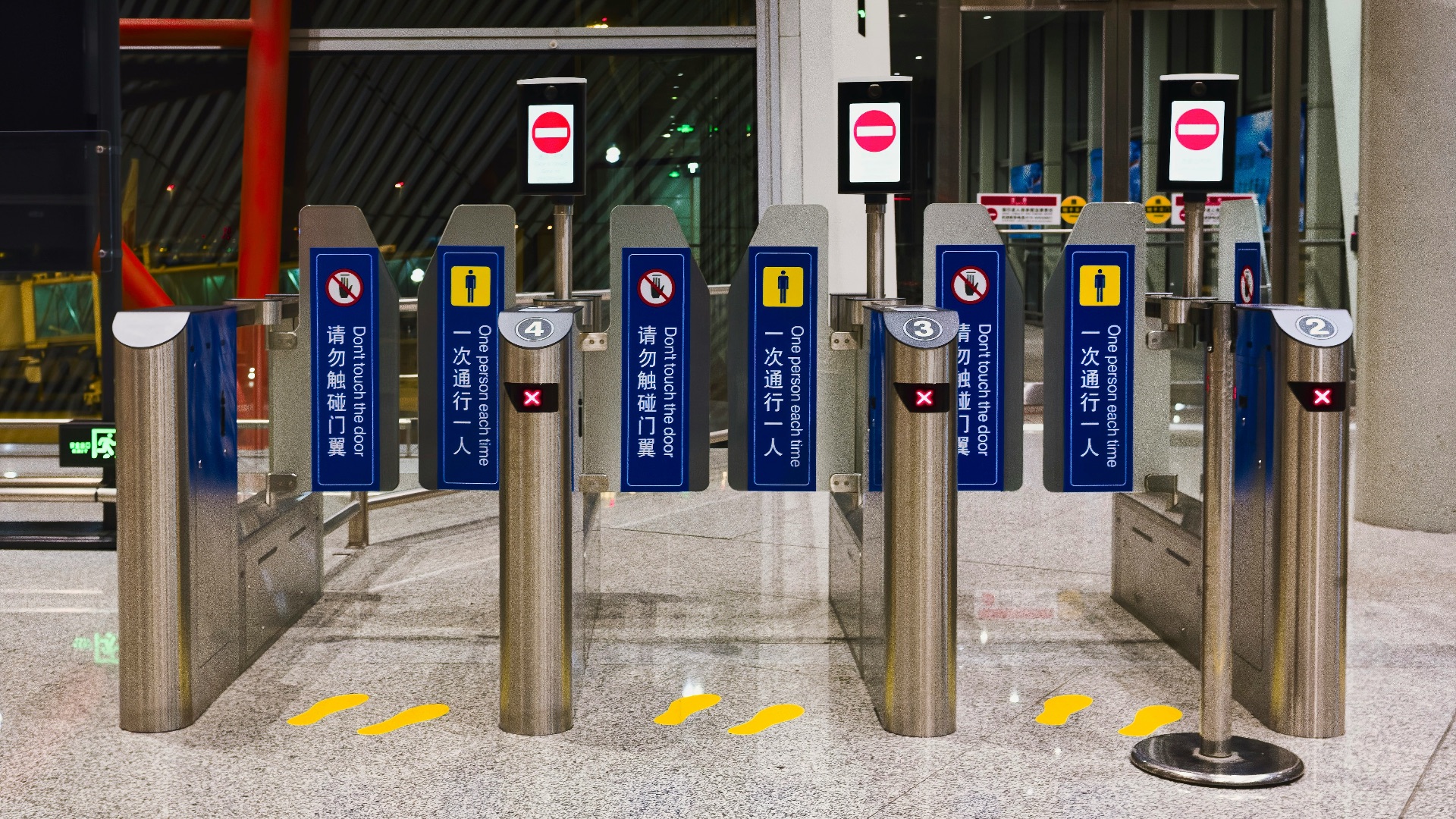
Approaching every interaction with security and customs officers with a cooperative, open attitude makes a noticeable difference in how smoothly those interactions go. If you're asked to step aside for additional screening, comply without complaint, respond to questions directly and honestly, and avoid making sarcastic or flippant comments. Officers are doing their jobs, and travelers who make that job easier for them tend to move through the process much faster.
7. Declare Everything at Customs Without Exception
When you're filling out your customs declaration form, the absolute safest approach is to declare anything you're even slightly uncertain about, because the consequences of being caught with an undeclared item far outweigh any minor inconvenience of declaring it. Customs officers would much rather clear a declared item quickly than deal with the paperwork and confrontation that comes with discovering an undeclared one. When in doubt, write it down on the form and let the officer determine whether it's a concern.
8. Familiarize Yourself with TSA Rules Before You Pack
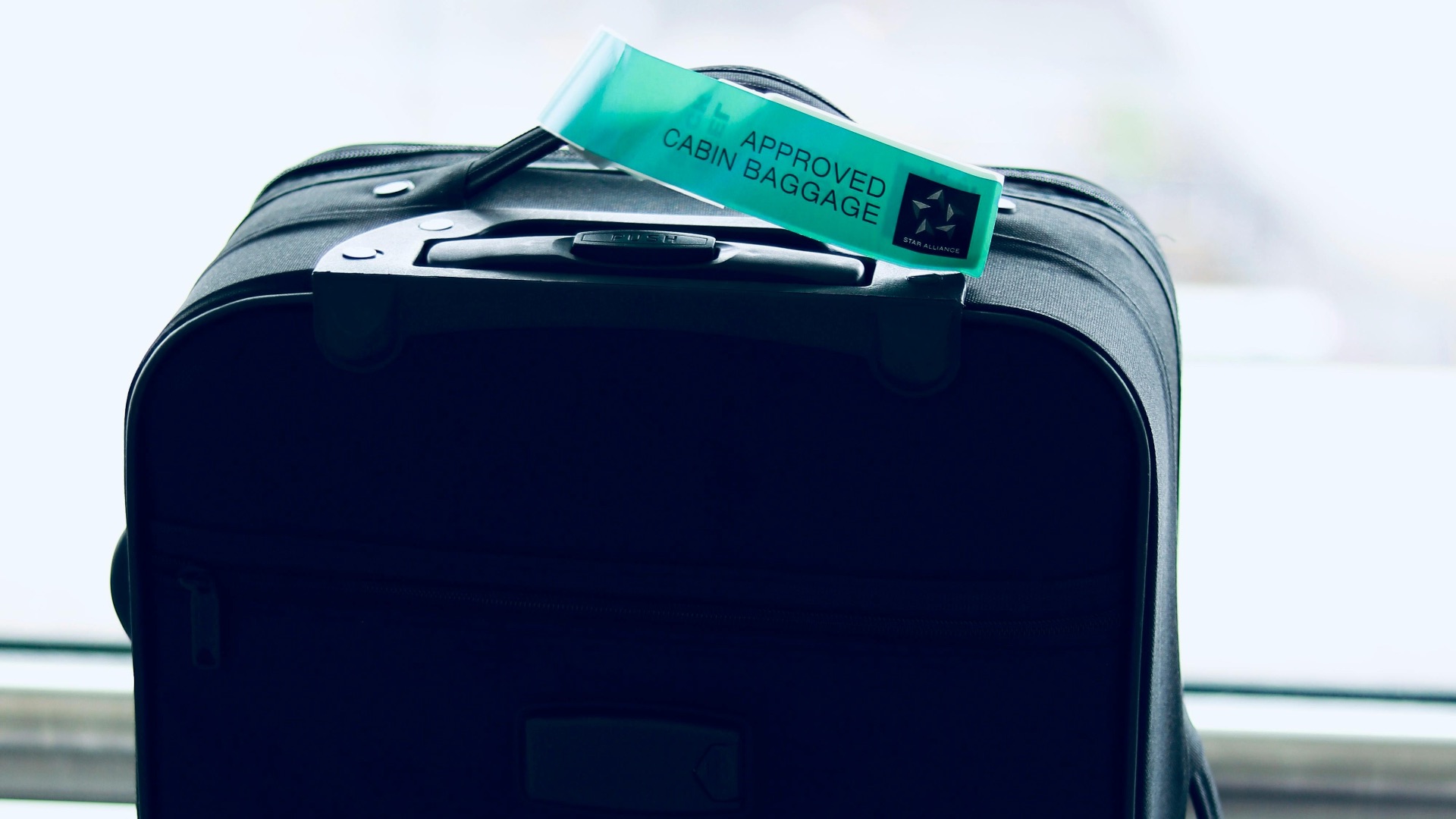
The TSA's guidelines on what can and can't go in your carry-on aren't particularly complicated, but a surprising number of travelers show up to the airport with prohibited items that they genuinely didn't realize were a problem. Spending five minutes on the TSA website before you pack your bag, particularly when it comes to liquids, gels, and sharp objects, can prevent your bag from being flagged for a time-consuming manual search. Knowing the rules in advance also means you won't have to make a difficult last-minute decision about surrendering a favorite item at the checkpoint.
9. Stay Off Your Phone
While there's absolutely nothing wrong with using your phone while you wait in line, being absorbed in your screen right when it's your turn to interact with an officer or move through the scanner can create unnecessary friction. Pocketing your phone as you approach the front of the security line means you'll be fully present and ready to respond quickly to any instructions or questions. It's a small habit that keeps things moving efficiently and makes you come across as attentive and cooperative.

10. Know Your Rights
Understanding what security officers can and can't legally ask of you is genuinely useful knowledge to have, particularly when you're traveling internationally or crossing borders where the rules differ from what you're used to at home. That said, there's an important distinction between knowing your rights and loudly asserting them in a way that creates a confrontational atmosphere, which is likely to result in a much longer and more unpleasant screening experience. If you ever feel that your rights are being violated, the appropriate step is to calmly ask for a supervisor rather than escalating the situation on the spot.