Choosing Where to Live
It goes without saying that where you choose to settle down shapes your budget, your commute, your social life, and how often you’re dealing with day-to-day hassles. From housing costs to job access, infrastructure, safety, schools, and weather-related risks, some cities are definitely better than others when considering these factors. If you're thinking of moving...well, this list might come in handy. Here are the 10 worst places in the U.S. to live, and the 10 best.
 Vidar Nordli-Mathisen on Unsplash
1. San Francisco, California
If you’re not arriving with a very strong salary, the rent-and-everything-else math can get stressful fast. Even people who love the culture and food of San Fran often find the daily costs hard to justify long-term. You’ll also need patience for visible street issues that can vary a lot by neighborhood.
 Maarten van den Heuvel on Unsplash
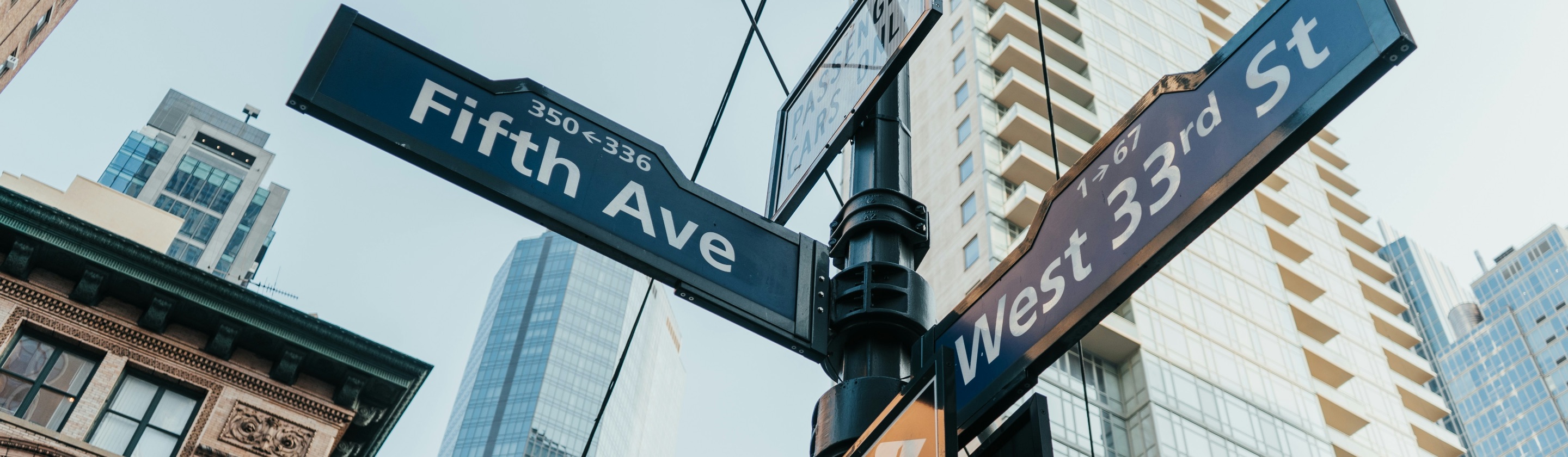
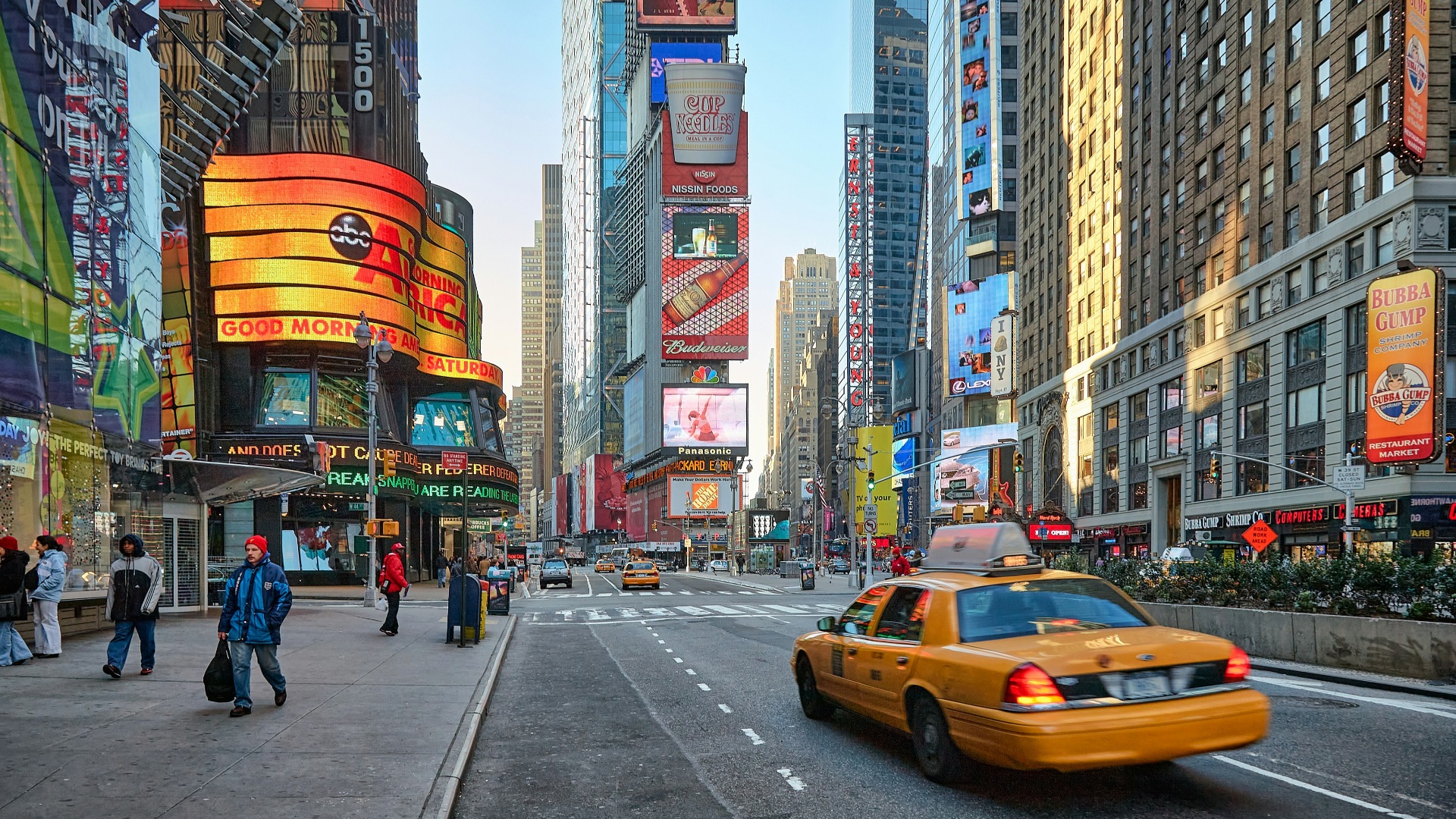
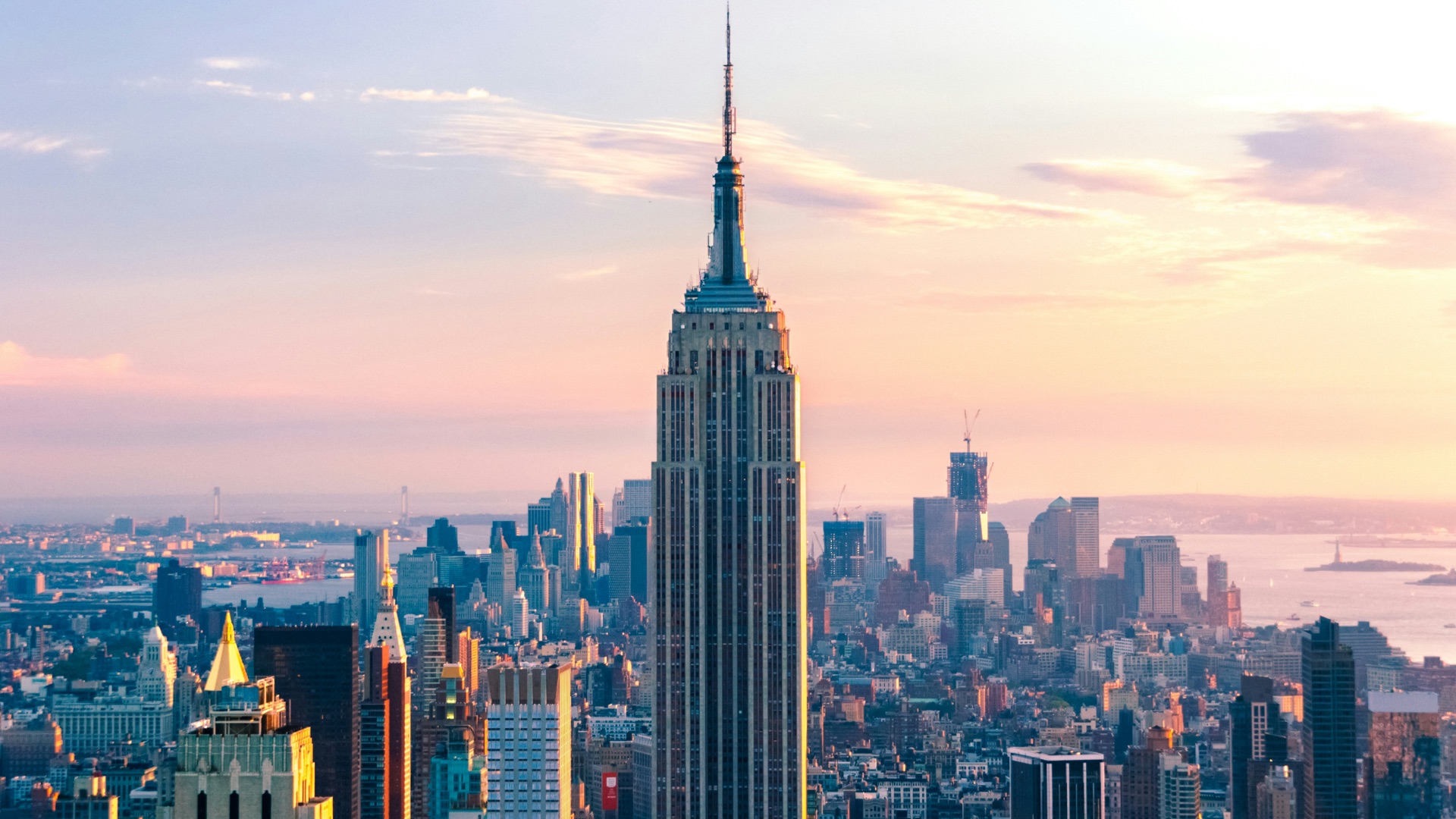
2. New York City, New York
Yes, you can live car-free and do something interesting every night in the city that never sleeps, but you’ll pay dearly for that convenience in housing and basics. Small apartments with crazy price tags are normal, so home hunting can quickly wear you down. Crowding and constant noise are manageable for some people and exhausting for others.
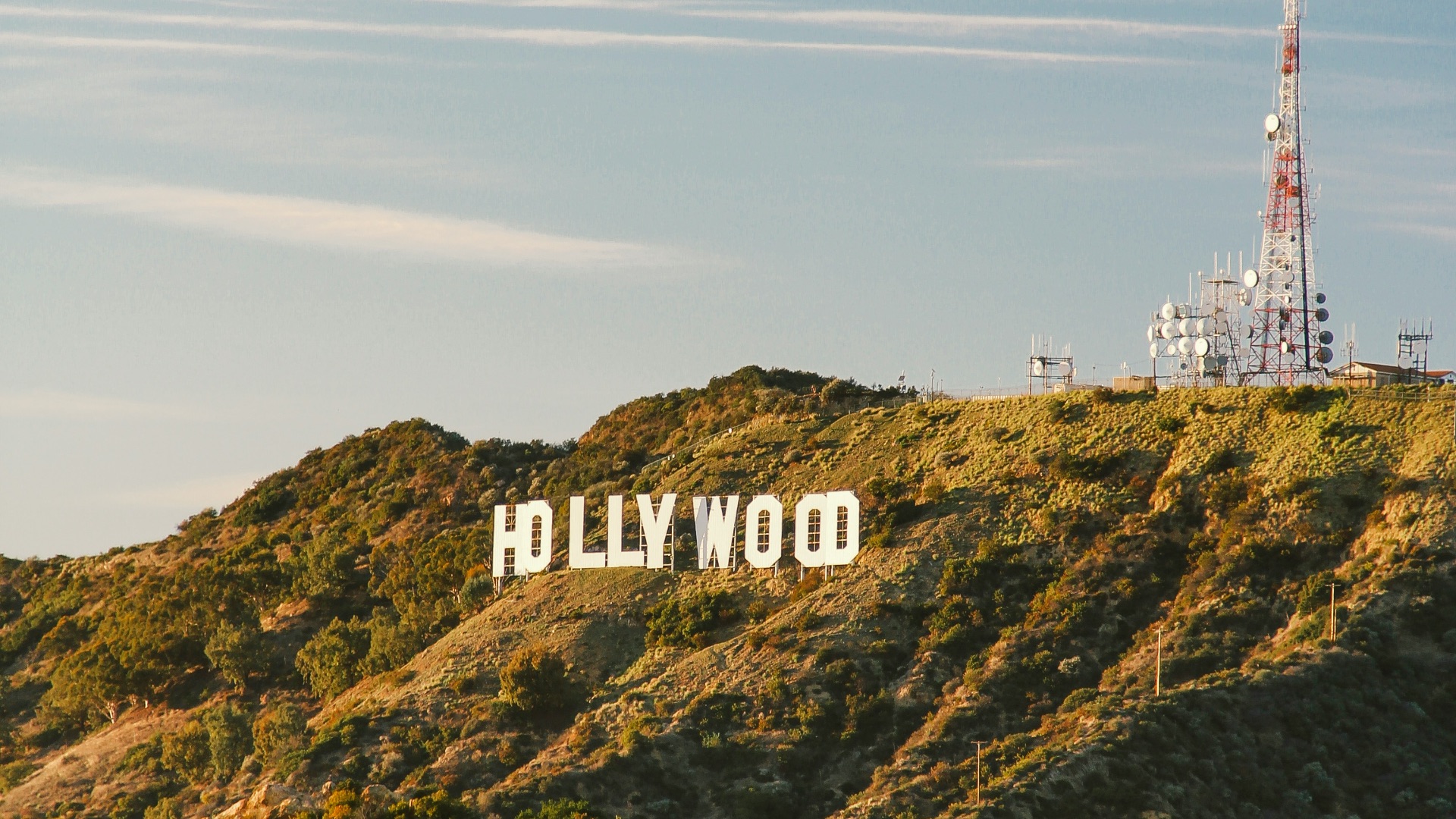
3. Los Angeles, California
LA can offer career upside, sunshine, and entertainment options (Hollywood, anyone?), but it often makes you plan your life around driving. Long commutes are common, and getting across town can feel like a daily project. Housing prices and utility bills can add another layer of pressure if your budget’s tight.
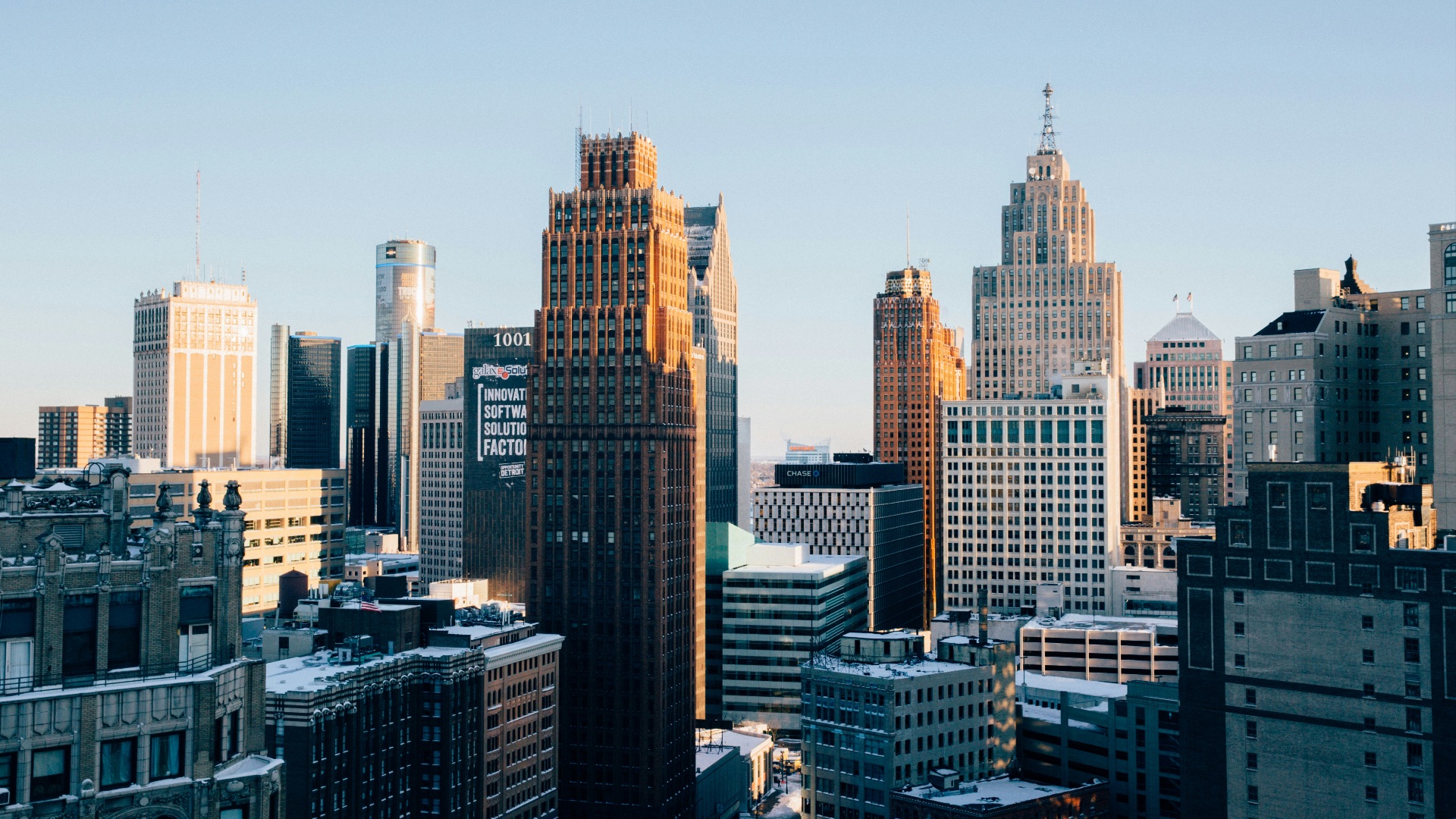
4. Detroit, Michigan
Detroit has plenty of community pride and momentum, yet the city’s experience can change dramatically depending on where you land. Some areas feel stable and improving, while others still struggle with basic upkeep and reliable services. If you move here, you’ll want to research neighborhoods carefully rather than assume one citywide reality.
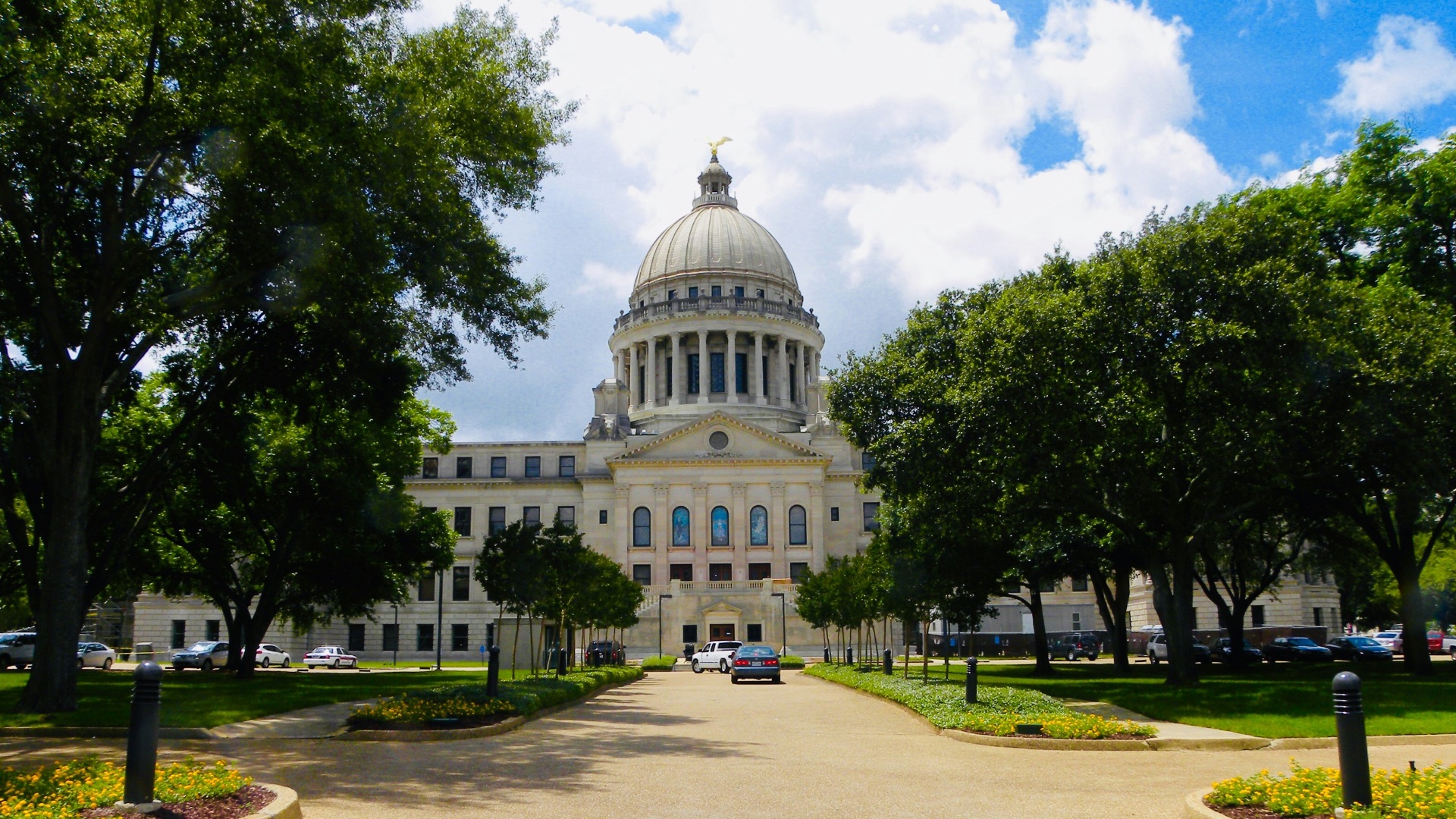
5. Jackson, Mississippi
You may run into headaches tied to aging systems in Jackson, and those problems can become personal very quickly when they affect daily routines. Economic opportunity can be limited in certain fields, which matters if you’re looking for quick career mobility. It can still be a meaningful place to live, but it demands extra diligence about essentials.
 Pieter van de Sande on Unsplash
6. St. Louis, Missouri
St. Louis has strong cultural institutions and distinct neighborhoods, but safety concerns can influence how you plan nights out and where you feel comfortable. That vigilance can be tiring if you’re not used to factoring it into everyday decisions. Picking the right area (and staying informed) makes a major difference here.

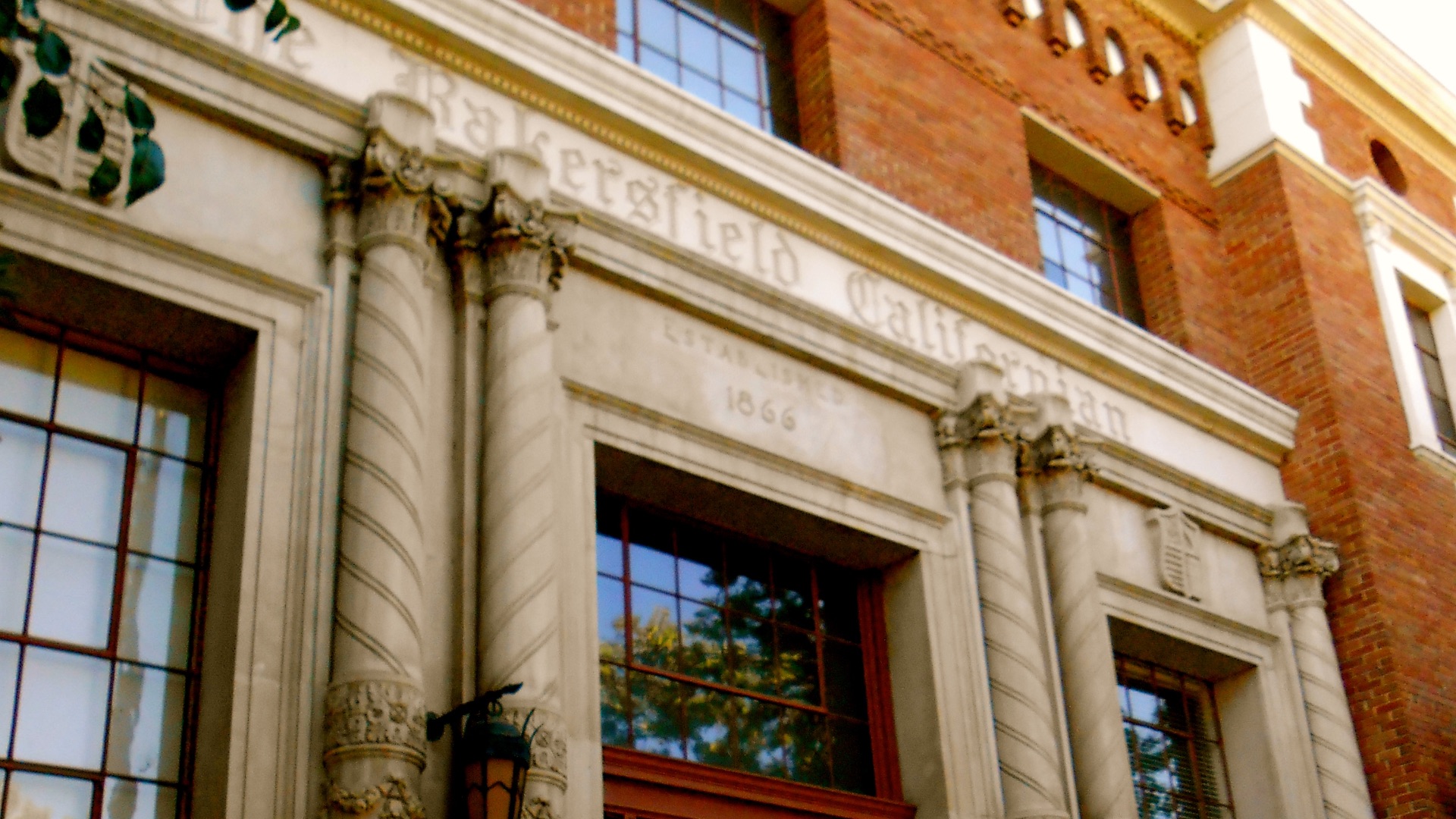
7. Bakersfield, California
If you’re sensitive to air quality or seasonal smoke, you might find parts of the year genuinely uncomfortable in Bakersfield. Summer heat can be intense, and that can drive up cooling costs while limiting outdoor time. It’s affordable by California standards, but the environmental trade-offs are real.
8. Honolulu, Hawaii
It's Honolulu, so the scenery is undeniable, but the cost of housing and groceries can feel like a constant tax on your lifestyle. Limited space and high demand make finding the right place harder than many newcomers expect. Being far from the mainland also makes certain trips and shipping needs more expensive and less convenient.

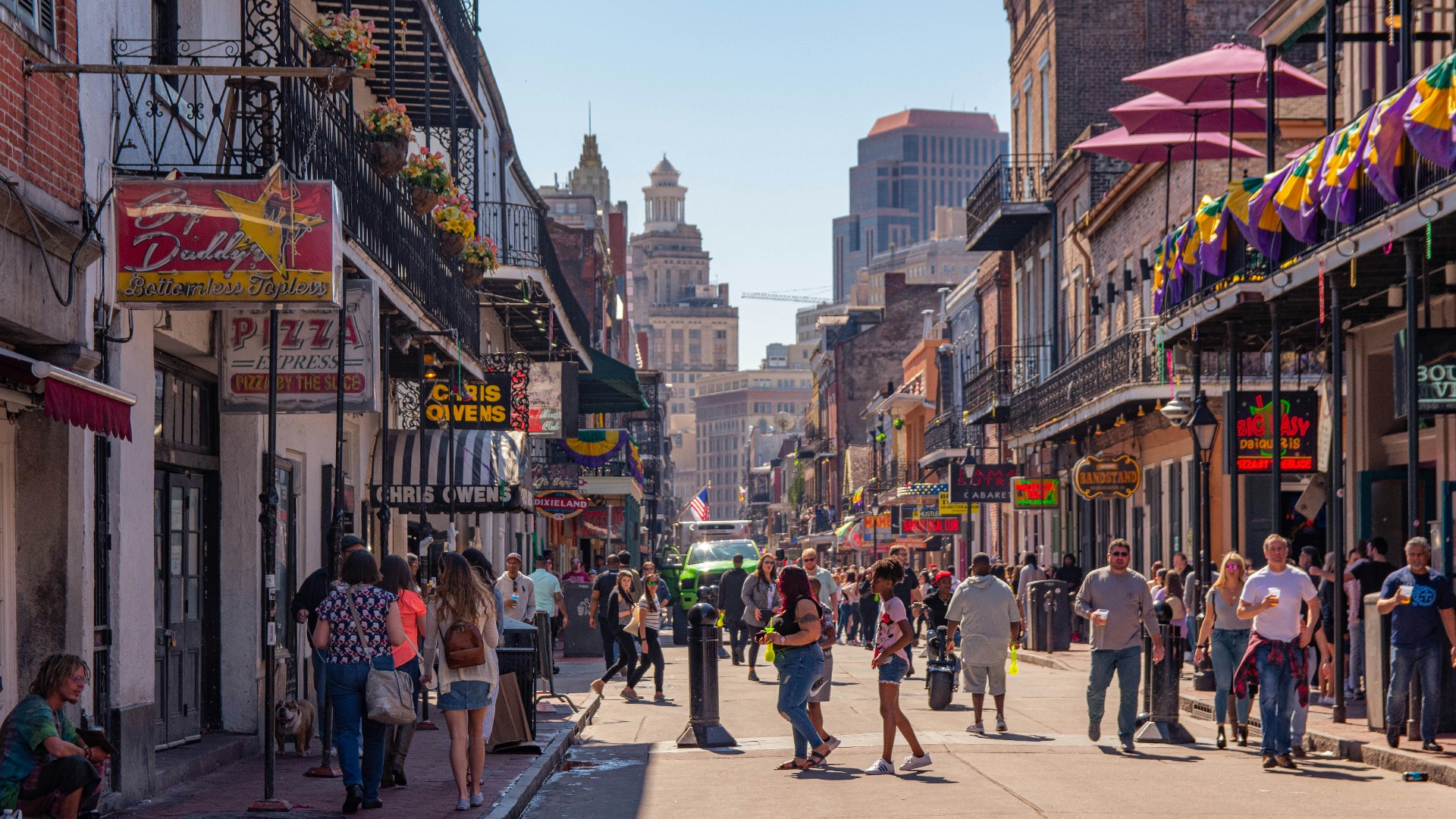
9. New Orleans, Louisiana
New Orleans delivers music, food, and a social calendar that’s hard to beat, but you’re also signing up for weather risk and infrastructure strain. Insurance and storm planning can become a regular part of life rather than a once-a-year concern. If you hate unpredictability, this is a tough place to stay relaxed.
10. Albuquerque, New Mexico
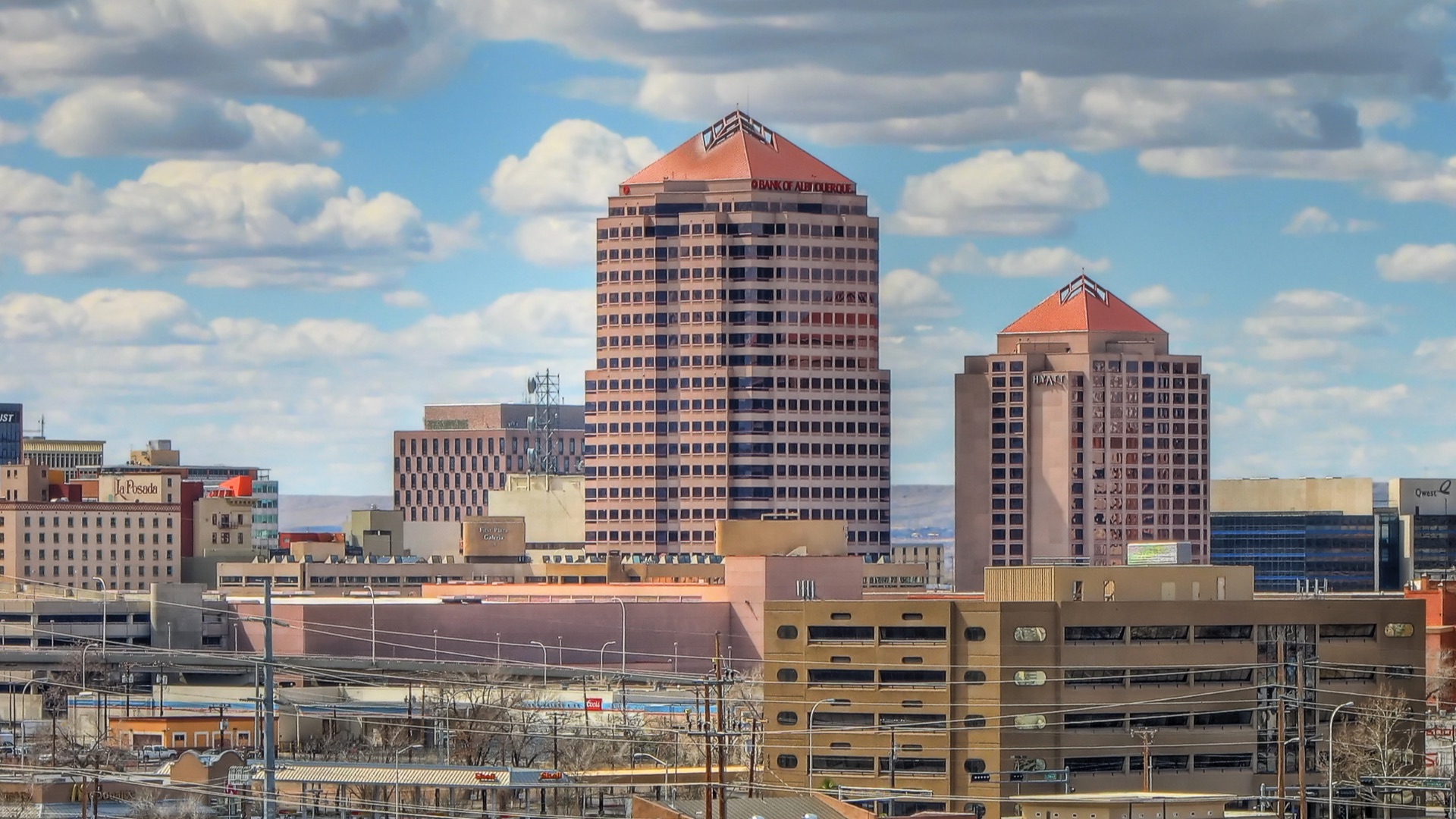
Albuquerque has great outdoor access and a laid-back vibe, yet many residents still worry about property crime and personal safety. That can affect where you park, how you secure your home, and how you feel walking around at night. The value is there, but you’ll want a realistic view of the trade-offs.
Ready for the best cities to settle down in? Read on.
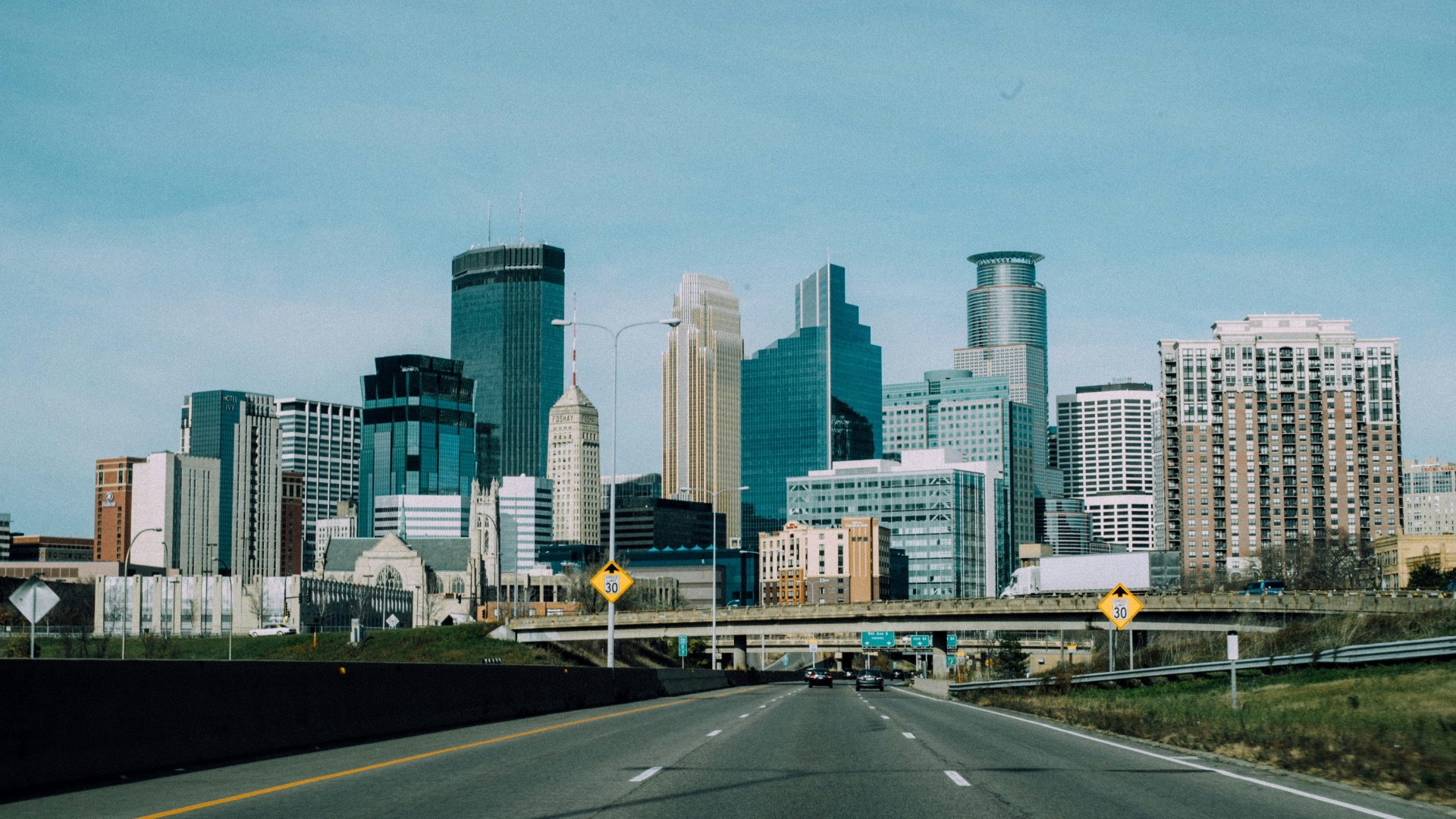
1. Minneapolis, Minnesota
Minneapolis offers solid parks, a strong arts scene, and a job market that can work for a range of careers. The city invests in quality-of-life basics that make routines smoother, from trails to neighborhood services. Winters are serious, but many residents find the overall balance worth it.
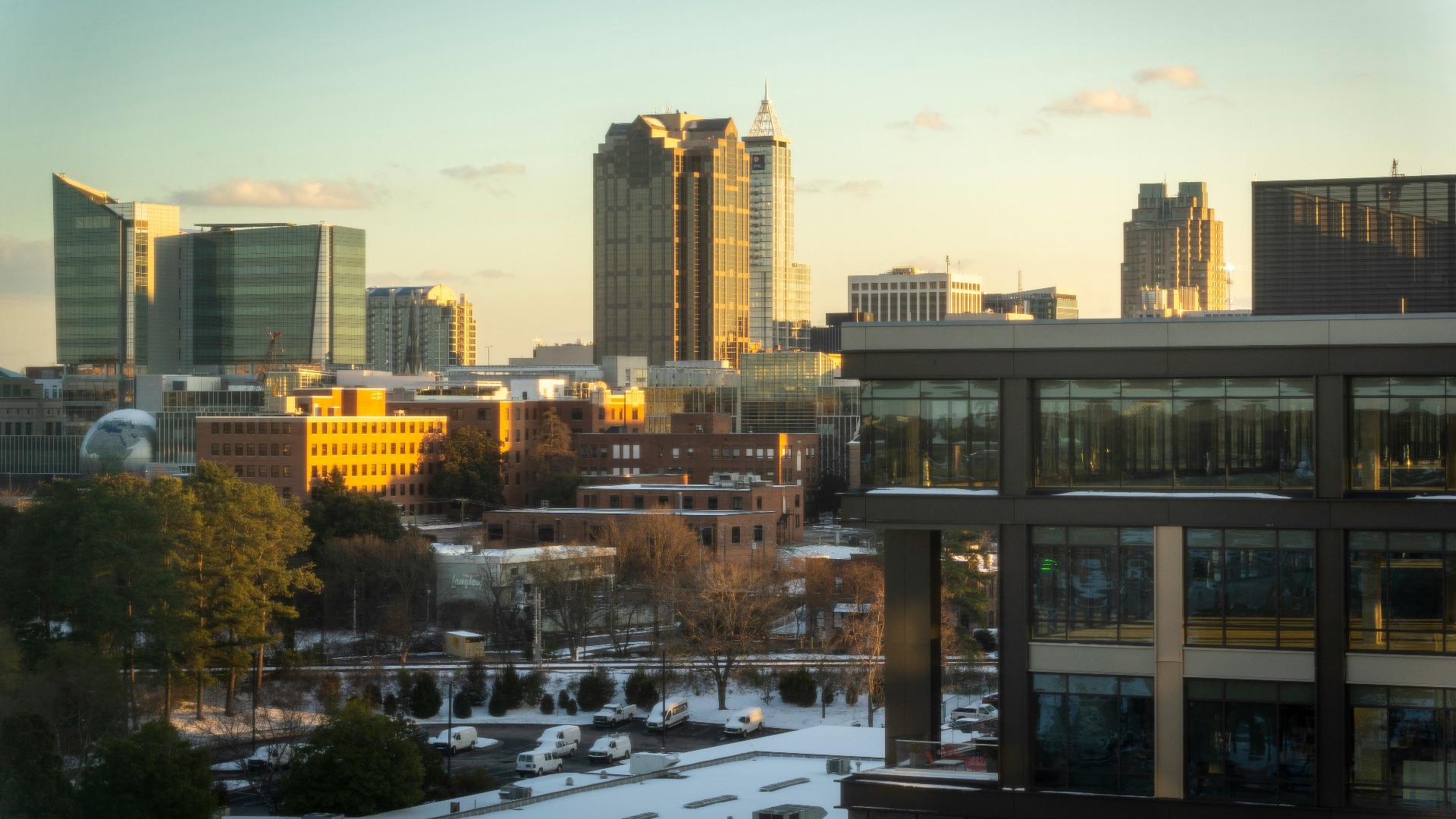
2. Raleigh, North Carolina
Raleigh keeps attracting jobs and new residents, especially in tech, research, and higher education. The cost of living can still feel reasonable compared with many other fast-growing metros. You’ll also get a clean, manageable city layout that makes day-to-day errands less of a grind.
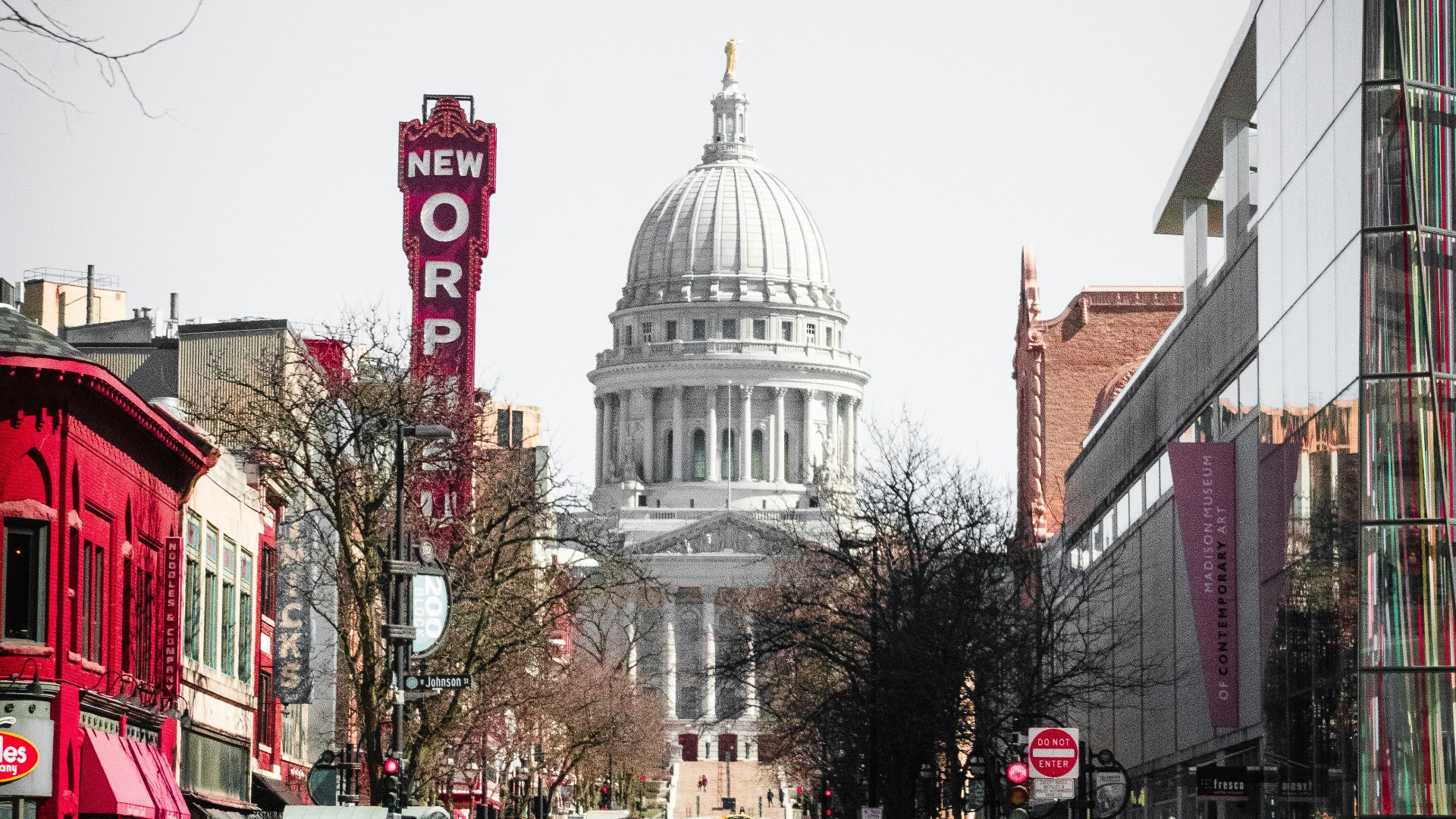
3. Madison, Wisconsin
Madison benefits from a strong university presence, which supports culture, innovation, and a steady stream of events. It’s the kind of place where schools and public spaces tend to be priorities rather than afterthoughts. If you want a smaller-city feel without giving up opportunity, it’s an easy contender.
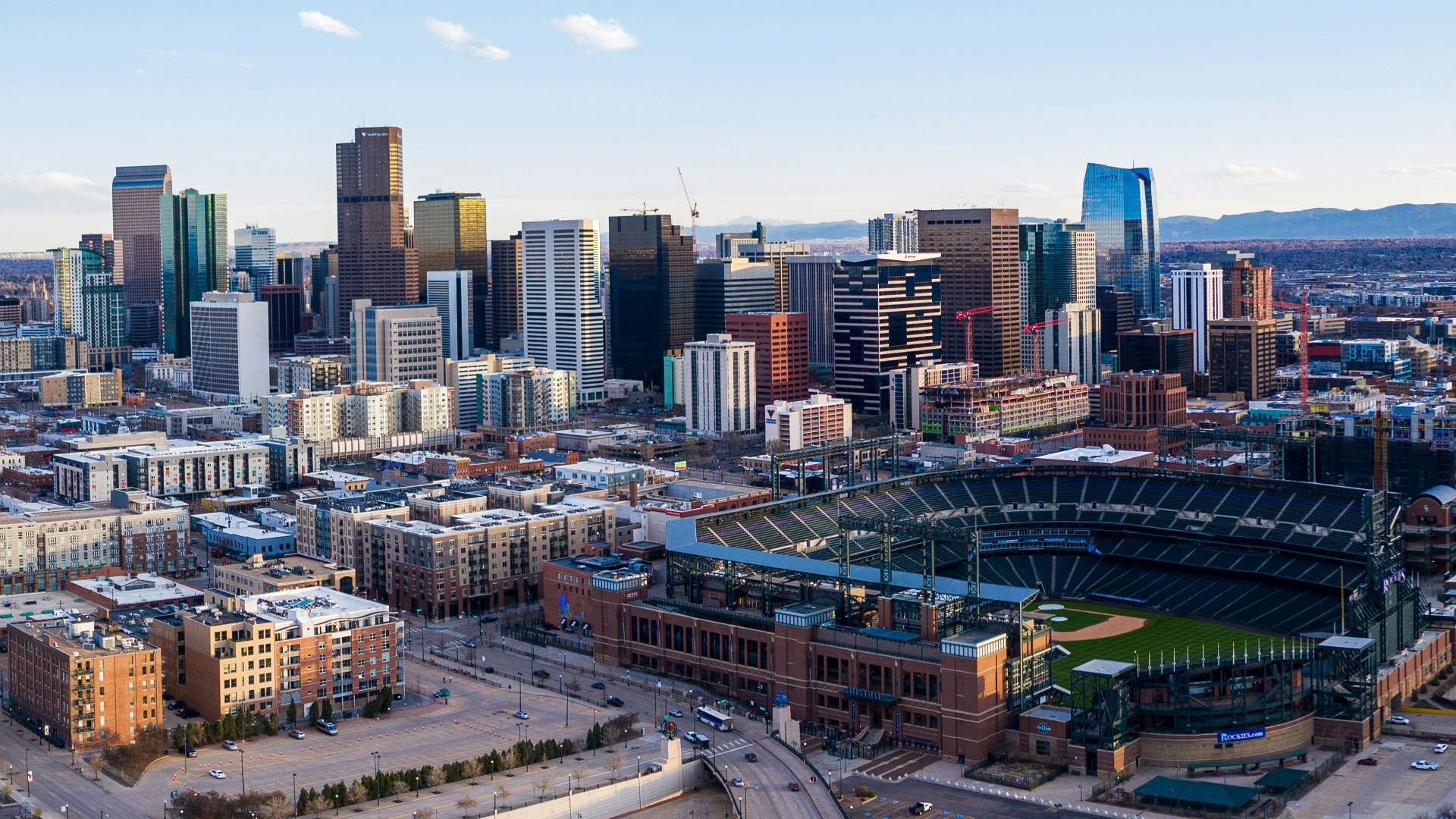
4. Denver, Colorado
Denver appeals to people who want a busy city with quick access to outdoor recreation and a broad employment base. Even with rising housing costs, many residents feel they’re getting an active lifestyle and professional flexibility in return. The key is planning for traffic and choosing a neighborhood that fits how you actually live.
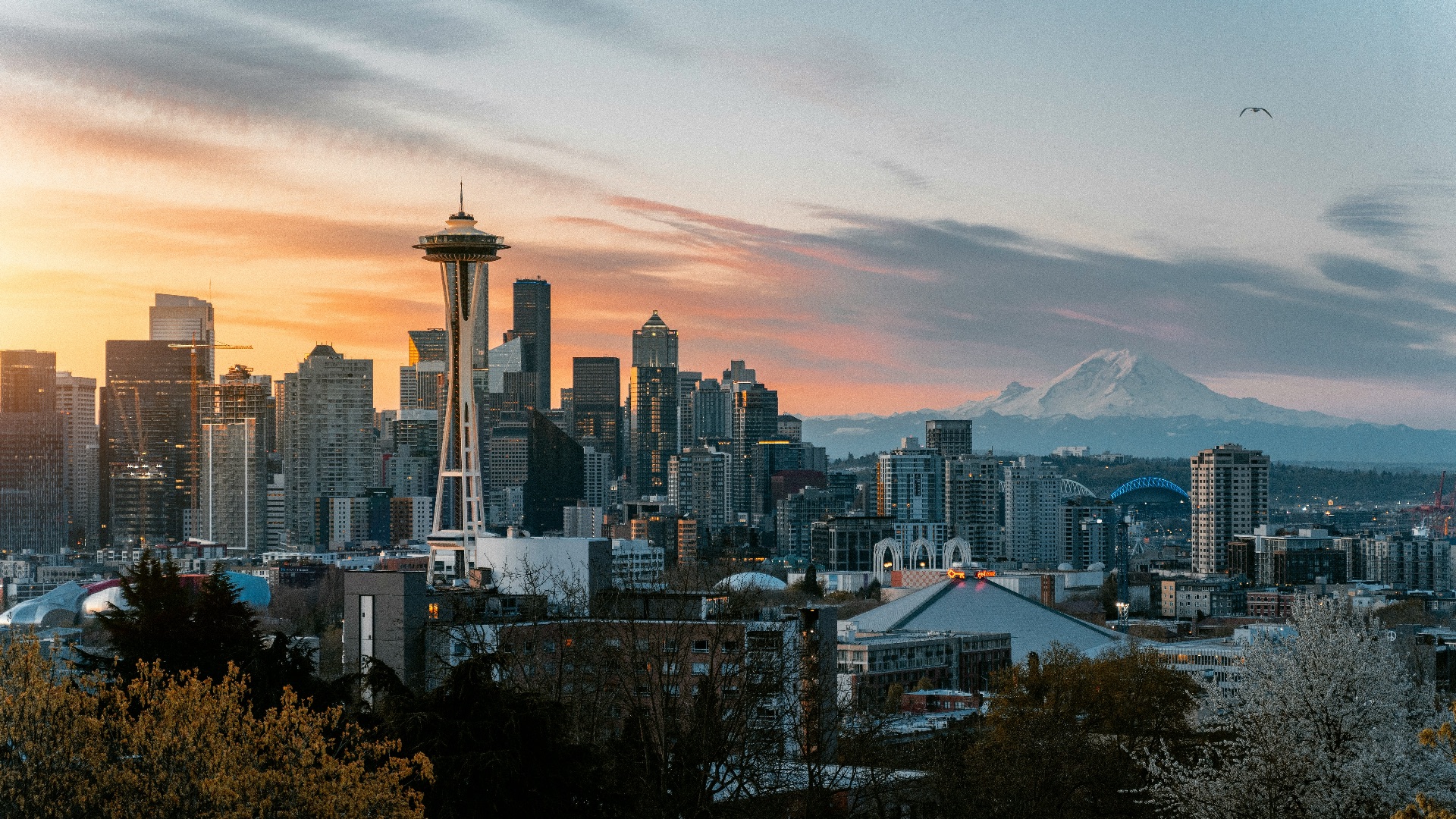
5. Seattle, Washington
Seattle’s job market can be a major advantage, especially if you’re in tech, engineering, or related fields. Public transit, walkable pockets, and a strong food scene make it easier to enjoy the city beyond work. You’ll pay more to live well, but many people find the overall quality worth the premium.
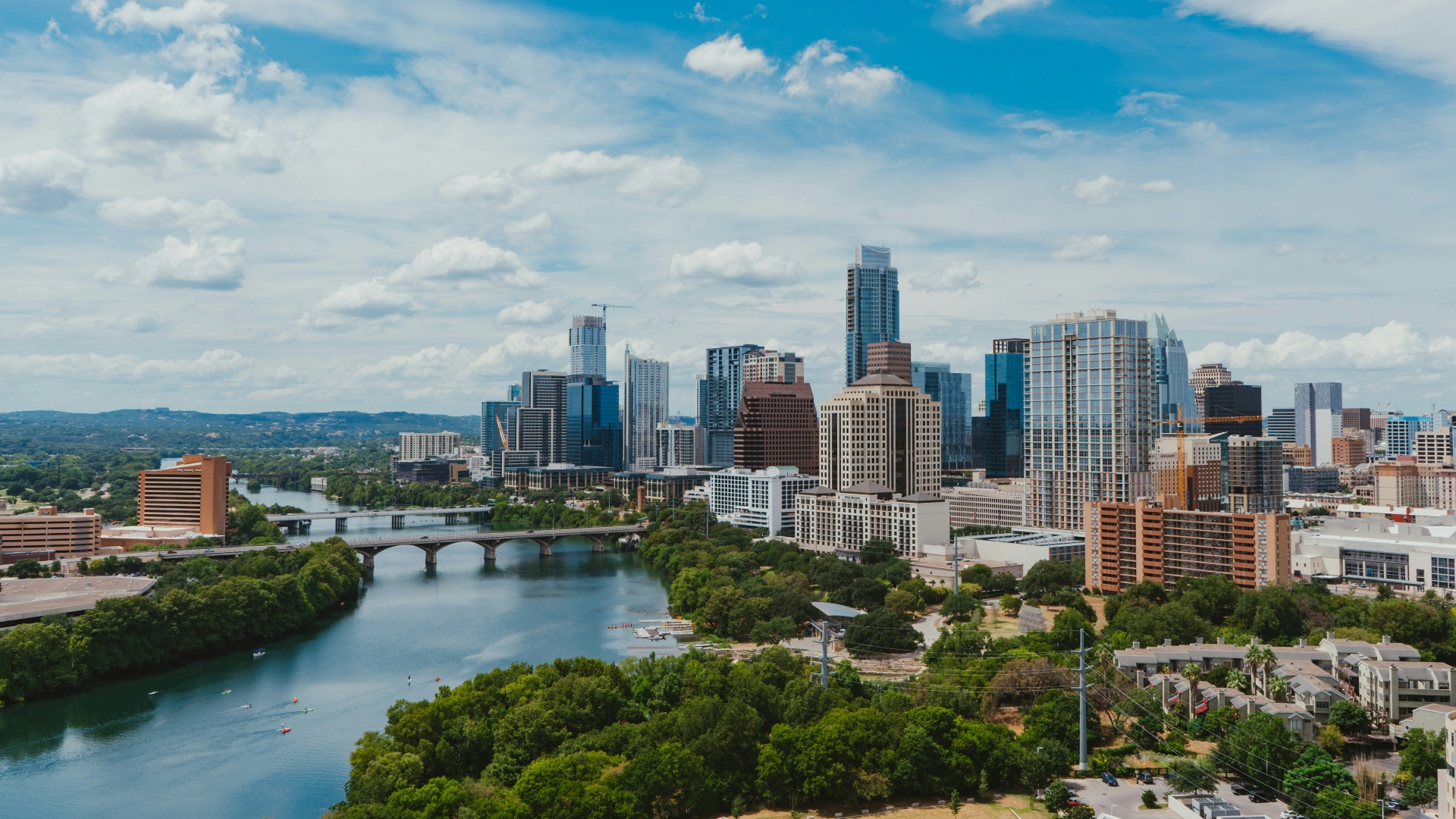
6. Austin, Texas
Austin blends job growth, nightlife, and a strong sense of community for people who like being out and involved. It has gotten more expensive, yet it can still offer a good career-to-cost ratio depending on your field. Heat and traffic are part of the package, so it helps if you’re ready for both.
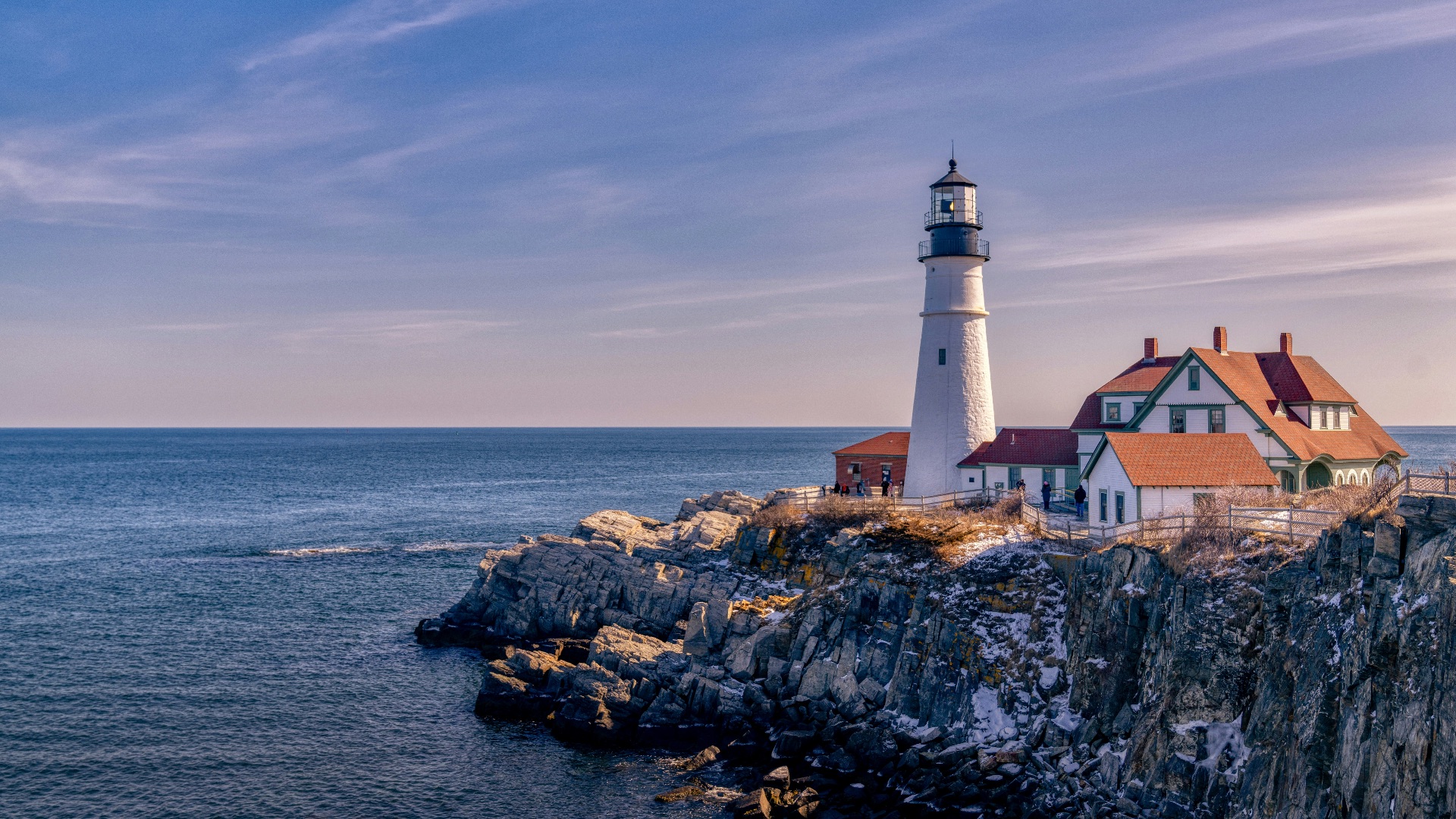
7. Portland, Maine
Portland gives you coastal charm, a strong local food culture, and a pace that feels calmer than bigger metros. It’s walkable in many areas, and the community is often welcoming to newcomers who want a tight-knit feel. Housing can be competitive for the size of the city, so planning ahead matters.
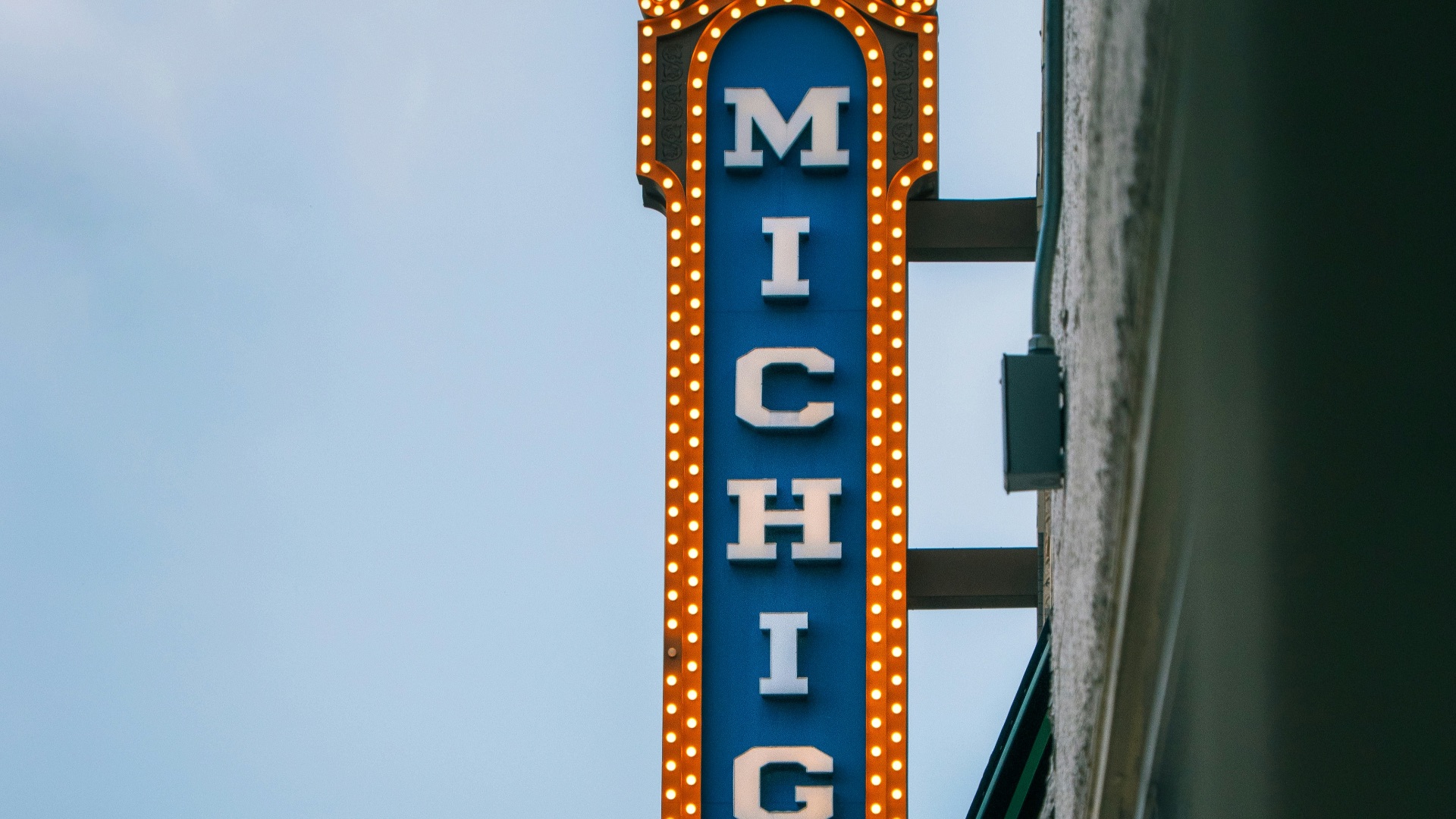
8. Ann Arbor, Michigan
Ann Arbor has a strong education ecosystem, a stable economy, and a community that values quality services. You can find plenty to do without needing a huge-city schedule, and the town is easy to navigate. It’s not cheap for Michigan, but it often delivers a high standard of daily living.
9. Salt Lake City, Utah
Salt Lake City offers easy access to outdoor activities alongside a growing job market and expanding neighborhoods. The city tends to feel orderly and efficient, which can make routines surprisingly low-stress. If you’re comfortable with rapid growth and changing housing prices, it can be a strong long-term bet.
 William Henry Jackson on Wikimedia
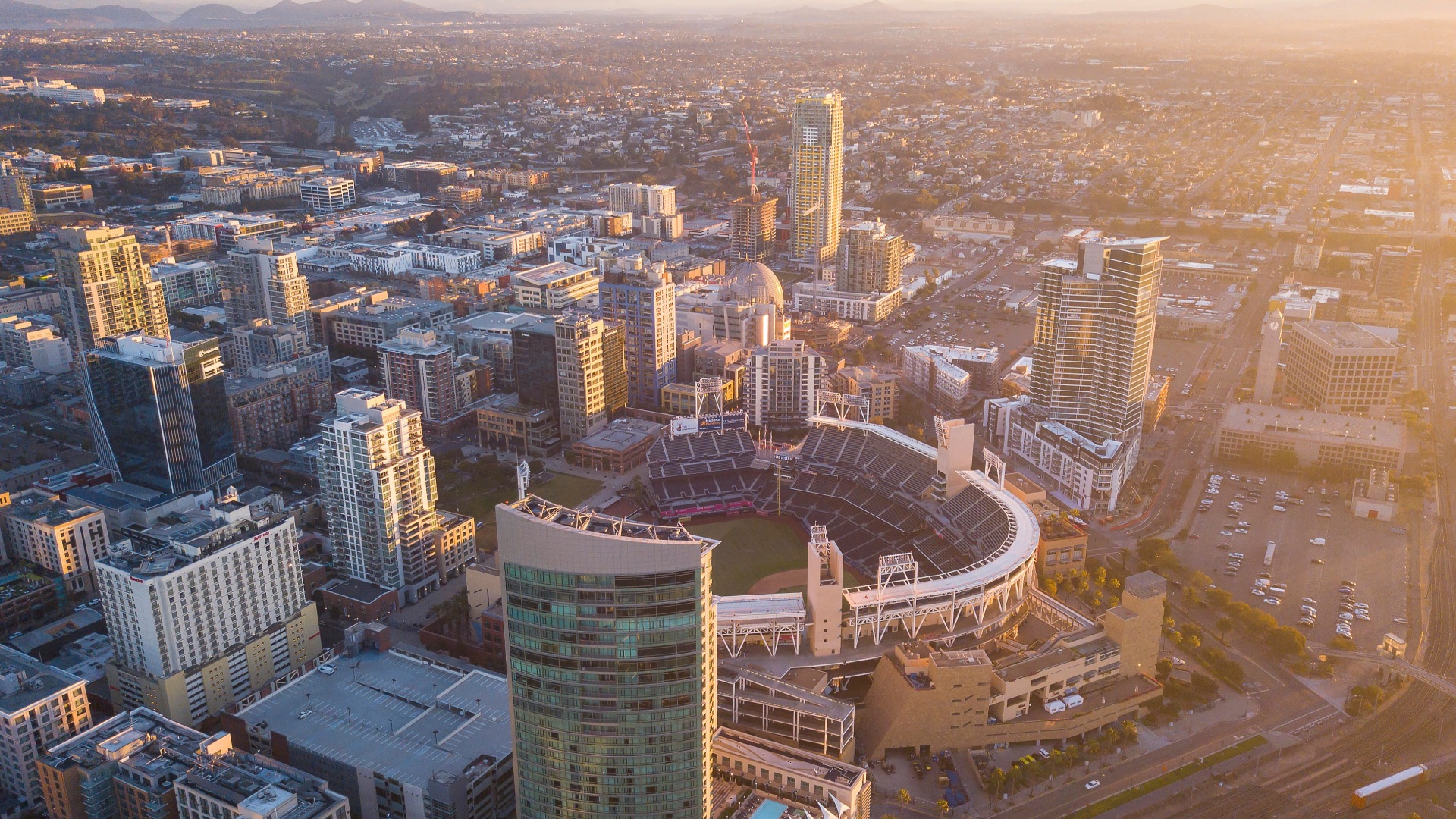
10. San Diego, California
San Diego is pricey, but many people find the climate and lifestyle benefits show up in daily routines, not just vacations. Neighborhoods vary widely, so you can choose between more urban energy or a quieter coastal feel. If your budget can handle it, the quality-of-life payoff is often clear.