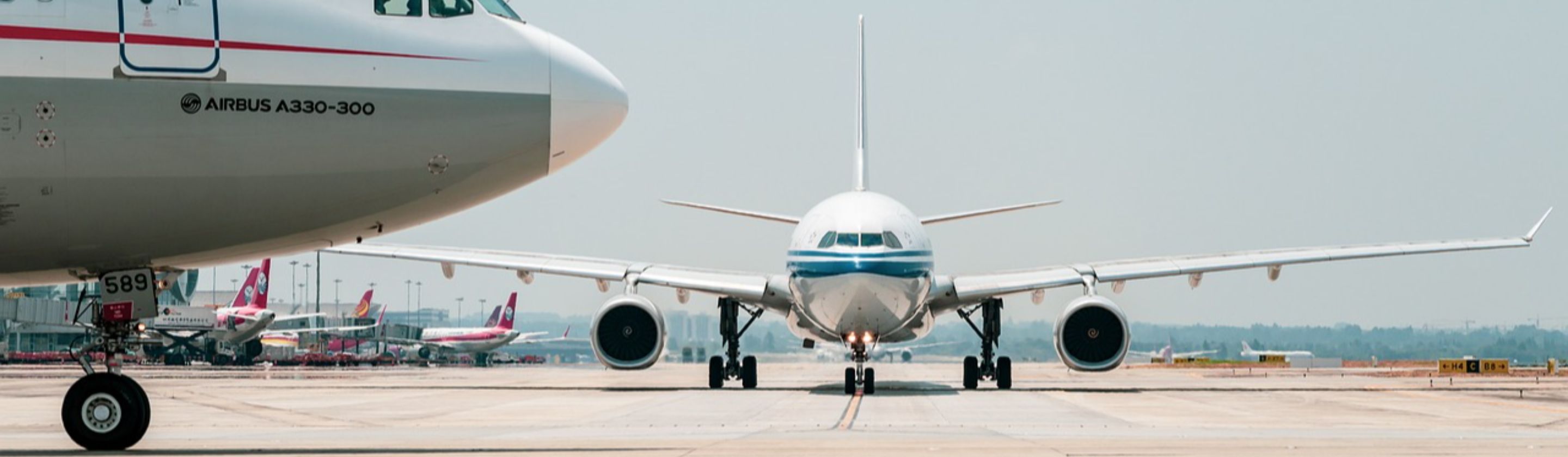
Two Ways A Place Warps Time
Travel messes with your sense of time in a way that everyday life rarely does. Some places make modern habits feel fragile, like all it takes is a narrow street or a ritualized morning routine to remind you that the present is just one layer. Other places do the opposite, where the trains, buildings, and systems run with such confidence that home suddenly feels a little improvised. Neither feeling comes from a single landmark, and it is usually the small details that tip you over, like the sound of footsteps on old stone or the way a city handles a crowd without raising anyone’s blood pressure. Here are ten trips that feel like traveling into the past, followed by ten that feel like stepping into the future.
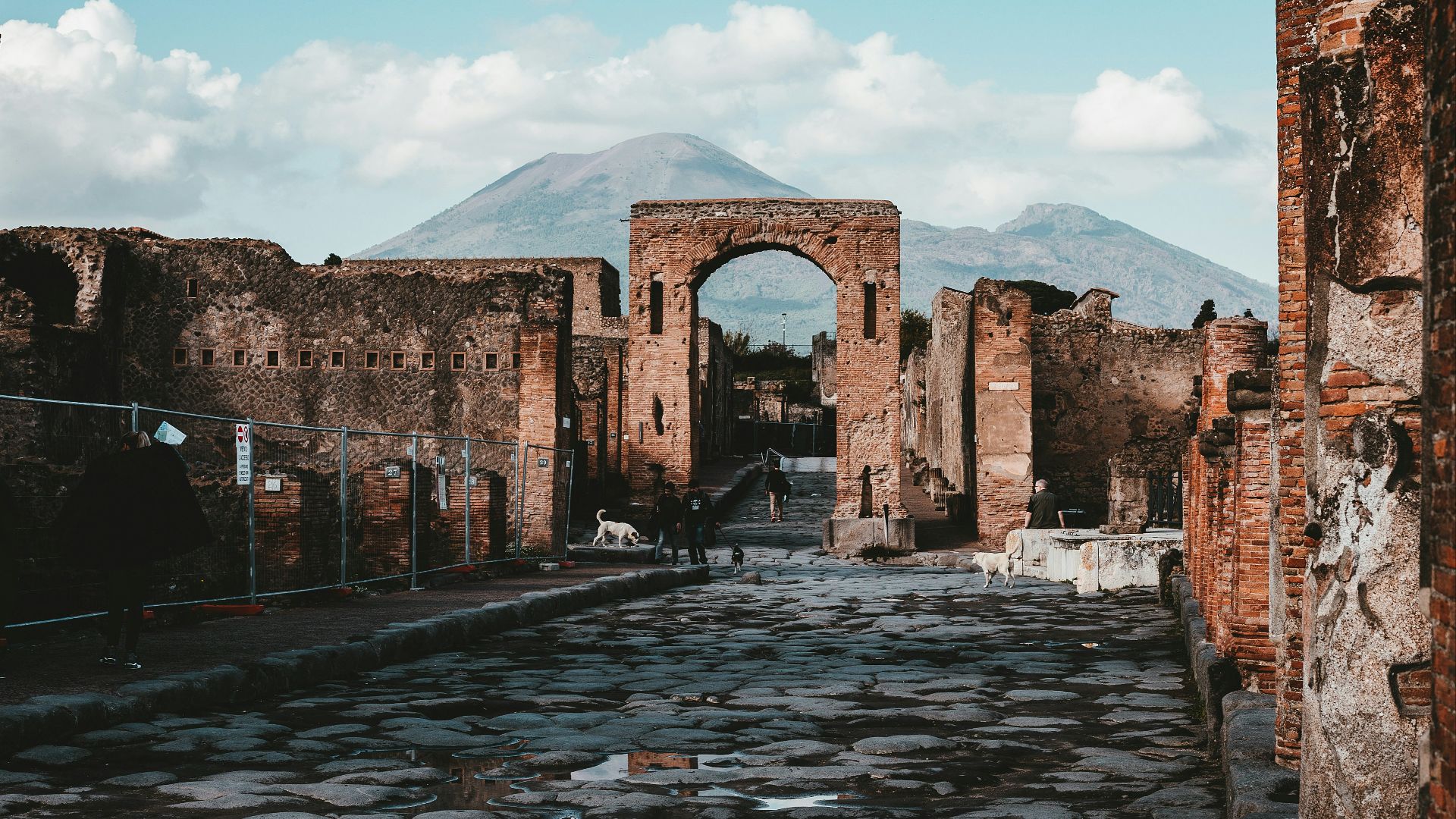
1. Pompeii And Herculaneum, Italy
Walking through neighborhoods frozen by Mount Vesuvius puts everyday Roman life at arm’s length, yet it still feels oddly familiar in layout and routine. The eruption is commonly dated to A.D. 79, which makes the experience feel anchored to a specific day rather than a vague era. You leave thinking about ordinary things, like shops, courtyards, and what people grabbed on the way out.
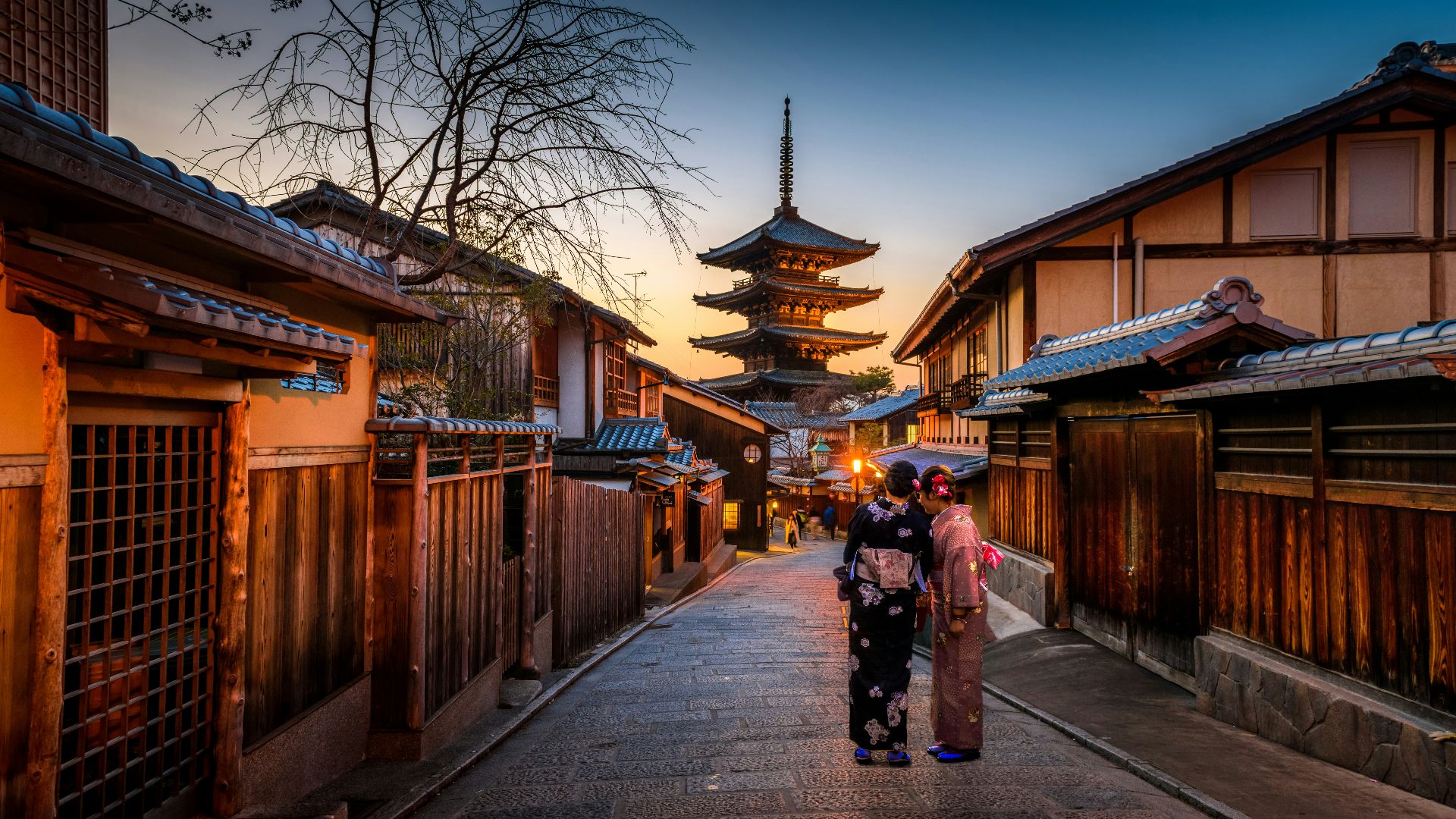
2. Kyoto, Japan
In Kyoto’s older districts, the time shift shows up in the pace of a street and the way light falls on wood and paper in the early evening. A small temple gate can sit right beside a convenience store, and somehow neither one cancels the other out. The feeling comes from continuity, where daily life still moves through spaces built for slower forms of living.
3. Petra, Jordan
The approach through the Siq stretches your attention because the path narrows and the rock walls pull you forward without giving much away. When the first carved façade appears, it looks both engineered and improbable, like a city decided to become part of the cliff. Even the dust feels like part of the story, settling into shoes and staying there.

4. Angkor Wat, Cambodia
Angkor delivers time travel through scale and repetition, with causeways, galleries, and carved stone that keep unfolding deeper into the site. Tree roots press into walls in a way that makes the place feel both enduring and actively changing. It is hard to stand there without thinking about labor, water, and the kind of planning that outlasts empires.
5. Fez, Morocco
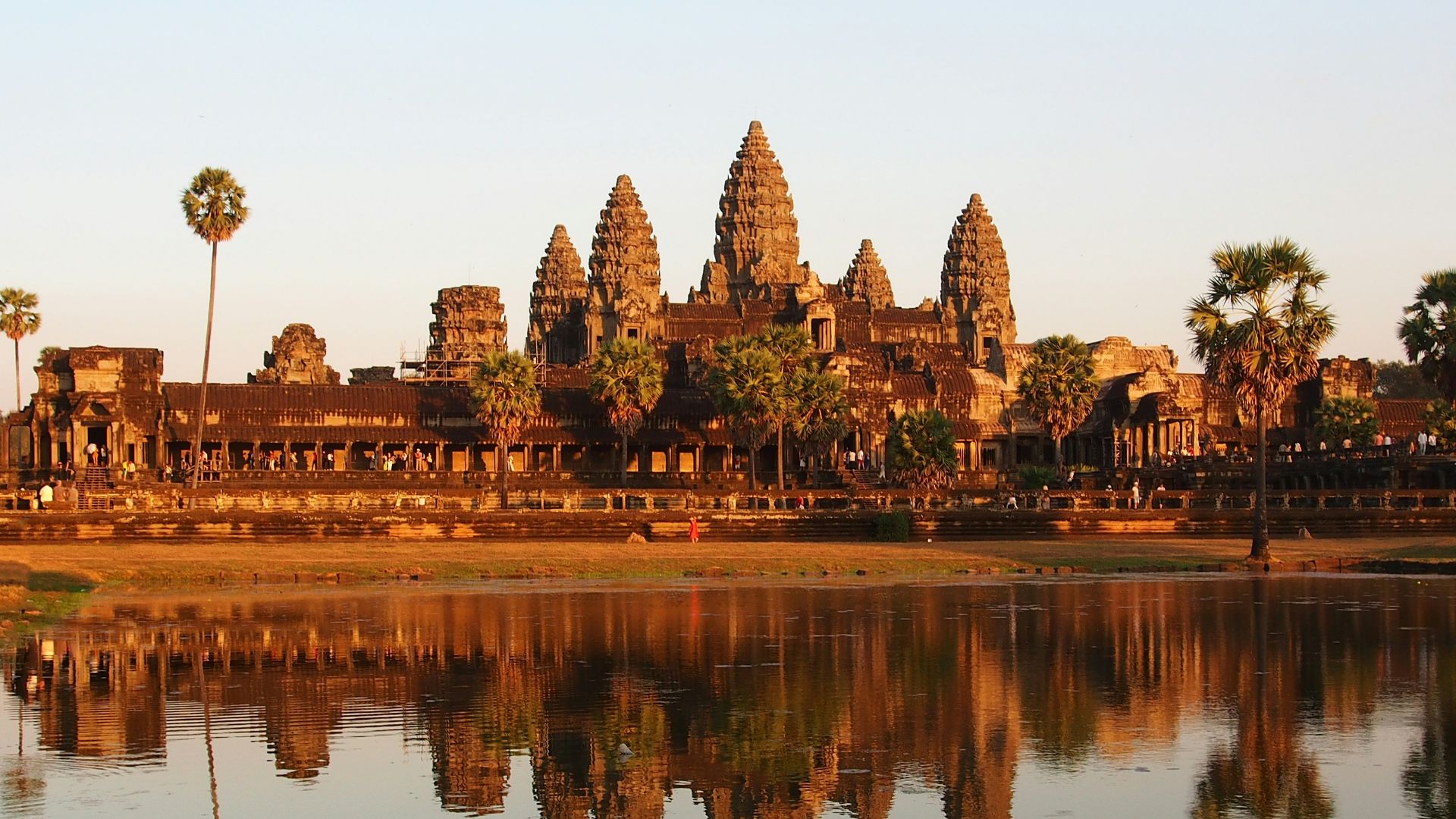
In the old medina of Fez, streets behave like corridors rather than roads, and movement is shaped by foot traffic more than vehicles. Work spills into public space, and you notice hands doing skilled tasks in plain view without turning it into a performance. The experience feels unfiltered, which is often what makes a place feel older than the calendar suggests.
6. Istanbul, Turkey
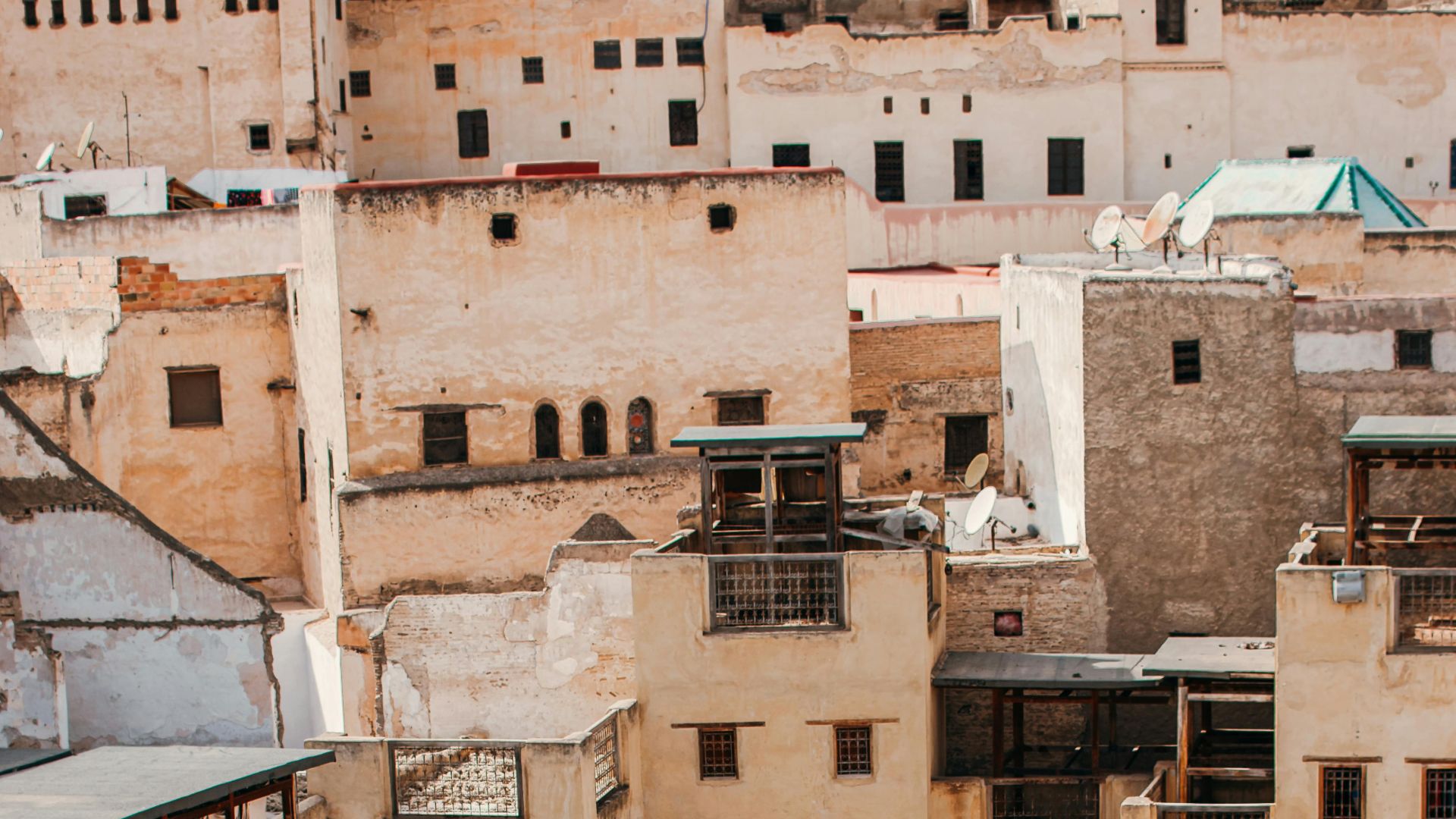
Istanbul’s time travel feeling comes from proximity, where Byzantine and Ottoman layers sit close enough that your brain stops trying to separate them cleanly. A ferry ride across the Bosphorus can feel like crossing not just water, but centuries of trade and migration. The city stays modern, yet it also makes history feel like a present tense.
7. Edinburgh Old Town, Scotland
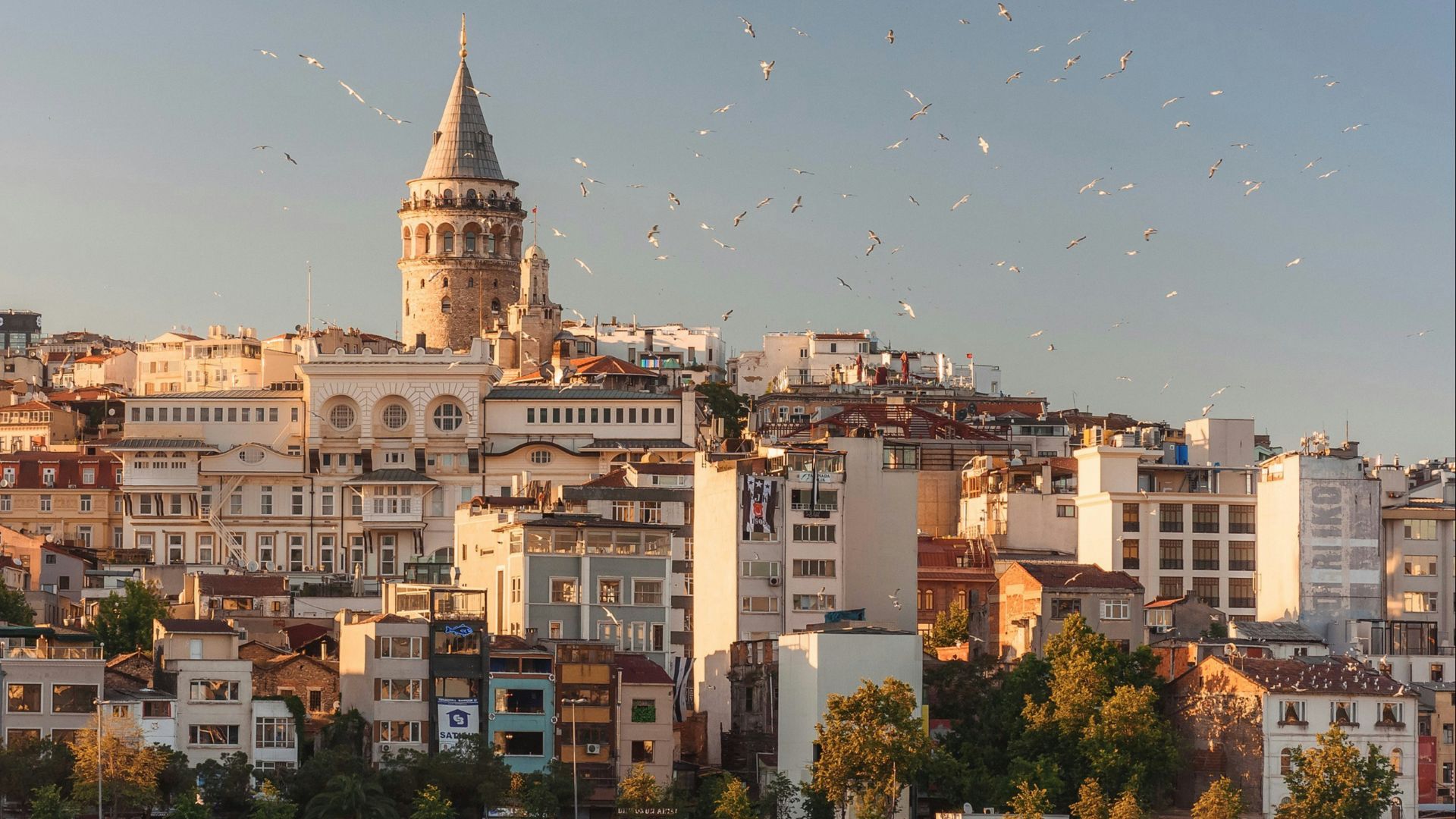
Edinburgh’s older core feels compressed, with stone closes and stairways that make you climb through the city instead of simply crossing it. Weather darkens surfaces, and the architecture absorbs sound in a way that changes your posture and pace. You can step off a busy street and land in a narrow passage that seems designed for a different kind of life.
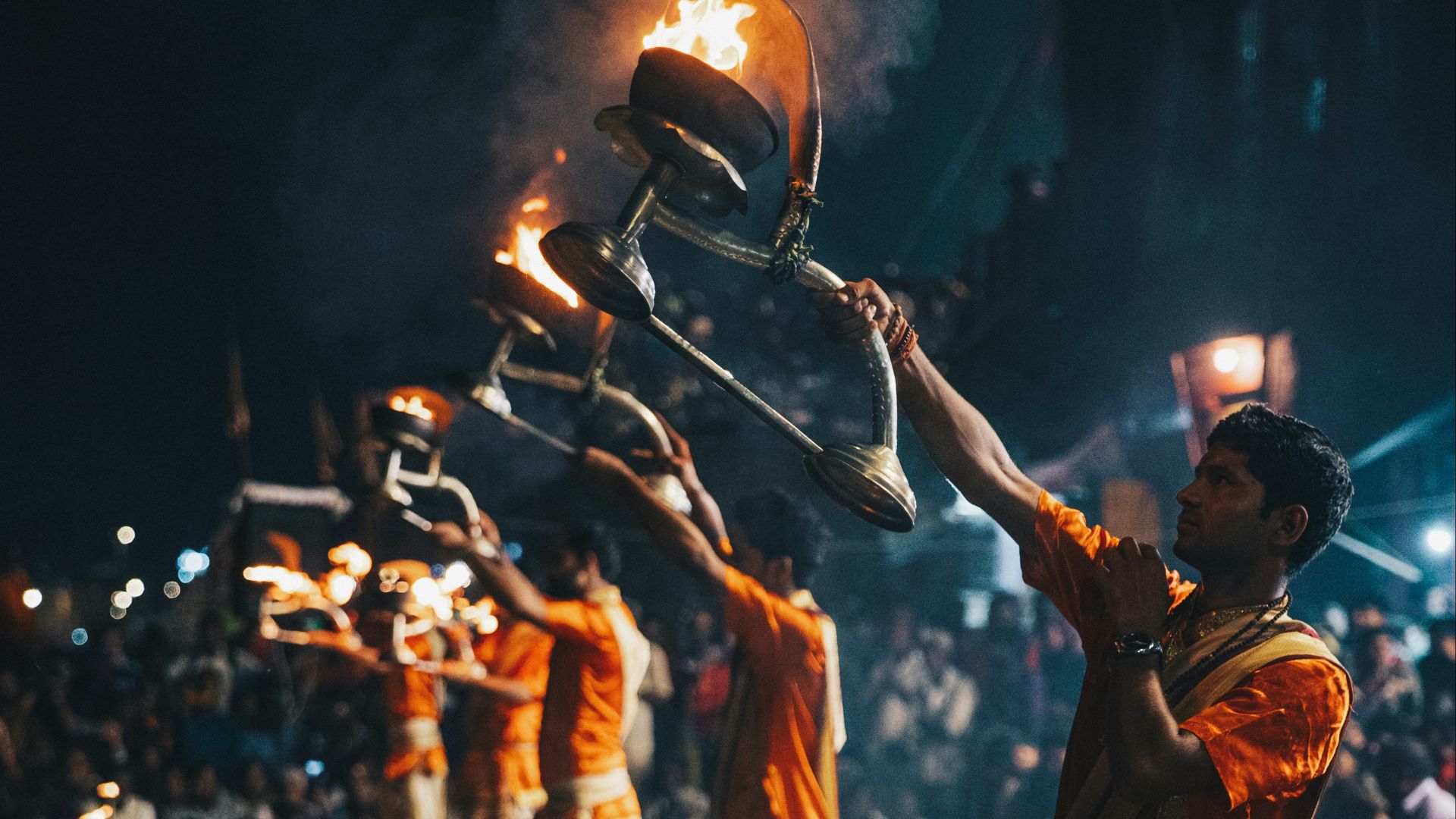
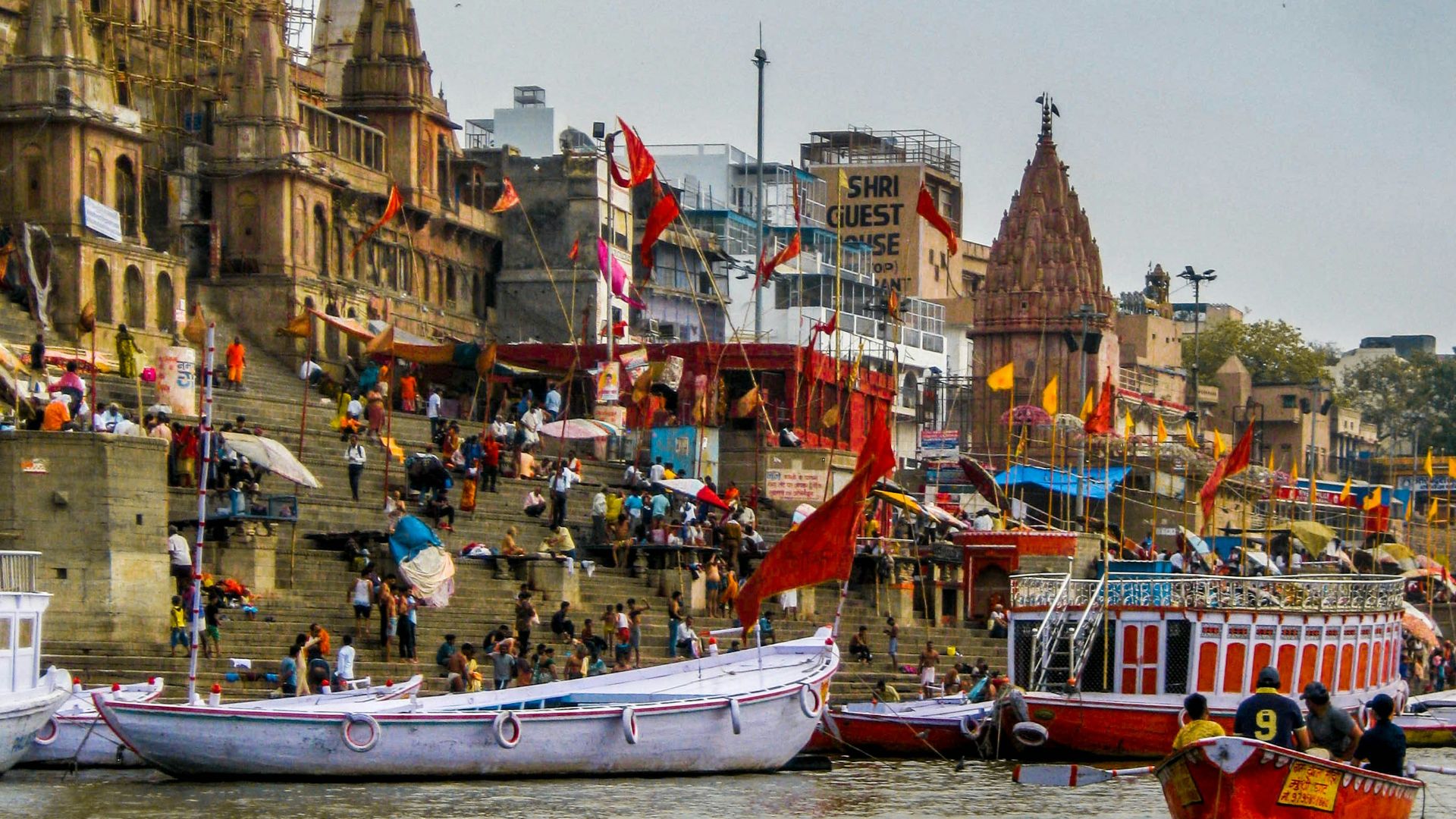
8. Varanasi, India
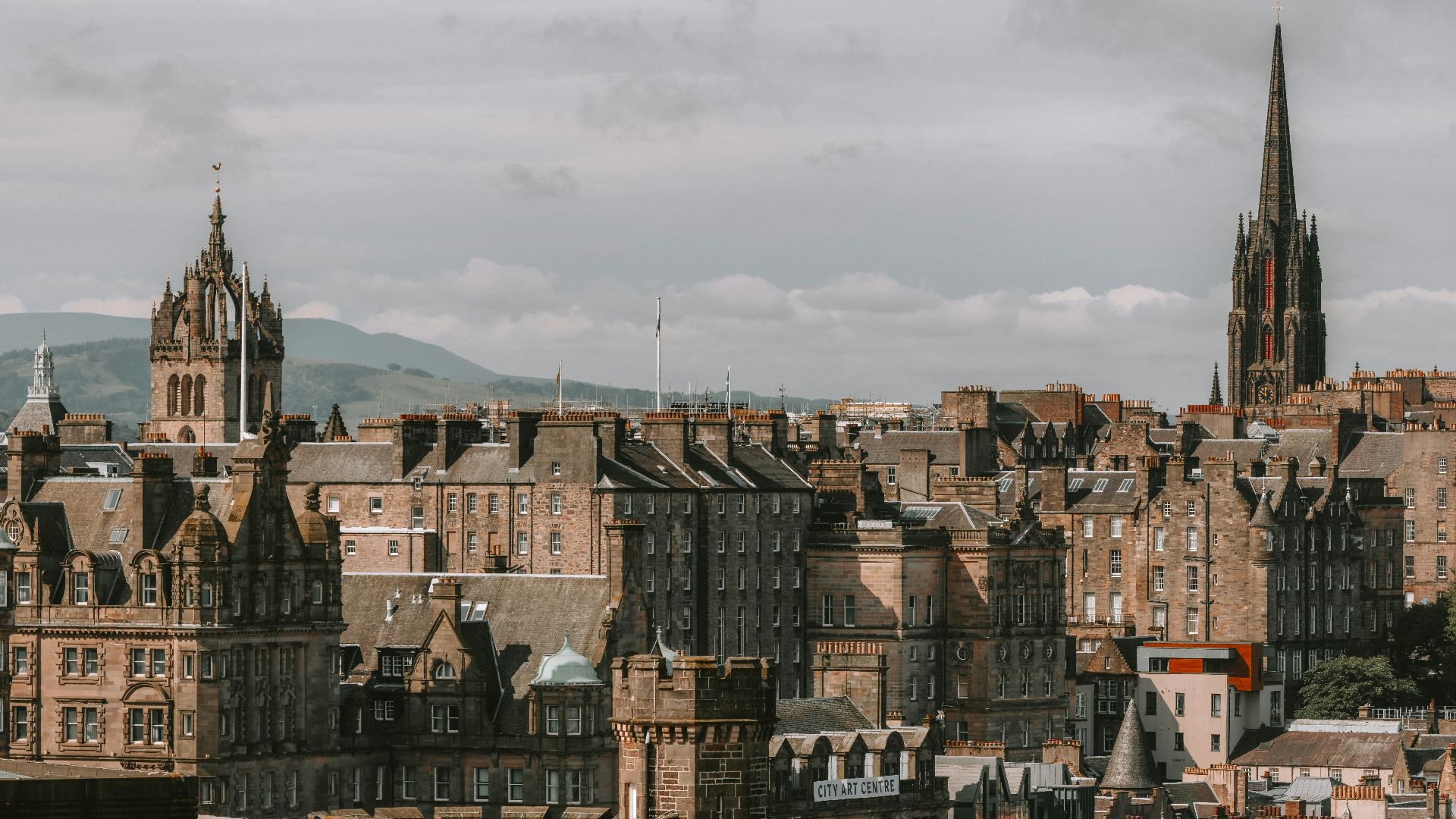
Varanasi can feel like time travel because ritual is not cordoned off behind a ticket line or a velvet rope. Along the Ganges, daily routines unfold with a steadiness that makes the modern world feel briefly irrelevant. The atmosphere asks for attention, and it also reminds you that some traditions outlast every new gadget.
9. Lalibela, Ethiopia
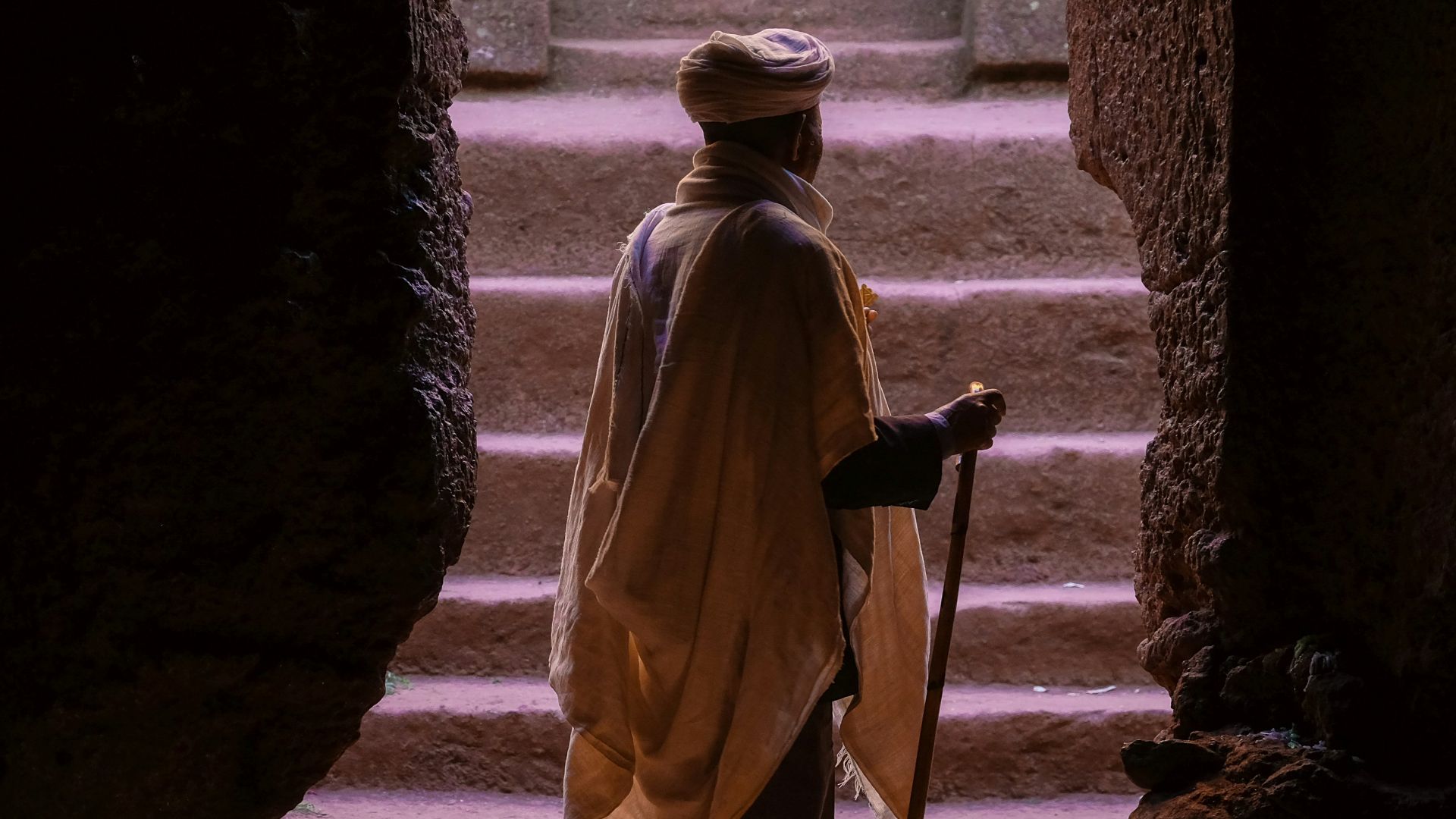
The rock-hewn churches at Lalibela feel less like buildings placed on land and more like space carved out of it. The quiet inside can be startling, especially after the brightness and dust outside. What lingers is the sense of devotion made physical, with engineering that still feels daring even now.
 Stéphane Hermellin on Unsplash
10. Mesa Verde, Colorado
Mesa Verde hits as time travel because the architecture is inseparable from the landscape, tucked into cliffs with a practical intelligence that still reads clearly. You start imagining daily logistics, like shade, wind, and access, because the setting demands those thoughts. It also reframes American history in a way many people were never taught to hold in mind.
One kind of disorientation comes from stepping back in time, and the other comes from landing somewhere that seems to be running ahead of it. Here are ten places that feel like a glimpse of the future.

1. Singapore
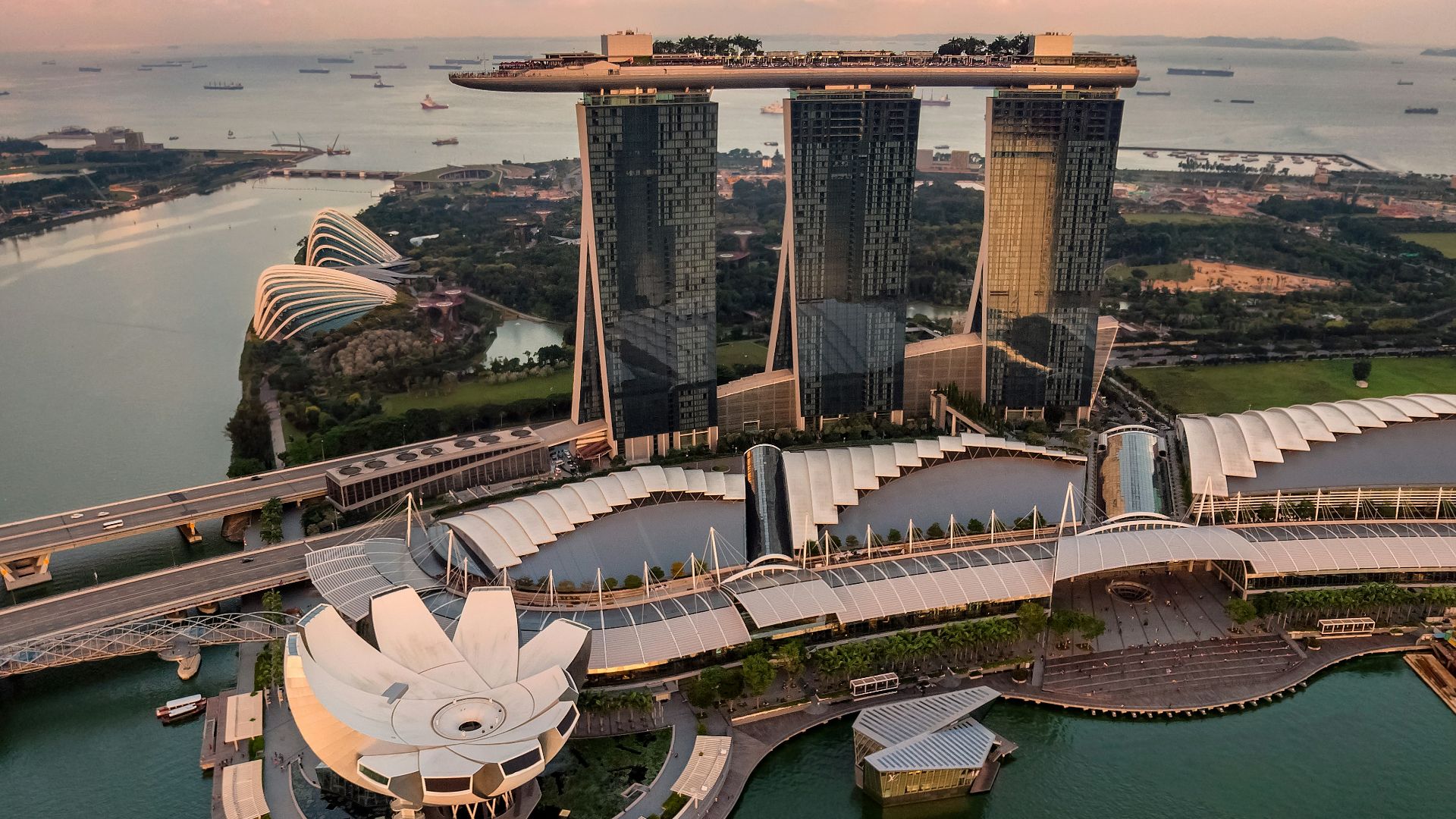
Singapore can feel futuristic in the way it treats public space as something that should run smoothly and look cared for at the same time. You notice it in transit, in signage, and in how crowds move without constant friction. Even the city’s newer showpieces, including the airport’s dramatic additions in the late 2010s, carry a sense of competence rather than chaos.
2. Seoul, South Korea
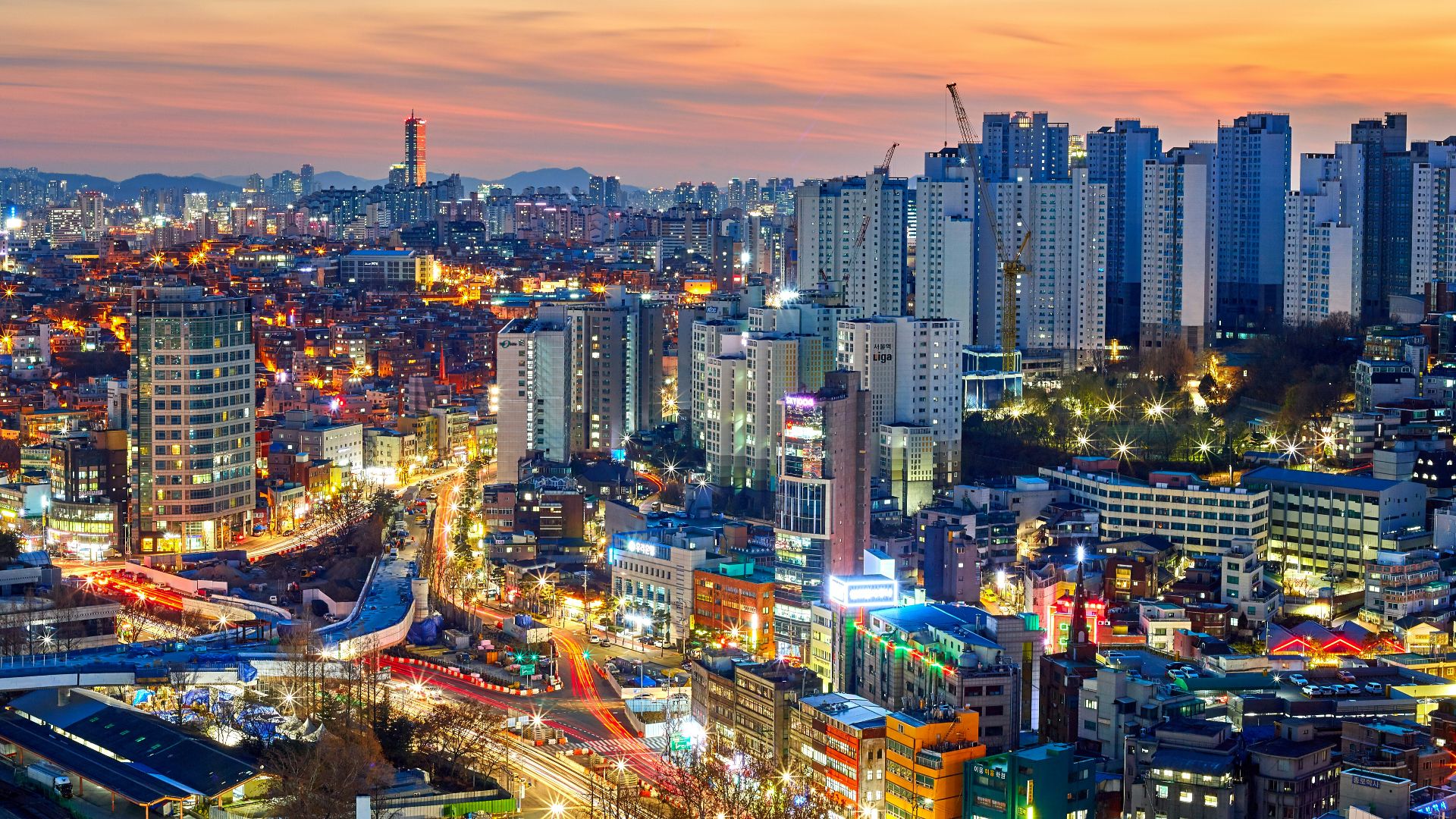
Seoul feels like the future through everyday convenience that never announces itself as a trick. Payments, navigation, and last-mile logistics often feel integrated into normal life, so errands take less mental effort. The city’s pace is quick, yet the systems tend to keep up, which is where the futuristic feeling really lives.
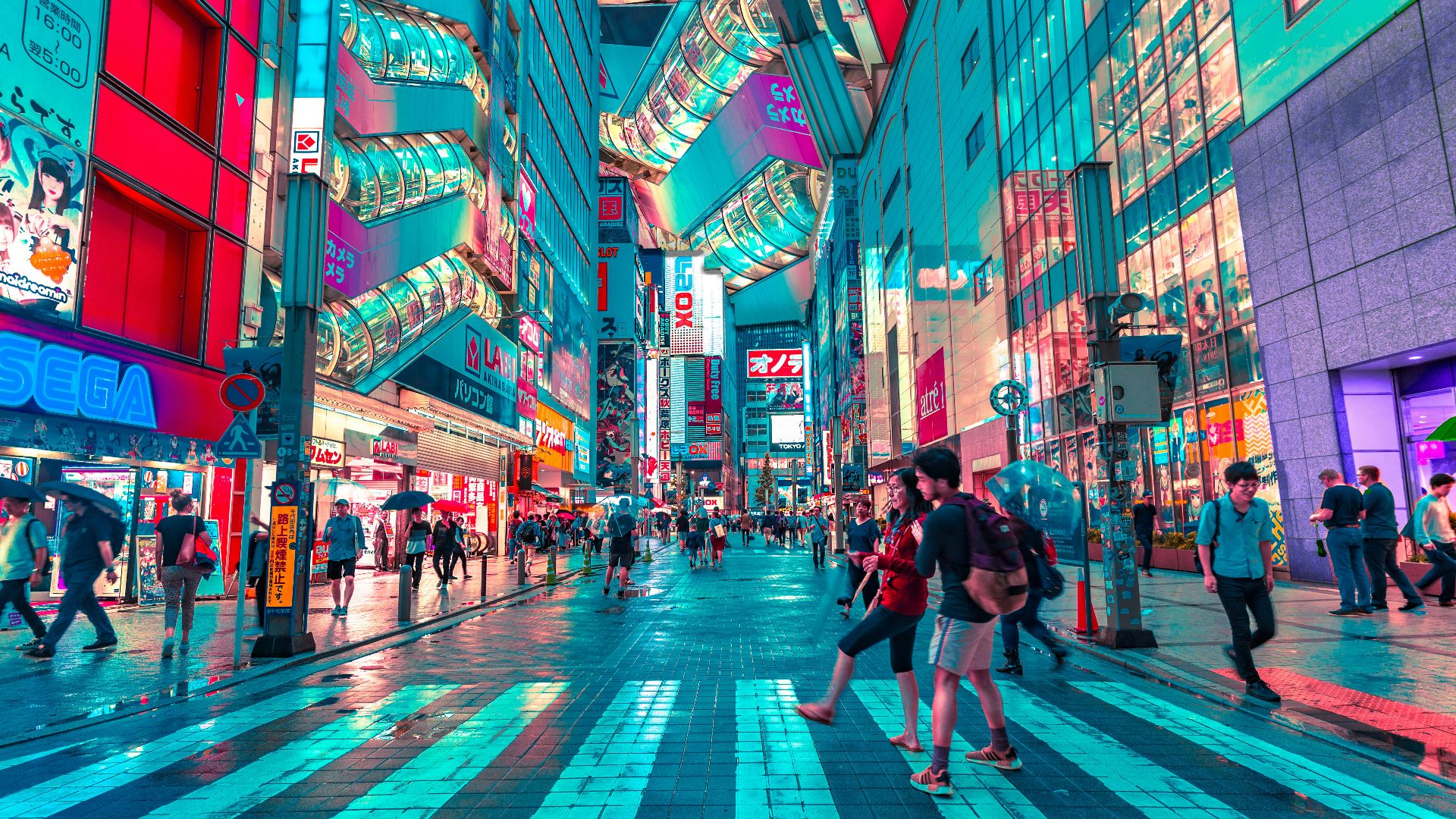
3. Tokyo, Japan
Tokyo’s future vibe shows up in reliability more than flash, especially when the rail system treats punctuality like a shared social contract. Japan’s first high-speed rail line, the Tokaido Shinkansen, began service in 1964, and the culture around precision has only deepened since then. A station can be crowded and still feel orderly, which is its own kind of sci-fi.
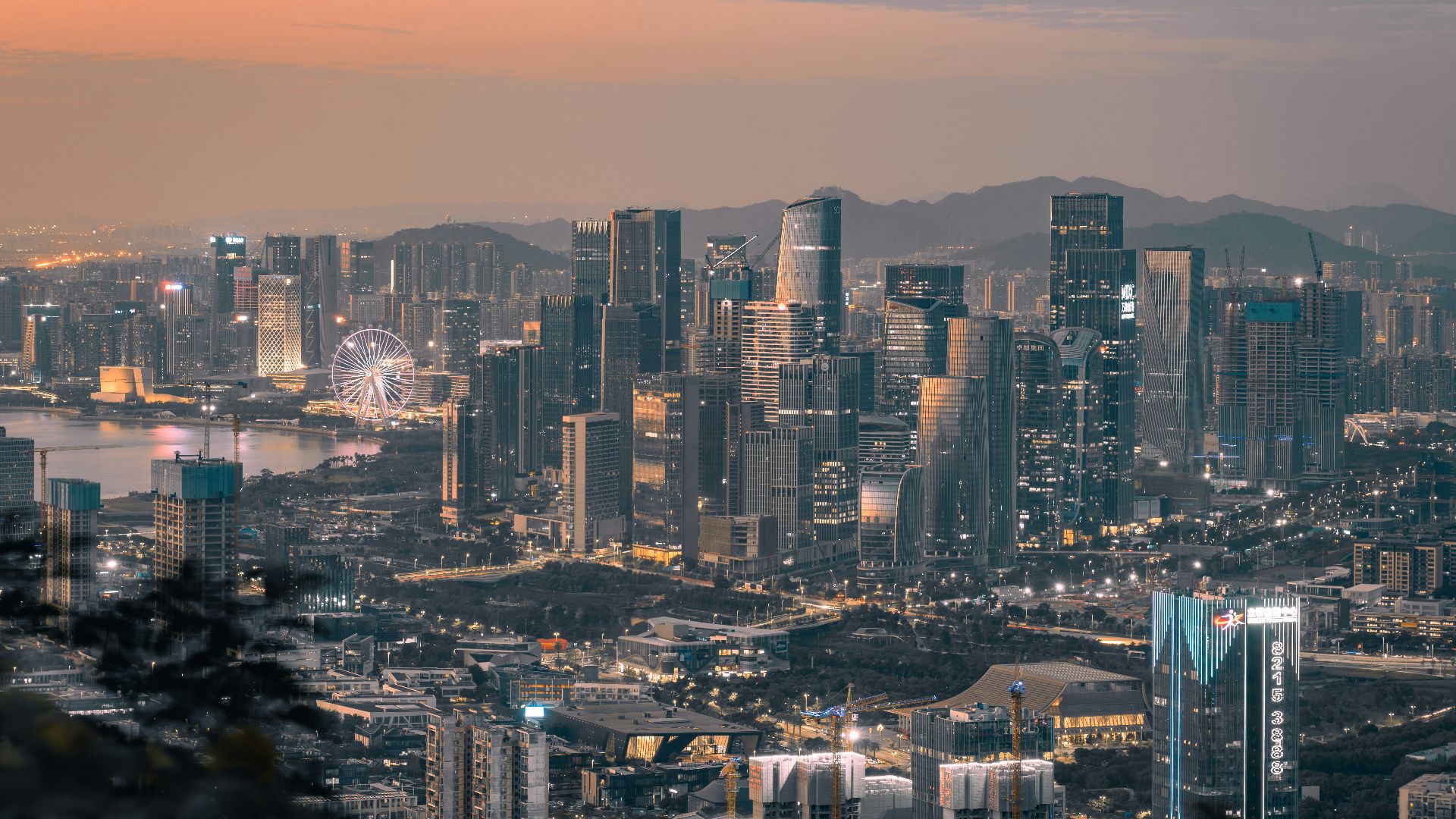
4. Shenzhen, China
Shenzhen often feels future-forward because the city reads as recently built at a scale that is hard to process in real time. Transit and dense development create a sense that the place is designed for what comes next, not just what exists now. You can feel the momentum in the streets, even on an ordinary weekday.
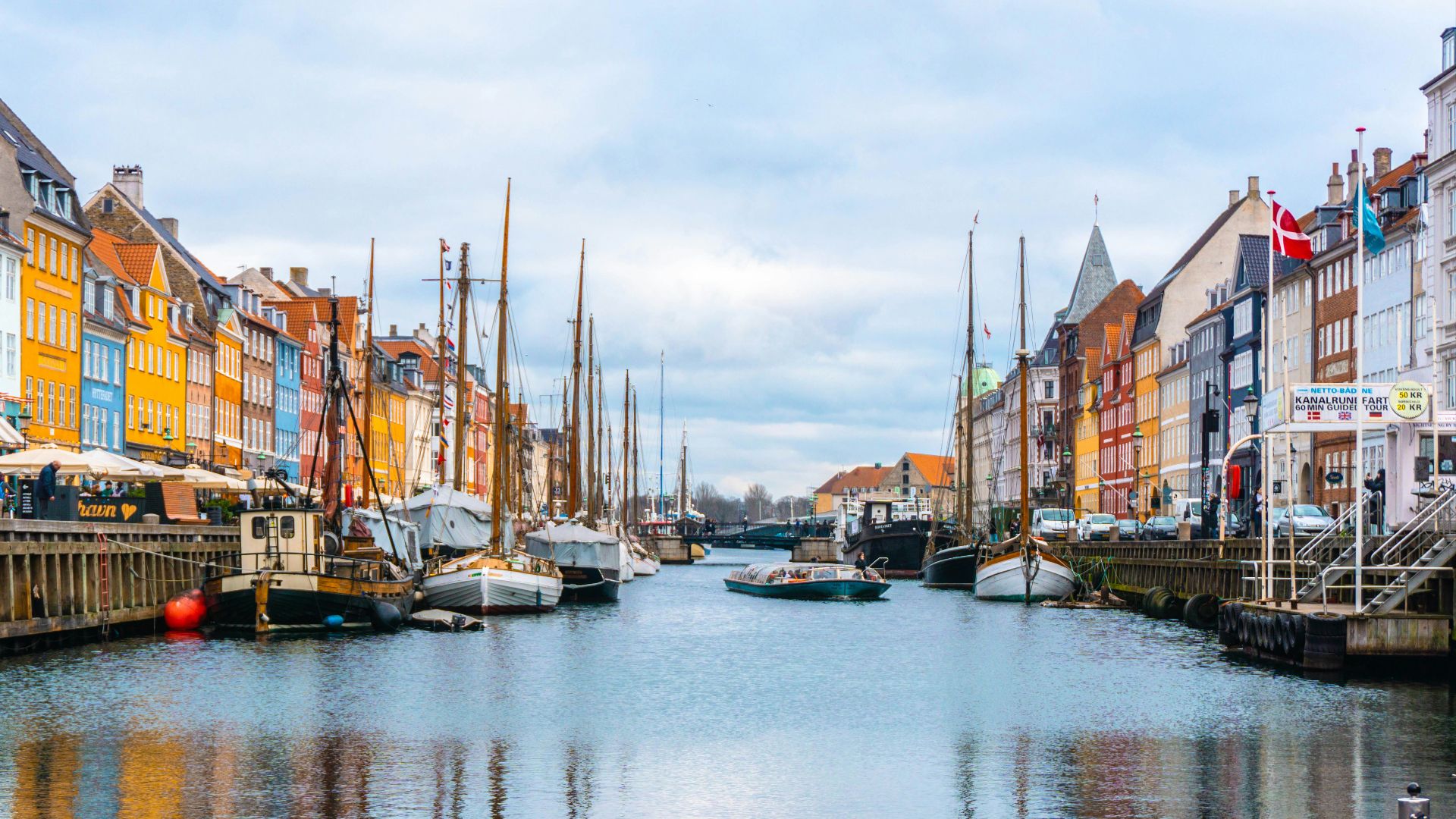
5. Copenhagen, Denmark
Copenhagen can feel like the future because so much of daily life is designed around human movement rather than constant car dominance. When cycling is normal and protected, the city sounds different and feels calmer, even during rush hour. The effect is subtle, yet it changes how you think a city day is supposed to work.
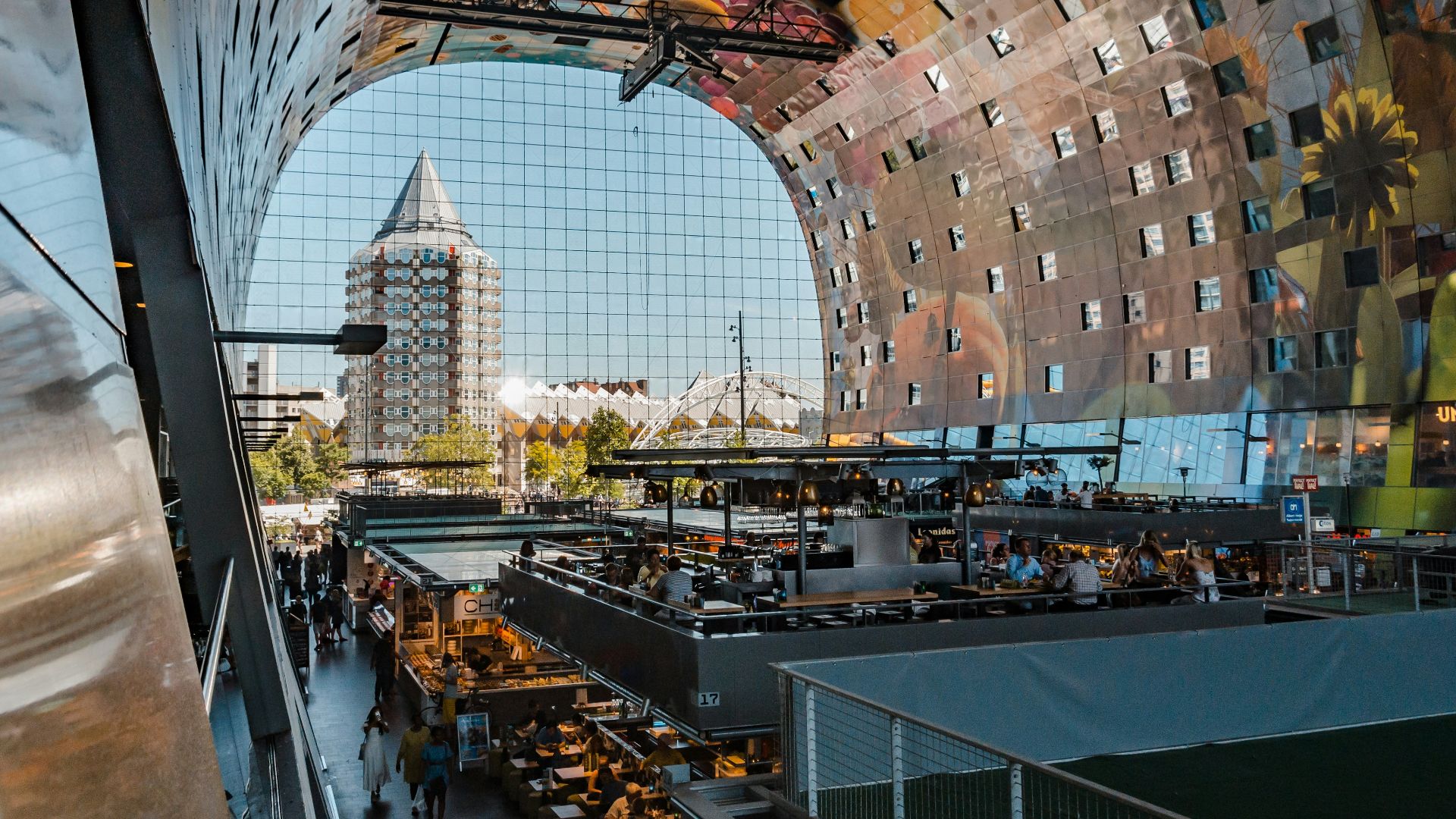
6. Rotterdam, Netherlands
Rotterdam’s futuristic edge comes through modern architecture and the way the city treats water management as a visible design problem. You see infrastructure woven into the urban fabric, and it feels like planning that assumes the world will keep changing. The city’s rebuild after World War II also contributes to a present-day landscape that looks deliberately forward.
7. Dubai, United Arab Emirates
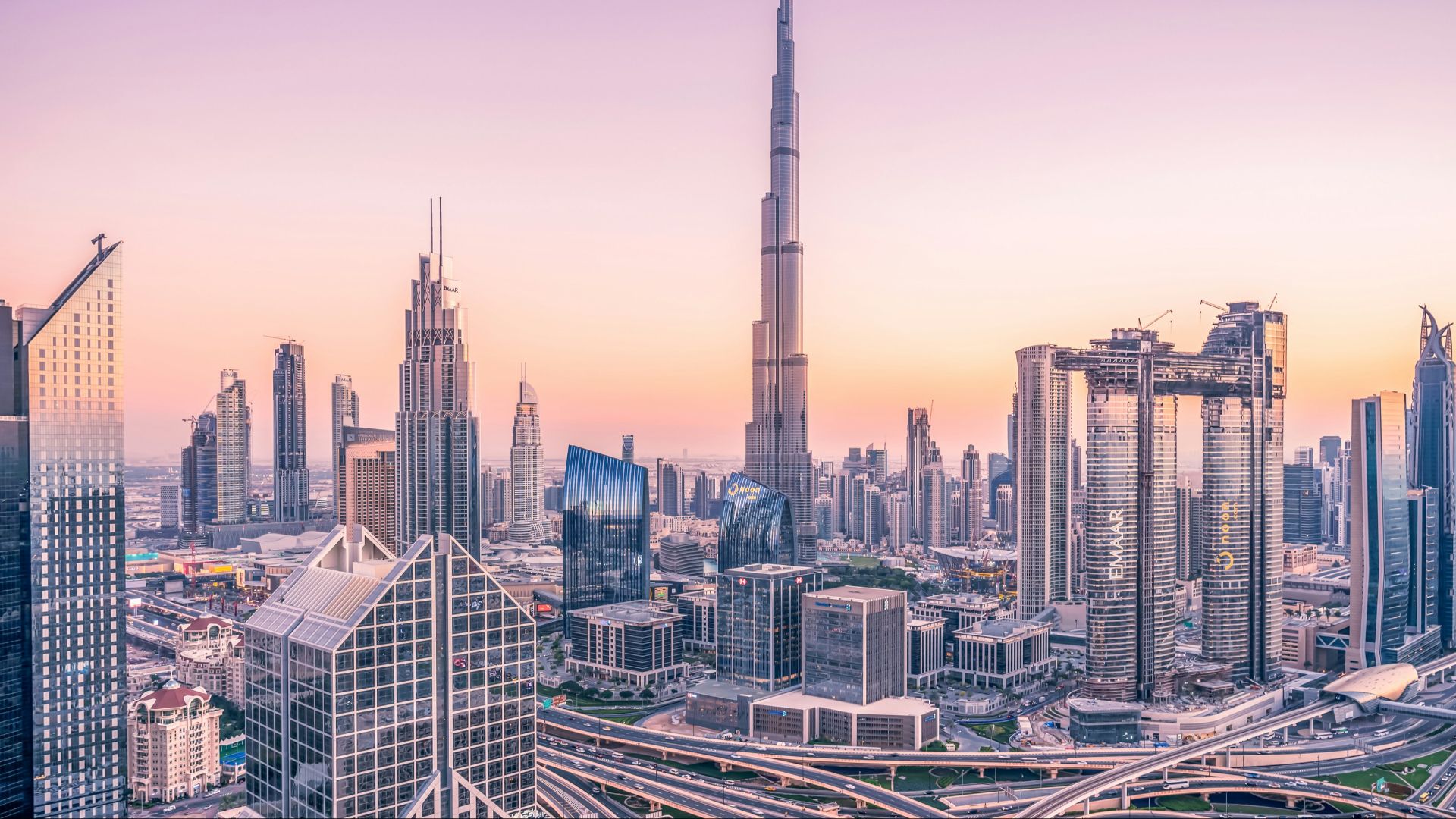
Dubai can feel like the future through scale, lighting, and the way whole districts appear as if they were planned in one sweep. Riding the driverless metro, which opened in 2009, adds to that sense of a city trying to leapfrog stages of development. The experience can feel glossy, yet it is also a real lesson in how quickly infrastructure can reshape daily life.
8. Reykjavik And The Geothermal Areas, Iceland
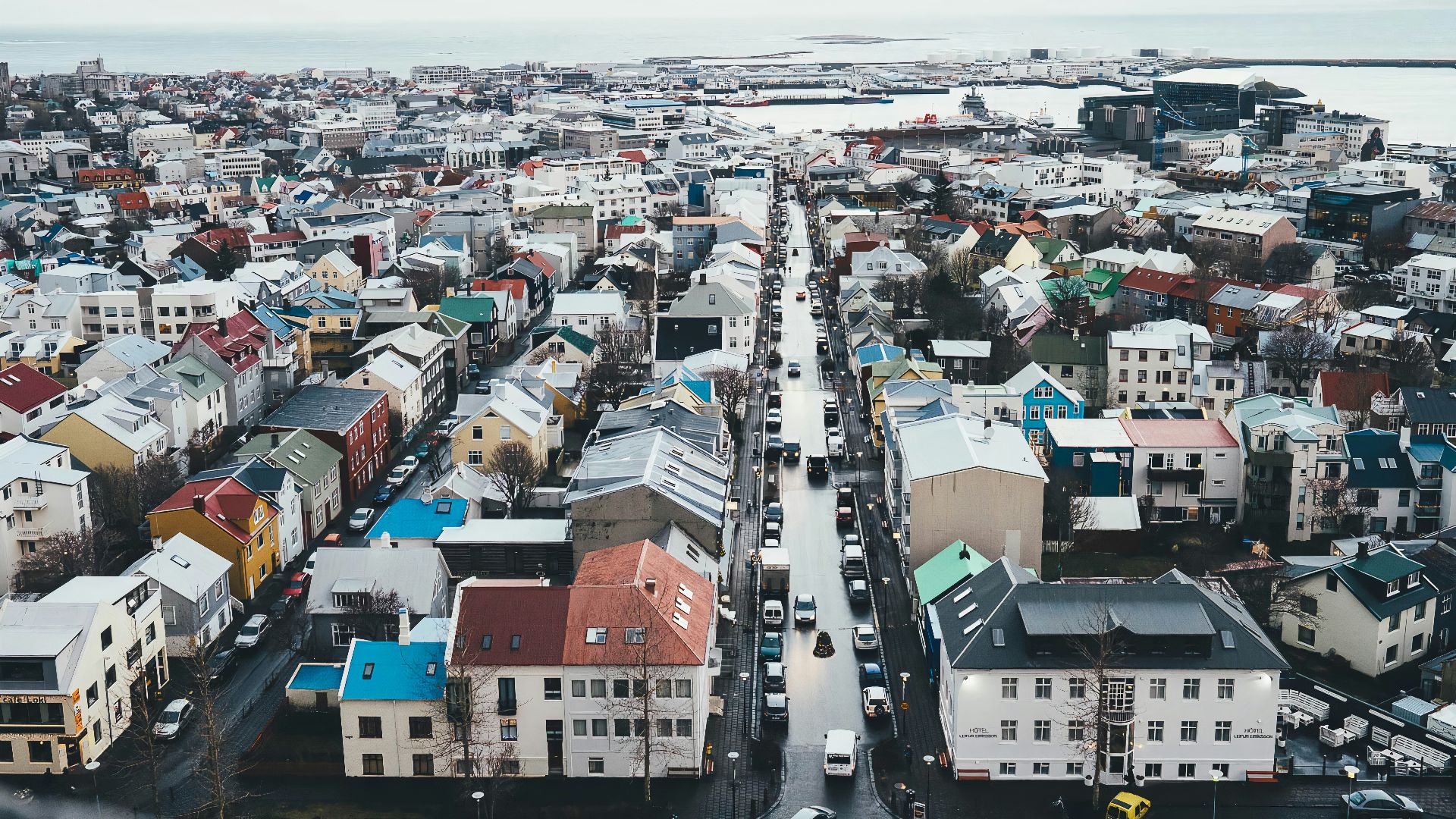
Iceland’s future feeling is wrapped in something very old, since geothermal energy is basically ancient heat put to work. Hot water and district heating can feel like a default setting rather than a luxury, and that changes how you think about energy as part of everyday comfort. The landscape looks primordial, yet the systems can feel quietly advanced.
9. Helsinki, Finland
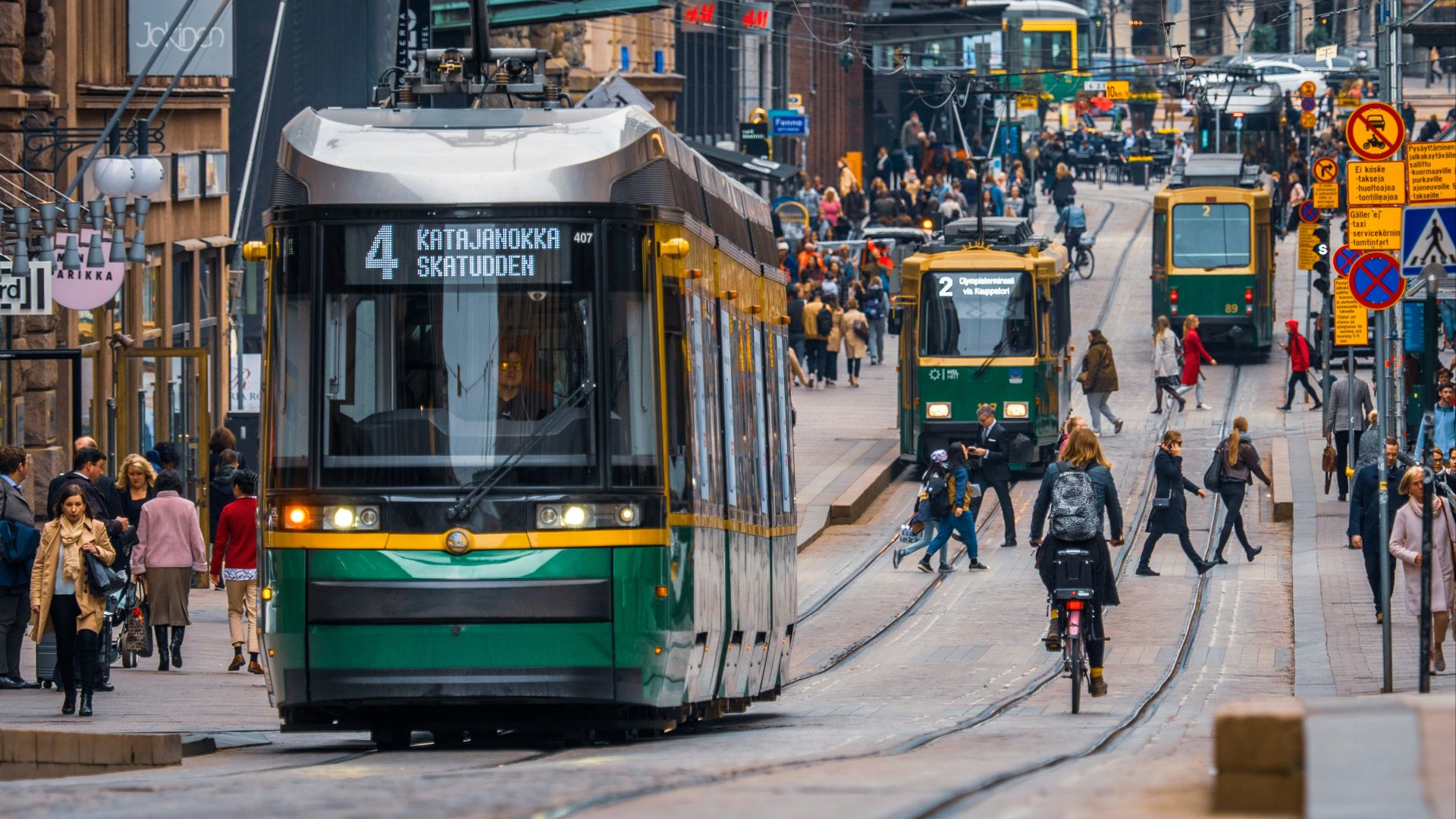
Helsinki can feel futuristic in the way design shows up in ordinary services, from libraries to transit hubs that prioritize ease rather than intimidation. The city often feels calm without feeling sleepy, which is a rare combination in a capital. It gives the impression of a place that values time and attention as public goods.
10. Tallinn, Estonia
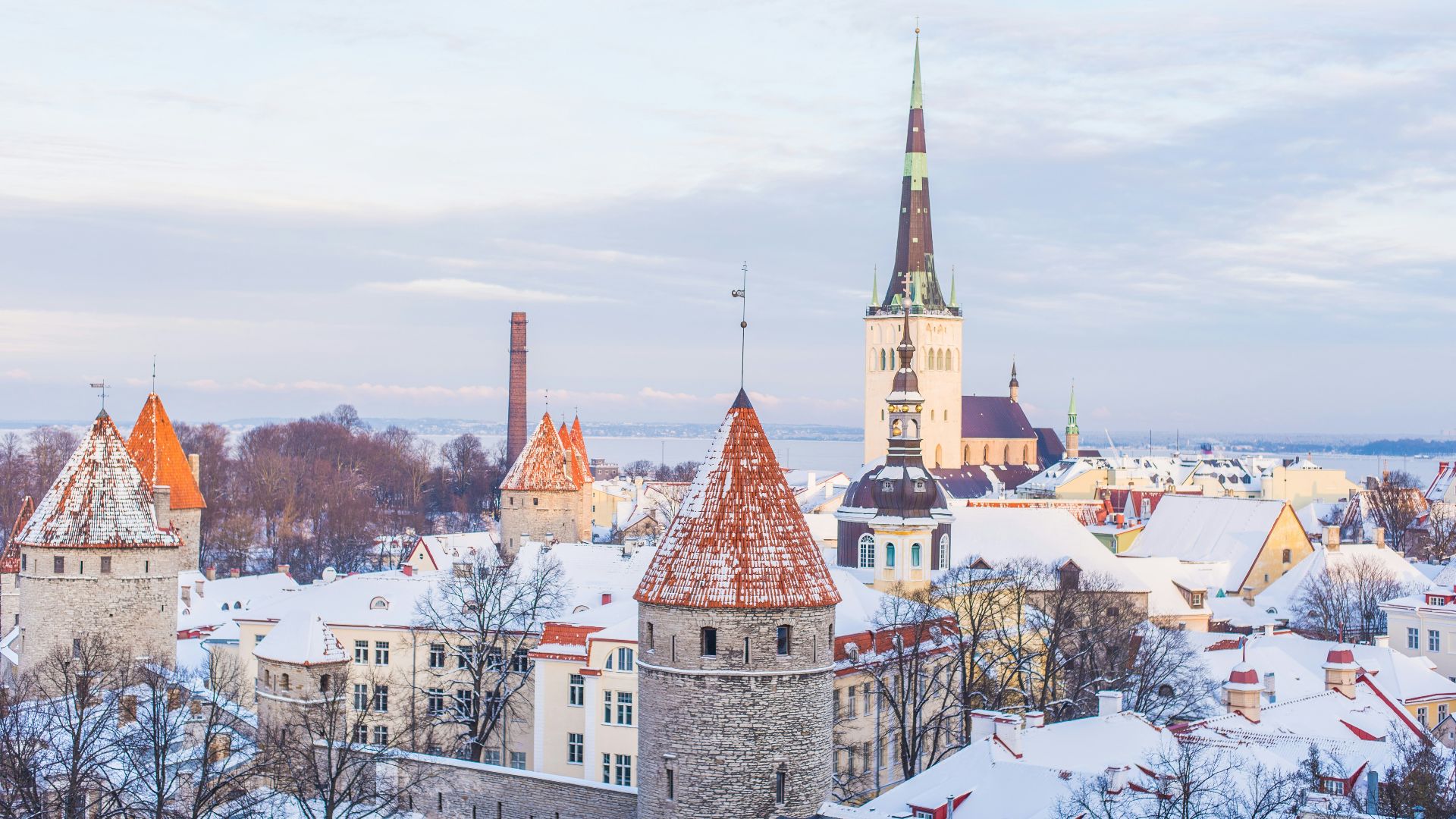
Tallinn’s future vibe is surprisingly low-drama, and that is part of the point. Estonia is widely noted for its digital government model, and visitors often feel the difference when routine tasks require less paperwork and fewer in-person loops. The city still has medieval streets in parts, yet the modern systems can make the day feel unusually frictionless.