
Who Wants To Pay?
Money conversations are awkward enough at home, but they get exponentially more complicated when they happen at a restaurant or hotel desk. Couples who travel together regularly know that the logistics of splitting costs can either bring them closer or create a slow-burning tension that follows them from airport to airport. The good news is that there's no single correct method, which means you and your partner can shop around for a system that actually matches how you live and what you earn. Whether you've been together for three months or thirteen years, these 20 strategies will give you a solid framework for keeping the finances fair and the trip enjoyable.
 Hoi An and Da Nang Photographer on Unsplash
1. The Even 50/50 Split
The simplest approach is to divide every shared expense down the middle, no matter what each person earns. This works especially well when incomes are close, and both partners feel comfortable with the arrangement going in.
 Christopher Welsch Leveroni on Pexels
2. The Income-Proportional Split
When there's a meaningful gap in earnings, some couples calculate contributions as a percentage of each person's salary, so a 60/40 or 70/30 split reflects their financial reality. This approach tends to reduce resentment because neither person is genuinely stretched.

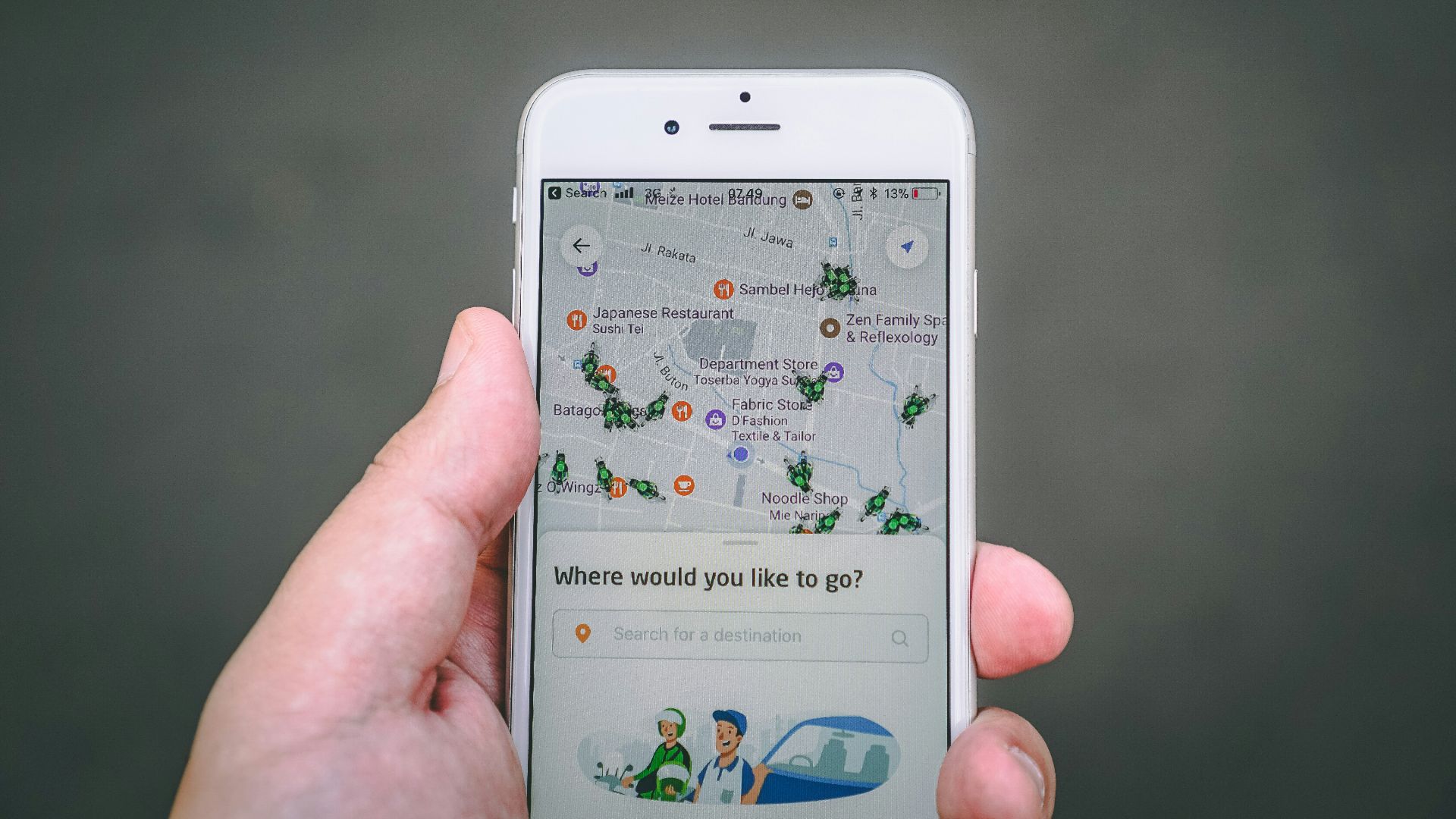
3. Expense-Tracking Apps
Apps like Splitwise and Tricount let you log purchases in real time, assign who paid for what, and see a running tally of who owes whom. By the end of a trip, the app does the math for you and tells you the exact amount needed to settle up.
4. A Joint Travel Account
Some couples open a shared prepaid card or a dedicated travel account before departure, each contributing an agreed amount so that all shared spending comes from one place. This removes the constant back-and-forth of reimbursement and makes it easier to stick to a trip budget.

5. Taking Turns Paying
Alternating who covers each expense, whether that's a dinner in Tokyo or a ferry ticket in Croatia, works well for couples who trust each other to roughly even things out over time. The key is agreeing upfront that you're not keeping a running score.
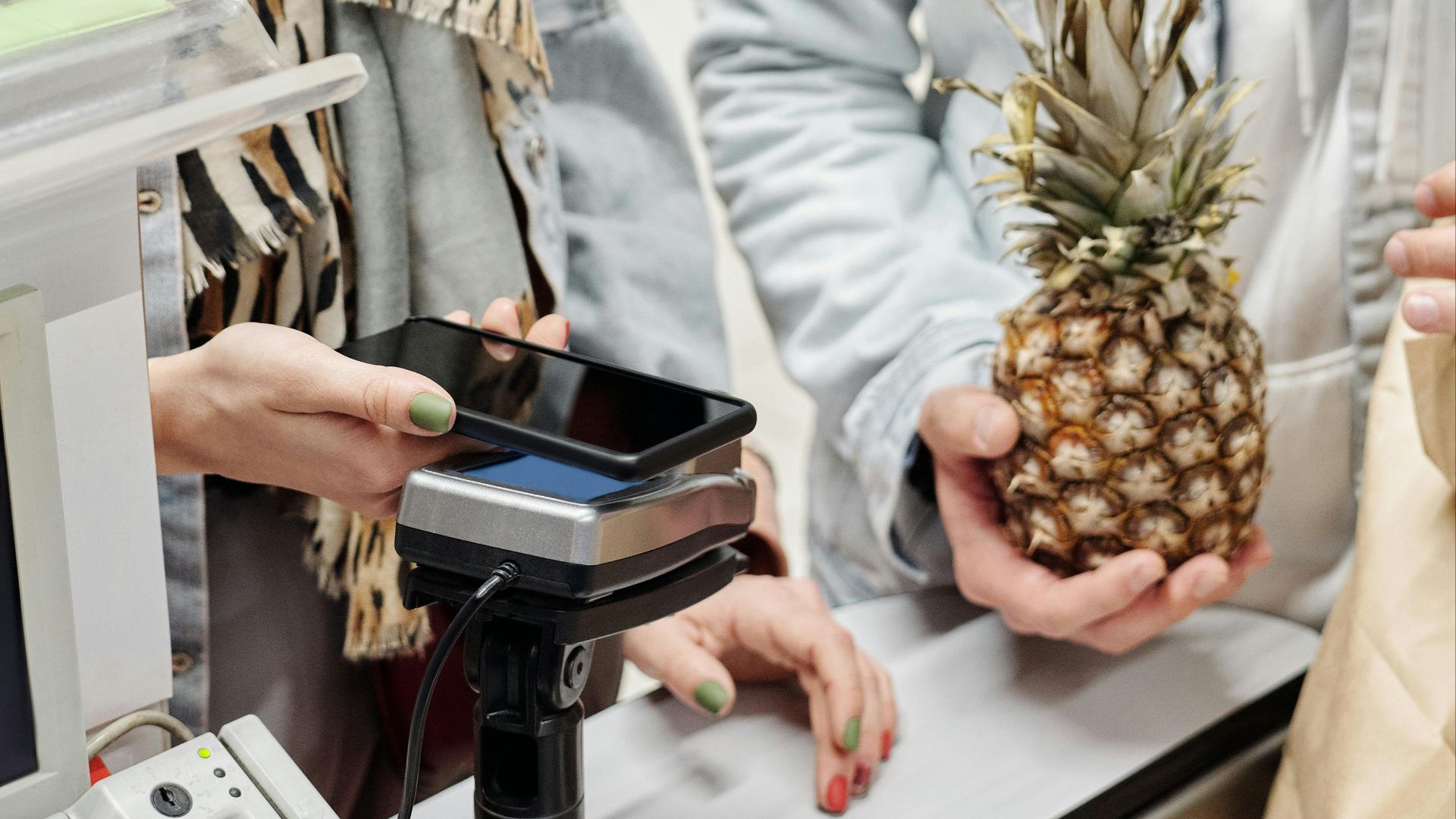
6. Splitting By Category
One partner could handle all flights and accommodation, while the other covers meals and activities throughout the trip. This gives each person clear ownership of their category and eliminates the need to split every single receipt.

7. Paying By Earning Level
A variation on category-splitting is having the higher earner cover the higher, upfront costs like flights, while the other partner contributes by doing the research, booking the reservations, and managing the daily logistics. This recognizes that time and effort are also a form of contribution.

8. Setting A Budget Before You Book
Agreeing on a total trip budget before anyone opens a browser tab prevents disagreements later about whether the boutique hotel was really necessary. When both partners agree on a number first, the spending decisions that follow feel collaborative rather than unilateral.

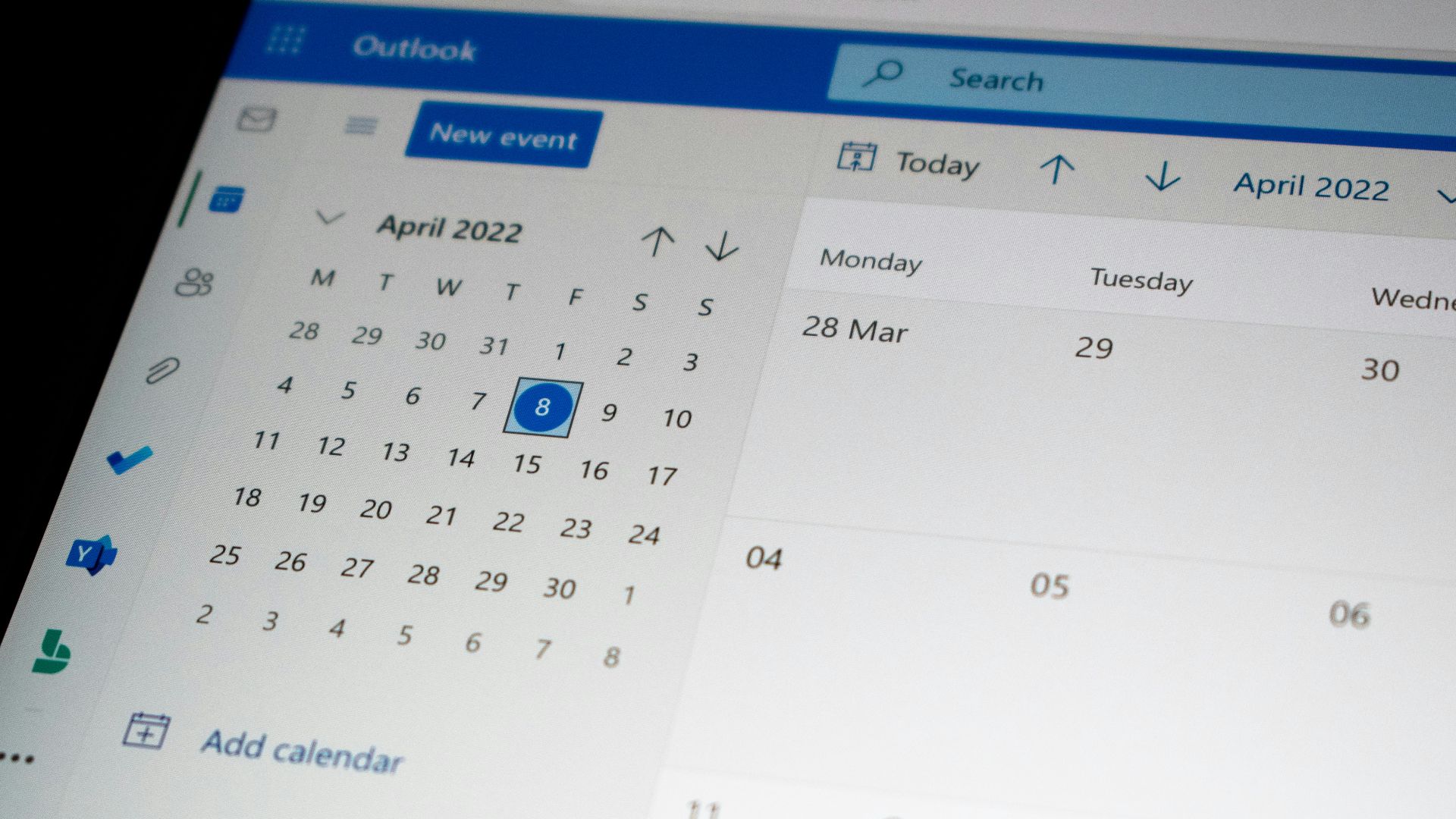
9. Locking In Costs At Booking
Dividing costs at the moment of booking, rather than at the end of the trip, can help to prevent any confusion. Early booking often comes with lower prices anyway, so you save money and reduce ambiguity at the same time.
10. Sharing Discounts Evenly
When one partner finds a deal, a promotional code, or a group rate, the savings should be passed along to both rather than pocketed by whoever found it. Discounts should be a shared win, not a singular experience.

11. Standardizing Currency Conversions
For international trips where expenses land in multiple currencies, agree to convert every purchase to one currency at the rate it was charged, then divide the total. This prevents confusion about who technically paid more when exchange rates fluctuate mid-trip.

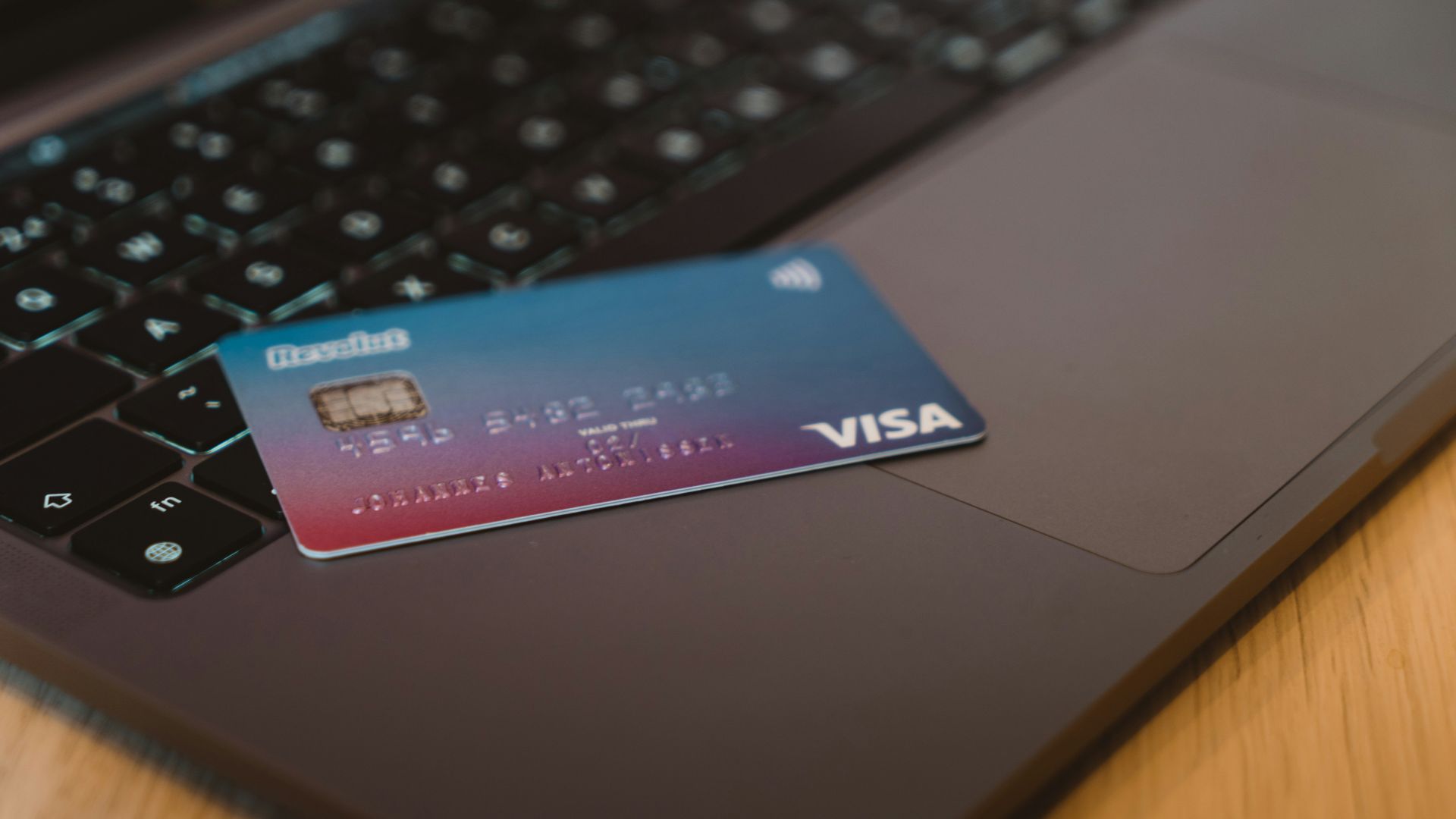
12. One Card, Settle After
Putting everything on one person's credit card and then calculating the split after you're home is a low-friction approach that also racks up points or miles for the cardholder.
13. Separate Splurge Funds
A shared pool covers all joint expenses, while each partner keeps a personal stash for individual purchases like souvenirs, a solo spa afternoon, or snacks the other person doesn't want. This preserves financial autonomy without overcomplicating the bigger stuff.

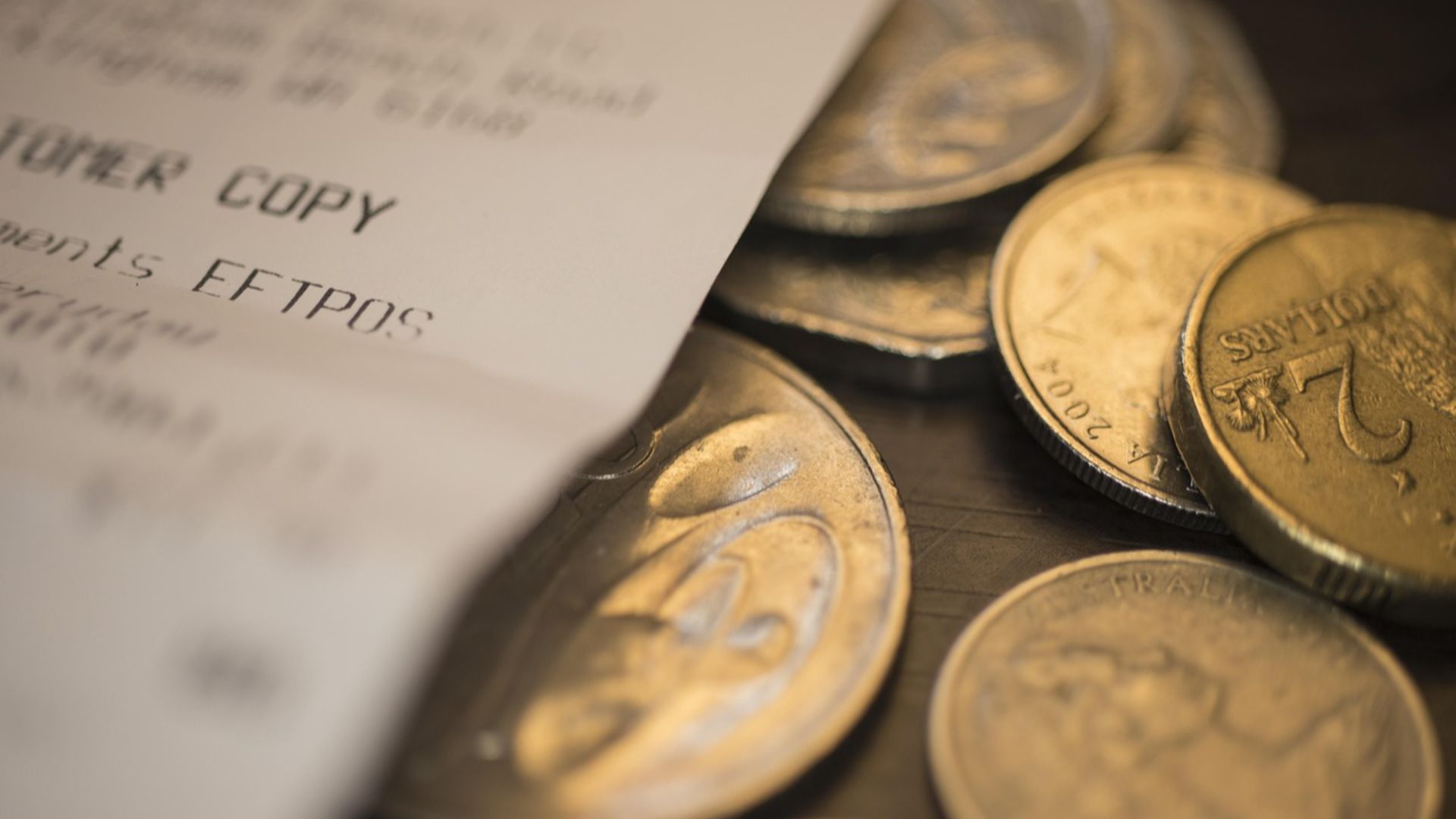
14. Reimbursing The Planner
When one partner does most of the upfront booking, whether for accommodation, tours, or airport transfers, the other should reimburse their share promptly rather than treating the planner as a de facto lender. Setting a reimbursement deadline before the trip prevents the arrangement from becoming a source of friction.
 Curious_Collectibles on Pixabay
15. Splitting Shared Rides
Rideshares and taxis split between two people are almost always cheaper per person than other transport options, so making a habit of sharing those costs fairly rather than letting one person absorb them matters more over a longer trip than it might seem.

16. Aligning On Priorities First
Agreeing ahead of time on where to spend and where to save, whether that means allocating more of the budget to food and less to accommodation, or vice versa, ensures that neither partner feels like their preferences are constantly being lost.

17. Tracking With A Spreadsheet
For couples who prefer full transparency, a shared Google Sheet where both partners log every purchase in real time gives a clear picture of how the numbers are stacking up. It's easy to adjust, easy to review, and easy to settle when the trip ends.

18. Agreeing On Unexpected Expenses In Advance
Tips, entry fees, baggage charges, and other small surprises can put a pretty big dent in your total, so it helps to agree before the trip that all unplanned costs will be split evenly. Having a default rule for the unexpected prevents those moments from turning into a negotiation.
19. Rotating Big-Ticket Items Across Trips
Rather than splitting every flight and hotel booking down the middle, some couples take turns covering the largest expense of each trip: one person buys the flights for a trip to Mexico City, and the other covers the hotel in New Orleans six months later. Over several trips, the totals tend to even out naturally.

20. Doing A Final Transfer After The Trip
Once you're home and the receipts are in, a final review of who spent what and a single transfer to cover any imbalance closes the books in one fell swoop.