You Can Feel The Chemistry On Your Tongue
Some places don’t just smell different; they leave a flavor behind, like the air is seasoning your mouth before you’ve even figured out what you’re looking at. The clearest examples come from geology that leaks real gases and mineral steam into open air, and from industry that throws metal dust, petrochemical notes, or fine particulate into the wind. Here are twenty places with signatures you can actually taste.
1. Rotorua, New Zealand
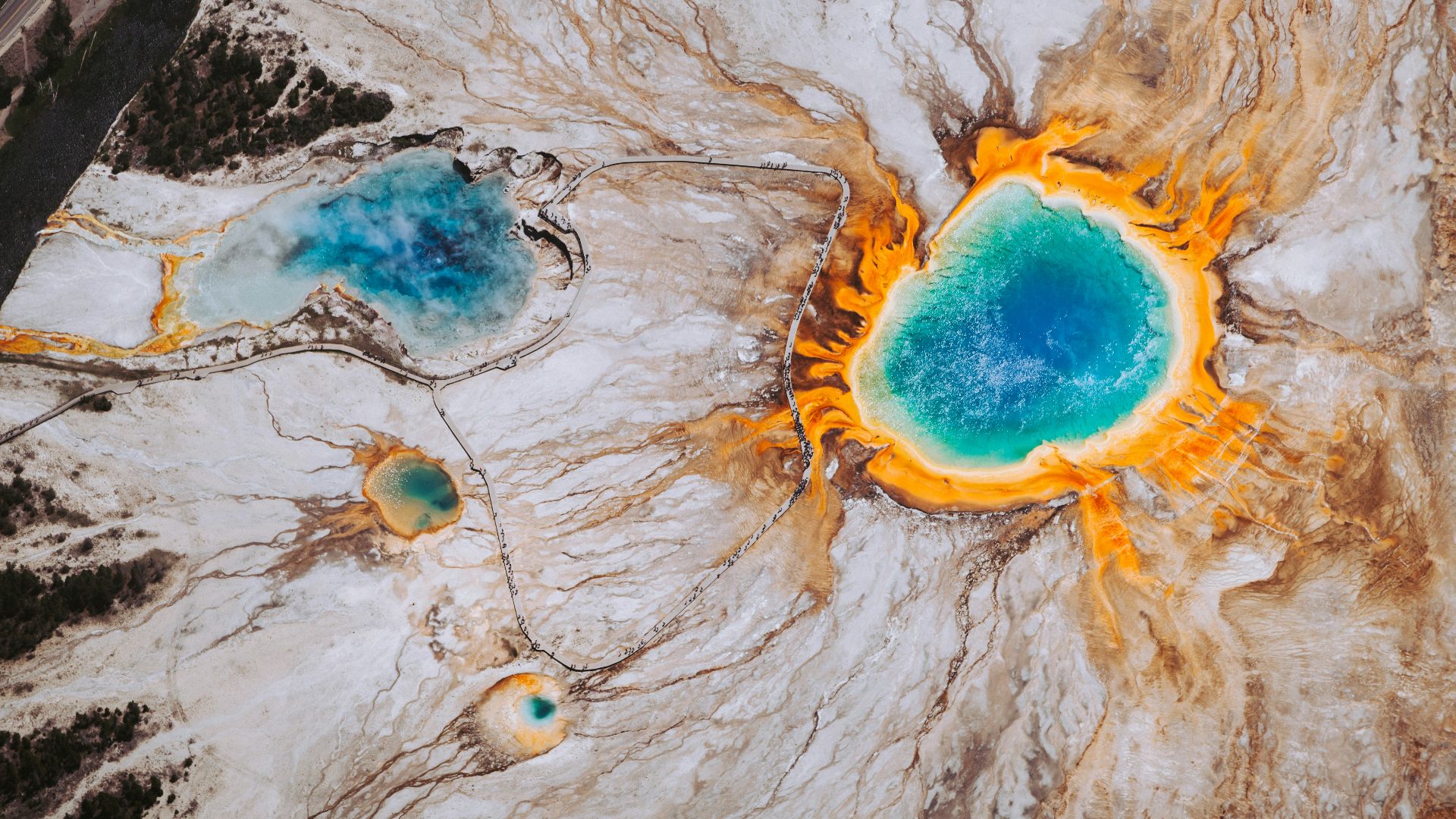
Geothermal vents around Rotorua can put a sulfur bite directly into the air, so the taste hits before the scenery does. On some streets it’s faint, then the wind shifts and it’s suddenly sharp and unmistakable.
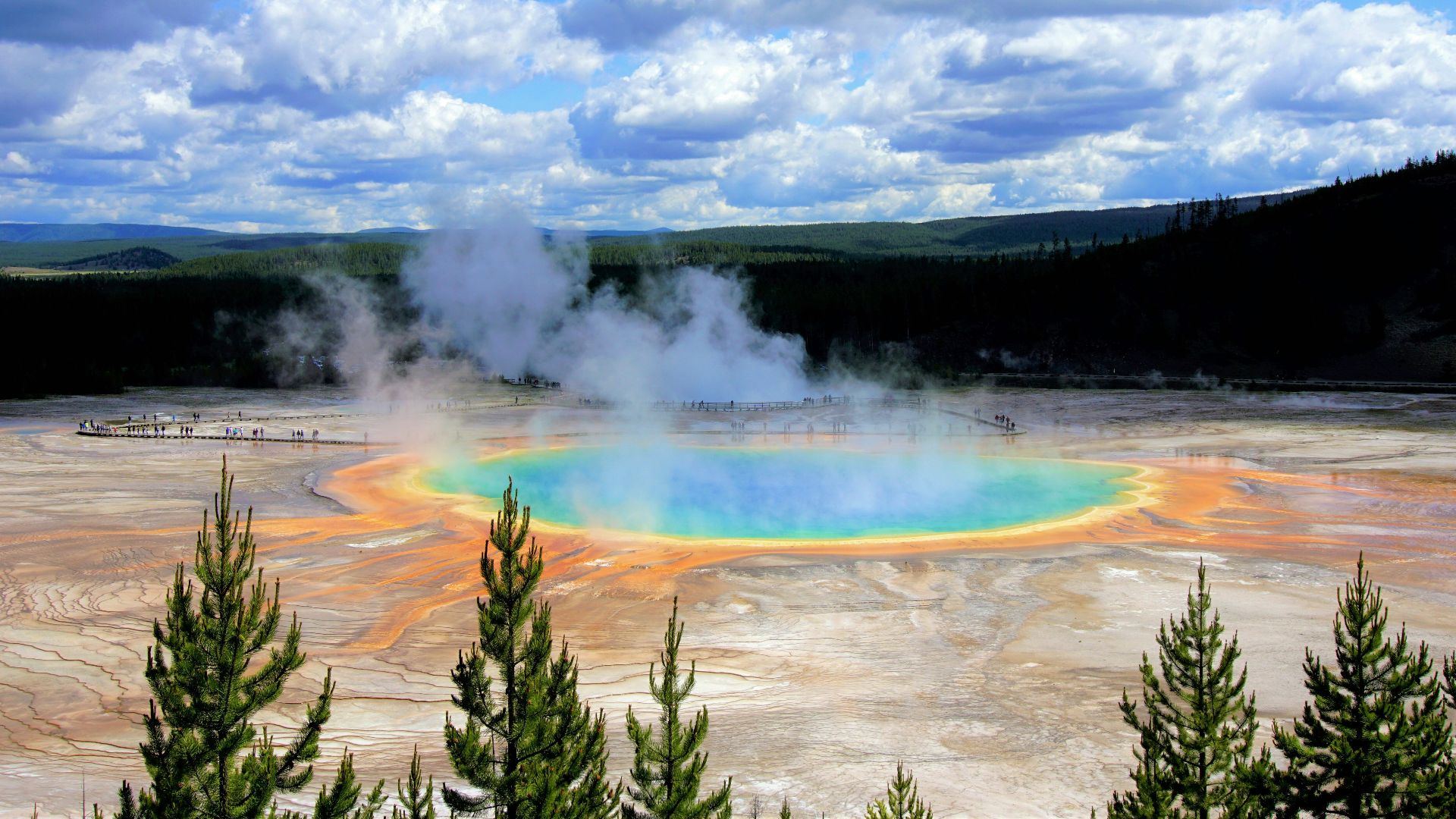
2. Yellowstone’s Geothermal Basins, Wyoming
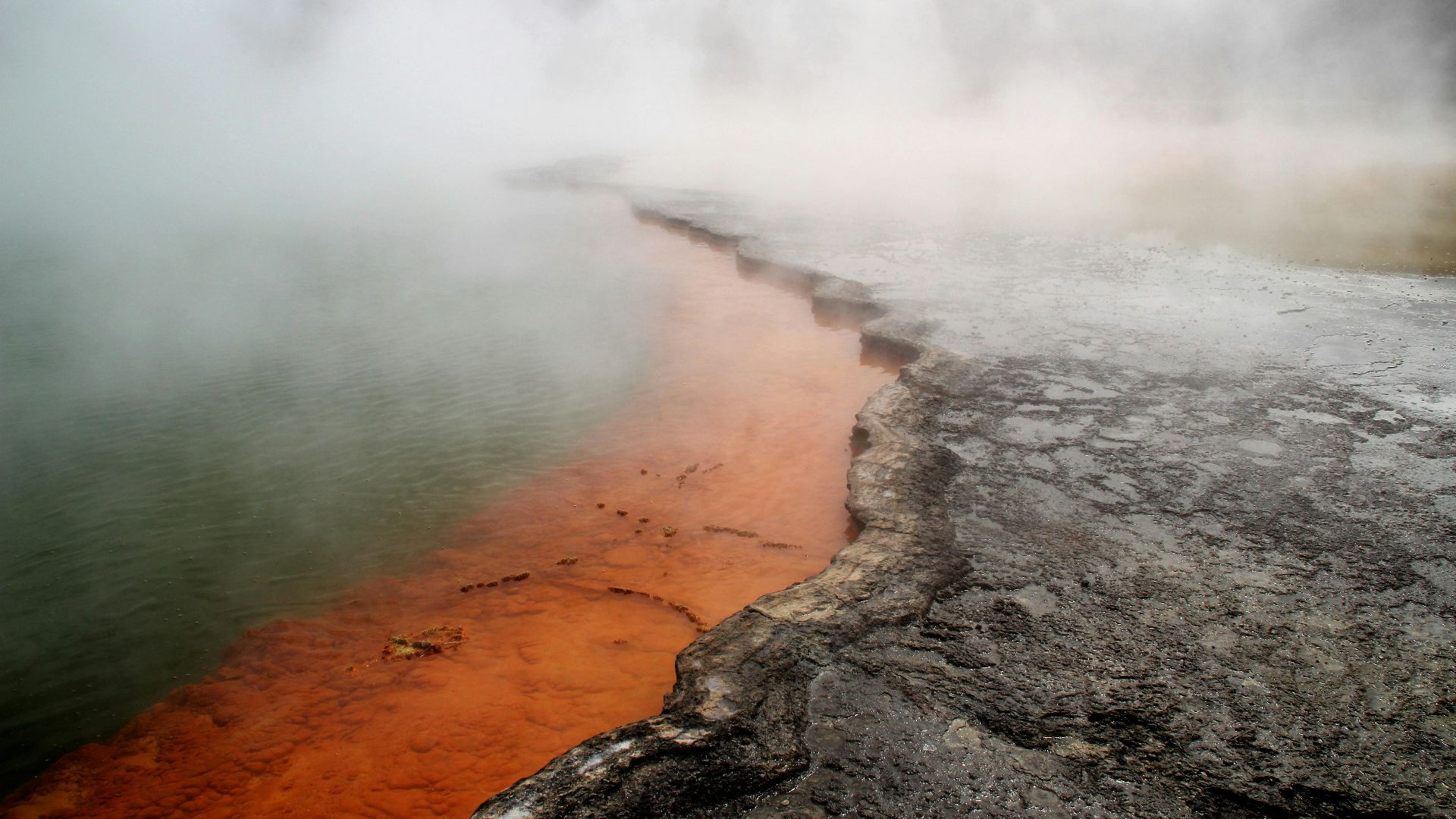
Near active geyser basins, mineral steam and sulfur gases can leave a clean-sharp taste that feels oddly medicinal. The flavor changes quickly as you move because one breeze can swap one vent’s plume for another.
3. Hverir, Iceland
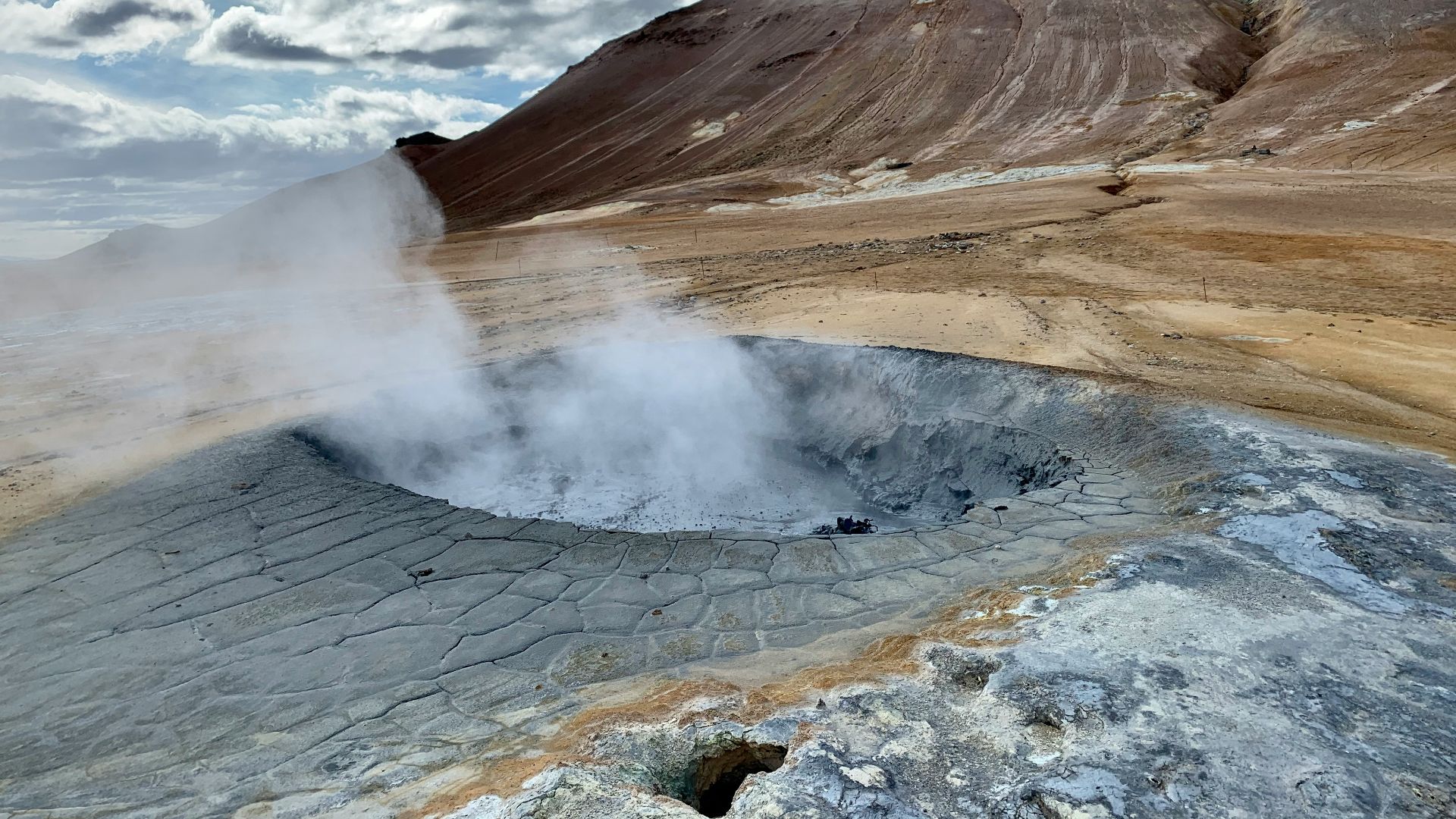
At the mudpots near Lake Mývatn, the air can taste sour and mineral, like hot steam with a metallic edge. It’s one of those places where breathing through your mouth feels like a decision you immediately reconsider.
4. Dallol, Ethiopia
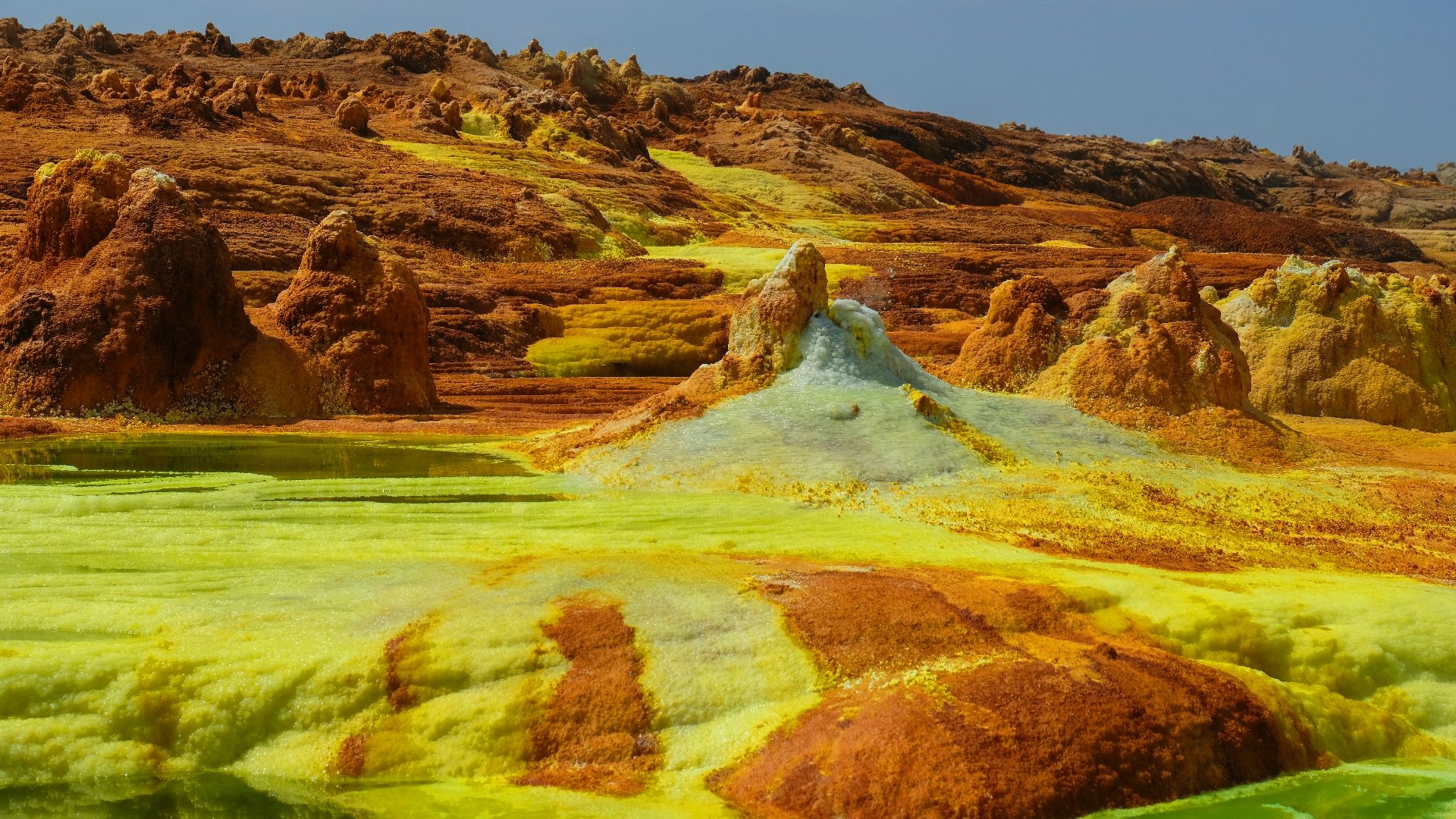
In the Danakil Depression, heat and mineral activity can make the air taste acidic and salty at the same time. The dryness concentrates everything, so the flavor feels direct and almost unreal.
 Daniele Levis Pelusi on Unsplash
5. Kawah Ijen, Indonesia
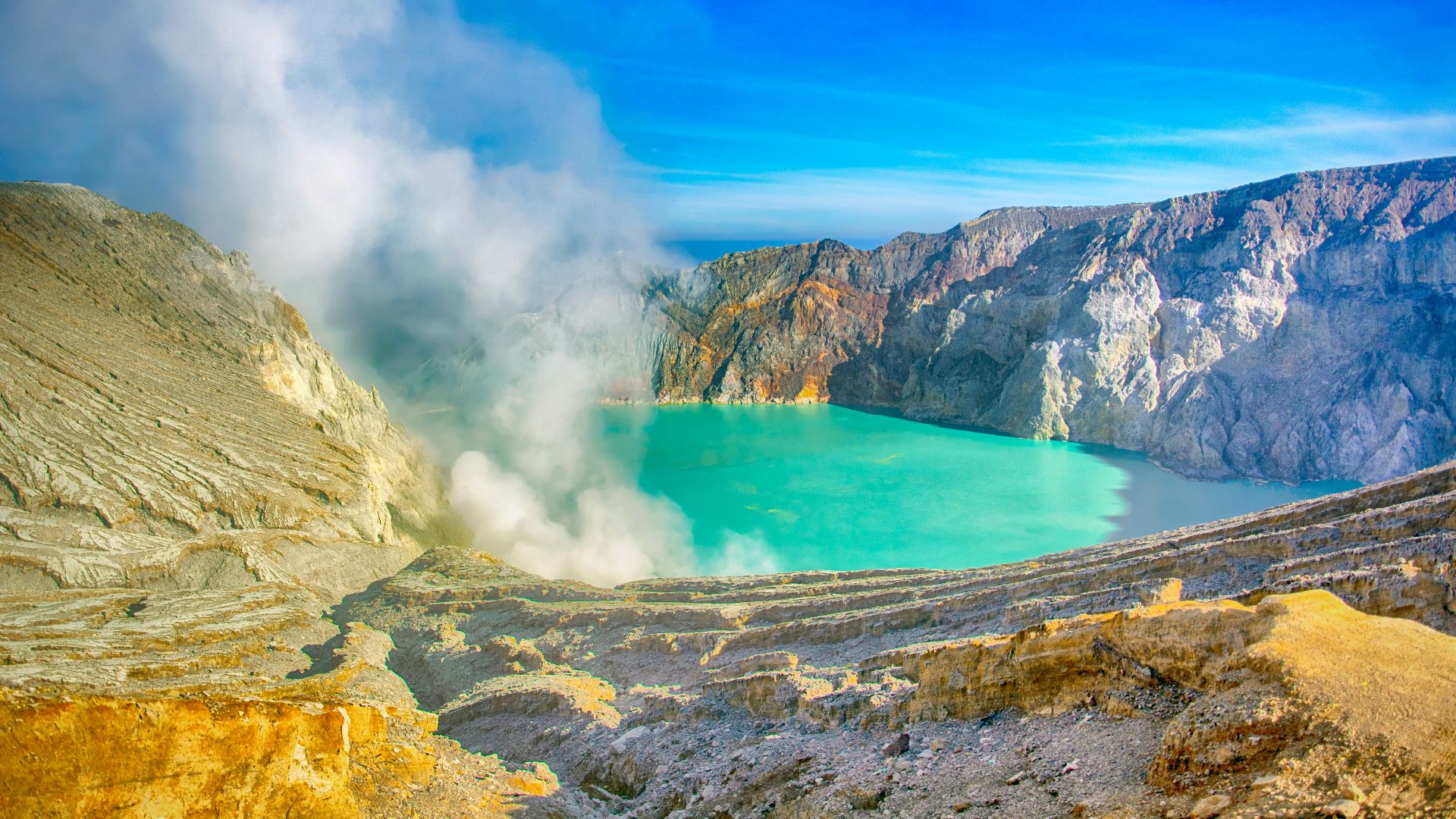
Around the crater and sulfur mining areas, sulfur dioxide can give the air a stinging, sharp taste that sits high in the throat. It’s less about smell and more about that instant reaction where your mouth wants to close and your eyes want to water.
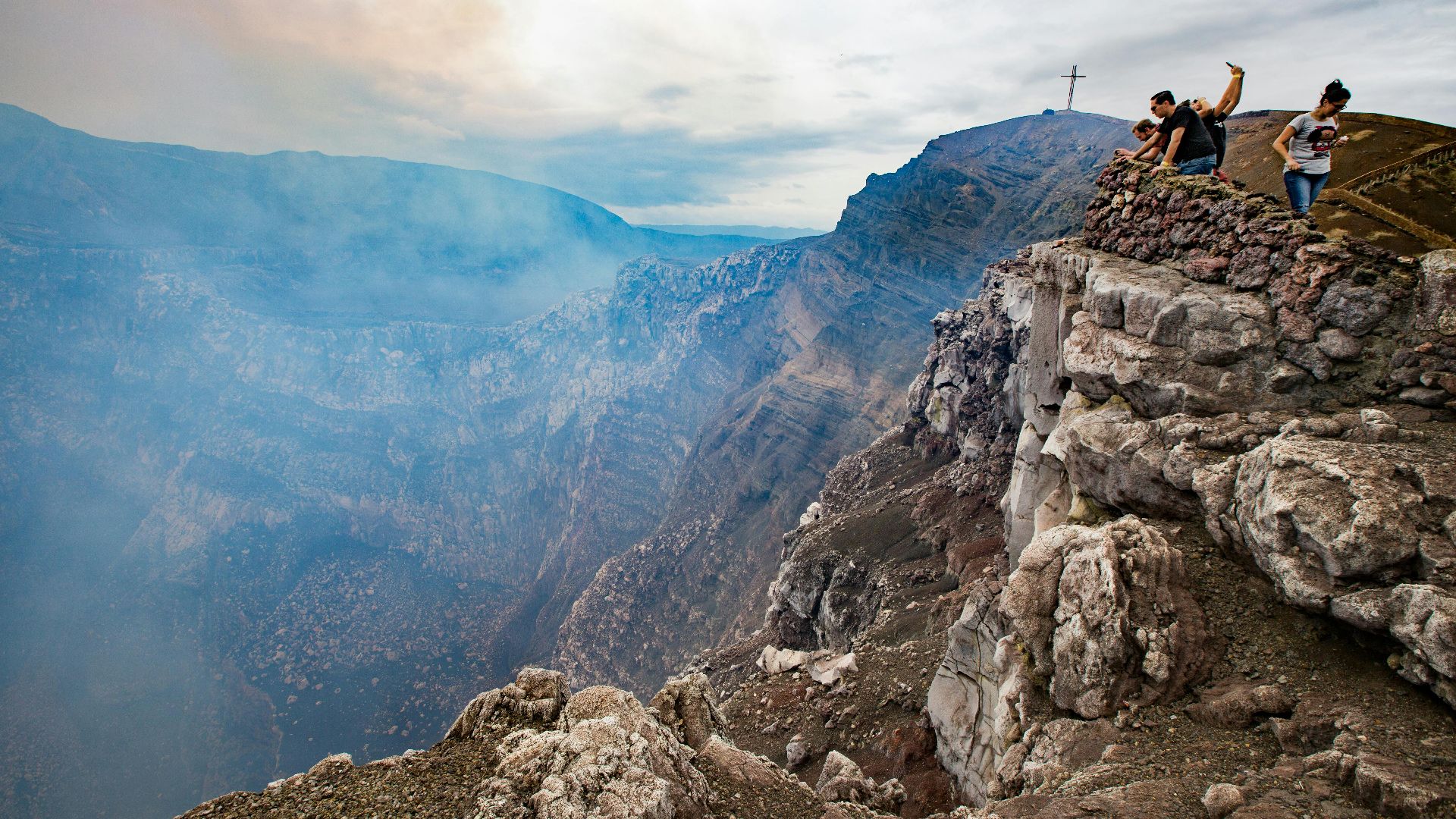
6. Masaya Volcano, Nicaragua
When the plume drifts your way, the air can taste acrid and sour, like a thin haze you can feel in the back of your mouth. Water starts sounding good fast, even if you weren’t thirsty five minutes ago.
7. Hawaiʻi Island During Vog
Volcanic haze can leave an acidic dryness on the tongue that feels like it’s pulling moisture out of your mouth. It’s not dramatic in one breath, then you realize you’ve been swallowing more than usual because your throat is irritated.

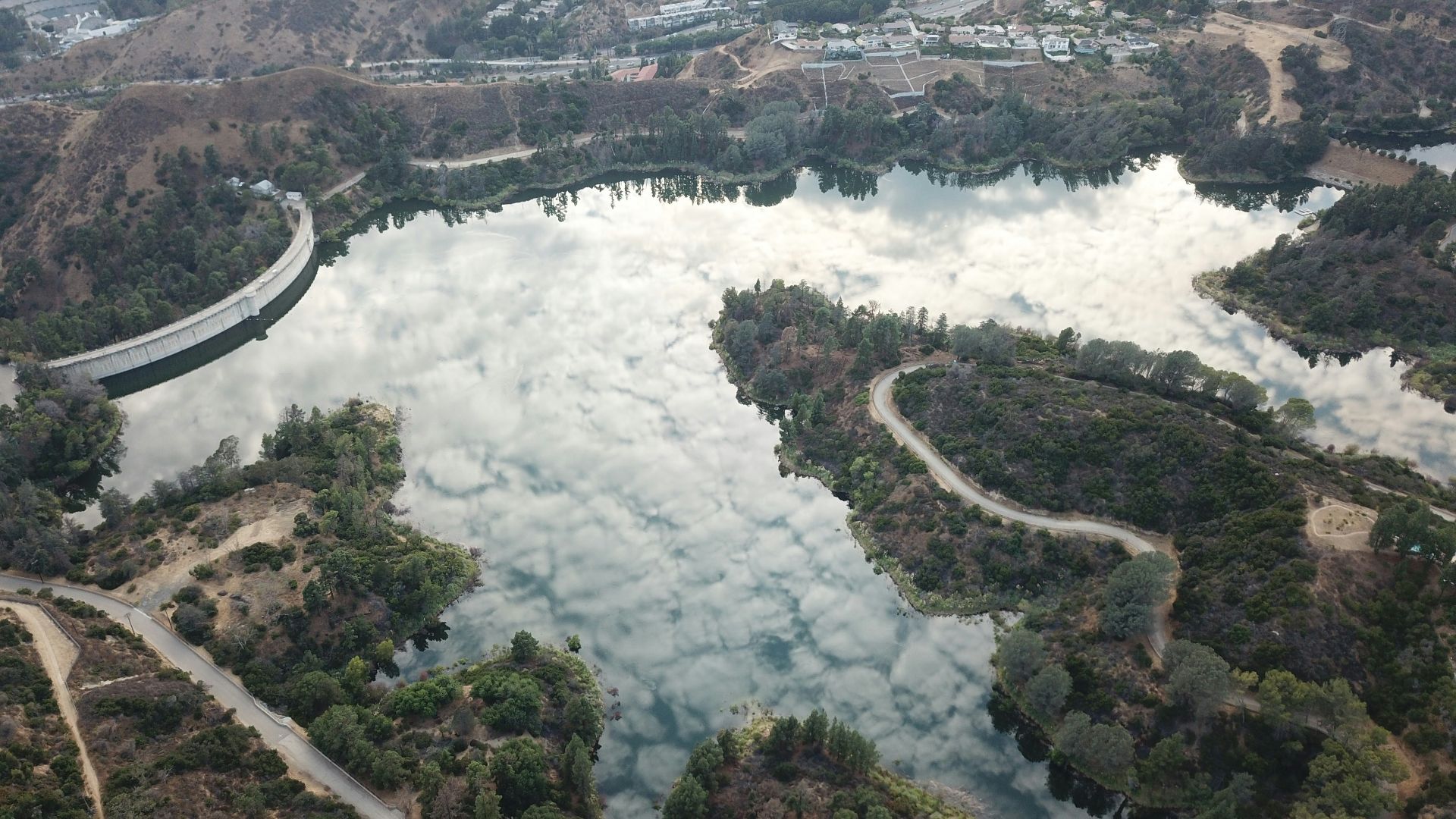
8. The Geysers, California
Near the geothermal steam fields, the air can carry a sulfur tang that feels more industrial-clean than hot-spring cozy. It’s the taste of the ground doing something active, not a scented memory.
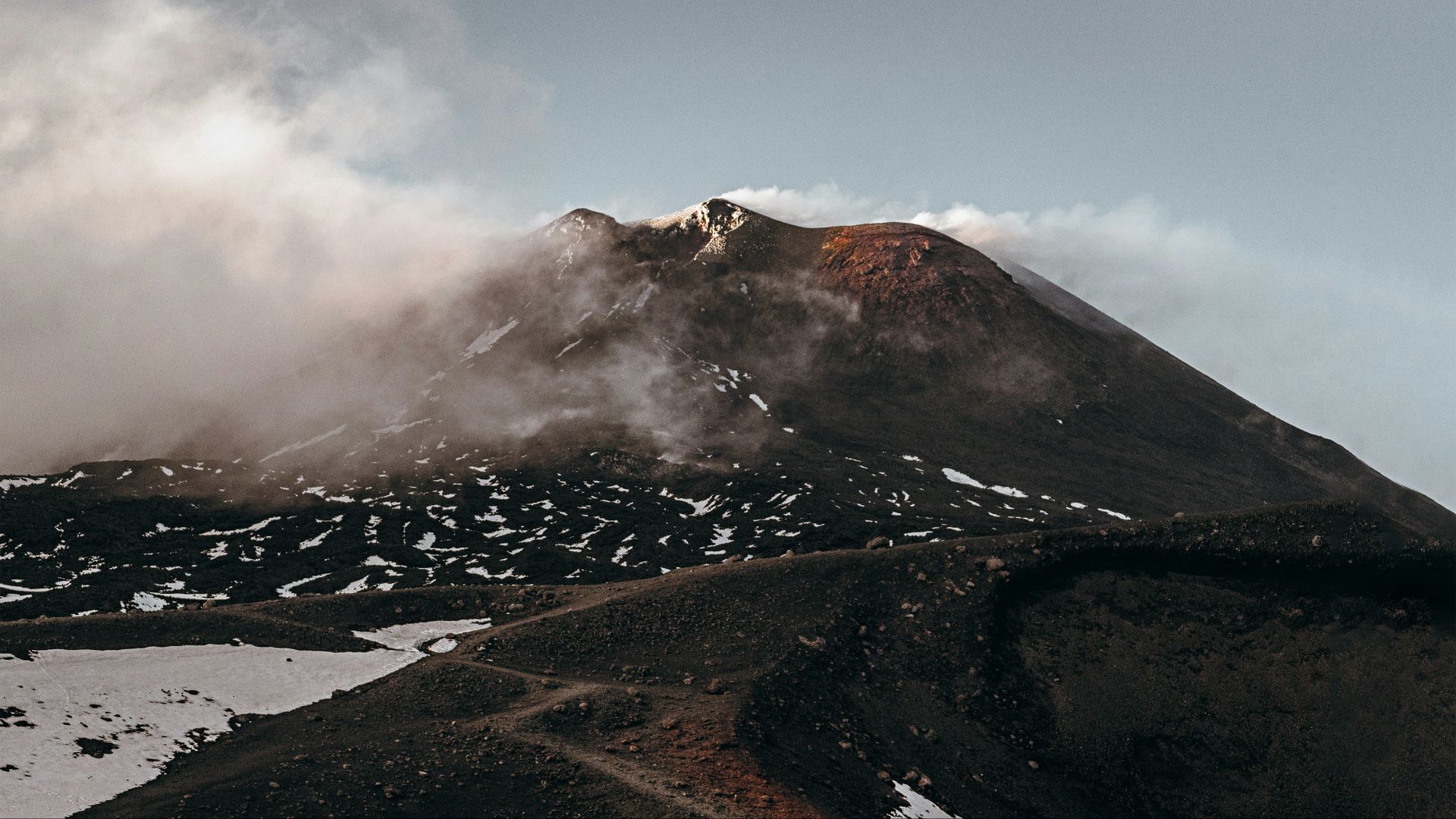
9. Mount Etna Area, Sicily
When fine ash gets carried downwind, the air can taste dusty and mineral, like faint grit collecting on your lips. It’s not smoke, it’s stone in the air, and your mouth notices it before your eyes do.
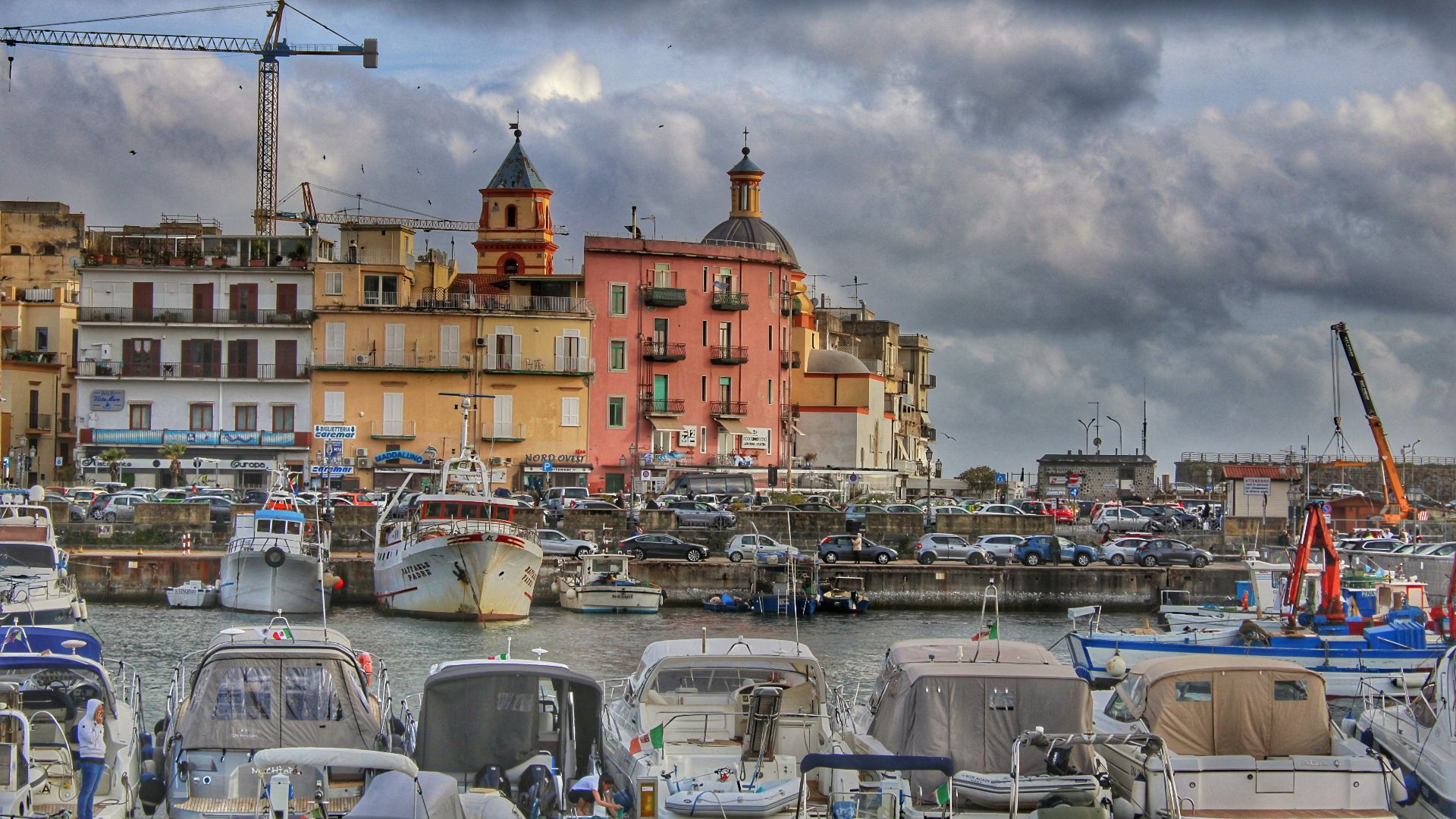
10. Pozzuoli And The Phlegraean Fields, Italy
In areas with fumaroles and vents, the air can take on a bitter mineral taste that feels like warm rock and gas. It’s subtle until you’re close to an active spot, then the flavor lands and stays.
 Valerio Giannattasio on Unsplash
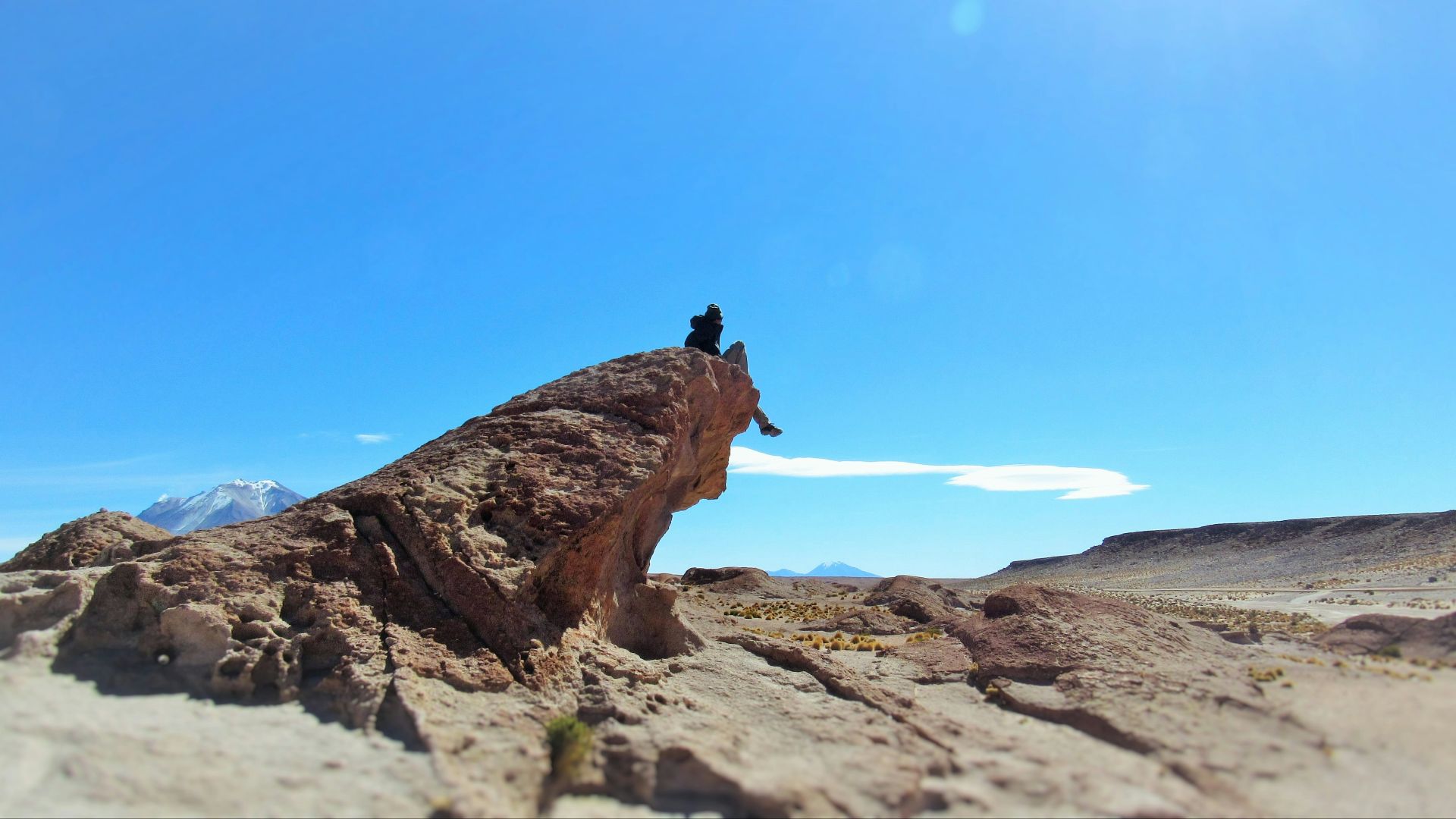
11. The Atacama Desert Near Salt Flats, Chile
In intense dryness, fine mineral dust can make the air taste chalky and sharp, like your lips are gathering powder. High altitude and low humidity amplify it because your mouth dries out faster than you expect.
 Leandro Cavalcante on Unsplash
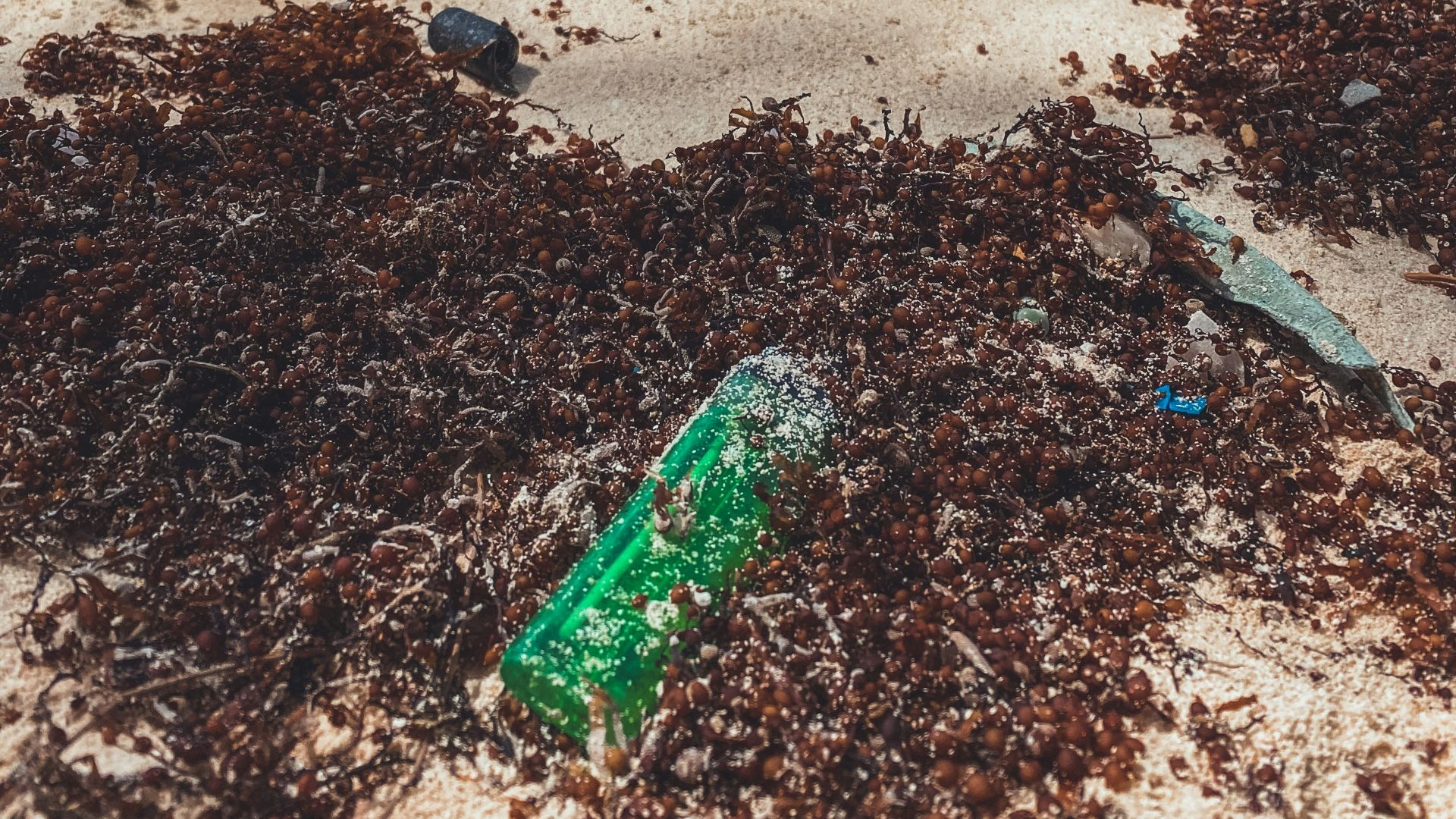
12. A Sargassum Event In The Caribbean
When sargassum piles up and rots on shore, the air can taste sulfurous and marine in a heavy, decaying way. It’s not beach air at all, it’s the flavor of decomposition riding warm wind.
 Naja Bertolt Jensen on Unsplash
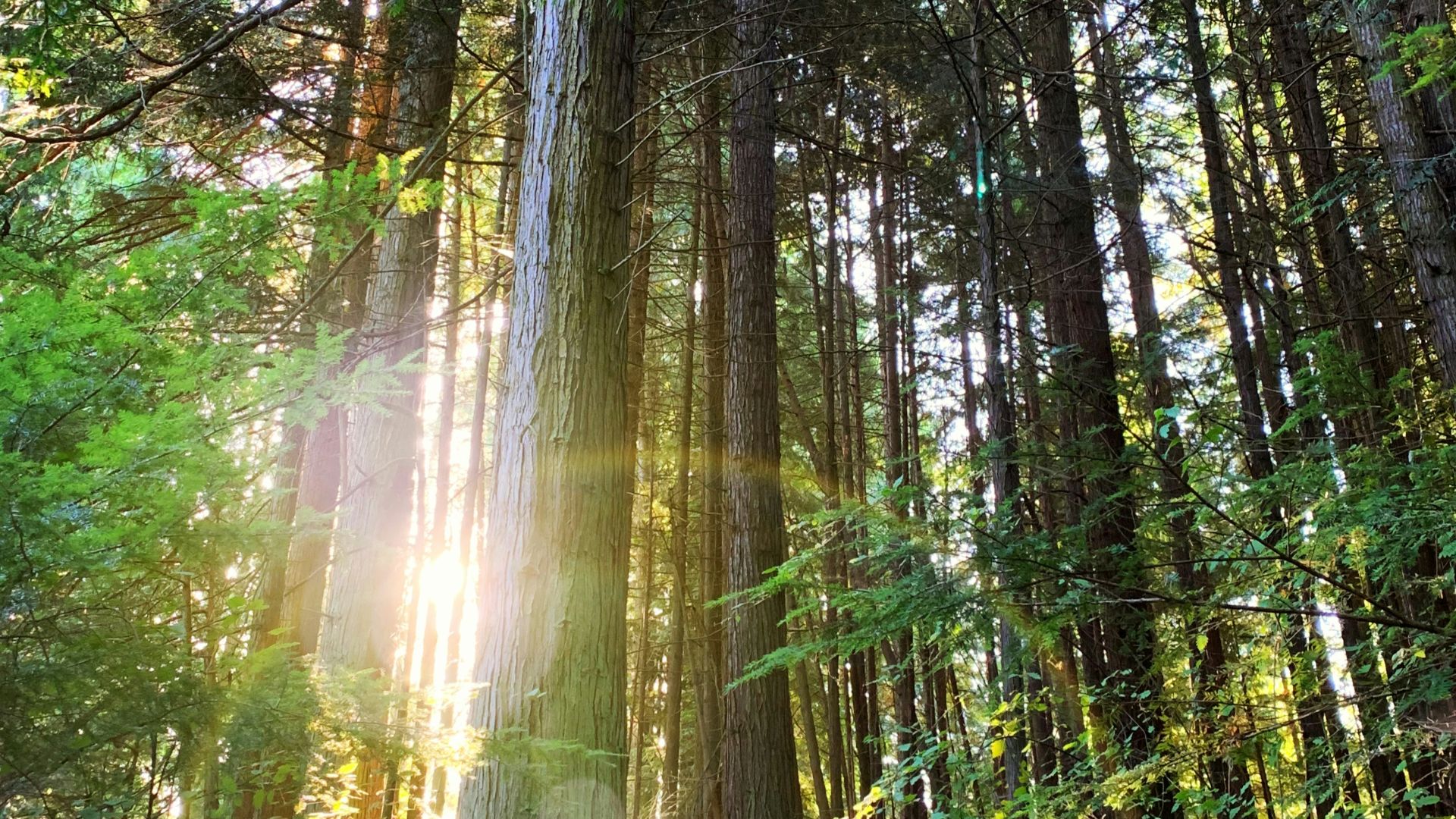
13. A Cedar-Rich Forest On A Hot Day, Pacific Northwest
In dense cedar and fir, warmed resin can give the air a faintly sweet, sap-like taste that feels clean but very specific. It’s the rare case where the air tastes like a plant rather than a process.
14. Varanasi, India Near The Ghats
Incense and wood smoke blend with river air into a taste that’s smoky and resinous, with a sweet edge that clings. It sticks to your mouth the way campfire smoke does, except it’s woven into daily life.

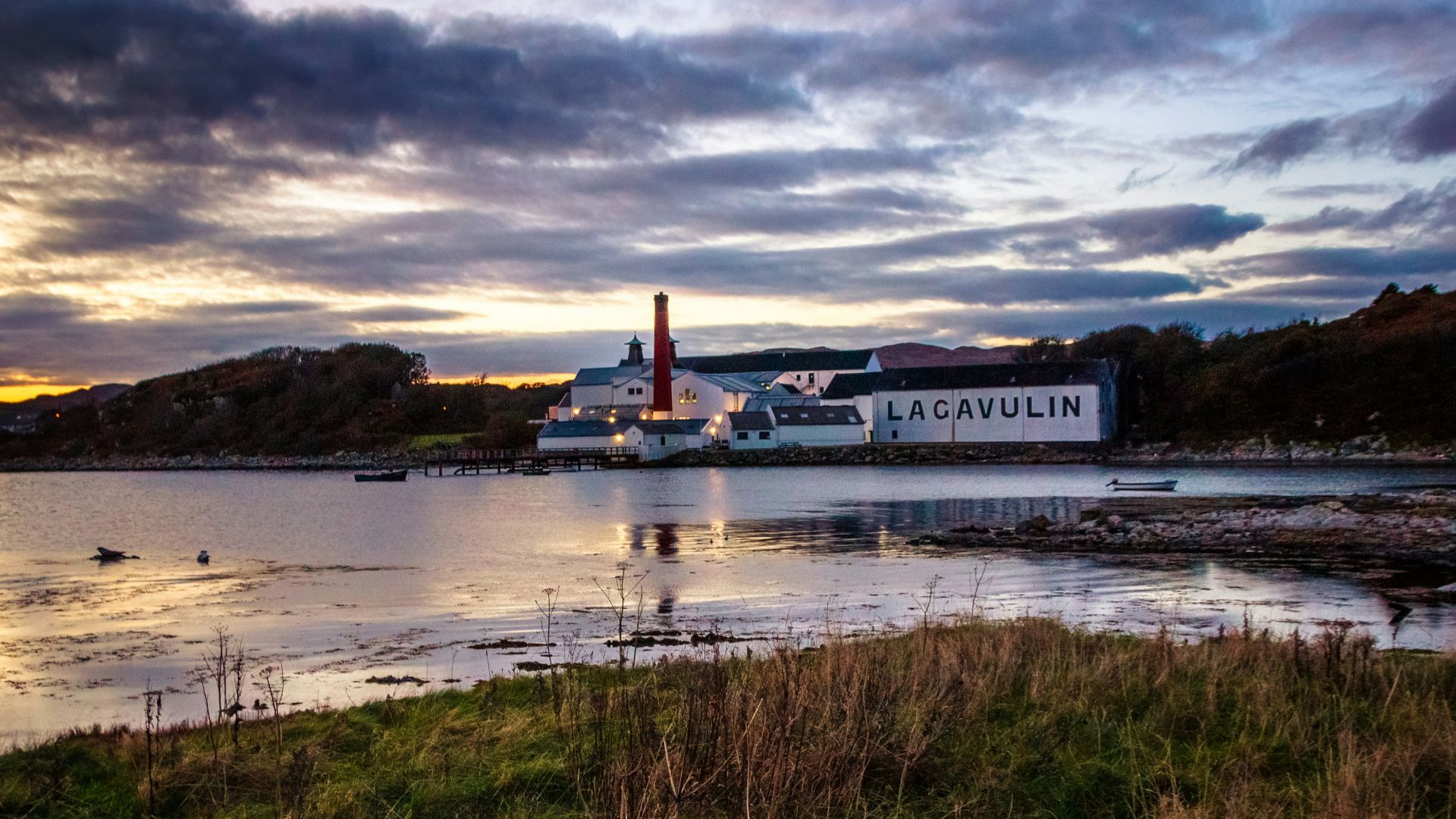
15. Islay, Scotland Near Peat Smoke
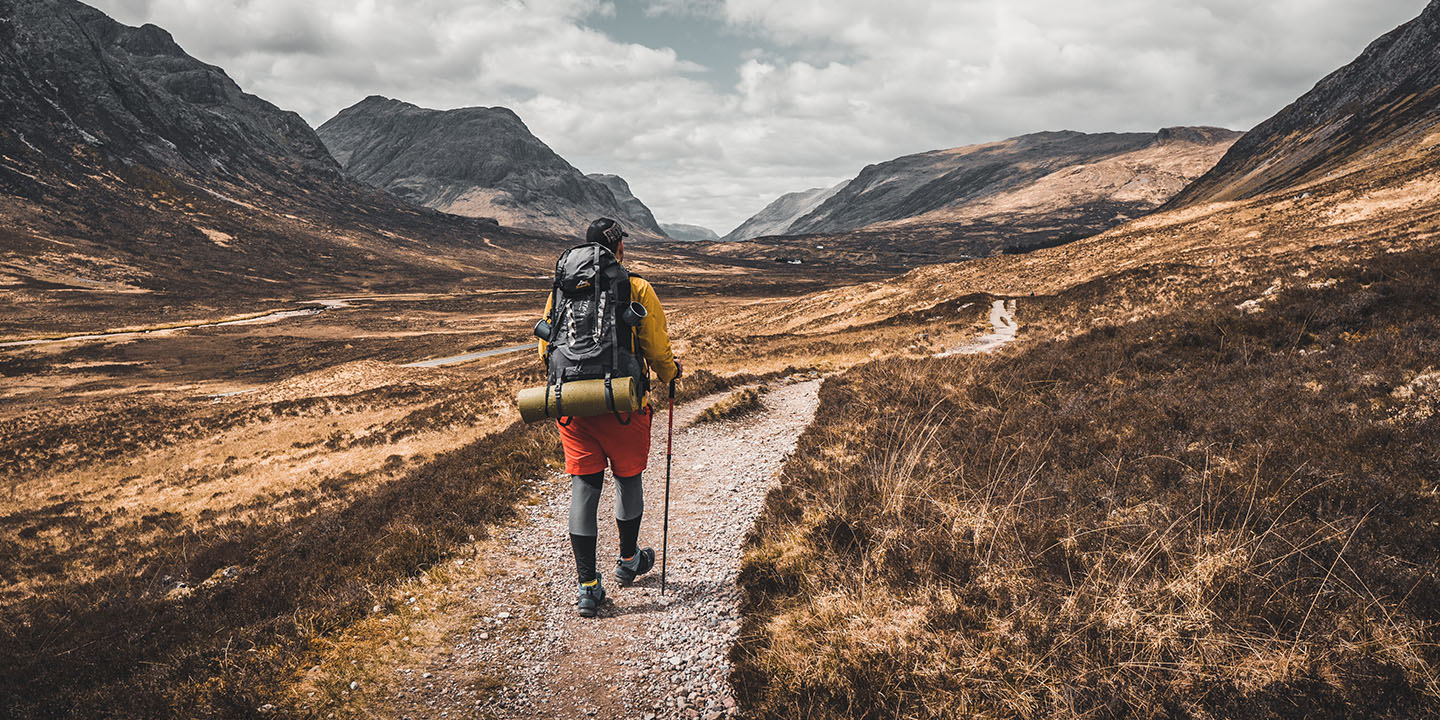
When peat smoke is active, the air can taste earthy and damp, like smoke filtered through wet ground. It’s a flavor that makes sense the second you realize how much local life is tied to peat and fire.
16. A Deep Subway Platform In Summer, New York City
On a hot platform, the air can taste like iron dust and warm brake residue, with a faint oily edge. It’s not the city in general, it’s the enclosed system itself, and it has a signature you recognize instantly.

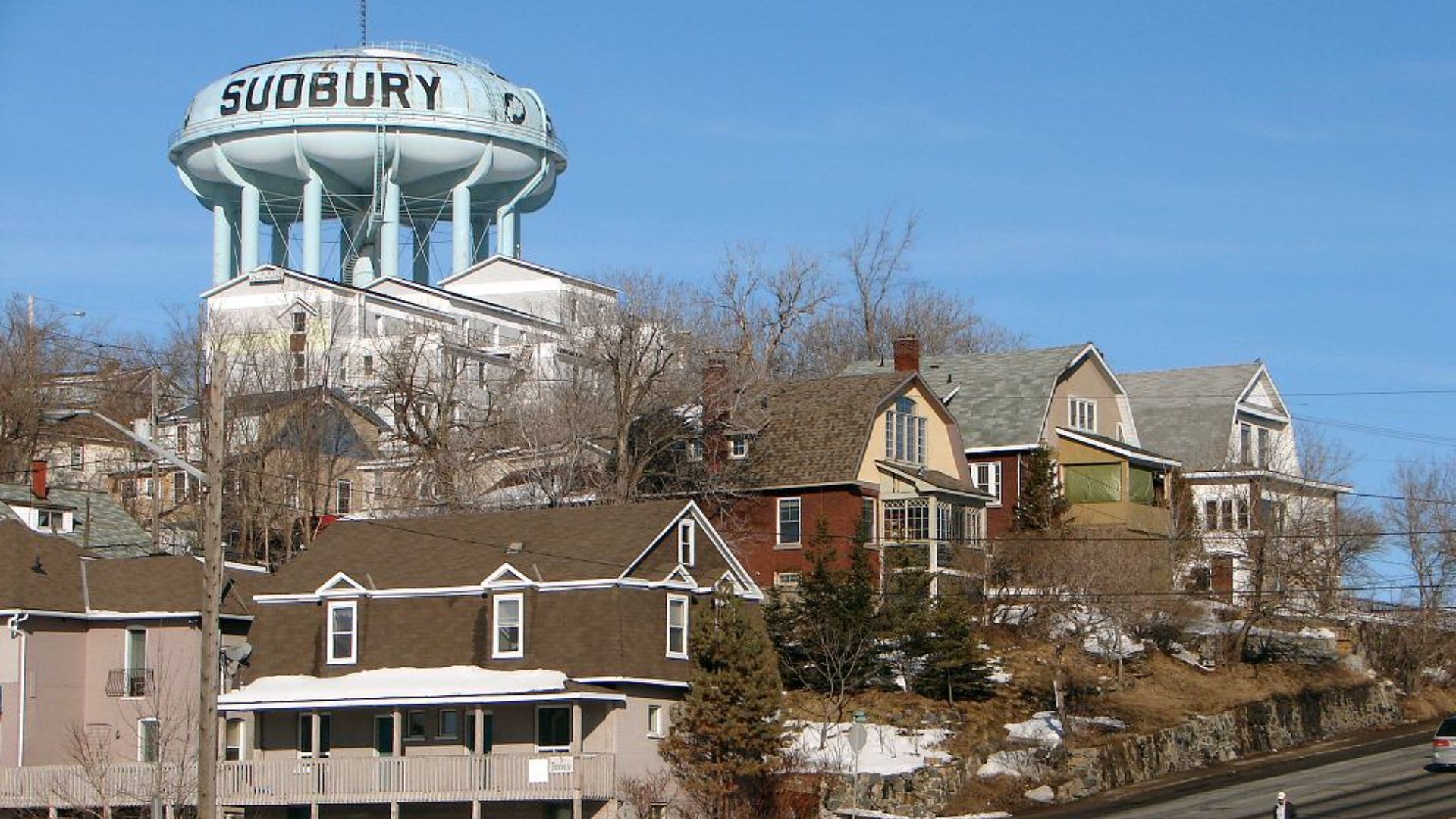
17. Sudbury, Ontario
Near nickel smelting and related industrial activity, the air can take on a metallic taste that feels like coins and dry dust. Even when the smell isn’t strong, the mouthfeel can be sharp enough to notice.
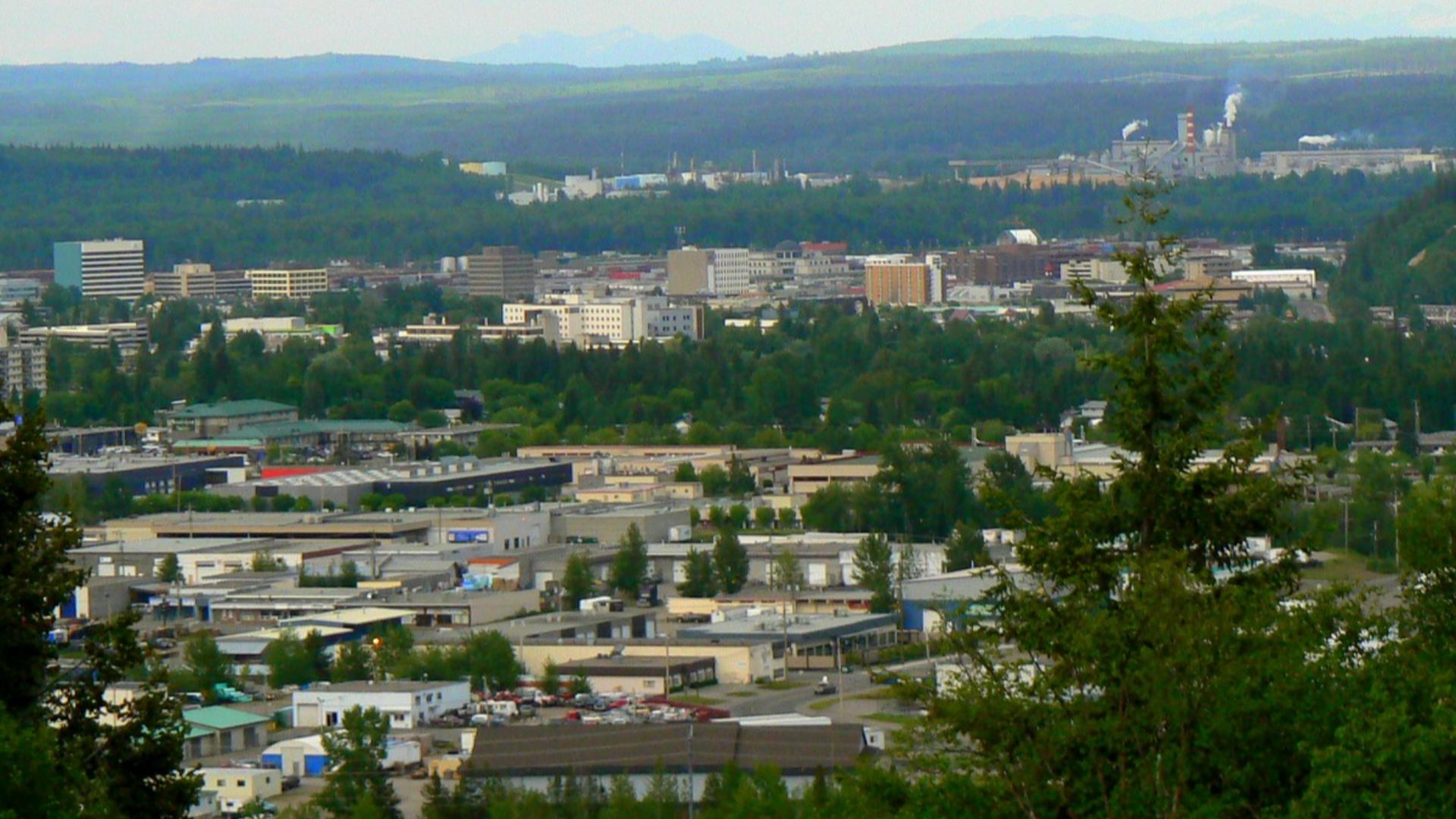
18. Prince George, British Columbia
When the wind lines up with the pulp mills, the air can take on a cooked-sulfur, wet-wood chemical taste that sits at the back of your throat. It’s not a general smoky smell, it’s a specific industrial tang that can make a normal deep breath feel like you just swallowed air from a processing room. On bad days, you notice it even after you get back in the car because it clings.
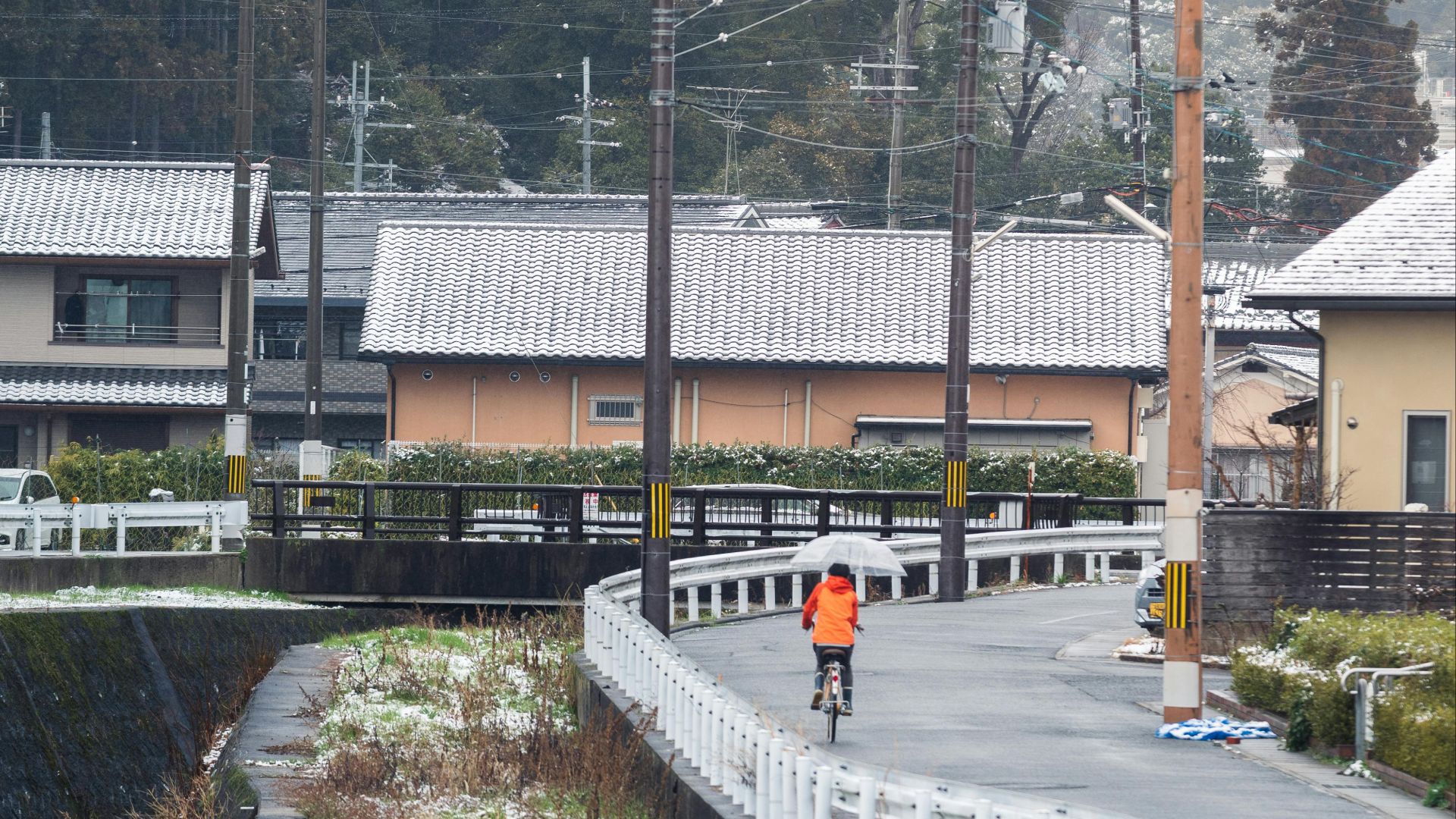
19. Mitsuishi, Japan
Near the limestone quarries and cement operations, the air can taste chalky and dry, like powdered stone settling on your lips. It’s a mouthfeel more than a smell, the kind that makes you lick your teeth and realize there’s fine grit there. If the wind is up, the taste can follow you even when the site isn’t in view.
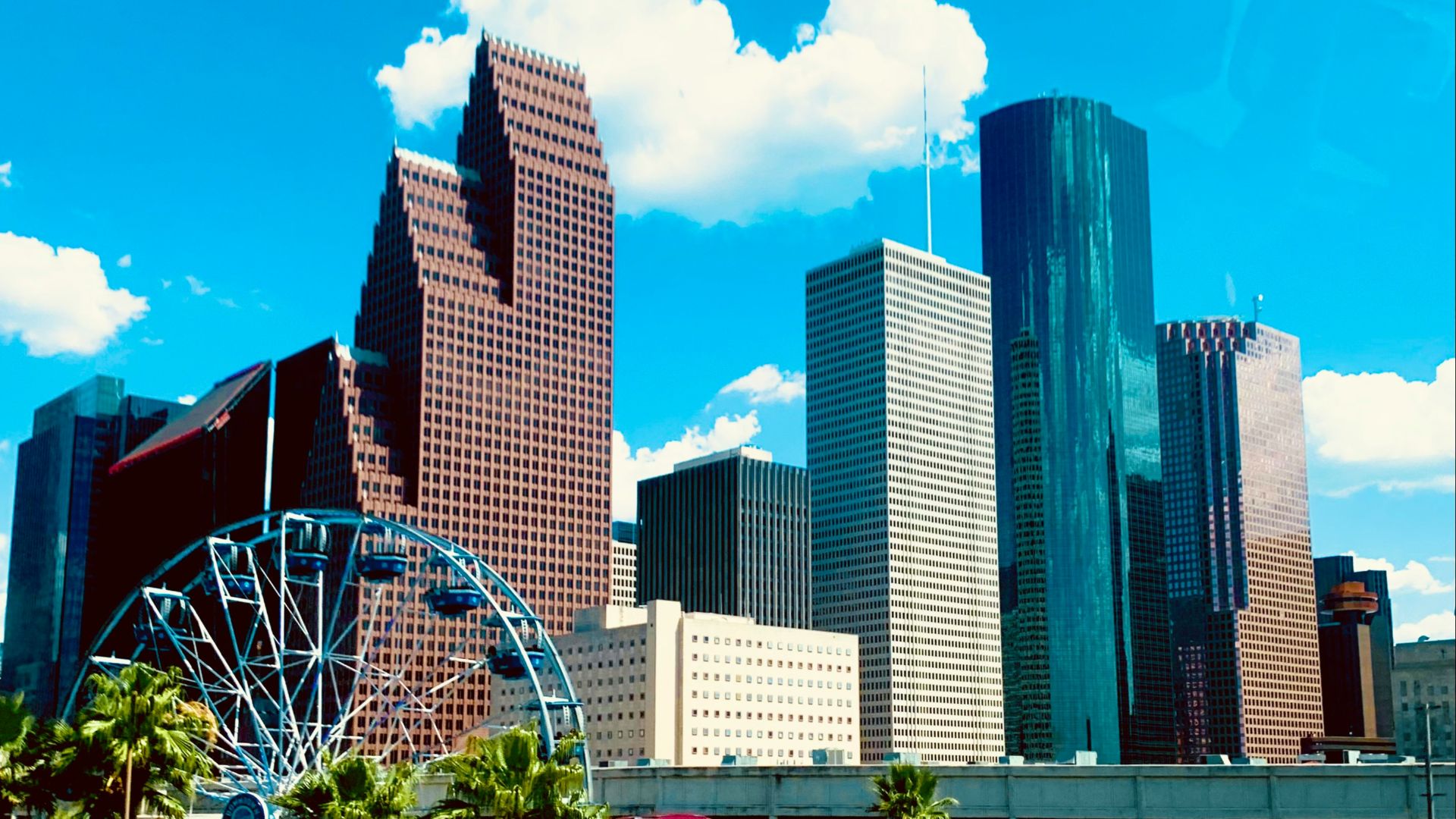
20. The Houston Ship Channel, Texas
In dense refinery and chemical-plant zones, the air can carry a sweet-sharp chemical taste that feels solvent-like and wrong outdoors. The novelty is how specific it is, like a flavor note that clearly belongs to machinery, not weather.