
Time Is Social In Some Places, Moral In Others
Everyone learns how to read a clock, but not everyone learns the same meaning of time. In some places, arriving “late” is barely a category unless you’re missing a flight, because people are tracking relationships, not minutes. In other places, being five minutes late reads like a small character flaw, the kind that makes people quietly reorganize their trust in you. It’s also never universal inside one country or one city, so think of these as strong tendencies you’ll run into, especially in everyday social life and in certain work environments. Here are ten cultures where time runs looser, and ten where it tends to run tight.

1. Mexico
In a lot of Mexican social settings, the start time is more like a suggestion than a gun going off. People often prioritize showing up warmly over showing up sharply, especially for gatherings where the point is being together. Business can be stricter, but even then, relationships often carry more weight than exact minutes.

2. Brazil
Brazil can feel wonderfully elastic about time, particularly around social plans where the mood matters more than the schedule. A late arrival isn’t automatically disrespect; it can simply be how the day unfolds. Once you’re in more formal corporate contexts, the expectations can tighten, but the social default still leans relaxed.
 Agustin Diaz Gargiulo on Unsplash
3. India
India often runs on layered time: traffic, family obligations, and real-life unpredictability can make a hard start time feel unrealistic. People may treat timing as adaptable, especially outside highly structured workplaces. It’s common to see flexibility framed as practical rather than rude.

4. Nigeria
In many Nigerian settings, time can be fluid, especially for events where the crowd is part of the start, not an audience waiting for it. Social status, logistics, and community rhythms can all affect when things truly begin. That looseness doesn’t mean people don’t care; it often means the clock isn’t the main authority in the room.

5. Egypt
Egyptian social life can be more time-flexible, with plans shifting based on family, errands, and what the day throws at you. Being present and engaged can matter more than being precisely punctual. Formal appointments can still run on stricter expectations, but everyday timing often breathes.

6. Philippines
In the Philippines, you’ll often hear about a more relaxed relationship to punctuality, especially in social gatherings. People may arrive when it’s convenient, and the event ramps up as everyone filters in. Professional environments can be more punctual, but the social rhythm tends to be forgiving.

7. Indonesia
Indonesia can lean toward a softer, more adaptable approach to time in many day-to-day situations. Plans may shift without much drama, and the emphasis can be on harmony rather than rigid scheduling. In more international or high-pressure business settings, the pace can become more clock-driven.

8. Greece
In Greece, especially socially, timing can feel casual in a way that’s meant to keep life human. If dinner is at nine, it might really mean people start drifting in after nine, and nobody panics about it. Work meetings may be more structured, but the social expectation often stays flexible.

9. Spain
In Spain, social timing can run later and looser, partly because daily schedules themselves are shifted compared to many places. A dinner plan might have a stated time, but the real start is shaped by how the evening is unfolding. In business, punctuality can matter, though relationship-building still plays a big role.
 Jorge Fernández Salas on Unsplash
10. Kenya
Kenya can show a more relaxed approach to timing in everyday life, especially when travel and logistics are unpredictable. People often adapt rather than fight the day, and plans can move as needed. In professional and international contexts, expectations can tighten quickly, so the setting matters a lot.
Now for ten places where the clock is treated less like a tool and more like a promise.

1. Japan
In Japan, punctuality is often treated as basic respect, especially in professional life and public services. Arriving late can feel like you’re taking time from everyone else, not just shifting your own schedule. That shared-responsibility mindset is why timing can feel almost sacred.

2. Germany
Germany tends to value reliability, and punctuality is one of the clearest ways to signal it. Being late can be interpreted as disorganized or inconsiderate, even when you have a reasonable excuse. Meetings often start when they start, not when the last person arrives.

3. Switzerland
Switzerland has a global reputation for precision, and a lot of social and professional settings reflect that. Punctuality reads as competence, and lateness reads as unnecessary chaos. The whole culture of planning and timetables reinforces the idea that minutes matter.
 Patrick Robert Doyle on Unsplash
4. South Korea
South Korea often treats punctuality as part of professionalism and courtesy, especially in work and school environments. People may build in buffers to avoid being late because lateness can feel like a visible failure. There’s also a strong awareness of hierarchy, where keeping time can signal respect.

5. Netherlands
The Netherlands tends to prefer clear plans and clear timing, with schedules that are meant to be followed. Showing up when you said you would is a quiet sign of trustworthiness. It’s not usually about being rigid for fun; it’s about being fair with other people’s time.

6. Sweden
In Sweden, punctuality often sits inside a broader culture of consideration and order. If a meeting is at ten, people generally treat ten as the real start, not the idea of a start. Being late can feel like you’re disrupting a system everyone agreed to maintain.

7. Finland
Finland often values straightforwardness, and punctuality fits that style. If you say you’ll be there at a certain time, the expectation is that you mean it. That clarity can feel refreshing, but it can also make chronic lateness stand out fast.
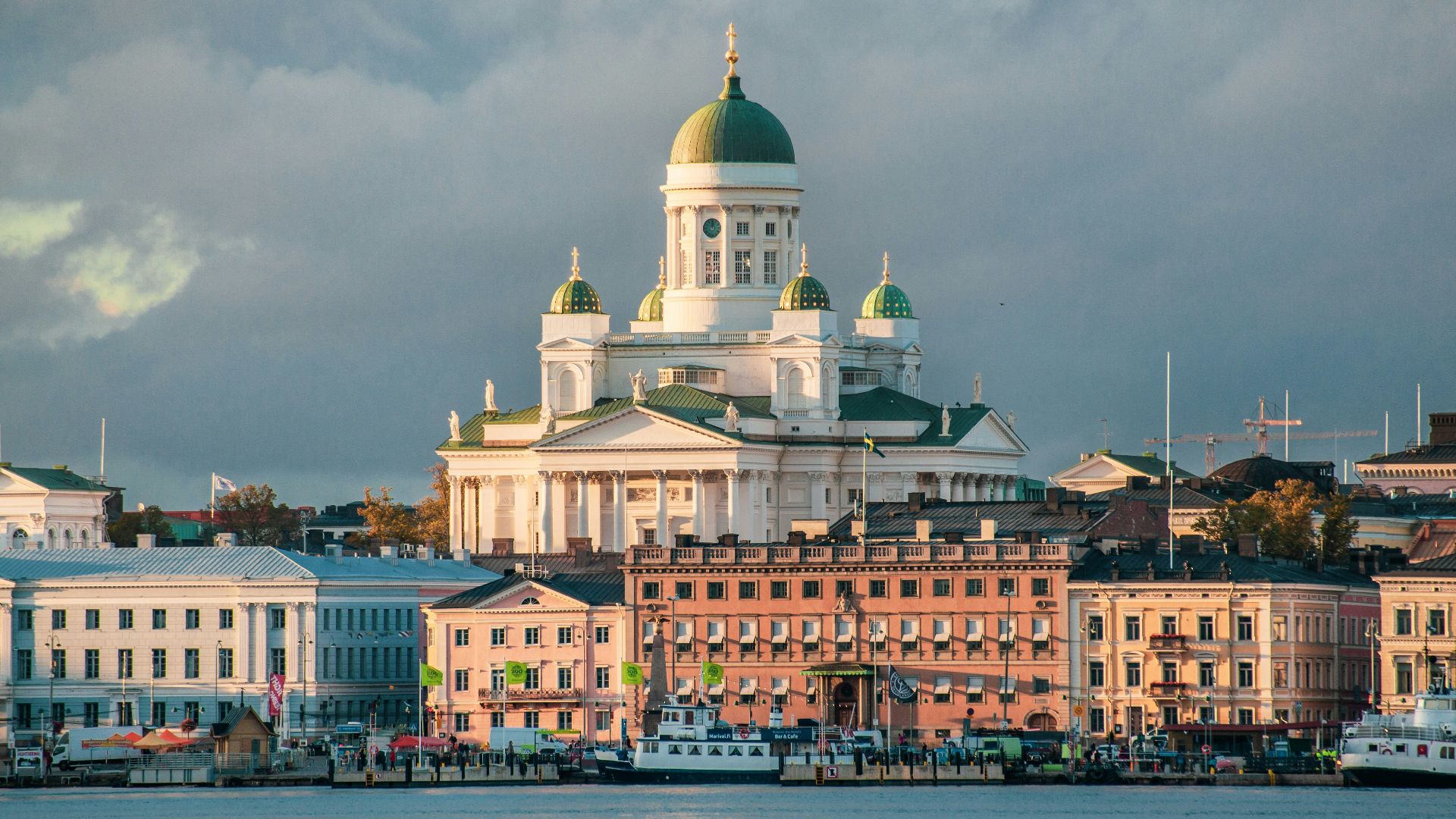
8. Singapore
Singapore’s pace is efficient, and timing tends to be taken seriously in work and daily logistics. People move through the day with systems that depend on schedules working as promised. In that environment, punctuality becomes a form of civic cooperation.

9. Austria
Austria often shares Central European norms around punctuality, especially in professional life and formal appointments. People may not fuss about it out loud, but they notice. Being on time reads as polished and respectful rather than overly eager.

10. Canada
Canada varies by region and context, but many professional environments lean strongly toward punctuality as a baseline courtesy. Showing up late can read as sloppy because it disrupts the group’s flow. Social gatherings can be more flexible, but the work default often stays clock-conscious.