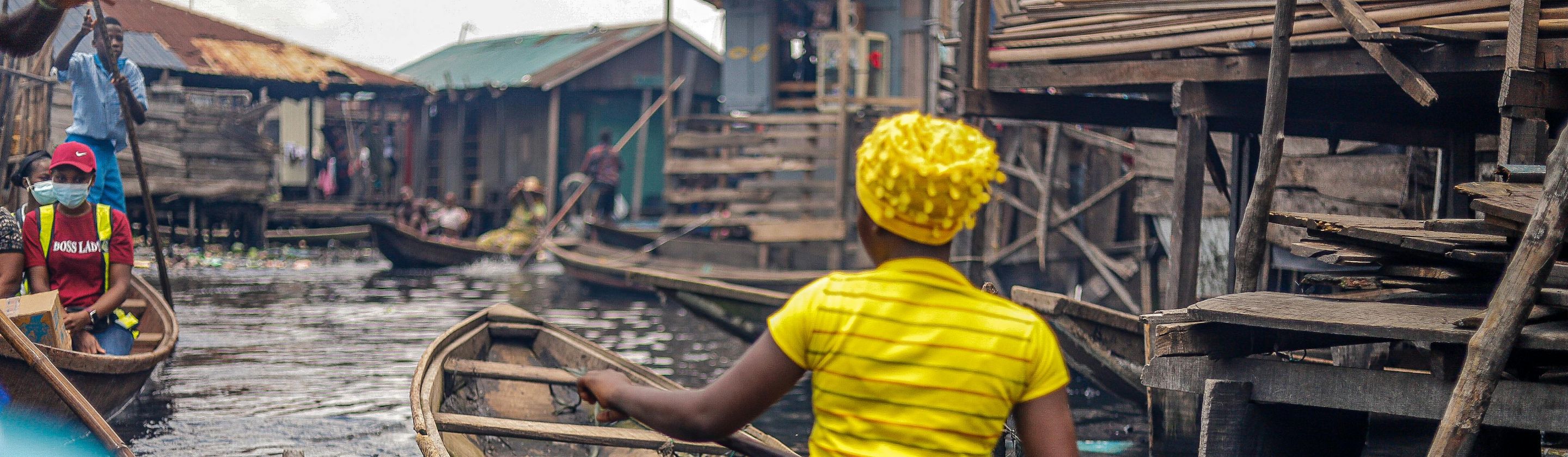
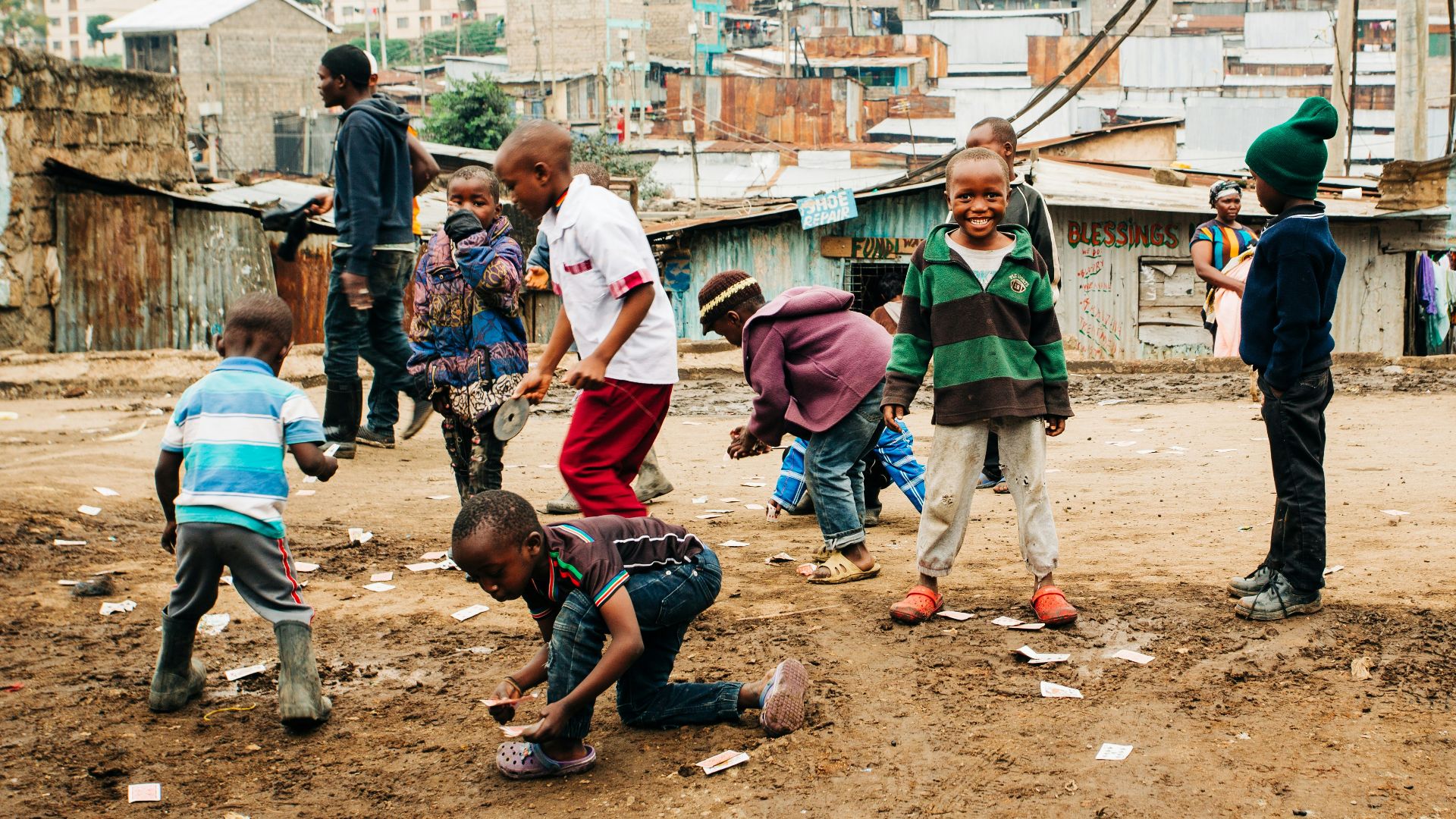
There's a particular kind of travel brochure that doesn't look like a travel brochure. It shows up as a voluntourism website, a heritage tourism pitch, or a "authentic cultural experience" package. The imagery is consistent: colorful clothing, photogenic markets, children smiling outside homes that would be condemned in the country the traveler is coming from. The destination is real. The poverty is real. What gets complicated is the transaction being built around both of those things.
This isn't a niche problem. The global voluntourism market was valued at approximately USD 849.1 million in 2023, according to Grand View Research. Slum tourism, sometimes rebranded as "community tourism" or "township tours," draws hundreds of thousands of visitors annually to neighborhoods in Mumbai, Nairobi, Rio de Janeiro, and Cape Town. The people who live in those neighborhoods rarely set the terms of the visit, and they rarely capture most of the money.
How Poverty Gets Packaged and Sold
The mechanics are worth understanding. A tour operator, often foreign-owned or at minimum headquartered outside the community being visited, creates an itinerary built around visible deprivation. Dharavi in Mumbai is perhaps the most documented example. Once described dismissively as Asia's largest slum, it's now a fixture on Mumbai tourism itineraries, with dozens of operators offering walking tours at prices ranging from 600 to 2,500 rupees.
The framing matters as much as the economics. Words like "raw," "unfiltered," and "real" appear constantly in marketing copy for poverty tourism. The implicit promise is that the traveler will see something the polished surfaces of conventional tourism hide. What that framing actually does is position deprivation as a spectacle and position the traveler as someone courageous or enlightened enough to witness it. The community being visited is backdrop, not subject.
Voluntourism adds another layer to the problem. When travel is bundled with a service component, the ethical discomfort gets partially neutralized. You aren't just watching poverty; you're helping. Except that a substantial body of research suggests that short-term volunteer placements, particularly in orphanages and schools, can cause measurable harm. A 2017 report by Save the Children found evidence that the demand for orphanage tourism in Southeast Asia and sub-Saharan Africa was incentivizing family separation, with children being deliberately placed in institutions to create a supply of photogenic beneficiaries for visiting volunteers.
The Communities on the Other Side of the Camera
Reactions from residents of frequently visited communities are more divided than the critique literature sometimes acknowledges. In Dharavi, some longtime residents and business owners have argued that tourism brings visibility and economic activity that wouldn't otherwise exist. Organized tours have, in some cases, created employment for local guides and supported small enterprises along the route. The problem isn't that outsiders are present; it's the power asymmetry that determines whose version of the neighborhood gets told and who profits from the telling.
Cape Town's township tours present a similar tension. Soweto and Khayelitsha have active local guide associations that have pushed, with some success, to redirect revenue and narrative control toward residents. Organizations like the South African Township Tourism Association have advocated for community-ownership models and for framing tours around history, resilience, and cultural production rather than around poverty as the primary draw. The distinction sounds subtle, but it shifts the story from what people lack to what they've built.
Residents of these communities didn't choose to become tourism destinations, and many have had no meaningful input into how that happened. A 2024 systematic review of 122 slum tourism studies found inconsistent community involvement in tour development, often driven by external policies rather than resident consultation. The consent question rarely comes up in the marketing materials.
What Ethical Engagement Could Look Like
The answer isn't to declare all tourism to lower-income communities off-limits. Community-controlled tourism, where residents set the itinerary, own or co-own the operation, and define how their neighborhood is represented, exists and can work. The Favela Santa Marta project in Rio de Janeiro, the Red Umbrella Fund's work with sex worker-led tourism initiatives, and various cooperative models across East Africa demonstrate that travel can be structured as genuine economic exchange rather than extractive spectacle.
The benchmark worth applying is straightforward. Who designed this experience? Who profits from it? Who decided how the community would be described and shown? If the answers point consistently outward, toward foreign operators, outside NGOs, or travel companies with no structural accountability to the people being visited, that's a useful signal about what the experience actually is.
Travelers who care about this have real leverage, mostly through where they book and what they ask before they pay. Tour operators that are community-owned, that publish clear revenue-sharing figures, and that let local guides control the narrative exist in most of the cities that have become poverty tourism destinations. Finding them takes more effort than booking the first result on a travel aggregator. That extra effort is, arguably, the most meaningful part of the trip.