I Was Turned Into A Viral Villain By My Neighbor's Teenage Daughter. Then I Exposed Her Entire Scheme.
I Was Turned Into A Viral Villain By My Neighbor's Teenage Daughter. Then I Exposed Her Entire Scheme.
The Girl With The Phone
I'm Janice, fifty-eight years old, and I've lived on Oakmont Drive for almost twenty years. Our street is the kind of place where people still wave from their porches and know each other's dogs by name. So when the Hendersons' granddaughter Tori moved in with them last spring, we all noticed. Not because she caused trouble—she didn't, not at first—but because she was always outside with that phone. Always filming something. She'd stand on the sidewalk pointing her phone at clouds, at the neighbor's cat, at her own feet. Sometimes she'd talk to the camera like it was her best friend, laughing at jokes only she understood. I'd see her setting up her phone on a little tripod in their front yard, adjusting angles, doing the same little dance three or four times in a row. It seemed harmless enough, even charming in a way. The kids these days all do that sort of thing, don't they? I'm not on social media myself—I barely know how to attach a photo to an email—so the whole concept felt foreign but innocent. Tori would smile and wave when I drove past, always friendly, always busy with whatever she was creating for the internet. I never imagined I would become the villain in one of her videos.
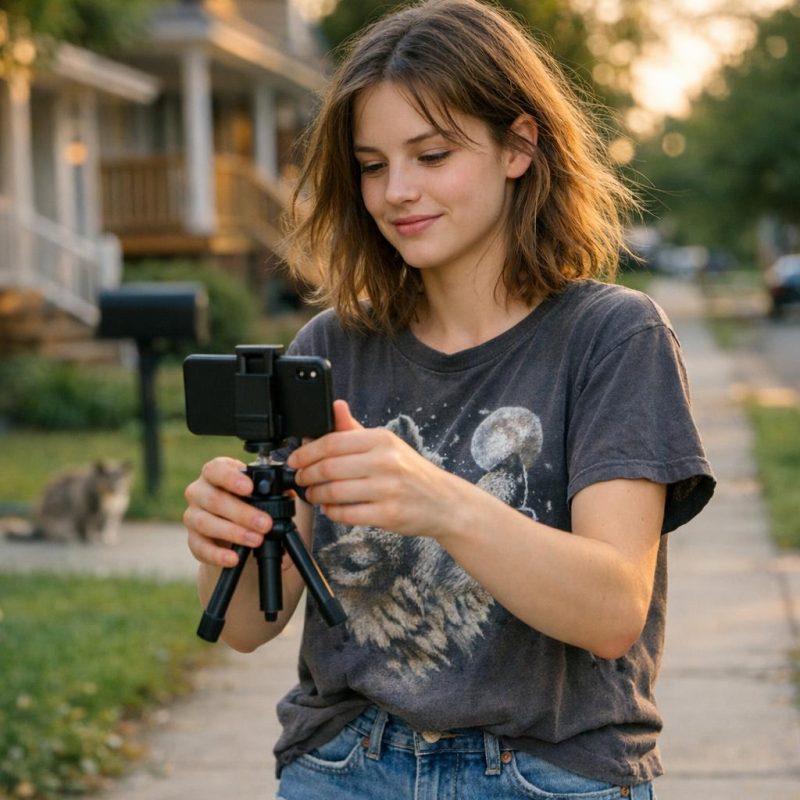 Image by RM AI
Marlene's Warning
It was a Tuesday morning when Marlene caught me pulling out of my driveway. She practically ran across the street, still wearing her gardening gloves, waving me down with an urgency I'd never seen from her before. Marlene is sixty-two, unflappable, the kind of woman who brings you soup when you're sick and never gossips unless it's absolutely necessary. 'Janice,' she said, slightly breathless, 'have you been online today?' I told her no, that I'd been cleaning out my garage. She looked uncomfortable, shifting her weight from foot to foot. 'There's a video,' she said slowly. 'One of Tori's videos. It's getting a lot of attention.' I still didn't understand why this mattered to me. Marlene pulled out her phone—she's more tech-savvy than I am—and started scrolling. 'It's about someone on our street,' she continued, her voice dropping lower. 'Someone who supposedly did something really awful to her.' The way she said it made something cold settle in my stomach. 'Who?' I asked. Marlene looked at me with genuine sympathy in her eyes, the kind you give someone before delivering bad news. 'I think it's you.'
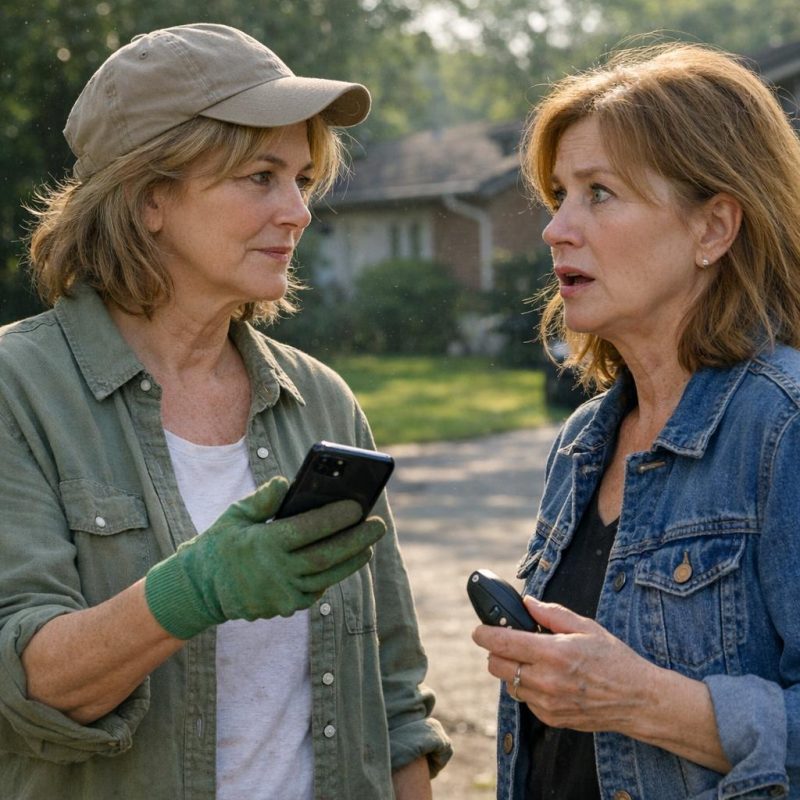 Image by RM AI
The Video
Marlene held her phone between us in my car, and I watched the video that had already been viewed forty thousand times. The production was slicker than I expected—music, text overlays, quick cuts. Tori appeared on screen looking sad, almost tearful, explaining how she'd been collecting donations for a local animal shelter. Then the video cut to footage of our street, specifically the Henderson driveway. I recognized it immediately. There I was, walking toward a cardboard box near the curb. The camera caught me looking down at it with what appeared to be a scowl—though I had no memory of this moment—then picking up the box and walking away with it. Tori's voiceover explained that I'd 'stolen' a donation box full of supplies meant for shelter animals, that I'd ignored her polite questions, that I'd taken it inside my house. The video showed her knocking on my door later, me opening it briefly, then closing it again. The way it was edited, the way the clips were arranged, made me look cold and deliberate. Like I'd seen charity donations and decided to take them out of pure spite. Thousands of strangers now believed I was the kind of person who would destroy a charity donation.
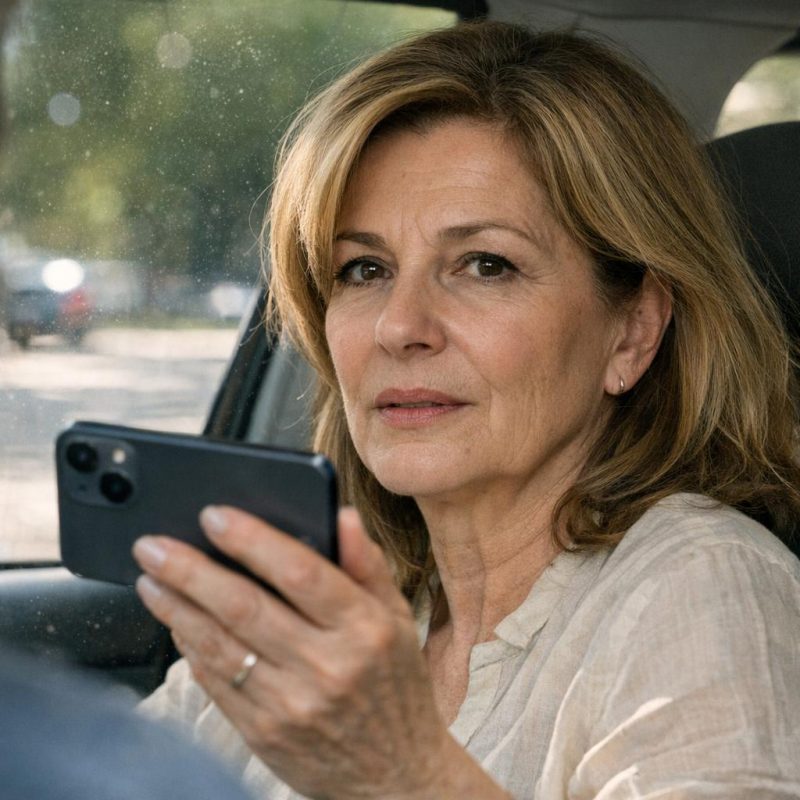 Image by RM AI
The Comments Section
Marlene scrolled down to the comments, and I felt my face grow hot. There were hundreds of them, maybe thousands. 'What a Karen,' someone wrote. 'These bitter old ladies can't stand seeing young people do something good.' Another: 'She probably called the cops on kids selling lemonade too.' The words kept coming, each one meaner than the last. People were tagging their friends, sharing the video, turning my face into a meme. Someone had screenshot my 'scowling' expression and added text: 'When you hate joy.' Others were angrier, talking about what should happen to people like me, how I should be ashamed, how someone should confront me publicly. But what made my hands shake wasn't the strangers—it was the comments from people who recognized the location. 'Wait, is that Oakmont Drive?' 'Oh my god, I live near there.' 'I think I've seen this woman at the grocery store.' The humiliation was no longer abstract and distant. It was local now, seeping into my actual life, into the places I shopped and walked and existed. People in my own neighborhood were starting to recognize the street—and me.
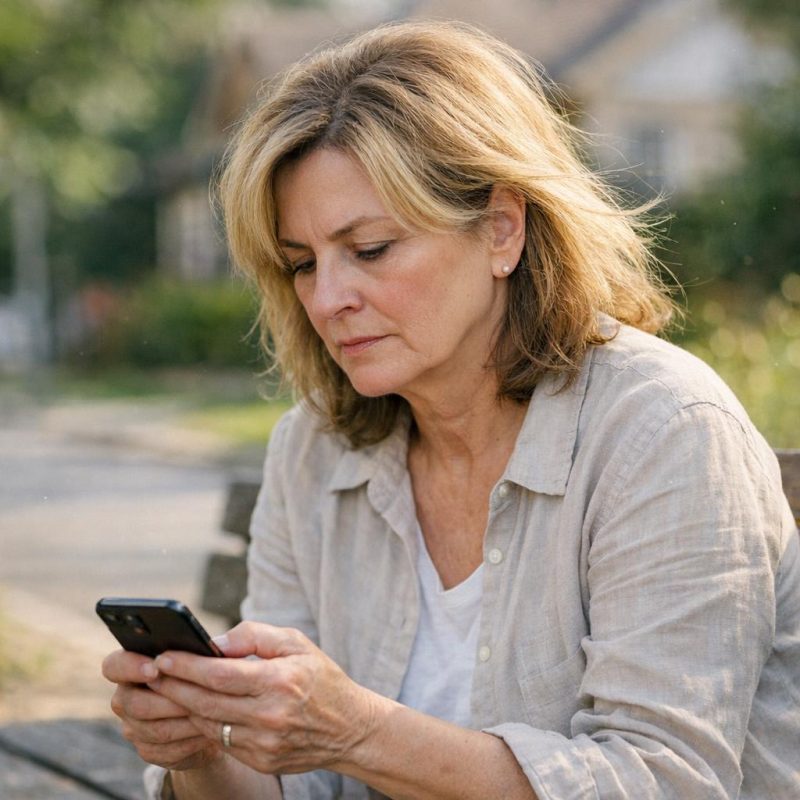 Image by RM AI
The Memory Surfaces
I went home and sat in my kitchen for a long time, trying to remember. Thursday afternoon. Last Thursday. What had I been doing? I'd gone grocery shopping, I remembered that much. I'd bought too much as usual—three heavy bags—and carried them from the car to my side door. The sun had been bright that day, unusually warm for April. I'd been squinting. Walking quickly because the bags were cutting into my hands. But a box? A cardboard box near the curb? I poured myself a glass of water and closed my eyes, forcing my mind back to that afternoon. Yes. Yes, there had been a box. I'd seen it as I was carrying the groceries from my car. It was sitting oddly close to my driveway, almost in the way. I'd set down the grocery bags for a moment because my hands hurt, walked over to look at it. And then—the memory clicked into place with sudden clarity—I'd picked it up because I recognized it. The box in the video wasn't a donation box at all—it was mine.
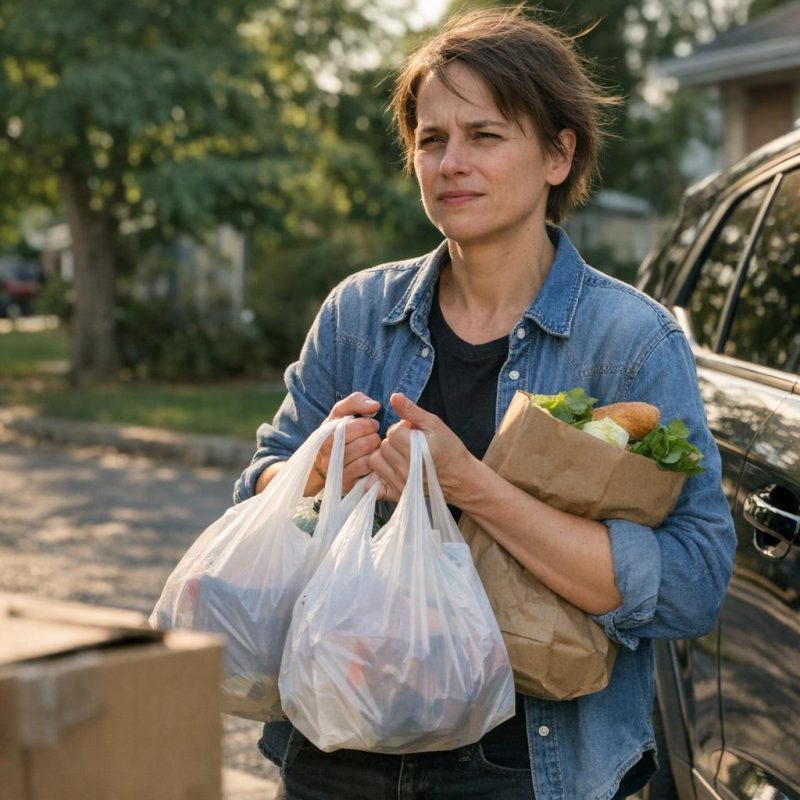 Image by RM AI
What Really Happened
The box had contained my old kitchen towels and some random household items I'd been meaning to donate to Goodwill for weeks. I'd left it in my garage after cleaning out drawers, labeled it with a black marker: 'Donate.' That Thursday, I'd moved it to the curb in the morning because I thought the donation truck came on Thursdays—but I'd gotten the schedule wrong. It was Fridays. So there it sat, my own box, on the edge of my property, waiting. When I came home from grocery shopping and saw it, I'd picked it up to bring it back inside until the next day. That was it. That was the whole story. I'd even seen Tori across the street with her phone, noticed her filming something, but I was in a hurry. I'd waved politely—I'm almost certain I waved—set down my groceries briefly, grabbed my box, and went inside. There was no donation collection. No charity drive. No plea from Tori that I'd ignored. She had used my own property, my own driveway, to make me look cruel.
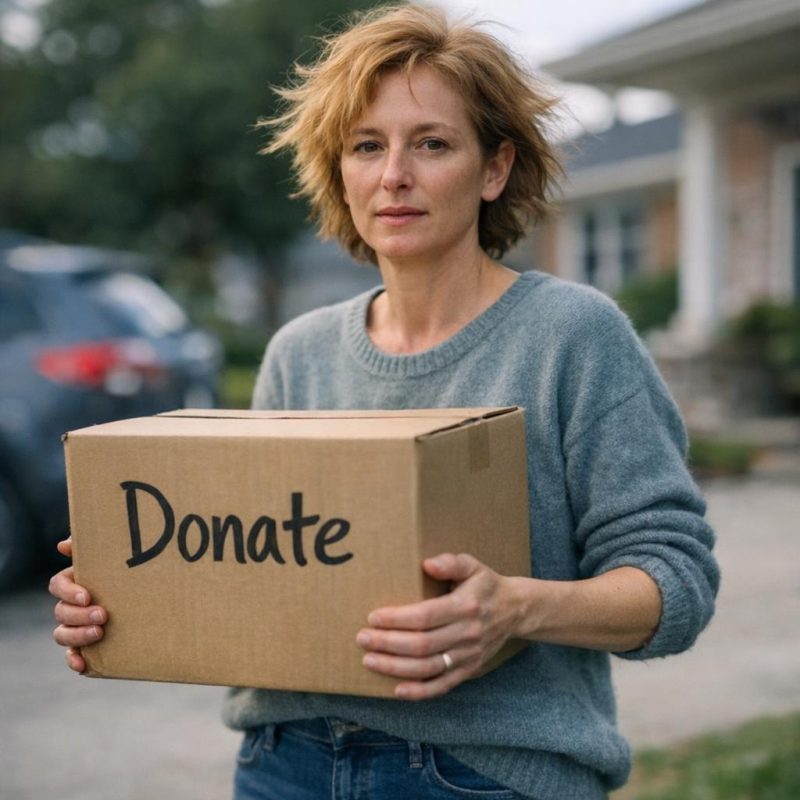 Image by RM AI
The Staged Shot
I walked out to my driveway and stood where I'd been that Thursday, trying to reconstruct the angles. From where Tori had been standing—across the street, near her grandparents' mailbox—my box would have been clearly visible. She would have seen me place it there that morning. She would have watched me leave for the store. And then what? Had she moved it? I paced the length of my driveway, measuring distances in my mind. The box in her video appeared closer to the street than where I usually left things. Not dramatically so, but enough. Just enough to make it look like it could belong to anyone, like it could be a collection box sitting in a public-ish space rather than clearly on my property. The more I thought about it, the more deliberate it seemed. She'd waited until I returned, probably knowing I'd retrieve my own box, and filmed me doing exactly that. Then she'd walked over—I did remember her approaching, now that I focused—but I'd been juggling grocery bags and hadn't really processed what she was saying. This wasn't an innocent misunderstanding—it felt like something else entirely.
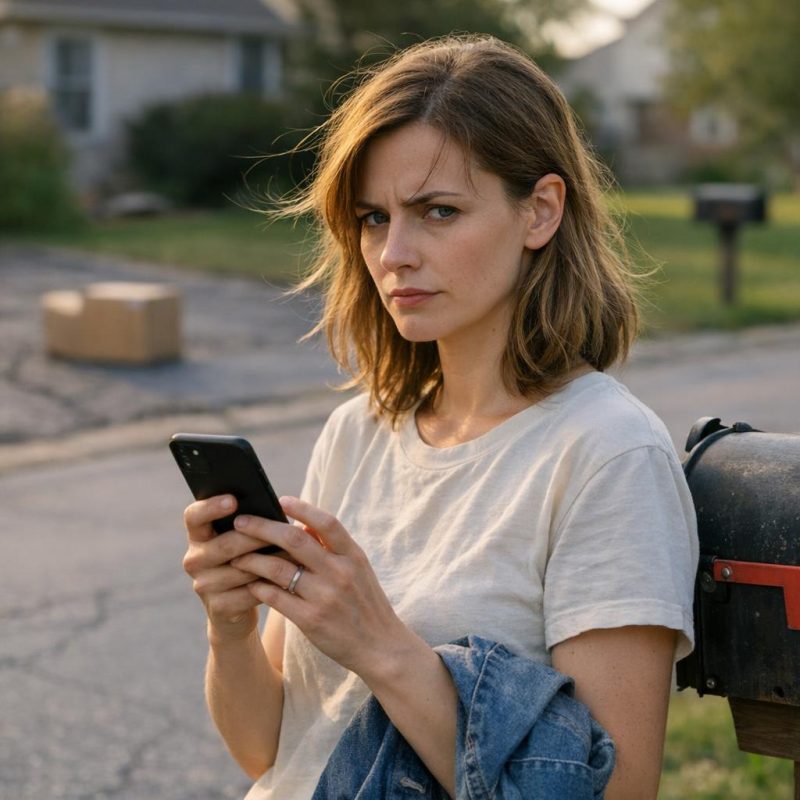 Image by RM AI
The Sun In My Eyes
And my expression, the 'scowl' that everyone mocked in the comments—I understood that now too. The sun had been directly in my eyes that afternoon. I'd been walking west, into the glare, carrying heavy bags that were cutting circulation to my fingers. Of course I'd been squinting. Of course my face looked tense. I wasn't scowling at a charity donation or at Tori or at the concept of kindness itself. I was grimacing because the sun was bright and my hands hurt and I was tired from shopping. That moment when I'd 'ignored' her at my door? I'd been putting frozen food away. I'd opened the door, realized I had ice cream melting on my counter, told her I couldn't talk right then—politely, I'm certain of it—and gone back inside. Every single detail that made me look like a monster in her video had a completely reasonable explanation. I'd been doing normal things in normal ways. But the editing, the music, the narrative she'd constructed around those brief moments—they'd transformed reality into something ugly. Everything that made me look terrible had a simple, innocent explanation—except the editing.
 Image by RM AI
The Dilemma
My first instinct was to march over there and tell Sharon exactly what her daughter had done to me. Show her the video. Explain how it was twisted. Demand she make Tori take it down and apologize publicly. But even as I imagined that conversation, I could already hear how it would go. Sharon would get defensive immediately. She'd say I was overreacting, that it was just social media, that kids today do this kind of thing. She'd tell me Tori was a sweet girl who'd never intentionally hurt anyone. I'd seen Sharon's reaction when anyone so much as suggested Tori might be difficult—at neighborhood association meetings, when someone complained about the noise from her parties, even when Mrs. Chen mentioned Tori's car blocking her driveway. Sharon would get this tight smile and say something like, 'Well, Tori's going through a lot right now,' or 'She's just expressing herself.' Every criticism was met with a wall of protective justification. Going to Sharon directly would accomplish nothing except making me look like the villain all over again—this time as the bitter neighbor attacking an innocent young woman. I needed something more concrete. Something undeniable. Sharon treated every criticism of Tori like an act of war, and I needed a better plan.
 Image by RM AI
Calling Ava
That's when I thought of Ava. My granddaughter is twenty-one and works in digital marketing or social media management or something like that—I've never fully understood her job description, honestly, but I know it involves spending most of her day online. She's always on her phone, always talking about algorithms and engagement rates and viral trends. When she visits, she's patient with me when I ask basic questions about my tablet or why my email isn't working. She doesn't roll her eyes or act like I'm hopelessly out of touch. She explains things clearly. I found her contact in my phone and called. She picked up on the third ring. 'Hey, Gran,' she said, sounding cheerful. 'What's up?' I took a breath. 'Ava, something happened, and I need your help understanding it. Do you know what TikTok is?' There was a pause. 'Of course I know TikTok. Why?' 'Someone made a video about me,' I said. 'And now thousands of people think I'm a terrible person. I don't understand how it happened, but I think something isn't right about it.' Her tone shifted immediately, becoming serious. 'Send me the link. I'll look at it.' If anyone could make sense of this digital nightmare, it was Ava.
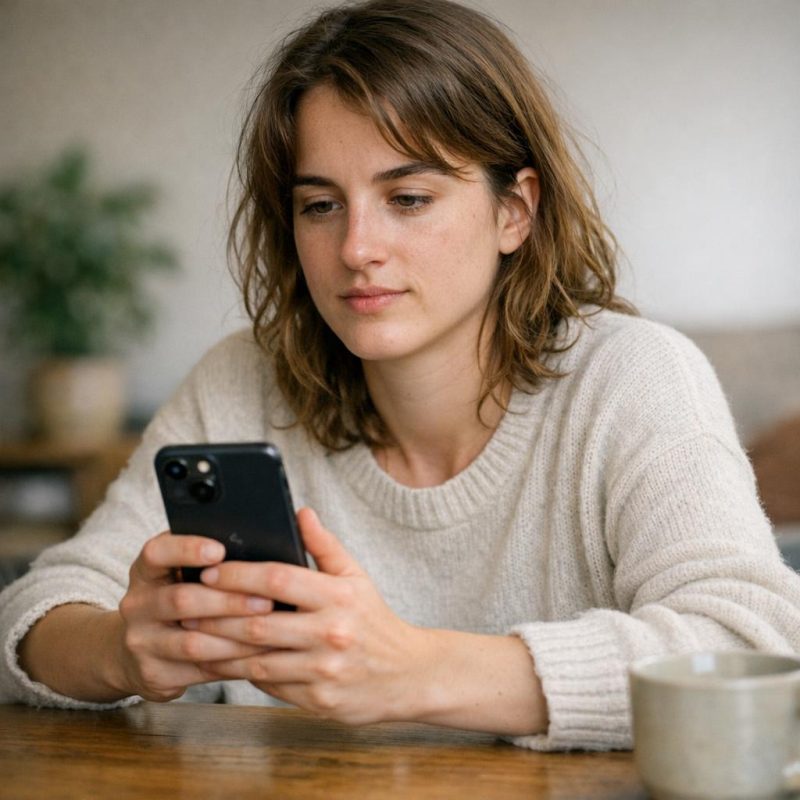 Image by RM AI
Ava Arrives
Ava arrived around seven that evening with her laptop bag and a determined expression I recognized from when she was younger and working on school projects. She gave me a quick hug, then sat down at my dining room table and opened her computer. I pulled up the video on my tablet and sent her the link. She watched it once without saying anything, her face neutral and focused. Then she watched it again, this time pausing it several times, scrolling through the comments, checking things I didn't understand. She clicked around on Tori's profile, opened other tabs. I sat across from her, feeling useless and anxious. Finally, she looked up. 'Okay,' she said slowly. 'This is definitely edited to make you look bad. The music, the captions, the way she framed it—it's all designed for maximum villain impact. But I need to check something.' She started typing, navigating to different sites, searching for something specific. I watched her work, not wanting to interrupt. After a few minutes, she leaned back and frowned at the screen. 'Gran, when she originally posted this, did she include any of the actual audio from when she was filming? Or was it always just this music track?' I blinked at her. 'I don't know. I only saw it after it already had thousands of views.' Then she asked me a question I didn't understand: 'Did she post the original sound?'
 Image by RM AI
The Original Audio
Ava explained that sometimes when people repost videos or when TikTok compresses files, you can still hear traces of the original audio underneath the music track if you know how to look for it. She opened some kind of audio software on her computer—something with wavelengths and sliders that meant nothing to me—and uploaded the video file. She adjusted settings, isolated frequencies, did technical things I couldn't follow. Then she played it back. At first, I heard the same upbeat pop music that had been in the video. But Ava turned down that track and amplified something else. Suddenly, beneath the music, I could hear voices. Faint, but unmistakable. 'Wait, hold on,' a female voice said. Tori's voice. 'Move the box closer to her driveway. She'll come out for sure.' There was a pause, some shuffling sounds. Then another voice—male, younger. 'Like this?' 'Yeah, perfect. Okay, start recording. And make sure you get her face when she walks past.' My blood went cold. I stared at the laptop screen, at the waveform visualization showing those words embedded in the file. Ava looked at me with a mixture of sympathy and anger. 'Gran,' she said quietly. 'She set you up on purpose.' Tori's voice came through clear as day: 'Move the box closer to her driveway. She'll come out for sure.'
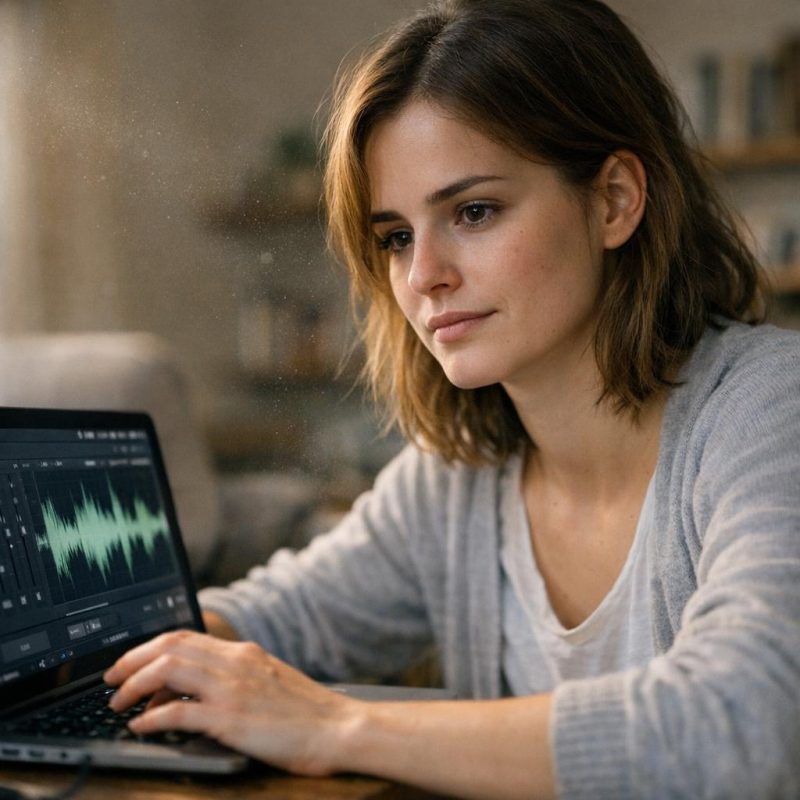 Image by RM AI
Bait
I couldn't speak for a moment. The words kept replaying in my head. Move the box closer to her driveway. She'll come out for sure. It wasn't an accident. It wasn't a misunderstanding or creative editing of an organic moment. Tori had deliberately positioned that donation box where I'd be most likely to pass it. She'd waited for me. She'd planned the whole thing specifically to capture footage of me not donating, not engaging, looking irritated as I walked by. My confusion, my exhaustion, the sun in my eyes—none of that mattered to her because the goal was never to actually collect donations or do something kind. The goal was to film me. To create content. To manufacture a villain. I felt something cold and hard settle in my chest, replacing the confusion and hurt I'd been carrying. This wasn't creativity or a misunderstanding—she'd deliberately used my property, my routine, my life as bait. She'd studied me enough to know my schedule, to know I'd walk past that spot. This wasn't creativity or a misunderstanding—it felt like a trap.
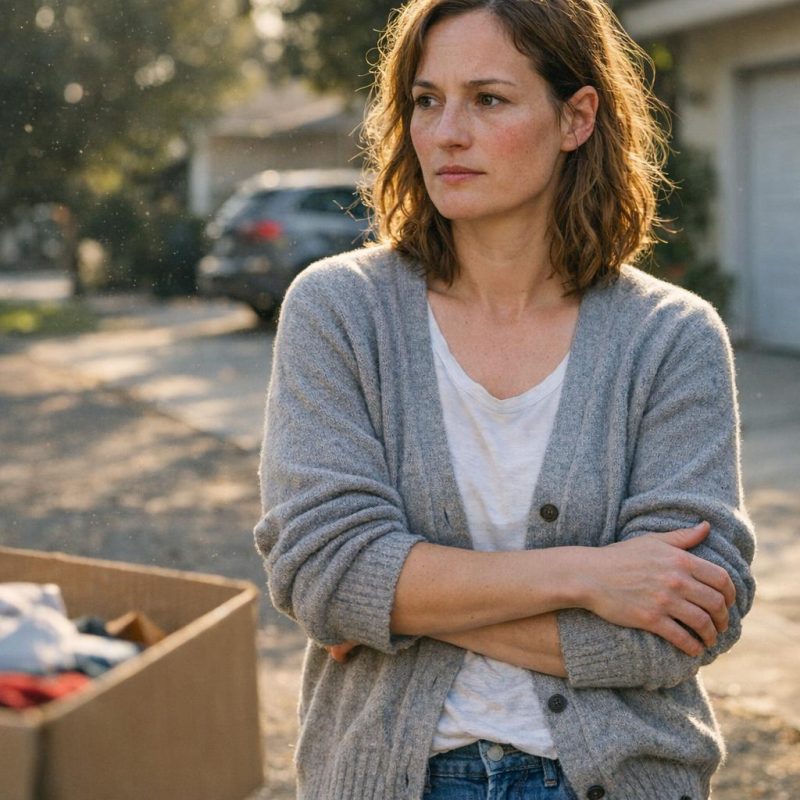 Image by RM AI
Ava Keeps Digging
Ava was quiet for a moment, staring at her screen with a troubled expression. Then she said, 'I want to check something.' She navigated back to Tori's TikTok profile and started scrolling through her previous posts. I watched the thumbnails flash by—Tori dancing, Tori doing makeup tutorials, Tori lip-syncing to songs. Typical stuff, as far as I could tell, though I'm hardly an expert. But Ava wasn't watching those. She was looking for something specific, scanning the captions and view counts with practiced efficiency. 'There,' she said, stopping on a video from about six weeks ago. The thumbnail showed an older man walking past Tori, who was waving enthusiastically at him. The caption read: 'Trying to spread positivity in my neighborhood but some people don't want it.' The video had over a hundred thousand views. Ava clicked on it. It played out similarly to mine—upbeat music, Tori being cheerful and friendly, an older neighbor looking grumpy and dismissive as he walked past without acknowledging her. The comments were brutal, calling him miserable and mean. Ava's jaw tightened. She kept scrolling. Within minutes, she found something that made her pause and look at me with concern.
 Image by RM AI
The Second Video
The video was titled 'When you try to brighten someone's day and they can't even wave back.' It showed Tori standing on the sidewalk, smiling and waving enthusiastically at a middle-aged woman walking her dog. The woman glanced at Tori, didn't wave back, and kept walking with what looked like an annoyed expression. The comments were vicious. People called her rude, stuck-up, said she looked like a Karen. The video had two hundred thousand views. But Ava pointed at something I hadn't noticed—the timestamp in the corner. 'Look at this,' she said. 'The date and time are visible here if you know where to look. This was filmed at 6:47 AM.' I frowned. 'So?' 'So look at this woman. She's in workout clothes, she's clearly in the middle of a morning run or walk. She's probably got headphones in—you can see the wire if you pause it. She might not have even heard Tori call out to her. Or maybe she just didn't want to stop and chat with a stranger at 6:47 in the morning when she's trying to exercise.' Ava looked at me. 'But the way Tori edited it, with that sad music and the caption, it looks like this woman deliberately ignored a friendly gesture.' The neighbor looked grumpy for not waving—but the timestamp told a different story.
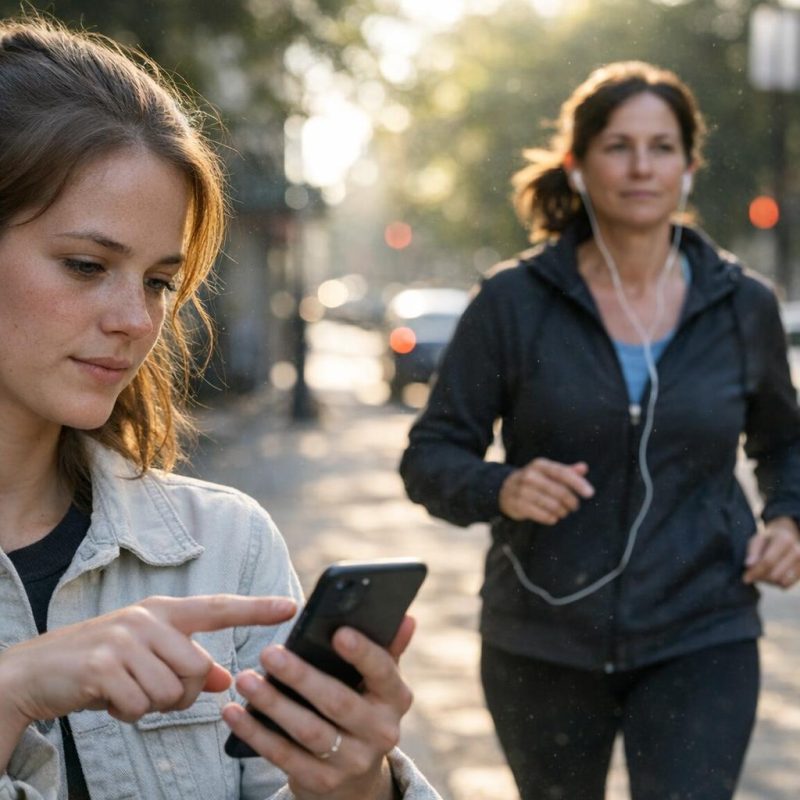 Image by RM AI
Mr. Henderson's Dog
Ava scrolled to another video. This one was older—about three months back. It showed an elderly man slowly walking past Tori, who was holding a sign that said 'Free Compliments.' She called out to him, something cheerful and upbeat. He didn't stop. He barely glanced at her. The music was melancholy, and the caption read: 'Some people just don't want joy in their lives I guess.' My chest tightened. I recognized him immediately. 'That's Mr. Henderson,' I said quietly. 'He lives four houses down from me.' Ava looked up. 'Do you know him?' 'Not well, but I know about him. His dog had to be rushed to the emergency vet that week.' I remembered because Mrs. Chen had told me about it when we'd run into each other at the grocery store. Mr. Henderson's dog—a golden retriever he'd had for thirteen years—had suddenly collapsed. They'd spent hours at the emergency clinic, and the dog had died that same night. 'He'd just lost his best friend,' I said, my voice shaking slightly. 'And she filmed him hours after the worst day of his year and made him look heartless for not stopping to get a compliment from a stranger.' Tori had filmed him hours after the worst day of his year and made him look heartless.
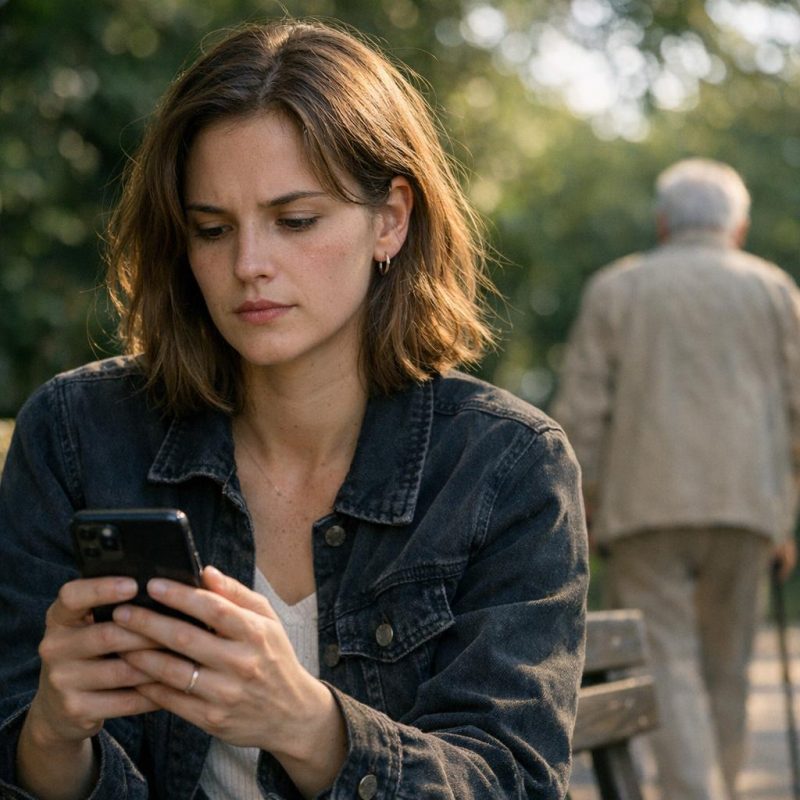 Image by RM AI
The Woman With Earbuds
Ava kept scrolling. I didn't want to see more, but I also couldn't look away. The next clip was from late spring—maybe April or early May. It showed Tori approaching a woman who was mowing her front lawn. Tori was smiling, hands cupped around her mouth like she was shouting something. The woman didn't turn. Didn't even glance over. She just kept pushing the mower in neat, parallel lines. The text overlay said: 'Asked for directions to the park and got completely ignored. Is basic kindness really that hard?' The comments were predictably harsh. 'What is wrong with people,' one said. Another: 'She probably saw the camera and got nasty on purpose.' I leaned closer to the screen. 'Wait,' I said. 'Can you pause it?' Ava tapped the screen, freezing the frame. I squinted at the woman's face, then at her ears. 'She's wearing earbuds,' I said slowly. 'Look—you can see the white cord.' Ava zoomed in. Sure enough, there they were. White earbuds, plugged into her ears while she mowed. She couldn't have heard anything Tori said—not over the roar of the mower, not with music or a podcast playing directly into her head. The woman was clearly wearing earbuds while mowing her lawn—she couldn't have heard anything.
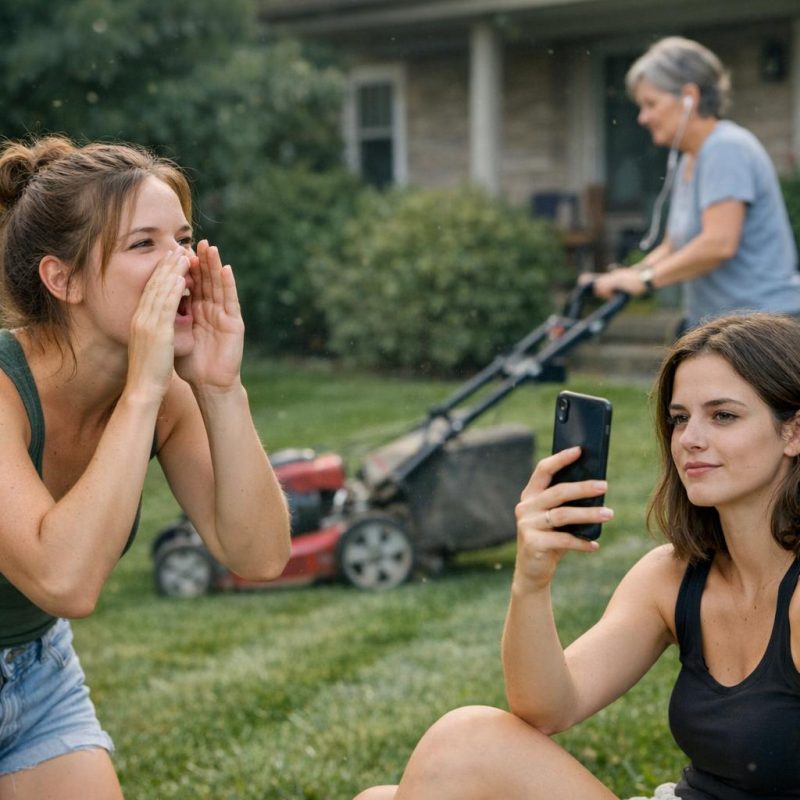 Image by RM AI
The Uncomfortable Feeling
I sat back against the couch cushions, my mind racing. Three people. Three separate incidents. Three neighbors who'd been framed as cold, rude, or indifferent when the reality was completely different. I felt something heavy settling in my chest—a kind of uncomfortable awareness I didn't want to fully acknowledge yet. 'This feels wrong,' I said quietly. 'Really wrong.' Ava didn't say anything. She just looked at me with those serious eyes, waiting. 'I mean, one video could be a misunderstanding,' I continued, trying to work it out aloud. 'Even two, maybe. But three? Three people from the same neighborhood, all made to look awful when there were totally reasonable explanations?' My voice was rising slightly. I caught myself. 'I don't know. Maybe I'm reading too much into it. Maybe it's just... bad luck? Poor timing?' But even as I said it, I didn't believe it. Something was happening here. Something deliberate. I thought about how carefully Tori had positioned herself in my driveway, how she'd asked her question right when I was clearly juggling groceries and mail. Had that been on purpose too? I couldn't prove anything yet, but something was very wrong.
 Image by RM AI
Ava's Theory
Ava was quiet for a long moment, her finger hovering over the phone screen. Finally, she looked up at me. 'Grandma,' she said carefully, 'I think there's a pattern here.' 'What do you mean?' 'I mean...' She hesitated, like she was choosing her words. 'What if Tori isn't just recording moments that happen to go badly? What if she's choosing moments she knows will go badly—or making them seem worse than they were?' I felt my stomach twist. 'You think she's doing this on purpose?' 'I think she might be editing situations to fit a narrative,' Ava said slowly. 'Like, she films a bunch of interactions and then only posts the ones where she can make herself look sympathetic and the other person look mean. Or she cuts out context—like the fact that Mr. Henderson's dog just died, or that the lawn lady had earbuds in. She frames it so her followers only see what she wants them to see.' I stared at the frozen image on the phone. The woman with the mower. The earbuds clearly visible now that I was looking for them. 'That's...' I didn't know how to finish the sentence. 'Grandma,' Ava said carefully, 'what if she's not recording stories—what if she's creating them?'
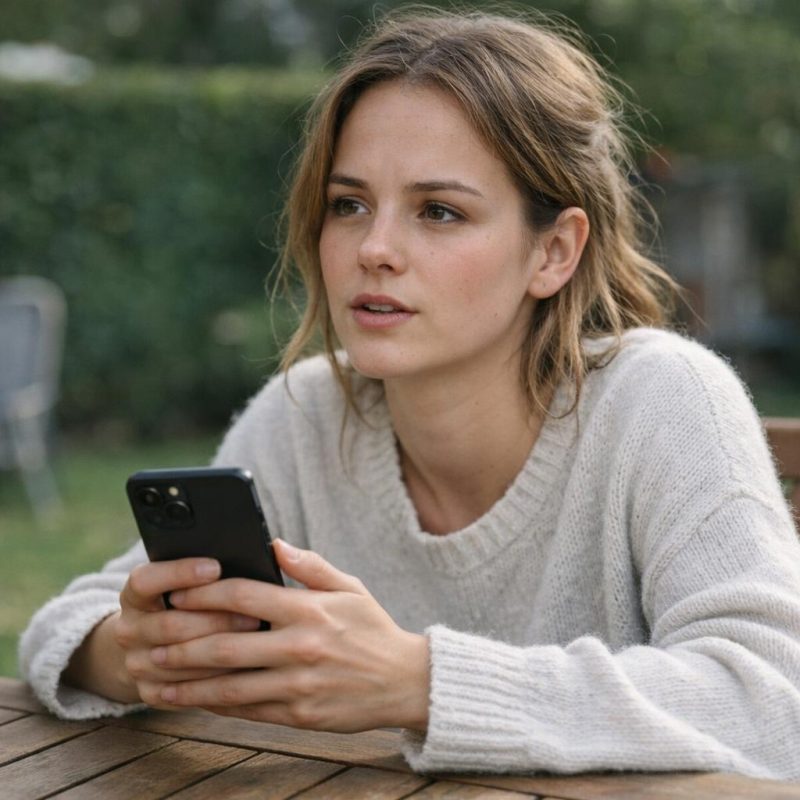 Image by RM AI
The Question
I rubbed my temples, trying to process what Ava was suggesting. 'But why?' I asked. 'Why would someone do that? Especially a teenager? I mean, I know social media is important to young people, but to go to these lengths just to make your neighbors look bad?' It didn't make sense to me. Sure, I understood that likes and comments mattered to Tori's generation in ways they didn't to mine. But this felt different. This felt calculated. Almost cruel. 'Is it really worth it?' I continued. 'Making up stories, manipulating situations, hurting people's reputations—all for what? A few thousand views?' Ava's expression shifted. Something sad and resigned crossed her face. She set the phone down on the coffee table between us and looked at me directly. 'Grandma, it's not just a few thousand views anymore. Her account has over two hundred thousand followers. That grocery store video you're in? It has 1.3 million views.' The numbers felt absurd. Incomprehensible. 'But still,' I said weakly. 'Surely it's not worth—' Ava looked at me with a sadness I didn't expect and said, 'Because it works.'
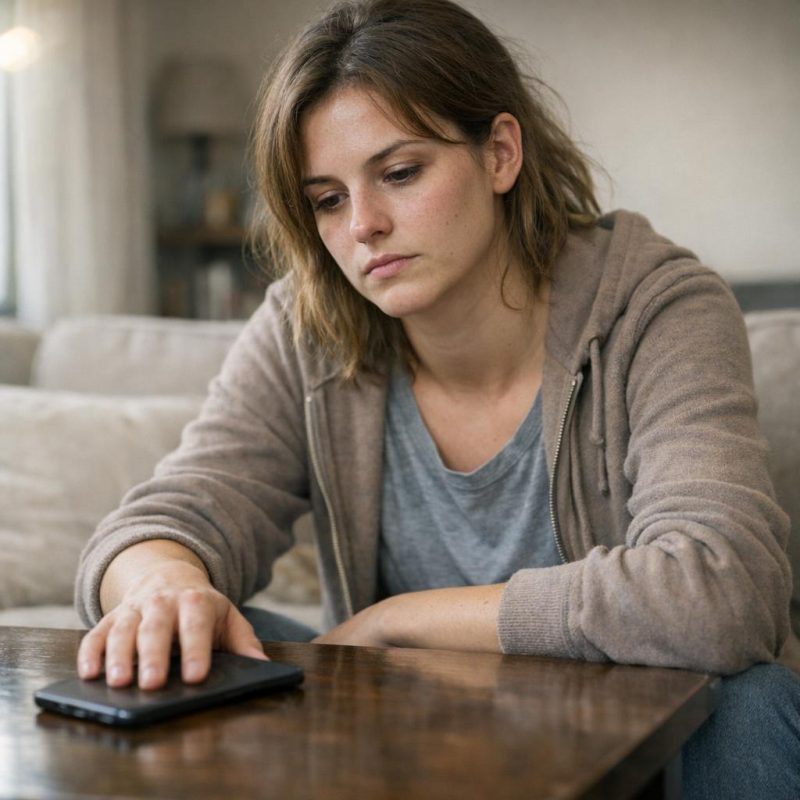 Image by RM AI
Deciding To Act
We sat there for a moment in silence. The weight of it all pressed down on me—the videos, the comments, the realization that this wasn't just about me. It was bigger than that. Tori had built something on the backs of people who couldn't defend themselves, people who didn't even know they were being used. 'We have to do something,' I said finally. Ava nodded. 'We do.' 'But what? I can't exactly make her take the videos down. And even if I could, the damage is already done. People have seen them. They've made up their minds about me.' About Mr. Henderson. About the woman with the earbuds. About all of us. Ava picked up her phone again, her expression thoughtful. 'The thing about social media is that it's not really about the truth. It's about the story that gets told first, and told loudest. Tori's story is out there. But that doesn't mean it's the only story.' 'What are you saying?' 'I'm saying we need to tell the truth. We need to show people what really happened—not just with you, but with the others too. We need to counter her narrative with the actual facts.' She paused, then said something that made my heart race: 'We need to make our own video.'
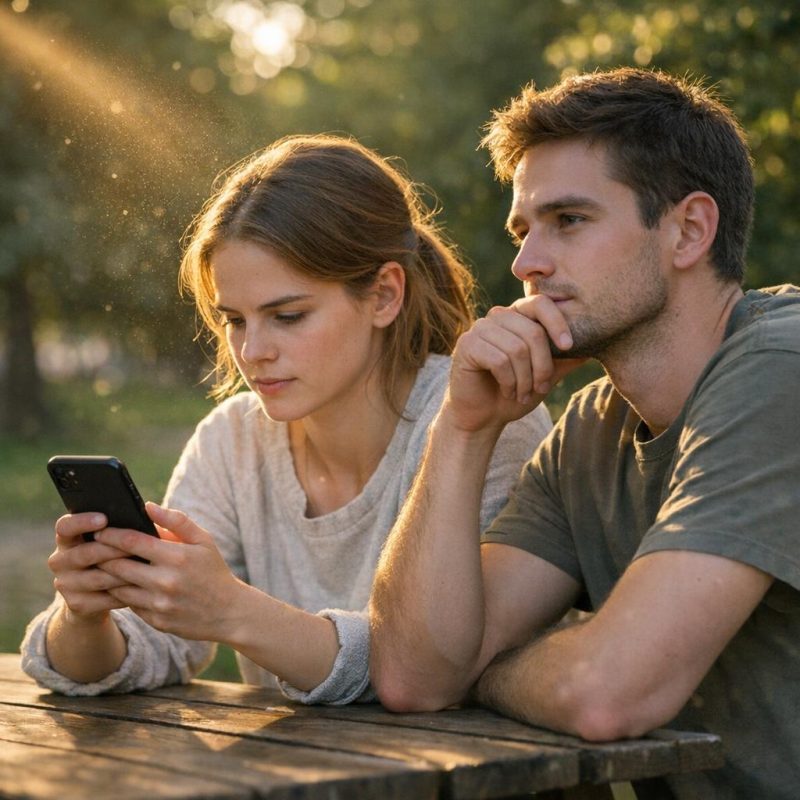 Image by RM AI
Patricia's Story
Before we could start planning how to film anything, my phone rang. I glanced at the screen. Patricia Newsome from three houses down. I almost didn't answer—I wasn't in the mood for neighborhood gossip—but something made me pick up. 'Hello?' 'Janice? It's Patricia. I hope I'm not bothering you, but I just saw something online and I... I need to talk to someone about it.' Her voice sounded strained. Worried. 'What's wrong?' 'It's about Tori Morrison. The girl from next door to you?' My whole body tensed. 'Yes. I know her.' 'She made a video about me,' Patricia said. 'I didn't even realize it until my niece sent it to me this morning. She didn't tag me or use my name, but it's clearly me in the footage.' I glanced at Ava, who was watching me with concern. 'What happened?' 'It was about a week ago,' Patricia continued. 'She came by and asked to borrow a pie plate. I said yes, of course, and I gave her one. But apparently she filmed the whole thing, and in the video she's making it seem like I was annoyed with her. Like I snapped at her or something.' I closed my eyes. Another one. Tori had asked to 'borrow' a pie plate and then implied online that Patricia had snapped at her.
 Image by RM AI
The Pie Plate Incident
Patricia's voice grew more agitated as she explained. 'I was on a work call when she knocked. I remember it clearly because I had my Bluetooth headset in and I was talking to a client about a contract issue. I answered the door, mouthed 'one second' to Tori, finished my sentence on the phone, and then gave her the pie plate. The whole interaction took maybe thirty seconds. I wasn't rude. I was just busy.' I could picture it perfectly. Patricia works from home as a paralegal—I'd seen her rushing between calls before, always professional, always juggling a dozen things at once. 'But in her video,' Patricia continued, 'she cut it so it looks like I rolled my eyes at her and shoved the pie plate at her. There's this sad piano music playing and text that says something like 'just needed to borrow one thing and got treated like garbage.' The comments are awful, Janice. People are calling me entitled and saying older generations have no patience for young people.' Ava was scribbling notes on a piece of paper, her expression grim. 'Did you actually roll your eyes?' I asked gently. 'No! I was looking up at the roof because I thought I heard a noise from the gutter. I wasn't reacting to her at all.' The more I heard, the harder it became to believe these were all coincidences.
 Image by RM AI
Preparing To Film
After Patricia hung up—promising to send Ava the link to her video—we sat down to figure out what exactly we were going to film. Ava pulled out her laptop and started making a list. 'We need evidence,' she said. 'Not just your word against hers. We need to show people the full picture.' So we gathered everything. The cardboard box from my garage, still slightly damp and misshapen. I found the original audio recording on Ava's phone from that afternoon—the timestamp and everything. We pulled up screenshots of the comments on Tori's video. We made notes about Mr. Henderson's dog, about the woman with the earbuds, about Patricia's work call. Ava suggested I write down exactly what I remembered from the driveway interaction—every detail, every word exchanged. 'You're going to sit right here,' Ava said, gesturing to my kitchen table. 'Natural light. Clean background. You'll talk directly to the camera like you're talking to a friend. Just tell the truth.' I looked at the setup she was arranging—her phone propped on a stack of books, angled toward the chair. My hands felt clammy. My throat tight. I felt ridiculous preparing to go on camera at my age, but I was too angry to care.
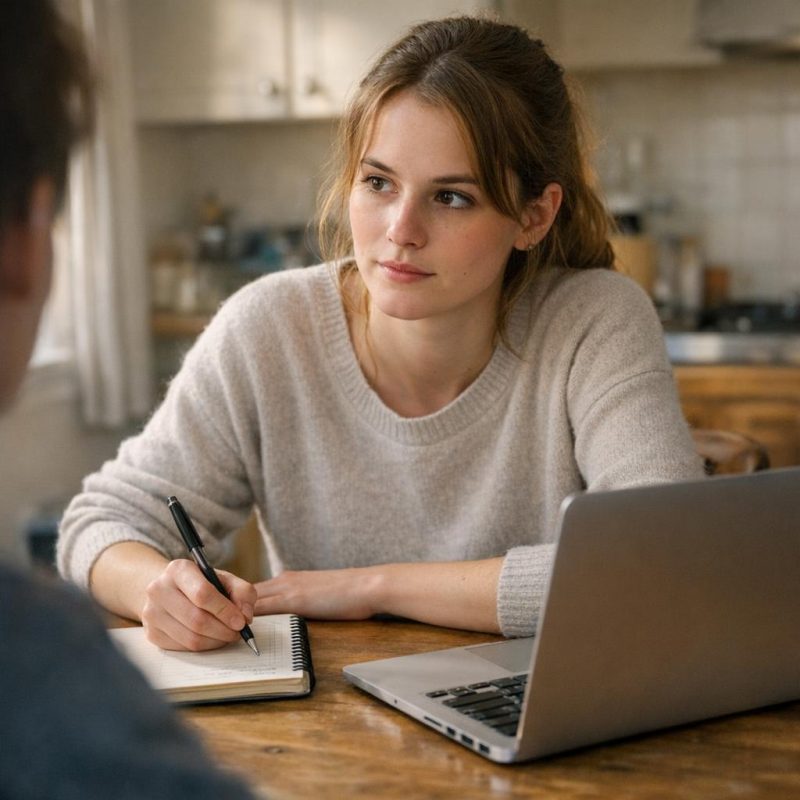 Image by RM AI
The Response Video
I sat down at the kitchen table, feeling the weight of Ava's phone camera on me. She'd positioned everything so carefully—the light from the window, the neutral background, the box sitting right there in frame with the label still visible. 'Just breathe,' Ava said. 'Tell them what happened. Like you're talking to Patricia.' I nodded. She hit record, and I started talking. I explained the whole thing—how Tori had asked me to hold the box, how I'd agreed to help, how I hadn't known she was filming. I held up the box and pointed to the label. I played the audio clip from Ava's phone, the timestamp clearly visible. I walked through the driveway conversation step by step, keeping my voice steady. No dramatics. No theatrics. Just the facts. And then, at the end, something came out of me that I hadn't planned. I looked directly into the camera and said, 'There's a difference between telling a story and using people who never agreed to be in one.' Ava stopped recording. She was quiet for a moment, then nodded. 'That was perfect,' she said softly. I didn't feel perfect. I felt exposed. But I also felt like I'd finally said what needed to be said.
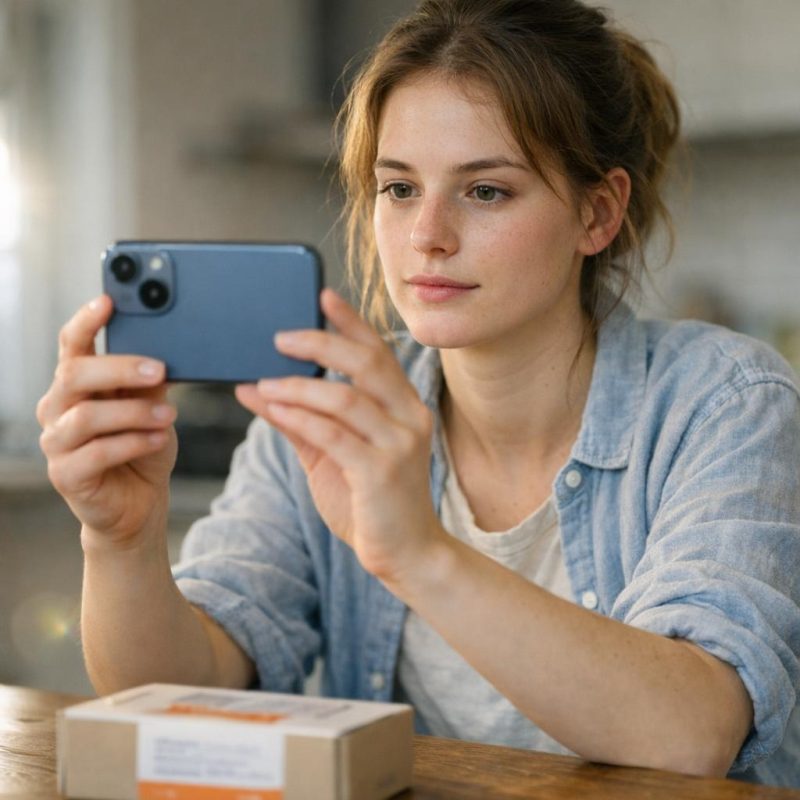 Image by RM AI
Posting It
Ava took my phone and started uploading the video. 'I'm going to post it in the neighborhood Facebook group first,' she said. 'Then the community forum. Same places where Tori's video got shared.' I watched her type out a simple caption: 'My neighbor wanted to share her side of the story. Please watch before judging.' She hit 'Post' and set the phone down on the table between us. We both stared at it. I half-expected nothing to happen. Maybe a few neighbors would see it. Maybe Patricia would leave a supportive comment. Maybe someone would accuse me of being defensive. I didn't expect fireworks. I didn't expect vindication. I just wanted people to know the truth—that I wasn't some cruel woman yelling at a kid for no reason. That there was context they hadn't seen. That I'd been used without my knowledge or consent. Ava refreshed the page once, twice. A few views. No comments yet. 'Give it time,' she said. 'People need to actually watch it first.' I nodded and got up to make tea, trying to distract myself. I assumed maybe a few neighbors would see it—I had no idea what was coming.
 Image by RM AI
The First Hour
An hour later, Ava called me back to the table. 'Janice. Look.' I sat down and stared at my phone screen. The view count had jumped to over two hundred. There were comments—dozens of them. 'Oh my God, I saw the original video and I feel terrible now.' 'This is exactly why content creators need consent before posting people.' 'Thank you for speaking up, Janice. That girl owes you an apology.' I scrolled through them, my hands shaking slightly. Patricia had commented: 'I'm so glad you posted this. Everyone needs to see it.' Mr. Henderson's daughter had shared it with a caption: 'Before you jump on a bandwagon, get the full story.' Someone else wrote, 'I always thought that video felt off. Now I know why.' The shares kept climbing. Fifty. Seventy. A hundred. Ava was grinning. 'It's working,' she said. I felt a strange mixture of relief and disbelief. People were listening. They were reconsidering. They were taking my side. But more than that—people weren't just watching. They were angry on my behalf.
 Image by RM AI
The Flood
By evening, I couldn't keep up with the notifications. My phone kept buzzing—comments, shares, messages from neighbors I barely knew. The video had been shared over three hundred times. The local news Facebook page had picked it up and reposted it with a headline: 'Viral Video Controversy: Neighbor Shares Her Side.' Ava kept refreshing the page, reading comments aloud. 'This is why I don't trust social media activism anymore.' 'That poor woman was set up.' 'Tori needs to take down the original video and apologize publicly.' Someone had even tagged the local TV station. People were demanding accountability—from Tori, from the platform, from anyone who'd piled on without knowing the full story. I felt lightheaded. This wasn't what I'd expected at all. I thought maybe I'd clear my name with a few neighbors. Instead, the entire community was rallying. The mood had shifted completely. The story that had painted me as a villain was now being dissected, questioned, condemned. I sat back in my chair, staring at the screen as the numbers climbed higher. The story was flipping so fast it made my head spin.
 Image by RM AI
Neighbors Speak Up
Then the comments started to shift in a way I hadn't anticipated. A woman named Linda wrote: 'This happened to me too. Tori filmed me at the farmers market without asking and posted it with some caption about how I gave her a dirty look. I didn't even notice her.' Another neighbor, someone I didn't know well, commented: 'She asked me if she could film me helping her pick up groceries she 'dropped.' I said yes, but then she posted it with this whole story about how older people are so kind and it felt... manipulative.' More people chimed in. 'She filmed my husband mowing his lawn and made it into this whole thing about suburban dads.' 'She asked me to reenact finding her lost dog for better lighting.' I read through the comments with Ava, both of us silent. It wasn't just me. It wasn't just one misunderstanding. There was a pattern here—a pattern of using people, of crafting narratives, of bending reality to fit whatever story would get the most engagement. I felt vindicated, yes, but also something heavier. Something darker. I wasn't the only one—not even close.
 Image by RM AI
The Screenshots
The next morning, a neighbor named Brian posted a screenshot that made everything even clearer. It was a text exchange between him and Tori from a few months ago. In it, she'd asked if he'd be willing to help her film a 'good deed' video where she'd pretend to help him change a flat tire. 'The lighting is better in the afternoon,' she'd written. 'And it'll look more authentic if you're wearing your work clothes.' Brian had declined, and now he was sharing the receipts. The screenshot spread fast. People started dissecting it in the comments. 'So she's literally staging content and passing it off as real?' 'This is so manipulative.' 'How many of her videos are fake?' I stared at the screenshot, reading it over and over. It was one thing to suspect that Tori was bending the truth. It was another to see proof that she was actively constructing scenarios, directing people, curating moments for maximum impact. Ava leaned over my shoulder. 'This is bad for her,' she said quietly. I nodded. The cracks in her innocent facade were widening fast.
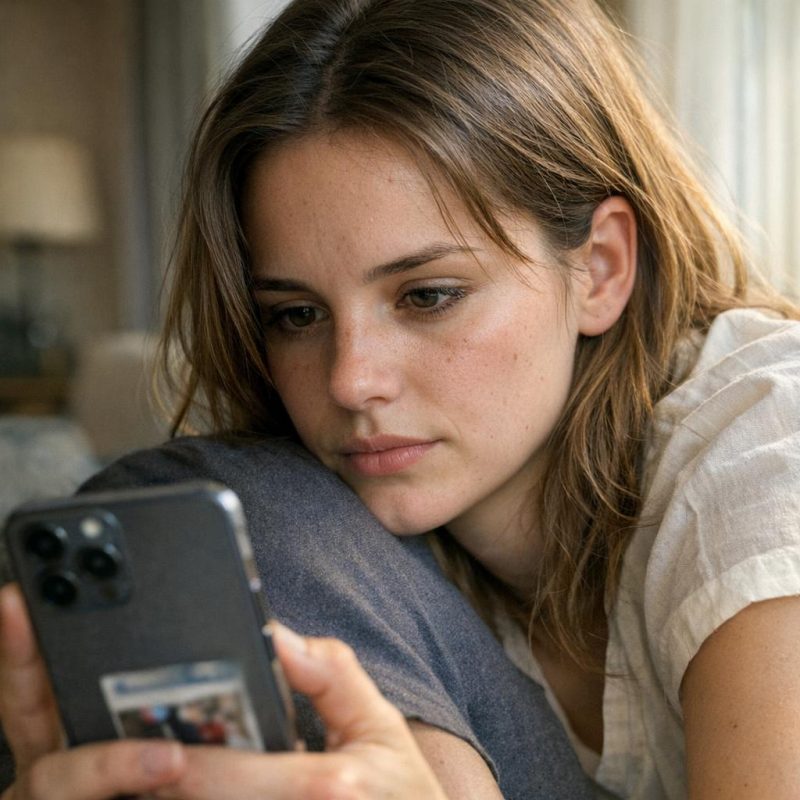 Image by RM AI
The Afternoon Shift
By the next afternoon, the story had spread beyond our immediate neighborhood. Local Facebook groups were discussing it. The community forum had multiple threads dissecting every angle. Someone had even started a poll: 'Should content creators be required to get consent before posting videos of strangers?' The responses were overwhelmingly yes. I watched it all unfold from my living room, feeling strangely detached. This wasn't just about me anymore. It had become something bigger—a conversation about ethics, about consent, about the blurry line between storytelling and exploitation. People were tagging Tori in comments, demanding she respond. A few of her defenders showed up, saying everyone was overreacting, that it was just harmless content. But they were drowned out by the tide of criticism. Patricia texted me: 'You've opened Pandora's box.' I didn't know if that was a good thing or a bad thing. All I knew was that what had started as my private humiliation—my face frozen in anger, my reputation dragged through the mud—was now a full-blown neighborhood controversy.
 Image by RM AI
Waiting For Sharon
I sat on my couch that evening, staring at my phone, waiting. I knew it was only a matter of time before Sharon saw the video. Before she saw the comments. Before she saw her daughter's carefully curated image unraveling in real time. I imagined her scrolling through the threads, reading the accusations, seeing the screenshots. I imagined the conversation she'd have with Tori. Would she be defensive? Apologetic? Furious? I didn't know Sharon well enough to predict her reaction, but I knew she'd come. Mothers always do. I rehearsed what I might say, how I might explain myself, how I might defend the decision to go public. But every imagined conversation felt inadequate. The truth was, I didn't regret posting the video. I regretted that it had come to this. I regretted that a simple act of helping a neighbor had turned into a viral spectacle. I regretted that I'd ever held that damn box. I poured myself a glass of wine and sat by the window, watching the street. Waiting. I didn't have to wait long.
 Image by RM AI
Sharon At The Door
The knock came around eight o'clock. Sharp, insistent. I opened the door to find Sharon standing on my porch, and the look on her face made my stomach drop. She was furious—jaw clenched, eyes blazing, the kind of anger that comes from a mother protecting her child. 'We need to talk,' she said, not waiting for an invitation before stepping inside. I moved aside, and Ava appeared from the kitchen, calm as ever, like she'd been expecting this exact moment. Sharon turned to me, ignoring Ava completely. 'Do you have any idea what you've done? Tori is devastated. She's getting death threats, Janice. Death threats. She's seventeen years old.' Her voice cracked on that last part, and I felt a pang of guilt, but Ava stepped forward before I could respond. 'Mrs. Chen,' she said quietly, 'I think you need to see something before we continue this conversation.' Sharon looked at her like she'd just noticed she was there. 'Who are you?' she demanded. Ava didn't flinch. 'I'm the person who helped Janice gather the evidence. And trust me, you're going to want to see it.' But Ava had prepared for this moment.
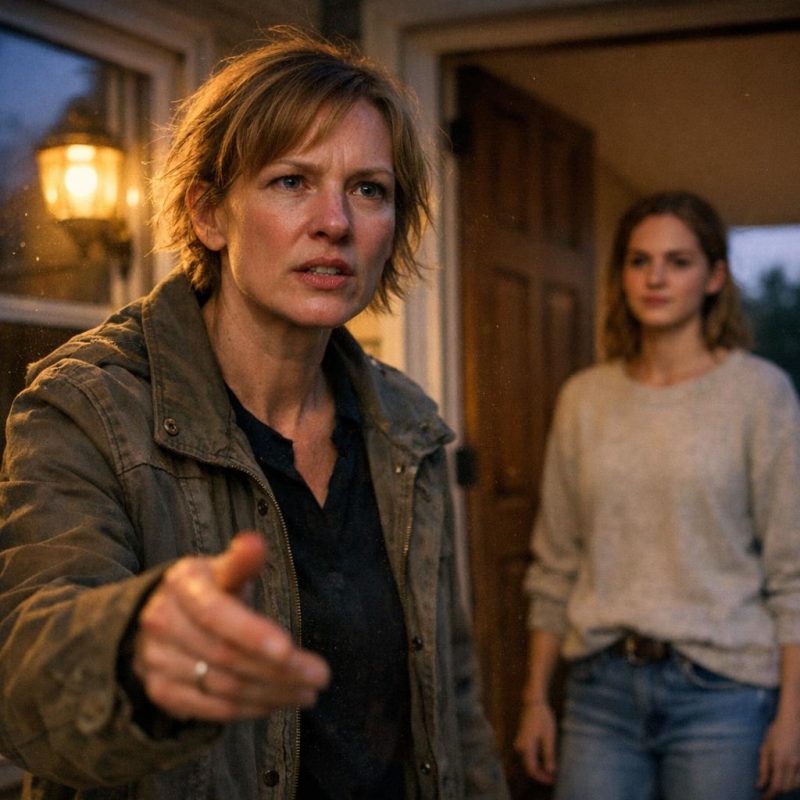 Image by RM AI
Showing Sharon The Evidence
Ava gestured toward the dining table where her laptop sat open, surrounded by printed screenshots and notes. Sharon hesitated, then followed, still radiating that protective fury. Ava pulled up a chair and motioned for Sharon to sit. 'This is the original audio file from Janice's doorbell camera,' Ava said, clicking play. We all listened as Tori's voice came through, clear and bright: 'Could you hold this for me real quick? It's for a video.' Then my own voice, confused: 'Sure, honey.' Sharon frowned but said nothing. Ava continued, pulling up a photo of the box label. 'This is the product Tori claims Janice stole. It was delivered to Janice's address two days after the video was posted. Tori had it shipped here deliberately.' Sharon opened her mouth to argue, but Ava was already scrolling to the next tab. 'And these,' she said, 'are comments from other people in the area who've had similar experiences with your daughter. Different scenarios, same pattern. She asks them to hold something, film something, do something innocent—and then edits the footage to make them look bad.' Sharon stared at the screen, her anger starting to waver. I watched Sharon's face change from anger to confusion to something darker.
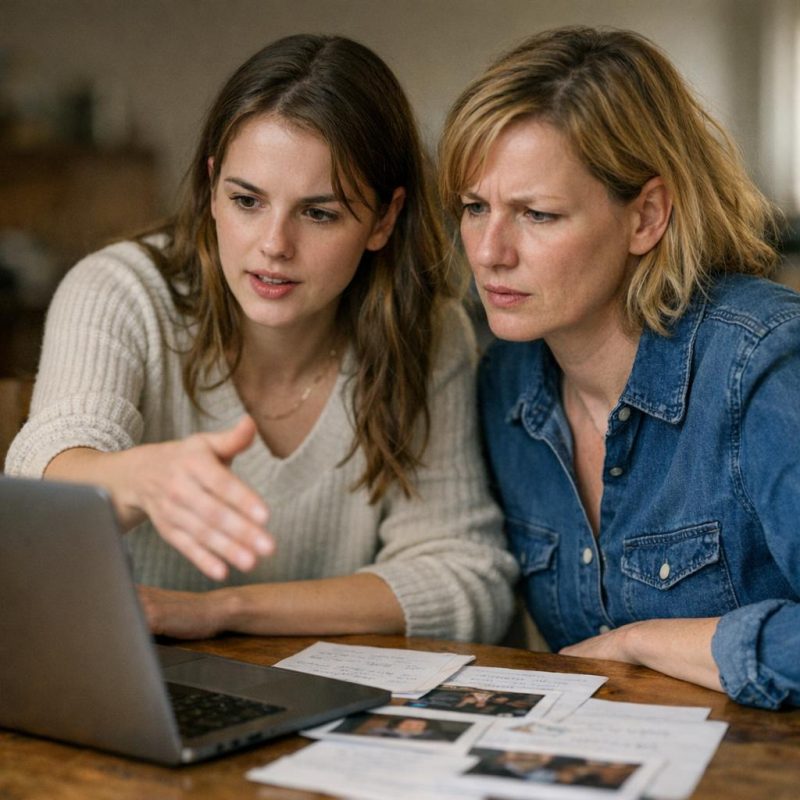 Image by RM AI
The Deleted Clips
Ava wasn't finished. She opened another folder on her laptop, and I saw a list of video files with timestamps. 'Tori's been deleting videos,' Ava explained. 'Probably trying to cover her tracks once people started calling her out. But I saved copies.' She clicked on the first one. It showed a middle-aged man at a park, holding what looked like a camera bag. The caption read: 'Creep at the park tried to follow me home.' But the comments—before it was deleted—were full of people saying they knew the man, that he was a local photographer, that Tori had asked him to hold her bag while she tied her shoe. Ava played another. An older woman at a coffee shop, holding a phone. 'Karen tried to steal my phone lol.' The comments told a different story: Tori had handed the woman her phone to take a photo, then filmed her holding it and walked away. There were five more videos, each one following the same blueprint. Sharon's face had gone pale, her hands gripping the edge of the table. Ava scrolled slowly, letting each clip sink in. Sharon's hands were shaking as she scrolled through them.
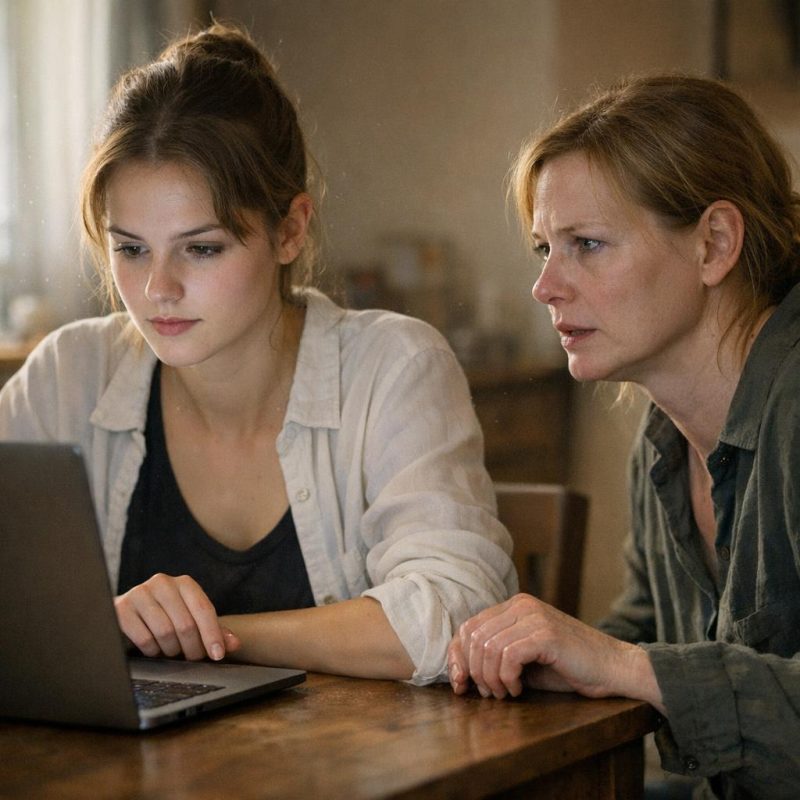 Image by RM AI
The Private Message
Ava leaned back, letting Sharon process what she'd just seen. Then she pulled up one final screenshot. 'This is from a private message thread between Tori and one of her friends,' Ava said quietly. 'Someone sent it to me after the video went viral.' Sharon stared at the screen. I couldn't see the full message from where I stood, but I saw Sharon's expression shift—shock, then something close to horror. 'What does it say?' I asked, though part of me didn't want to know. Ava glanced at me, then back at Sharon. 'It's Tori explaining how she picks her targets. She talks about testing different types of content to see what gets the most engagement. She mentions that older people are ideal because they don't understand how social media works, so they're easy to manipulate and won't fight back effectively.' Sharon's hand went to her mouth. Ava clicked to another part of the thread. 'And here,' she said, 'Tori talks about how the controversy itself drives views. She knows people will defend the person she's targeting, and that's part of the strategy. Conflict equals engagement.' Sharon looked like she might be sick. The message said something that made Sharon go pale: 'Older neighbors are the easiest to use because they don't know how apps work.'
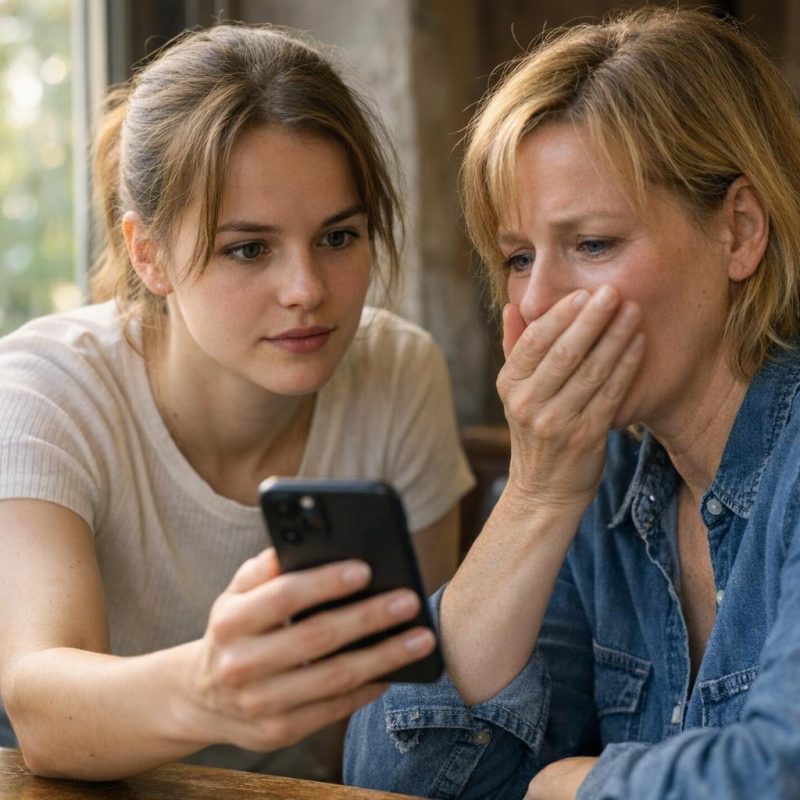 Image by RM AI
Sharon's Realization
Sharon sat there for a long moment, staring at the screen, her breathing shallow. I could see her trying to reconcile the daughter she knew with the person described in those messages. Ava closed the laptop gently, giving Sharon space. Finally, Sharon stood, her movements slow and deliberate, like she was carrying a weight she hadn't expected. She looked at me, and for the first time since she'd arrived, the anger was gone. In its place was something raw and broken. 'I'm sorry,' she said, her voice barely above a whisper. 'I didn't know. I didn't... I should have known.' I wanted to say something comforting, something that would ease the pain I saw in her eyes, but the words wouldn't come. What do you say to a mother who's just realized her child has been systematically hurting people for attention? Sharon turned toward the door, pausing only to glance back at Ava. 'Thank you for showing me,' she said. Then she looked at me again. 'I'll handle this. I promise.' She left without another word, and I felt no satisfaction—only sadness.
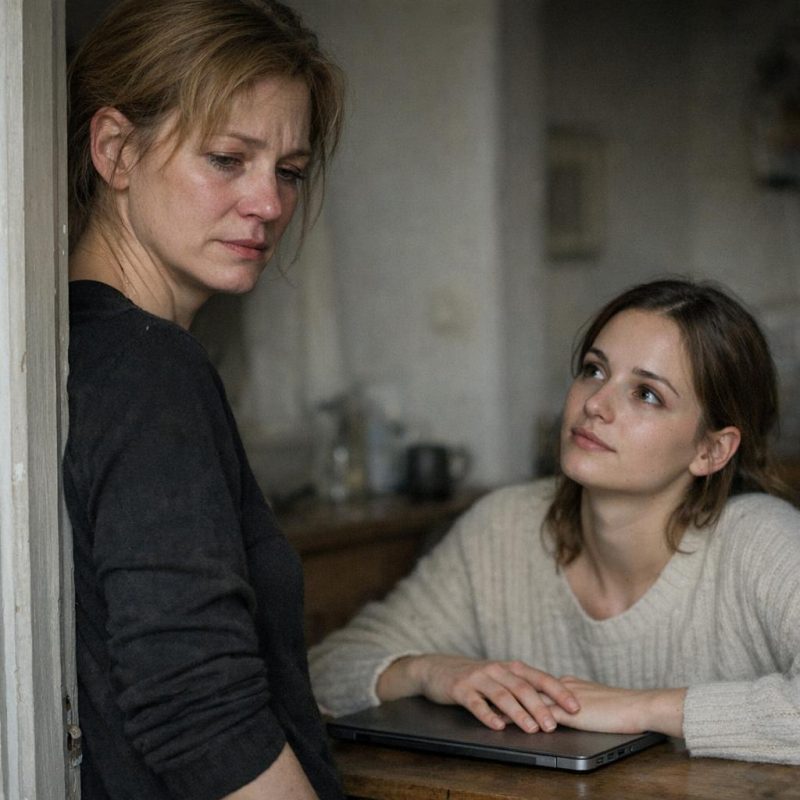 Image by RM AI
The Quiet Evening
After Sharon left, Ava and I sat in the living room, the house suddenly feeling too quiet. She closed her laptop and set it aside, then leaned back on the couch with a long exhale. 'That was intense,' she said. I nodded, still processing everything that had just happened. 'Do you think Sharon will actually do something?' I asked. Ava shrugged. 'Hard to say. But at least she knows the truth now. That's more than most parents in her position would accept.' I poured us both some tea, needing something to do with my hands. We sat there for a while, not talking, just existing in the aftermath. It's strange, you know? You spend days building a case, gathering evidence, preparing for confrontation—and then when it's over, you're just... tired. Ava eventually stretched and said she should probably head home. I thanked her again, though the words felt inadequate for everything she'd done. After she left, I sat by myself in the dimness, replaying the look on Sharon's face. The devastation. The disbelief. Part of me wondered if I'd done the right thing, if maybe I should have handled it differently. But the other part of me knew that the truth had to come out. I knew the hardest part was still coming.
 Image by RM AI
Waiting For Tori
The next day felt like waiting for a storm that might never arrive. I kept checking my phone, half-expecting another surge of comments or messages, but the internet had mostly moved on to the next outrage. Tori's account was still up, though she hadn't posted anything new. I wondered what was happening in that house across the street. Was Sharon confronting her? Was Tori defending herself, or had she finally run out of excuses? I wondered if she'd ever apologize—really apologize, not the performative kind she'd probably post online if her PR instincts kicked in. I wondered if she even understood what she'd done, or if she'd just see this as a temporary setback, a bump in her path to internet fame. Some people never learn. They just adapt, find new angles, new ways to exploit the system. I wanted to believe Tori wasn't that kind of person, that underneath the views and likes and carefully edited clips, there was still a seventeen-year-old kid who could recognize she'd hurt people. But I honestly didn't know. The afternoon stretched into evening, and I tried to distract myself with mundane tasks—laundry, dishes, a book I couldn't focus on. The answer came sooner than I expected.
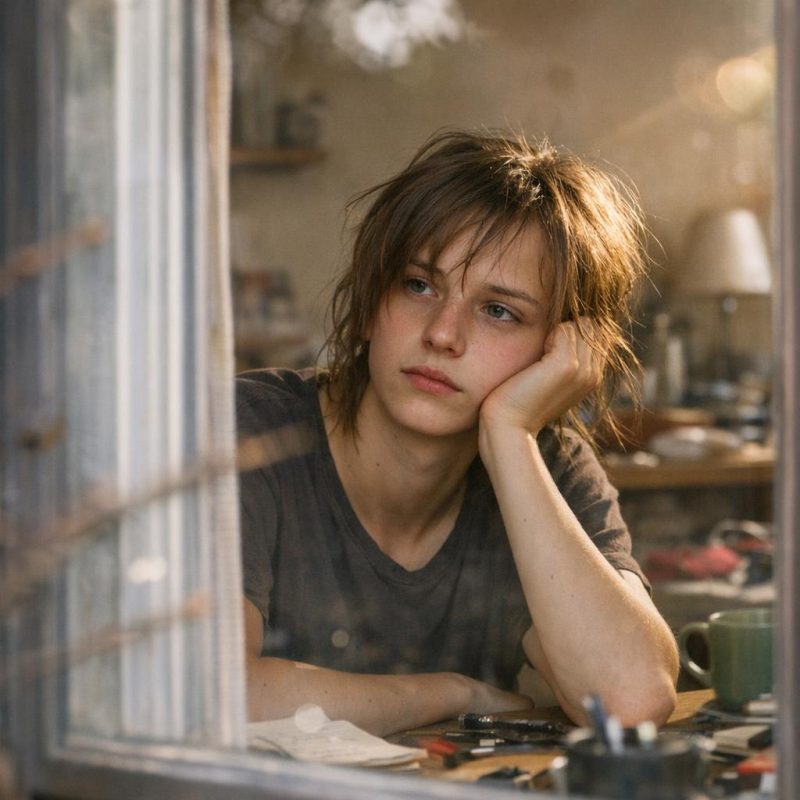 Image by RM AI
Tori At My Door
The knock was soft this time, tentative. When I opened the door, Tori stood there, and I barely recognized her. No ring light, no phone in hand, no practiced expression. Just a teenage girl with red, puffy eyes and the kind of posture that comes from crying for hours. She looked up at me, and I saw none of the confidence that had radiated from her videos. 'Can I talk to you?' she asked, her voice small and hoarse. I hesitated, then stepped aside. She came in slowly, like she wasn't sure she was allowed to be there. We stood in the entryway, an awkward silence stretching between us. I waited for her to speak, to explain, to apologize—whatever she'd come here to do. She opened her mouth, closed it, then tried again. 'I... I didn't think...' She trailed off, tears spilling down her cheeks. Part of me wanted to stay hard, to make her say it all, to make her face the full weight of what she'd done. But another part of me just saw a kid who'd gotten in way over her head, who'd mistaken attention for connection and numbers for worth. She looked so small and scared that for a moment, I almost felt sorry for her.
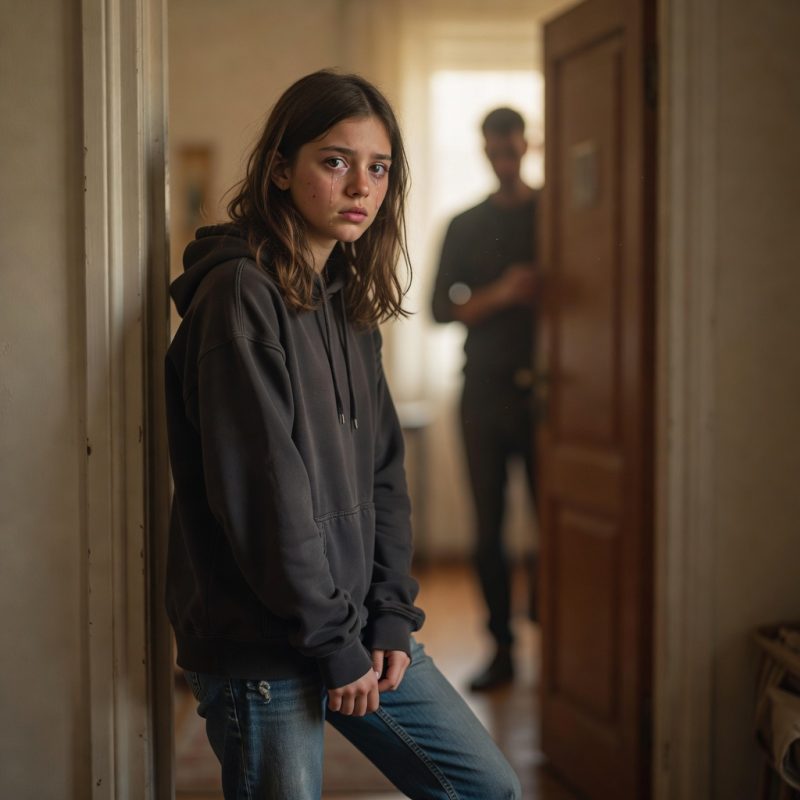 Image by RM AI
The Apology
She wiped her eyes with the back of her hand and took a shaky breath. 'I'm sorry,' she said, and the words hung in the air between us. 'I'm really, really sorry for what I did to you.' I watched her face, looking for something genuine beneath the tears. But there was something off about it, something that felt rehearsed, like she'd practiced this speech in front of her bathroom mirror. The apology was there, sure, but it felt hollow—like she was sorry she'd been caught, sorry there were consequences, but not quite sorry for the actual thing she'd done. I'd heard enough half-hearted apologies in my fifty-eight years to recognize one. She kept saying 'I'm sorry' but never quite said what for, never acknowledged the full scope of the damage. It was the kind of apology that checks a box without actually opening anything up. I crossed my arms and studied her, letting the silence stretch until it became uncomfortable. She shifted her weight from foot to foot, waiting for me to accept it, to tell her it was okay, to let her off the hook. But I wasn't going to make this easy. Finally, I leaned against the wall and asked her the one question that mattered: 'Why did you do it?'
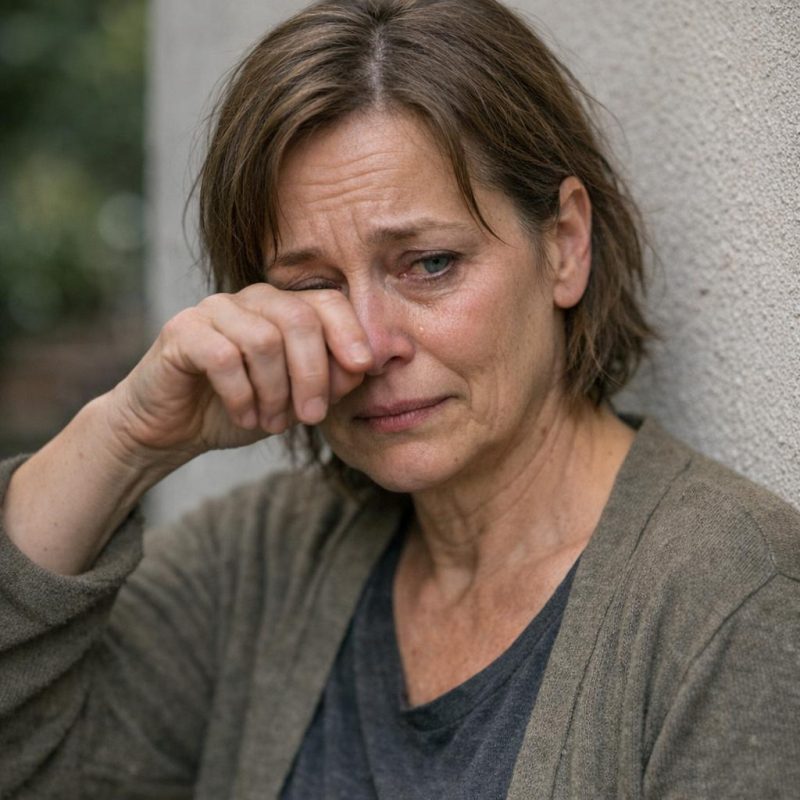 Image by RM AI
Tori's Explanation
Tori looked down at her hands, twisting her fingers together. 'At first, I was just posting normal stuff,' she said quietly. 'Like, pictures of my coffee or whatever. Sunset photos. My dog.' She laughed, but it was bitter and sad. 'Nobody cared. I'd get like, twelve likes. Maybe a comment from my mom.' I stayed quiet, letting her continue. 'Then I posted a video of Mr. Henderson yelling at some kids on his lawn, and it got hundreds of likes. Thousands of views.' Her voice grew steadier now, like she was explaining a science experiment. 'So I started paying more attention to what was around me. I'd film things that seemed... dramatic. And if they weren't dramatic enough, I'd...' She trailed off. 'You'd edit them,' I finished for her. She nodded, still not looking at me. 'People shared those videos. They commented. They followed me. For the first time, people actually cared about what I posted.' The clinical way she described it made my stomach turn. This wasn't some impulsive mistake—it was calculated. She looked up at me then, and her expression was complicated, caught between shame and something else. 'Outrage works,' she said, so matter-of-factly it took my breath away. 'People share it.'
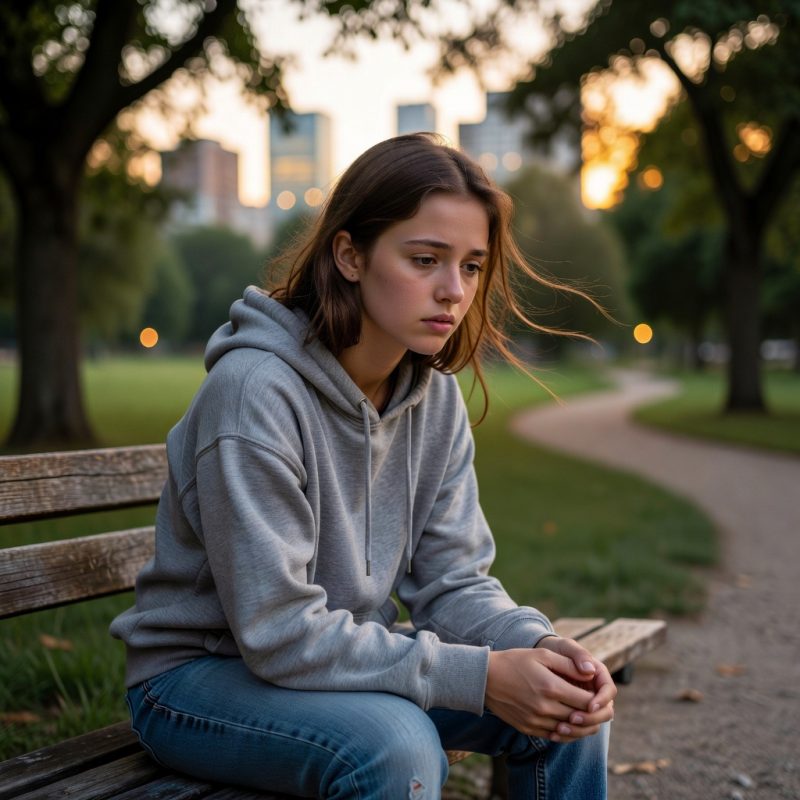 Image by RM AI
The Algorithm
She pulled out her phone—of course she did—and started swiping through screens, showing me graphs and metrics I didn't fully understand. 'The algorithm rewards engagement,' she explained, her voice taking on an almost academic tone. 'It doesn't care if people like something or hate it. It just cares if they react.' She showed me a video that had gotten fifty views versus one that had gotten fifty thousand. The difference? Conflict. Drama. Someone looking bad. 'Happy content gets scrolled past,' she continued. 'But if someone's angry, or if there's a villain, or if people can argue in the comments—that's what the algorithm pushes.' I felt sick listening to her reduce human beings to content strategy. She talked about it like it was just how things worked, like she'd simply figured out the rules of a game everyone else was playing. 'Every platform is the same,' she said. 'TikTok, Instagram, YouTube—they all want you to stay on the app longer. And nothing keeps people on the app like outrage.' I stared at her, this seventeen-year-old kid who'd somehow become fluent in the language of manufactured conflict. She looked at me with something between shame and defiance, her jaw set: 'I didn't think it would hurt anyone.'
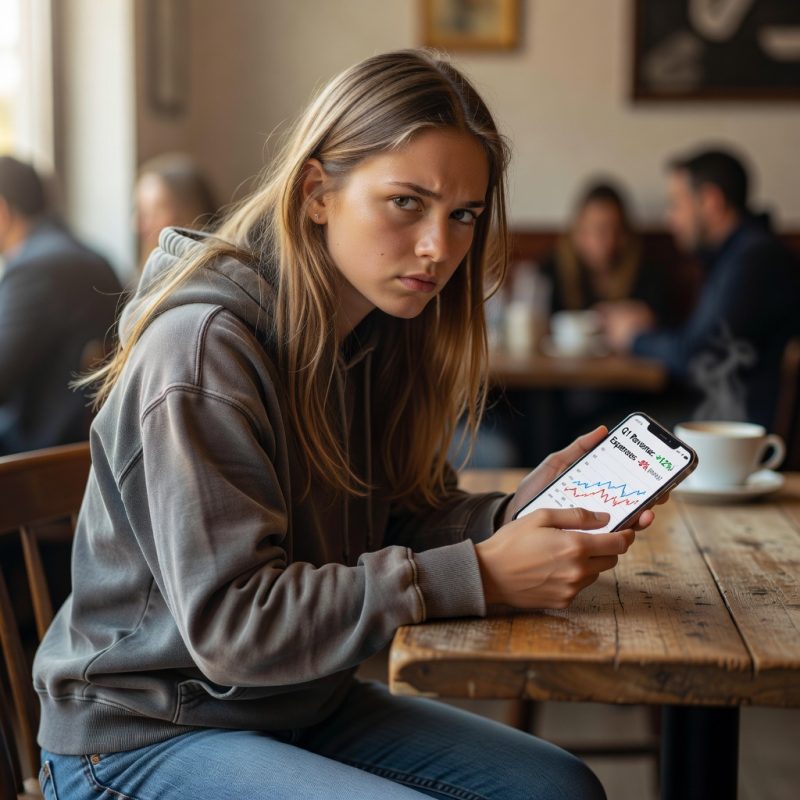 Image by RM AI
The First Time
I asked her when it started, really started, and she got quiet again. For a long moment, I thought she wouldn't answer. Then she sighed. 'There was this one time, maybe six months ago,' she began slowly. 'I saw Mrs. Patterson picking up trash in her yard. Just... doing yard work, you know? But I filmed it from a certain angle, added a caption about her being weirdly territorial, made it look like she was judging the neighbors.' Her voice got smaller. 'It got twelve thousand views in two days. I gained almost three hundred followers.' She looked up at me, and I could see her trying to justify it. 'After that, I just... kept doing it. Because it worked. Because people kept watching and sharing and following.' Each video had gotten a little more staged, a little more manipulated. She'd find moments that could be twisted, or she'd create moments that looked real but weren't. And every time, the numbers went up. Every time, the validation came flooding in. 'I told myself I was just being creative,' she said, but even she didn't sound convinced. I felt something shift inside me, a puzzle piece clicking into place. I started to see it clearly now—this wasn't about me at all.
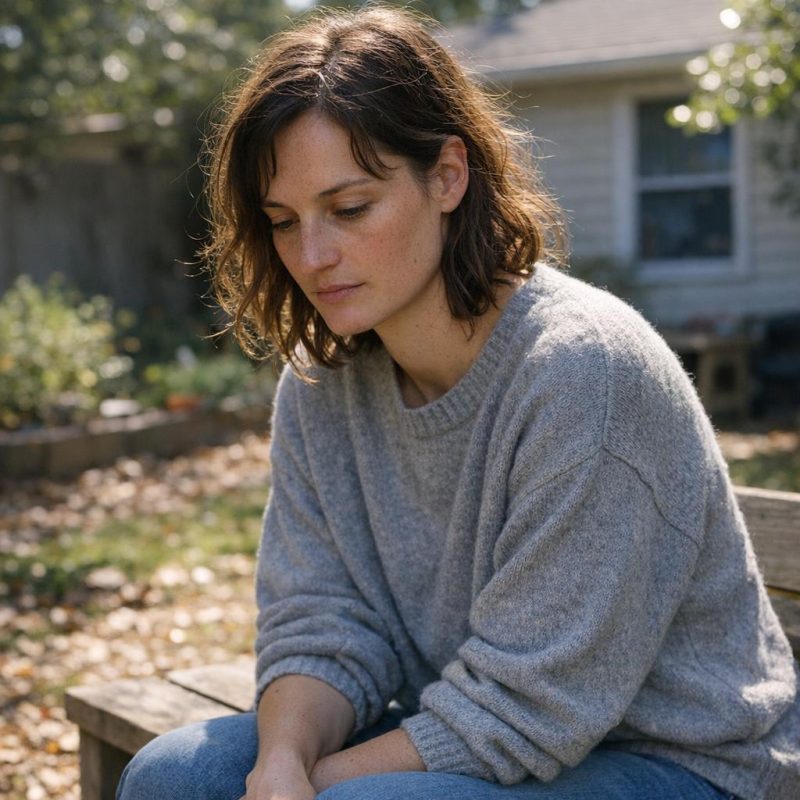 Image by RM AI
The Numbers
She scrolled through her profile, showing me the timeline. 'See?' she said, pointing to the follower count graph. It looked like a jagged mountain range—flat stretches interrupted by sudden spikes. Each spike corresponded to one of her 'villain' videos. When she posted something real and unmanipulated, her engagement barely moved. But post a video of a neighbor looking bad? The numbers skyrocketed. 'This one got me eight hundred new followers in a weekend,' she said, tapping on a video I recognized—someone from three streets over. 'This one went semi-viral. Twenty-two thousand views.' The clinical pride in her voice made me want to throw up. I watched her face as she scrolled, and I saw it clearly: she was chasing something that could never satisfy her. Each spike became the new baseline. Each viral moment meant she needed a bigger one next time. We—the neighbors she'd filmed, the people she'd reduced to content—we weren't people to her in those moments. We were metrics. We were engagement. We were the algorithm's fuel, and she was the one feeding us into the machine. I looked at the numbers climbing on her screen and felt something cold settle in my chest. She was addicted to the numbers, and we were just fuel.
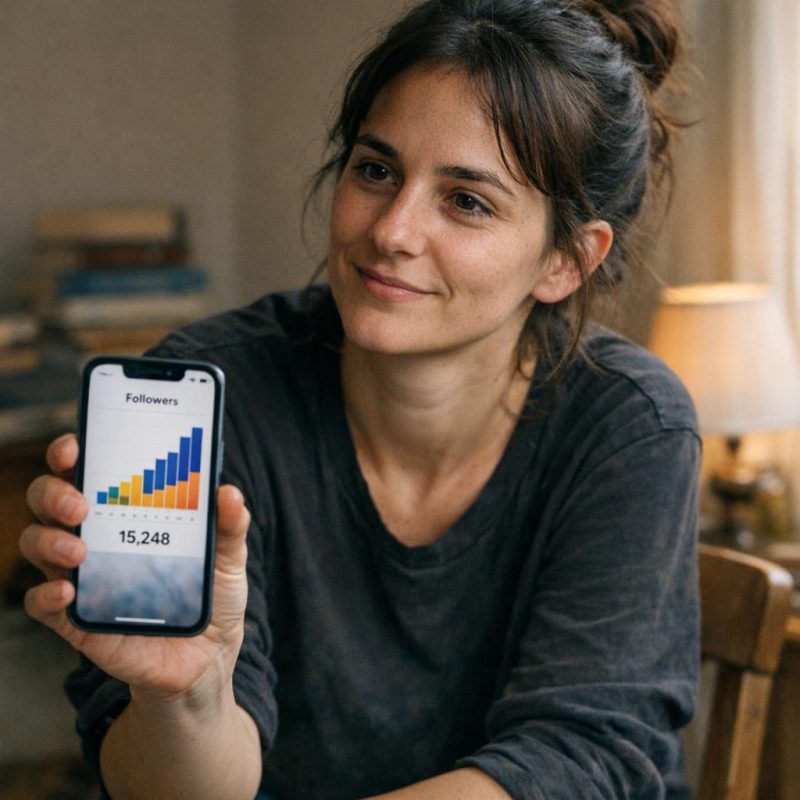 Image by RM AI
The Other Victims
I made myself ask the question, even though I wasn't sure I wanted to know the answer. 'How many?' I said. 'How many neighbors did you do this to?' She froze, her thumb hovering over her phone screen. 'I don't...' she started, then stopped. 'It wasn't like I kept count.' That non-answer was an answer. I pressed harder. 'Tori, how many people in this neighborhood have you filmed this way? How many videos have you edited to make someone look bad?' Her face went red, and she looked away. 'Some of them weren't even edited that much,' she said defensively, which was such a wild thing to say that I almost laughed. 'That's not what I asked.' She was quiet for a long time. I could see her trying to calculate, trying to remember, maybe trying to figure out how honest to be. Her mouth opened and closed. She looked at her phone, then at the floor, then at the wall—anywhere but at me. I waited. I had nowhere else to be. Finally, she just shook her head slightly, a tiny, helpless gesture. The silence that followed told me everything.
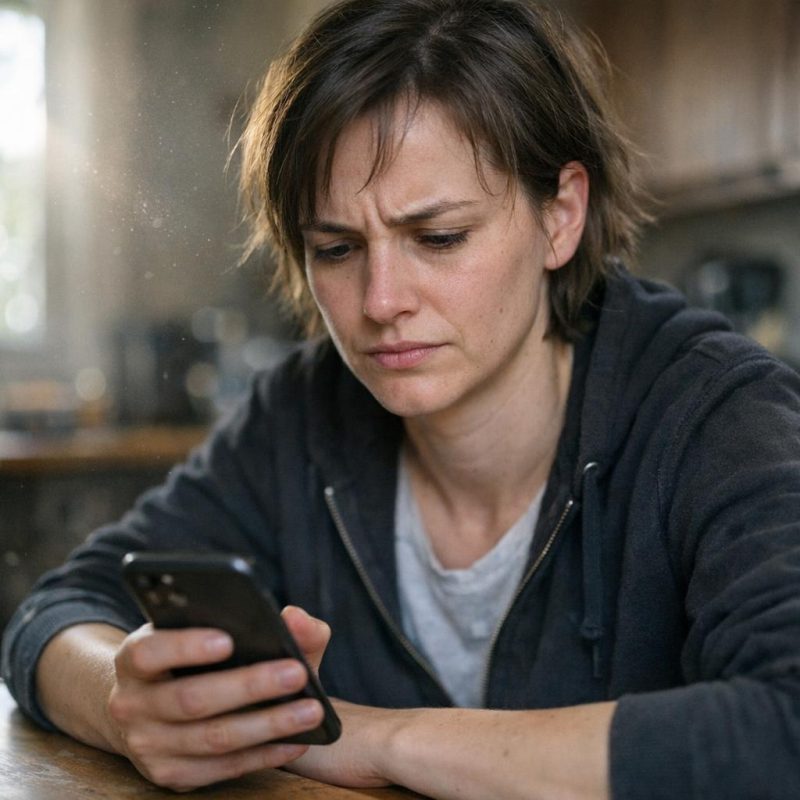 Image by RM AI
My Dignity For Her Views
I took a breath, trying to find the right words for what I needed her to understand. 'You know what hurts the most about all this?' I said, and my voice came out steadier than I felt. 'It's not that you hated me. It's not even that you lied about me.' She looked up, confused. 'It's that you didn't hate me at all,' I continued. 'You didn't have any feelings about me one way or another. You just looked at me and decided my dignity was worth less than your metrics.' I saw her flinch, but I kept going. 'You traded my reputation, my peace of mind, my relationships with other people—you traded all of that for numbers on a screen. For strangers' validation. For followers who don't even know your middle name.' Her eyes were filling with tears again, but these looked different than before. 'I was just a person living my life, and you turned me into content. You turned me into a villain because villains get views.' My throat felt tight, but I pushed through. 'That's what hurts. Knowing I was never a person to you in that moment. Just an opportunity.' I could see that truth land, sink in, hit something real. For the first time since she'd knocked on my door, she looked genuinely ashamed.
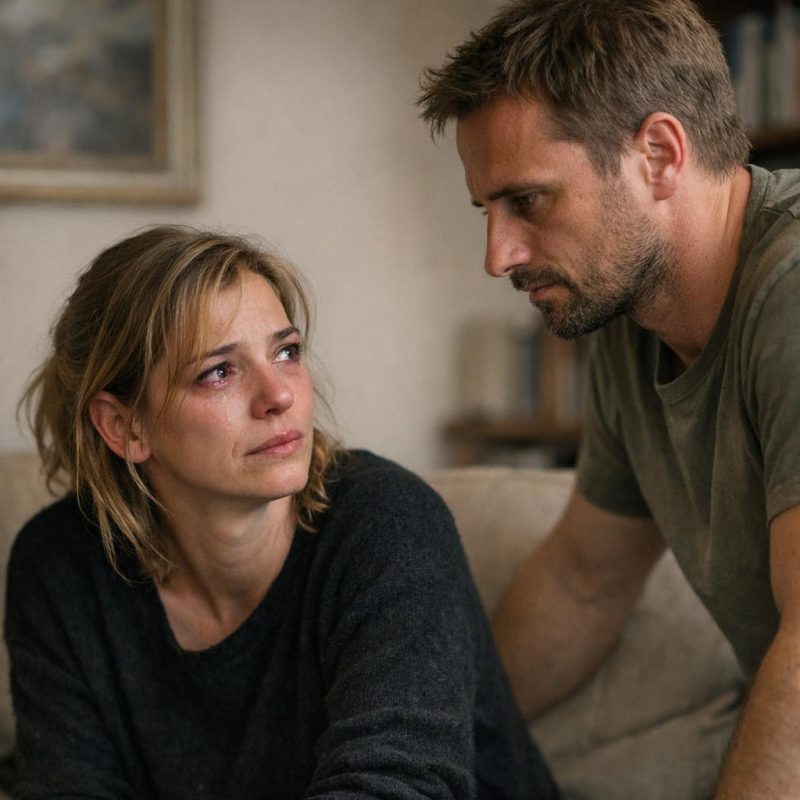 Image by RM AI
The Pattern Revealed
And suddenly, standing there in my entryway with this teenage girl and her phone full of carefully curated cruelty, I could finally name what had been happening. 'You've been systematically staging and editing videos of people in this neighborhood,' I said, and hearing myself say it out loud made it real. 'You find moments that can be twisted or you create moments that look authentic, and then you edit them to make us look like villains. Because outrage gets more engagement than authenticity. Because conflict gets shared more than kindness. Because the algorithm rewards you for making real people look bad.' Tori didn't argue. She just stood there, tears streaming down her face, because we both knew I was right. 'This was never about creativity or being an influencer or even just being a dumb kid making mistakes,' I continued. 'This was about exploiting real people—people you see at the grocery store, people who wave to you, people who live fifteen feet away from you—exploiting us for algorithmic validation.' I looked at her phone, still clutched in her hand, and felt the full weight of what she'd built. A whole system of manufactured outrage. A content factory fueled by our dignity. This was never about creativity or storytelling—it was about exploiting real people for algorithmic validation.
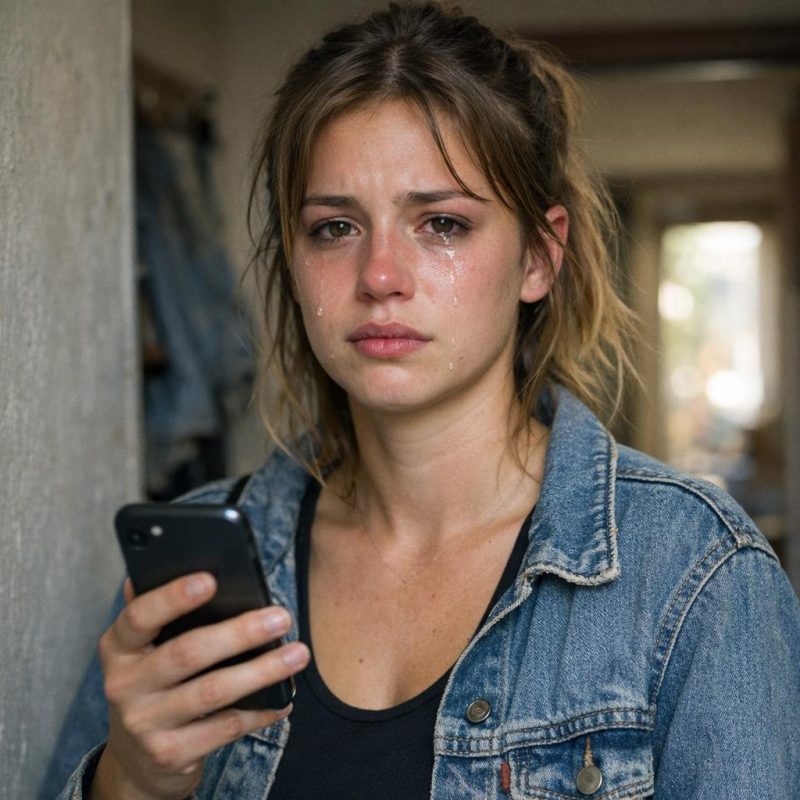 Image by RM AI
Reframing Everything
After Tori left, I sat at my kitchen table and let everything click into place like dominoes falling in reverse. Mr. Henderson's 'confrontation' about his fence—that wasn't a random encounter. She'd known exactly when he'd be out there, probably heard him mention it to someone. The woman with the earbuds who I'd supposedly harassed—that timing was too perfect, too convenient. Patricia and the pie plate incident—God, Patricia had even said she felt 'set up,' and I'd dismissed it as paranoia. Every single moment that had felt slightly off, every interaction that left me second-guessing myself, every confused look from a neighbor who swore they hadn't done what the video showed—it all had the same signature. The same careful staging. The same strategic editing. The same calculated deployment for maximum outrage. Tori hadn't just stumbled into viral content. She'd engineered it, systematically, targeting the people closest to her because we were accessible and trusting and completely unprepared to defend ourselves against someone weaponizing our everyday lives. I thought about all those nights I'd lain awake wondering what I'd done wrong, replaying interactions in my head, questioning my own perception of reality. The self-doubt hadn't been accidental—it was the whole point. Every confused reaction, every moment of self-doubt, every second-guessed interaction—they were all manufactured.
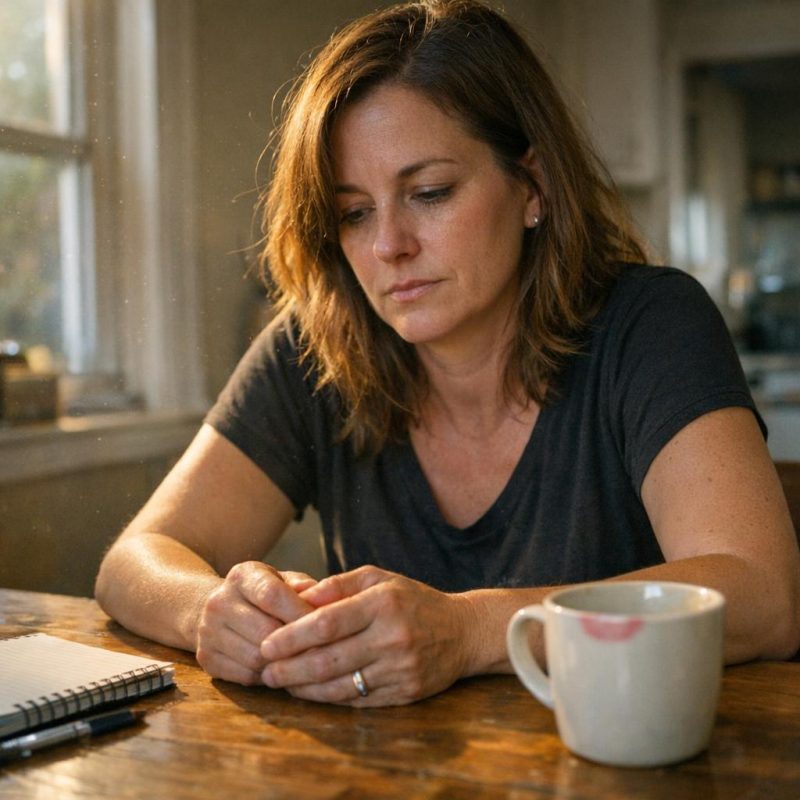 Image by RM AI
The Demand
When I saw Tori the next afternoon—she was sitting on her front steps, presumably waiting for me—I walked straight over. 'A private apology isn't enough,' I said before she could speak. 'You need to post a public correction.' She looked up, her face pale. 'What do you mean?' I sat down beside her, not because I felt friendly but because I wanted her to really hear this. 'You used your face and your voice to spread lies about me and about our neighbors,' I said. 'You built credibility by putting yourself on camera, by seeming authentic and trustworthy. So now you need to use that same face and that same voice to tell the truth.' She started shaking her head. 'I can't—my followers will—' 'Your followers deserve to know they've been manipulated,' I interrupted. 'And the people you hurt deserve to have their dignity restored in the same public space where you destroyed it.' I pulled out my phone and showed her the unedited audio file I'd recorded during our confrontation. 'You're going to film yourself admitting what you did. You're going to explain how you manipulated footage. And you're going to apologize, genuinely, for exploiting real people for engagement.' She looked terrified, but I didn't budge.
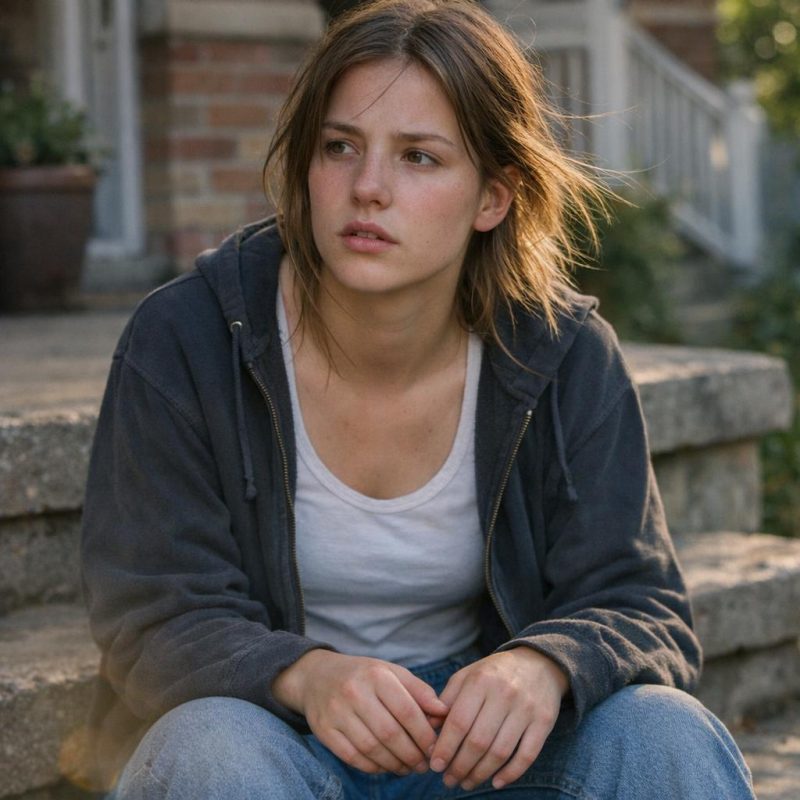 Image by RM AI
The Public Correction
Ava came over that evening to help with the technical parts—not because Tori couldn't figure out how to film herself, but because we needed a witness. Tori sat in her living room, phone propped on a stack of books, and took about six tries to get through it. She kept stopping, crying, restarting. But finally, she recorded a full three-minute video where she looked directly at the camera and said, 'I manipulated footage of my neighbors to make them look bad. I staged situations, edited audio out of context, and posted content designed to make you angry at innocent people. I did this for views and engagement, and I'm deeply sorry.' She played the unedited audio of our confrontation—the part where I'd actually been reasonable and kind, the part she'd cut out. She admitted to doing the same thing to Mr. Henderson, to Patricia, to the woman with the earbuds. Her voice shook. Her face was blotchy from crying. It wasn't polished or perfectly scripted. But that's exactly why it worked. You could see the genuine shame, the real discomfort of admitting what she'd done. It wasn't perfect, but it was real—and that made all the difference.
 Image by RM AI
Posting The Truth
Ava posted Tori's correction video to every platform where the original lies had spread—TikTok, Instagram, YouTube, even Twitter. She used the same hashtags, tagged the same accounts, cross-posted to the same communities. Within twenty minutes, it had more views than some of Tori's earlier videos. Within an hour, the comments shifted from outrage at me to something I hadn't expected: support for the truth. People were commenting 'I knew something felt off about those videos' and 'Thank you for being honest' and 'This is what accountability looks like.' Some of Tori's former followers were angry at her, sure, but more were thanking her for coming clean. The algorithm, it turned out, loved a redemption story almost as much as it loved manufactured conflict. My phone started buzzing with texts from neighbors—people I hadn't heard from in weeks, people who'd been avoiding eye contact at the mailbox. 'I saw the video.' 'I'm so sorry I believed it.' 'Thank you for standing up for yourself.' Ava sat beside me on my couch, both of us watching the comments roll in, and I felt something I hadn't felt in months: vindication. Within an hour, the comments shifted from outrage at me to support for the truth.
 Image by RM AI
The Neighborhood Response
What happened next surprised me even more than the supportive comments. Patricia called and asked if she could come over, and when she arrived, Mr. Henderson was with her. They'd both seen Tori's confession, and they wanted to talk. 'I need to say this out loud,' Patricia said, settling into my armchair. 'She filmed me three times. Three separate incidents that made me look like a paranoid nightmare. I thought I was losing my mind.' Mr. Henderson nodded. 'The fence video wasn't even the first one. She got me yelling at kids on skateboards—except she'd cut out the part where they'd knocked over my trash cans and I was just asking them to be more careful.' We spent two hours that afternoon sharing our experiences, comparing notes, realizing just how systematic Tori's operation had been. And then Patricia did something brilliant—she posted her own video, using her daughter's help, explaining what had happened to her. Mr. Henderson recorded one too. Within days, other neighbors started speaking up, not just from our street but from the wider community. People who'd been targeted by similar content creators, people who'd had their worst moments packaged and sold for engagement. We weren't victims anymore—we were witnesses.
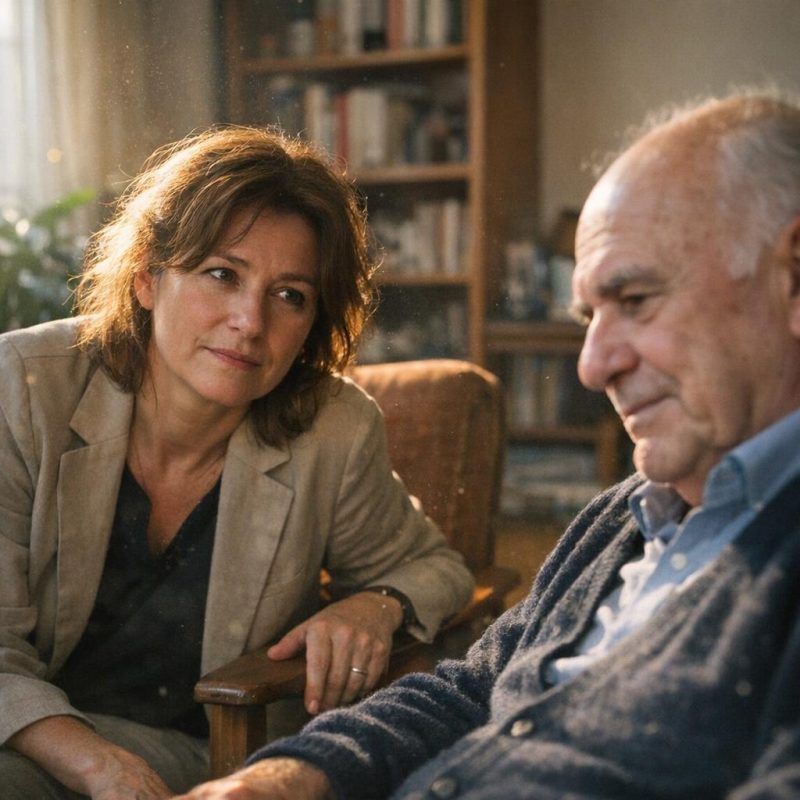 Image by RM AI
Sharon's Conversation
Sharon knocked on my door three days after Tori's confession went live. I almost didn't answer—I wasn't sure I had the emotional energy for another confrontation. But when I opened the door, she looked different. Smaller, somehow. Tired. 'Can I come in?' she asked quietly. I stepped aside. We sat in my living room, and for a long moment, she didn't say anything. Then: 'I should have listened to you. I should have held her accountable weeks ago, but I was so proud of her success that I didn't want to see what it was really built on.' I didn't know what to say, so I just listened. 'I kept telling myself she was just being creative, that everyone was too sensitive, that this was how kids her age communicated,' Sharon continued. 'But the truth is, I was scared. Scared that if I admitted what she was doing, I'd have to admit I'd failed as a parent.' Her voice cracked. 'Thank you for doing what I couldn't. Thank you for holding her accountable when I was too weak to do it myself.' I reached over and squeezed her hand. Sometimes the hardest thing a parent can do is admit their child needs consequences.
 Image by RM AI
The Lesson Learned
Tori started coming to my door about once a week after that, usually in the early evening. The first few times, she'd just stand there awkwardly and ask if I needed help with anything—taking out trash, carrying groceries, whatever. I could tell Sharon had put her up to it, at least initially. But somewhere around the fourth visit, something shifted. She asked if she could talk to me about 'the consent thing,' as she called it. We sat on my porch, and she said, 'I don't think I really understood that people aren't, like, public domain just because they're in public.' I almost laughed at the phrasing, but I didn't. Instead, I said, 'You can film public spaces. But the moment you use footage to tell a story about a specific person—especially a story that makes them look bad—you're not documenting anymore. You're creating a narrative about someone's character without their permission.' She nodded slowly, like she was actually thinking about it. 'And I didn't just do it once,' she said quietly. 'I built a whole system around it.' It wasn't a full transformation—she still checked her phone constantly, still seemed more comfortable with screens than eye contact. But it was a start. It would take time, but at least now she was trying.
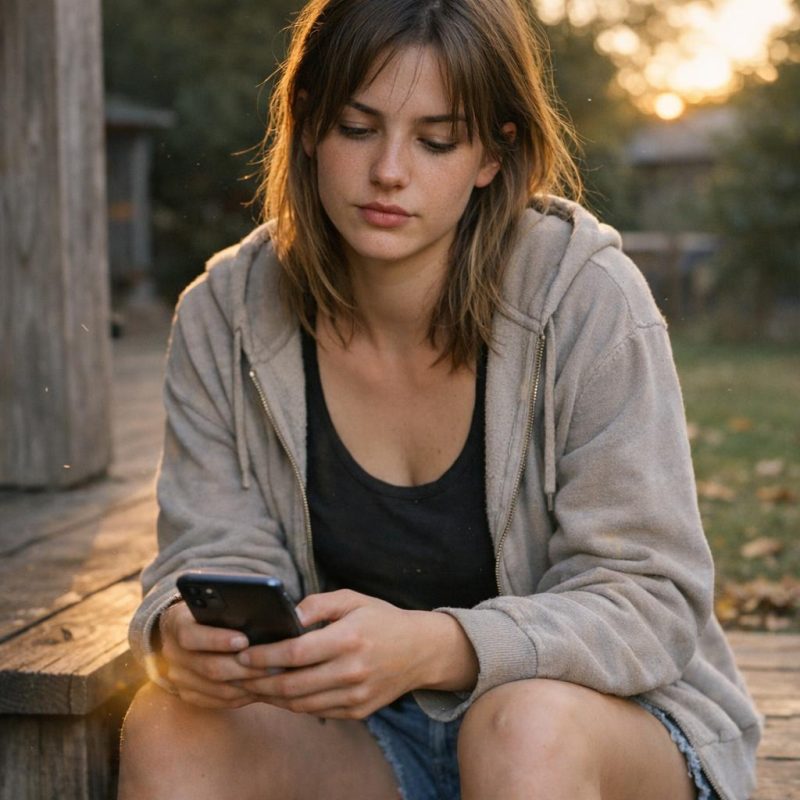 Image by RM AI
Setting Boundaries
Ava started hosting what she called 'digital self-defense workshops' in my living room every Sunday afternoon. The first session had five people—me, Patricia, Mr. Henderson, and two other neighbors who'd been burned by viral content. Ava walked us through privacy settings, taught us how to make our social media accounts private, explained reverse image searches and how to find out if our photos were being used without permission. She showed Patricia how to watermark the photos she posted of her grandchildren. She helped Mr. Henderson set up two-factor authentication after someone had tried to hack his Facebook. It was basic stuff, the kind of thing digital natives take for granted, but for those of us who'd grown up with rotary phones, it felt revolutionary. 'You don't have to delete everything or go off the grid,' Ava explained. 'You just have to understand what you're sharing and who can access it.' By the fourth week, we had twelve people showing up. We weren't just learning how to protect ourselves—we were learning how to exist in digital spaces without being easy targets. We wouldn't be easy targets anymore.
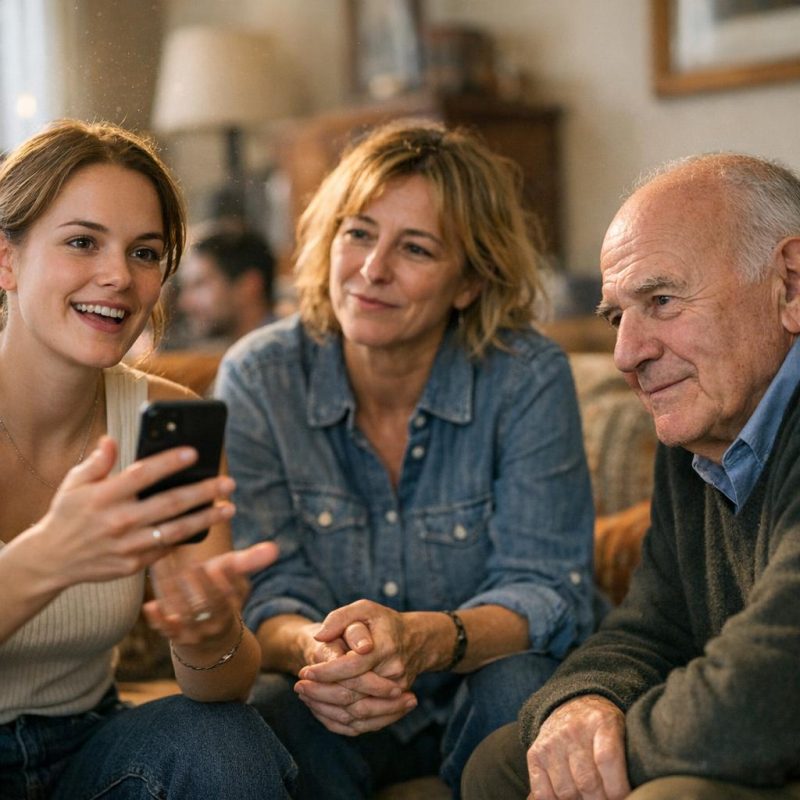 Image by RM AI
The Final Performance
The morning Tori posted her final correction video, I was in my front yard watering the petunias. I heard the front door open next door, heard her and her mother talking in tight, clipped voices. I kept the hose trained on the flower bed, watching the water soak into the dark soil. I knew she was filming me—I could feel it, that particular awareness you develop when someone's pointing a phone in your direction. But I didn't look up. I didn't acknowledge it. I just kept watering my flowers, tending to my own space, existing in my own life. Ava was sitting on my porch, laptop open, monitoring the upload in real time. 'She's posting it now,' she said quietly. I nodded but didn't turn around. The water caught the sunlight, creating tiny rainbows in the spray. Behind me, I heard Tori's car door slam, heard them drive away. 'It's done,' Ava said after a few minutes. 'She apologized. Said she 'misrepresented the situation' and 'regrets any harm caused.' It's not exactly a confession, but it's enough.' I finally looked up then, turned off the hose, wiped my hands on my jeans. 'You know what?' I said. 'Sometimes all you need is the truth, a smart ally, and the patience to let someone else's performance collapse under its own weight.'
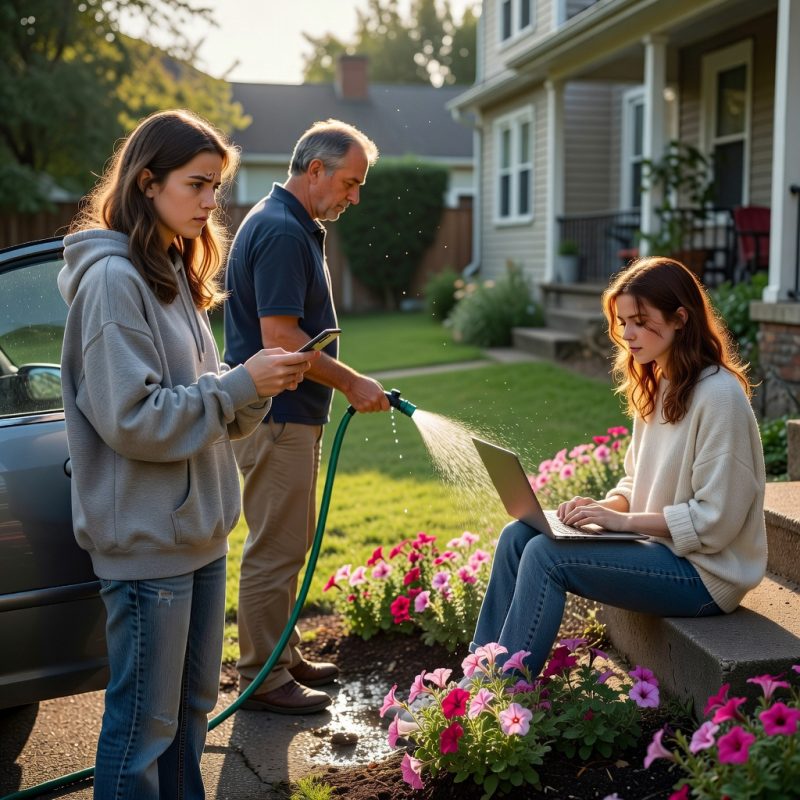 Image by RM AI
Moving Forward
In the weeks that followed, life on Willow Bend began to return to its quiet rhythm. The doorbell rang less frequently. The messages in my inbox slowed to a trickle, then stopped altogether. People stopped recognizing me at the grocery store, stopped giving me those knowing looks that said they'd formed opinions about me based on thirty seconds of edited footage. The neighborhood association meetings went back to being boring discussions about street repairs and holiday decorations instead of emergency sessions about online harassment. Patricia started posting photos of her grandchildren again, though now she watermarked every single one. Mr. Henderson joined a community garden and stopped checking his phone compulsively. I went back to my morning walks, back to my afternoon gardening, back to the simple pleasure of living a life that wasn't being documented or dissected. But here's the thing—the rhythm might have been the same, but we weren't. The Sunday workshops kept growing. We kept learning, kept sharing what we'd figured out. We'd been through something together, and it had changed the way we thought about our digital footprints, about privacy, about the stories people tell about us versus the truth we know about ourselves. But something fundamental had changed—we understood the power of our own stories now.
 Image by RM AI
What I Learned
I've thought a lot about what this whole experience taught me. About modern cruelty, about how easy it is to destroy someone's reputation when you understand algorithms and audiences. About how digital literacy isn't just a nice skill to have—it's essential armor in a world where anyone with a phone can make you a villain. I learned that the internet doesn't care about context, that people will form complete judgments based on fragments of information, that outrage spreads faster than correction ever will. But I also learned that you don't have to accept the narrative someone else writes about you. That there are people like Ava out there, people who understand these systems and are willing to fight back against their misuse. That communities can be rebuilt, that neighbors can rally, that truth still matters even when it's harder to spread than lies. What struck me most, though, was the casualness of it all. Tori didn't hate me. She didn't even really think about me as a person. I was just content, just a character in her performance, just a means to an end. She'd learned how to manufacture outrage, and she'd pointed it at me because I was convenient, because I'd asked her to move her car. The cruelty wasn't personal—it was casual, and that made it somehow worse.
 Image by RM AI
The Real Victory
But you want to know what the real victory was? It wasn't exposing Tori, though that felt pretty satisfying, not gonna lie. It wasn't even getting my reputation back, though that mattered more than I'd like to admit. The real victory was learning that you don't have to scream to be heard, that you don't have to fight fire with fire, that truth is still powerful when told with patience and clarity. I could have made my own TikTok calling her out. I could have gone on some crusade, become obsessed with revenge, let this whole thing consume me. But instead, I watered my flowers and let Ava do what she does best. I let the truth speak for itself, even when it took longer, even when it felt like no one was listening. I learned that dignity isn't about never getting knocked down—it's about how you stand back up. That being underestimated can actually be an advantage when you've got the right people on your side. That you can be fifty-eight and not understand TikTok and still win against someone who thinks algorithms make them invincible. And every time I water my flowers now, I do it with the quiet confidence of someone who knows her own worth.
 Image by RM AI