

Airports already turn ordinary adults into irritable statues. By the time you’re wedged into your row, your brain is begging for silence, a snack, and the sweet relief of not making eye contact. It’s tempting to treat your seat like a tiny bunker and your seatmate like one of those housecats who’s just kind of there.
But here’s the inconvenient truth: shutting everyone out isn’t always the smartest move. A plane is one of the few places where a brief, low-stakes connection can actually make your life easier, even if it doesn’t feel like it right away. If you can manage a little polite curiosity, you might end up with more comfort, more safety, and a better story to tell. It’s time we dove into why you should yearn for small talk!
Small Talk Isn’t a Trap, It’s a Travel Tool
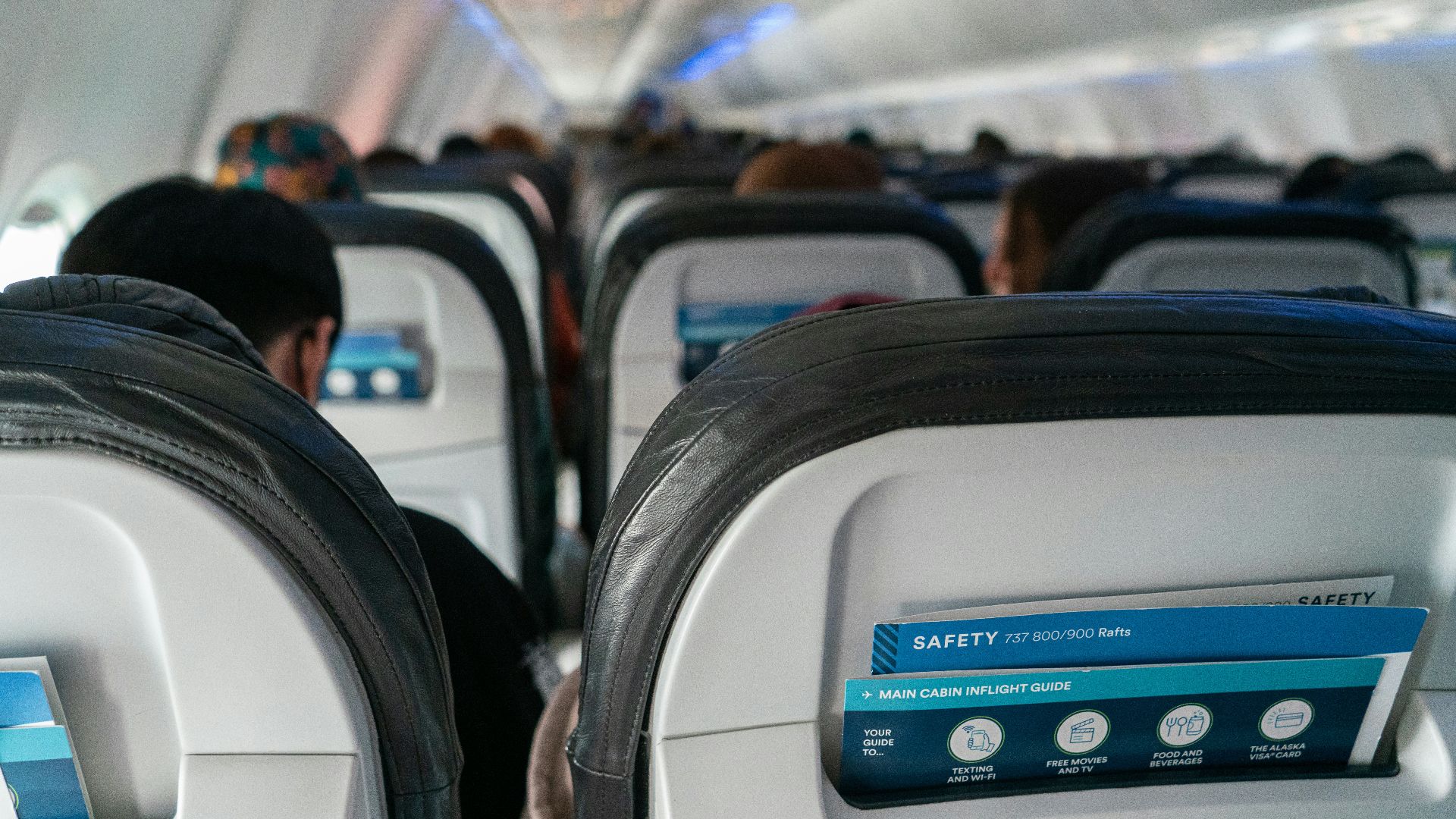
You don’t have to launch into a memoir to get value from a quick hello. A simple “How’s your day going?” establishes you as a normal, considerate person rather than a bundled-up mystery. That tiny signal can also lower tension in a cramped space where everyone’s elbows are already invading people’s personal space.
When you speak first, you also set the tone for shared etiquette. It’s easier to coordinate armrests, bathroom breaks, and bag access when you’ve acknowledged each other as humans. Even if the conversation goes nowhere, the courtesy pays off in smoother, less awkward logistics down the road.
There’s also a practical bonus: you get a read on who you’re sitting next to. Some people are chatty, some are tired, and some are quietly panicking about turbulence. Regardless of how they act, you should be in the know for the next few hours! Knowing what you’re working with helps you respond kindly instead of guessing and getting it wrong.
A Friendly Seatmate Can Make the Flight Feel Shorter
Flights have a special talent for stretching time. If you’re stuck between a crying baby and a seat that won’t recline, your mood can sour fast, but a decent conversation can’t fix everything. More importantly, it can keep you from spiraling into silent resentment.
Talking with a stranger has a strange psychological perk: it resets your perspective. You’re not just a stressed traveler anymore; you’re a person sharing a moment with another person who’s also mildly annoyed by the boarding process. That shared experience can make the cabin feel less like a sardine can and more like a temporary community!
And yes, sometimes you luck out and meet someone genuinely interesting. You might hear about a job you didn’t know existed, a city you’ve never considered visiting, or a hobby that sounds absurd until it suddenly doesn’t. If you’re really lucky, you might just meet a local guru who can redirect you to spots off the beaten path or restaurants that actual locals swear by.
There’s a Safety Angle You Shouldn’t Ignore
If something goes sideways, isolation isn’t your friend. While you don’t need to be dramatic about it, it’s smart to be on decent terms with the people closest to you. In an emergency, communication and cooperation beat awkward silence every time.
Even in non-emergencies, having a cooperative seatmate can help with small but meaningful moments. Maybe you need to stand up quickly, retrieve medication, or ask for help reaching an overhead bin. When you’ve exchanged a few words, asking for a small favor feels normal instead of intrusive.
It also makes you more aware of what’s happening around you in a calm, grounded way. You might notice your seatmate looks unwell. Maybe they look confused or anxious—a gentle check-in matters. Being socially present doesn’t mean being nosy; it means you’re not sleepwalking through a space where awareness is actually useful.
How to Be Social Without Becoming “That Person”
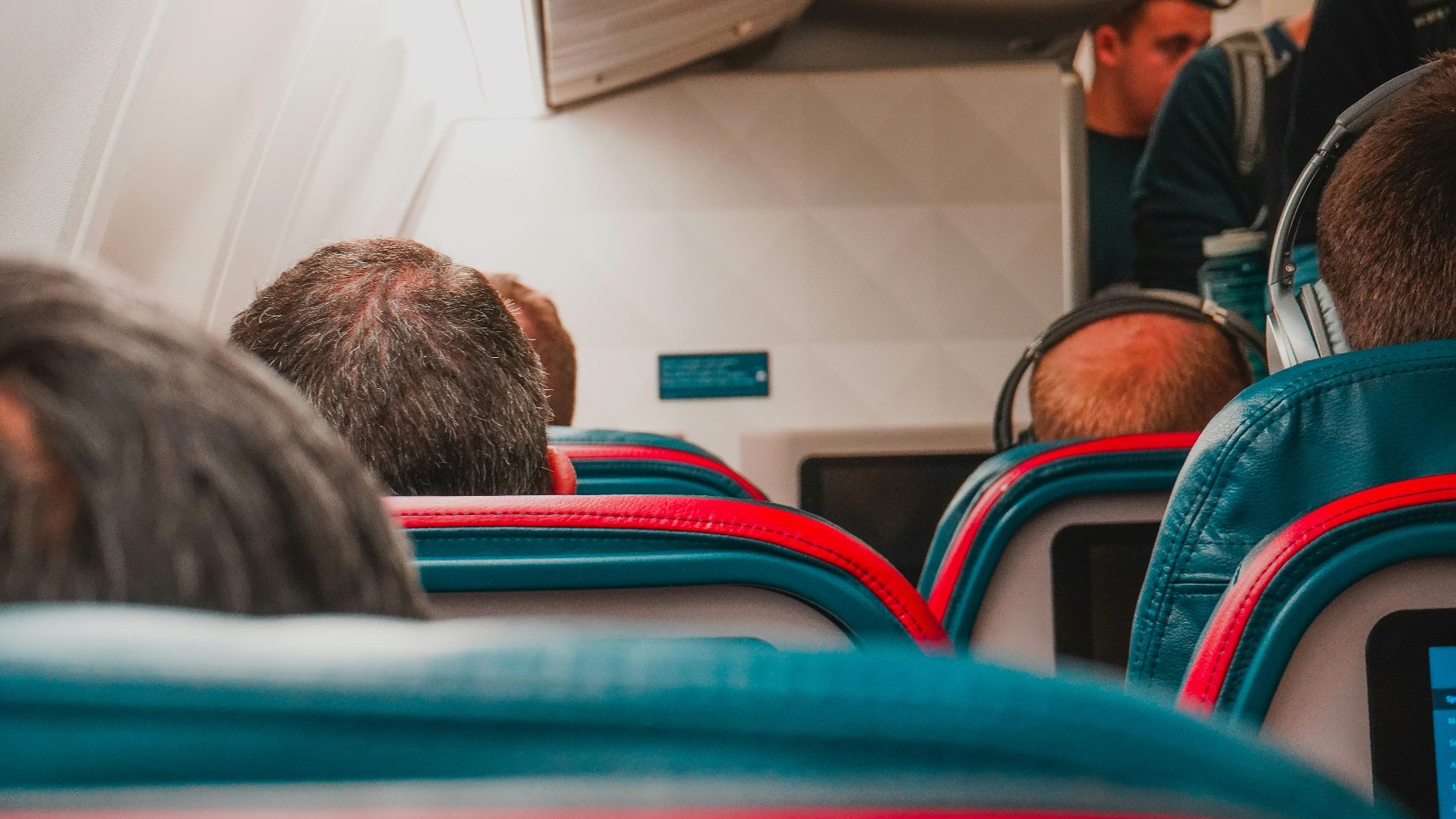
Start with a soft opener and let the other person steer the depth. A comment about the destination, a book they’re reading, or the eternal mystery of why boarding takes forever is plenty. If they respond with short answers and turn away, take the hint and retreat gracefully. (The last thing you want to do is force a connection.)
Keep your questions easy to answer and avoid interrogations, too. You’re not conducting an interview, and nobody wants to explain their entire career at 35,000 feet. Aim for light topics, listen more than you talk, and don’t treat the cabin like your personal TED Talk.
Most importantly, respect the unspoken airplane contract: headphones mean “I’m done,” and closing eyes means “Please let me exist in peace.” If the vibe is friendly, you can chat in small bursts and then return to your own bubble. If it’s not, well, that’s why they invented streaming services or a good book! However, next time you board a plane, see what’s in store right next to you before digging in your carry-on for an escape.