
The 10 Best Rewards Cards For Travelers & 10 That Aren't Worth It
A Quick Reality Check Before You Apply
Travel rewards cards can be fantastic, but only when the math actually works for your trips and spending. The best cards make it easy to earn flexible points, avoid annoying fees, and pick up perks you’d otherwise pay for anyway, while the worst ones either charge too much for too little or lock you into a niche you won’t use. Below are 10 cards that tend to deliver real value for travelers and 10 that often disappoint unless you fit a very specific profile.

1. Chase Sapphire Preferred
If you want a flexible “do-it-all” travel card without a sky-high annual fee, this is usually the sweet spot. It’s popular because the points can be used in multiple ways, including transfers, so you’re not stuck with one airline or hotel. It’s a solid pick when you want strong rewards without having to think too hard.

2. Chase Sapphire Reserve
This one is built for frequent travelers who’ll actually use premium perks and credits, especially now that the annual fee has climbed. The upside is that it still sits near the top of the premium category if you take advantage of benefits and travel protections. If you rarely travel, though, you’ll feel that fee every single year.

3. Capital One Venture X
Venture X is popular because the annual fee can be easier to offset than some other premium cards if you use its travel credits and anniversary bonuses. It also keeps rewards simple, which is nice if you don’t want to micromanage categories. For travelers who like straightforward value with premium features, it tends to land well.
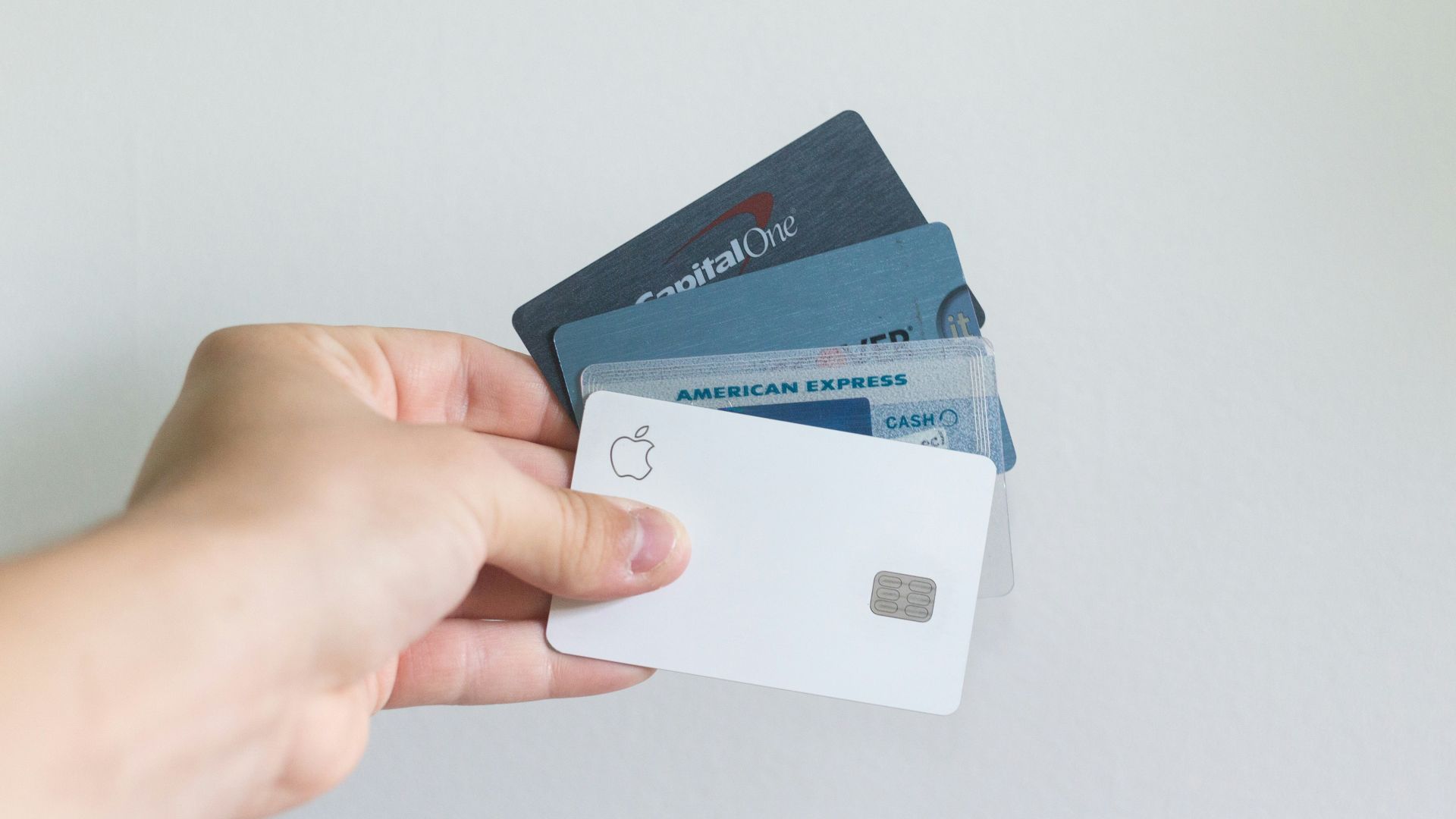
4. The Platinum Card from American Express
Amex Platinum can be great if you’ll use lounge access and a long list of statement credits, but it’s also one of the biggest “know yourself” cards out there. The annual fee has increased, and the value often depends on whether you’ll naturally use the benefits rather than forcing it. If your travel style matches the perks, it can feel like a cheat code.

5. Citi Strata Premier
This is a strong mid-tier option for travelers who want solid everyday earnings with travel-friendly redemption potential. It’s often recommended as a “serious points” card without the premium-card price tag. If you prefer a simpler setup than juggling multiple cards, it’s worth a look.

6. Bilt Mastercard
Bilt stands out because it lets many renters earn rewards on rent without a typical credit card fee structure for that payment. It’s also frequently discussed as a flexible points option for people who want travel rewards from everyday life, not just flights. If rent is a major monthly expense, it can change your earning game.

7. Wells Fargo Autograph
For a $0 annual fee card, Autograph gets a lot of love because it earns bonus points in several travel-friendly categories. It’s an easy “starter” travel card if you’re not trying to pay for premium perks you won’t use. You get decent value without feeling like you need a spreadsheet.
 joão vincient lewis on Unsplash
8. Capital One Venture Rewards
This one is a strong option if you want a simple rewards structure and the flexibility to use miles for travel expenses. It’s frequently positioned as a solid all-around travel card with a reasonable annual fee relative to what you can earn. If you’re allergic to complicated category rules, it keeps things manageable.

9. Hilton Honors American Express Aspire
If you actually stay at Hiltons, this card can be an easy win because its hotel-focused perks are built for loyalists. The key is that you should genuinely use the benefits, since hotel cards shine when your travel patterns line up with the brand. For the right traveler, the value can feel outsized.

10. United Club Card
For frequent United flyers, lounge access and airline-specific perks can justify the annual fee in a way general cards can’t. This is the type of card you get when United is already your go-to, and you want the “airport experience” upgrades. If you only fly the airline a couple of times a year, it’s usually too much card.

Now that we've talked about travel credit cards that people find are actually worth getting, let's talk about the ones that aren't.
1. Mastercard Gold Card
This card is often criticized for charging an extremely high annual fee compared with what you get back in practical travel value. If your goal is meaningful rewards and perks, there are usually better options for hundreds less per year. Paying for “exclusive” is rarely a strong travel strategy.

2. Mastercard Black Card
It sounds impressive, but the value proposition tends to wobble once you compare it to mainstream premium travel cards. Many reviews point out that the fee-to-benefits ratio can be hard to justify unless you really want the specific lifestyle packaging. If you’re chasing actual travel value, you’ll typically do better elsewhere.

3. Delta SkyMiles Blue American Express Card
It’s fine for casual Delta flyers who want a no-annual-fee way to earn miles, but it’s light on day-of-travel perks. If you want benefits like a free checked bag or priority boarding, you’ll likely outgrow it quickly. For many travelers, it ends up feeling not that useful.

4. American Airlines AAdvantage MileUp
This card can make sense for occasional American flyers, but it generally won’t satisfy someone who flies often and expects meaningful perks. If you travel enough to care about airline benefits, the higher-tier cards tend to be a better fit. For frequent trips, “no annual fee” can still be expensive if it means missing the perks you’d use.

5. United Gateway Card
It’s a beginner-friendly way to earn United miles, but it’s also relatively limited on premium travel perks. If you’re hoping your card will make airport days smoother, you may find it underpowered. It’s best viewed as an entry point, not a long-term “traveler card.”
 https://1000logos.net/united-airlines-logo/ on Wikimedia
6. Southwest Rapid Rewards Plus
Entry-level airline cards can be decent, but they can also feel thin if you’re not flying that airline regularly. Even the perks that exist only matter if you’re consistently booking Southwest and taking advantage of the program. If your travel is scattered across airlines, flexible points often beat brand loyalty.

7. Free Spirit Travel Mastercard
If Spirit is your main airline, airline cards can be useful, but most people aren’t loyal enough to make that math sing. The perks are tied to a very specific way of traveling, and outside that lane, the value can drop fast. For many travelers, flexible points cards are a better long-term play.

8. Free Spirit Travel More World Elite Mastercard
This version stacks more perks for Spirit flyers, but it still depends heavily on you flying Spirit often enough to notice the benefits. If you’re only taking the occasional budget flight, you’re likely paying for features you won’t fully use. The best airline cards feel “obvious” for your habits, and this one can feel forced for everyone else.

9. Frontier Airlines World Mastercard
Frontier fans can make it work, yet many travelers will find it too niche unless Frontier is a consistent choice. Co-branded airline cards tend to underwhelm when you’re not regularly booking that airline’s flights. If your routes and prices change often, flexibility usually wins.

10. Capital One VentureOne
A no-annual-fee travel card can be useful, but VentureOne’s lower base earning rate can make it feel slow compared to other $0-fee competitors. It’s not “bad,” it’s just often outpaced by cards that earn more in common categories without charging a fee. If you want a no-fee option, you may be happier with a card that’s more aggressive on everyday earnings.