
Sleep Safe And Enjoy Your Stay
A hotel stay should feel like a break, not a worry-fest. But let's be real— that eerie feeling of having to spend the night somewhere completely new to you can be hard to shake sometimes. But, luckily, there are a few smart tricks that can turn your hotel room into a secure little fortress. So, here are 20 practical and effective ways to ensure that you sleep safely and soundly!

1. Use A Portable Door Lock
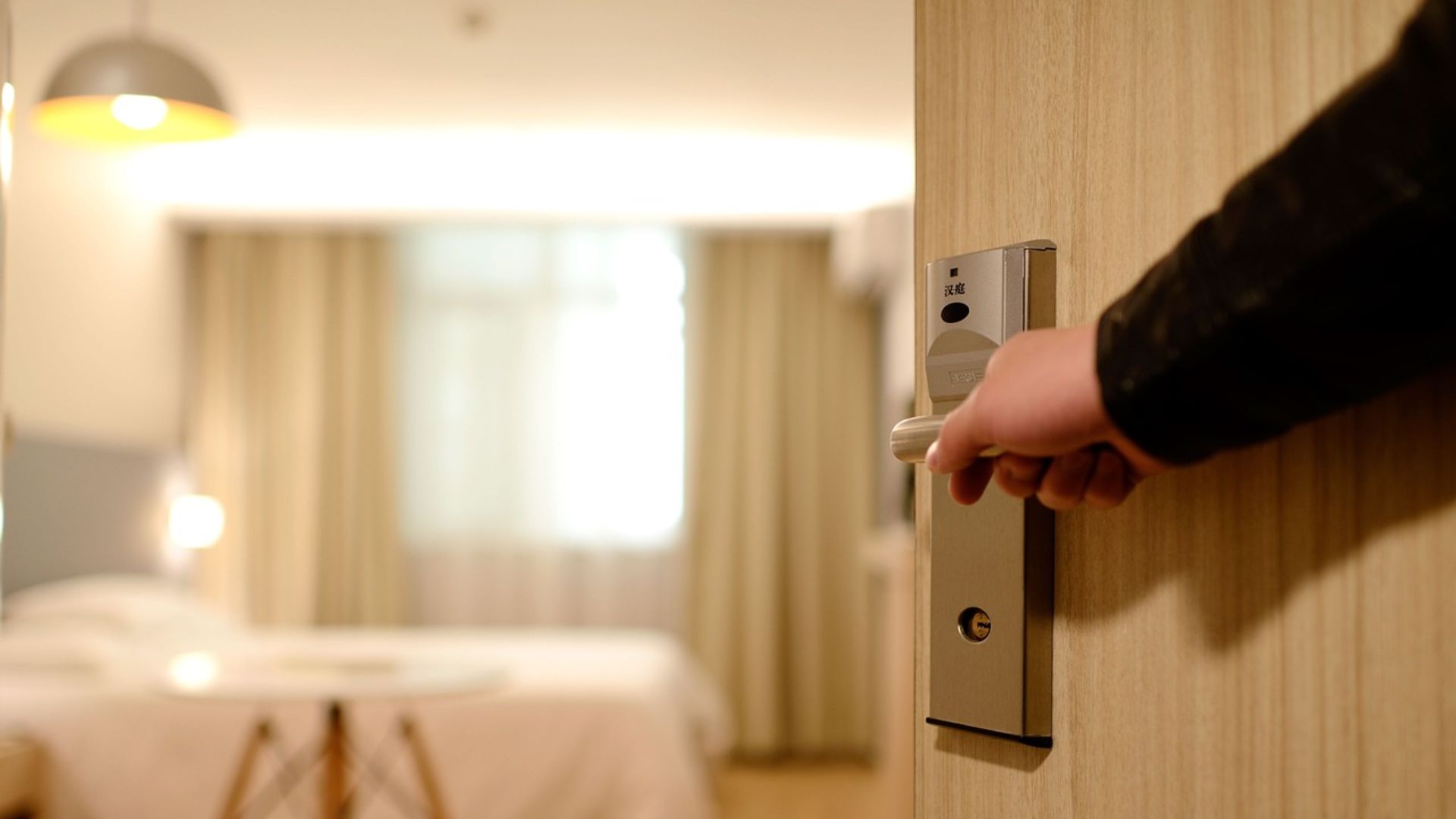
Hotels provide locks, but they may not be enough to keep intruders out. A portable door lock can reinforce the security of your room by making it nearly impossible for someone to enter, even with a key. Plus, many of these locks are lightweight and fit most doors.
2. Verify Visitor Identity Before Opening The Door
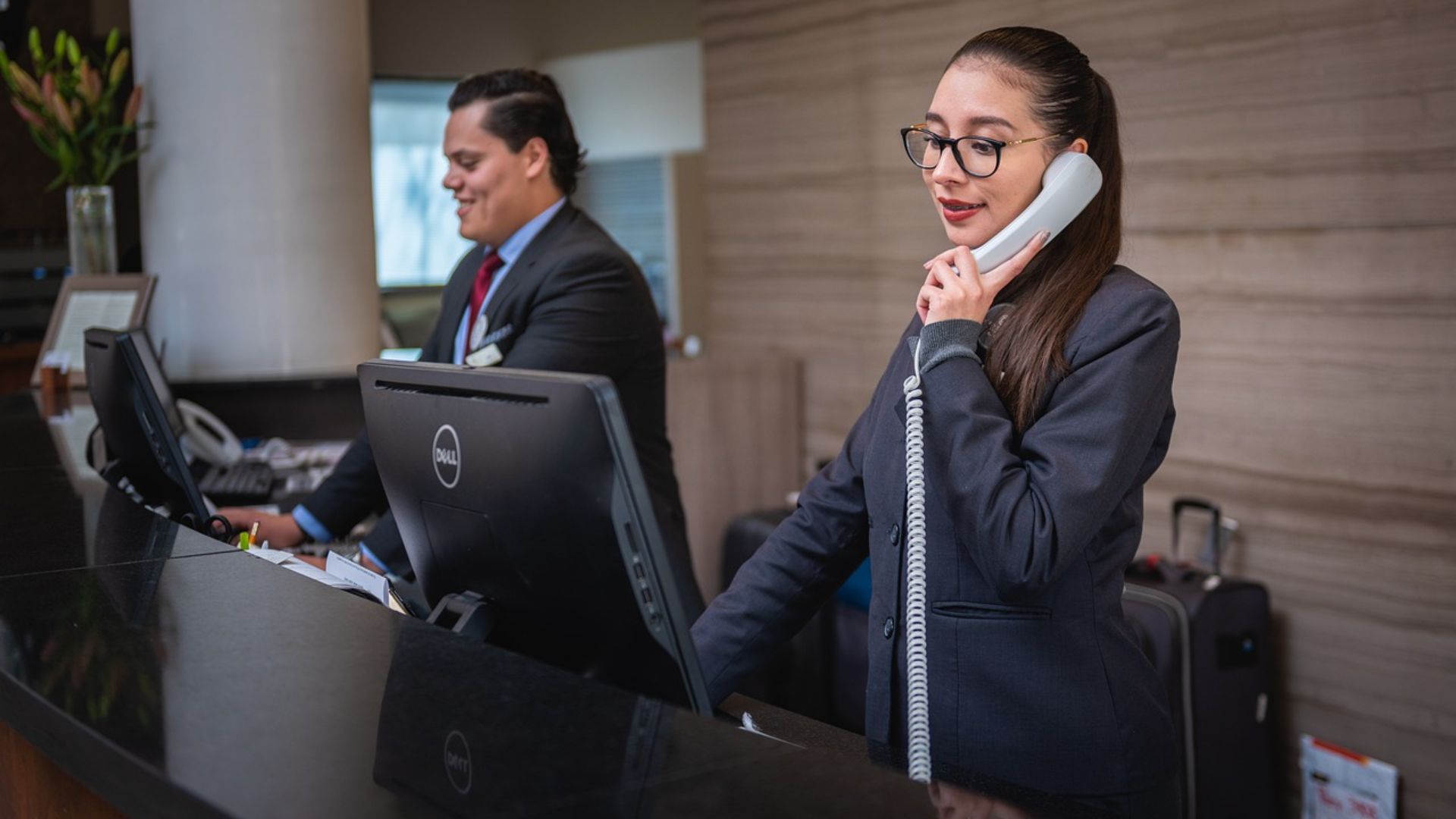
If someone knocks on your door claiming to be hotel staff, do not open it immediately. Instead, call the front desk to confirm whether the person is an actual employee. Scammers often impersonate maintenance workers or security personnel to gain access to rooms.
3. Keep Valuables Out Of Sight
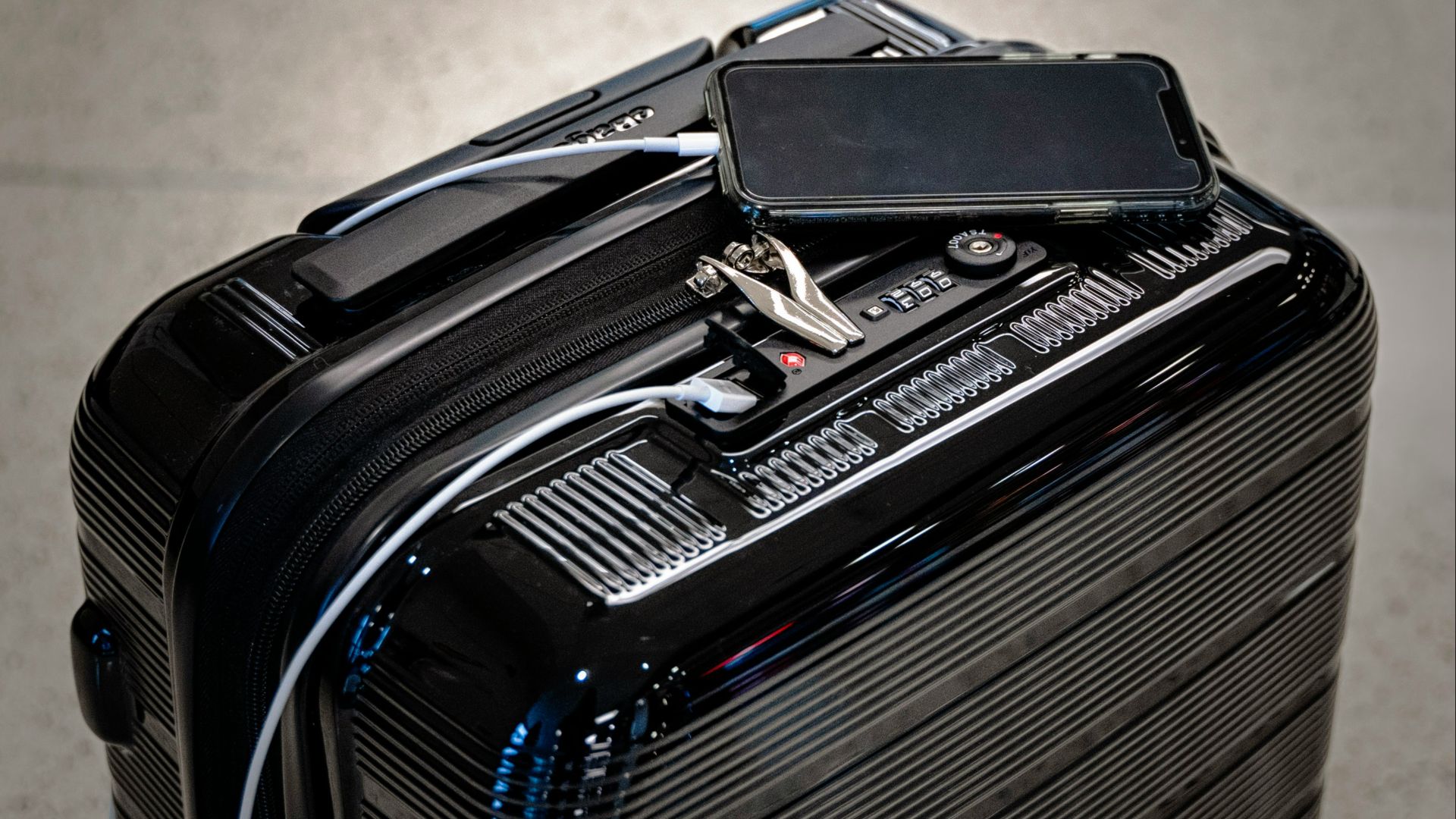
Leaving expensive items visible on tables or beds makes you a target for theft. Keep these valuables inside a locked suitcase or hidden in less obvious places, such as inside a sock or within clothing layers, rather than relying on a hotel safe that may have a master override code accessible to staff.
4. Display The "Do Not Disturb" Sign When Away
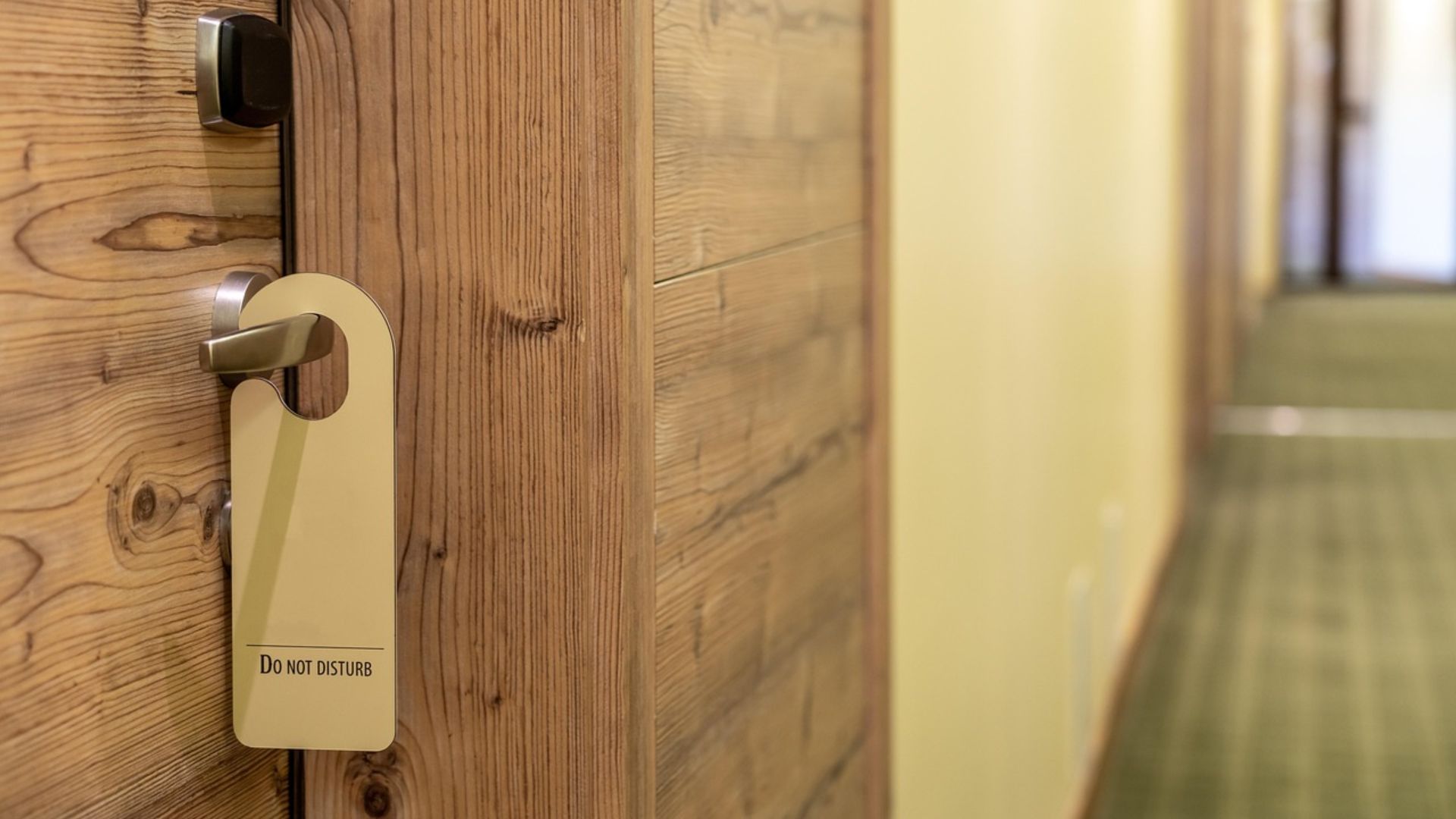
Hanging the "Do Not Disturb" sign on your door when leaving gives the impression that the room is occupied. This discourages potential thieves who typically target vacant rooms. While it won’t stop determined burglars, it can make your room less appealing compared to others.
5. Familiarize Yourself With Emergency Exits
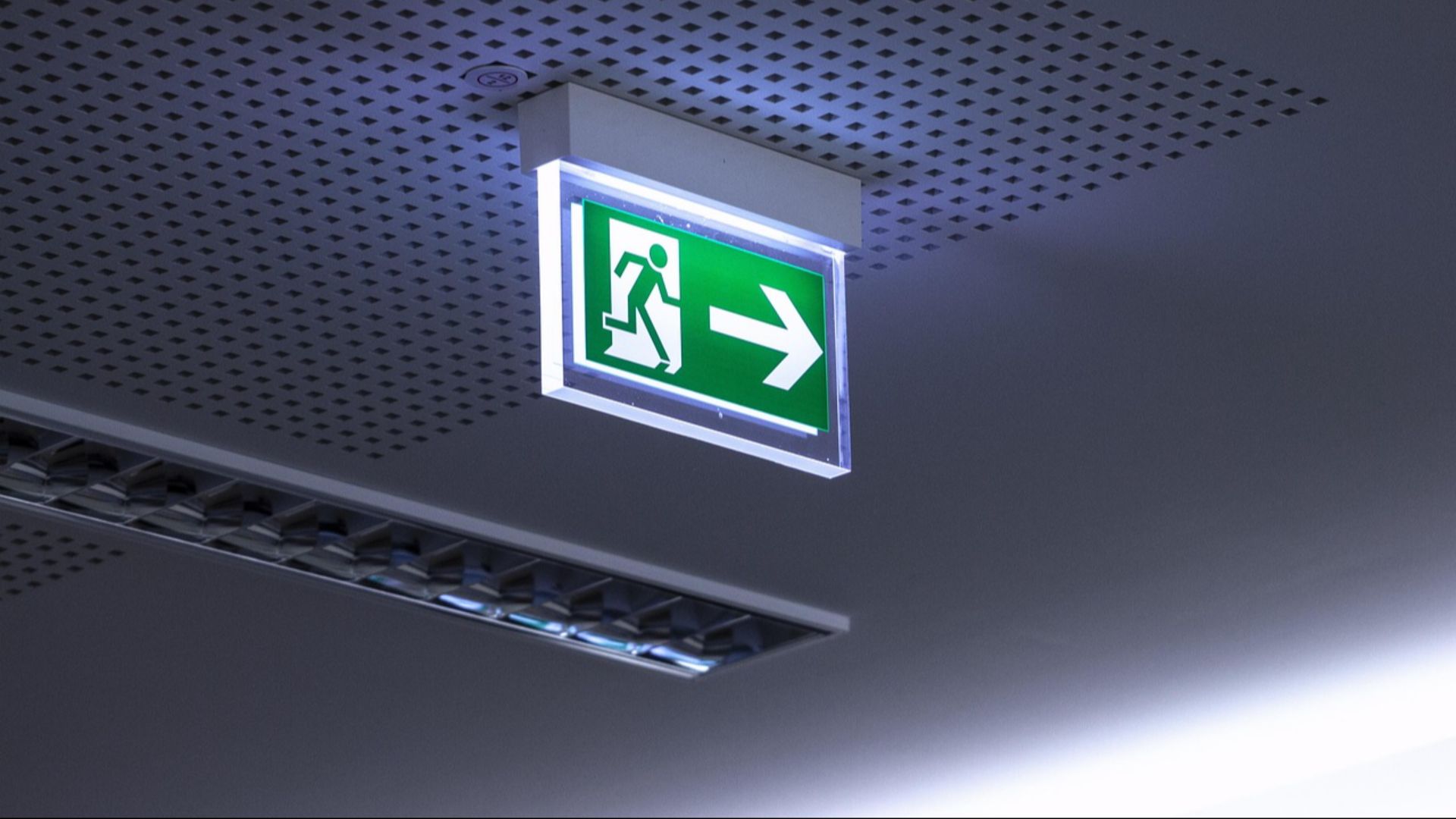
Upon check-in, take a moment to locate the nearest emergency exits. Walk to them and count the number of doors between your room and the exits. In an emergency, you might need to look in the dark or through smoke, making it important to know your way without relying on signage.
6. Avoid Sharing Travel Plans Publicly
Posting your hotel details or itinerary on social media may expose you to unwanted attention from thieves or stalkers. Cybercriminals often scan public posts to identify targets, so it’s best to share your experiences after you’ve left a location rather than in real-time.
7. Inspect The Room For Hidden Cameras
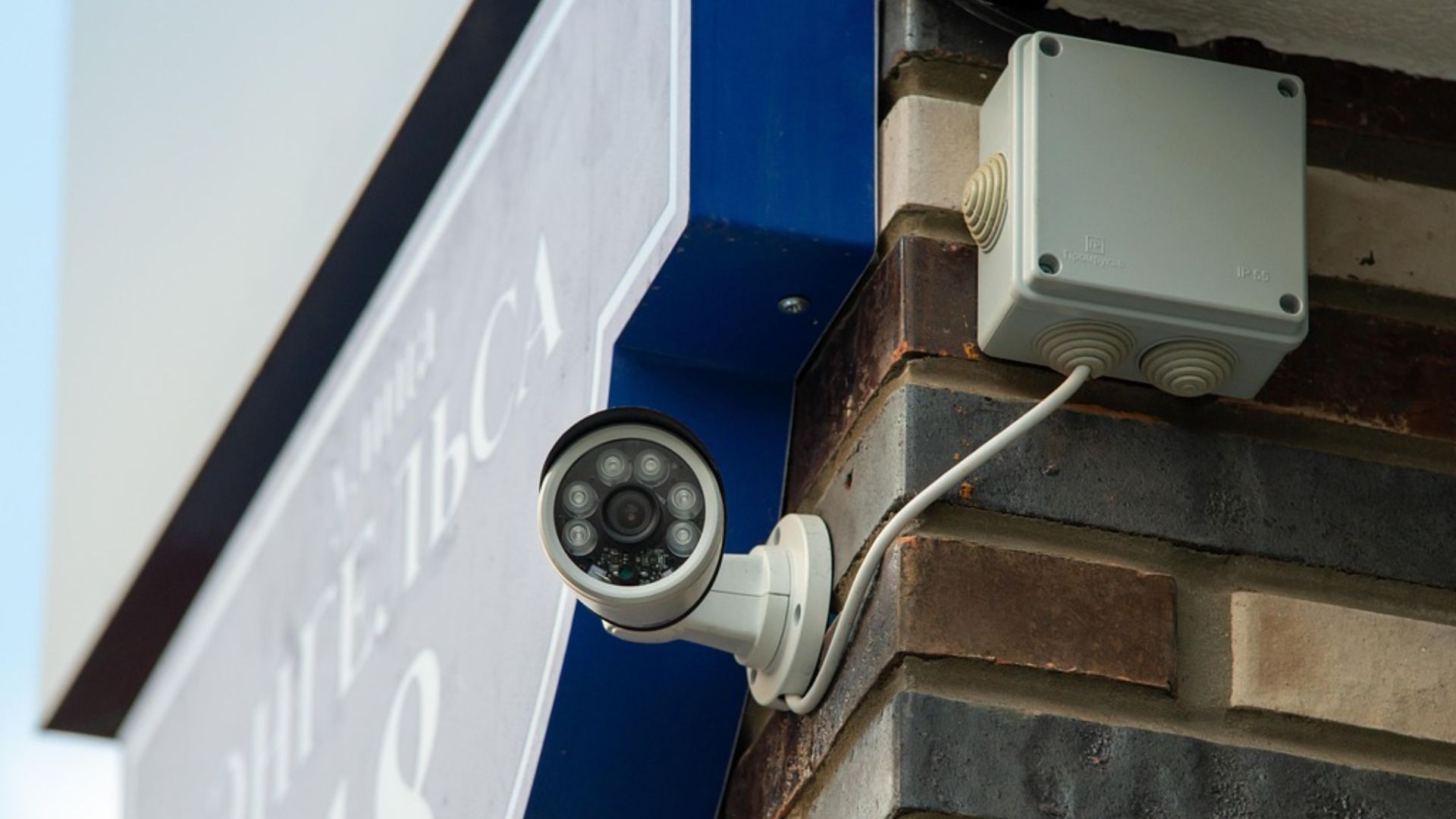
Unfortunately, hidden cameras in hotel rooms are a growing concern. Conduct a thorough inspection by checking common hiding spots, such as smoke detectors and light fixtures. Use a flashlight to detect any reflective lenses. If you suspect a hidden camera, report it to hotel management immediately.
8. Use A VPN On Public Wi-Fi
Hotel Wi-Fi networks are rarely secure and can be breeding grounds for pro hackers looking to steal personal information. Always use a VPN when connecting to public Wi-Fi to encrypt your data and protect details, such as credit card information.
9. Carry A Reliable Flashlight
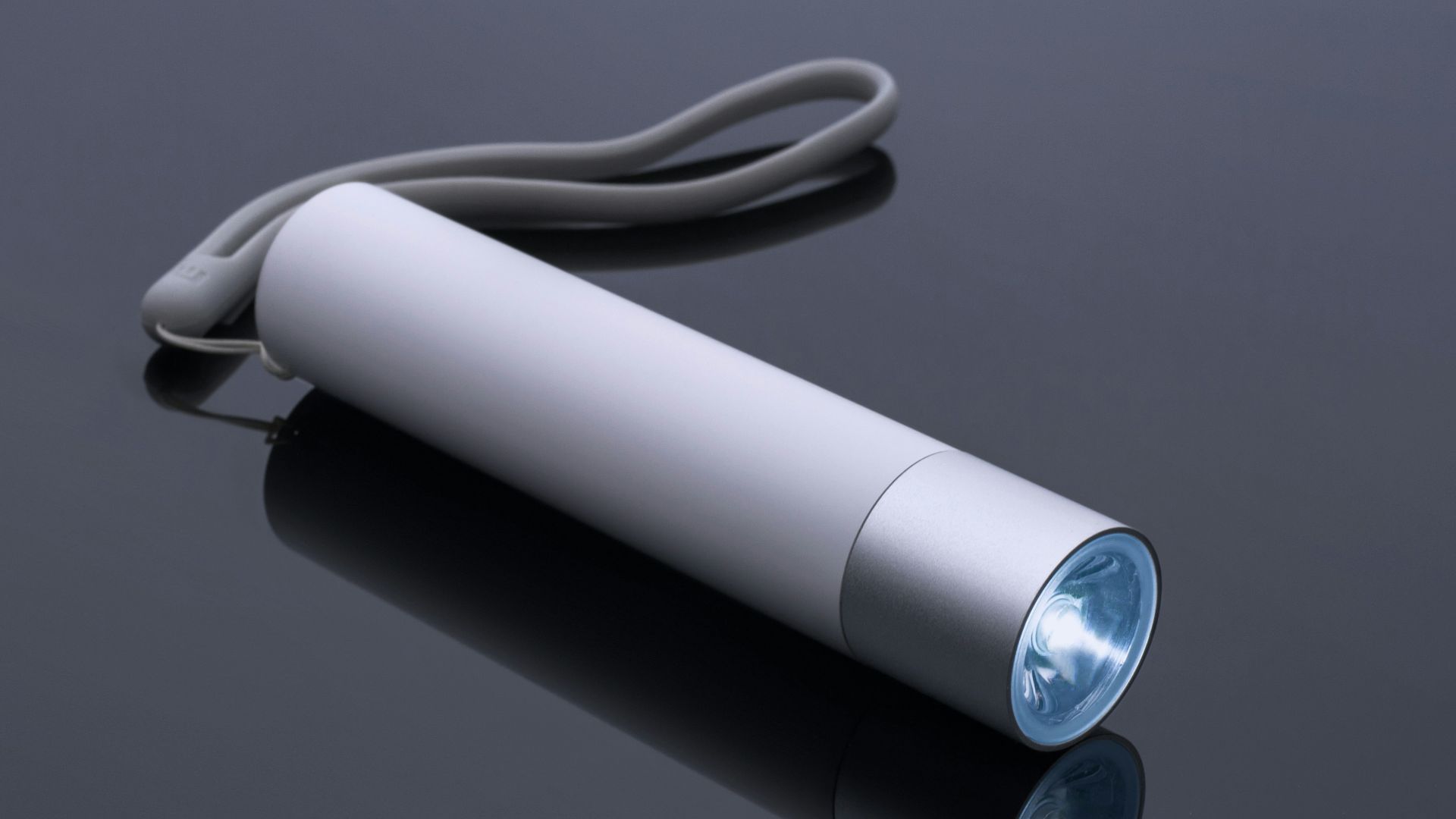
A power outage or emergency could leave you in darkness. Carry a compact, battery-powered flashlight in your bag, or keep it by your bedside so you’re always prepared for unexpected situations. You never know when you might need to investigate a suspicious noise under the bed (or find your socks in the dark)!
10. Share Your Live Location With Family
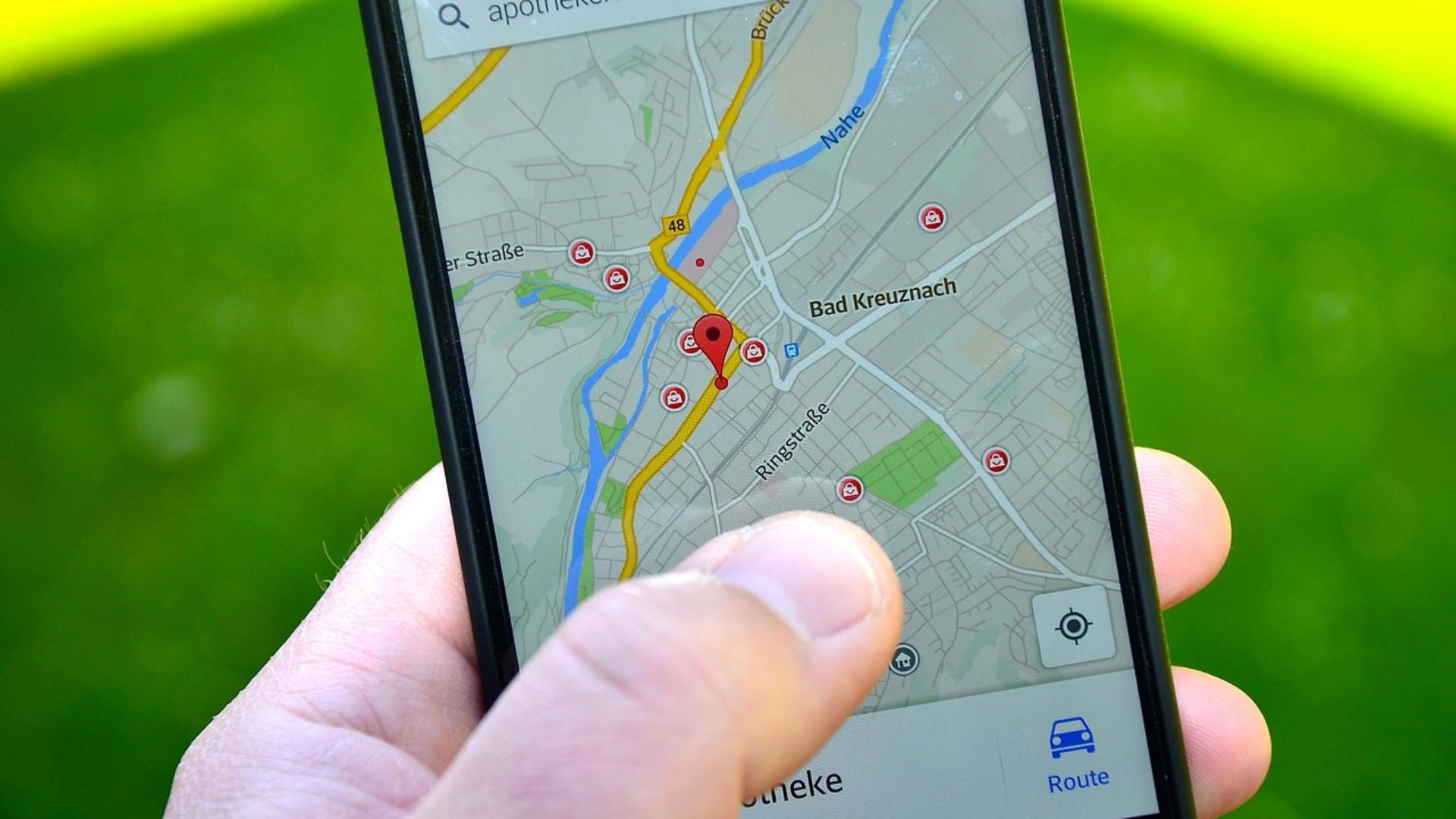
For added safety, share your location through apps like Google Maps or Find My iPhone. Keeping loved ones informed ensures an extra layer of security, letting you relax with peace of mind. Regular check-ins help maintain that connection, especially when you're traveling solo.
11. Keep Emergency Contacts Accessible
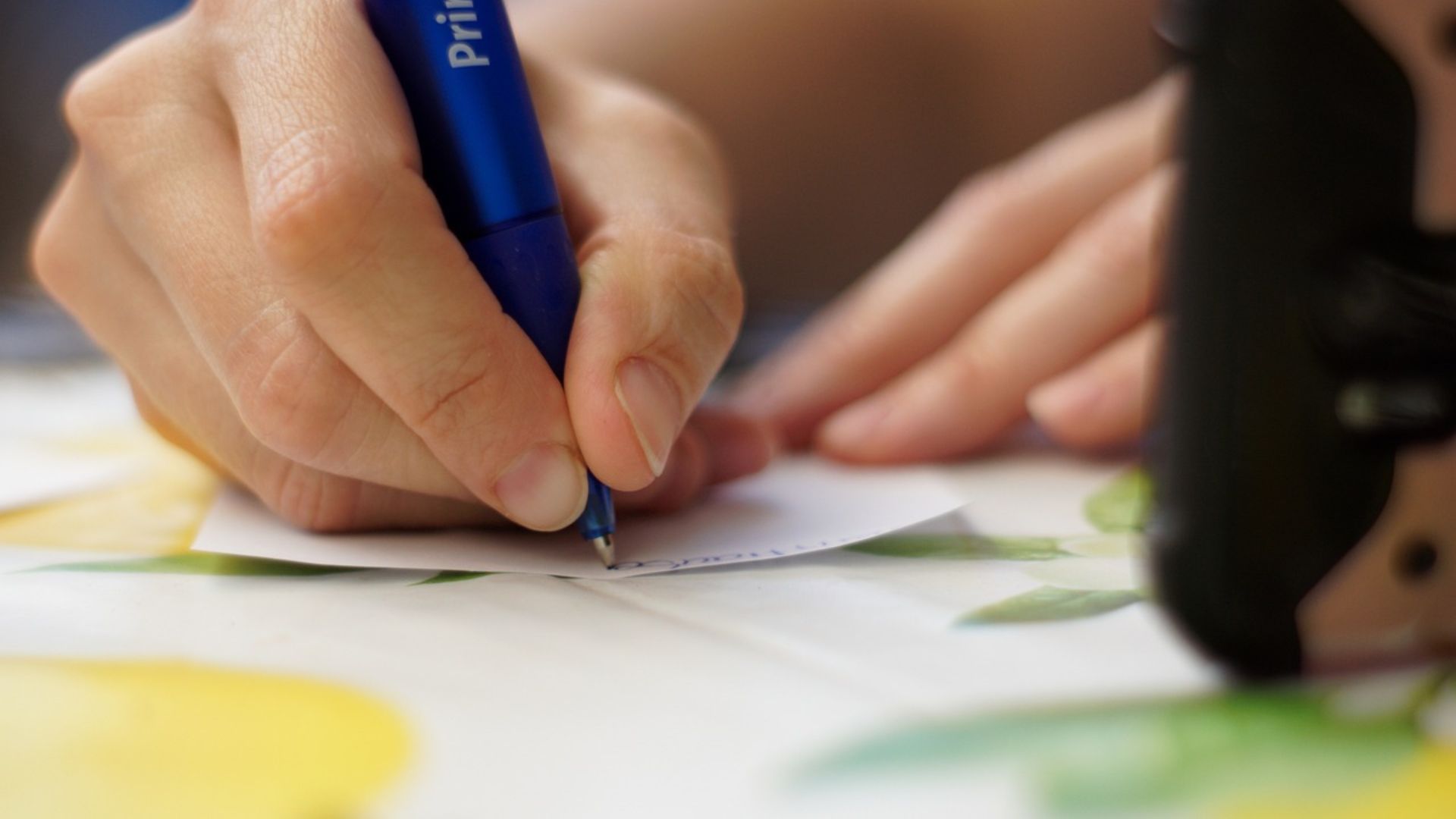
Save important phone numbers, such as the local police, hotel front desk, and embassy (if traveling abroad), in your phone. Keep a written copy in case your phone is lost or stolen, ensuring you can still reach out for help when needed.
12. Check For Fire Safety
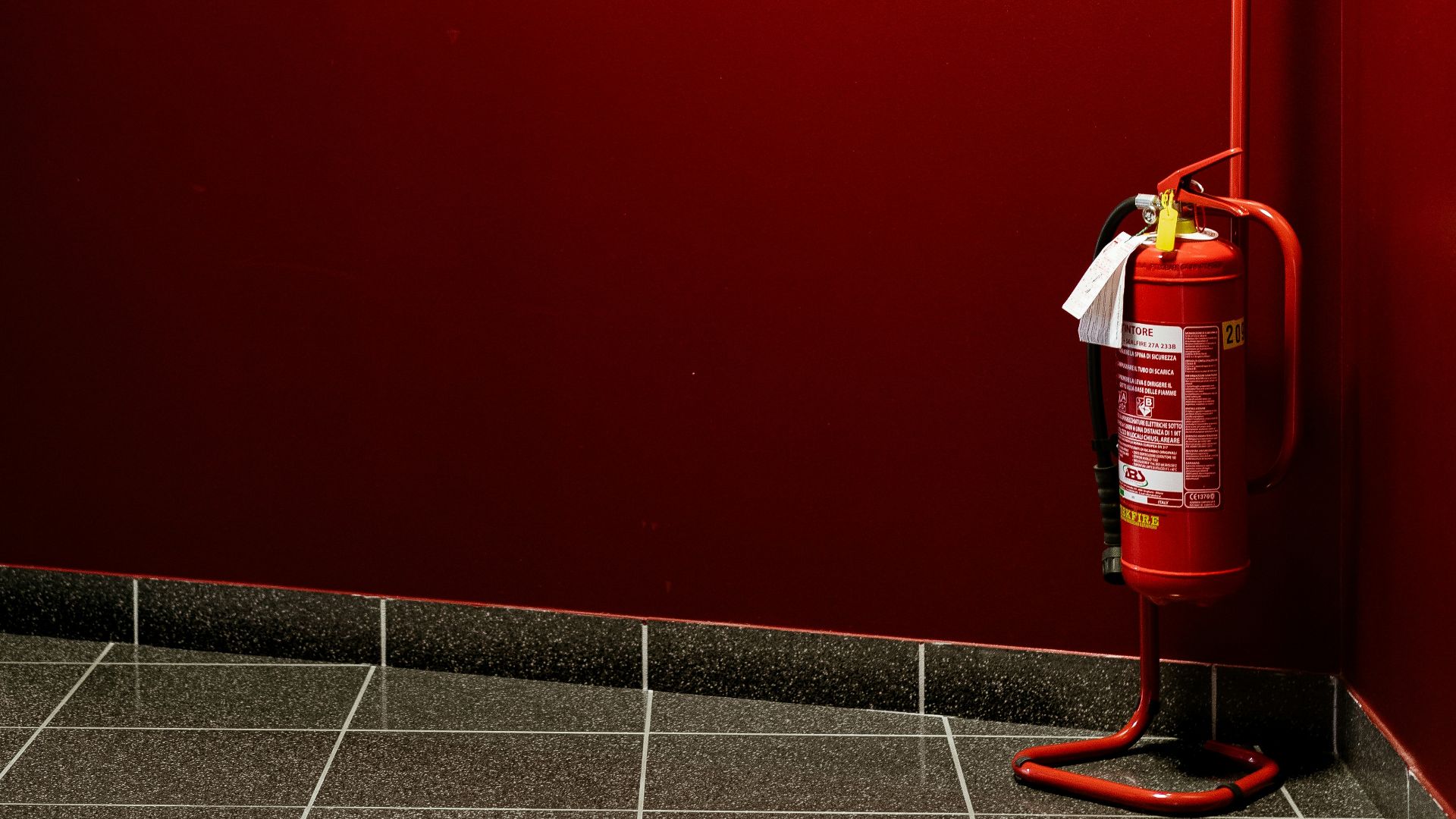
When you check into your hotel room, take a moment to verify fire safety precautions. Ensure that smoke detectors are functional, with no obstructions around them. If any of these items are missing or not functioning, notify the front desk immediately.
13. Secure Sliding Doors And Windows
If your room has a balcony or sliding door, ensure that it is properly locked. Place a dowel rod or security bar on the track to prevent forced entry. Criminals sometimes exploit weak locks on balcony doors to gain access, especially on lower floors.
14. Avoid Mentioning You're Alone
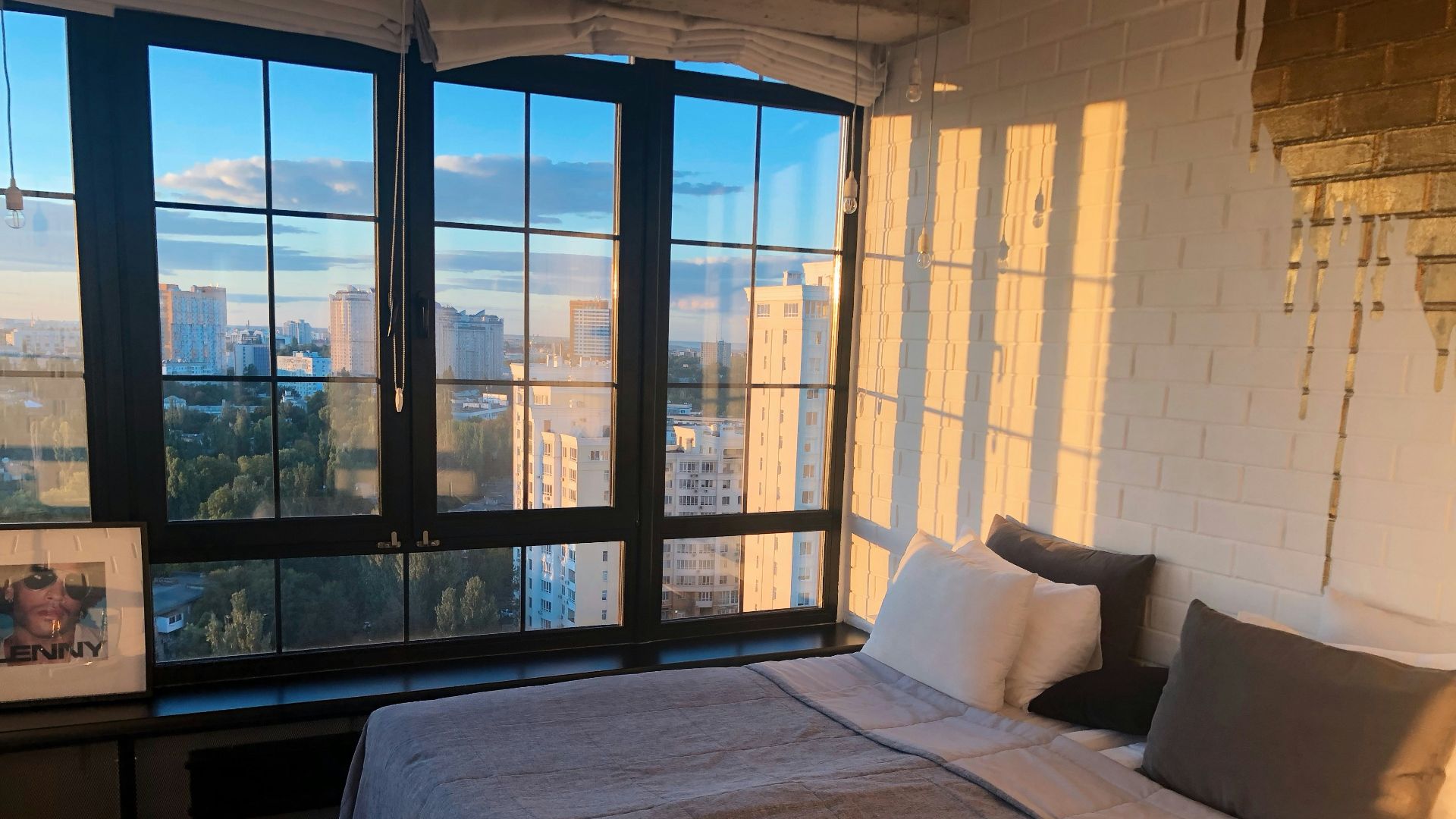
Letting others know you’re by yourself can make you an easy target. When checking in or speaking to staff, use phrases like “We’ll be back soon” or “My partner is resting” to create the impression that you’re not alone. A little misdirection can go a long way in keeping you safe.

15. Keep The Curtains Closed
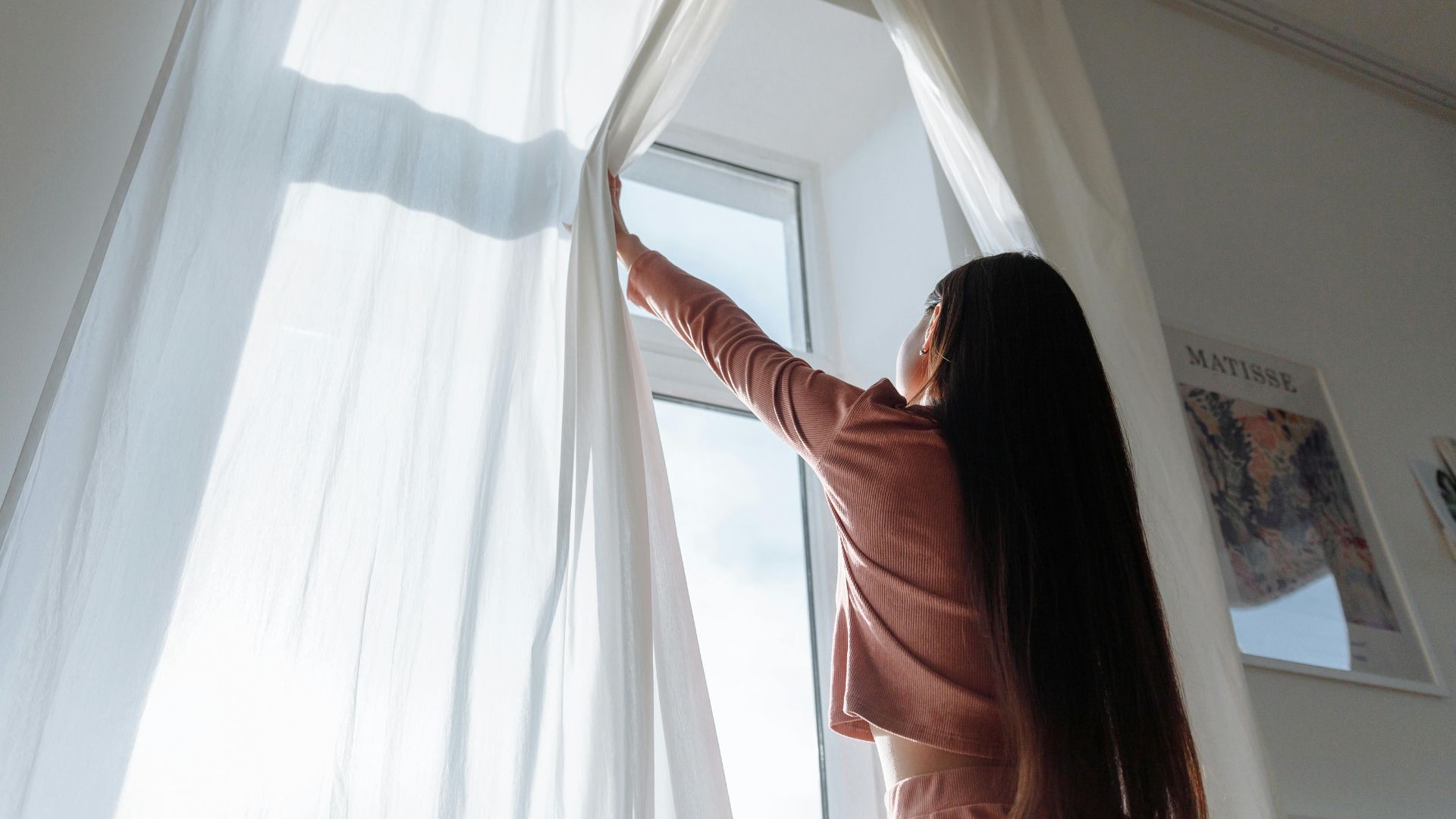
An open window gives outsiders a clear view of your room, your belongings, and your routine. Keeping the curtains shut blocks prying eyes and prevents anyone from scoping out an opportunity. It’s a simple habit that adds an extra layer of privacy and security.
16. Don’t Discuss Your Room Number
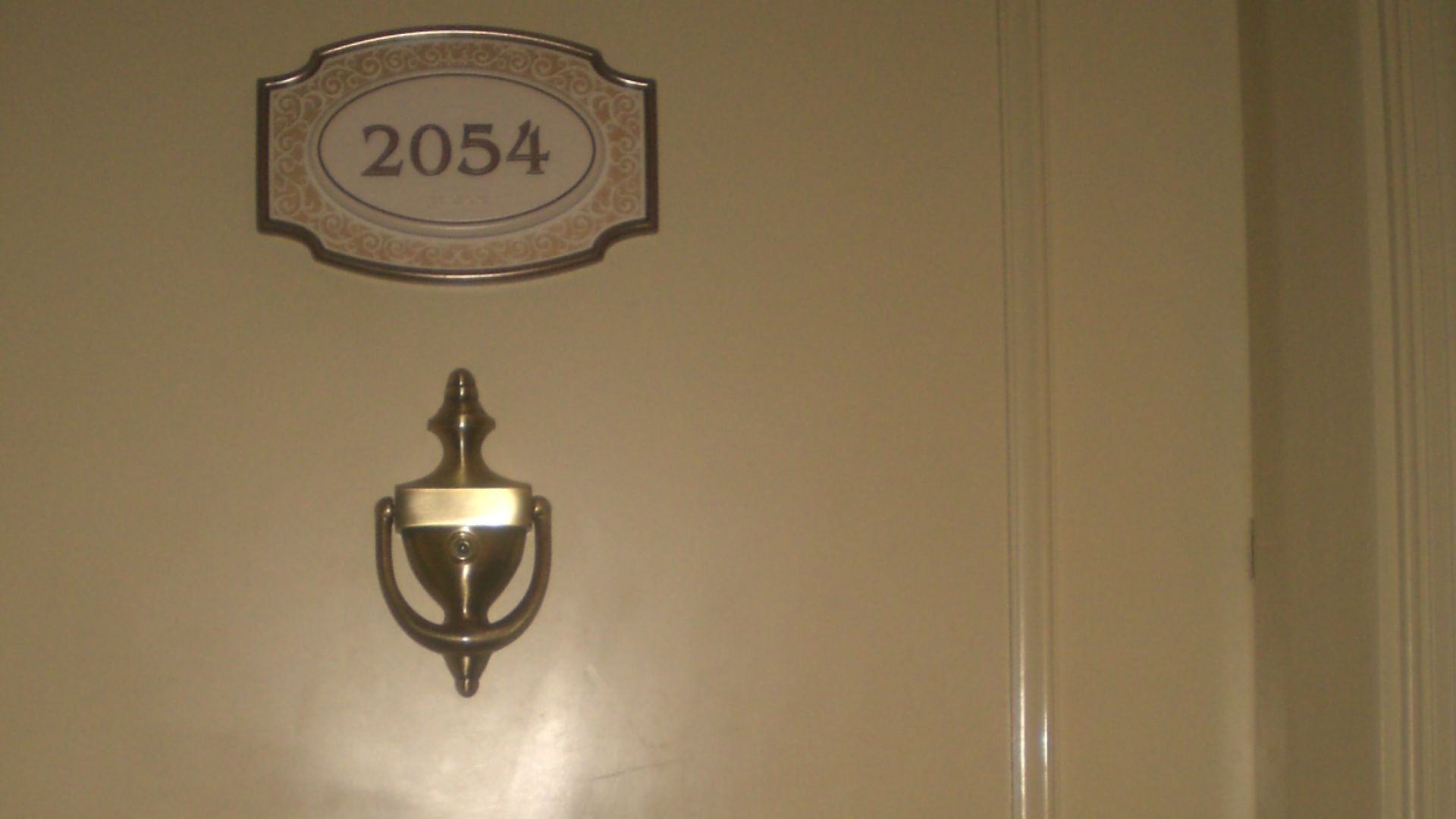
When checking in, speak softly when stating your room number, or better yet, request the receptionist to write it down instead. If a hotel staff member announces it loudly, don't hesitate to ask for a room change. The last thing you want is for strangers to know exactly where you're staying.
17. Keep The Door Locked At All Times
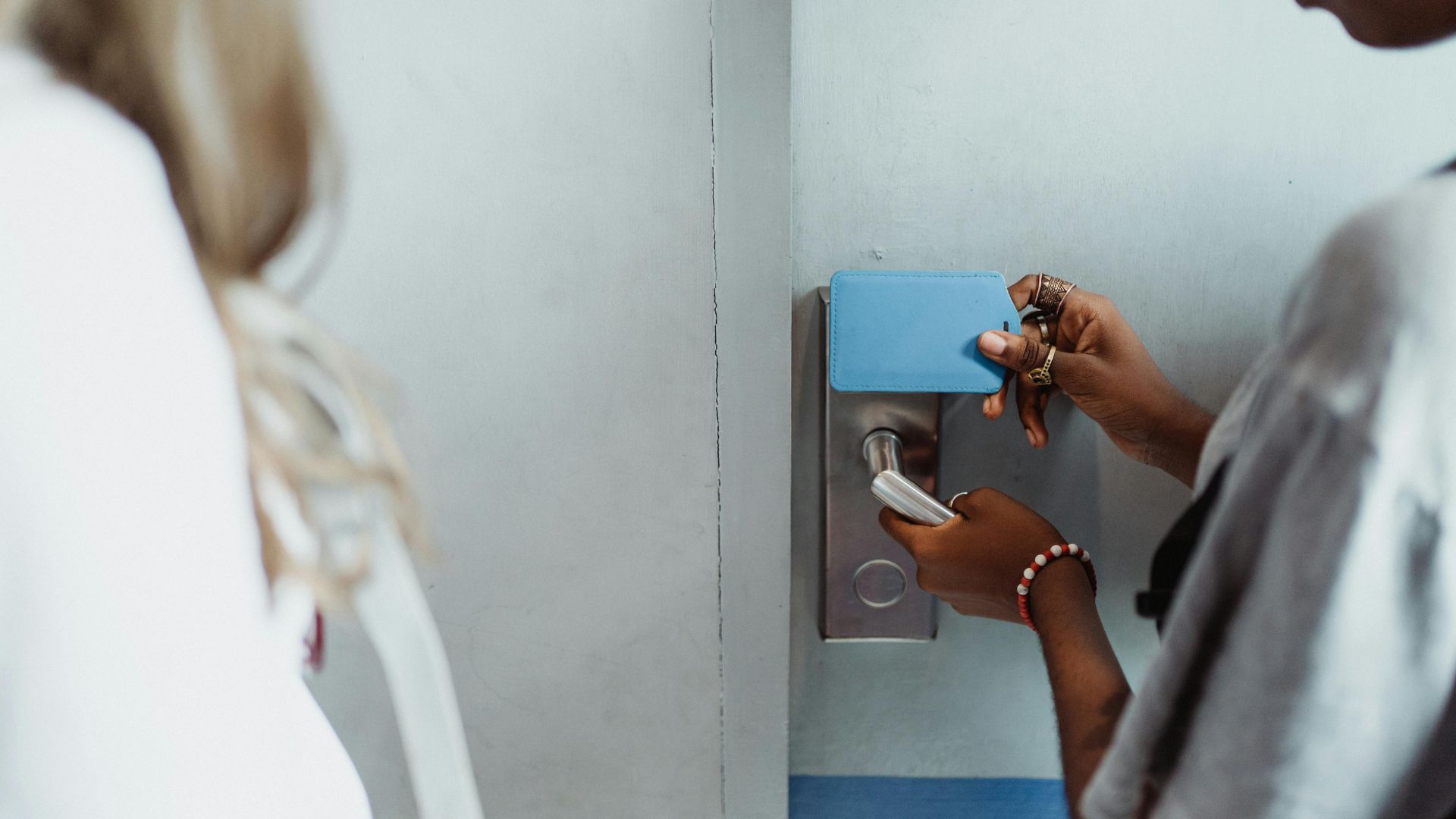
Even if you’re just stepping out for a minute, always double-check that your door is locked. Use both the deadbolt and chain lock for extra security. Opportunistic thieves sometimes check doors to find an open one—don’t make it easy for them.
18. Be Aware Of Your Surroundings
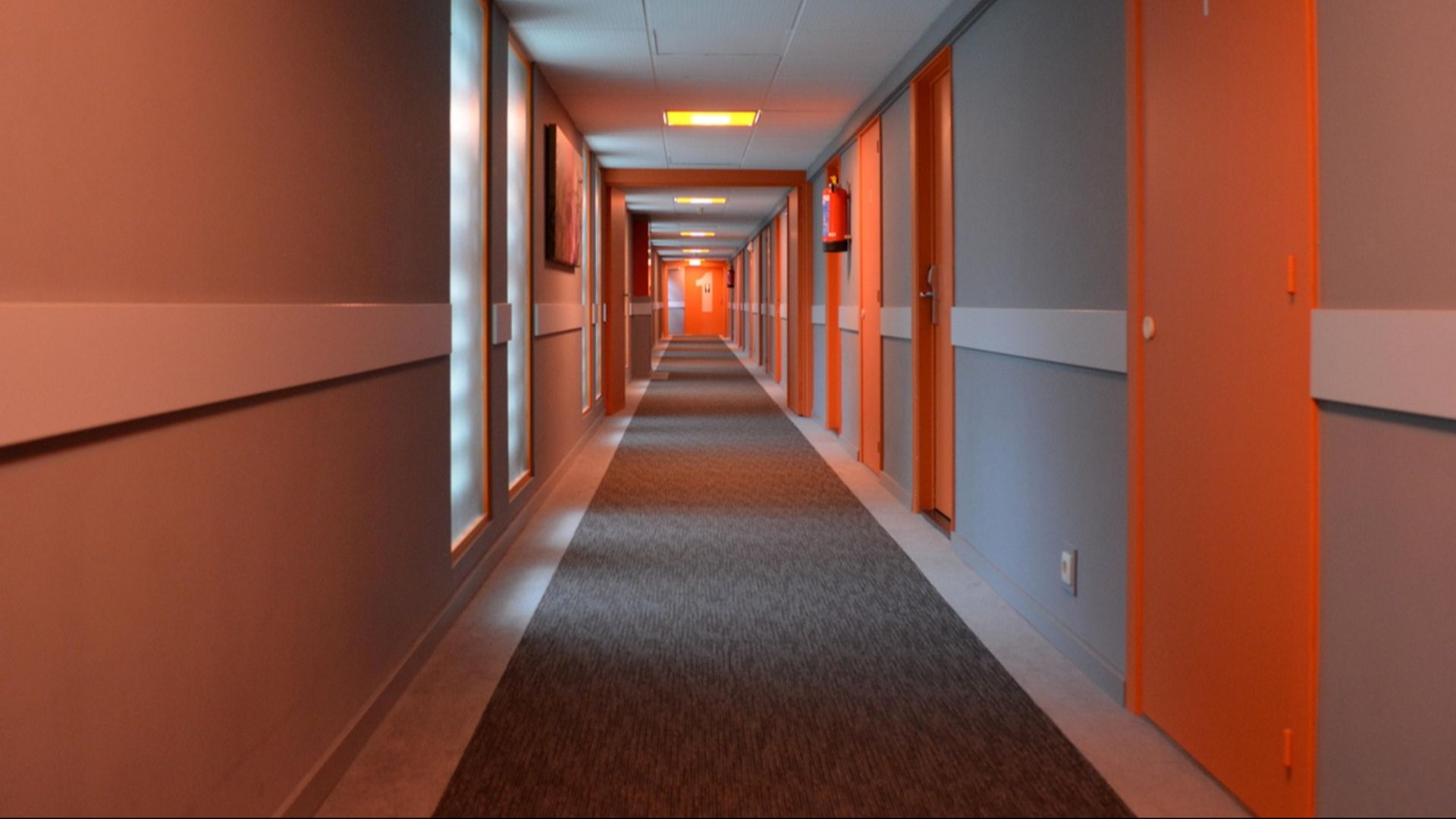
A hotel may seem like a controlled environment, but it’s still a public space. Pay attention to who’s lingering in hallways, near elevators, or around your door. Staying aware helps you avoid unwanted surprises and keeps you one step ahead of risks.
19. Book Room Under Your First Initial And Last Name
Keeping your full name off the reservation adds a layer of privacy. Strangers won’t easily track you down, and hotel staff are less likely to disclose personal details. Hence, it is a small change that makes a big difference in protecting your security.
 Proxyclick Visitor Management System on Unsplash
20. Put An Item At The Door That Makes Noise
An unexpected sound can startle intruders and alert you to unwanted entry. A glass, a metal can, or even a small travel alarm placed near the door can act as an improvised alarm system. The moment someone tries to sneak in, the noise gives you a heads-up and may scare them off instantly.