Everything You Need To Know About Deception Island, Antarctica’s Forgotten Tourist Spot
Everything You Need To Know About Deception Island, Antarctica’s Forgotten Tourist Spot
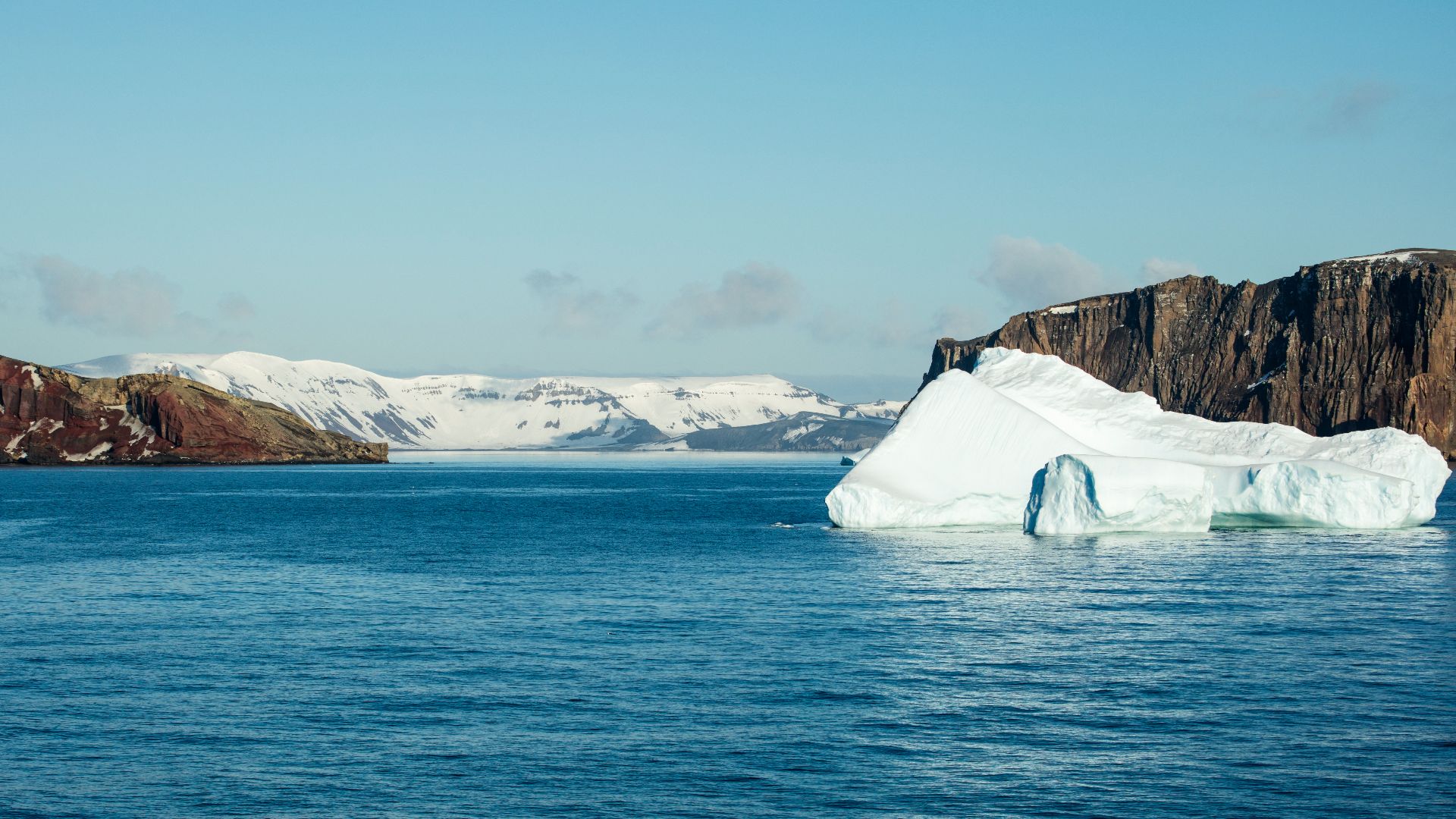
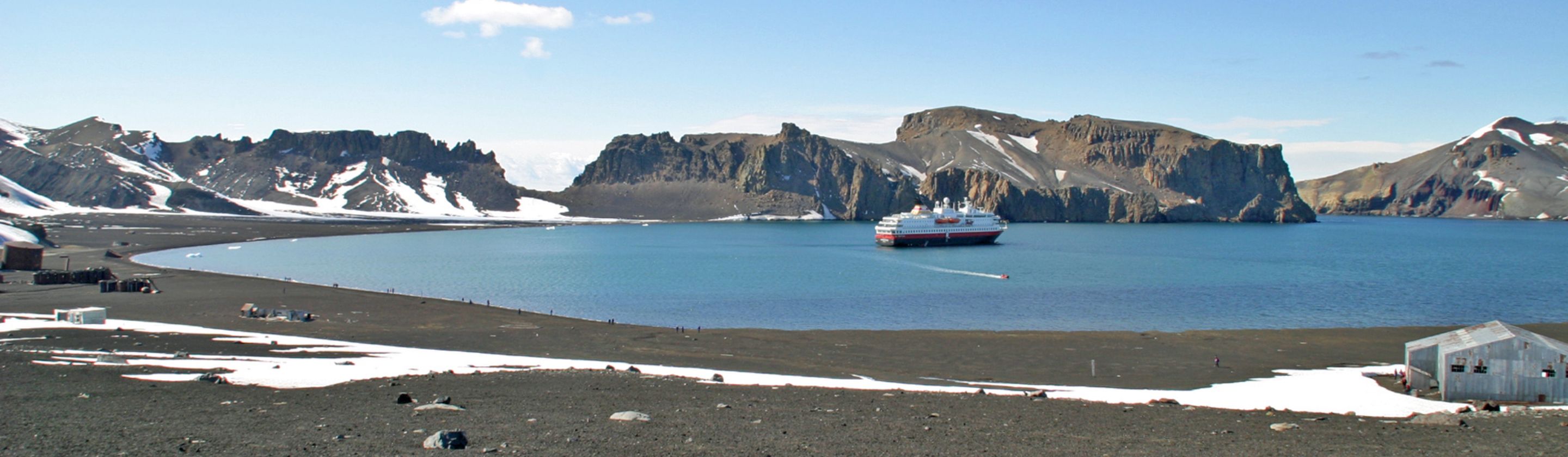
Pulling into a horseshoe-shaped harbor framed by volcanic cliffs, you’ll immediately sense that Deception Island is no ordinary destination. Part volcano and part fragile ecosystem, this remote spot hidden away in Antarctica’s icy wilderness tells a story of fire and frost, industry and isolation. Its name, “Deception,” fits perfectly because what seems like a barren island hides a flooded volcanic caldera beneath the waves.
So, let’s find out what makes this place one of Antarctica’s most hauntingly fascinating and unique tourist destinations.
Understanding The Island
As you approach Deception Island, it looks like any other snow-dusted Antarctic landmass. But once your ship sails through the narrow passage called Neptune’s Bellows, you realize the sea is taking you straight into the heart of an active volcano. The island’s horseshoe shape is the rim of a volcano that erupted thousands of years ago, leaving behind a ten-kilometer-wide flooded crater known as Port Foster.
It’s one of the few places on Earth where ships can actually sail into the center of a volcano. Beneath the surface, geothermal energy still stirs. Explorers have felt ground tremors, minor eruptions, and rising temperatures over the years. The island’s black sands are often warm to the touch.
Layers Of Human History
Deception Island’s story is deeply human. Its natural harbor offered rare protection from Antarctica’s brutal winds, making it a prized base in the 19th century. The first to arrive were sealers in the 1820s, drawn by the booming trade in seal fur. Soon after came whalers, who turned the island into a full-scale industrial hub by the early 1900s.
Whalers Bay, the island’s main landing site, once echoed with the clanging of metal tanks and the hum of steam engines. Whaling factories processed thousands of whales, and the remnants of that era still litter the black sand beaches today. It’s an eerie glimpse into an age when humans pushed the limits of endurance and ethics in one of the planet’s harshest environments.
By mid-century, as the whaling industry collapsed, Deception Island became a stage for scientific exploration. Britain, Chile, and Argentina built research stations, each using the island’s unique conditions to study geology and meteorology. But nature soon had its say—volcanic eruptions in 1967 and 1969 forced scientists to evacuate.
How To Experience It Safely?
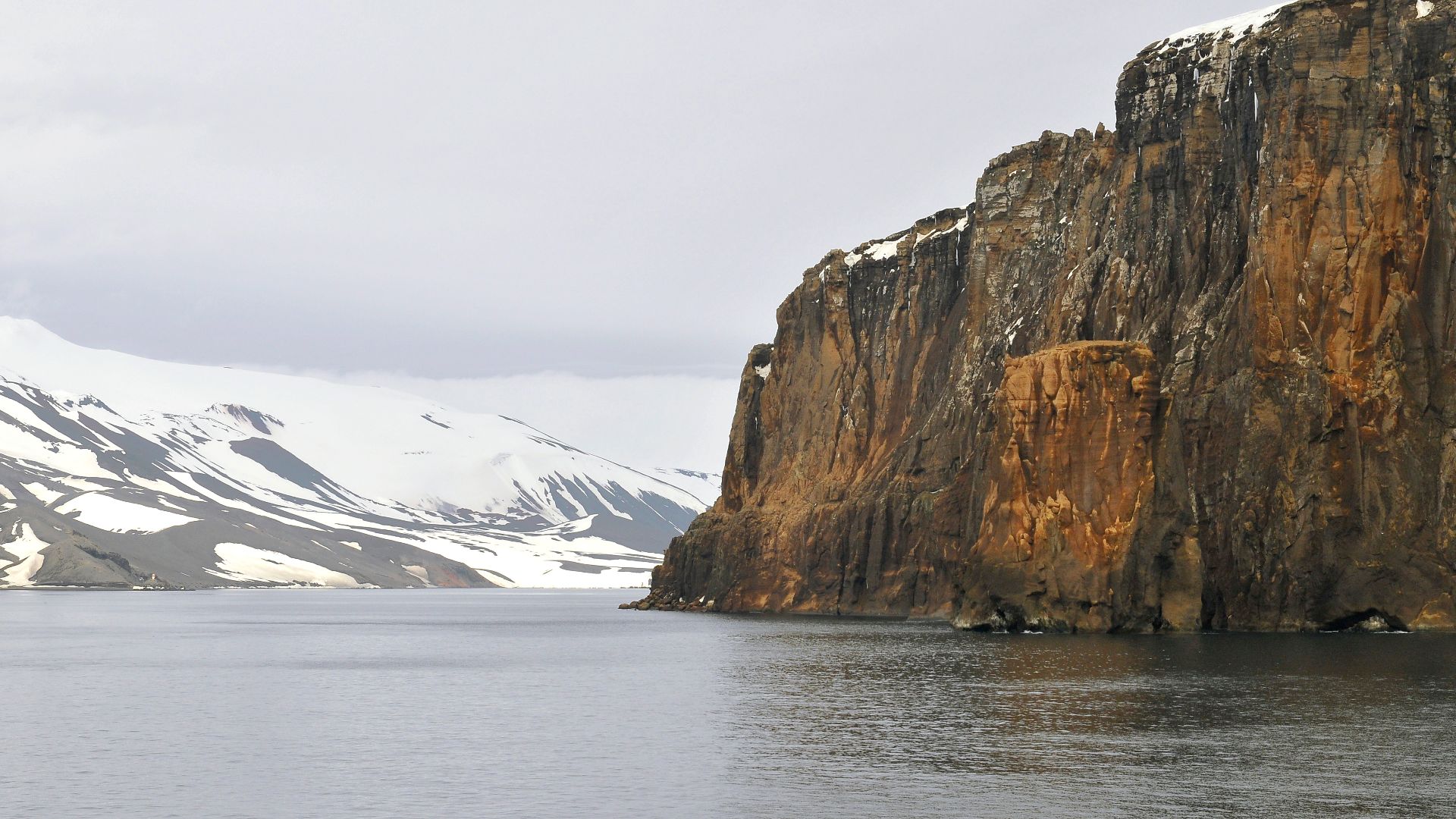
Reaching Deception Island isn’t simple. It lies among the South Shetland Islands, just off the Antarctic Peninsula. The only way to visit is via an expedition cruise or a scientific voyage, often departing from Ushuaia, Argentina. Landings depend entirely on the weather and sea conditions, and if the waves at Neptune’s Bellows are rough, ships turn back.
Those lucky enough to set foot ashore usually do so via small zodiac boats, and the moment they land, the quiet feels almost unreal—just wind, ash, and echoes of what once stood here.