How to Stay Grounded
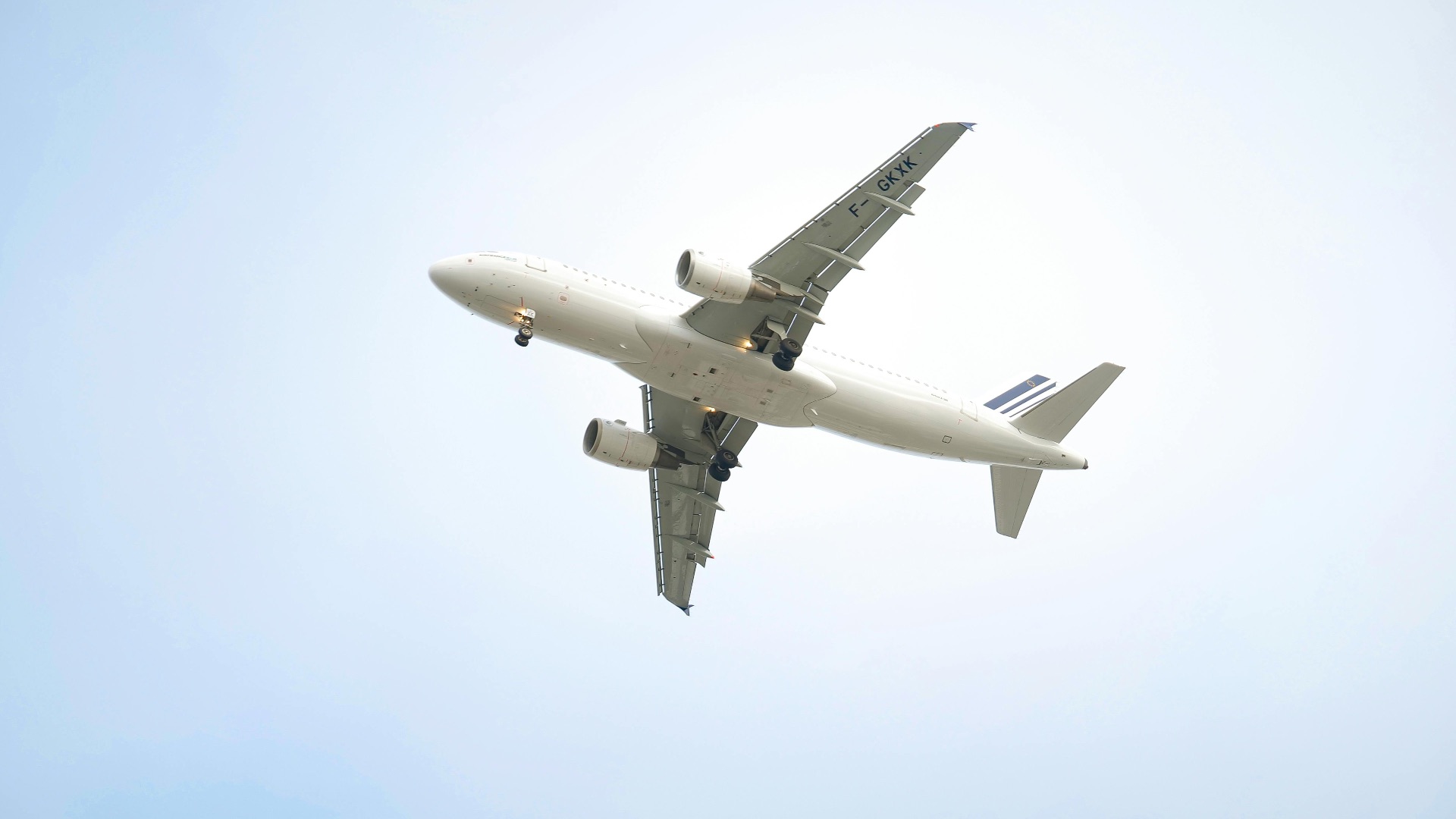
Motion sickness in flight can feel frustrating because it shows up when you least want it to, like during takeoff or turbulence. The good news is that it’s usually manageable once you understand why it happens and what reliably reduces your odds of feeling awful for the rest of the trip. If you regularly experience motion sickness, here are 10 facts that might help you to know, and 10 ways to prevent it from happening.
1. It’s a Sensory Mismatch
Motion sickness often happens when your inner ear senses motion that your eyes don’t fully confirm, or vice versa. In a plane, that conflict can show up when you’re seated and focusing on something close, like a screen or book. Believe it or not, it's a surprisingly common condition.

2. Turbulence Can Trigger Symptoms
Turbulence changes your motion cues quickly, which can overwhelm your balance system. Even mild bumps can be enough if you’re already tired, hungry, or stressed. Some people also get delayed symptoms that kick in after turbulence ends.
3. Seats Matter More Than Most People Realize
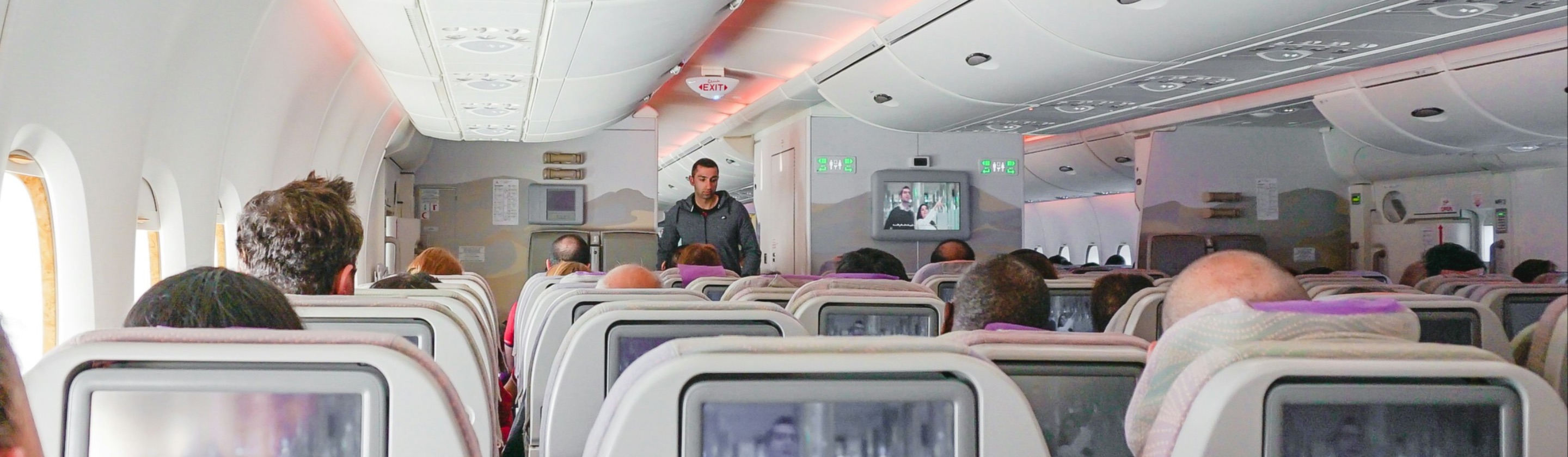
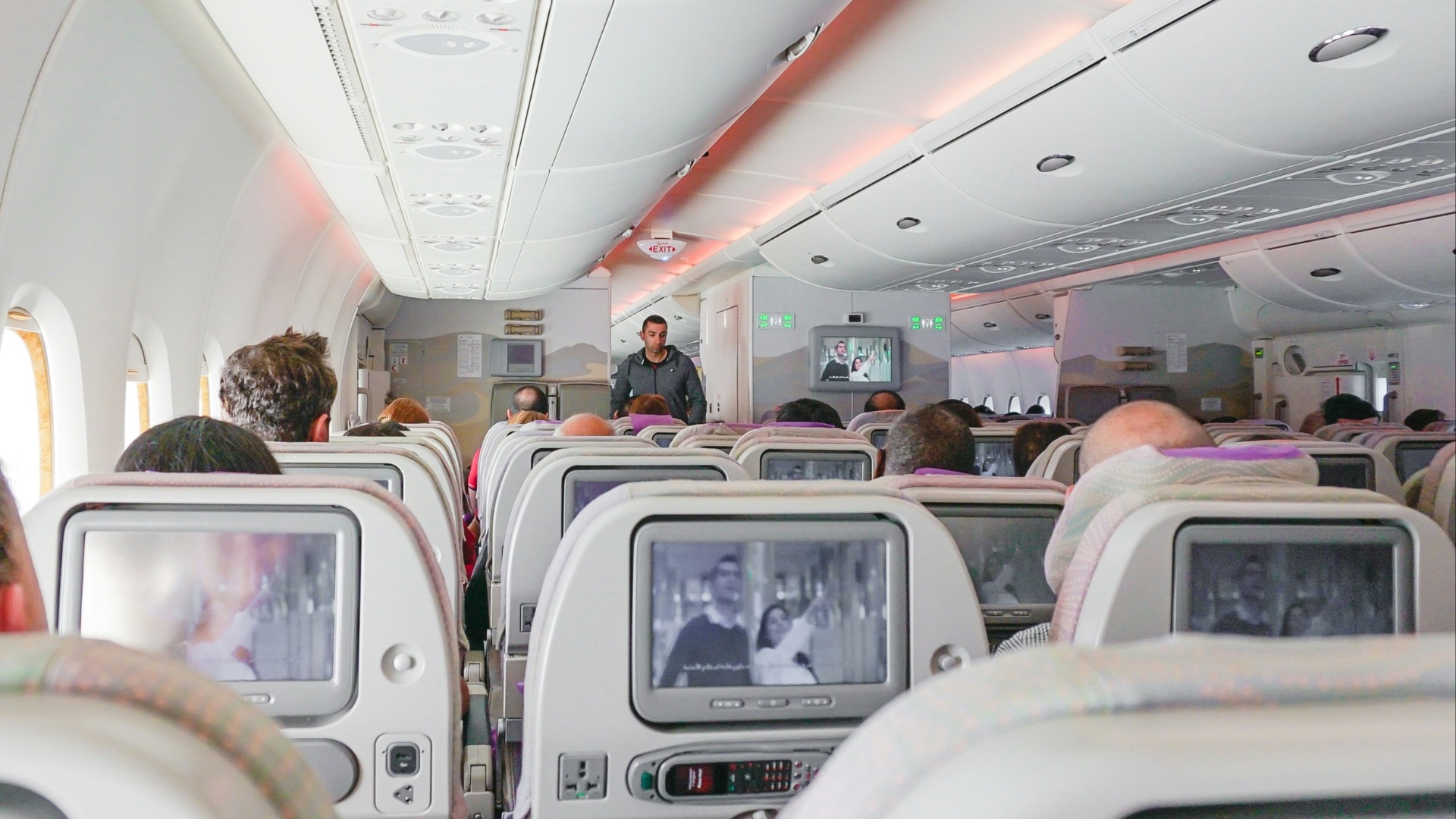
The middle of the aircraft, near the wings, usually experiences less up-and-down movement than the back. Less motion means fewer conflicting signals for your brain to sort out. That’s why your seat choice can influence how you feel more than you’d expect.
4. Your Inner Ear Is the Main Player
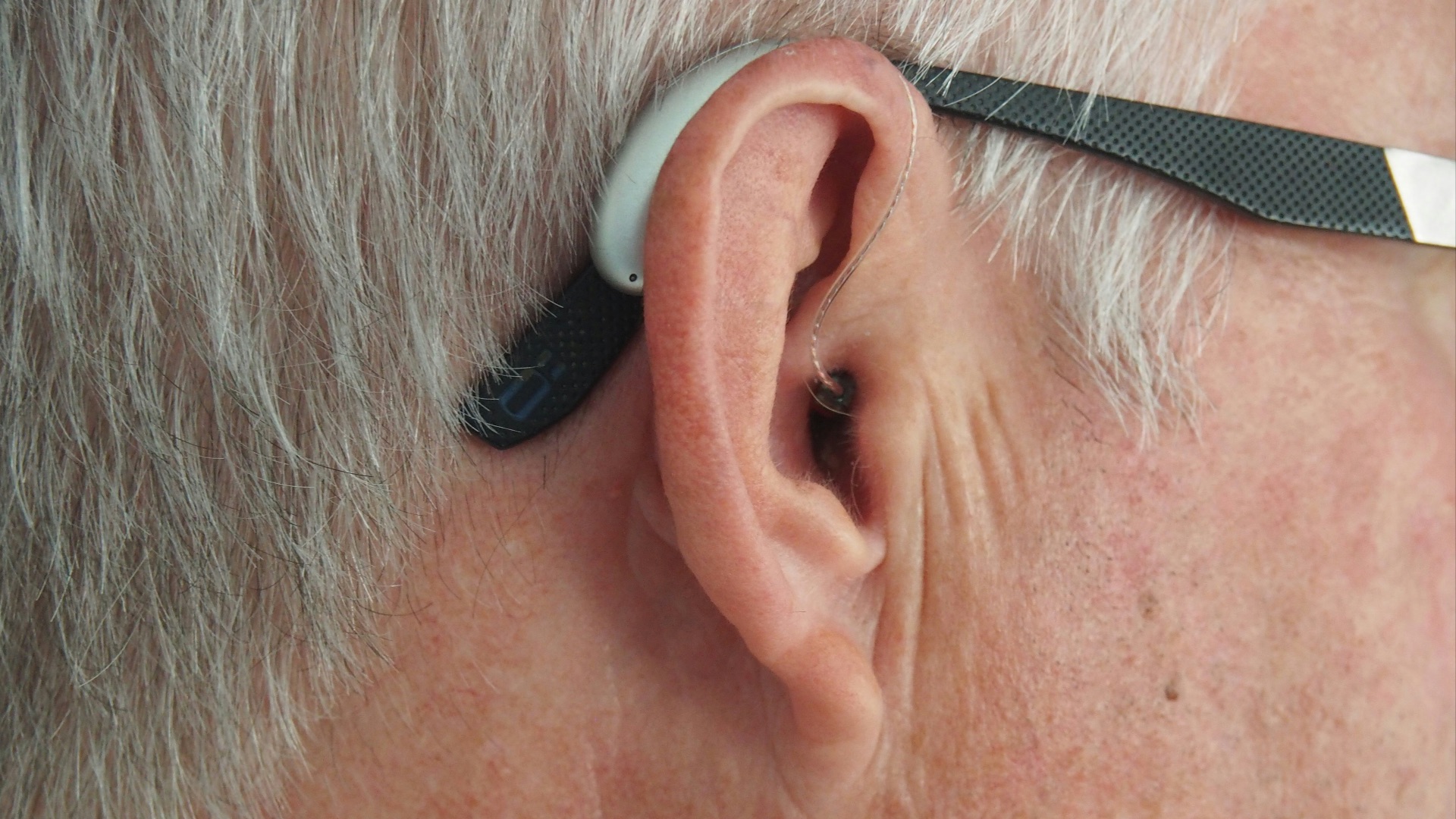
The vestibular system in your inner ear detects acceleration and changes in head position. In flight, tiny shifts can register strongly even when you think you’re sitting still. If your vestibular system is more sensitive, you may be more prone to nausea.
5. Anxiety Can Add Fuel to the Fire
Worry can increase stomach awareness and make nausea feel more intense. It can also change your breathing pattern, which sometimes worsens dizziness. Still, many people get motion sickness without any fear of flying at all.

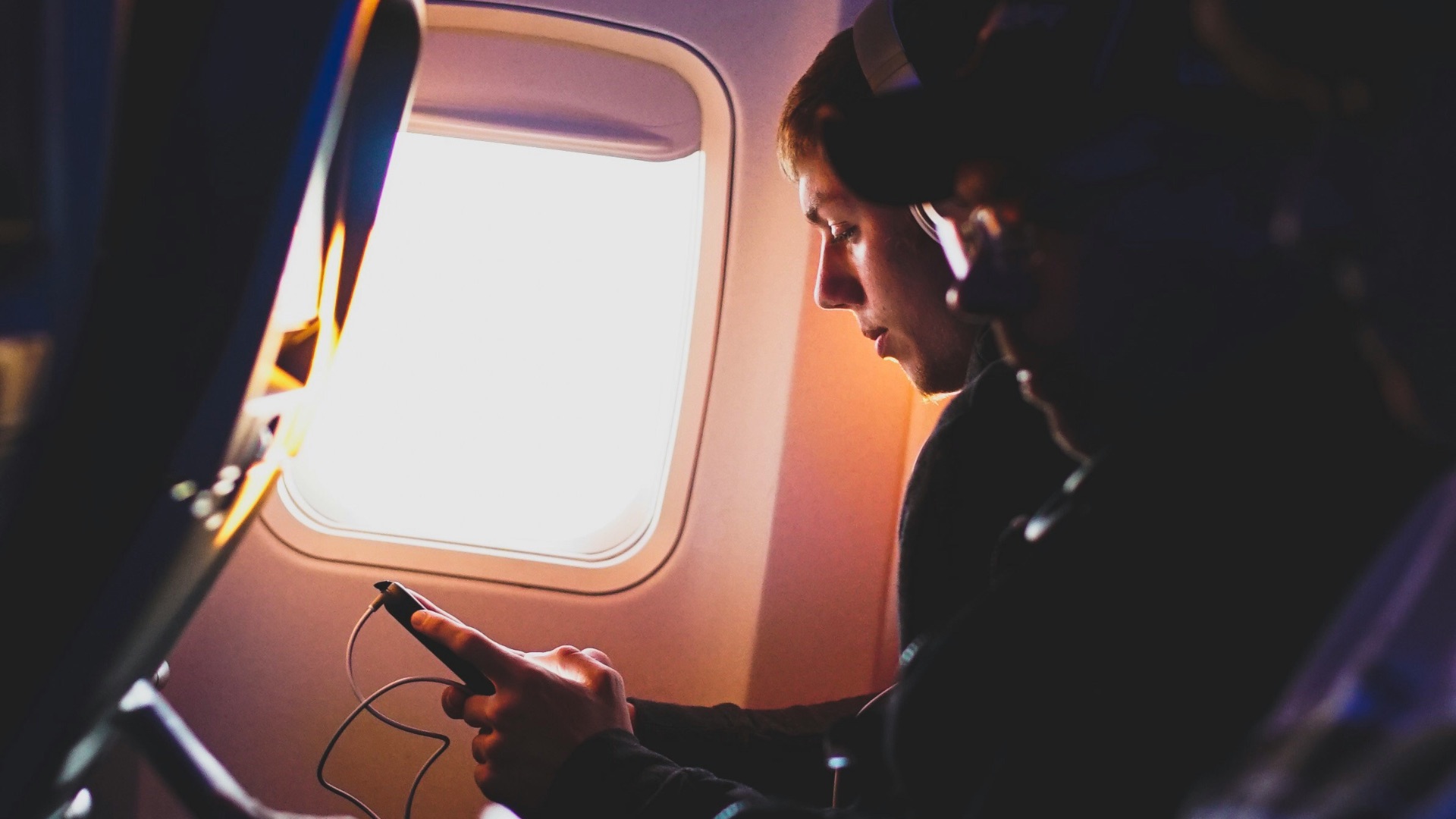
6. Reading and Screens Can Make It Worse
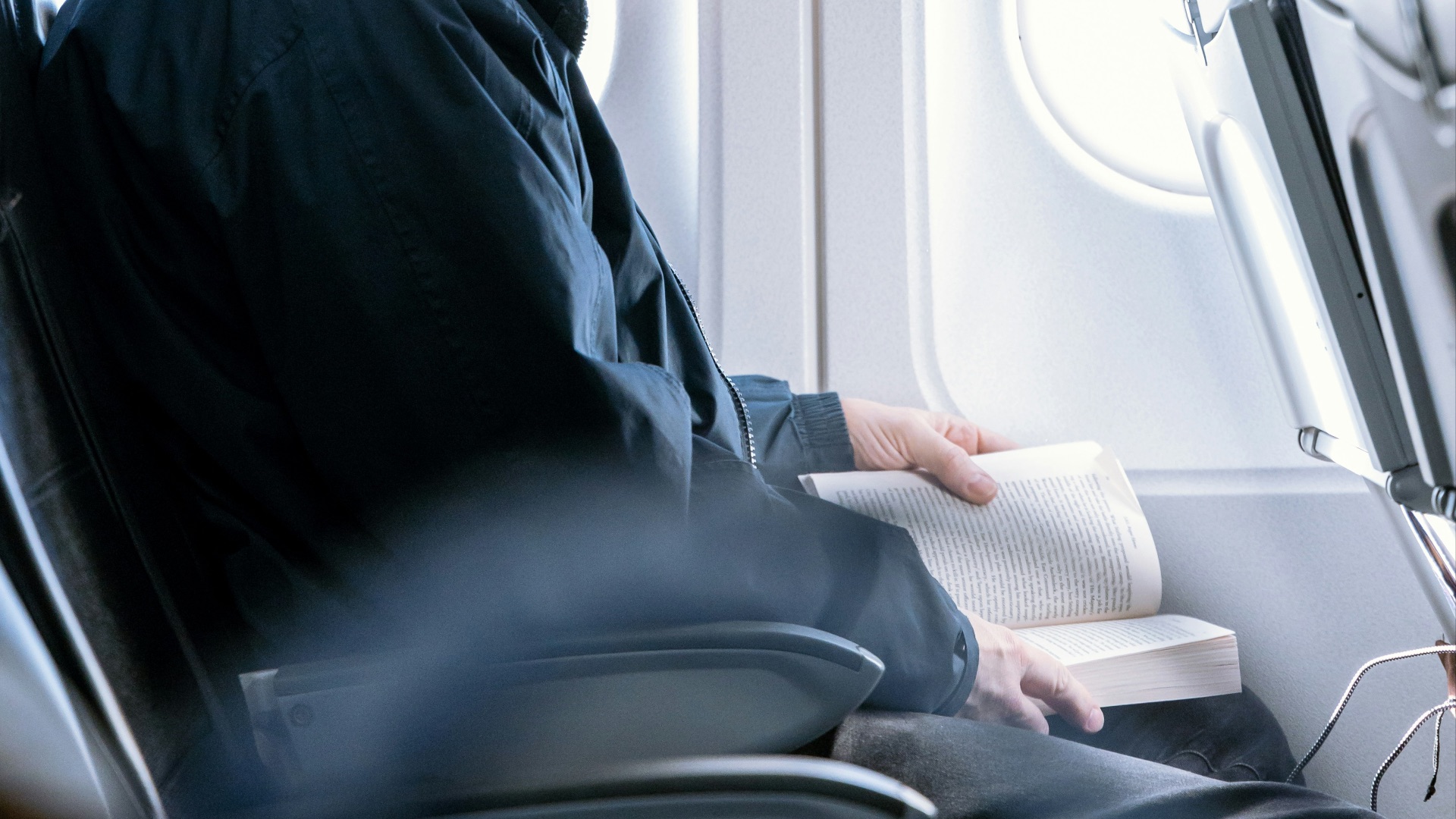
Focusing on close-up text can tell your eyes that your body isn’t moving much. Meanwhile, your inner ear may be tracking subtle shifts, especially during climbs or turns. That disagreement is a classic setup for nausea.
7. Dehydration and Low Blood Sugar Raise the Risk
When you’re dehydrated, headaches and lightheadedness can show up faster, and those sensations pair badly with motion cues. Skipping meals can also make nausea hit harder and last longer. A small, steady intake usually beats going in empty.

8. Heat and Stuffy Air Can Intensify Symptoms
Warm cabins and limited airflow can make you feel clammy and uncomfortable, which can amplify nausea. If you’re already queasy, a hot environment can push you from mildly uneasy to miserable. Temperature comfort is a bigger deal than it sounds.
9. Some People Are Simply More Susceptible
Genetics, migraine history, and overall sensitivity to motion can all play a role. Susceptibility can also change over time, so a flight that felt fine years ago doesn’t guarantee the next one will. It’s not unusual for patterns to shift with stress, sleep, or hormonal changes.

10. Symptoms Can Linger After Landing
Even after the plane stops moving, your body may need time to recalibrate. That can look like lingering nausea, fatigue, or a mild off-balance feeling. For some travelers, a quick walk and fresh air help reset things faster.
Wondering how to prevent motion sickness? Here are some smart tips to follow.
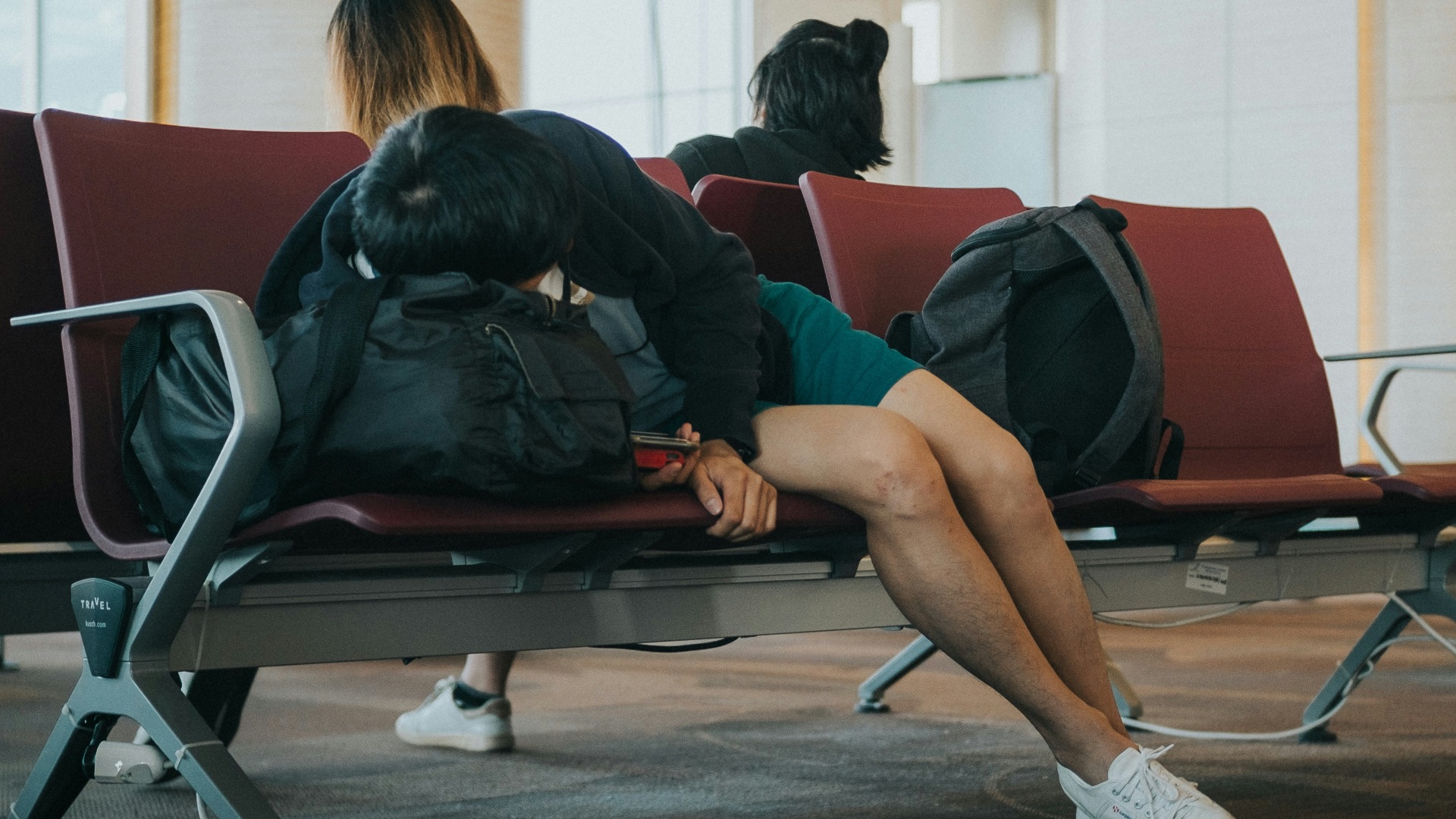
1. Choose a Seat with Less Motion
If you can, book a seat over the wing or near the center of the plane where the ride is typically steadier. A more stable position reduces how much your inner ear has to process. That single choice can make your whole flight feel easier.
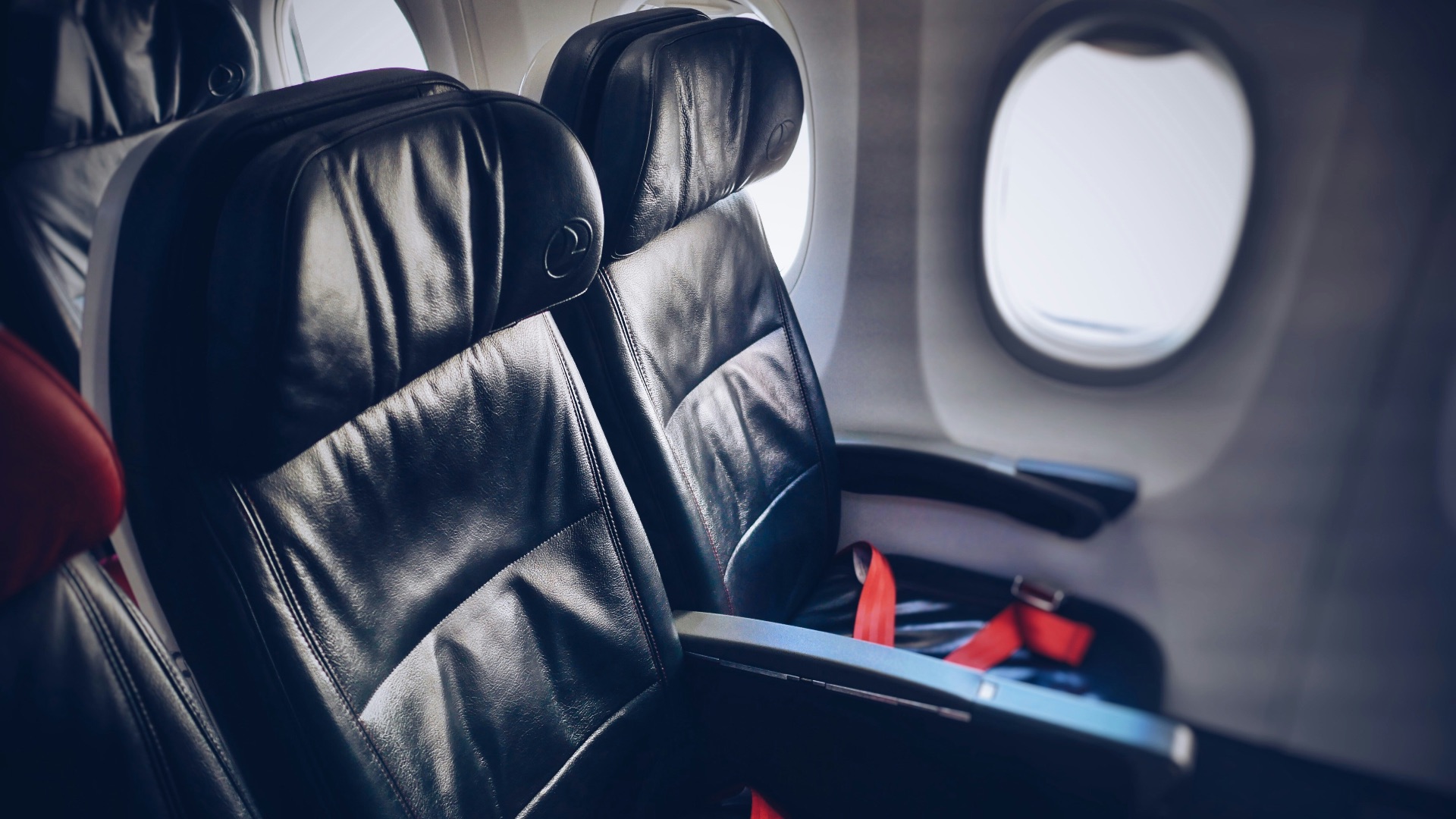
2. Keep Your Gaze Stable and Oriented Forward
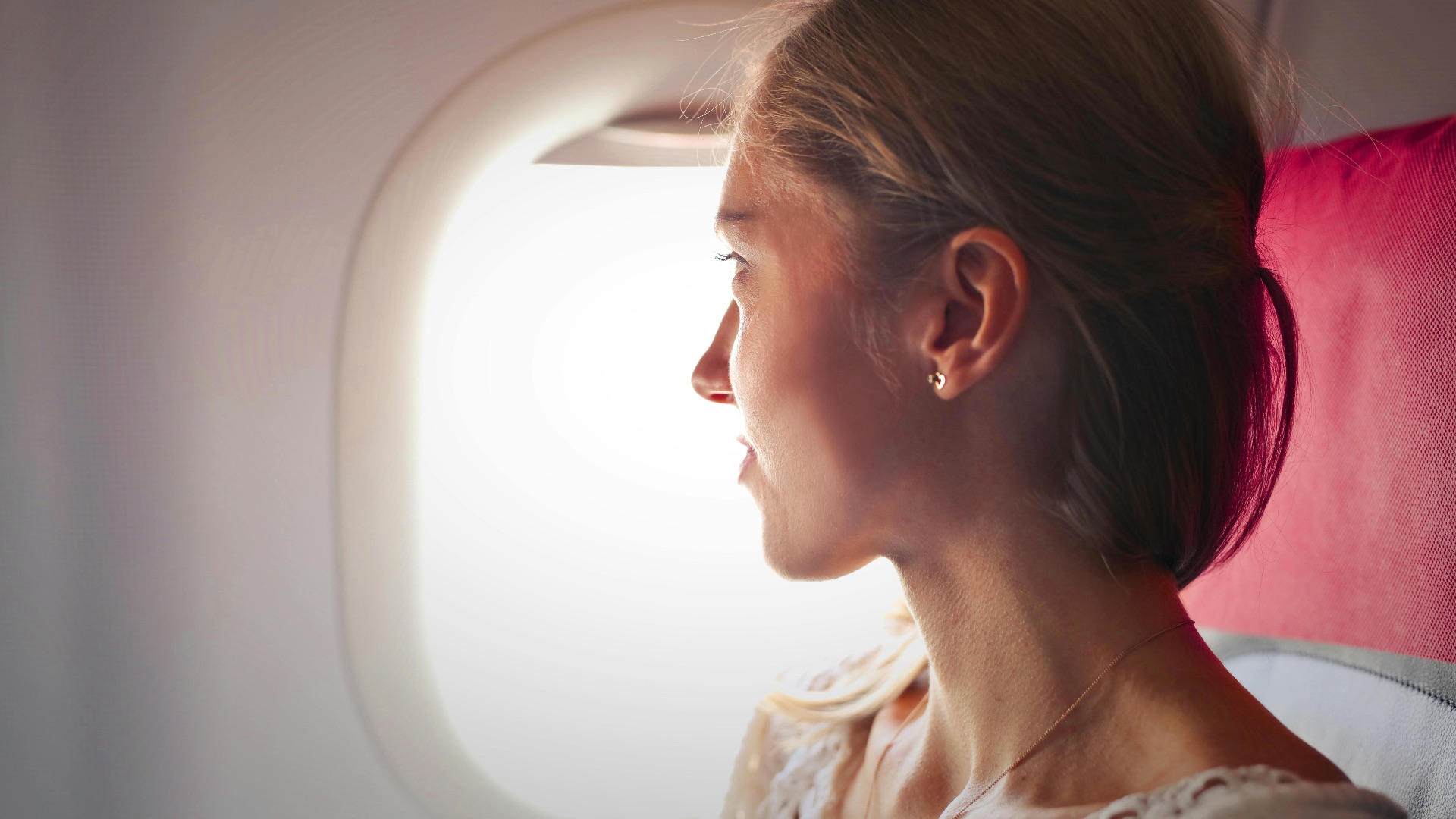
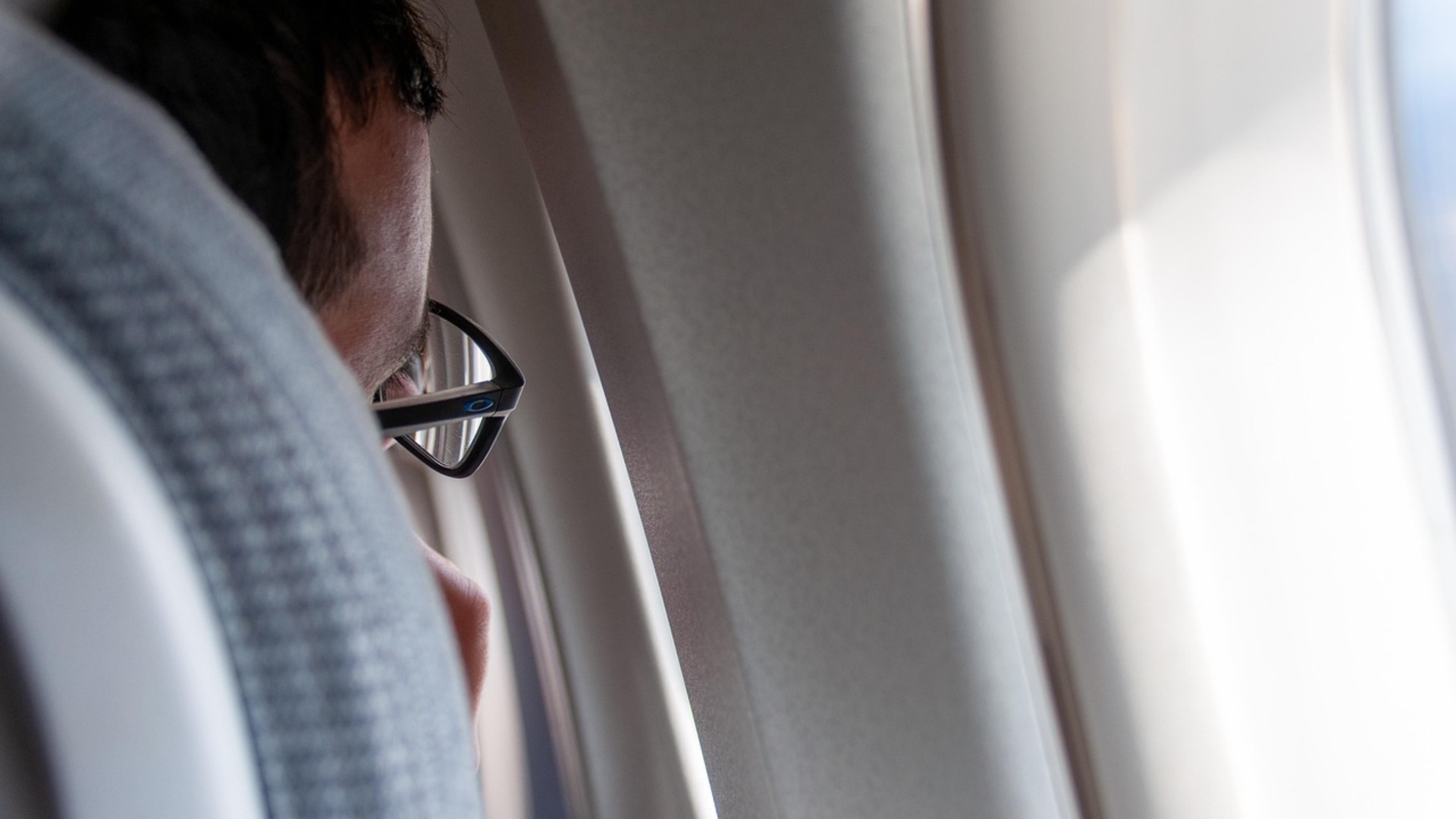
Point your body forward and keep your head supported, especially during turbulence or turns. Looking up occasionally, rather than staying locked on a close object, can help your eyes match the motion your inner ear senses. If you have a window seat, a calm view outside can be useful when conditions allow it.
3. Plan a Light, Predictable Pre-Flight Meal
Aim for something bland and satisfying, like toast, oatmeal, rice, or a banana. Heavy, greasy, or very spicy foods can be a rough match for a sensitive stomach at altitude. Eating a moderate amount beats either overeating or going hungry.

4. Hydrate, Hydrate, Hydrate
Start drinking water before boarding so you’re not playing catch-up mid-flight. Small sips throughout the trip often feel better than chugging a full bottle at once. If you’re prone to nausea, limiting alcohol can make a noticeable difference.

5. Use Airflow to Your Advantage
Turn on the overhead vent and angle it so you feel a steady, gentle stream of air. Cooler airflow can reduce that hot, uneasy feeling that sometimes comes with nausea. If you can’t get comfortable, loosening tight collars or layers can help too.
6. Try Acupressure Bands
Wrist acupressure bands are low-risk and easy to pack, and some people find them genuinely helpful. They’re also convenient because you can put them on before symptoms start. Even if the effect is modest, the routine can help you feel more in control.
 Phillip Goldsberry on Unsplash
7. Consider Ginger
Ginger candies, chews, tea, or capsules are common travel-friendly choices. Some people find that ginger settles their stomach without making them drowsy. If you’re unsure how you’ll react, testing it on the ground first is a smart move.
 sentot setyasiswanto on Unsplash
8. Use Medication Strategically
Over-the-counter options like dimenhydrinate or meclizine can work well, but timing matters. Many medications are more effective when taken before symptoms ramp up. Since drowsiness is possible, plan around when you’ll need to be alert.
 Kateryna Hliznitsova on Unsplash
9. Reduce Triggers by Taking Breaks from Screens
If you’re watching something, pause regularly and look at a stable point farther away. Short breaks can keep your eyes from staying in a close-focus loop that aggravates nausea. Downloading audio content can also give you entertainment without the visual strain.
10. Build a Simple Routine You Can Repeat Every Flight
Consistency helps because your body learns what to expect and you avoid scrambling mid-flight. A routine might include a steady seat choice, a light meal, water, airflow, and an early prevention step like ginger or medication. Once you know what works for you, it becomes easier to fly without bracing for the worst.