
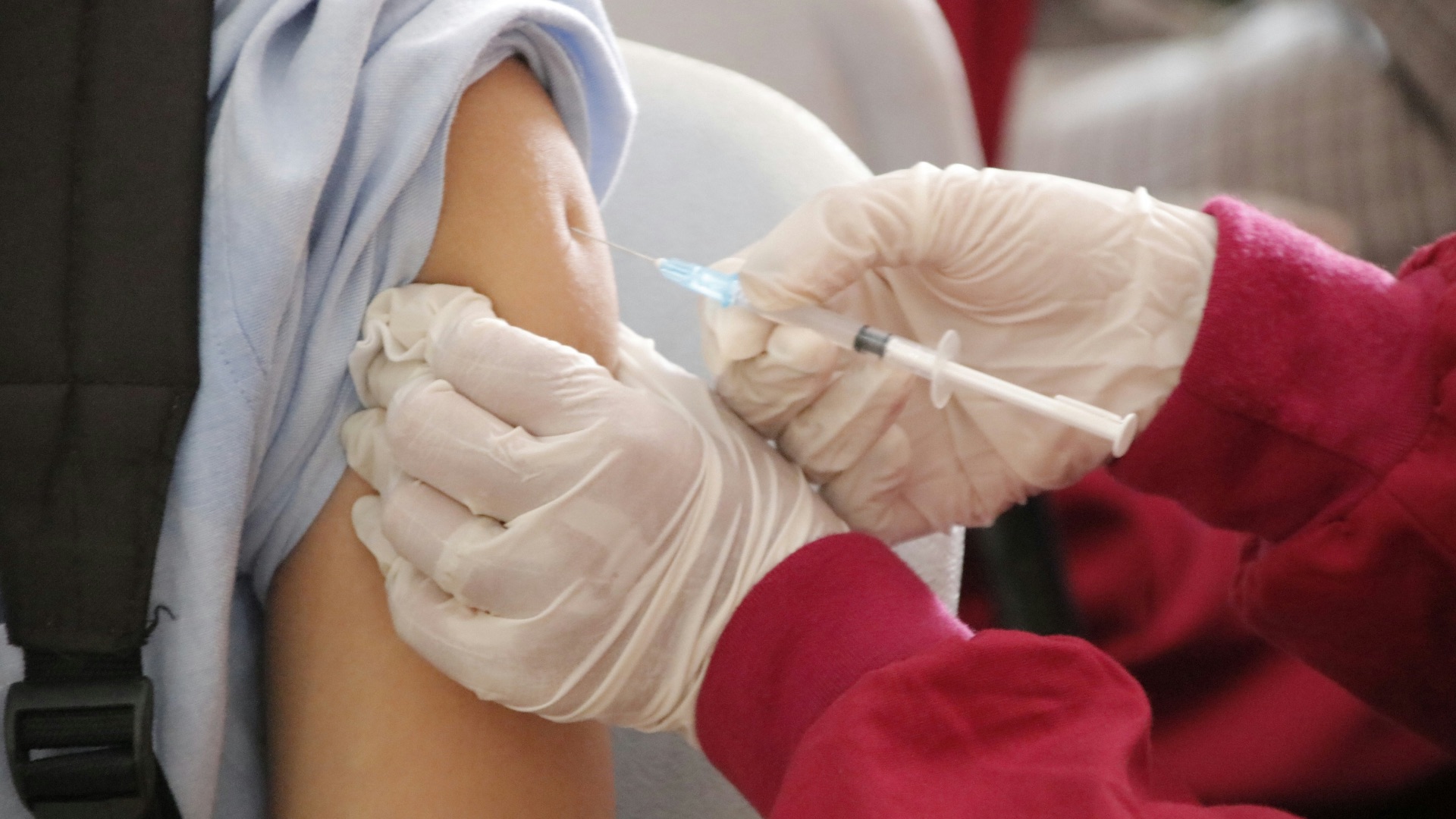
Planning a trip abroad is exciting, but there's a lot more to prepare for than just packing your bags and booking flights. One of the most important (and often overlooked) steps in international travel prep is making sure your vaccinations are up to date. Depending on where you're headed, certain diseases that are rare or virtually nonexistent in the United States may be far more prevalent in other parts of the world. Getting informed early gives you the time you need to take action before your departure date arrives.
The good news is that travel vaccines are widely available, and getting vaccinated before you leave can make a significant difference to your health and safety while you're away. Whether you're backpacking through Southeast Asia, volunteering in sub-Saharan Africa, or taking a short trip to Central America, knowing which vaccines apply to your destination will help ensure you have a fun and safe trip.
Which Vaccines You Might Need
Contrary to what you might assume, not every traveler needs the same set of vaccines; the ones you'll require depend largely on your destination, your personal health history, and the activities you're planning. The Centers for Disease Control and Prevention (CDC) recommends that all international travelers stay current on routine vaccines, including measles-mumps-rubella (MMR), influenza, and tetanus-diphtheria, since these protect against diseases that are still circulating in many parts of the world. It's also worth reviewing your vaccination records before any trip because immunity from older doses can wane over time; a quick check with your doctor or pharmacist can confirm whether any boosters are due.
In addition to routine immunizations, there are travel-specific vaccines designed to protect against diseases you're unlikely to encounter at home. Hepatitis A and typhoid, for example, are commonly recommended for travelers heading to regions with less reliable food and water sanitation, including parts of Latin America, Africa, and Asia. Yellow fever is another key consideration: it's required for entry into certain countries and strongly advised for others, particularly in tropical areas of Africa and South America. When in doubt, the CDC's destination-specific pages are a helpful starting point for researching what's recommended for where you're going.
Some vaccines are only suggested based on specific risk factors, such as how long you'll be staying, whether you'll be spending time in rural areas, and what kind of activities you have planned. Rabies pre-exposure prophylaxis, for example, is generally advised for travelers who'll be spending extended time outdoors or working with animals in regions where the virus is endemic. Consulting a travel medicine specialist or your primary care physician remains the most reliable way to build a vaccination plan that's tailored to your itinerary and individual health needs.
When to Get Vaccinated Before You Travel
Timing is one of the most important factors to get right when it comes to travel vaccines, and the process should start earlier than most people expect. The CDC advises seeing a travel medicine provider at least four to six weeks before your departure, since some vaccines require time to build immunity and others involve multiple doses spread out over several weeks or months. If you're traveling sooner than that, it's still worth going in for a consultation; a provider can prioritize which vaccines are most critical and administer what's feasible given your timeline.
Vaccines like hepatitis B, in particular, require a series of three doses administered over a six-month period, which makes last-minute planning insufficient for completing the full course. Others, like the single-dose yellow fever vaccine, offer long-lasting protection; the World Health Organization considers it valid for life after just one injection. Understanding the timelines attached to each vaccine you need will help you build a realistic schedule well ahead of your trip.
It's also worth requesting an International Certificate of Vaccination or Prophylaxis (ICVP)—often called a "yellow card"—especially if yellow fever vaccination is on your list. Some countries require proof of vaccination at the border, and without the proper documentation, you could be denied entry or required to receive a shot on arrival under less-than-ideal conditions. Keeping both a digital and physical copy of all your vaccination records throughout your travels might sound tedious, but it can save you a great deal of trouble down the line.
What Happens If You Skip Vaccinations
It's important to remember that choosing not to get vaccinated before traveling doesn't just put your own health at risk; it can also affect the people you come into contact with when you return home. Diseases like measles and typhoid are highly contagious, and bringing an infection back from an international trip can contribute to outbreaks in communities where vaccination rates are already lower than they should be. Public health officials have connected several domestic disease outbreaks in recent years directly to travel-associated cases, which underlines how closely global and local health are linked.
It goes without saying that unvaccinated travelers are significantly more vulnerable to becoming seriously ill during their trip, which can lead to hospitalization in a foreign country, substantial medical costs, and disruptions that can derail your entire itinerary. While travel health insurance can help offset some of those expenses, it rarely covers everything, particularly in countries with limited medical infrastructure where specialized treatment may not be readily accessible. In most cases, prevention is considerably more straightforward—and far less costly—than dealing with the fallout of a preventable illness while you're abroad.
Travel vaccination isn't a one-size-fits-all checklist; it's a personalized process that depends on where you're going, how long you'll be there, and the state of your existing immunity. As mentioned, the most important step you can take is to consult a travel medicine provider or your primary care physician well before your departure date, so you have enough time to complete any required courses and let your body build adequate protection. With the right preparation in place, you can focus on enjoying your trip and making sure you come home with nothing but good memories.