The travel industry has sold us on the narrative that if we go to some far-flung place, we'll return home better than before. Avid globe-trotters and casual vacationers alike collect experiences like merit badges. Take the photo at Machu Picchu, eat street food in Bangkok, watch the sunset in Santorini, and somehow you'll transform into a worldly, enlightened version of yourself. Except we all know someone who's been to forty countries and remains entirely unchanged, just with more passport stamps and a tendency to work "When I was in Vietnam" into unrelated conversations.
Everyone Goes to the Same Places Now
Look at any travel influencer's feed, and you'll see the identical itineraries. According to the United Nations World Tourism Organization, just 10 countries account for nearly 40% of all international tourist arrivals globally. Everyone's having the "authentic" experience in exactly the same spots recommended by the same blogs.
The irony is thick. People travel to experience something unique and end up in crowds of other people doing precisely the same thing. You're not discovering Lisbon; you're following a predetermined path through Lisbon's most photographed alleys.
Mass tourism has turned experience into product. You consume the destination, check the boxes, and move on. Nothing about this process makes you interesting. You've simply purchased access to the same curated moments everyone else bought.
The Depth Isn't There

Most travel is shallow by necessity. You've got a week, maybe two, to see the highlights. That's tourism, not cultural immersion. Real understanding requires time, a grasp of the local language, and an intimate context that you simply can't get from a guided tour and three nights in an Airbnb.
Talk to someone who's actually lived abroad for years versus someone who backpacked through Southeast Asia for a month. The difference is obvious. One has nuanced perspectives on daily life, politics, and the social dynamics within various regions. The other has anecdotes about getting food poisoning and that one time they haggled successfully at a market.
It's Become a Status Performance
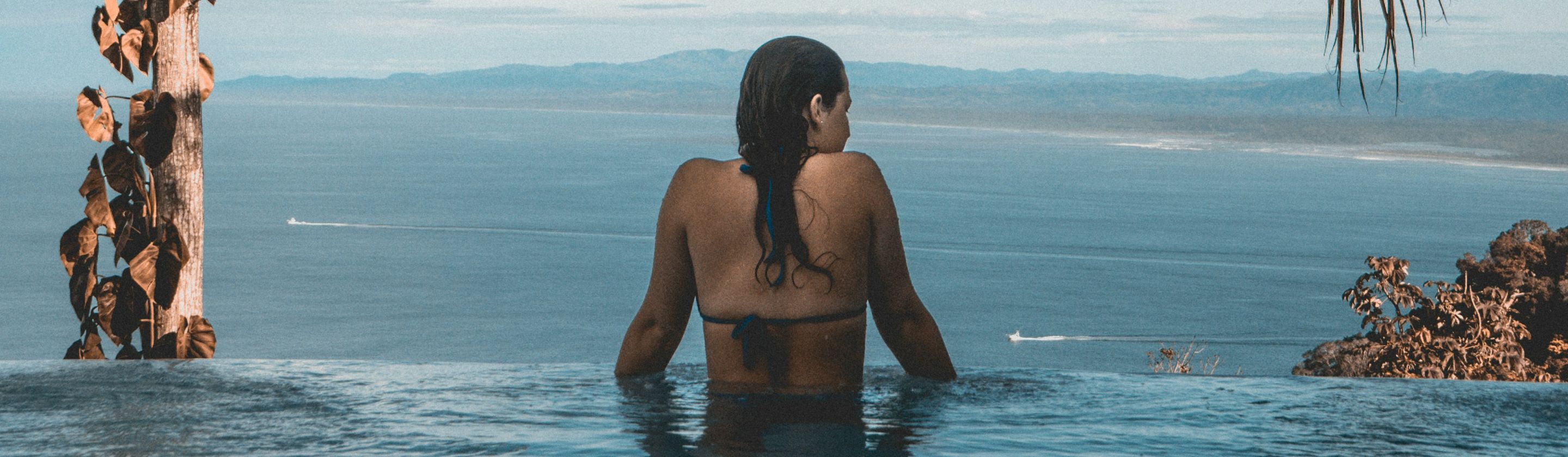
Travel isn't about the experience anymore, assuming it ever fully was. Now it's about the evidence that you traveled. The Instagram post from the infinity pool or the story about how hard it was to get to that remote beach. Influencers love to casually mention how many countries they've been to, as if quantity equals sophistication.
The performative aspect of travel has become so obvious that it's generated its own backlash and meta-commentary, which in turn creates another layer of performance: the traveler who's too authentic to care about Instagram, who shares their authentic non-curated moments that are curated to look non-curated.
The Personality Was There All Along

Travel reveals who you already are rather than transform you. Curious people notice things, ask questions, engage deeply. They'd be interesting whether they went to Mongolia or stayed home. Incurious people take the same limited perspective with them everywhere they go, then wonder why every city felt basically the same.
You can learn, grow, expand your worldview through travel. You can also learn, grow, and expand your worldview through books, documentaries, and conversations with people from different backgrounds and genuine engagement with your own community's complexity. The destination isn't doing the work. You either are, or you aren't.
The Money Could've Done More
The thousands spent on flights and hotels could've funded a year of language classes, a really good bicycle, or a standing desk. The global travel and tourism industry was worth approximately $9.9 trillion in 2023 according to the World Travel and Tourism Council. That's a lot of money being spent on the premise that being somewhere else makes you better. What if it doesn't, though? What if you'd be more interesting, more fulfilled, more genuinely knowledgeable by investing in sustained learning or skill development rather than brief geographic displacement?
Nobody wants to hear this after they've just spent three thousand dollars on a trip. The cognitive dissonance is too sharp. It's far easier to believe that those ten days hiking in Patagonia fundamentally changed you rather than admit they were just ten pleasant days you enjoyed and then life continued exactly as before.