Ready to Trade Sunshine for Stalactites?
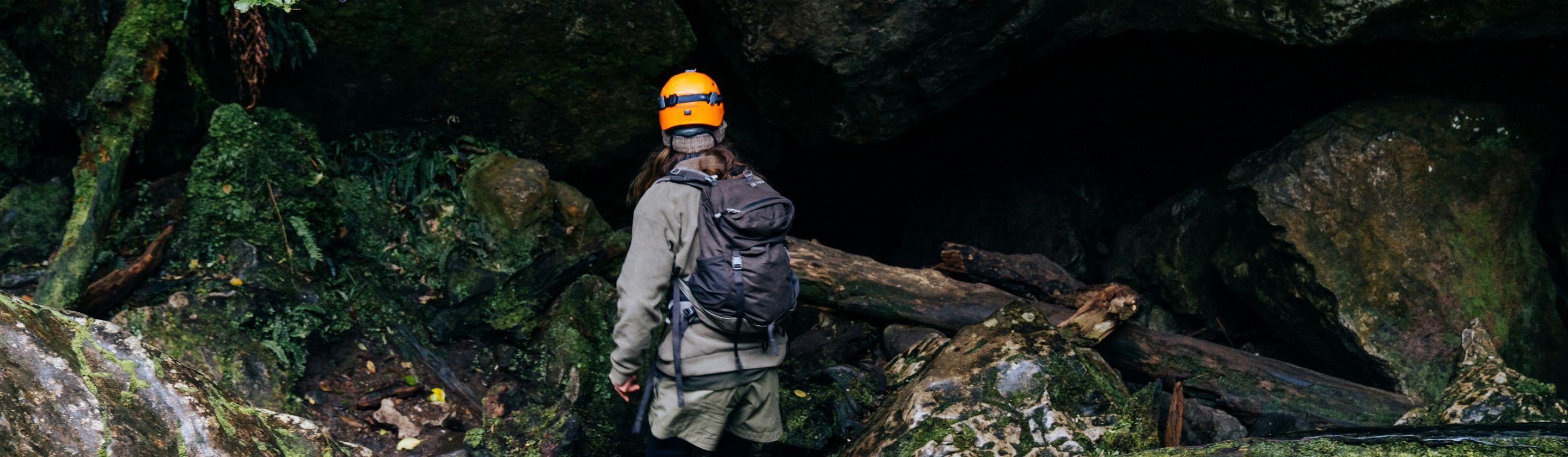
If you’ve never stepped into a cave, you’re missing out on one of travel’s coolest plot twists: one minute you’re on a normal trail, and the next you’re wandering through a secret underground world. Caving can be dreamy and gentle with lit walkways, or muddy and adrenaline-packed with squeezes, ladders, and headlamps. Either way, you’ll come out feeling like you just explored a new planet—so long as you’re safe while doing it. Let’s explore a few ways you can stay safe and see the world!
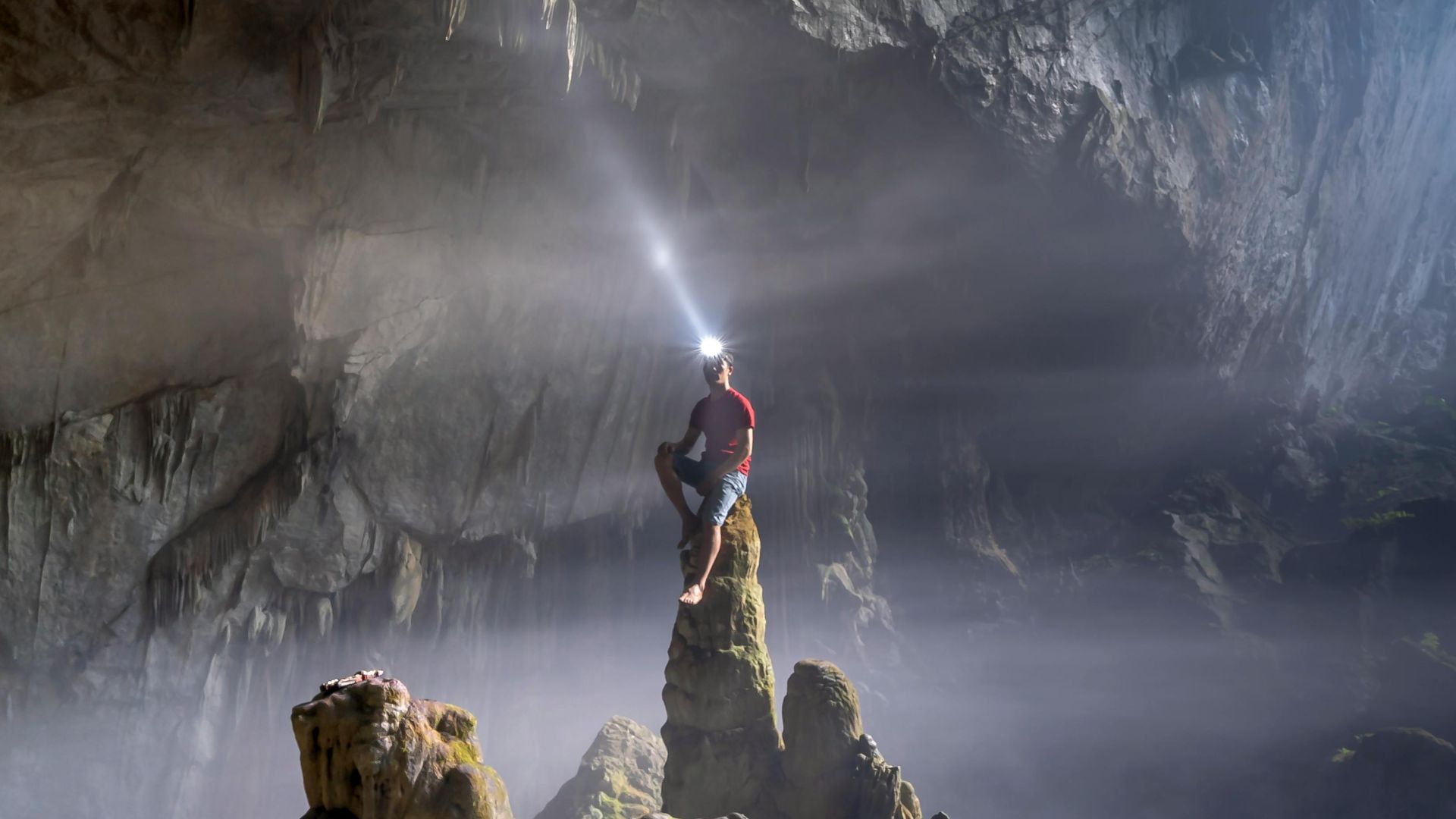
1. Mammoth Cave, Kentucky, USA
Mammoth Cave is part of the world’s longest known cave system, and it feels endless in the best way. You can choose anything from easy guided walks to lantern tours that make the whole place feel nice and spooky. By the time you step back outside, daylight will undoubtedly smack you in the face.
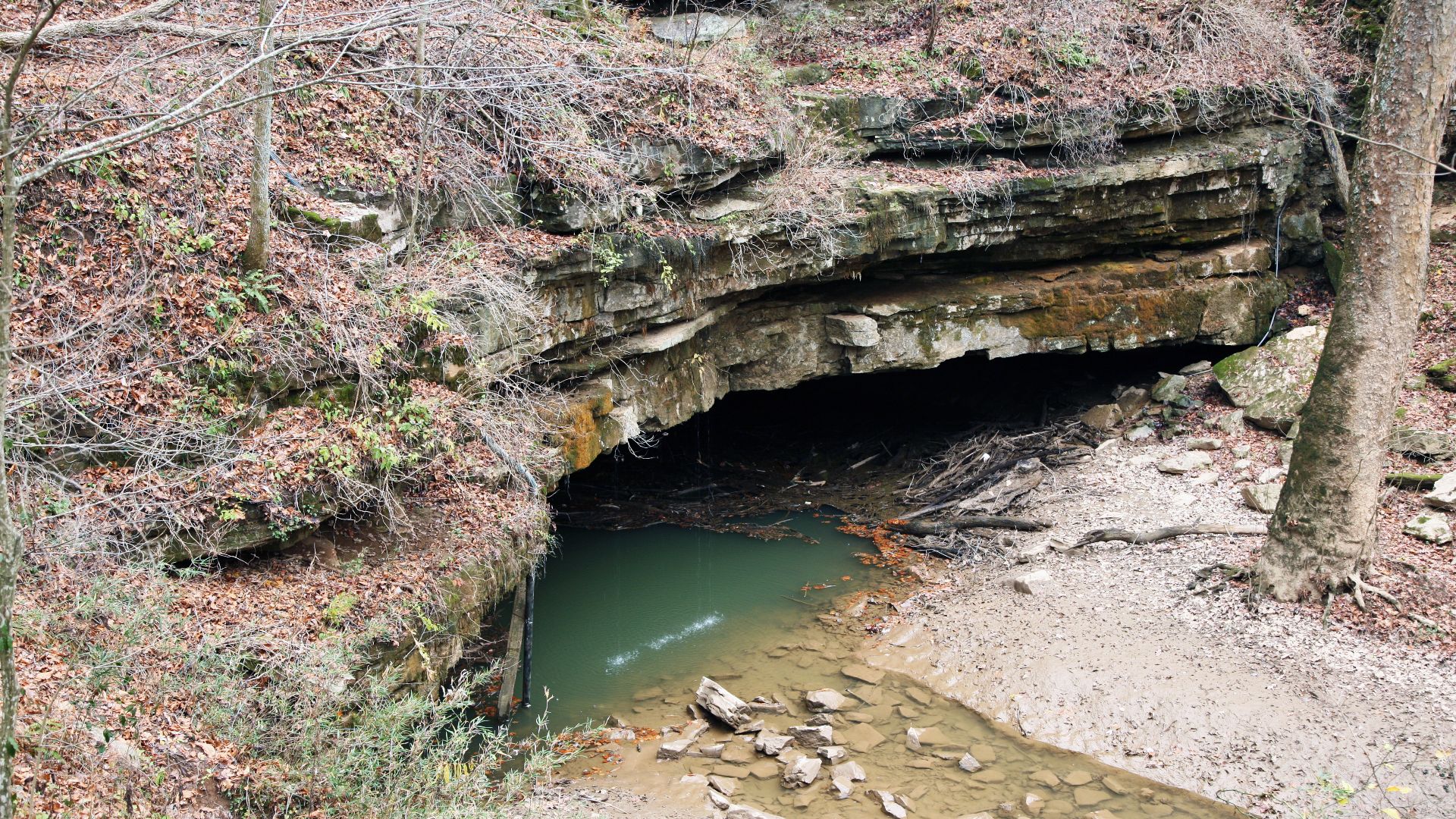
2. Waitomo Glowworm Caves, New Zealand
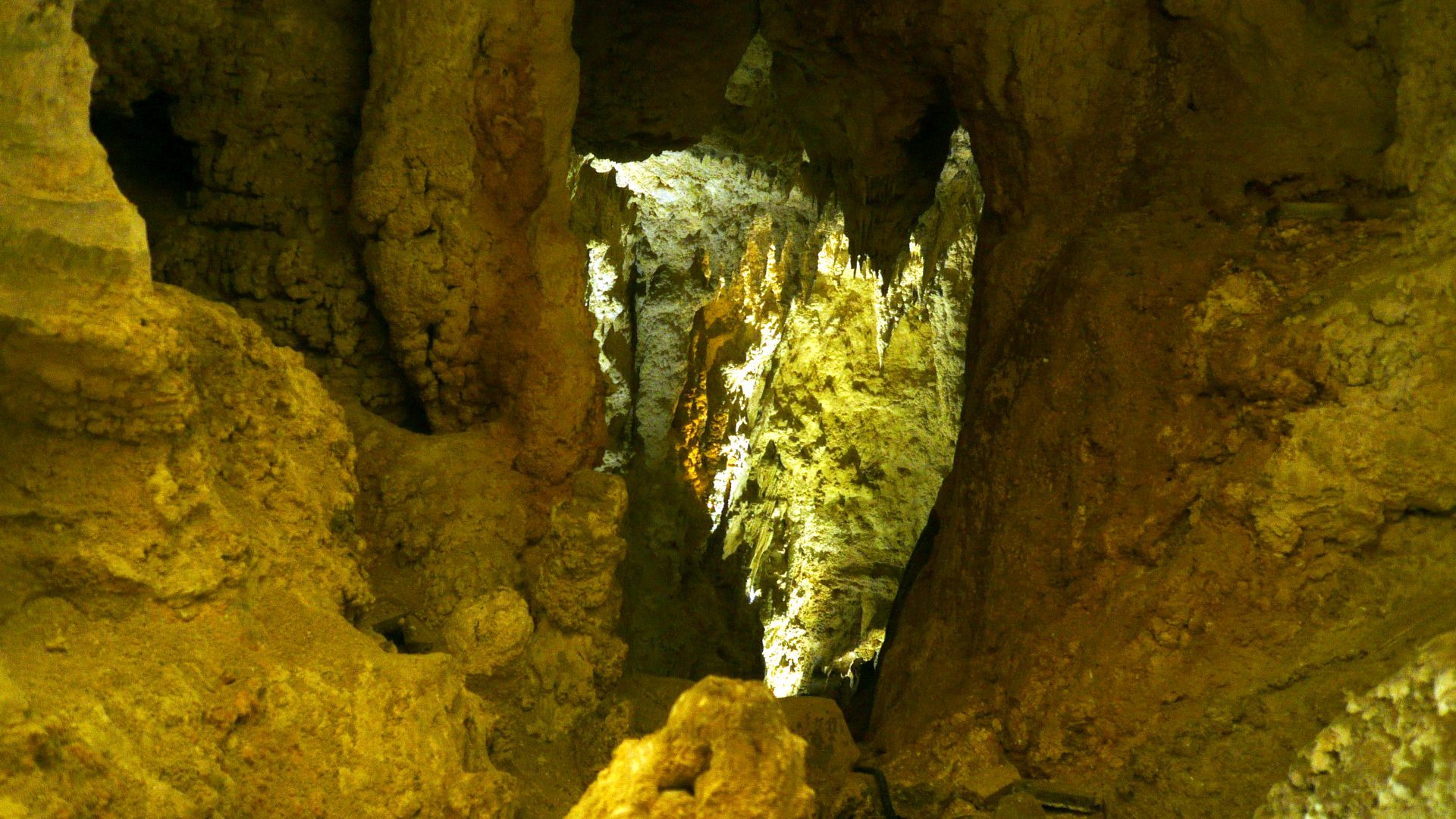
If you want cave magic without trekking through mud, Waitomo is your dream ticket. You’ll float through darkness while thousands of glowworms sparkle overhead like a living night sky. It’s the kind of peaceful, jaw-dropped quiet that makes you forget your phone exists.
 Николай Максимович on Wikimedia
3. Sơn Đoòng Cave, Vietnam
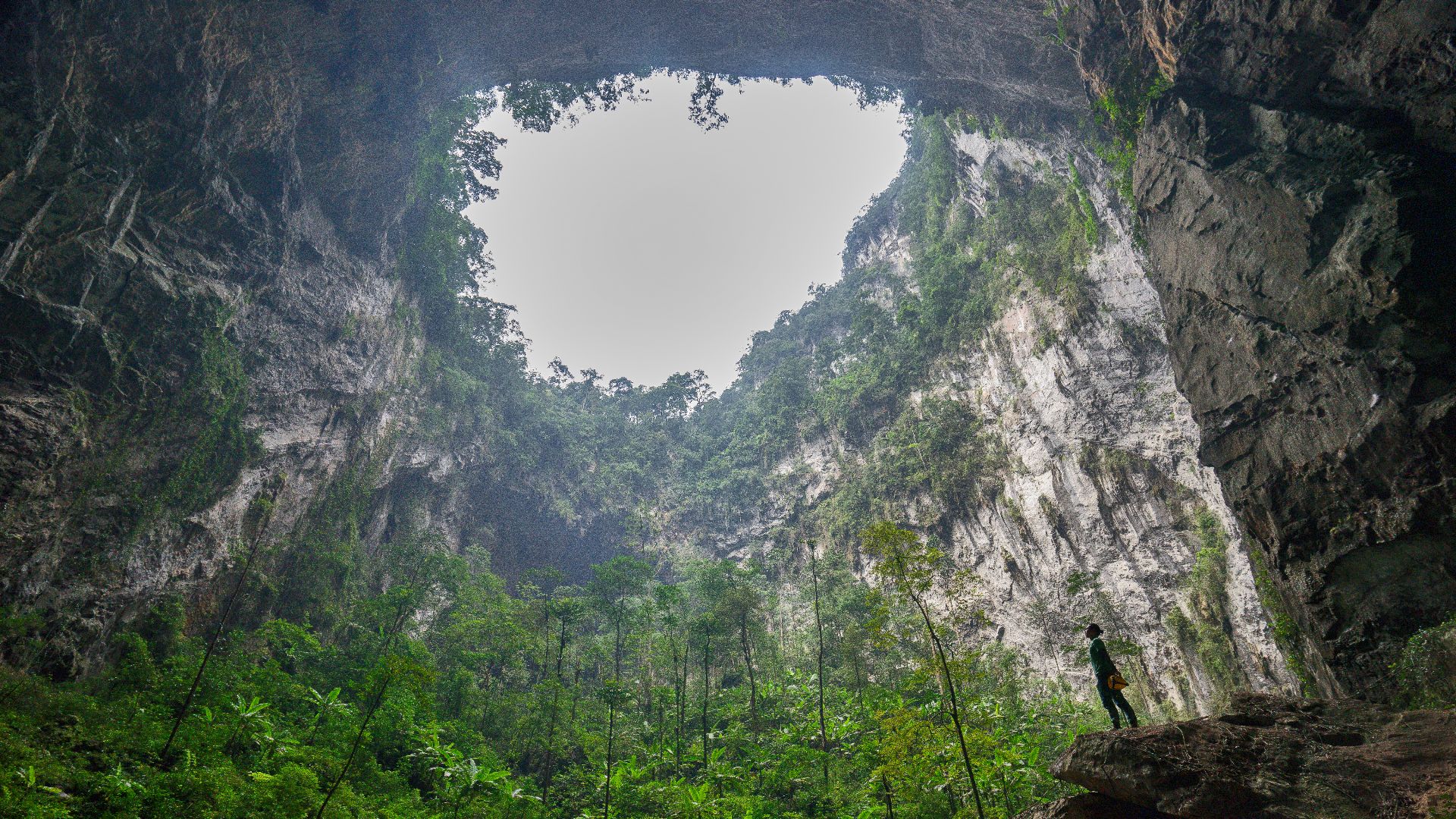
Sơn Đoòng is huge enough to have its own weather and jungle-like pockets. Getting in requires a guided expedition, and yes, you’ll earn every step with hiking and scrambling. That’s not all—once you realize a skyscraper could fit in there, you won’t believe your eyes.
4. Eisriesenwelt Ice Cave, Austria
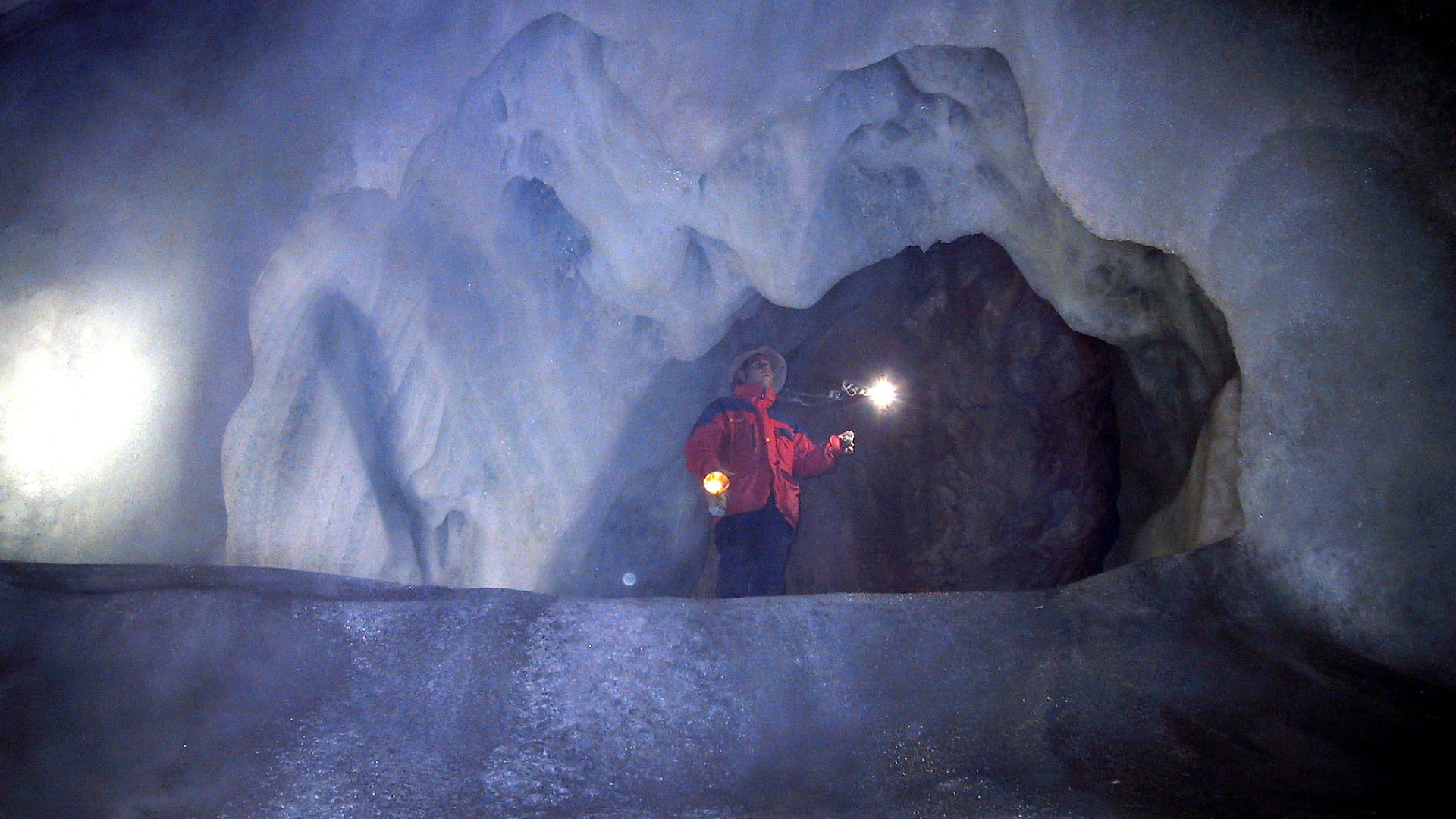
Picture an incredible cave made of ice sculptures. Congrats, you just pictured Eisriesenwelt, a natural wonder loaded with frozen formations! Bring layers and a sense of wonder to this one; your skin will definitely feel the chill.
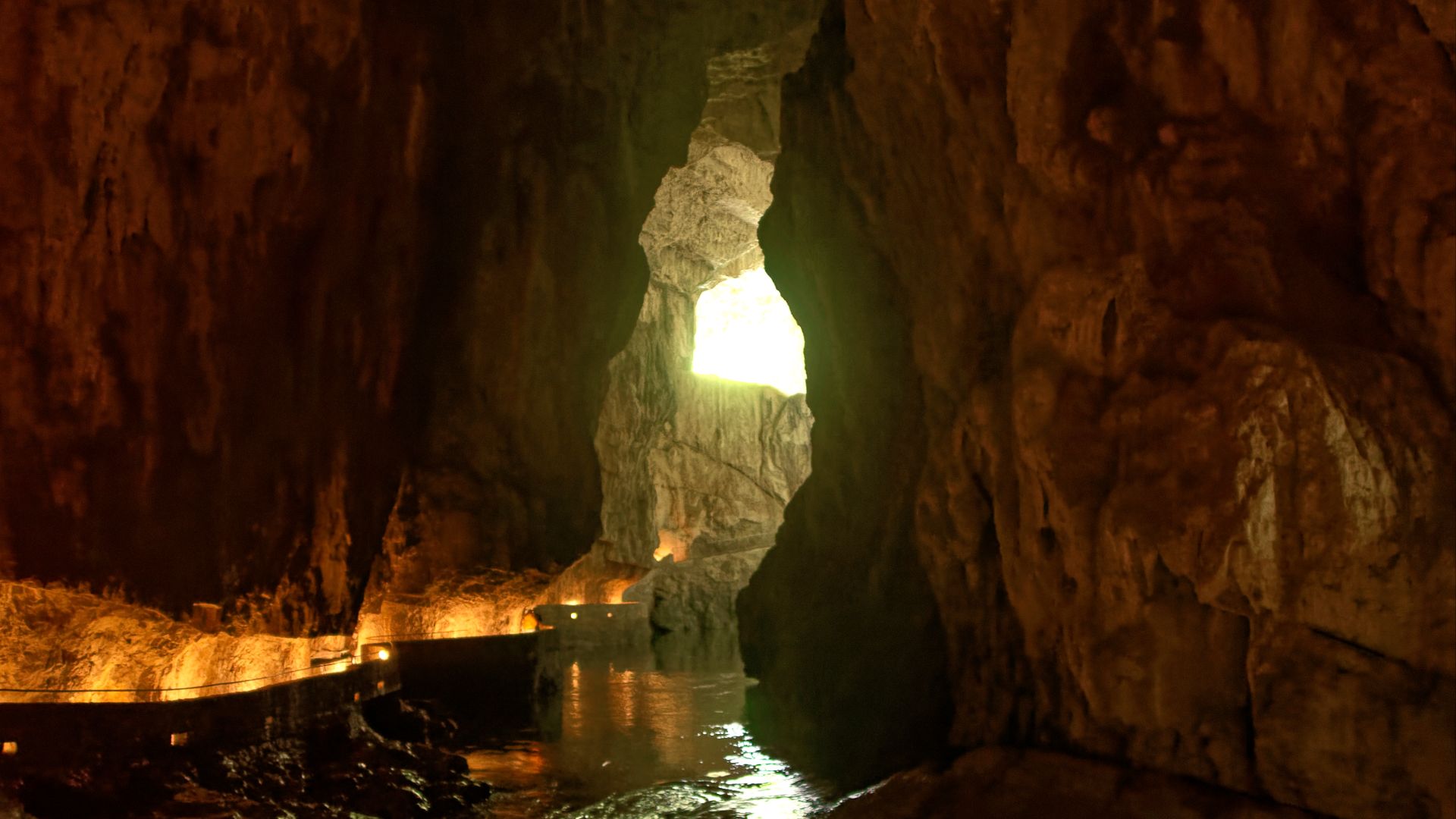
5. Škocjan Caves, Slovenia
Škocjan doesn’t tiptoe around “impressive,” it goes straight for the wow factor. With a massive underground canyon and roaring river, the walkways make it approachable, but the scale still hits you. It’s a place that makes you whisper “no way” with every crevice explored.
6. Postojna Cave, Slovenia
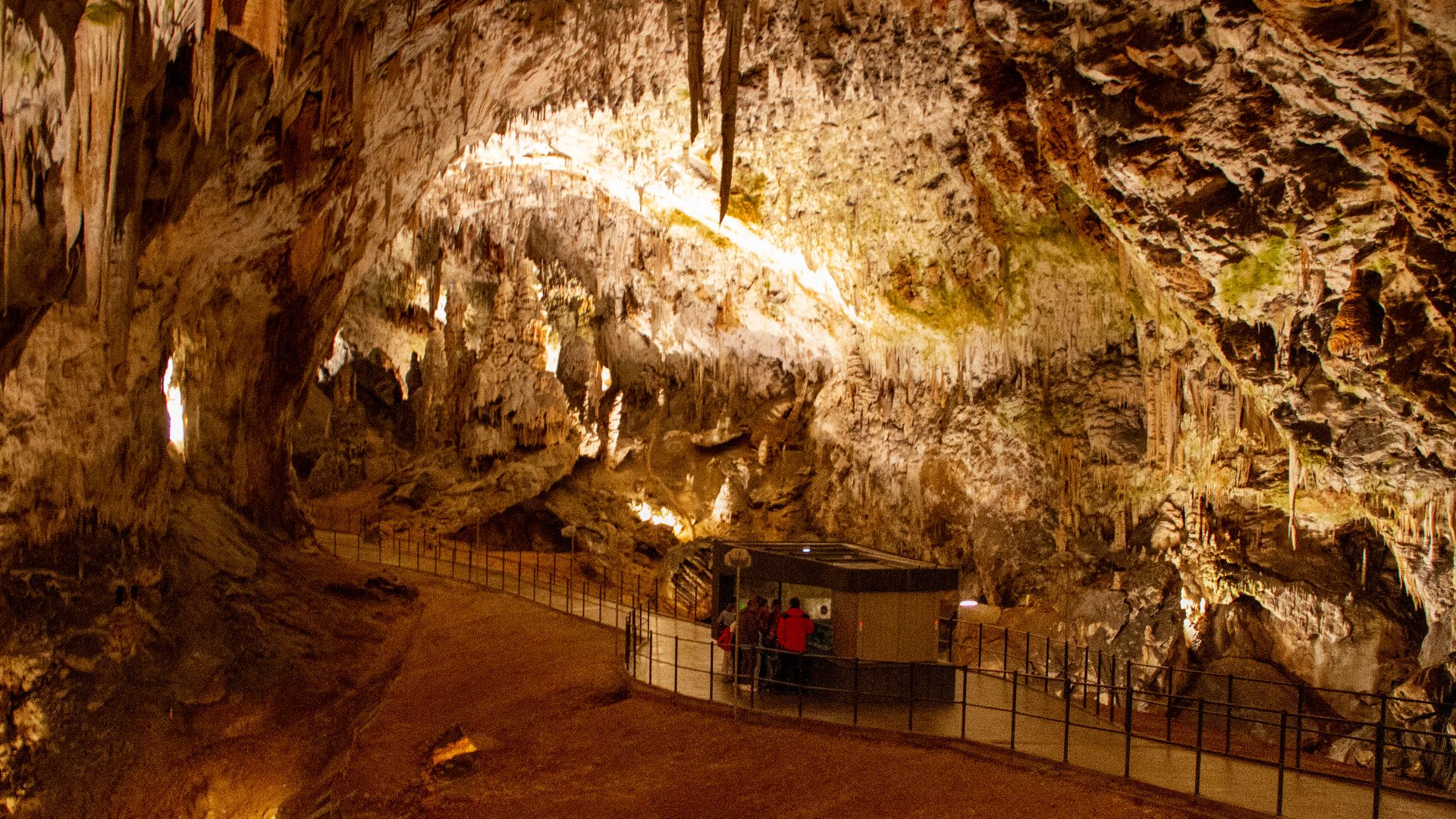
Yes, there’s a little train that takes you into the cave, and honestly, it’s as fun as it sounds. Postojna is packed with grand chambers, surreal formations, and that satisfying cave air all explorers know and love. There’s no shortage of things to see or things to tell people when you resurface.
7. Carlsbad Caverns, New Mexico, USA
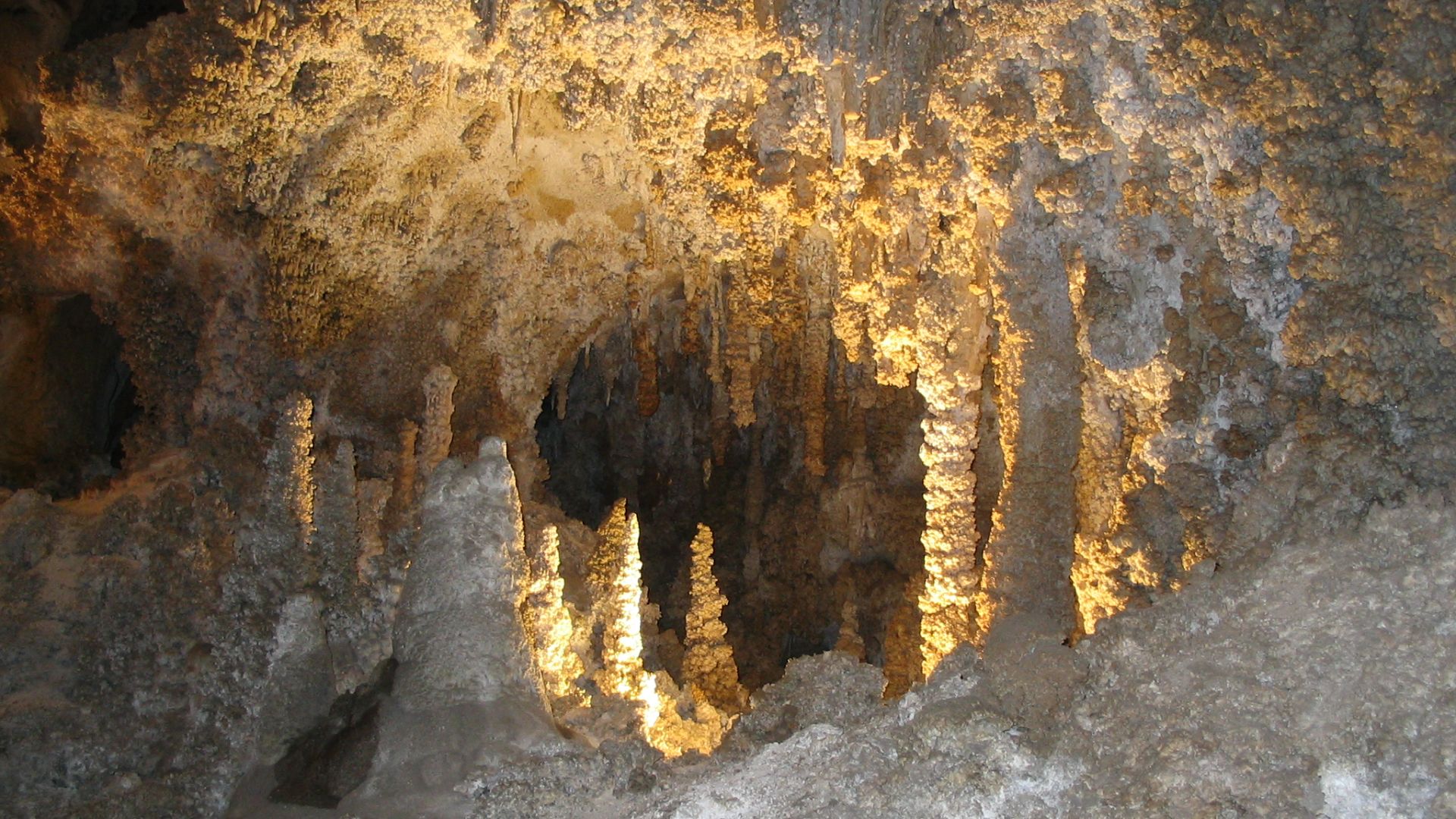
Carlsbad is a masterpiece of gigantic openings and dripping formations that are out of this world. The Big Room is so vast that it can feel like you’re walking through an underground stadium. Time it right and you might even catch bats streaming out at dusk.
8. Actun Tunichil Muknal, Belize
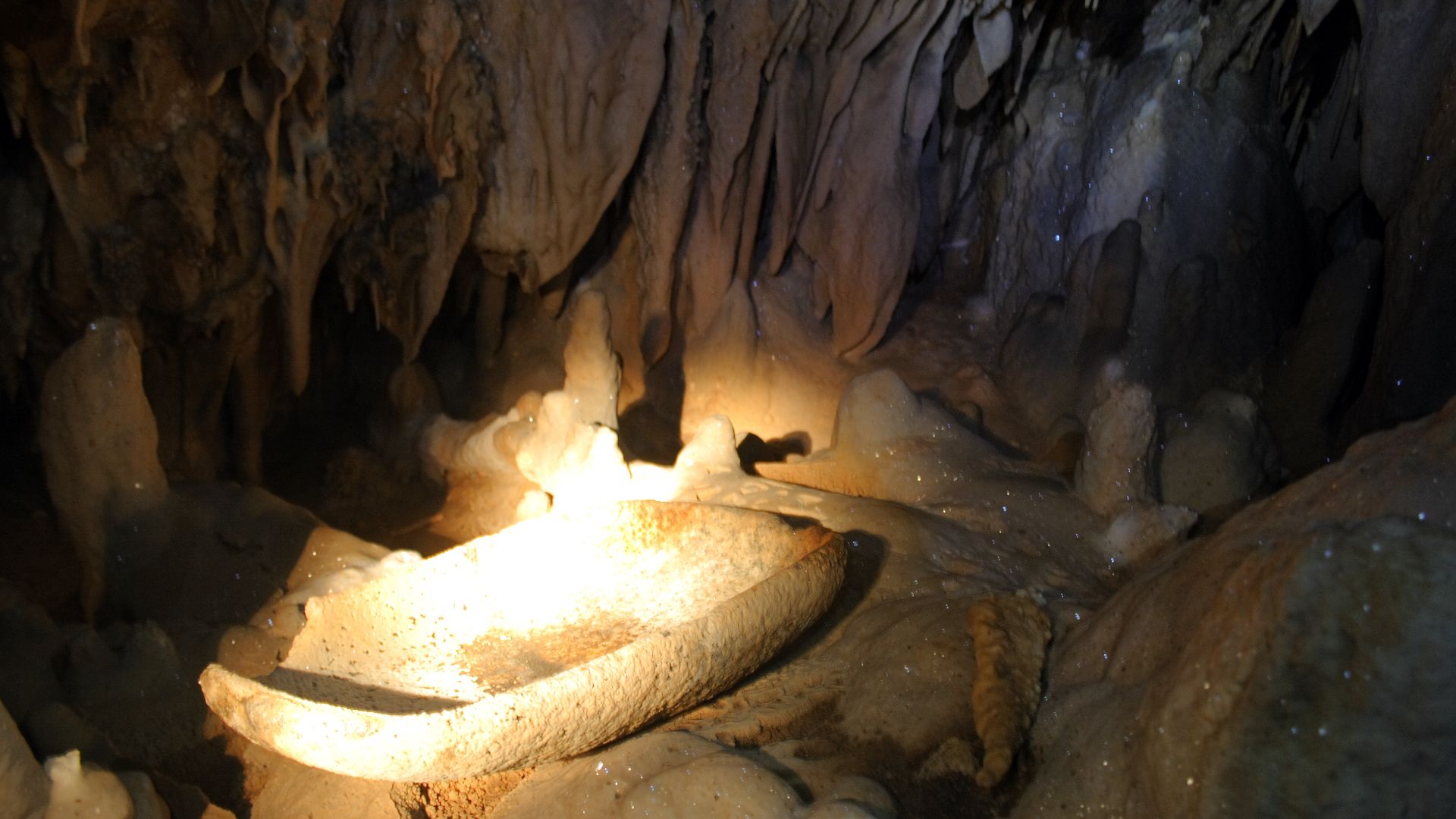
This cave is part adventure, part time machine, so we hope you like exploring! You’ll swim and wade your way in, then follow a route that reveals ancient Maya artifacts in an eerie, unforgettable setting. It’s equal parts thrilling and humbling, and stands as a true testament to nature’s beauty.
 Antti T. Nissinen on Wikimedia
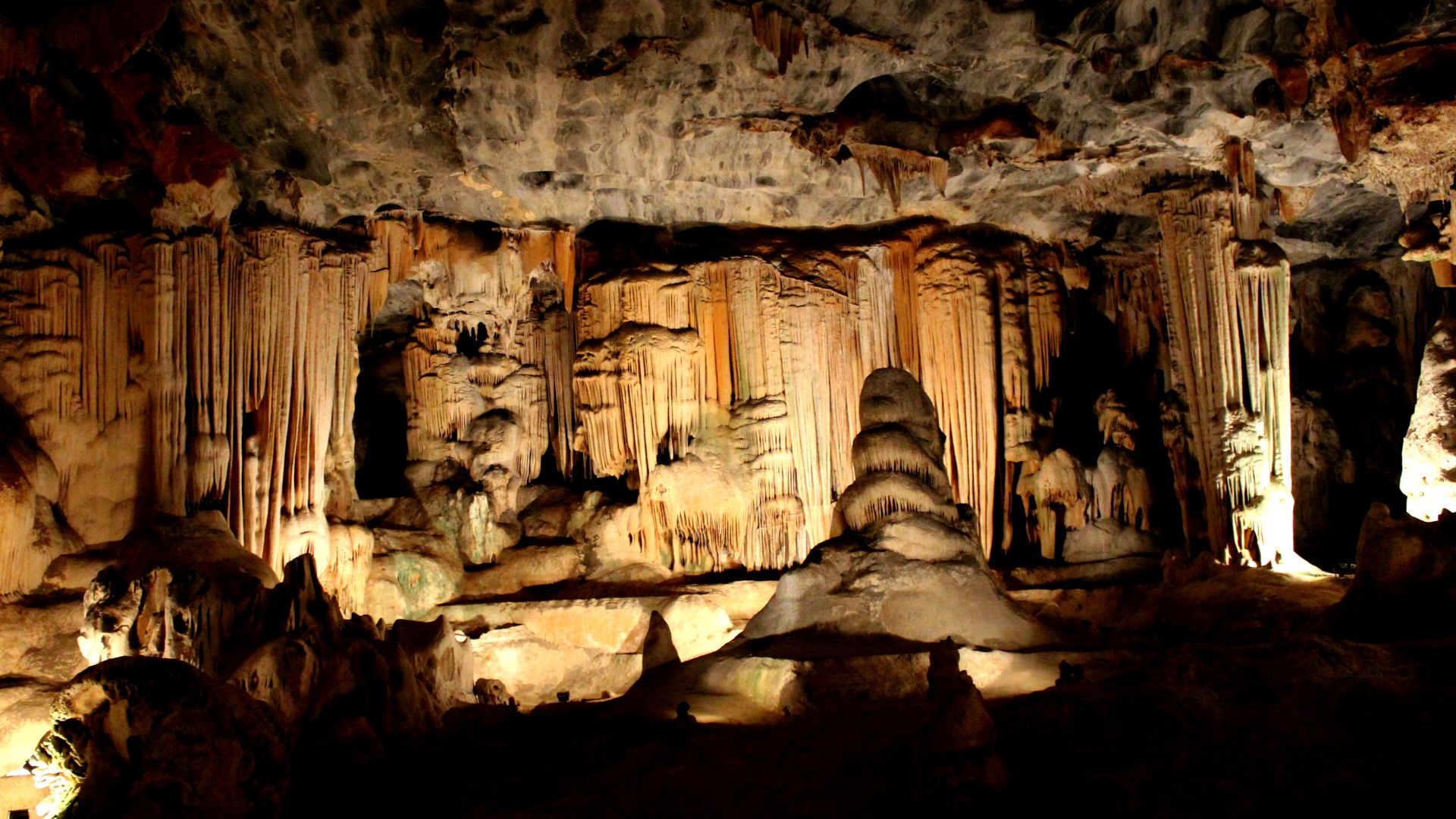
9. Cango Caves, South Africa
To walk into Cango is to walk straight into a storybook. Guided tours range from relaxed strolls to routes that have you crawling and squeezing (and laughing at yourself a little), but the cave’s scale leaves plenty for any adventurous type.
10. Jenolan Caves, Australia
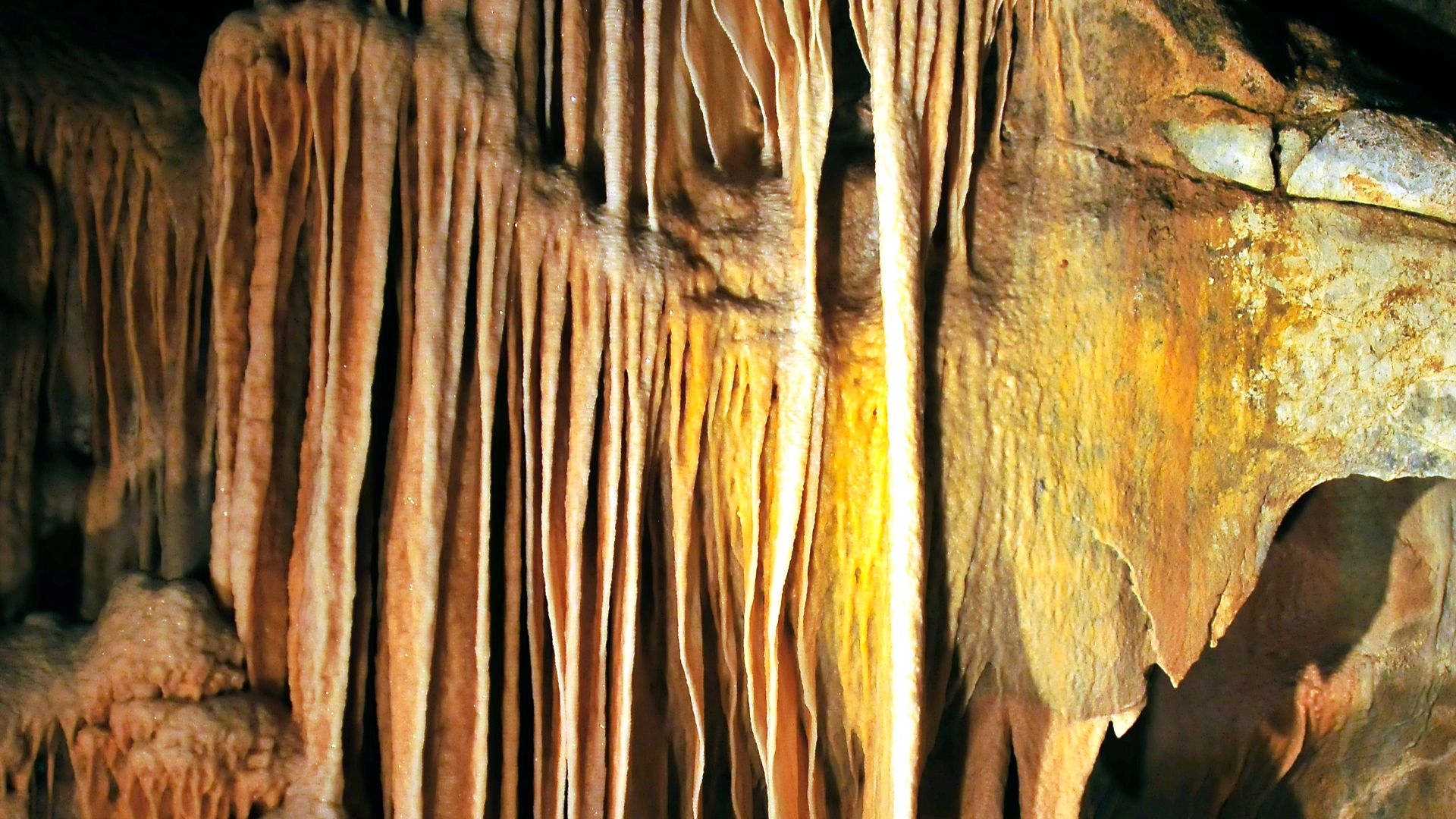
Jenolan is a wonderland, with multiple systems to explore and mineral colors that pop in unexpected ways. The lighting and pathways make it friendly for first-timers, too, but it still feels otherworldly. It’s hard not to walk out thinking the underground world is officially underrated.
Caving is one of those activities that can welcome carelessness pretty fast. The good news is you don’t need to be a hardcore spelunker to stay safe; you just need a smart approach and a little respect for the underground.
1. Tell Someone Your Plan (And Stick to It)
Before you disappear, give a trusted person your route, your expected return time, and who you’re going with. If plans change, update them instead of assuming it’ll be fine. It can make a huge difference if anything goes sideways.
2. Never Cave Alone, Even If You’re Confident
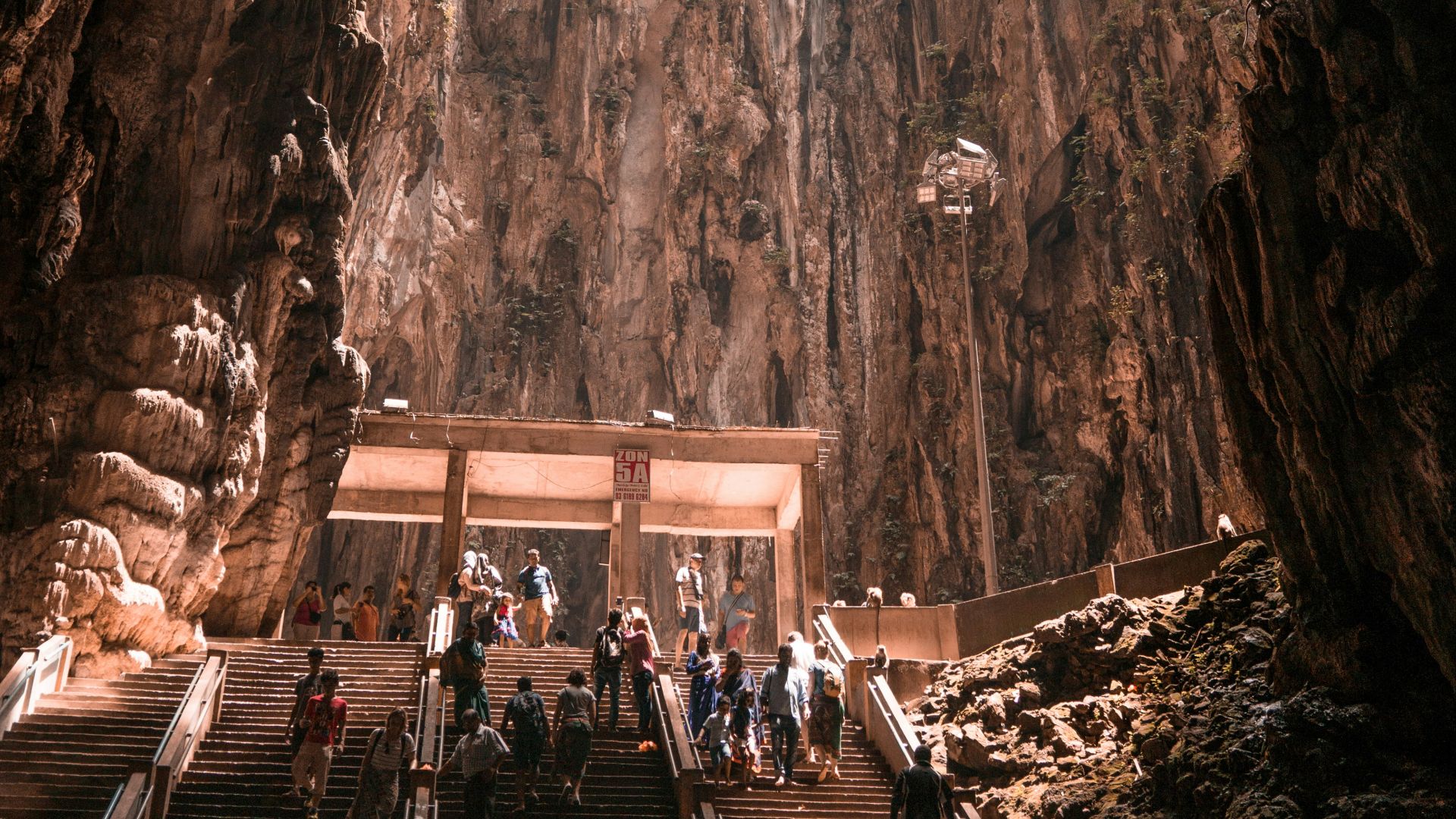
Caves don’t care about confidence; a sprained ankle or a wrong turn gets a lot scarier when you’re the only one there. Bring a buddy, or better yet, go with a group that knows the area.
3. Bring Three Sources of Light, Not One
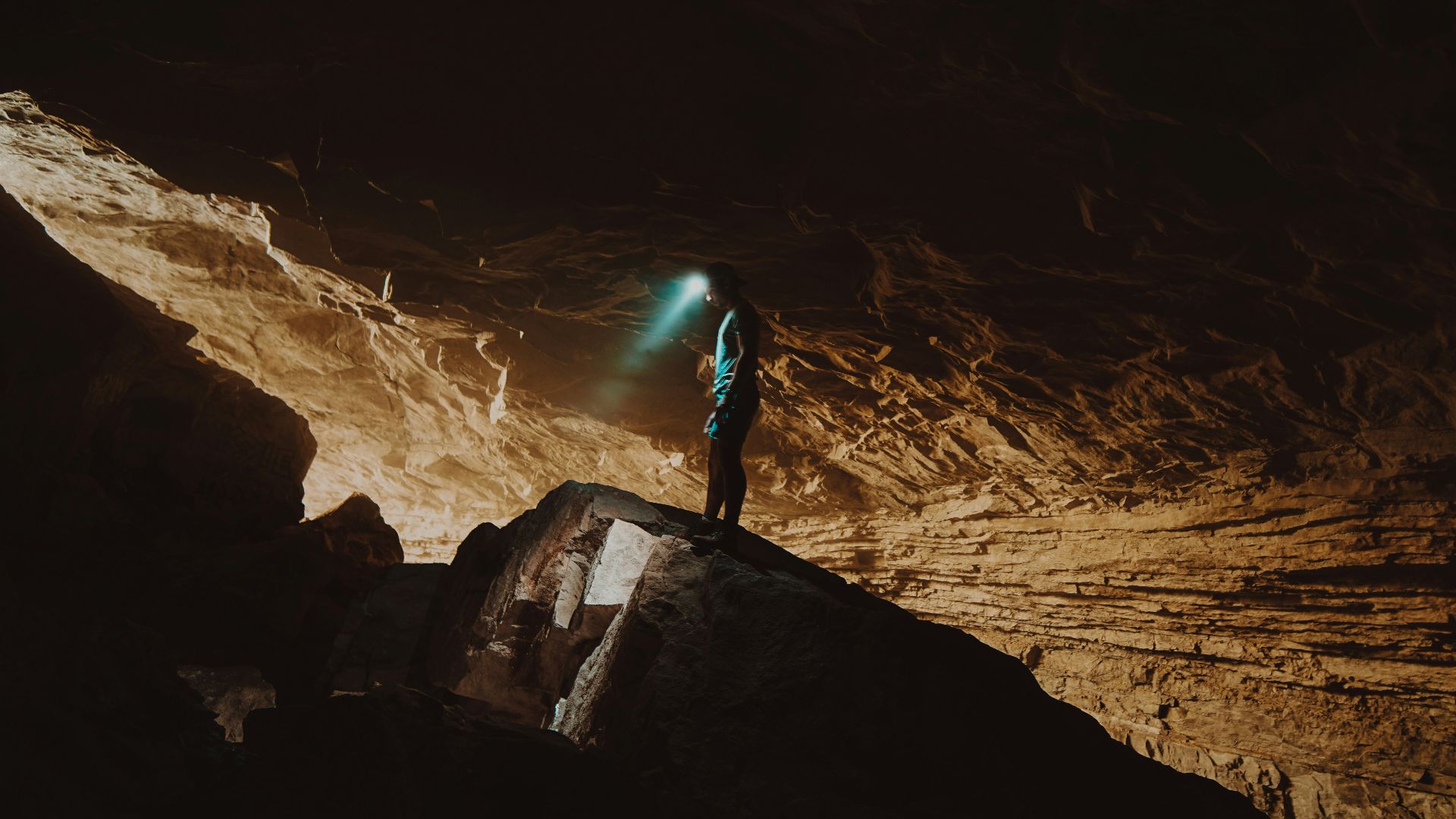
Your phone flashlight is not a plan—it’s a last-ditch backup at best. Pack a headlamp plus two additional lights, and make sure the batteries are fresh. When one light fails, you’ll be grateful you didn’t bet your whole trip on a single bulb.
4. Dress for the Cave, Not the Parking Lot
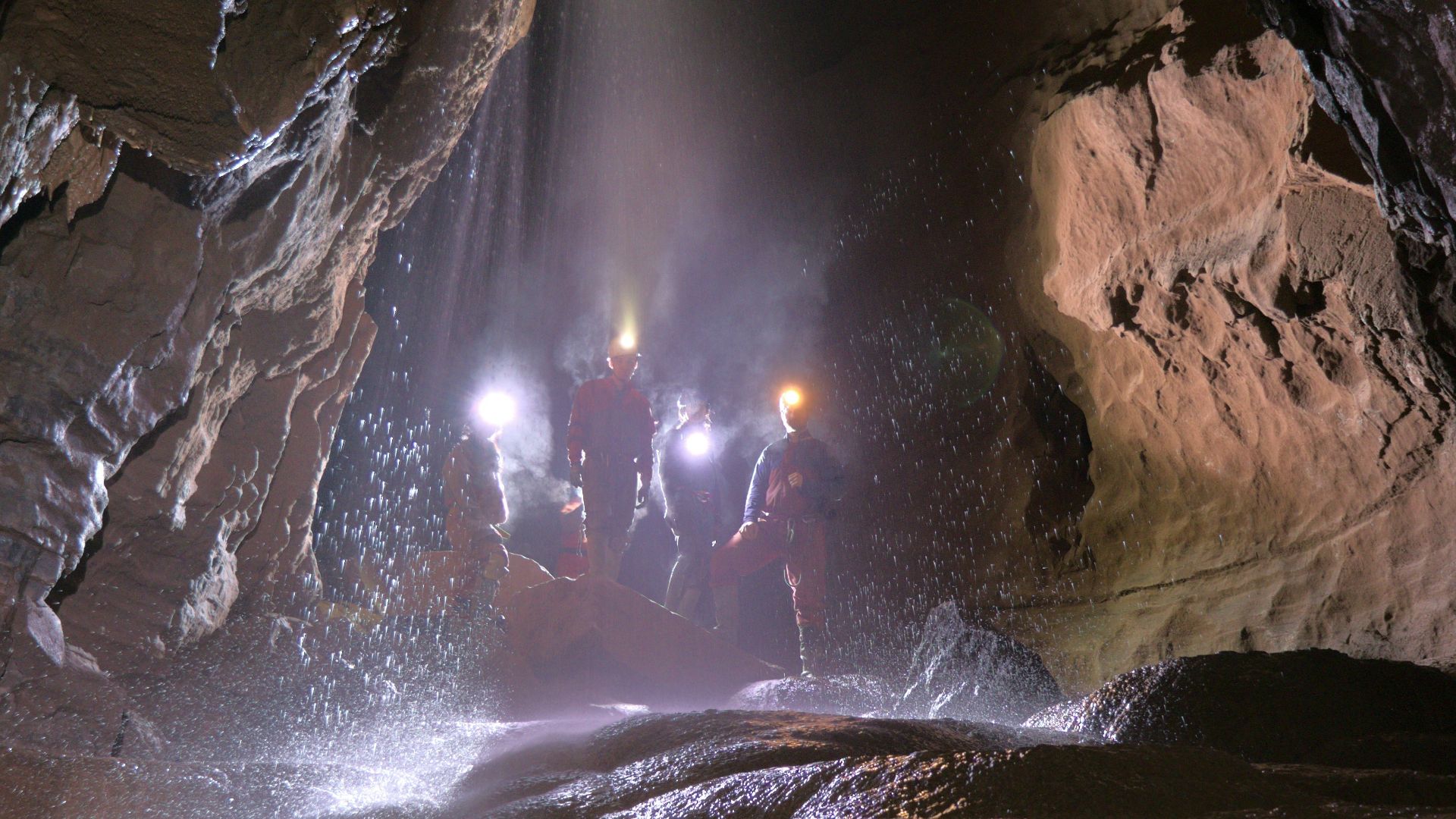
Caves are often cold and damp, and that affects you more than you think it will. Wear layers that still insulate when wet, and pick tough fabrics you won’t tear if they get scraped up. Good traction matters, so choose the right footwear, too.
5. Stay on Known Routes and Respect Barriers
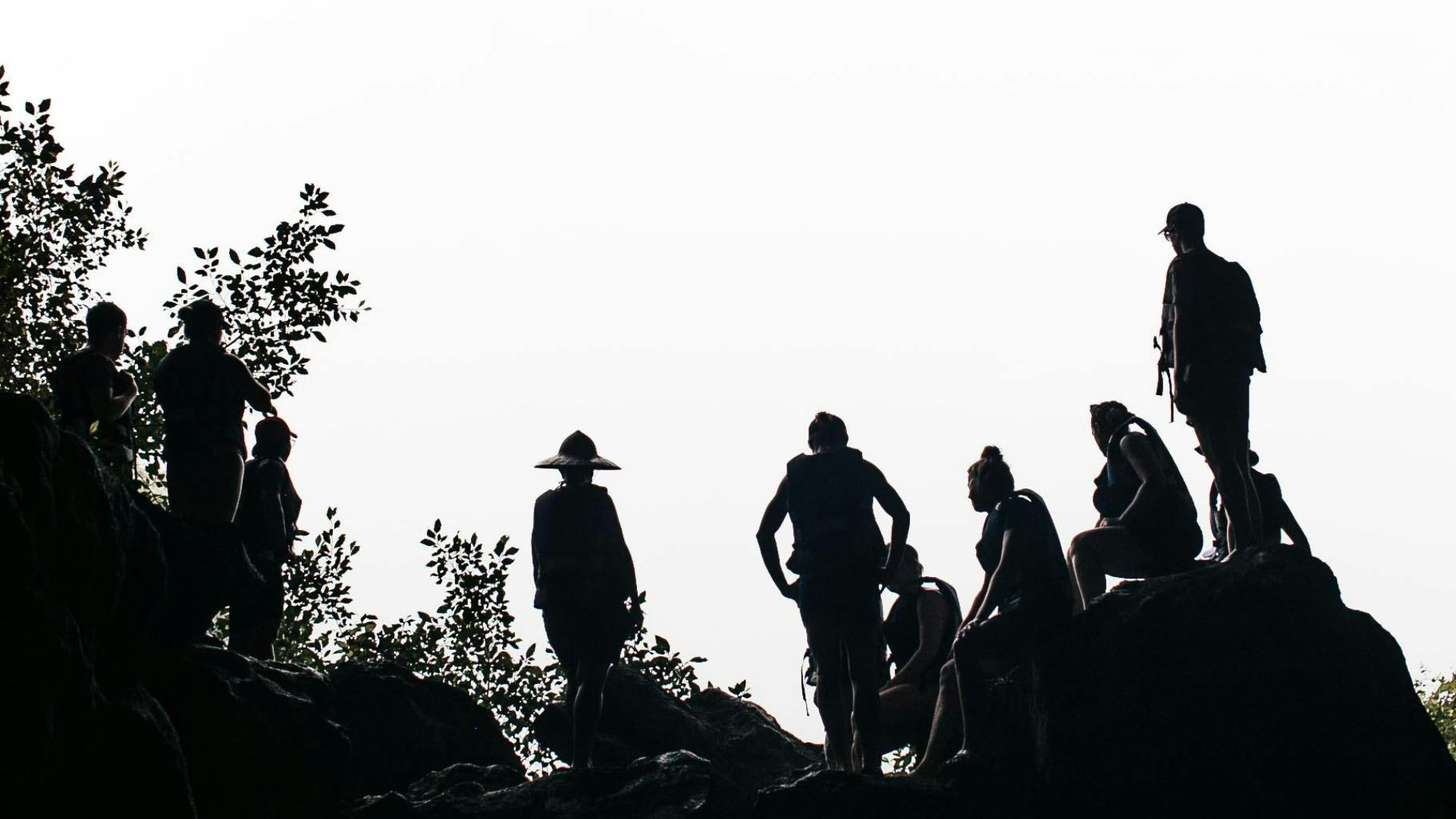
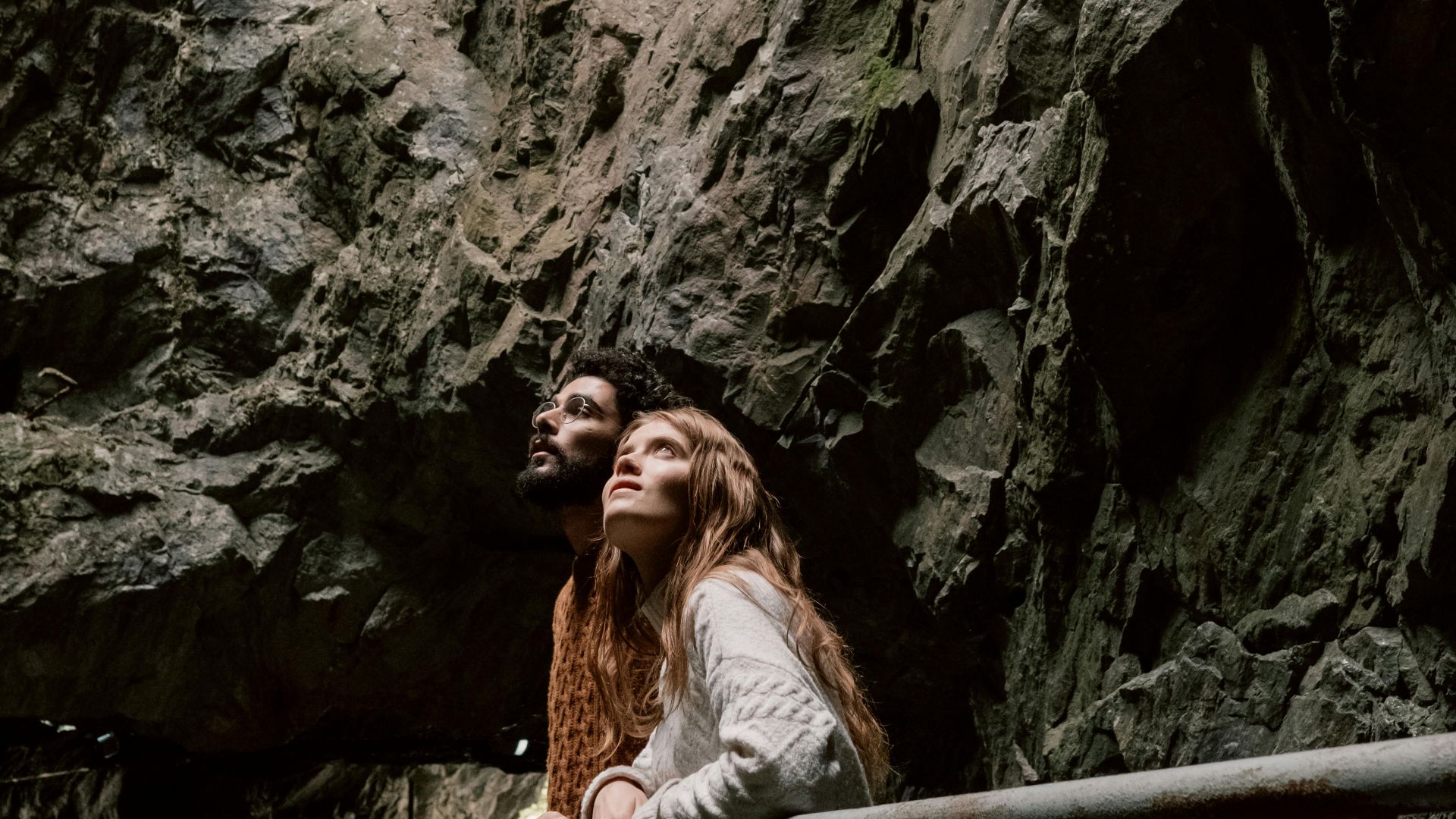
If a path is clearly meant to guide you, follow it! Even if the “fun” route looks tempting, many caves have hidden hazards that aren’t obvious until you’re already in trouble. Treat warning signs with the respect they deserve.
6. Check Weather and Water Risk
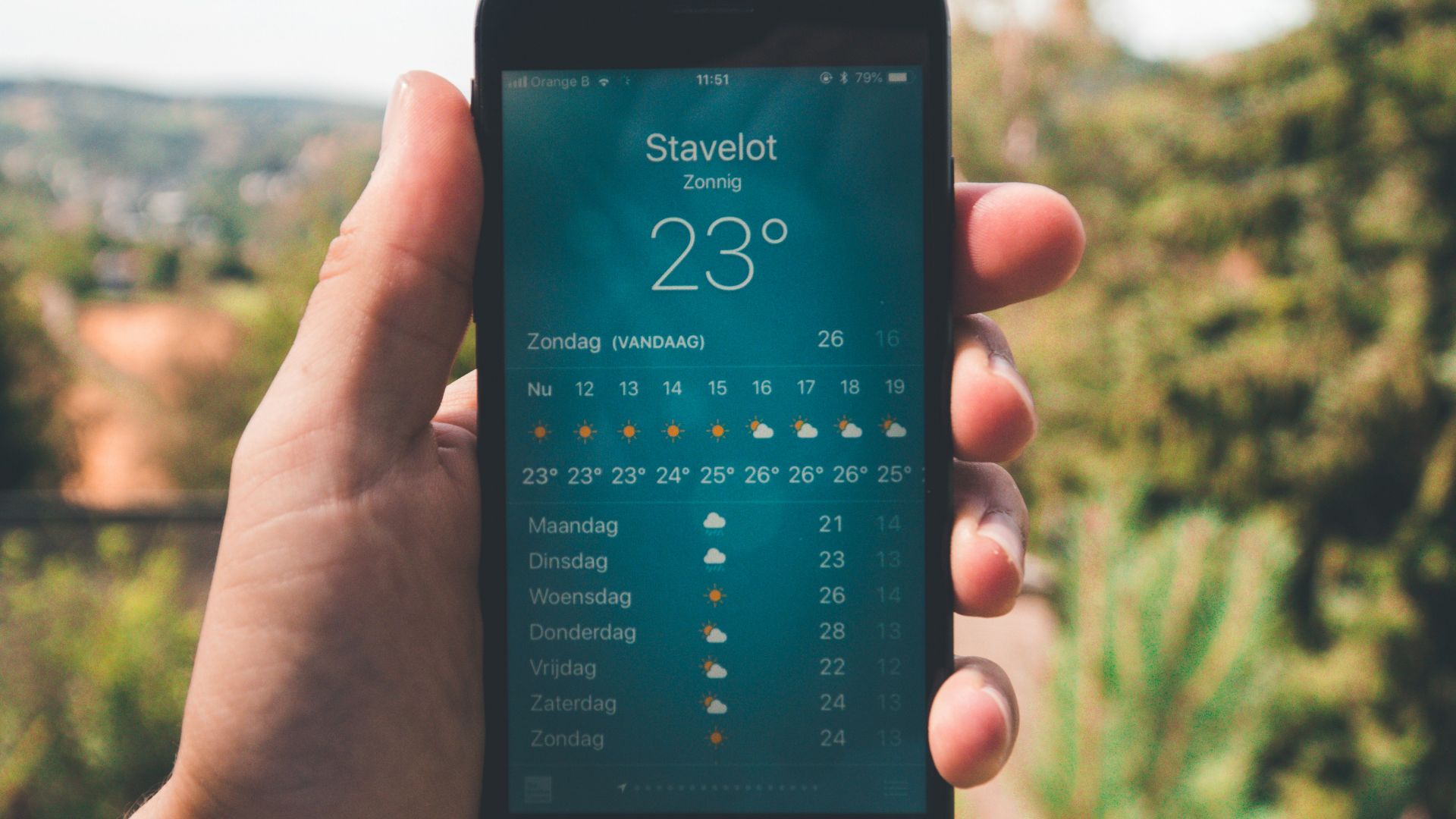
Flooding is one of the biggest dangers in caves, especially in systems with streams or narrow passages. Look up the forecast, understand how rain affects the area, and avoid caves known for flash flood risk. If the weather looks sketchy, save the adventure for another day.
7. Keep Your Energy Up
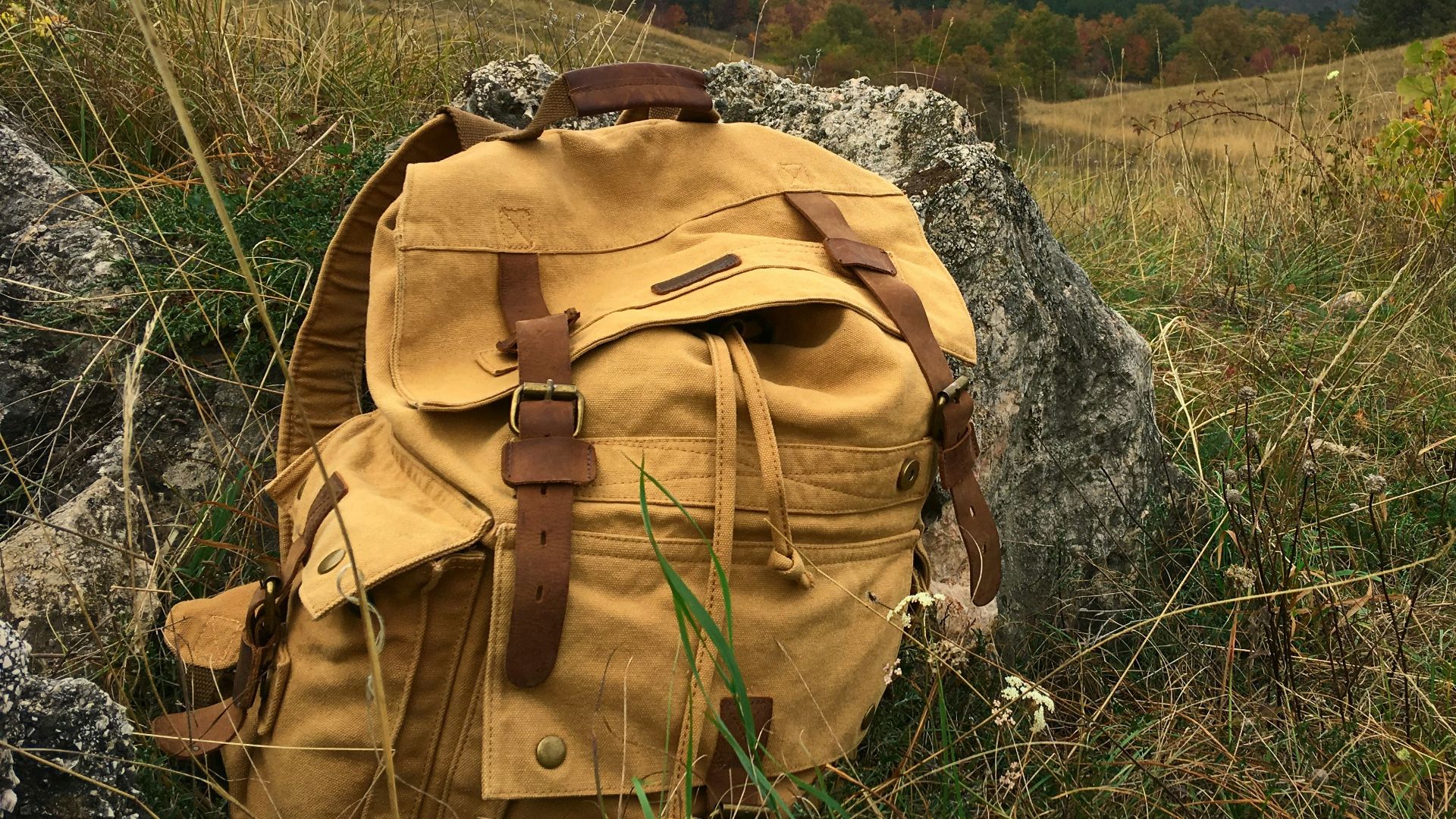
Caving burns more energy than you expect, so bring water and easy-to-eat snacks. The last thing you want is to end up tired, shaky, or making sloppy choices. Staying fueled also helps you keep a clear head when you need it most.
8. Know Your Limits
Not every squeeze is worth proving a point. If something feels beyond your skill level, it’s smarter to turn around than to push through and panic later. Your best story can still be the one where you made a calm decision and walked out safely.
9. Learn Basic Navigation
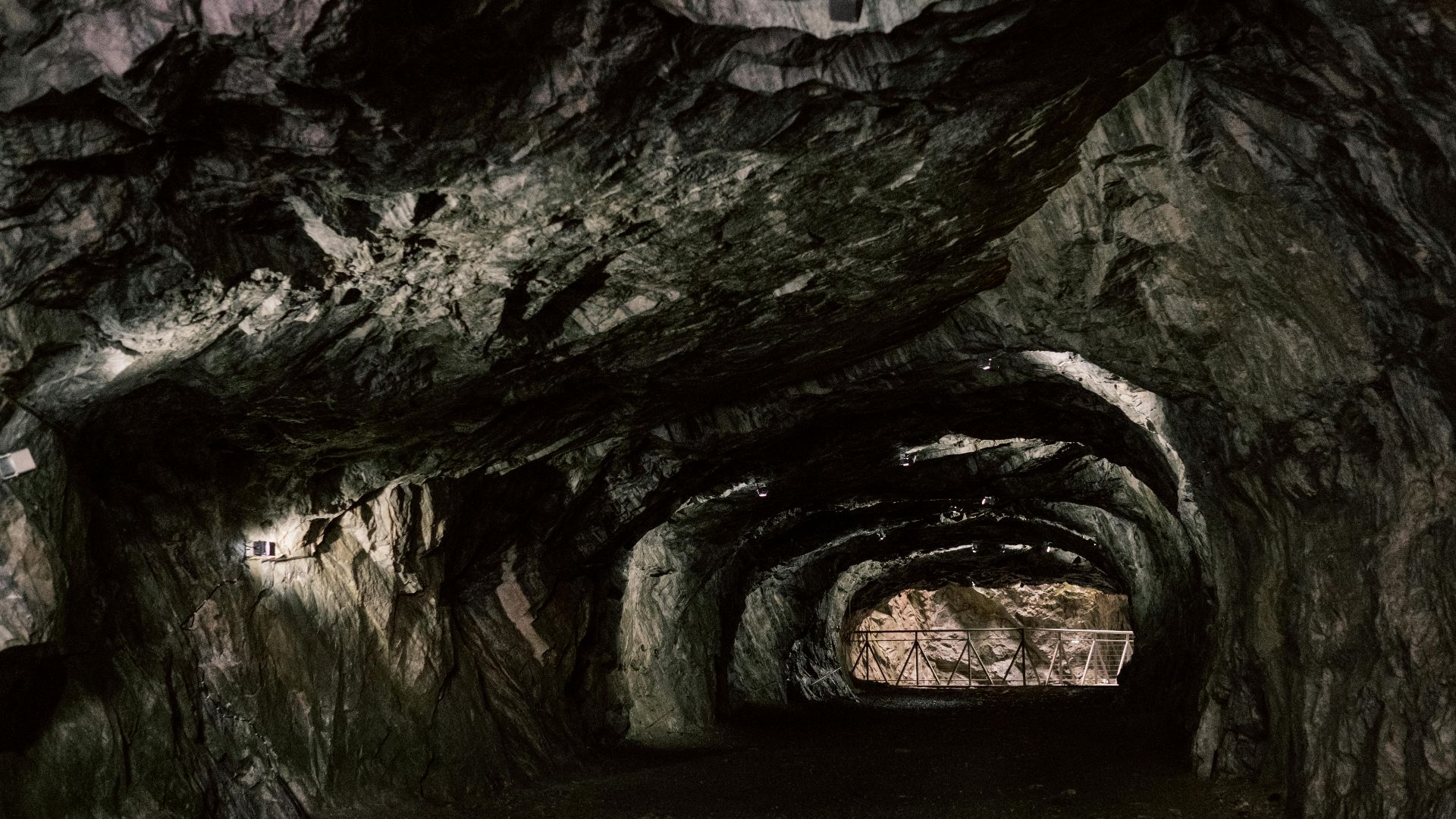
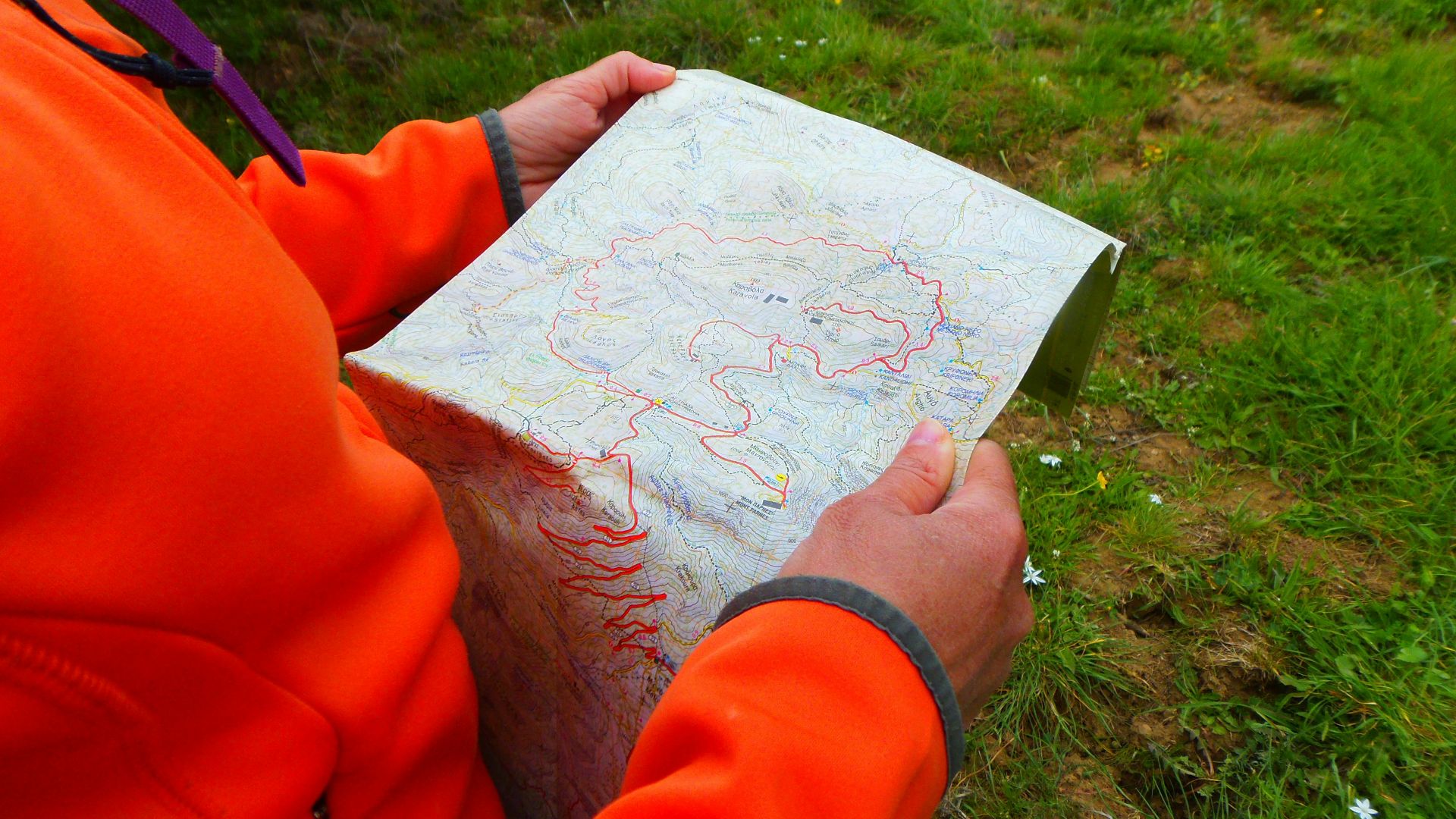
Caves can look surprisingly similar once you’ve been twisting through passages for a while. Keep track of distinct features and consider using a map for complex routes. If you’re relying on memory alone, make it an intentional memory instead of a vague path.
10. Bring a Small Emergency Kit and a Calm Mindset
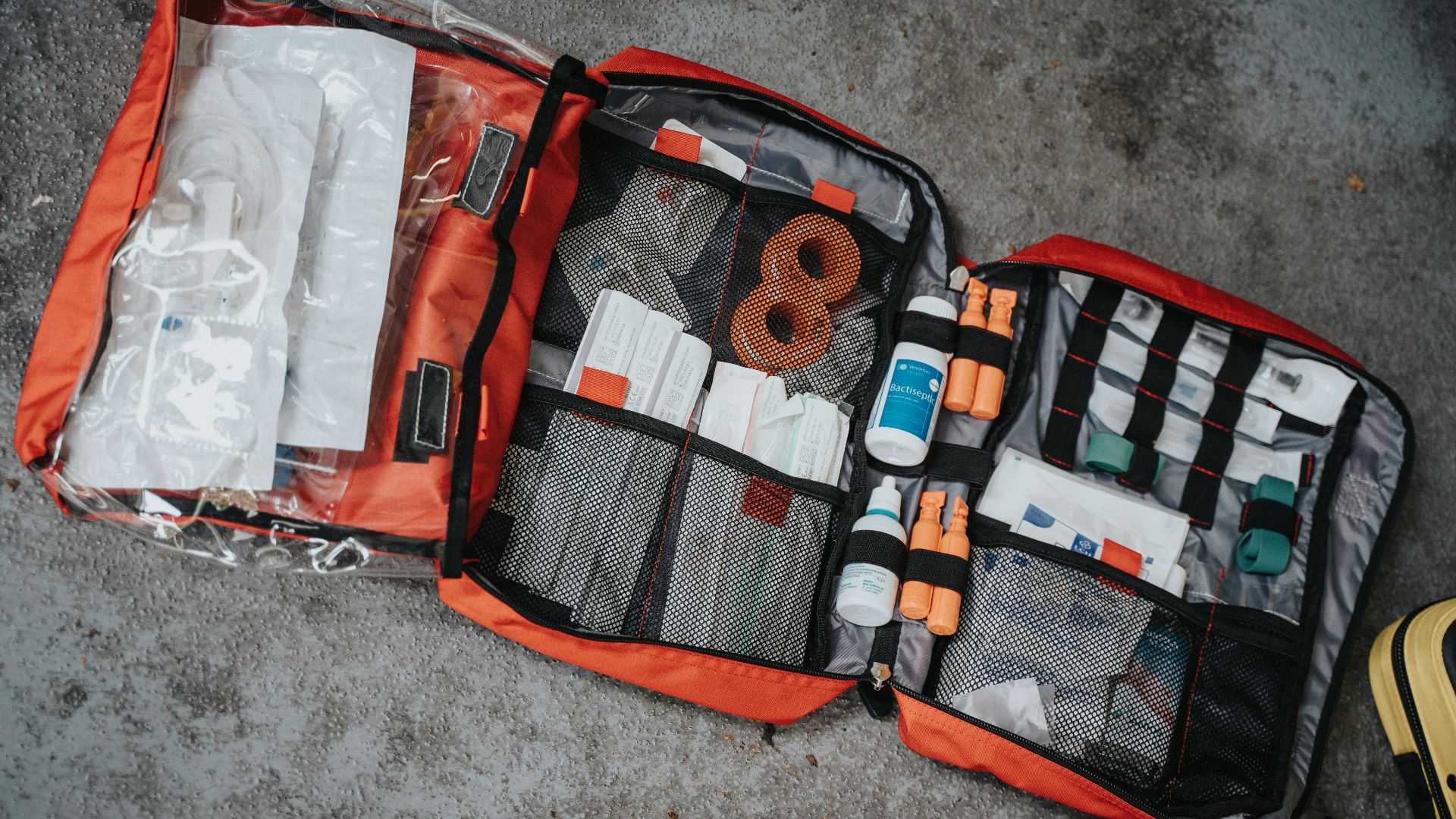
A compact kit with a first-aid pack, a whistle, and an emergency blanket doesn’t take much space, but it can be a lifesaver. If something goes wrong, make sure you slow down and communicate clearly to avoid rushing into worse decisions. Staying calm is a skill you can practice, and caves reward it every time.