 JACQUELINE BRANDWAYN on Unsplash
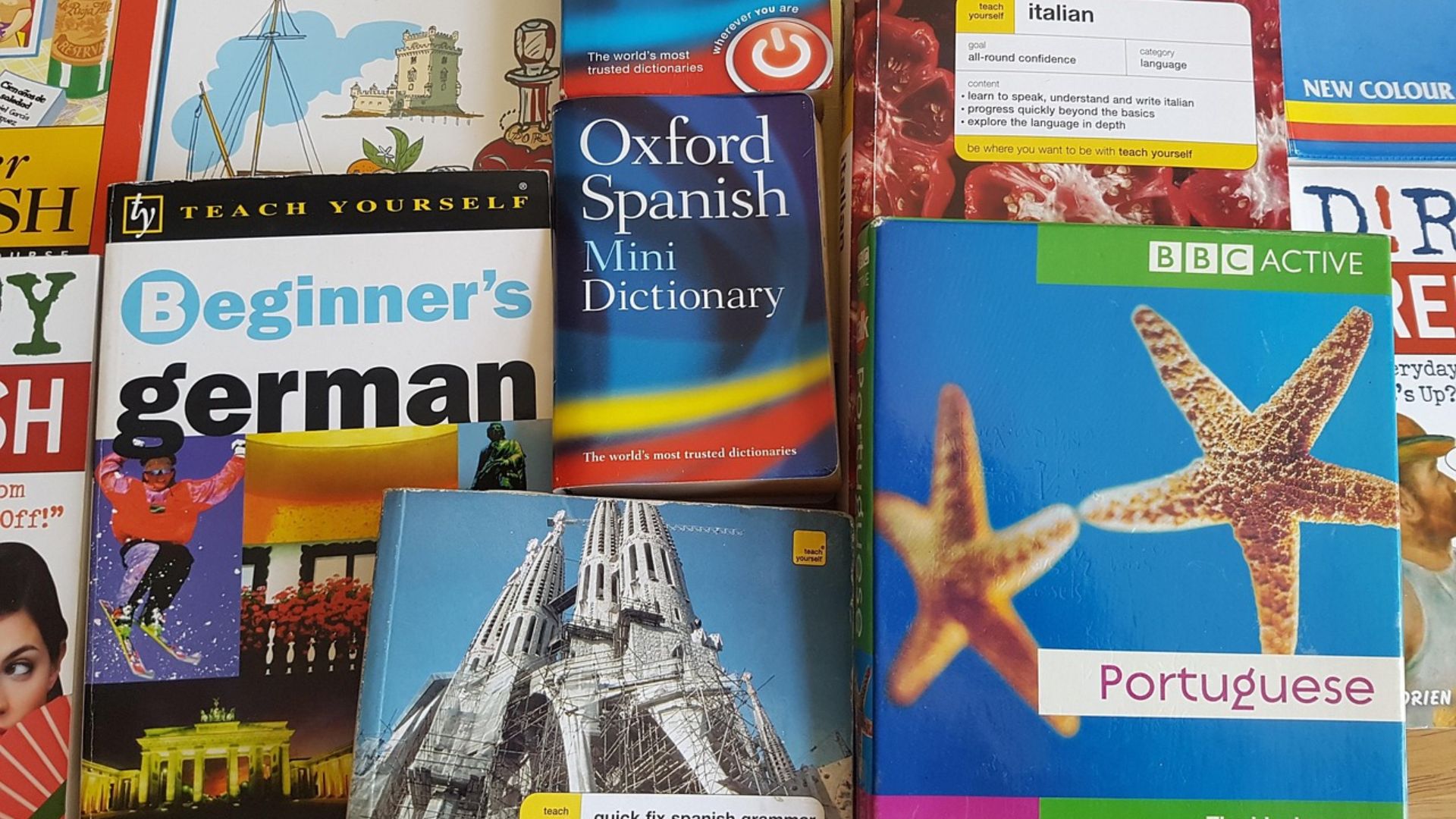
One of the most nerve-wracking parts of planning an international trip is the language barrier. While translation apps are getting better and better each year, and many locals in urban areas probably know enough English to help you on your way, picking up a few words of the local language is still a necessity. However, you're probably doing yourself more harm than good by picking up a phrase book during takeoff and expecting to be conversational by the time you land.
Why Should You Learn A Language For Travel?
On the other hand, it is arrogant to expect to the whole world to cater to you just because you speak English. Even if you're going to be in a touristy area with people who also speak English, you should make an effort to learn a few words at least. Being able to say a few phrases with a shaky accent is better than nothing.
Not only can learning a language make your vacation more intellectually engaging, it can also completely change your vacation for the better. You'll have an easier time navigating while also opening yourself up to the possibility of unique experiences and authentic connections with locals. If you're the sort of traveler who wants an authentic experience, learning a bit of the local language.
So, with all of that out of the way, how do you actually go about learning a language before you travel?
Tips For Language Learning
Well. the first step is knowing that a language can't be learned in a couple of days. Cramming like you would before a test will only serve to stress you out, leaving you scrambling for basic phrases. Instead, start your studies organically a few weeks, or even a few months before your trip.
One of the perks of learning a language is taking the stress out of everyday interactions. If you stress yourself out trying to learn, you'll make the whole experience all the more frustrating. By practicing for as little as a few minutes every day, you can build language learning into your daily routine, making it come more naturally.
Another thing to remember for travel is that you're aiming for usefulness in your target language rather than fluency. Being able to list every color of the rainbow may win you points on a language exam, but you're best off focusing on language you're most likely to use. Many language apps and courses now have specific classes you can take in preparation for international travel.
If you have allergies or need accommodations, make sure you can express them in your target language. The goal of learning a language isn't just to gain fluency, but also to feel comfortable expressing yourself in that language should you need to. Additionally, while it is a worst-case scenario, phrases surrounding emergency services can also help you feel more secure in your travels.
Practice Makes Perfect

Remember that languages are more than just words on a page. Your phrase book may have every vocabulary list imaginable, but you're going to be speaking and listening to the language, not just reading it. Some languages can be vastly different to the ear than they are to the eye.
This is especially true in the case of tonal languages, which rely on pitch to dictate the meaning of a word. As English is not a tonal language, there may be a bit of a learning curve for paying attention to pitch. Mandarin, Punjabi, and Igbo are some examples of tonal languages.
Lastly, remember that practice makes perfect. You're not going to have a perfect accent on the first try, and you're likely to mix up a few words here and there. It matters more that you're making an effort at learning a language than that you sound like a local.
Don't underestimate how much of a difference a few words can make. Even if your intonation isn't perfect, many locals will be glad that you're giving their language a try and are open to helping you practice and improve your skills. That is, except the French who, for the most part, would prefer that you leave their language alone!