Why Some People See Traveling as a Waste of Money While Others Can't Stop Doing It
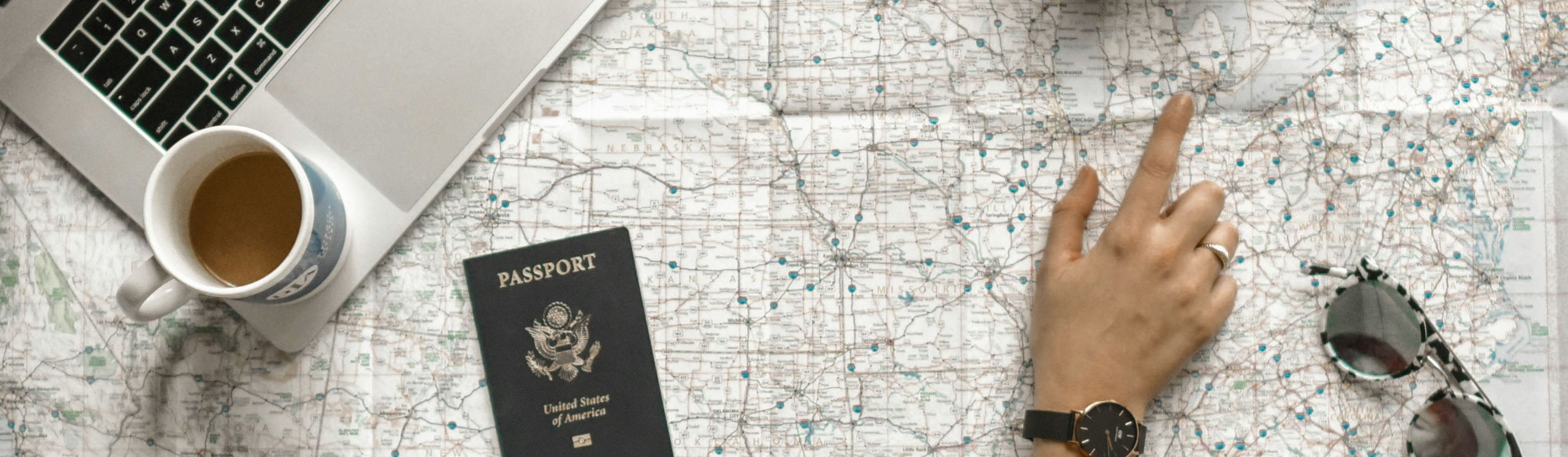
 Katie Drazdauskaite on Unsplash
Traveling is often glorified as the ultimate path to growth, offering adventure and perspective, but it's not like that for everyone. While some people happily drain their savings on plane tickets, others would much rather invest in something more permanent, seeing those serendipitous spends as wasted money. The divide is surprisingly common, and it reflects more than personal preference. It speaks to values, priorities, upbringing, and psychology.
Travel as an investment
For wandering souls, spending money on travel is an investment. They see it as a chance to collect experiences instead of possessions. A weekend in a new city or a train ride through unfamiliar lands isn't just a trip, but a memory you're creating. It becomes another experience that shapes who you become.
Travel lovers often crave novelty: new food, new landscapes, new languages. They chase the thrill of the unknown, and for them, that excitement justifies the price tag. They grow a lot from each new travel experience and see it as something that teaches adaptability, broadens horizons, and as an opportunity to make new connections.
Stability over experience
Meanwhile, people who see travel as a waste of money tend to prioritize stability over experience. It's not that they have a boring life; it's just that they would prefer to spend their time bettering themselves in different ways, like perhaps learning a skill or advancing in their career. They value financial security, long-term planning, and the feeling of having something tangible to show for their spending.
Spending thousands on a vacation that lasts a week feels impractical compared to investing that money into a property, a new appliance, or paying off debts. Depending on how you approach it, traveling can feel like stagnation instead of a step forward in life.
Social factors
When it comes to which category you fall into, there's a huge cultural component you may not consider. Some people grow up in families where travel is encouraged, and international experiences are seen as essential to education. Meanwhile, others were raised to approach money cautiously. If travel wasn’t normalized early in life, it may feel unnecessary or indulgent, even if finances allow it.
Personality
There's also a lot of psychology that goes into whether you crave travel or shy away from it. People who are anxiety-prone or introverted are more likely to dislike traveling, while those who are more outgoing and adventurous would gravitate toward it. For some, travel provides transformation, confidence, curiosity, and great stories.
However, people who don't enjoy it might experience stress, overstimulation, or homesickness. Additionally, people who are travel addicts, forever refusing to set down roots, may be using it as a form of escapism without even realizing it. The first handful of new countries you visit may be exceptionally formative, but when you're on your 200th, it starts to lose meaning, and begs the question, "what are you searching for?"
So, let's stop pretending that traveling is great and necessary for everyone. People should be able to say they don't like it without everyone's jaws dropping on the floor. Whether you're always on the go or prefer to stay home, both sides are valid; they just represent different values.