You Need A Long-Term Travel Closet—Here's How To Build A Capsule Wardrobe
Traveling for long periods of time means having to pack for long periods of time, and that’s a fight in and of itself. How on earth are you supposed to organize a month’s worth of clothes that will work for any weather, any event, and not feel boring by week three?
Darling, that is what a capsule wardrobe is for. And we’re here to tell you how it's done.
What Is A Capsule Wardrobe?
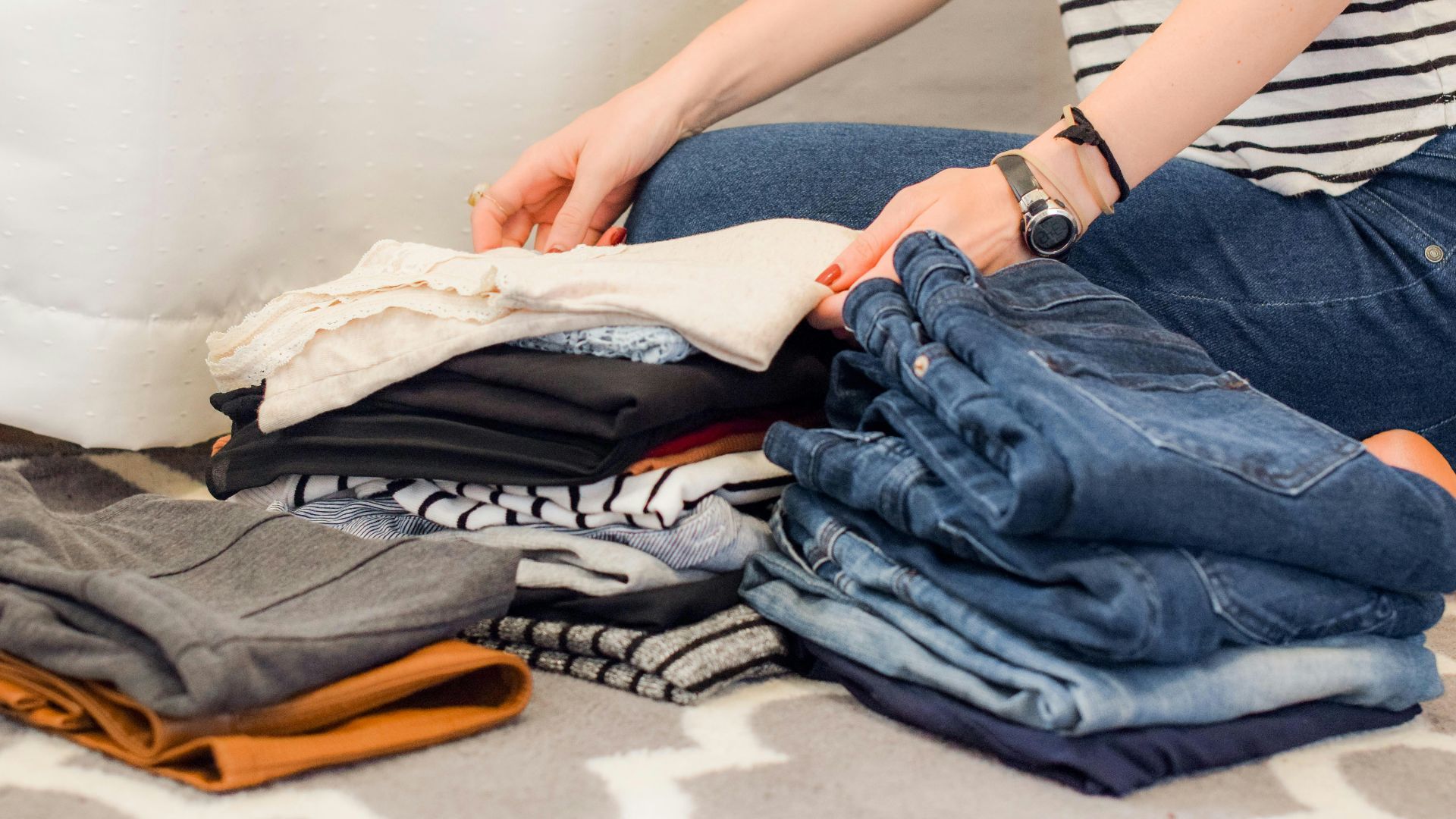
A capsule wardrobe is a highly personalized collection of foundational pieces that you can easily mix and match to create multiple outfits. It's common to have a capsule wardrobe for multiple seasons, with many choosing to focus on high-quality, long-lasting items that won’t often need to be replaced.
The idea is to strip back your closet to things that you wear on a day-to-day basis, of which you can add in other items as you figure out what you’re missing. They also don’t have to be minimalist, as the important thing is that they fit you how you want, and that you’re going to wear them.
The idea is to curate a wardrobe where you can take any two items from your closet and they will go together, creating versatility within a small number of clothes. This also doesn’t have to include accessories, which can jazz up any old outfit and not take up too much space in your suitcase.
Creating A Capsule Wardrobe For Travel
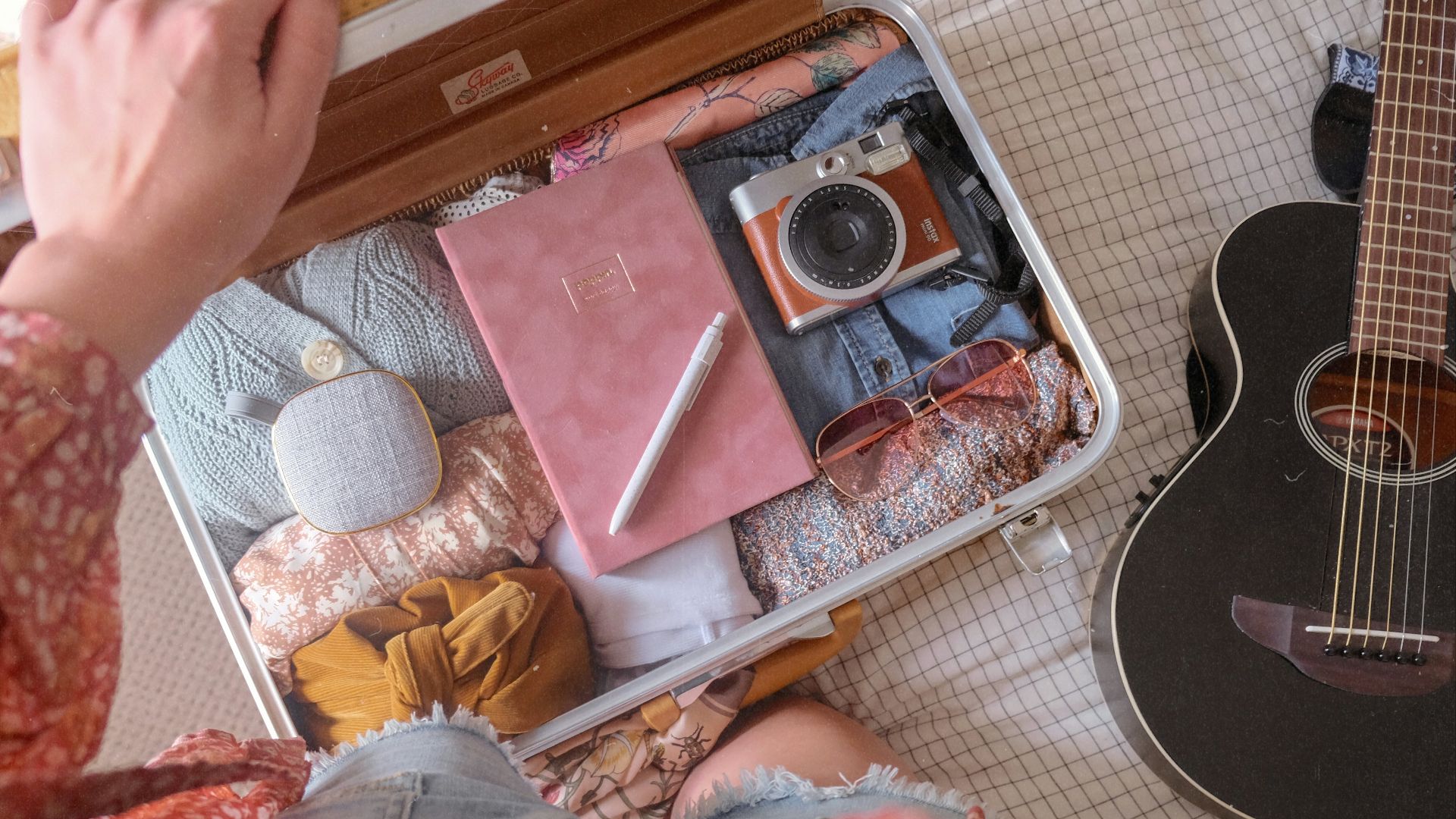
So, with all that in mind, let's create a basic capsule wardrobe for your next vacation. Please remember that this is purely a skeleton list, and that you can add or remove items to your heart's content.
The 54321 packing method is a popular formula for travel, as it keeps things simple without overdoing it.
It consists of 5 tops, 4 bottoms, 3 pairs of shoes, 2 dresses or layers, and 1 of each accessory. This method, like all capsule wardrobes, is flexible in nature, and you’re able to tinker with the formula depending on where and when you’re visiting.
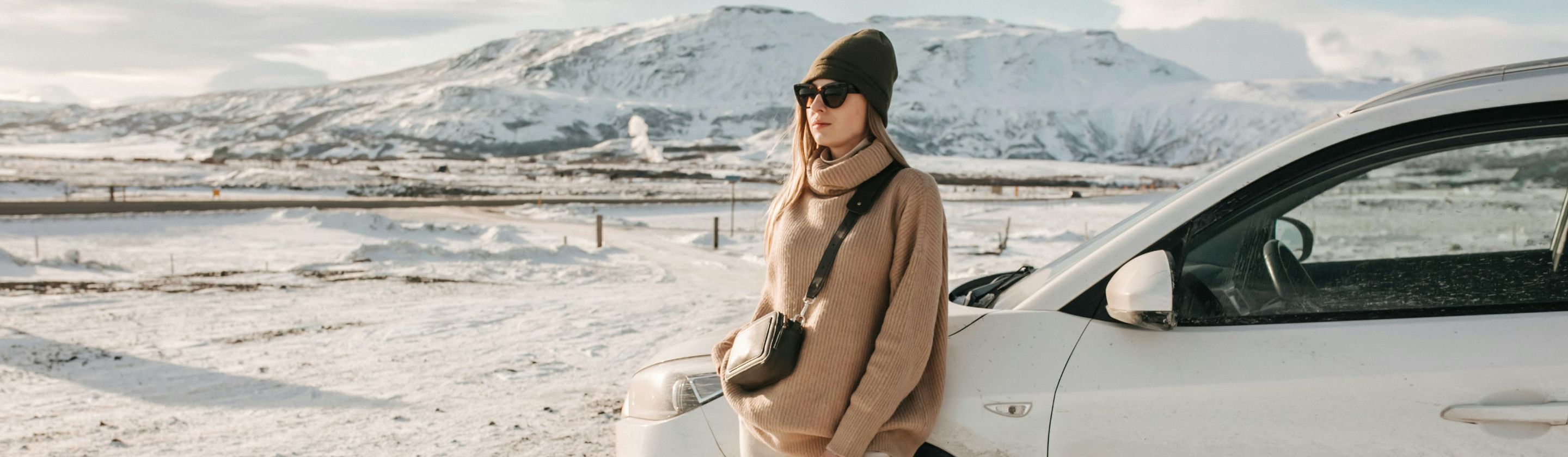
5 Tops: For warm weather, you can keep it light and airy with tanks, tees, and linen shirts. For cooler weather, thin knits, long-sleeved shirts, and layerable sweaters are good options.
4 Bottoms: Warmer weather calls for any combination of shorts, skirts, and breathable pants. Colder weather usually means jeans or thicker pants, leggings, and fuzzy tights if you’re thinking of wearing a skirt. Alternatively, a longer wool skirt is also an option.
3 Shoes: The standard shoe formula is to have a comfortable walking shoe, a nicer shoe for dinners or events, and an activity-specific shoe, depending on where you’re going. Hiking boots, flip-flops, water boots, loafers. Consider which shoes are going to work with your outfits the most.
2 Dresses/Layers: Again, depending on where you’re going, you may only need one or the other, or one of each. Warm weather could mean a lightweight dress or romper, and maybe a cardigan or spring jacket.
AdvertisementColder weather could mean a sweater dress, a trench or wool coat, or a puffer jacket.
1 Of Each Accessory: Pick items that will pair best with the rest of your clothing and stick with them. A bag, belt, sunglasses, jewelry set, scarf, hat, and gloves are all common accessories to consider.
Underwear, pajamas, and workout gear are not a part of this method, but overall, you’ll be able to fit a whole lot into that bag without stressing too much over what you should wear. Your luggage and your biceps will be thankful.