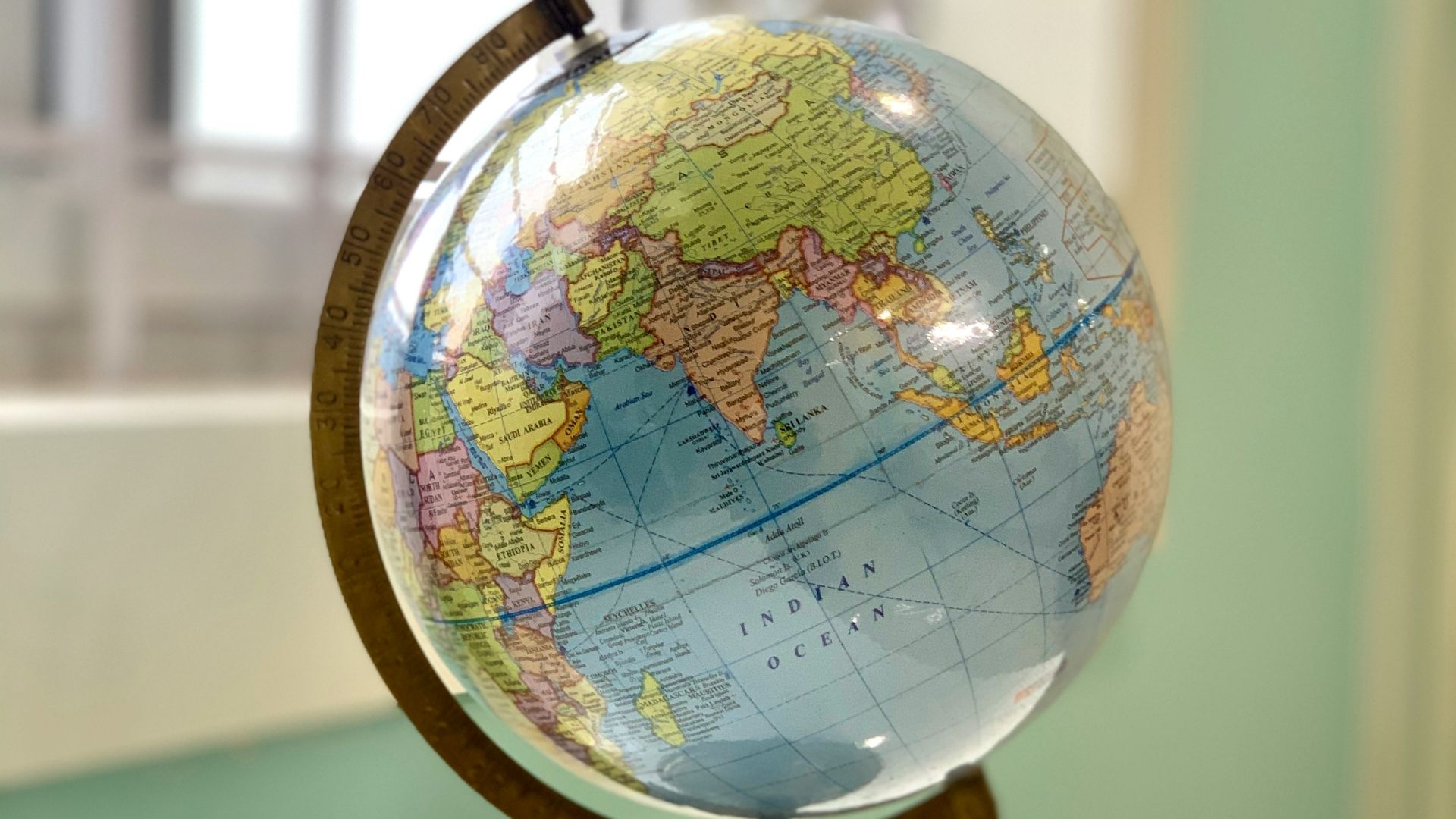
The world is growing bigger every year. Not literally, of course—unless you count population growth—but figuratively, with the recognition of new countries. Currently, the newest sovereign nation is South Sudan, which became independent in 2011.
While some countries break away from larger ones to become independent, others are absorbed and reshaped as borders and allegiances shifts. Others, such as Rhodesia and Siam, maintain their borders under different names. Let's take a look at a few countries that no longer exist.
Gran Colombia
The state of Gran Colombia was formed after the Latin American wars of independence in the early 19th century. Gran Colombia arose out of the ashes of the Viceroyalty of New Grenada. As Colombia was the first state to rebel against colonial Spanish rule, Gran Colombia was named after it.
Simón Bolívar was the first president of Gran Colombia, though there were supporters of a decentralized, federal government. Gran Colombia did not Following Bolívar's death, which gave way to increasing political tensions. Gran Colombia comprised of Brazil, Colombia, Ecuador, Panama, Peru, and Venezuela.
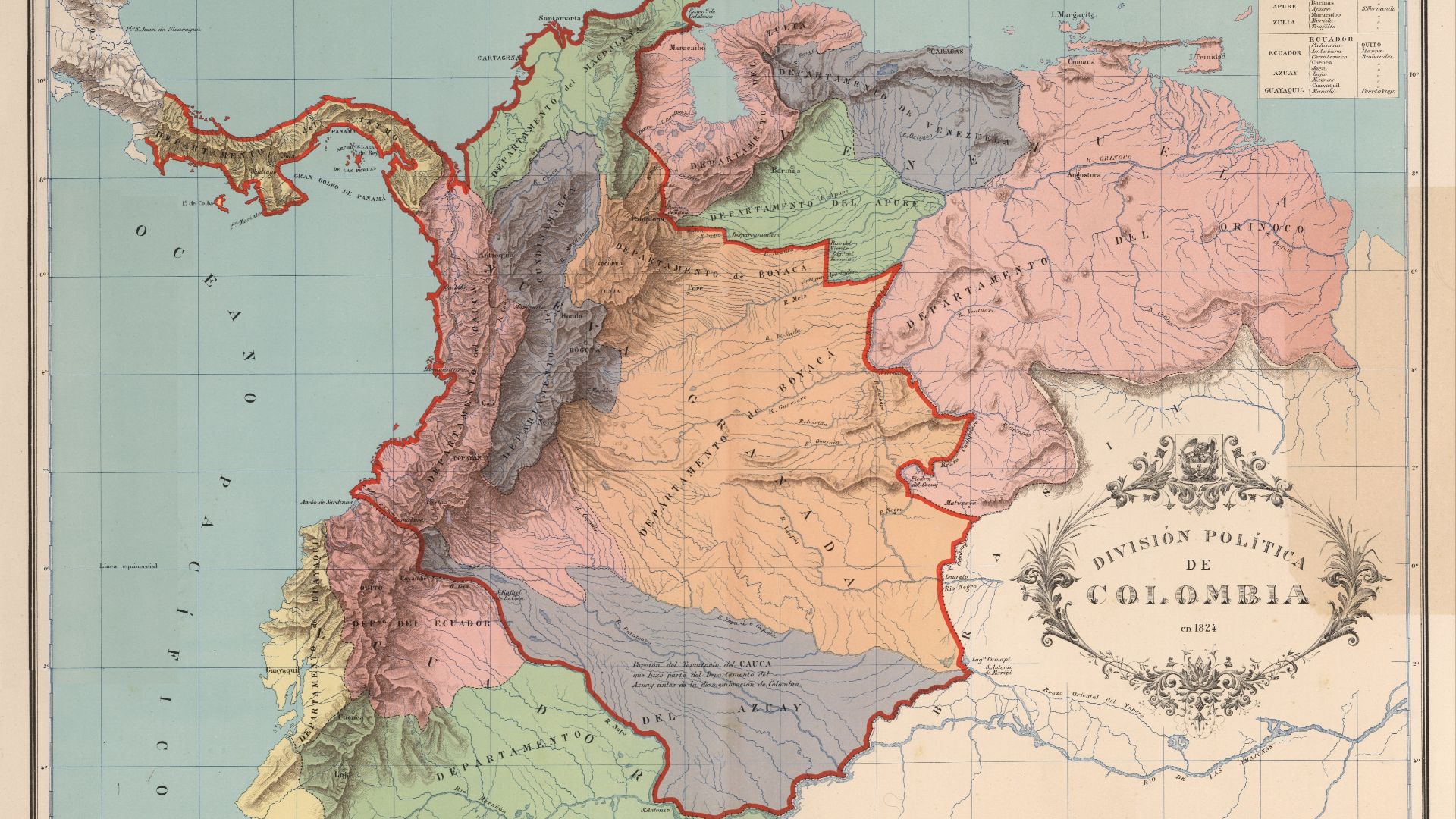 Agustín Codazzi, Manuel Maria Paz, Felipe Pérez on Wikimedia
Holy Roman Empire
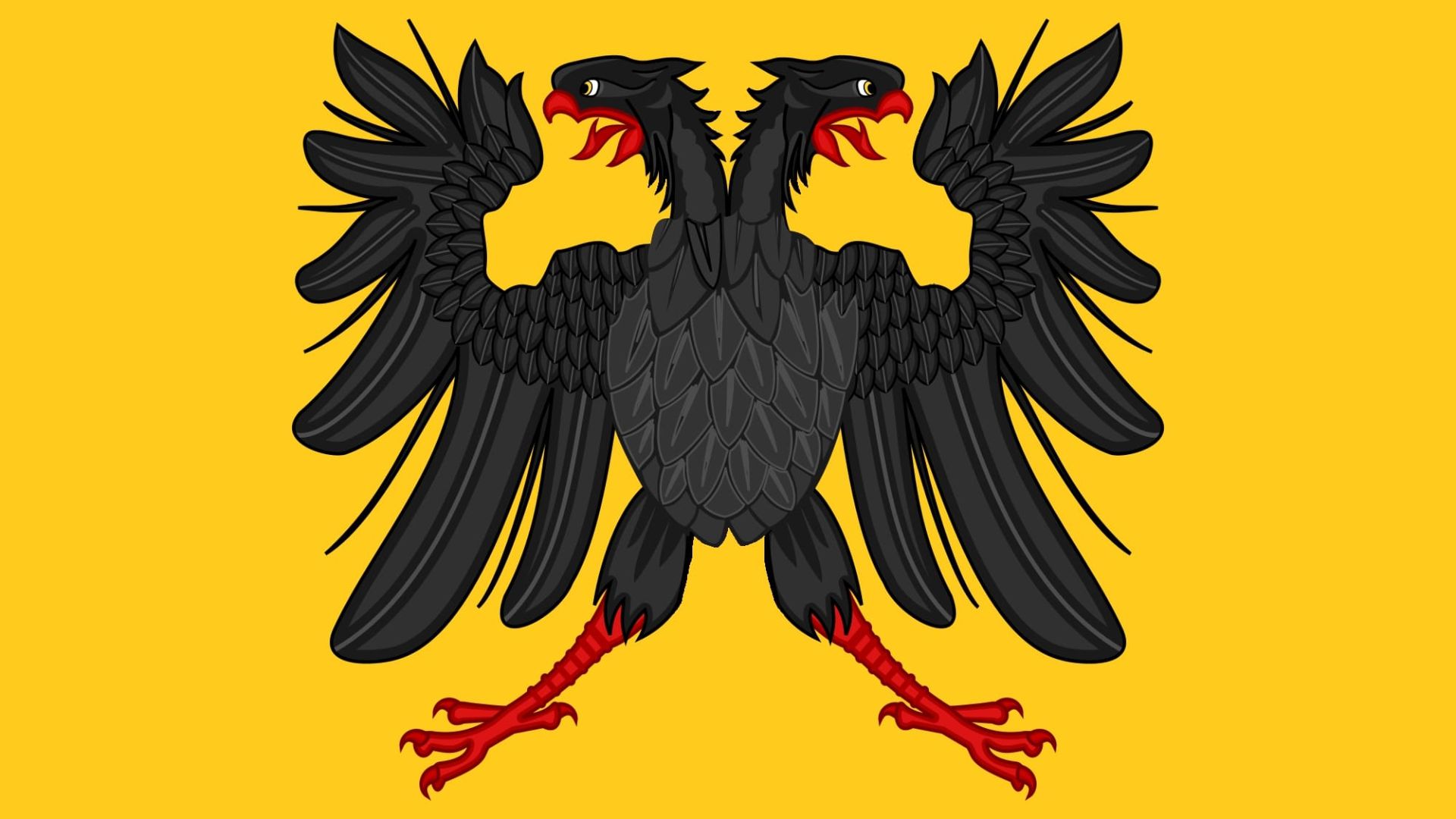
Voltaire, one of France's greatest thinkers, famously called the Holy Roman Empire "neither holy, nor Roman, nor an empire." This massive political entity governed most of Western Europe for over a millennium. The Holy Roman Empire wasn't so much one kingdom as it was several, all overseen by the Holy Roman Emperor.
Because the HRE was so decentralized, the emperor's power was threatened by numerous princes and regional rulers. This lead to centuries of religious war until the emperor abdicated in the face of Napleon's growing power. The Holy Roman Empire encompassed parts of Austria, Belgium, Czechia, France, Germany, Italy, the Netherlands, Poland, Slovenia, and Switzerland.
Sikkim
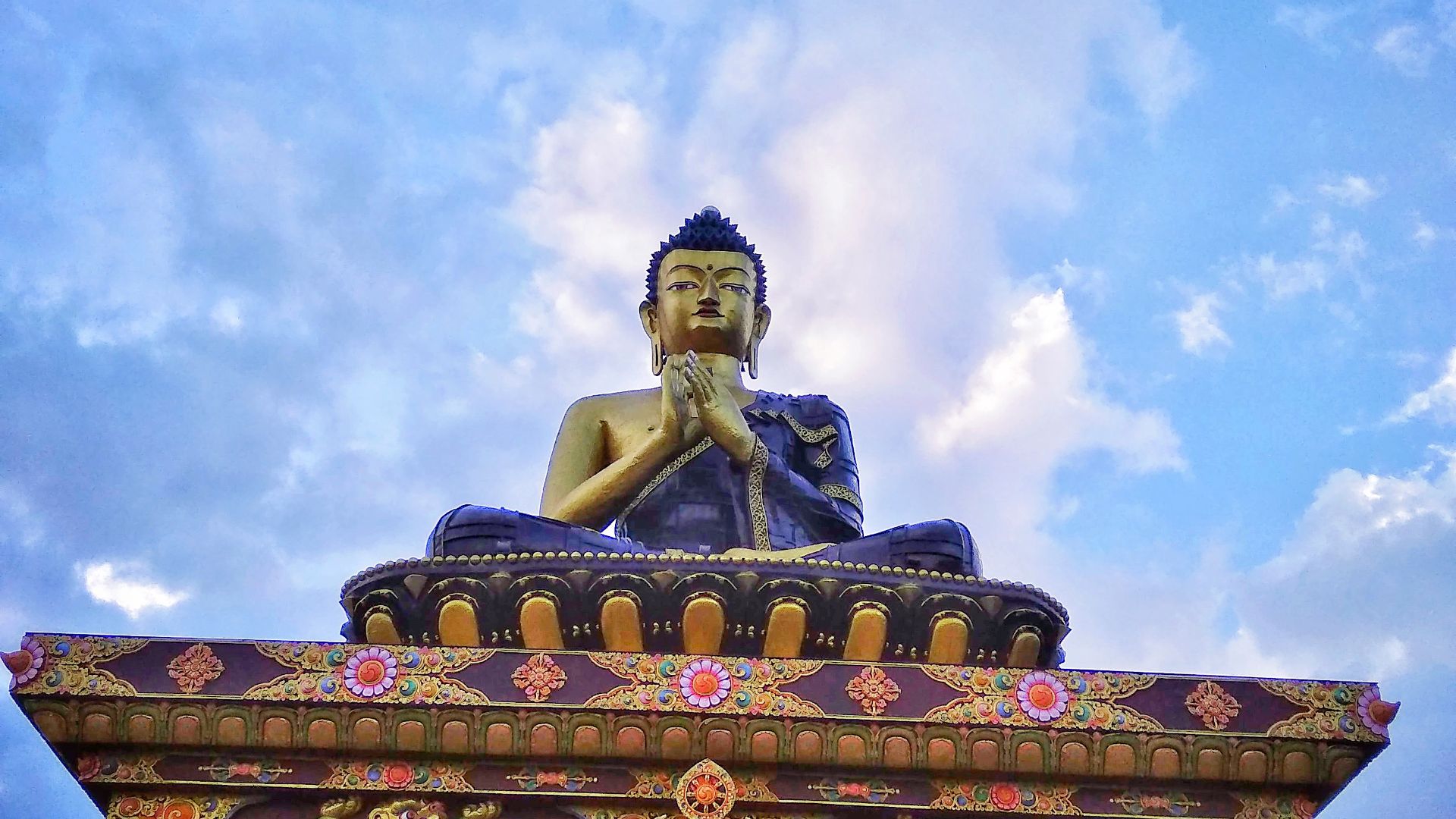
Today, Sikkim is one of the 28 states of India, bordering Bhutan, China, and Nepal. From 1642 to 1975, however, the Kingdom of Sikkim was an independent nation. Sikkim's relative isolation from the rest of India lead to the creation of a rich and unique culture drawing heavily from Tibetan Buddhism.
For nearly 300 years, Sikkim was ruled by the Namgyal dynasty, a lineage of Buddhist priest-kings from Tibet. However, the people of Sikkim, particularly Nepali Hindus resented the monarchy, particularly in its final years. Sikkim became an Indian protectorate in 1950 and the monarchy was formally abolished 25 years later.
United Arab Republic
The shortest-lived country on this list, the United Arab Republic of Egypt and Syria lasted from 1958 to 1961. The two countries had mutual enemies and believed that joining together was the first step towards pan-Arab unity. While the initial response was enthusiastic, it soon soured as Syrians were gradually marginalized.
Three years after the UAR was formed, Syria declared its independence with a military coup. Rather being absorbed into one country, the United Arab Republic reverted back to its previous states of Egypt and Syria. Although Egypt held onto the name for another decade in hopes that pan-Arab unity would be possible.
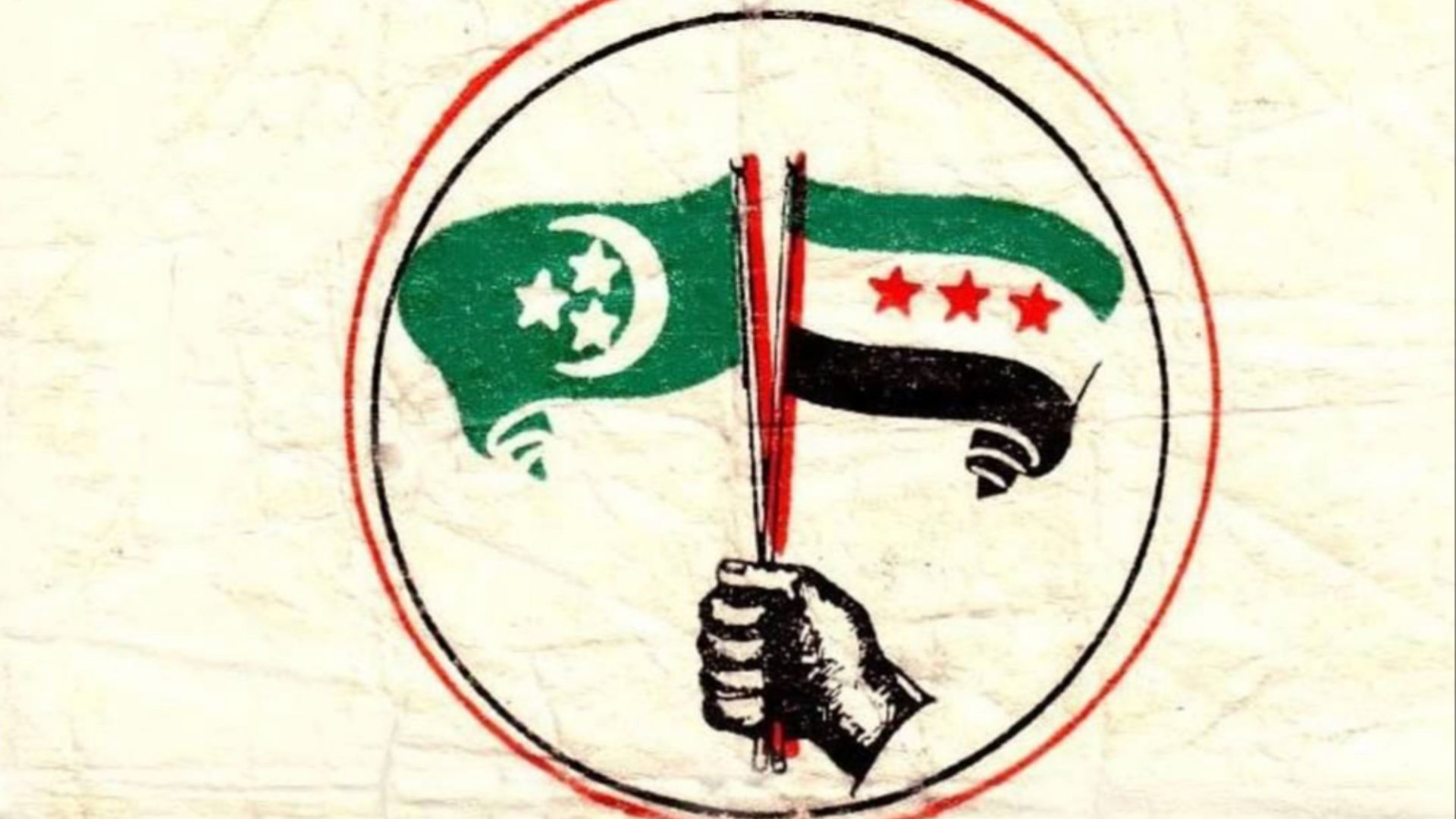 Unknown authorUnknown author on Wikimedia
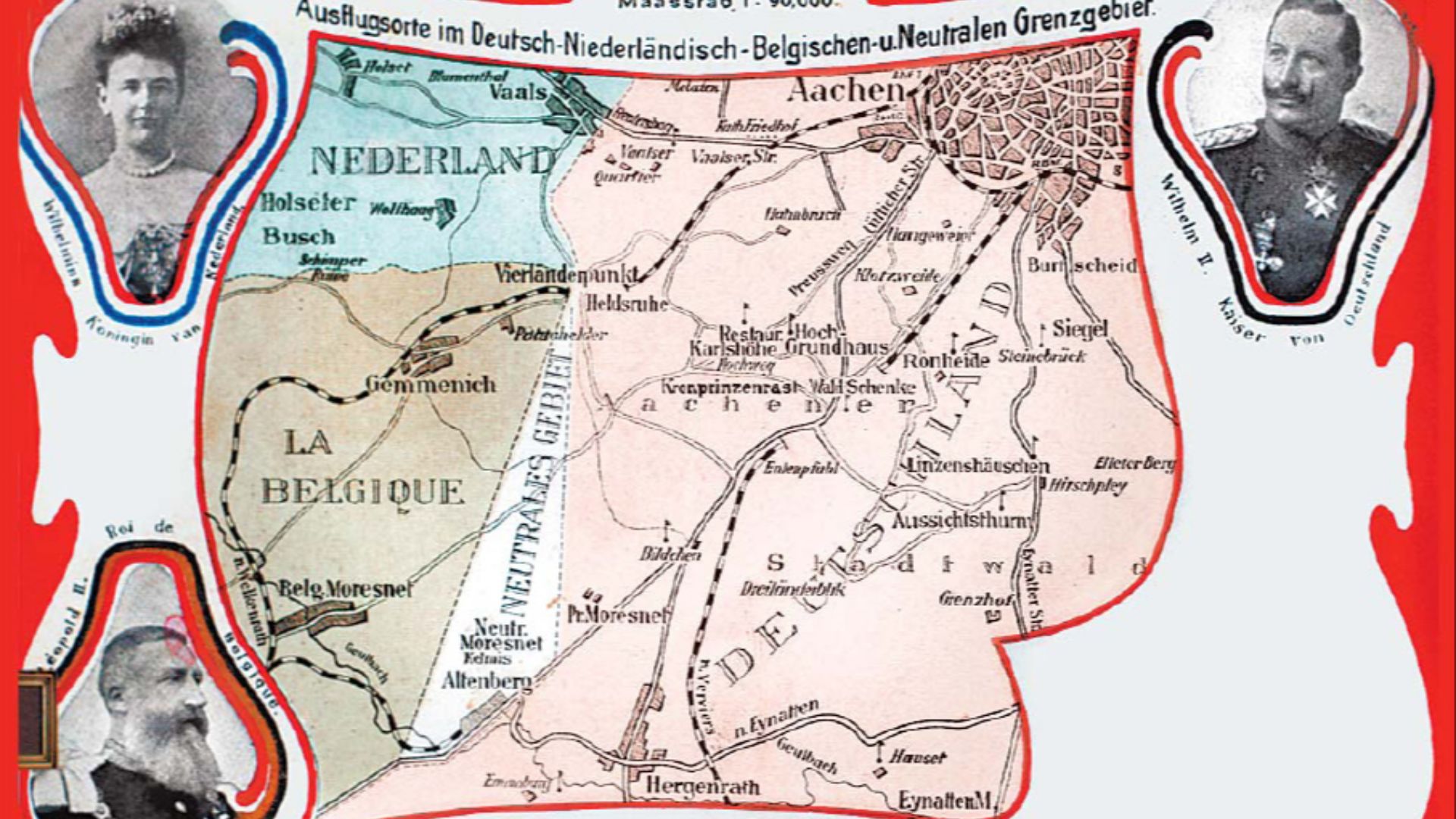
Neutral Moresnet
We bet that, unless you're a WWI history buff, you've probably never heard of Neutral Moresnet—and we don't blame you! At one mile wide and three miles long, it was a territory smaller than Central Park. However, this isn't too small by microstate standards; both Vatican City and Monaco could fit inside Neutral Moresnet's borders.
Located between the borders of Belgium, Germany, and the Netherlands, Neutral Moresnet was independent from 1816 to 1919. Sandwiched between great powers, Moresnet was home to a lucrative zinc mine. After the zinc ran out, Neutral Moresnet floundered for a few decades more; it was given to Belgium after WWI.