
Imagine walking up to airport security, glancing at a camera, and the gate opens. No fumbling for your passport, no boarding pass to lose, no ID check that requires you to dig through your bag while everyone behind you sighs audibly. According to a 2024 IATA survey, 46 percent of passengers used biometrics at airports in 2024, and 73 percent want to use biometric data instead of passports and boarding passes. That's a fundamental change in how we think about travel identity, and airports worldwide are racing to meet this demand before their competitors do.
Speed Is the Selling Point Everyone Actually Cares About
Biometric systems have cut boarding times by 30 percent and reduced passenger wait times by up to 60 percent at airports that have implemented them. Bag drop transactions using biometric verification average 30 seconds compared to two minutes for standard check-ins. That's the difference between making your connection and watching your plane pull away from the gate.
Facial recognition systems at security checkpoints verify identities in under ten seconds. The Australian Border Force has successfully trialed facial recognition for contactless international entry, with plans to expand across all major Australian airports by 2030.
Nearly 80 percent of U.S. travelers support biometrics at TSA checkpoints, with most citing time savings and reduced hassle as their primary reasons.
The Infrastructure Rollout Is Happening Fast
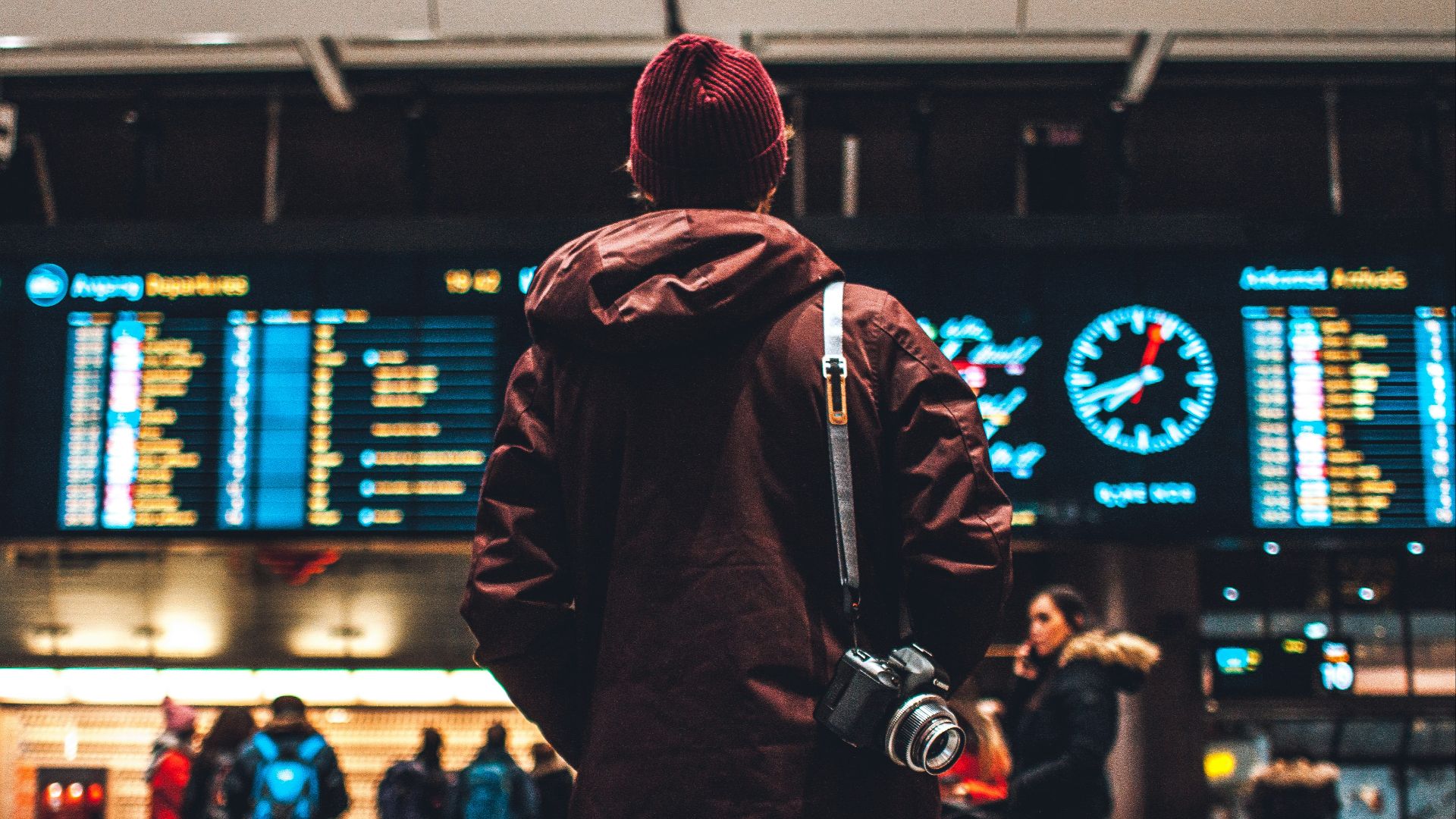
Industry forecasts suggest that biometric boarding gates are rapidly spreading across major airports today, and deployments are expected to expand significantly over the next several years as airports roll out end-to-end digital identity solutions. Airlines are following suit, with 70% of airlines expected to adopt biometric ID systems by 2026.
North America leads this adoption, capturing 37.5 percent of the worldwide automated border control market share in 2024 because of high international traveler volumes and significant security investments.
Your Biometric Data Raises Questions Nobody's Really Answering
Privacy concerns show up consistently in industry surveys. IATA's 2025 Global Passenger Survey reports 58% of travelers are concerned about data breaches, 50% about sharing, and 43% wanting more transparency with biometric technology.
Enhanced transparency and individual control over personal data are supposed to be priorities going forward, but whether that actually happens in practice depends on enforcement that often lags years behind deployment. Once airports and airlines have your biometric data, the question of who else can access it and for what purposes becomes murky fast.
Data security discussions intensify as biometrics become more ingrained in society, with stricter regulations and more responsible development practices theoretically on the horizon. The technology keeps evolving, which means the systems we trust today might have vulnerabilities nobody's discovered yet.
Mobile-First Solutions Are Changing the Hardware Game
 Global Residence Index on Unsplash
Mobile-first biometric verification lets travelers complete authentication before arriving at checkpoints, potentially eliminating lines entirely at access control points. This requires nothing beyond a phone with a camera and flash, not the latest generation terminals or expensive kiosks.
That's a massive shift for infrastructure costs. Airports don't need to invest in additional hardware like kiosks with cameras and fingerprint sensors for biometric identification. Everything runs through the device already in passengers' pockets. Some countries are integrating this with admittance request systems so authentication happens before travelers even get to the airport.
The Technology Works Better for Some People Than Others
Accuracy matters when you're standing in front of a gate that won't open because the system can't verify your face. False rejection rates and false acceptance rates require constant adjusting and remain one of the most significant hurdles for widespread adoption of this technology.
The promise of seamless travel depends on technology that actually recognizes every traveler accurately and quickly. When it doesn't, the person stuck in front of a malfunctioning gate discovers pretty fast that biometric systems can create new problems while solving old ones.
The gap between marketing promises and operational reality varies by airport, by system, by individual passenger in ways that are difficult to predict until you're the one whose face isn't matching.