Travel stories usually come wrapped in good lighting: sunsets, spontaneous friendships, and better coffee. That version is real, but it’s not the full picture, and pretending otherwise can make you feel like you’re doing travel “wrong” when it gets hard. The truth is that moving through the world can be stressful, expensive, and emotionally complicated, even when the destination is beautiful. If you’ve ever felt exhausted in a place you were supposed to feel grateful, you’re not alone.
The dark side of traveling isn’t meant to scare you off—it’s meant to give you a clearer map. When you know what tends to go sideways, you can plan better, set healthier expectations, and recover faster when things inevitably get messy. It also helps you travel in a way that’s kinder to the places you visit and to the person you are while you’re there. Consider this your friendly reality check, delivered with respect for the fact that you still want to have a great time.
The Physical Toll: Your Body Doesn’t Always Love Adventure
The first problem is that travel often treats your sleep like an optional feature. Early flights, late check-ins, noisy hotels, and unfamiliar beds can leave you sleep-deprived for days. Even when you’re excited, your body still needs routine, hydration, and rest. If you push through too many tired days, the trip can start feeling like a task list.
Digestive issues are another classic travel spoiler, and they show up in multiple forms. Changing foods, water, meal timing, and stress levels can trigger everything from mild bloating to a full stomach revolt. You can be careful and still get hit, which is part of what makes it frustrating. It helps to keep it simple for the first day or two and treat your gut like a delicate passenger.
Then there’s the subtle wear and tear that comes from moving constantly. Hauling luggage, walking more than usual, and sitting for long stretches in transit can leave you sore in ways you didn’t anticipate. A trip can also expose small health problems you ignore at home, like tight hips or nagging back pain. Stretching, comfortable shoes, and not overpacking are boring pieces of advice that become very exciting when your shoulders start complaining.
The Emotional Side: Loneliness, Disappointment, & the Comparison Trap
Travel can be lonely even if you’re surrounded by people, which surprises a lot of first-time solo travelers. You might spend hours navigating logistics alone, eating alone, and solving small problems alone, and it can start feeling heavy. Meeting new people helps, but it doesn’t always happen on your schedule. If you’re missing home, that doesn’t mean your trip failed; it means you’re human.
Disappointment is another part that people don’t post, mostly because it feels awkward to say out loud. Sometimes a place doesn’t match the hype, the weather doesn’t cooperate, your energy doesn’t line up with the plan you made months ago, or your newfound travel friends end up kind of sucking. You can do everything “right” and still feel underwhelmed, which is a strange emotional mismatch. When that happens, adjusting your expectations is the best strategy.
The comparison trap is especially sharp now because travel is constantly curated online. You might catch yourself thinking you should be doing more, seeing more, or looking happier in your photos. That pressure can turn your trip into performance mode, where you’re collecting proof instead of enjoying moments. If you want to travel to feel better, it helps to spend less time documenting and more time being present.
The Ethical & Financial Costs: What You Don’t See in the Highlight Reel
Travel can get expensive fast, and it’s not always the fun stuff that drains your budget. Flights, baggage fees, taxis, exchange rates, and surprise charges can add up in ways that feel sneaky. You might also spend more because you’re tired, hungry, or overwhelmed. A trip can become stressful when you're thinking too much about money.
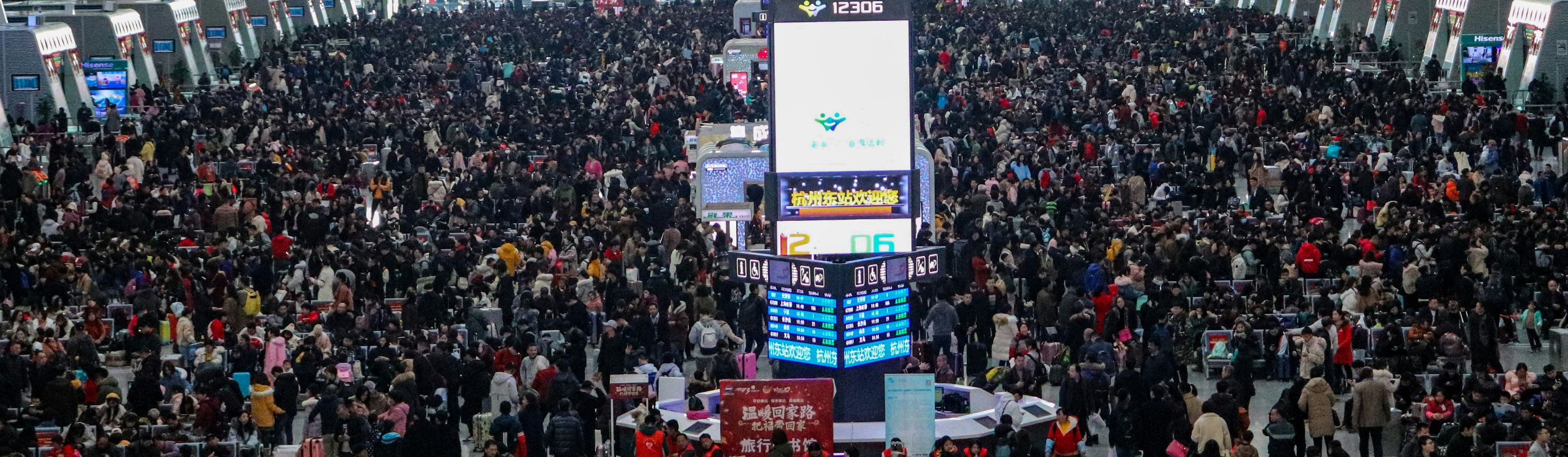
There’s also the impact on the places you visit, and it’s worth acknowledging, even if it complicates the vibe. Popular destinations can struggle with overcrowding, rising prices, and local residents being pushed out of their own neighborhoods. Even well-intentioned travelers contribute to that pressure simply by showing up. Choosing less busy seasons, supporting local businesses, and being respectful about space are small ways to travel with more care.
Travel also comes with a real environmental cost. Flying is a major source of emissions, and even short flights can have a surprisingly big footprint compared with trains or buses. Beyond transportation, tourism can strain local resources through water use, waste, and energy demands, especially in destinations that already run tight. You don’t have to swear off travel to care about this, but choosing fewer trips, staying longer, and supporting lower-impact options when you can helps.
Travel can expose you to scams, exploitation, and safety issues that you don’t face as often at home. Tourist-heavy areas attract people looking to take advantage, and it can make you feel guarded when you’d rather feel relaxed. In some places, “experiences” can involve unethical animal tourism or businesses that don’t treat workers well. Doing a little research and trusting your instincts won’t remove every risk, but it will help you avoid the most common traps.
Travel is still worth it for many people, but it’s healthier when you stop expecting it to be pure magic. If you plan for the hard parts, build in rest, and give yourself permission to have imperfect days, your trips tend to feel more satisfying.