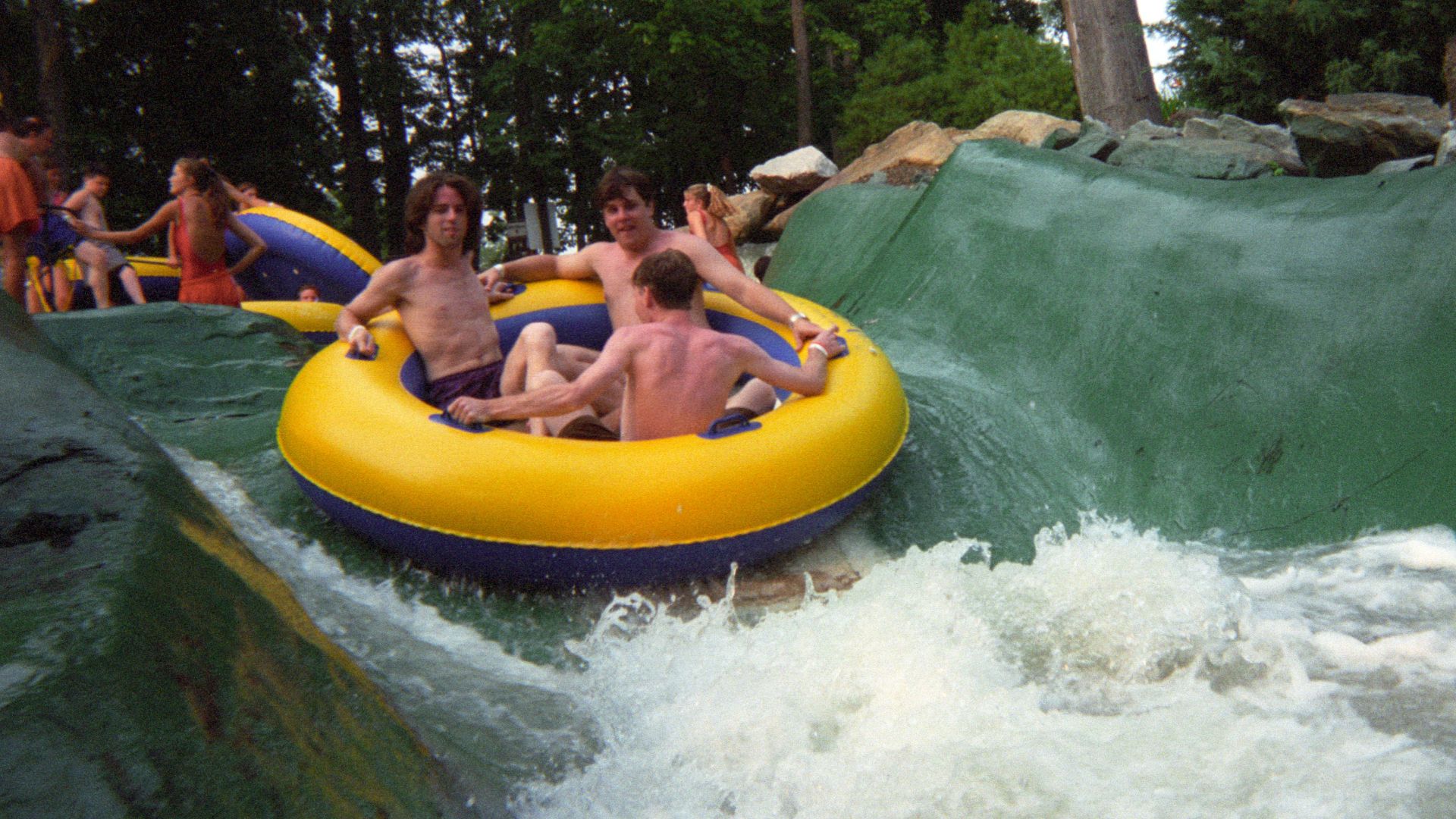
 Joe Shlabotnik from Forest Hills, Queens, USA on Wikimedia
There's a common urban legend that nobody has officially "died" on Disney property because they aren't officially pronounced dead until they've left park grounds. While that isn't necessarily true, the same cannot be said of Action Park. Nicknamed "Accident Park" and "Class Action Park", Action Park in Vernon, New Jersey was probably the most dangerous theme park that's ever existed.
Eugene Mulvihill
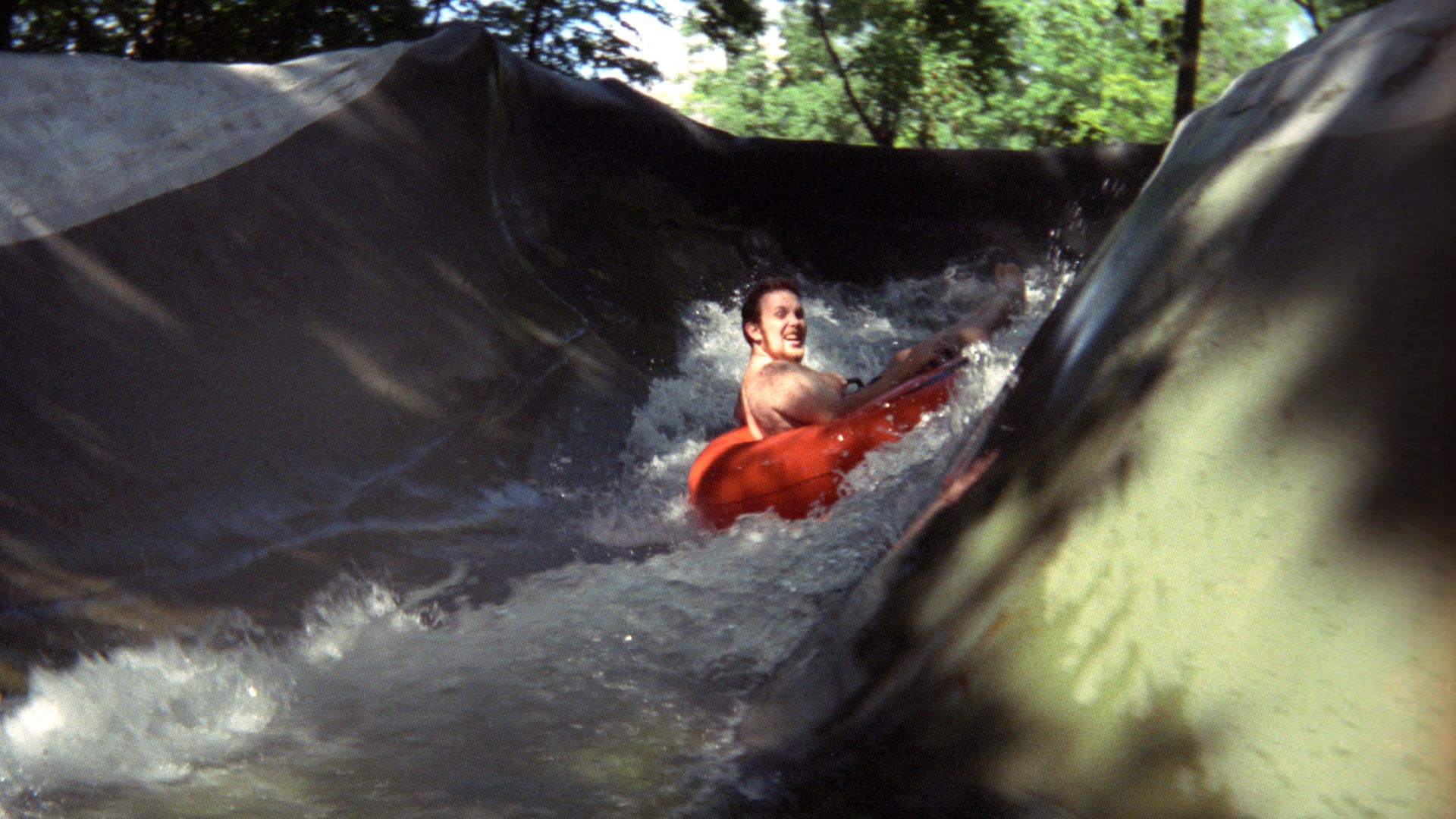 Joe Shlabotnik from Forest Hills, Queens, USA on Wikimedia
Action Park was the brainchild of stockbroker and known scammer Eugene Mulvihill. In 1976, Mulvihill and his company purchased ski resorts in North Jersey with the intention of creating a multi-season park; a ski resort in the winter and a water park in summer. The trick, Mulvihill learned, was to replicate the speed and exhilaration of downhill skiing in water slides.
In the late 1970s, water parks were still being introduced to the public. Wet 'n Wild in Orlando was the first major water park, opening in 1977. Prior to this, aquatic recreation was largely confined to public pools.
All this is to say that there wasn't really a rule book for Eugene Mulvihill to follow in developing Action Park. The early days of water parks were like an aquatic wild west. Even if there had been a rule book, Mulvihill likely would have thrown it out.
Now that we've set the scene, let's get into Action Park itself.
Action Park was designed largely without any oversight or input from engineers. Attractions utilized experimental designs which looked fun on paper but were extremely dangerous in person. According to Mulvihill, the risk present in his rides was what made them so fun.
Cannonball Loop
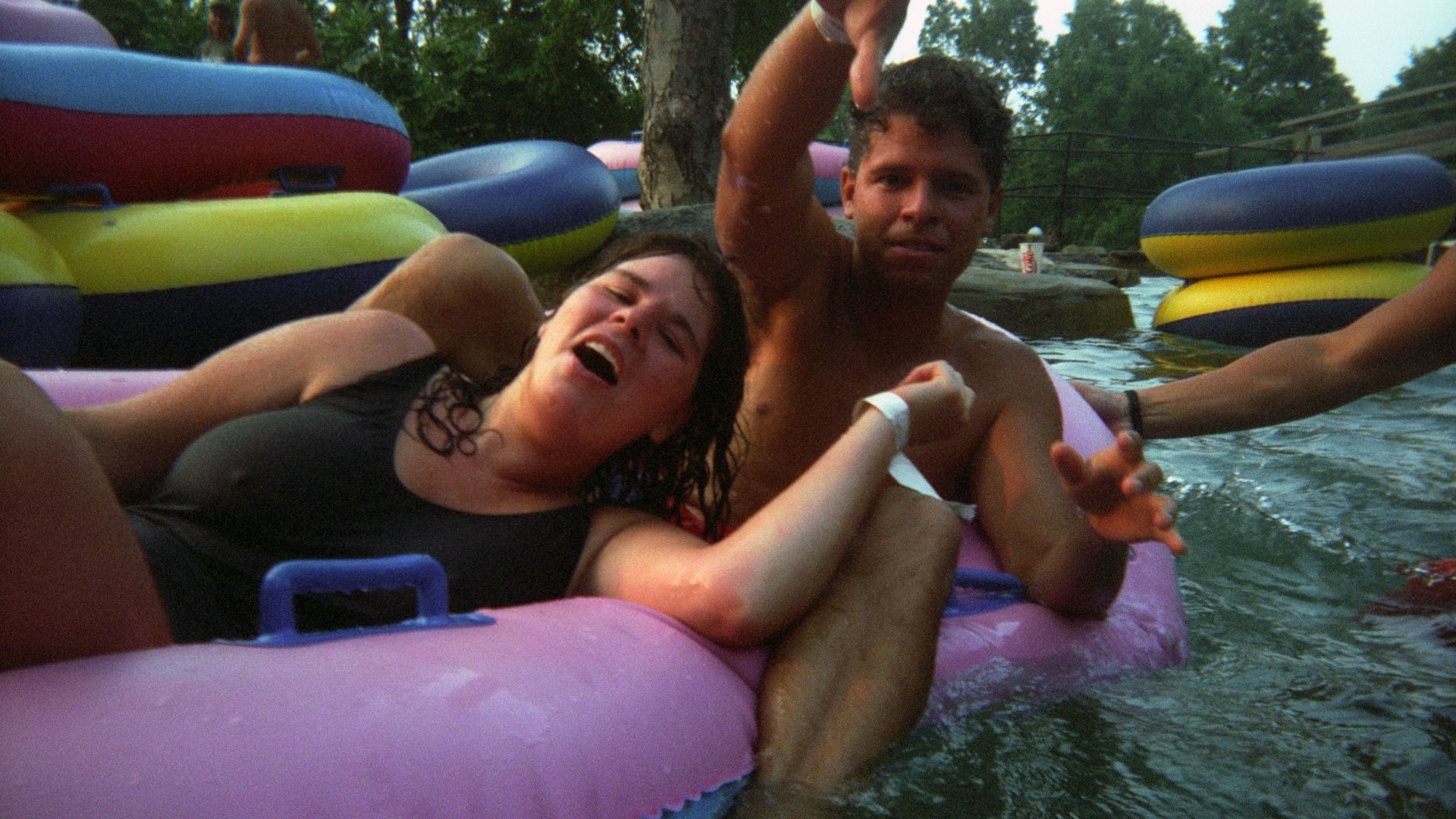 Joe Shlabotnik from Forest Hills, Queens, USA on Wikimedia
There's no better example of Mulvilhill's ethos in action than Cannonball Loop. Every few months, a picture of Cannonball Loop's gnarly enclosed slide goes viral—and for a good reason! Cannonball Loop was as dangerous as it looked.
Cannonball Loop was an enclosed water slide with a complete vertical loop at the end. Employees—many of whom were underage, a fact we will return to—were offered $100 to test the slide. Mulvilhill's son confirmed urban legends that test dummies were decapitated in the slide and that he himself wore a full set of hockey pads when he went down.
As you can imagine, any slide that requires protective equipment to ride isn't exactly up to code. Cannonball Loop subjected riders to 9 Gs of acceleration; riders came back with bloody noses and lacerations. The loop's walls were embedded with teeth that had been knocked out.
Cannonball Loop was shut down a month after it opened in 1985, though it periodically reopened for a few days at a time. Unfortunately, Cannonball Loop was not the only attraction with a thirst for blood.
Alpine Slide
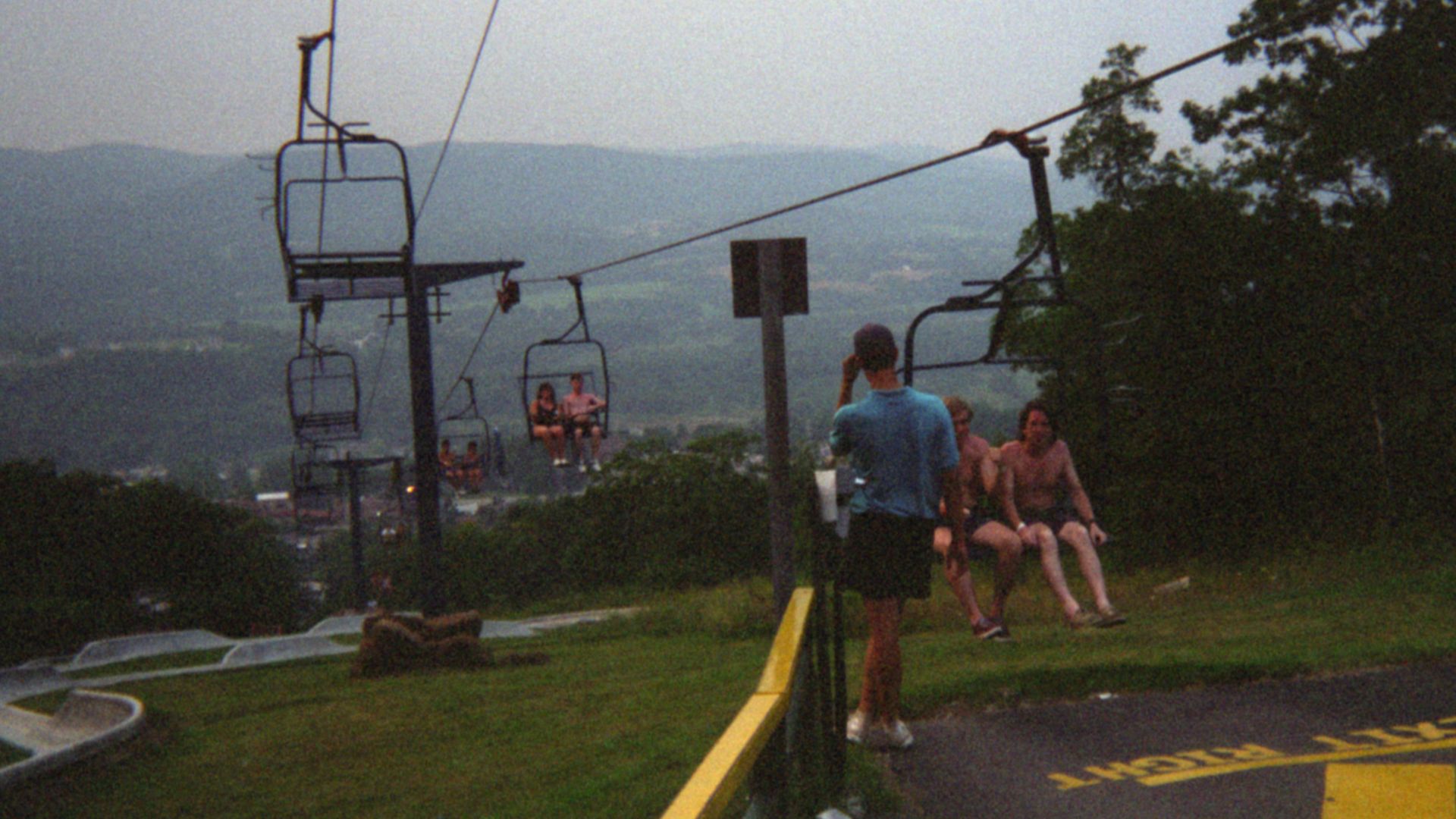 Joe Shlabotnik from Forest Hills, Queens, USA on Wikimedia
Looming above the park was the intimidating alpine slide. At 2,700 feet long, the alpine slide had one way up and one way down. Riders—who, you must remember, were wearing bathing suits—slid down chutes of concrete and fiberglass. Losing your sled wasn't uncommon, nor was losing part of your bathing suit.
Not even your life was safe from the alpine slide. In 1980, a 19-year-old park-goer was launched from the slide and hit his head on a rock. The man later died, and Mulvihill did not report the accident to the state.
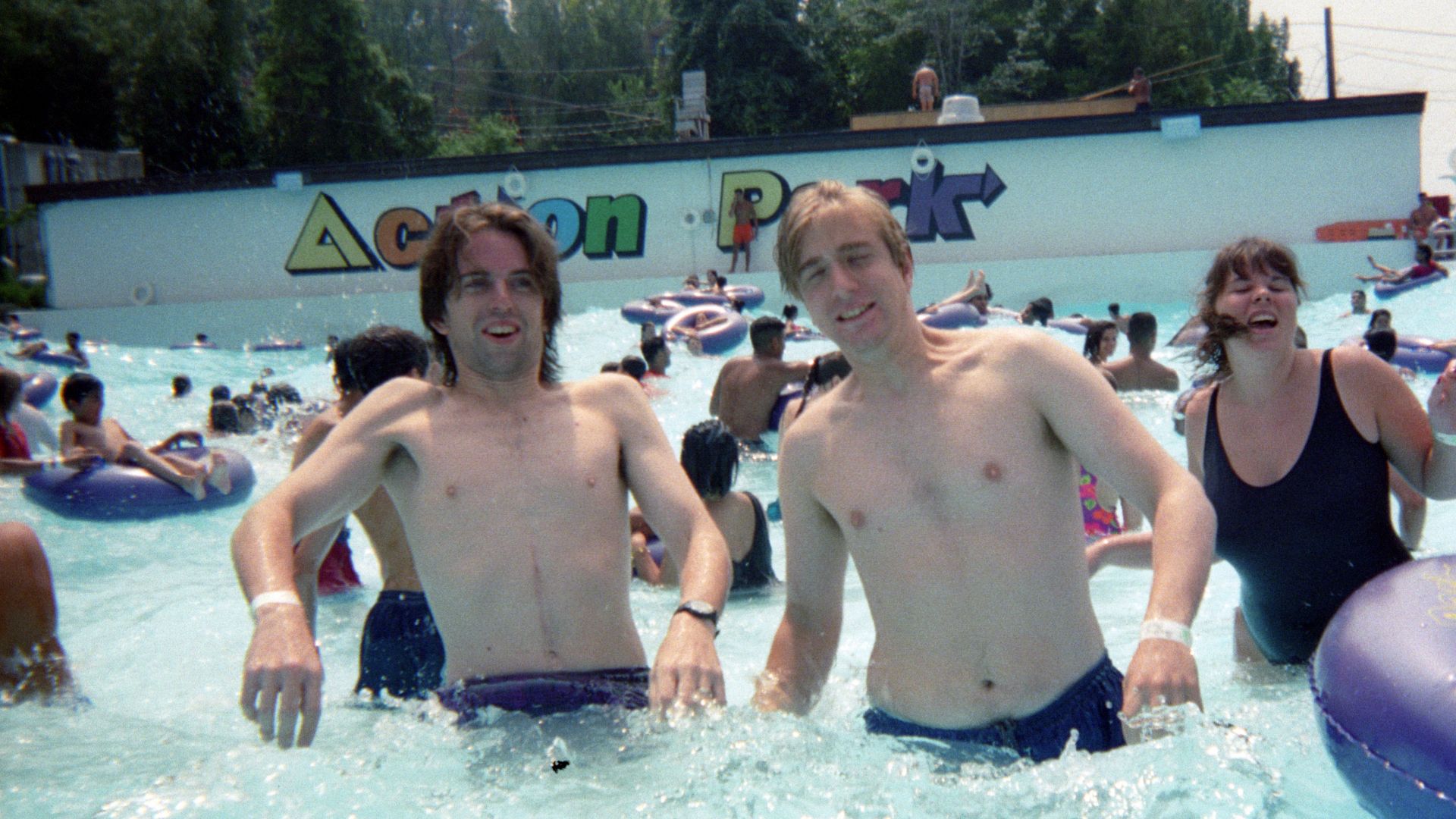
Official numbers of Action Park casualties have never been relased, possibly because they were never counted. Guests were concussed, electrocuted, and even shocked into a state of cardiac arrests. However, most of the casualties came from the Tidal Wave Pool.
The Grave Pool
 Joe Shlabotnik from Forest Hills, Queens, USA on Wikimedia
Nicknamed "The Grave Pool" by teenage employees, the Tidal Wave Pool was filled with chlorinated freshwater rather than salt water, which made it difficult for even the strongest swimmers to keep their heads above water. The murky water and high waves made it difficult for swimmers to tell where the drop-off was.
On busy weekends, the 12 on-duty lifeguards rescued as many as 30 people a day. The vast majority of Action Park's employees were teenagers, under-trained and not overly concerned with safety protocol. Action Park also served alcohol, something the teenage employees regularly got into.
However, we can't entirely blame the employees for their negligence. They were, after all, kids working a summer job who were in no way prepared to save lives. Instead, we can safely lay the blame at the feet of Eugene Mulvihill himself.
Action Park was finally shut down in 1996 after nearly two decades of perilous operation. It was a rite of passage for Gen X-ers in North Jersey; something you survived rather than experienced. This was one park we were glad to see close down.