When Humans Play God
The world of genetic engineering has moved past making corn grow faster or keeping tomatoes from getting mushy on the truck. Scientists are now venturing into the animal kingdom to create creatures that look like they've stepped right out of a high-budget sci-fi flick. With that in mind, here are 20 new creations you may or may not want to meet.
 Ali West from USA on Wikimedia
1. The Glowing GloFish
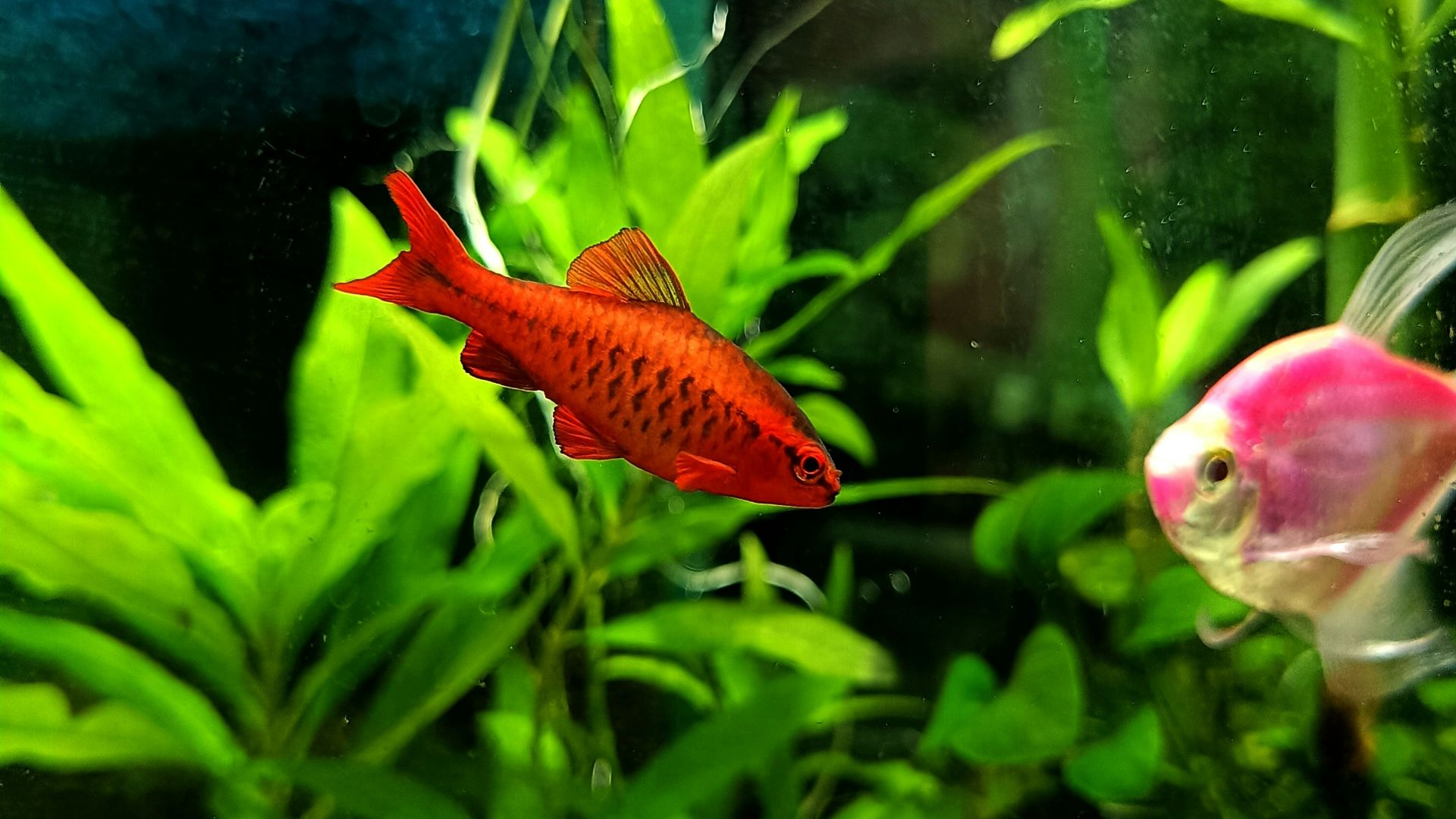
The GloFish are available at your local pet store. That’s right, you can purchase one of these genetically modified friends yourself! By splicing jellyfish/coral DNA into the genome of zebra fish, scientists created fluorescent pets that glow brilliantly in neon colors when exposed to blacklight.
2. Spider-Silk Goats
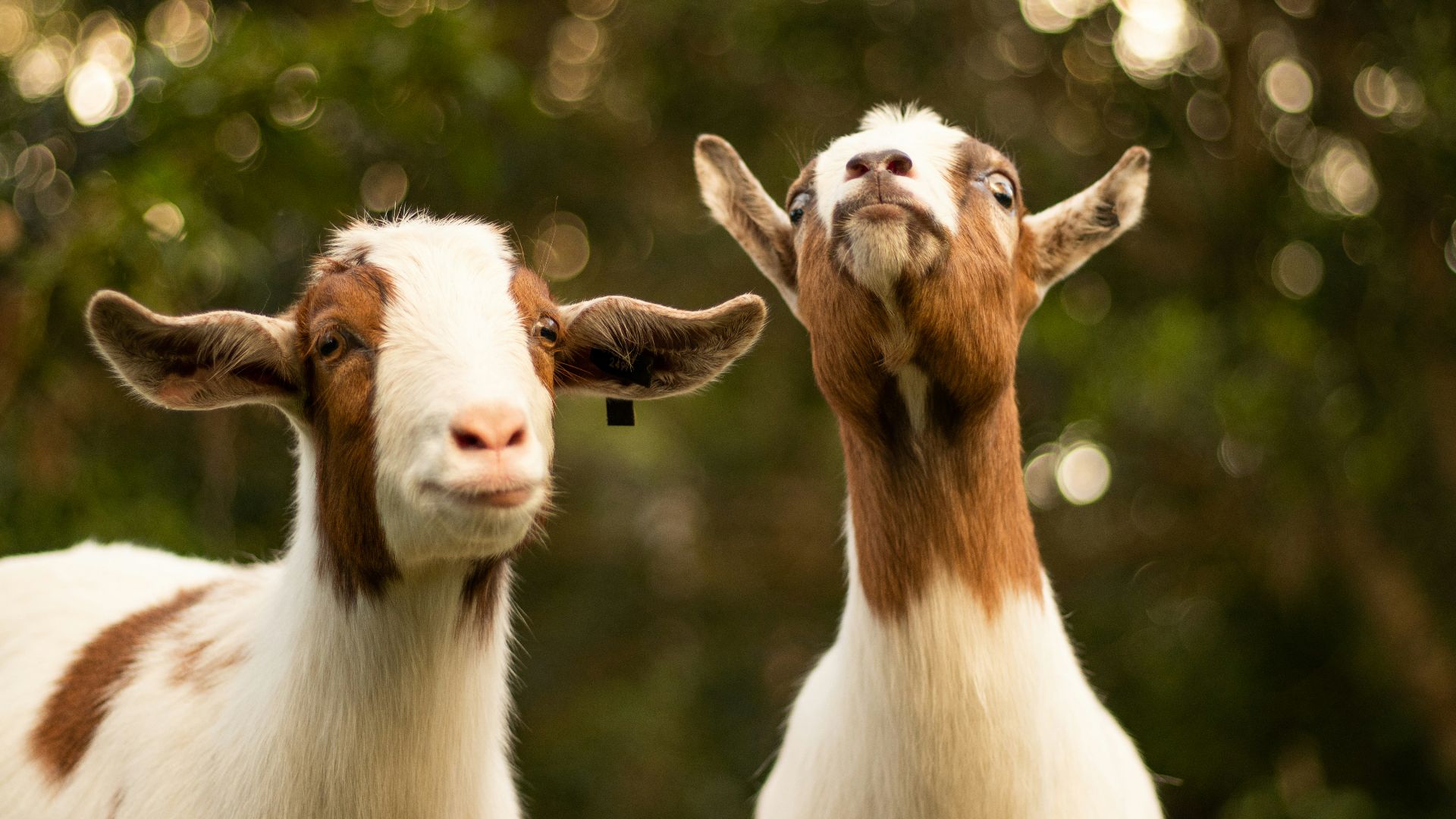
Believe it or not, these otherwise unassuming goats produce milk that contains proteins identical to what you’d find in spider silk. Researchers at Utah University discovered a way to splice these genes together so they could extract the extra-strength fiber without wrangling thousands of venomous spiders. Some of the products created from this miracle material include dissolvable hospital sutures.
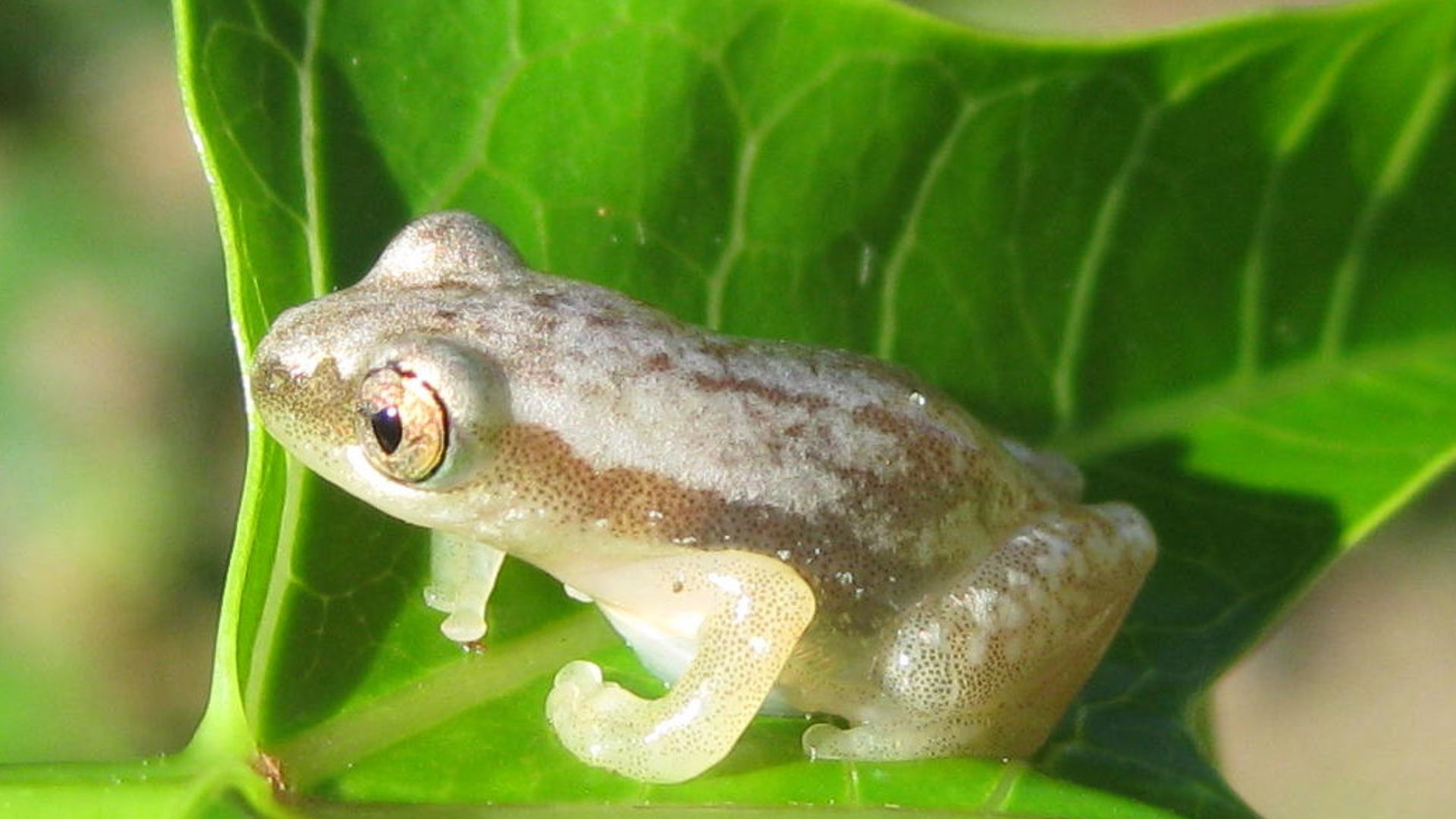
3. See-Through Frogs
In Japan, scientists genetically engineered these frogs to have translucent skin. The idea was to allow them to monitor the inner workings of the amphibian’s body without having to perform invasive surgery. Students and researchers can now easily watch the frog’s heart pump.
 Ton Rulkens from Mozambique on Wikimedia
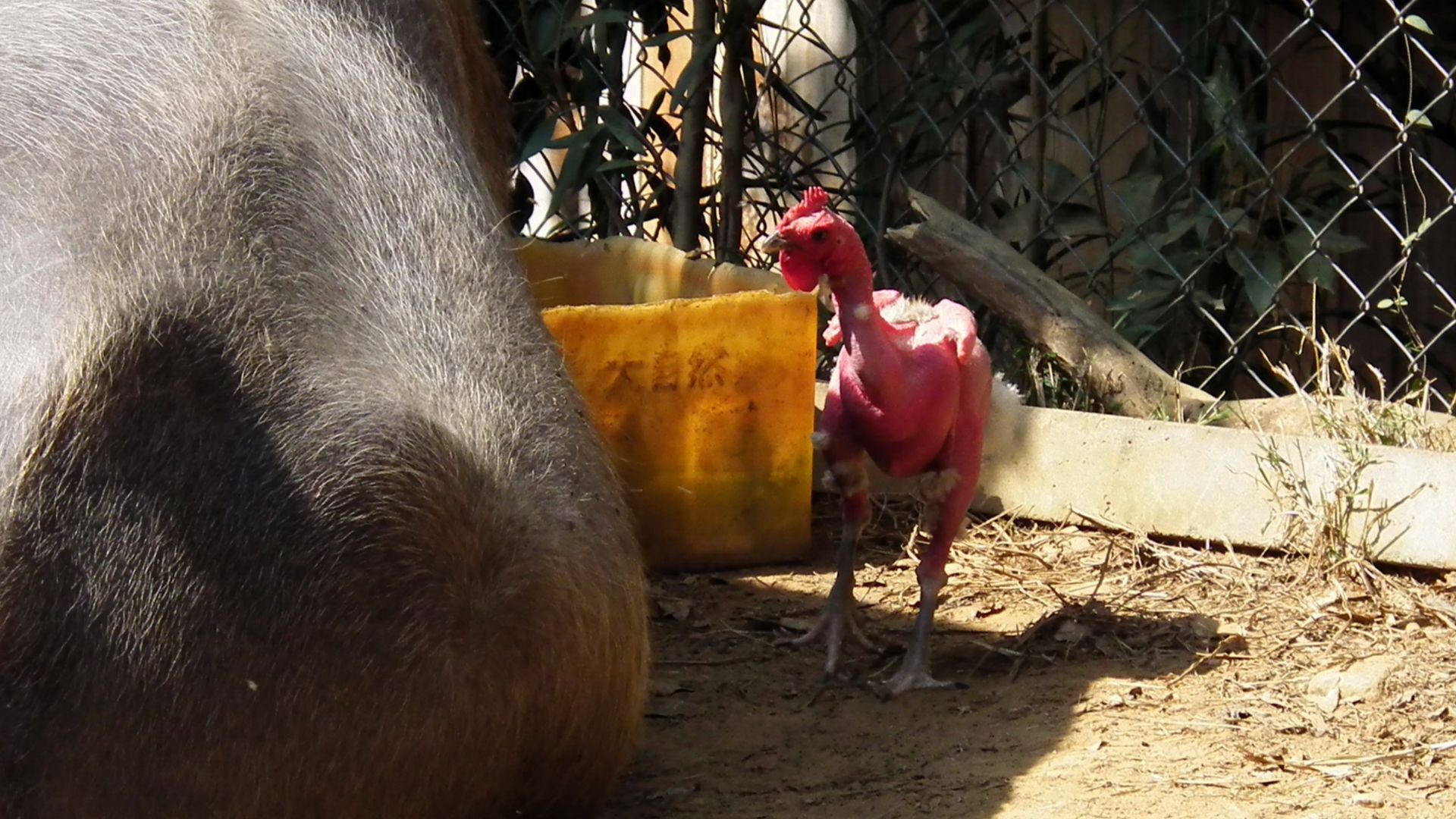
4. Featherless Chickens
Meet Israel’s newest featherless mutation. As the name suggests, these chickens are completely bald. Scientists developed them to better withstand hotter climates than their standard counterparts.
5. Enviropigs
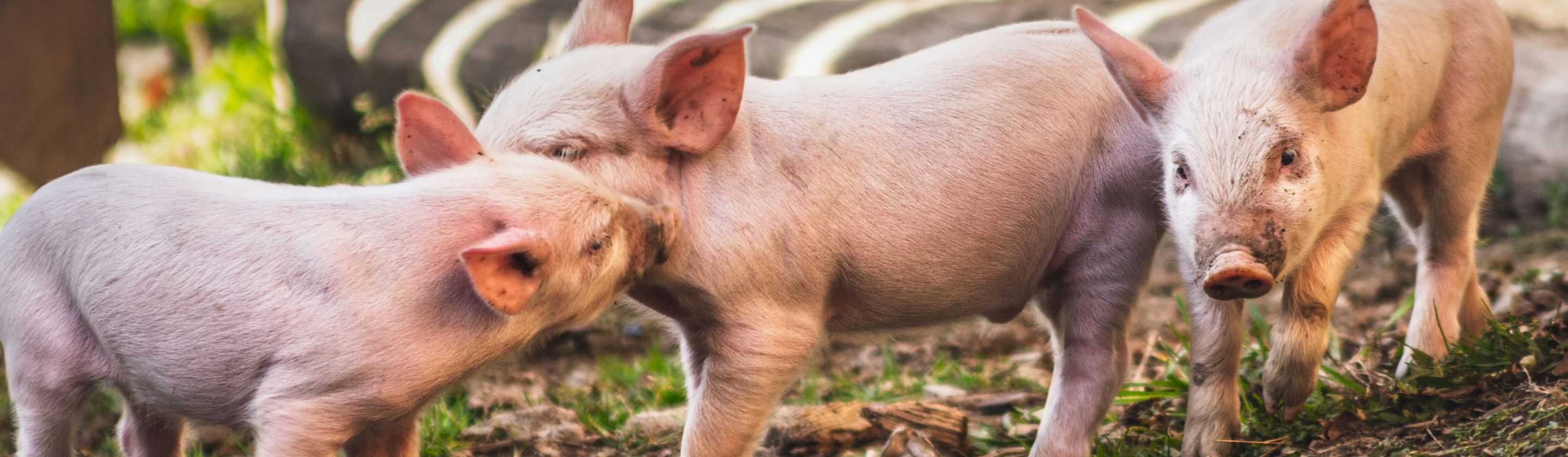
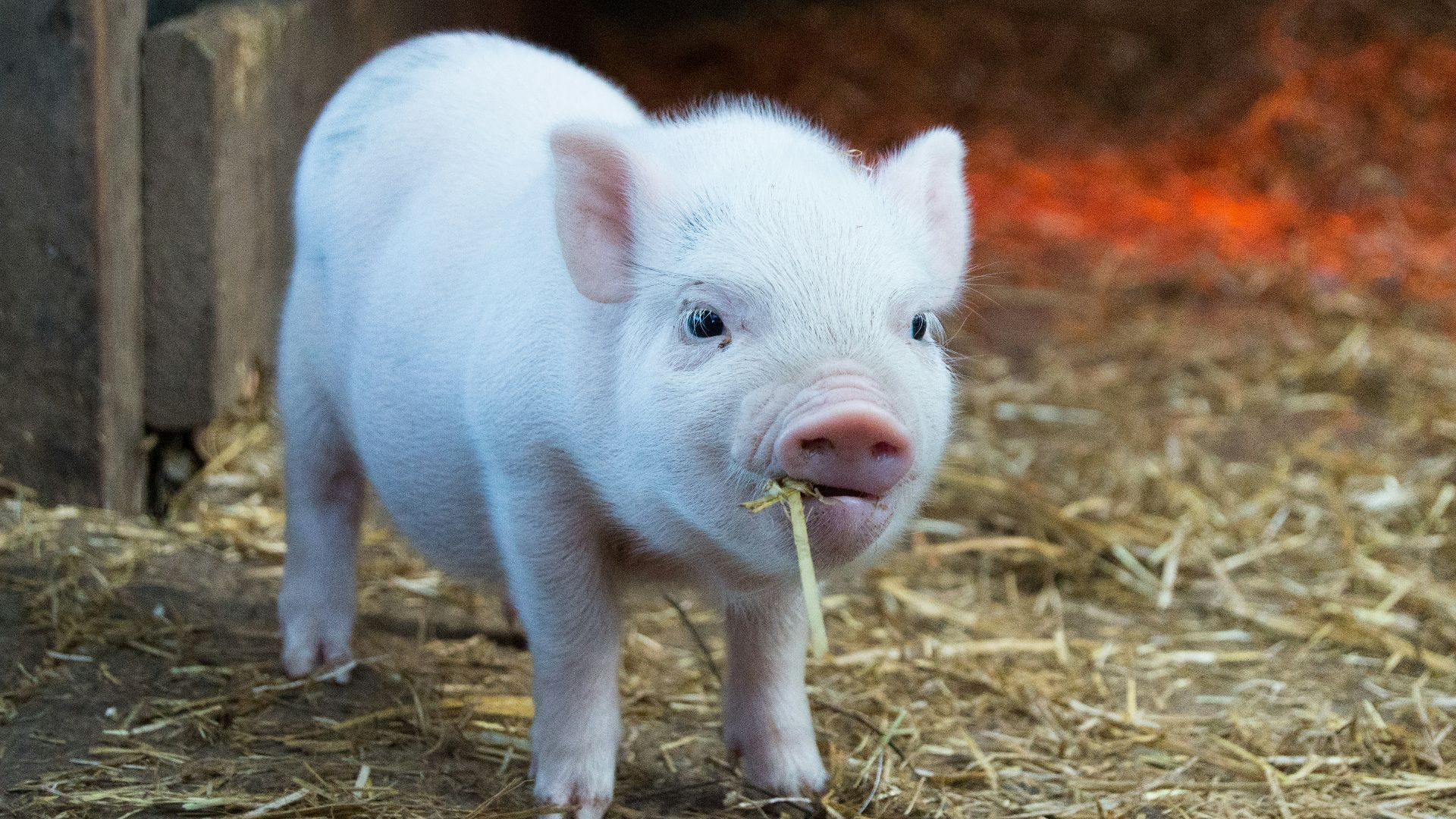
These pigs won an award from Time Magazine for best breakthrough for 2015. Environmentally friendly pigs. Wait, what? Yep, these genetically engineered pigs produce 75 percent less phosphorus in their waste compared to the average hog.
 Christopher Carson on Unsplash
6. Fast-Growing AquaAdvantage Salmon
The AquaAdvantage salmon was the first GMO animal approved for human consumption in the U.S. Not only does this fish grow twice as large as wild salmon, but it also grows at twice the rate. What this means is that farmers can get their product to market in half the time, reducing strain on wild salmon fisheries.

7. Malaria-Resistant Mosquitoes
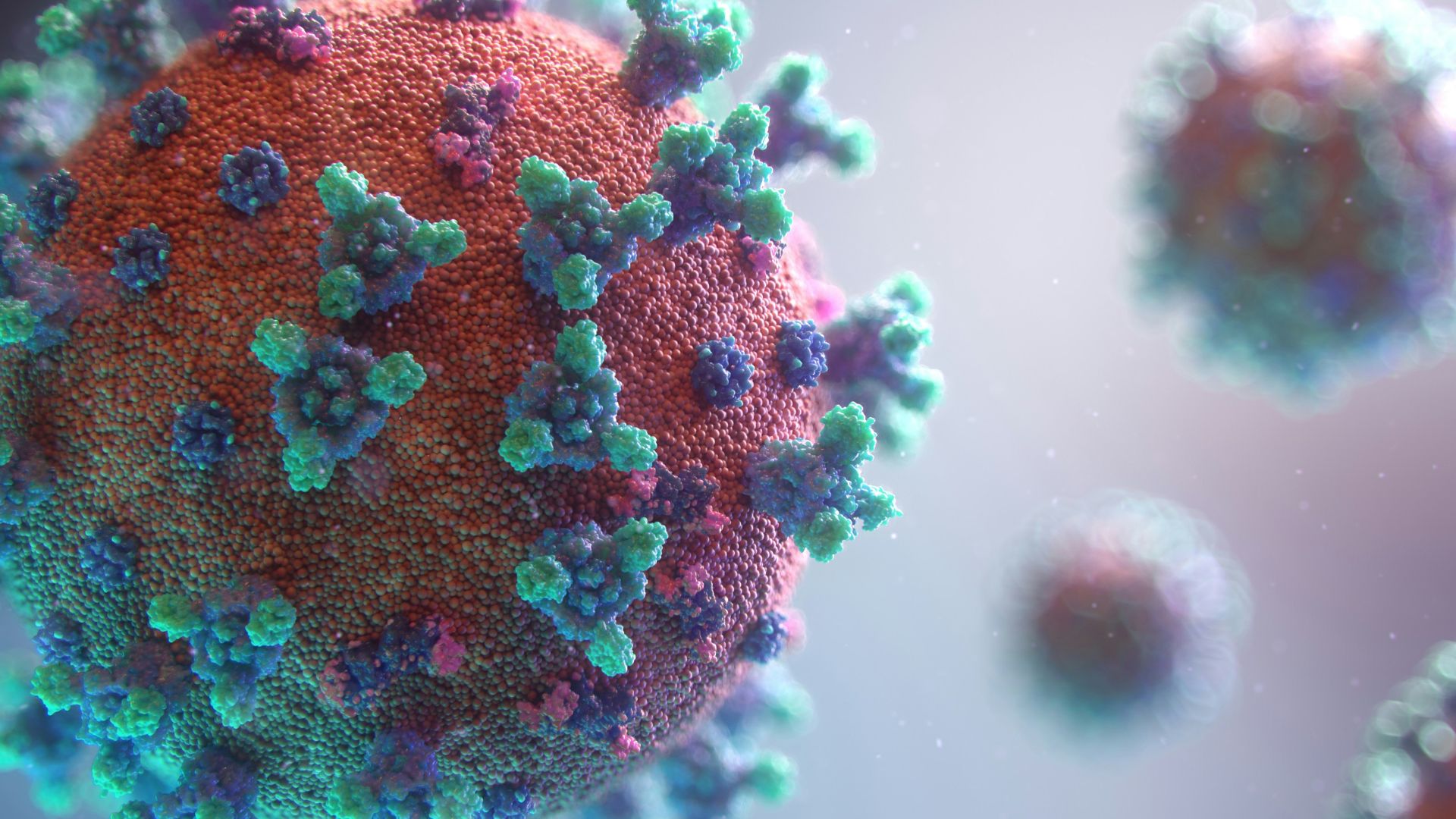
Gene-modifying scientists have decided to take matters into their own hands, rather than spray insecticide all over the place. They began studying how to make mosquitoes naturally immune to malaria so they could not carry the parasite. This involved taking a gene from another organism that prevents infection and implanting it into the mosquito’s DNA.
 Fusion Medical Animation on Unsplash
8. Self-Eliminating Mosquitoes
Yes, you read that correctly. Scientists have created male mosquitoes that eliminate their future offspring. When the males and females mate, the baby mosquitoes inherit a “self-limiting” gene. This mutated gene prevents mosquito larvae from surviving.

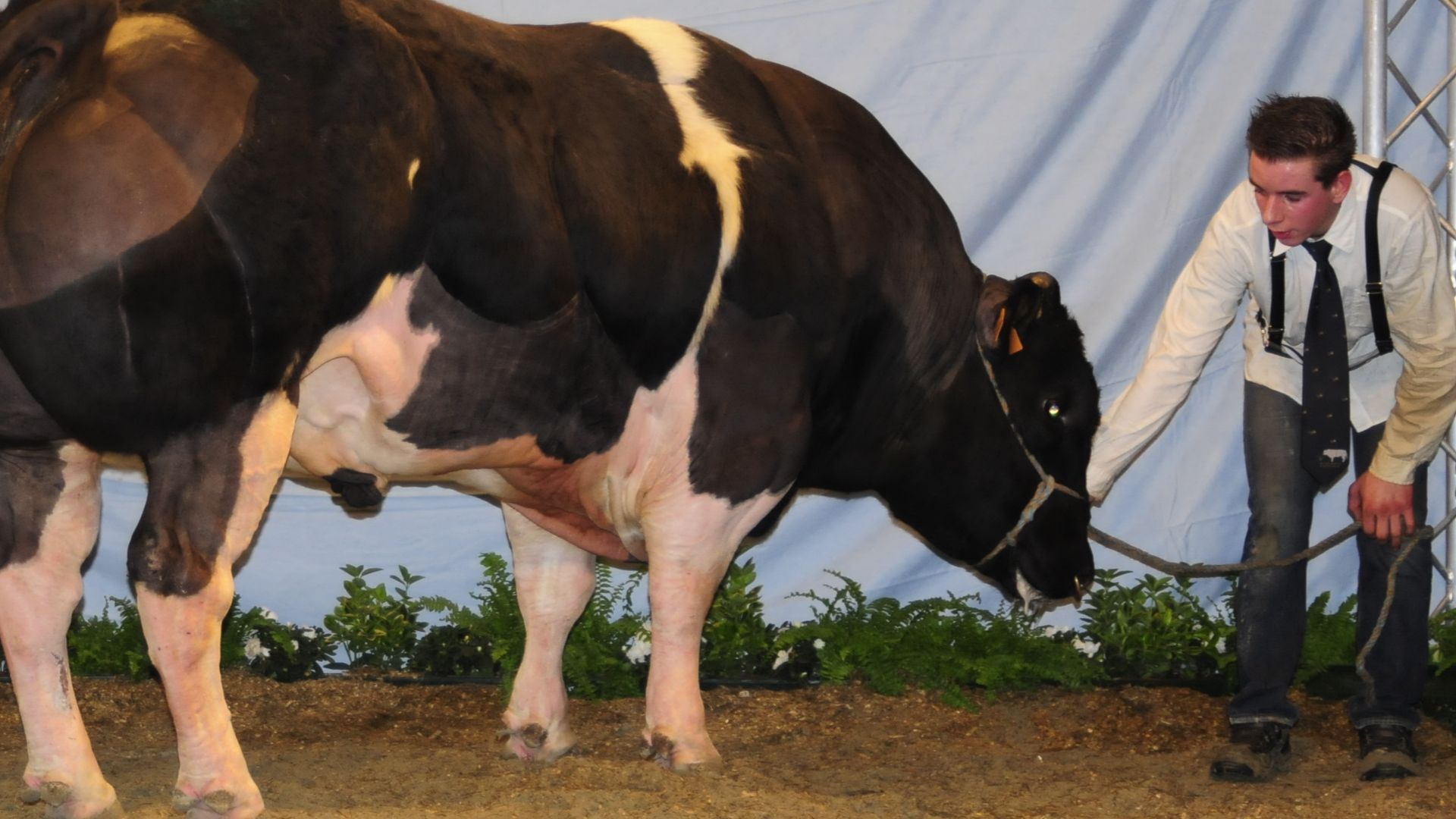
9. Super-Muscled Belgian Blues
While these cows aren't exactly a new lab invention, they've been selectively bred to have a genetic mutation called "double muscling" that makes them look like they spend all day at the gym. Their bodies are so packed with lean meat that they often have trouble giving birth naturally, requiring a bit of extra help from farmers. They’re a fascinating look at how humans can manipulate the physical limits of an animal just to get a better steak.
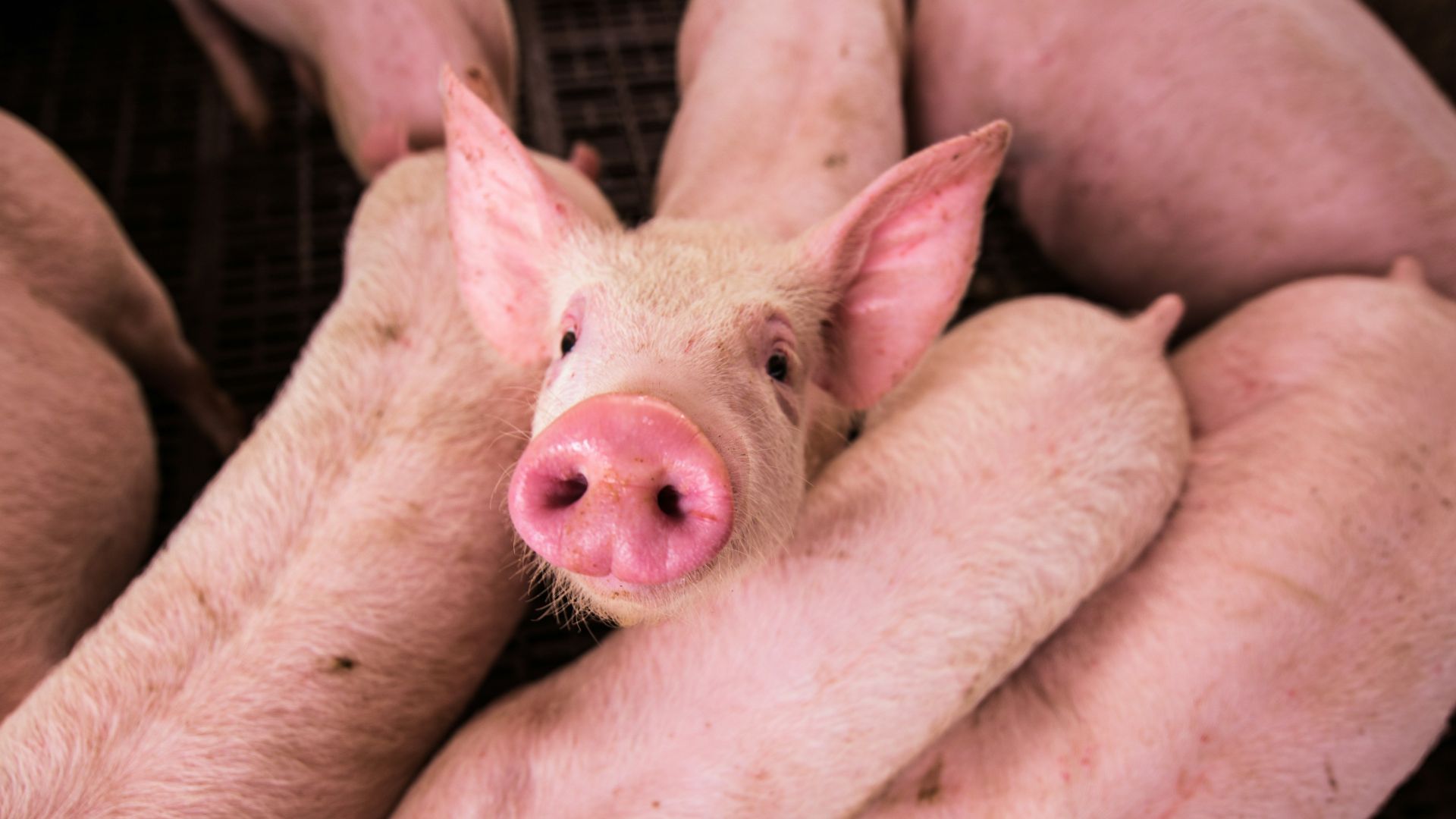
10. Glowing Pigs
If you don’t like the idea of eating glow-in-the-dark pork chops, don’t worry, you’re not alone. Chinese scientists created these pigs by injecting jellyfish DNA into the embryos. While giving pigs the ability to glow under UV light isn’t their goal, it helped them prove they could insert foreign genes into a pig’s DNA.
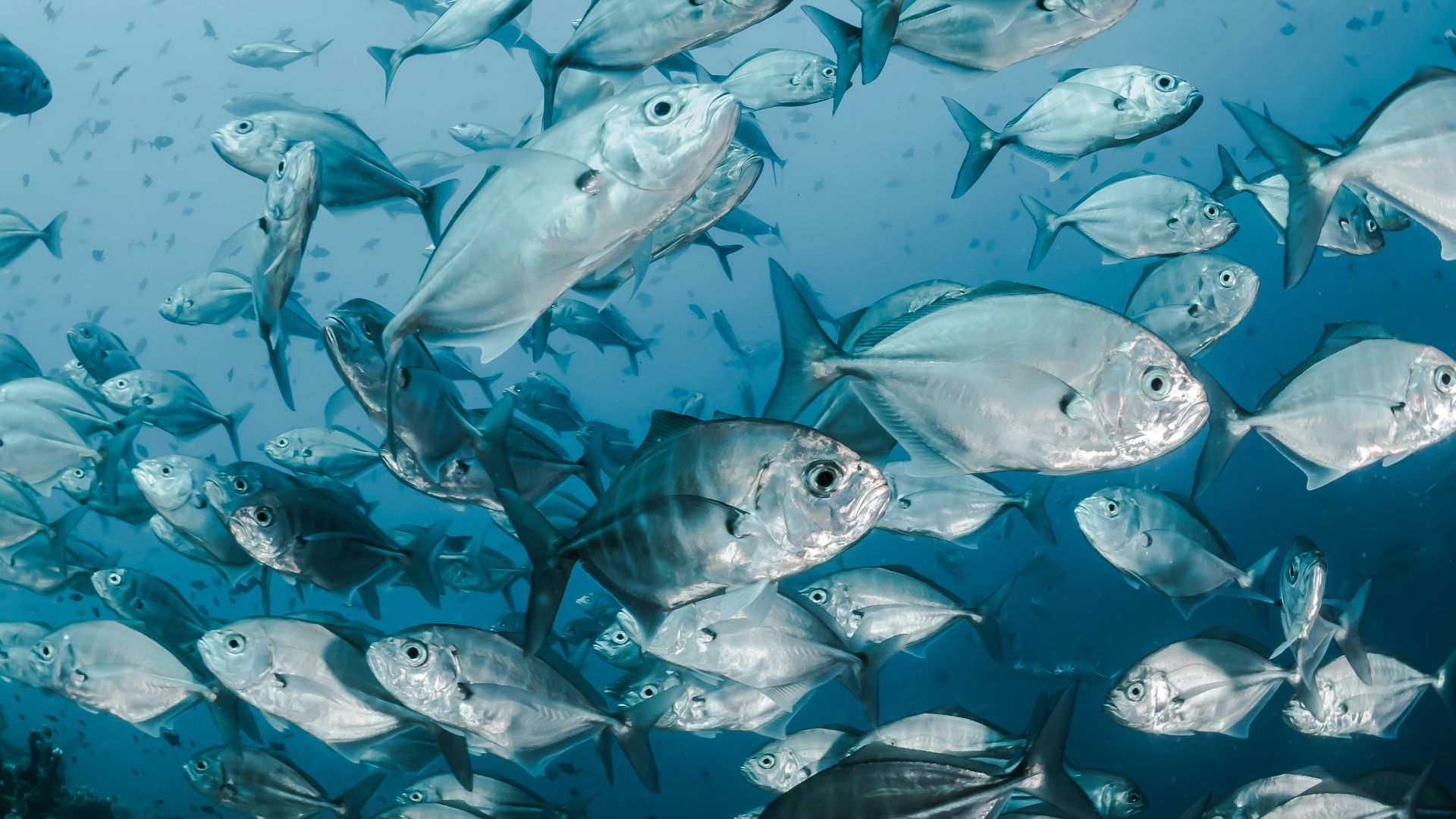
11. Pollution-Detecting Fish
Tiny fluorescent fish have been genetically altered so they change color! They also light up when exposed to estrogen-mimicking chemicals. These aquatic critters serve as literal canaries in a coal mine for municipalities needing to test their water supplies against industrial pollutants.
 Sebastian Pena Lambarri on Unsplash
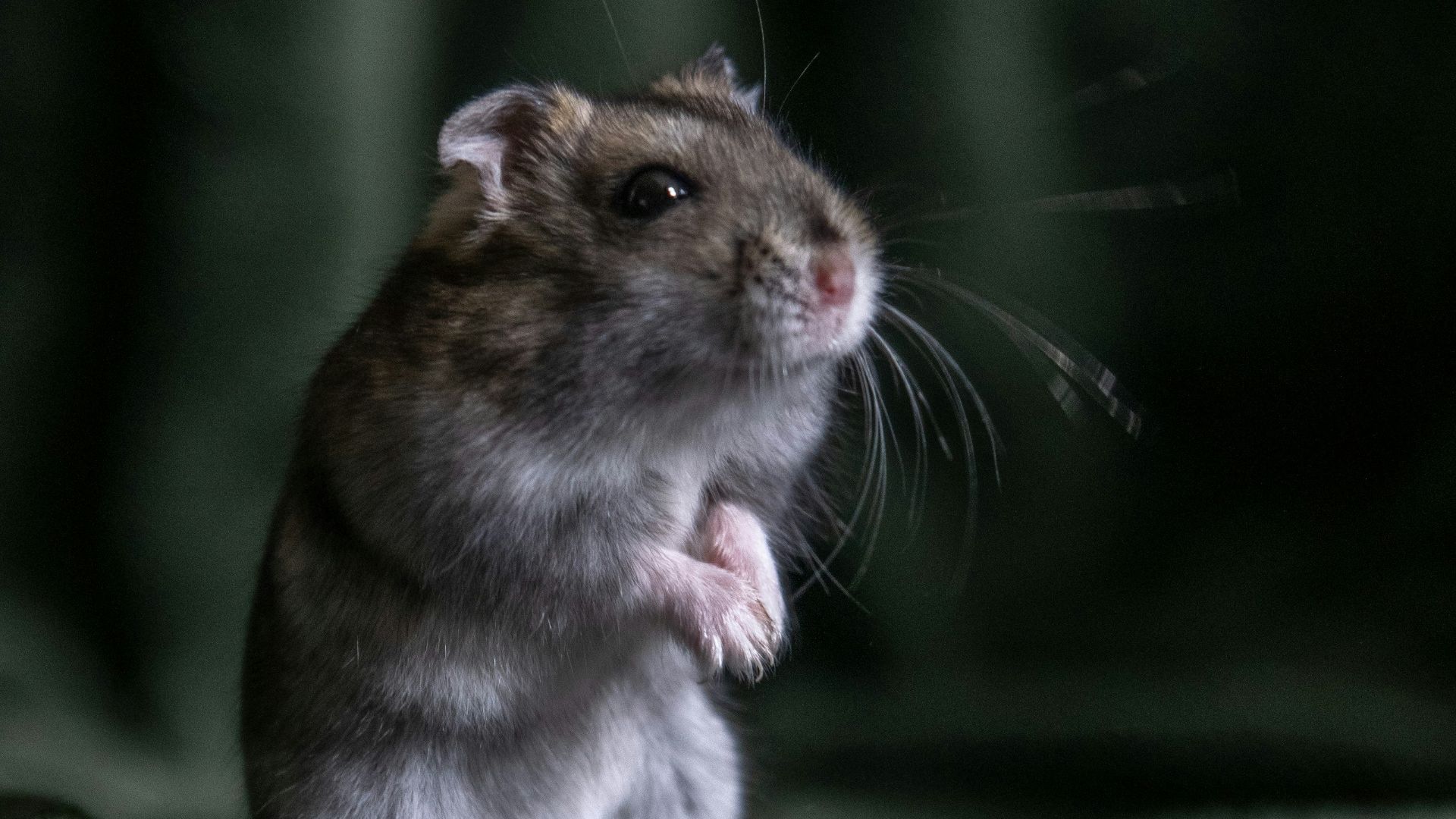
12. Carbon-Eating Mice
In an effort to understand metabolism and weight gain, some lab mice have been modified to burn off carbon and calories at a much higher rate than normal. When fed a diet of sheer junk food and massive calorie overloads, these furry Frankensteins refuse to put on even a gram of fat. Hopefully, research into these mice can lead to cures for human obesity and diabetes.
13. Hypoallergenic Cats
Say goodbye to sneezing and sniffles! Scientists have genetically modified cats to knock out the protein that triggers humans’ allergic reactions. By targeting the allergy-causing gene found in cats’ saliva, researchers have bred disease-free kittens that won’t drive you from your home.

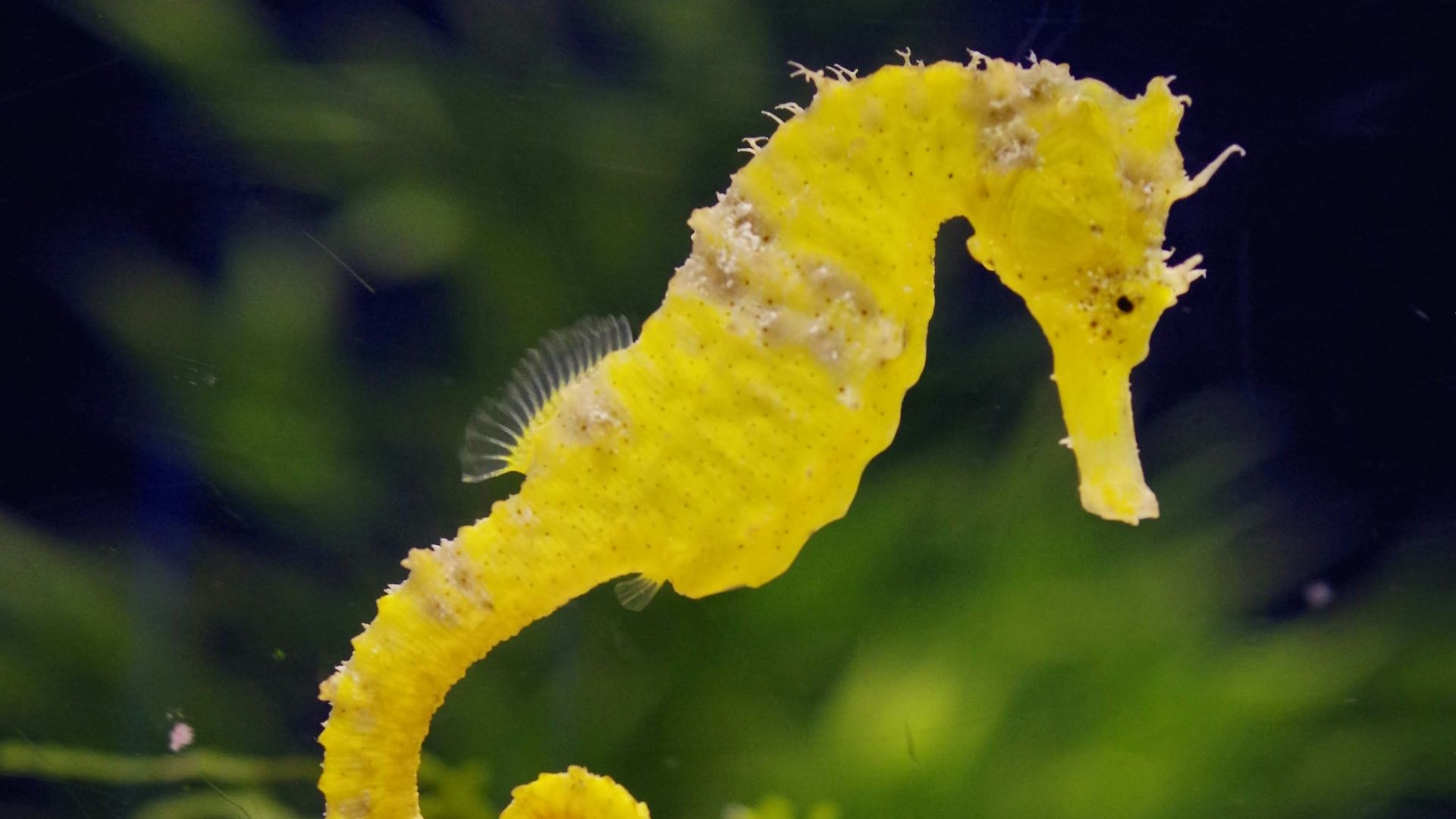
14. Golden Seahorses
Need something a little more ambitious? How about some golden sea creatures? Vietnam is the first country to create genetically modified sea horses. Scientists inserted gold flakes and jellyfish DNA into normal sea horse eggs, resulting in these guys.
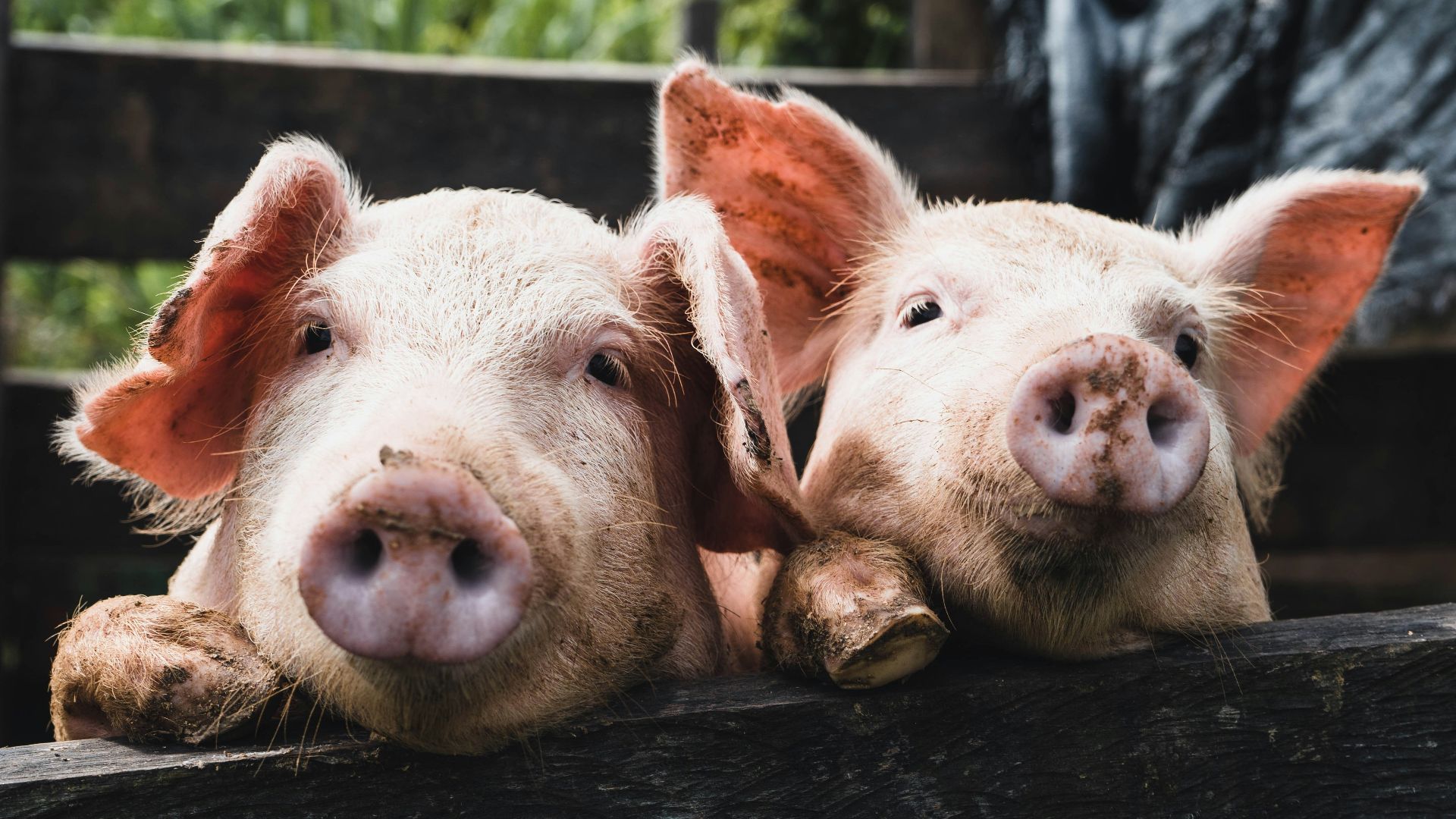
15. Alligator Pigs
These pigs have extra resilience against disease because they’ve had alligator genes inserted into their DNA. Cold-hardy alligators can easily fight off infections from a swamp’s bacteria, so researchers hope pigs will inherit some of that toughness. If successful, it could mean a reduced dependence on antibiotics in pork production.
16. The Ruppy
A team in South Korea created the world’s first transgenic dogs, which are beagles that glow a dim red color when you turn off the lights. They achieved this by using a virus to carry fluorescent sea anemone genes into the dog’s cells. The project was meant to help researchers study human diseases that also affect dogs, though the glowing feature is what made them famous.
 Lesya Tyutrina Andrey Biyanov on Unsplash
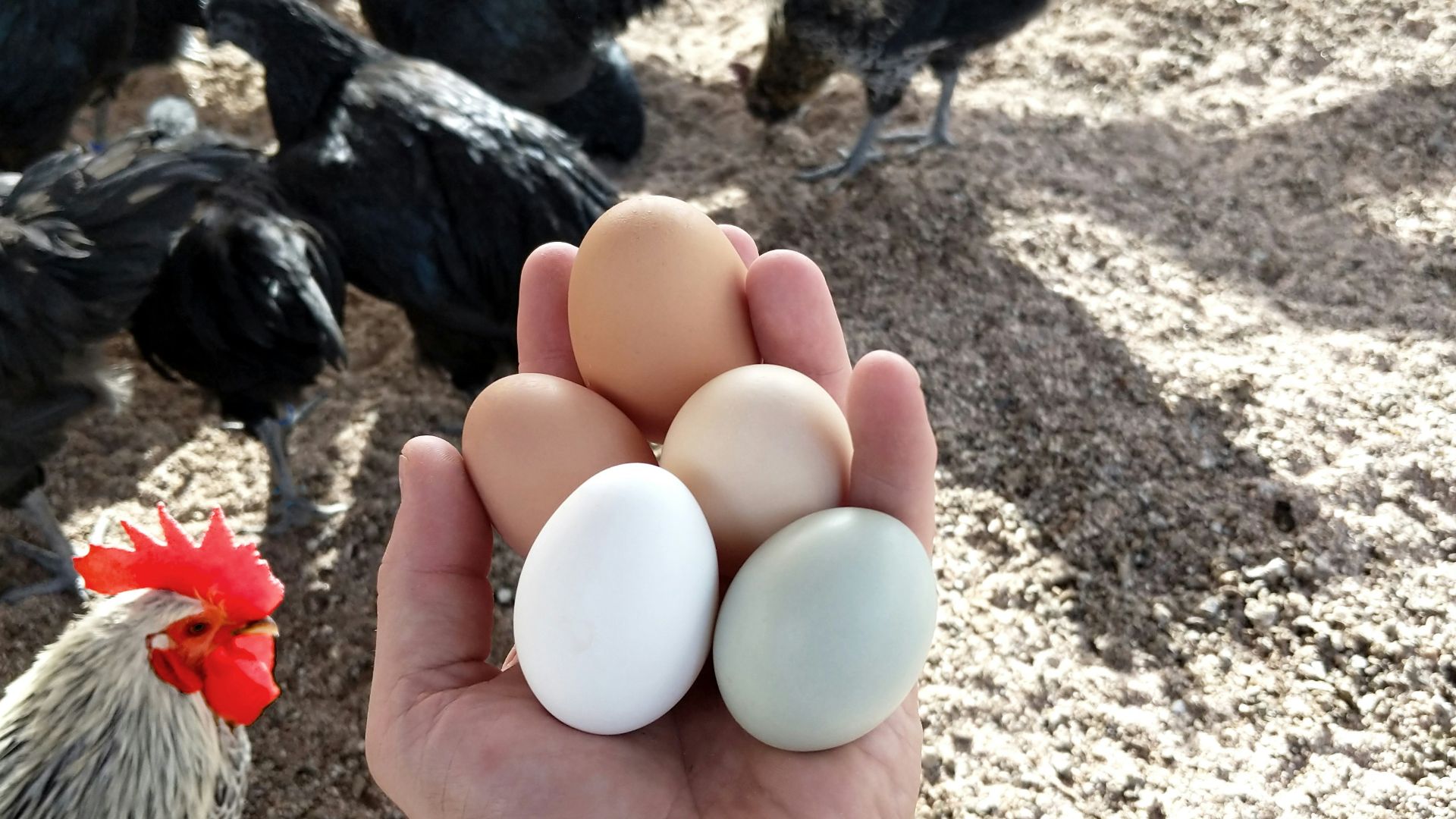
17. Medicinal Chicken Eggs
Chicken eggs can now contain medications useful for fighting cancer. Researchers were able to alter chicken DNA so their eggs produced concentrated doses of certain pharmaceuticals. Instead of using expensive lab equipment to grow medicines, scientists can simply harvest the eggs and extract the proteins from the whites.
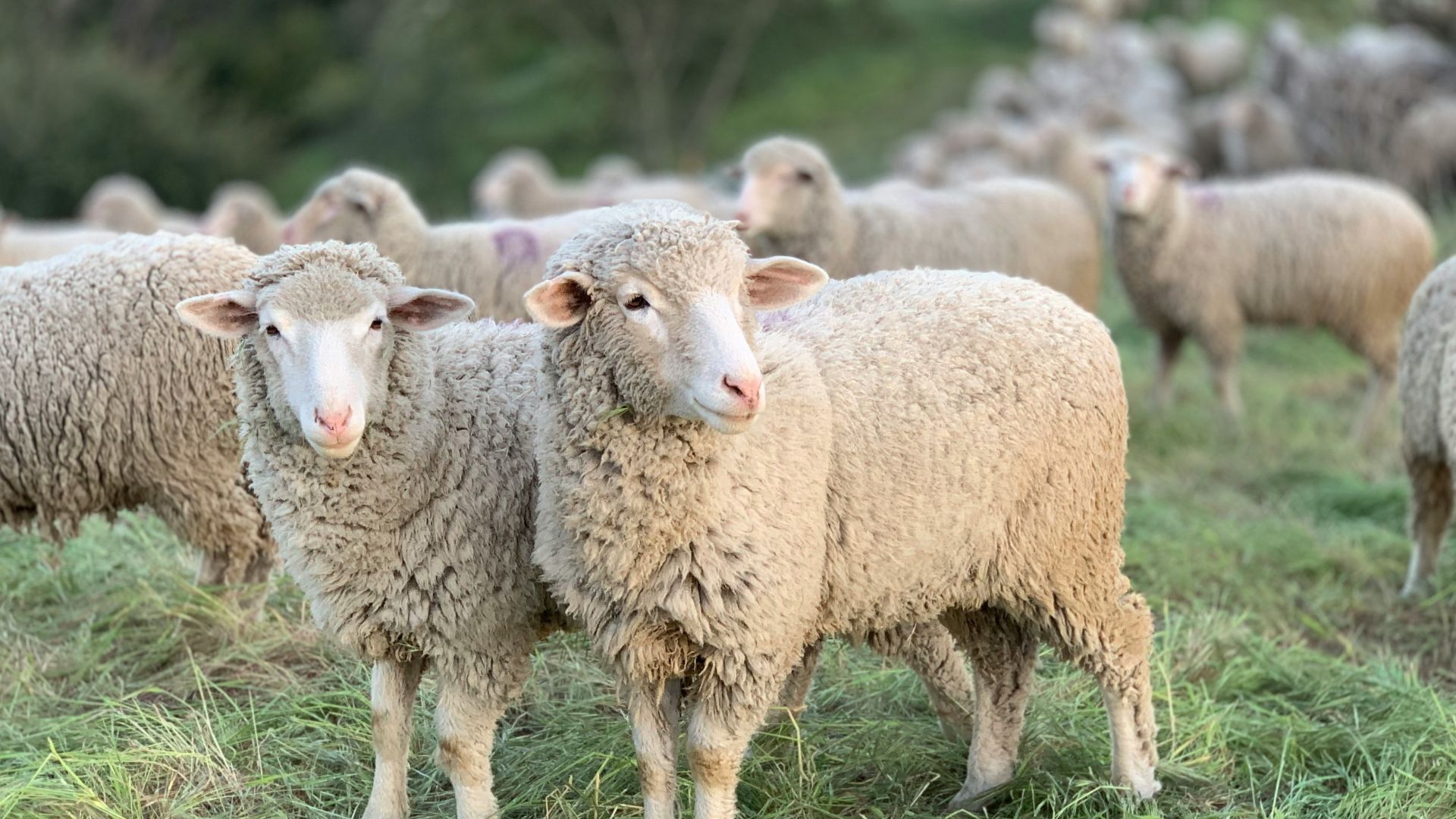
18. Low-Methane Sheep
Certain breeds of sheep in New Zealand are being genetically modified to produce less methane gas when digesting their food. While it sounds a bit silly to worry about sheep burps, the collective impact of these gases is a major contributor to climate change. By identifying and selecting the genes for "low-emission" digestion, they’re trying to create a more sustainable wool and meat industry.
19. Smart-Gene Monkeys
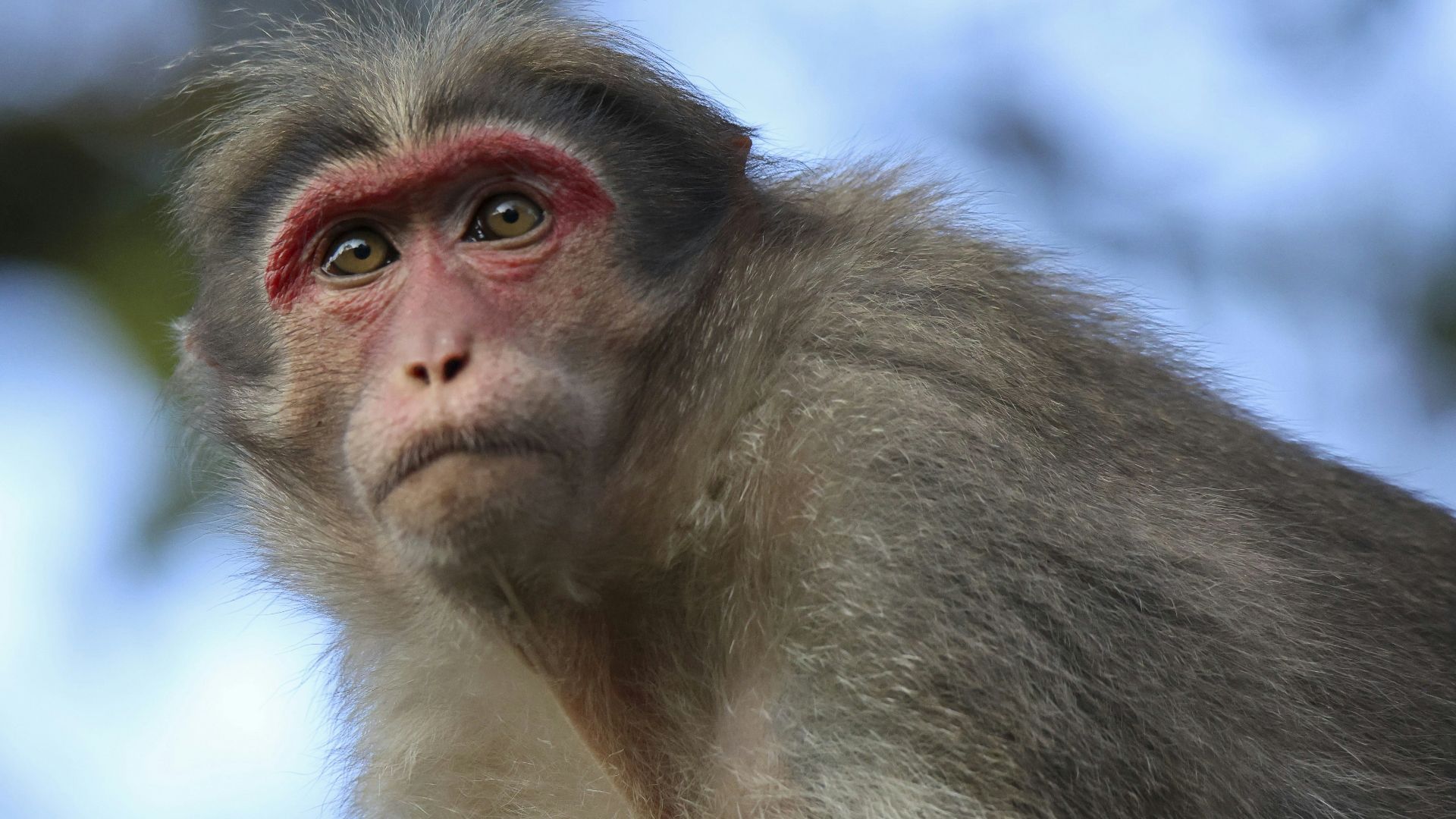
Certain monkeys have had human genes inserted into their DNA that are linked to higher cognitive function. Rhesus macaques were the test subjects for these experimental tweaks to their DNA. Not only did these genetically altered monkeys show improved short-term memories, but the study has raised many concerns over the future of human-primate gene therapy.
20. Designer Butterflies
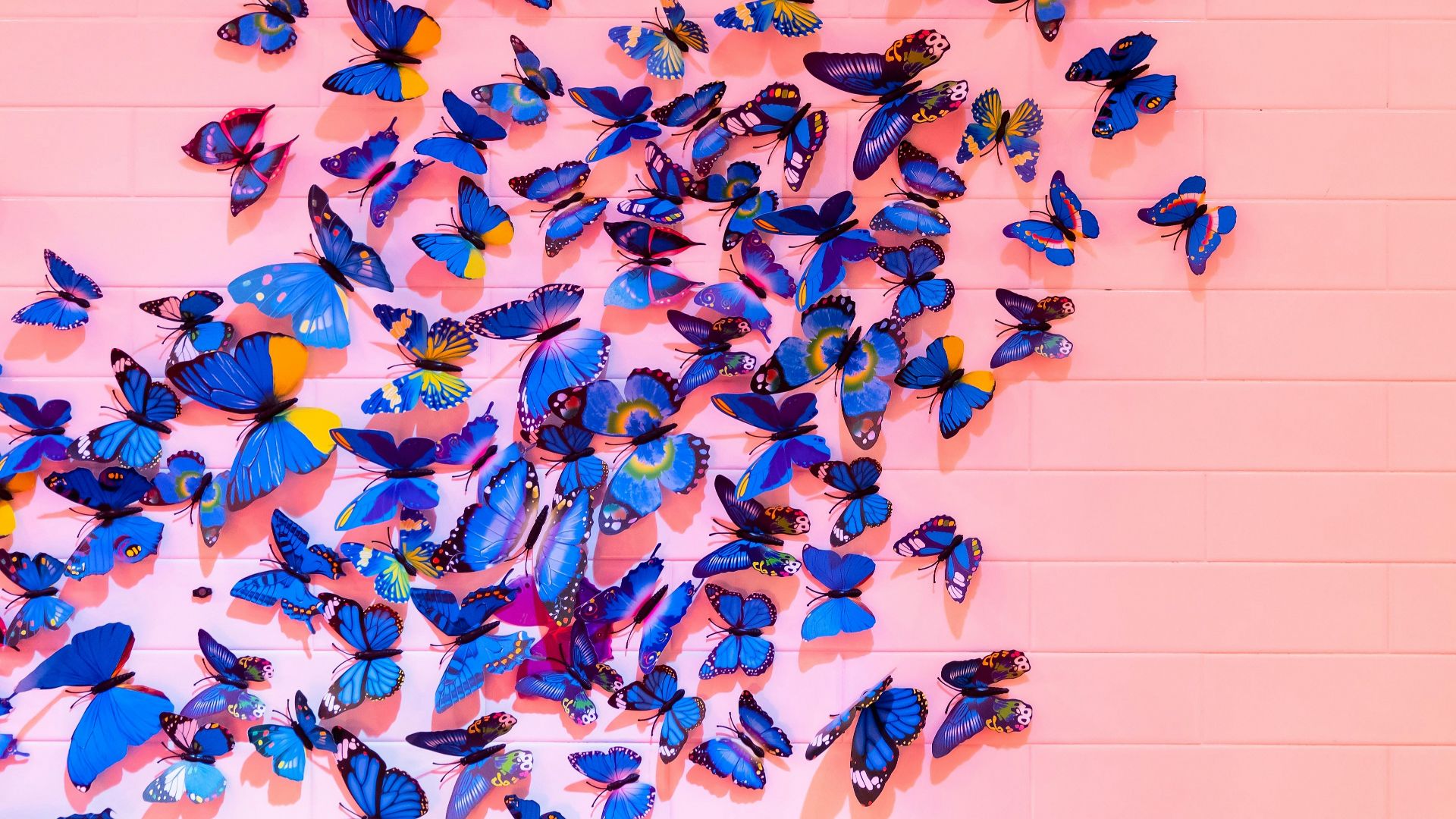
Using the revolutionary CRISPR gene editing tech, scientists can now alter butterfly wings at will. Depending on the genes they edit, these wings can take on new patterns and colors that don’t occur naturally. Essentially, scientists can “paint” with DNA and watch as living, fluttering insects grow accordingly.