Travel Young, Think Big: Why Traveling to Cultural Sites Early On Shapes Curious, Open-Minded Kids
Travel Young, Think Big: Why Traveling to Cultural Sites Early On Shapes Curious, Open-Minded Kids
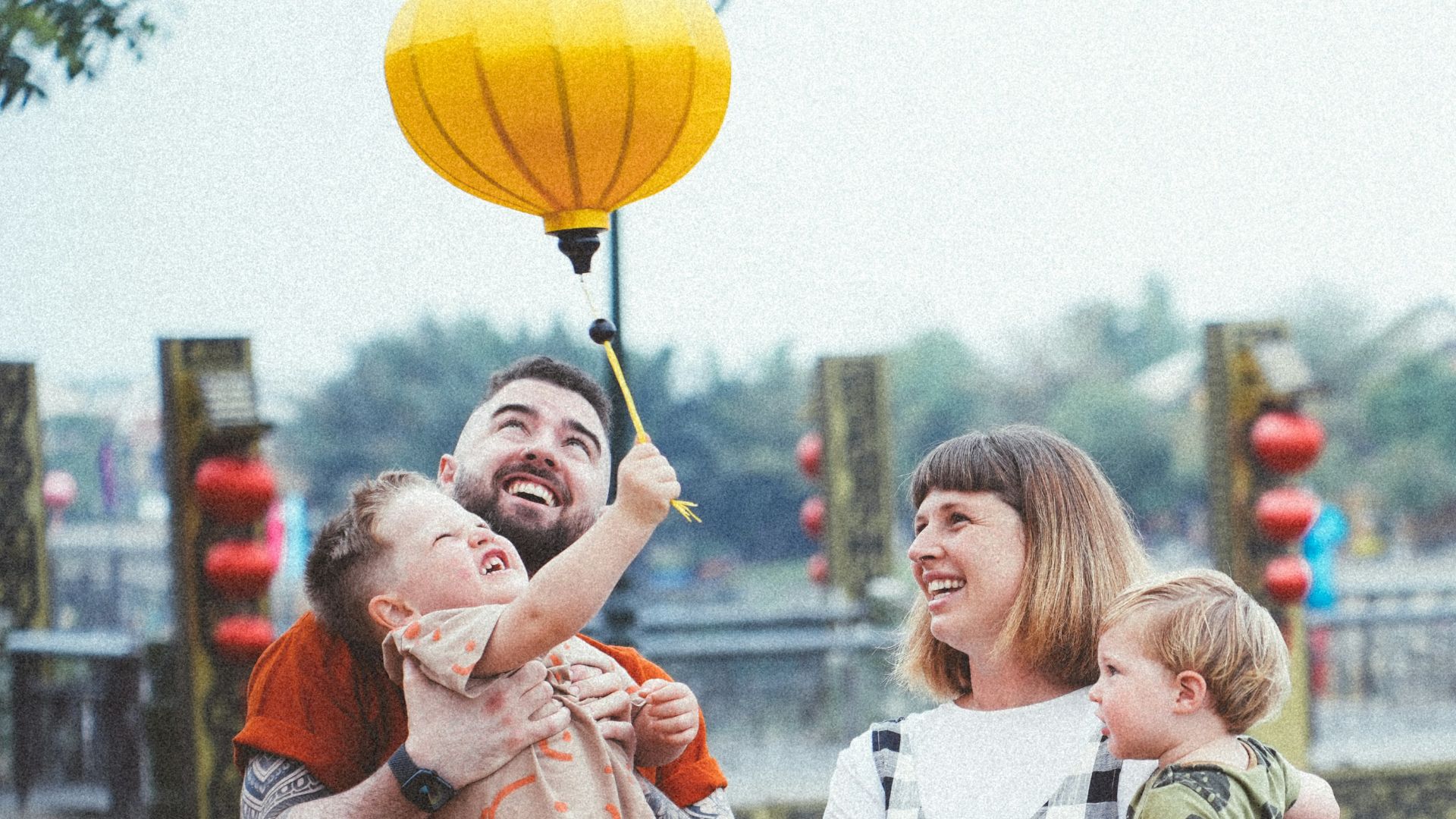 Hoi An Photographer on Unsplash
Travel is a break from routine for many families and one of the most powerful learning tools kids can access. Cultural travel exposes children to worlds beyond their own. They can wander through ancient ruins, explore art museums, and step into UNESCO World Heritage sites all while they're still wide-eyed and impressionable. And when those experiences happen early, the impact is lifelong: stronger curiosity, greater empathy, and a deeper understanding of how big and diverse our planet really is.
Cultural Sites Build Curiosity That Lasts
Children are natural explorers. And cultural destinations take that curiosity to a whole new level! Standing inside a centuries-old cathedral or seeing hieroglyphs carved into stone sparks the kinds of questions that fuel real learning: Who built this? Why did they do it this way? What was life like back then? These experiences connect kids to history in a tangible, unforgettable way. Not to mention that these outings are far more engaging than textbook pages or classroom posters, bringing history and culture to life.
Even simple details, like hearing a story from a local guide or noticing differences in architecture, help kids build mental maps of how cultures vary across regions and eras. This early exposure often inspires further interests in art, languages, archaeology, storytelling, and global traditions. And because children’s brains are wired for absorbing new information rapidly, cultural trips during these formative years leave a powerful imprint.
Cultural Travel Helps Kids Become More Open-Minded
 Vaida Tamošauskaitė on Unsplash
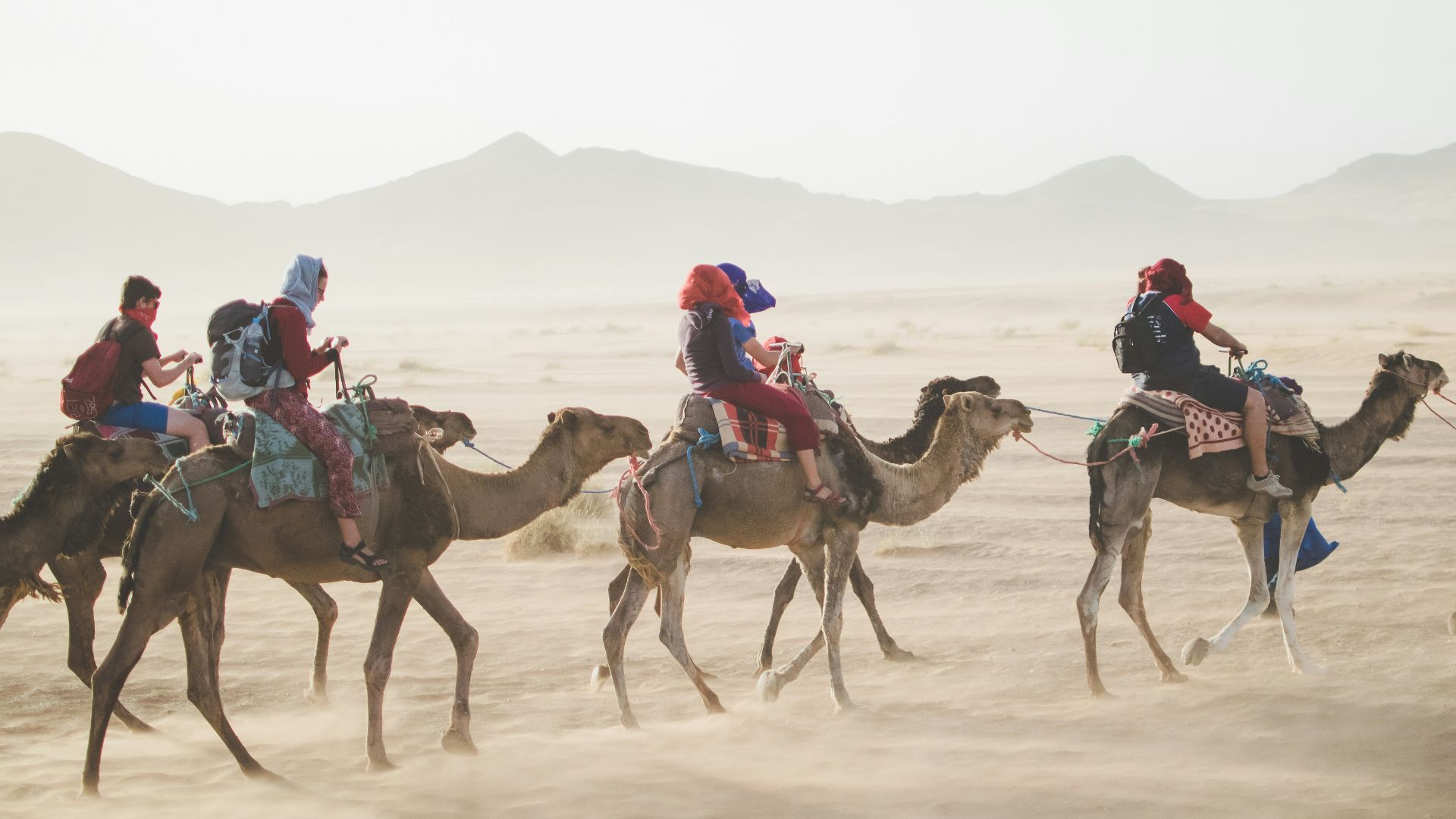
One of the biggest benefits of early cultural travel is how naturally it develops empathy and open-mindedness. When kids see people living differently—celebrating different holidays, speaking new languages, eating unfamiliar foods—it challenges their assumptions and broadens their worldview. It teaches them that there isn’t just one way to live, communicate, or think.
Visiting cultural sites also places children in situations where they must listen, observe, and appreciate practices that are not part of their daily life. Whether they're watching traditional dance performances in Asia, learning about Indigenous art in Canada, or exploring Roman history in Europe, these experiences help shape globally aware young people who are comfortable navigating diversity. In a world that increasingly values cultural intelligence, these early lessons are invaluable.
Travel Memories Build Confidence and Lifelong Connections
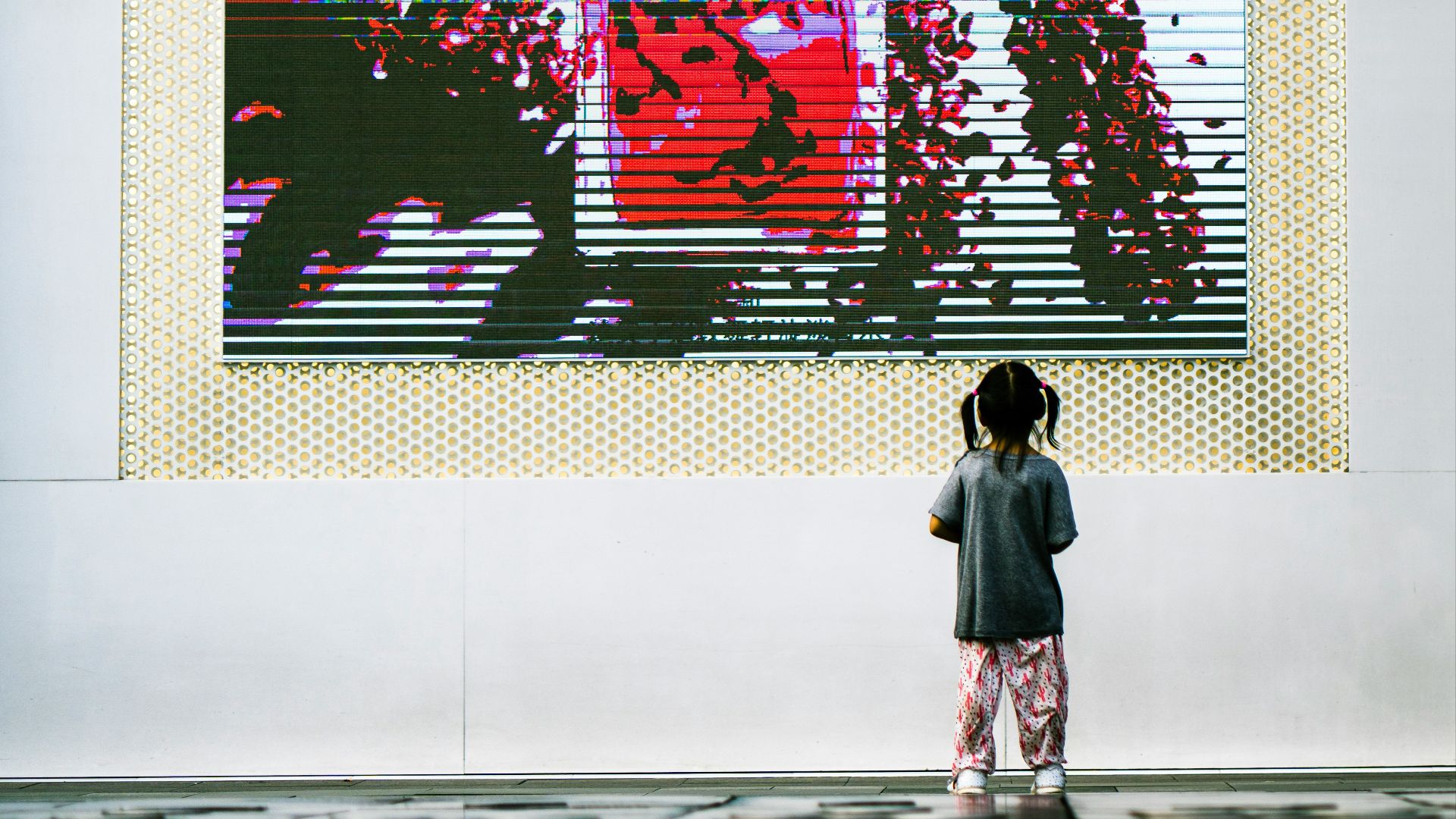
Cultural travel is also a confidence-builder. Kids learn to navigate unfamiliar spaces, try new activities, and ask questions. These are great for kids to learn, even when they feel a bit out of their comfort zone. This fosters resilience and adaptability, skills that will serve them well throughout school and adulthood.
But perhaps the most meaningful benefit is the emotional connection families build through travel. Shared memories become formative stories kids carry with them. You'll have touched ancient stones together, climbed tower steps in tandem, and tasted new foods. These experiences shape how they understand the world and their place in it, encouraging them to dream bigger and think beyond the borders of home.